Loading subject page…


147,815 views

Video Summary: What Is Cell Signaling in Plants
Ever wonder how a sunflower tracks the sun across the sky or why bananas ripen faster when placed in a paper bag? Cell signaling in plants enables these remarkable responses through sophisticated molecular communication networks. From California's agricultural valleys where farmers manipulate plant hormones to optimize crop yields, to your home garden where seedlings emerge only when light conditions are favorable, what is cell signaling in plants becomes a fundamental question for understanding life itself. Plants use receptor-like kinases and specialized signaling pathways to detect and respond to environmental cues like light, temperature, and chemical signals. Watch the full video on JoVE Coach to master this concept with expert-led visuals and step-by-step explanations.
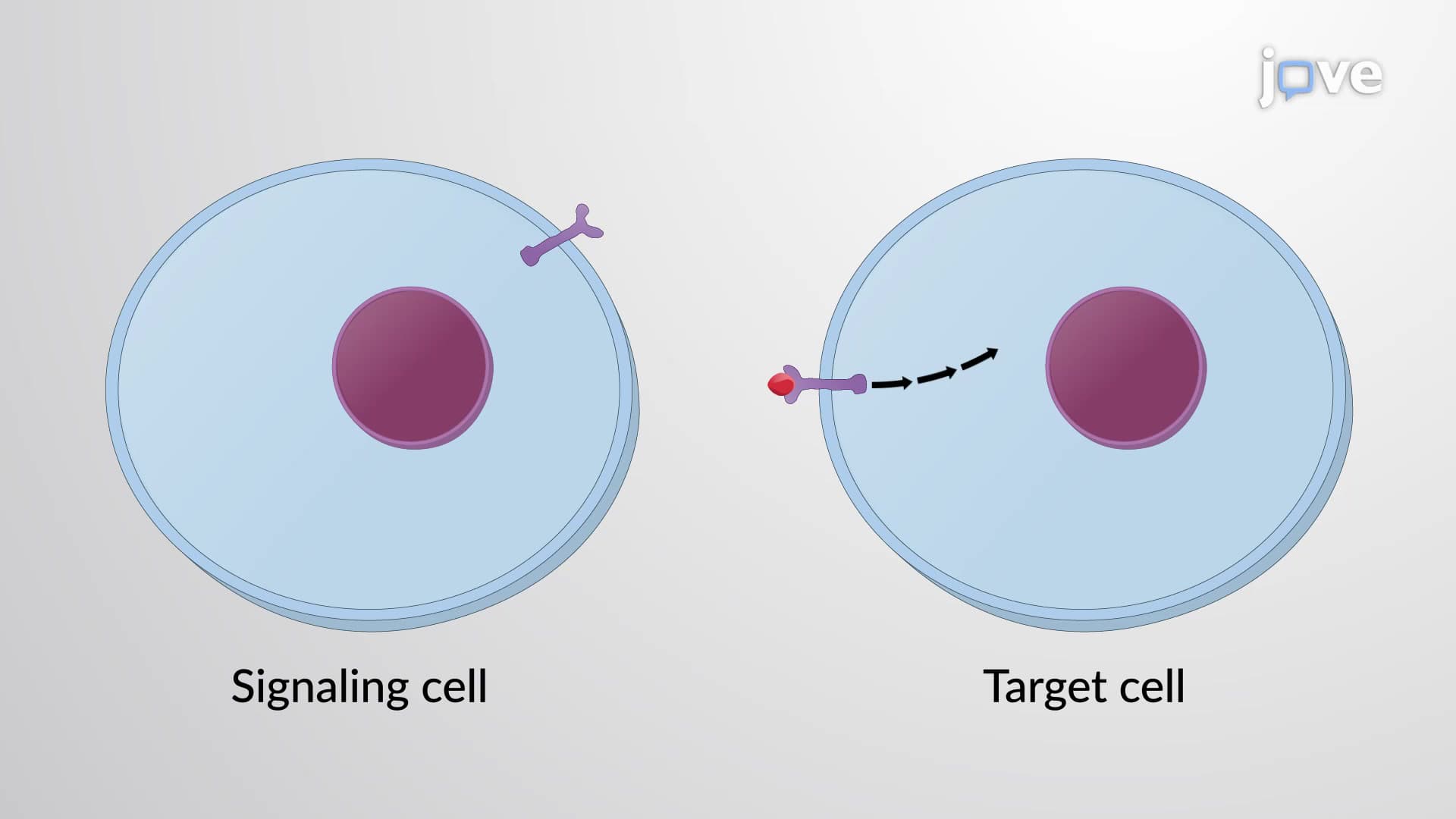
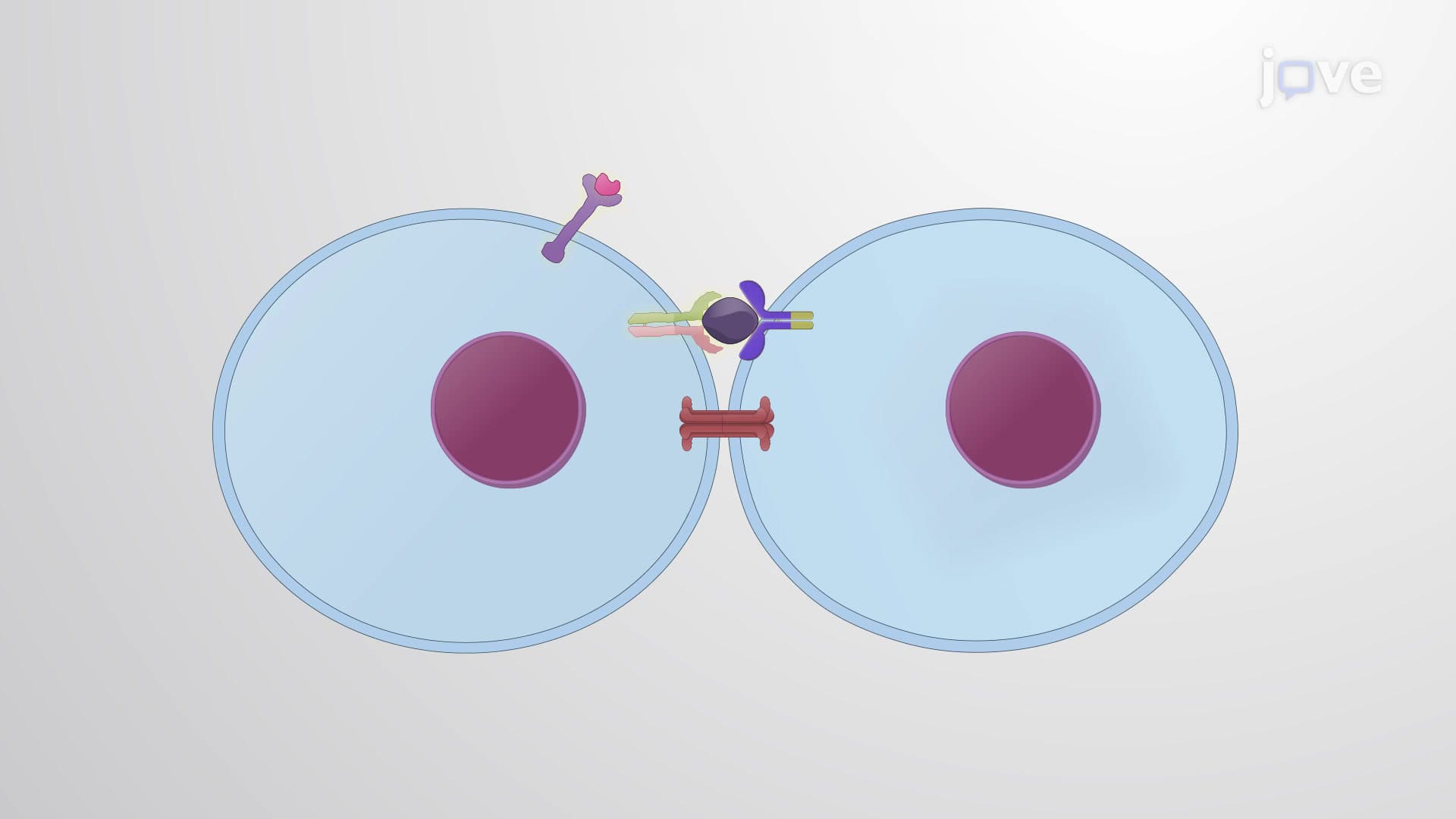
Cell signaling in plants represents one of biology's most elegant communication systems, allowing sessile organisms to thrive in dynamic environments. Unlike animals that can move away from adverse conditions, plants must sense and respond to their surroundings through sophisticated molecular networks. This cell signaling in plants overview reveals how receptor proteins detect external stimuli and convert them into cellular responses that ensure survival and reproduction.
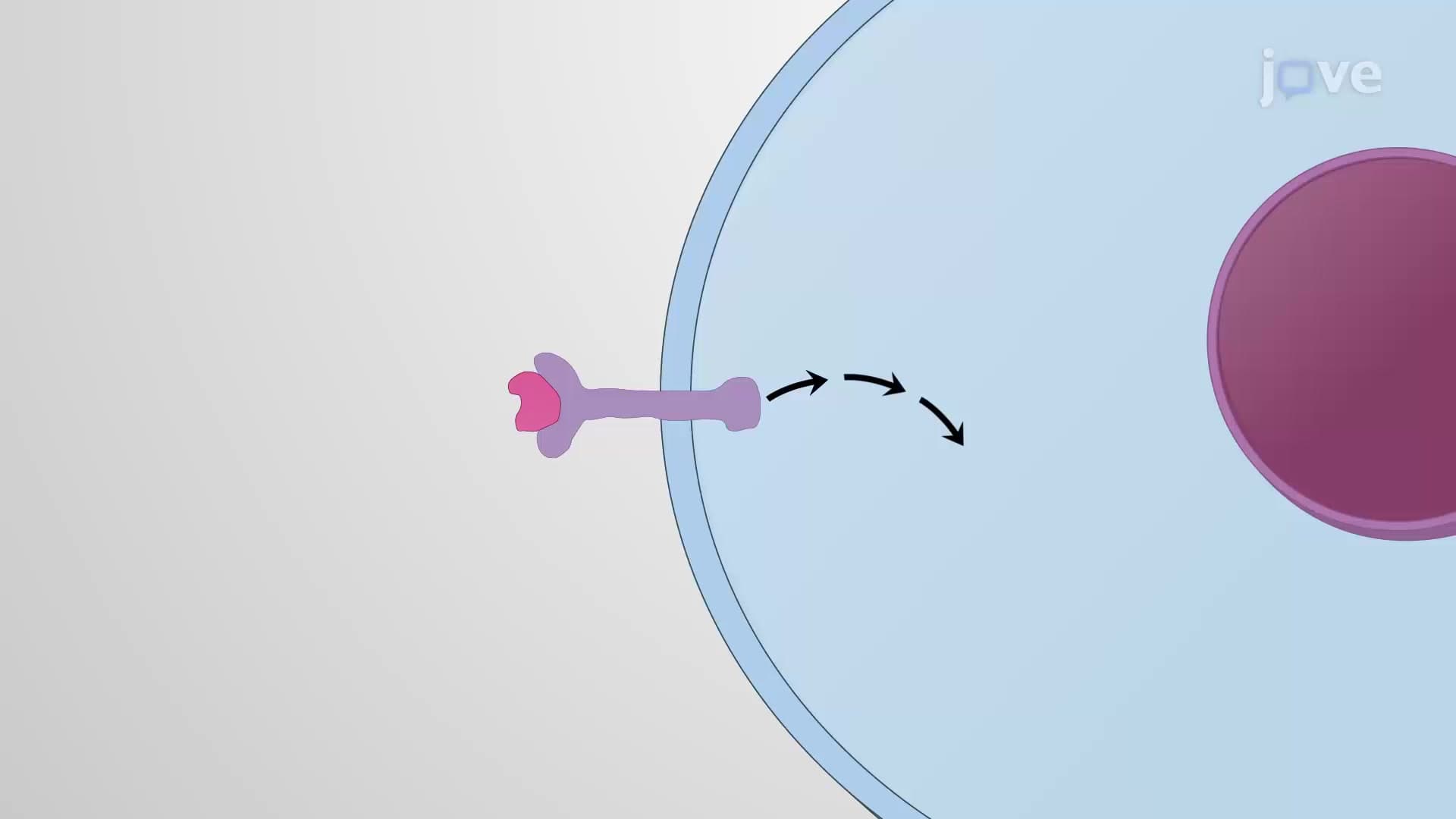
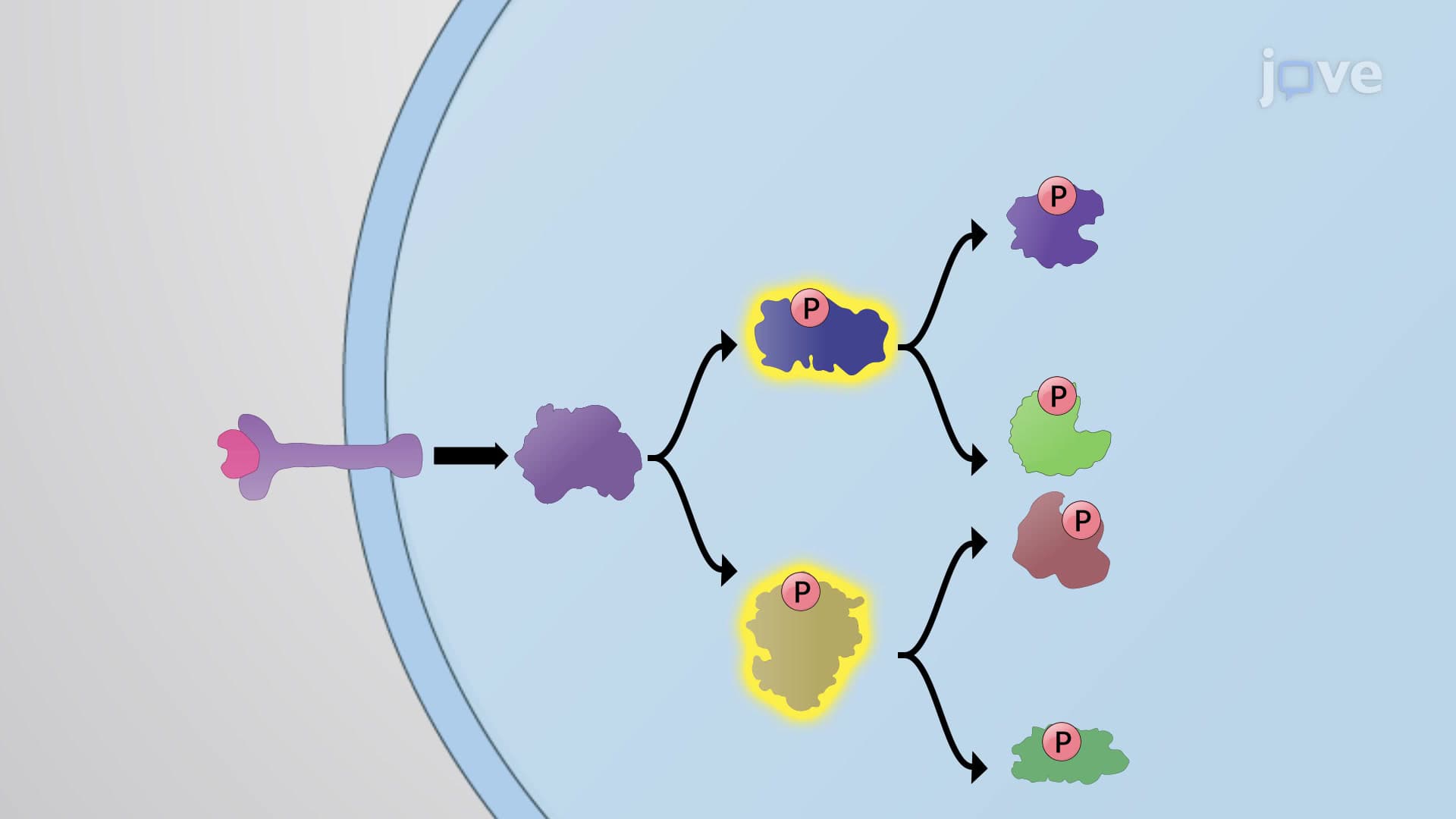
The process begins when environmental signals-such as light photons, temperature changes, or chemical molecules-interact with specialized receptor proteins. These receptors undergo conformational changes that trigger intracellular signaling cascades, ultimately leading to altered gene expression and physiological responses. For US students preparing for AP Biology or college-level plant biology courses, understanding this concept is crucial for explaining phenomena ranging from phototropism to hormone-mediated fruit ripening.
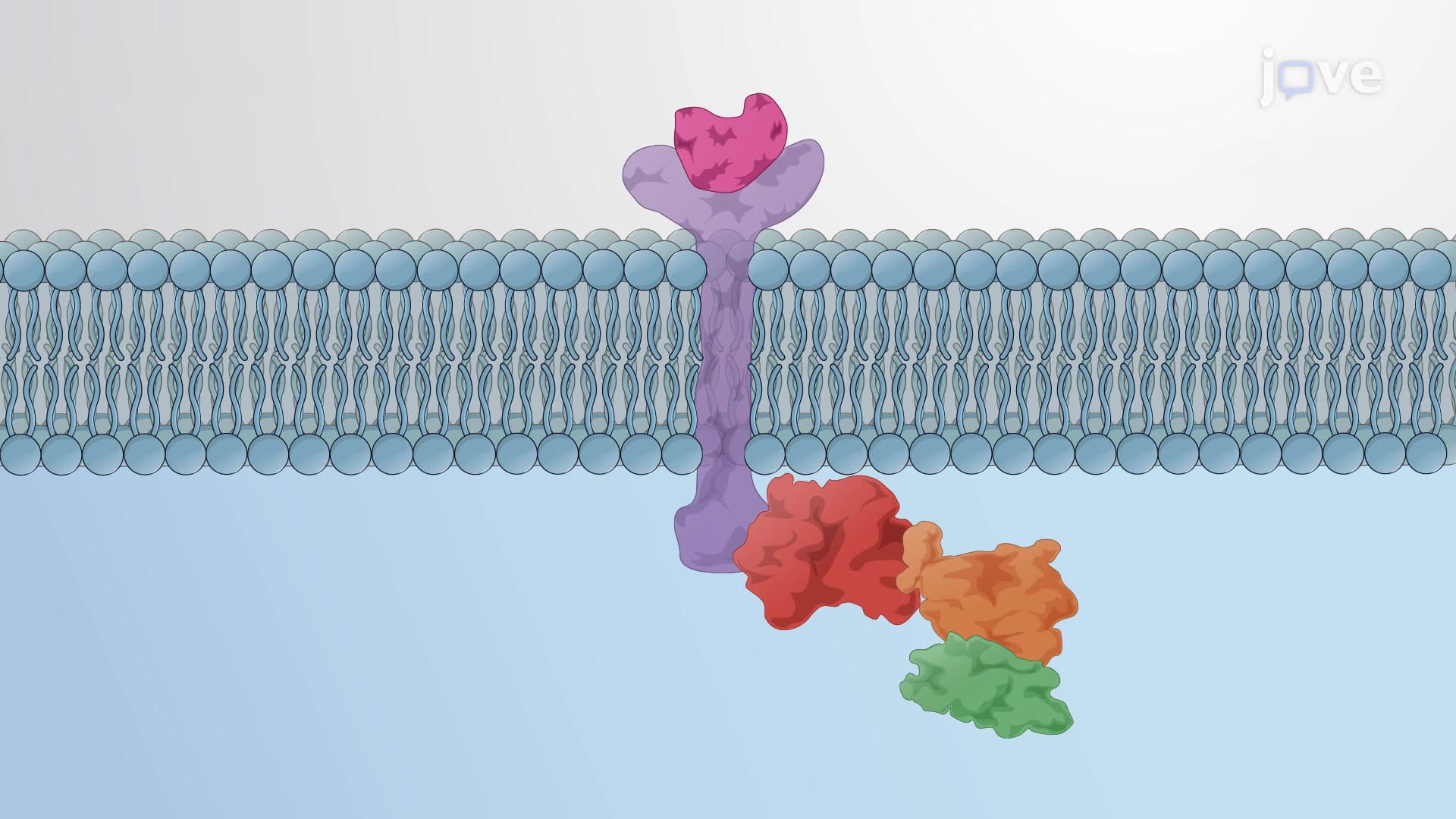
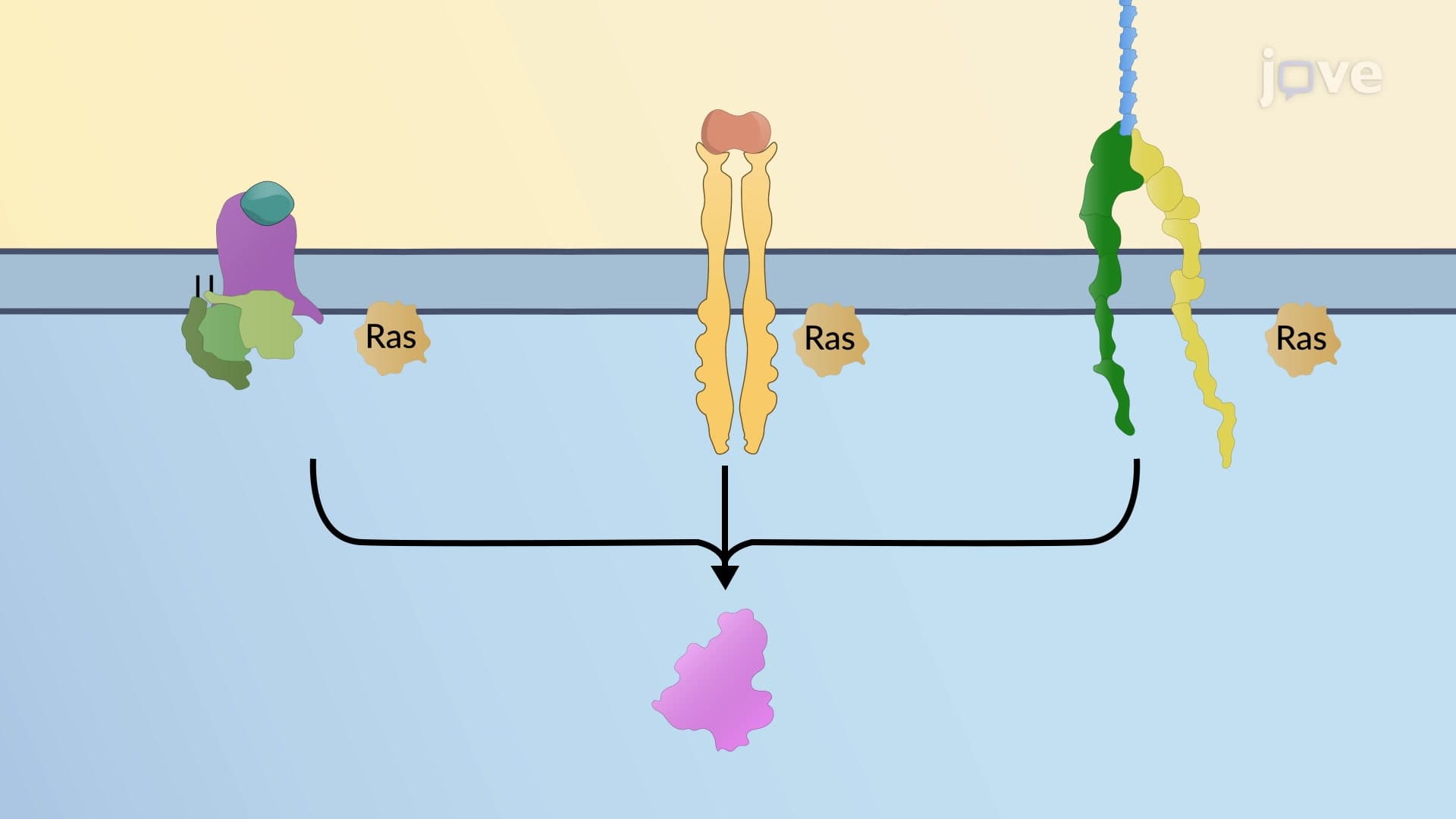
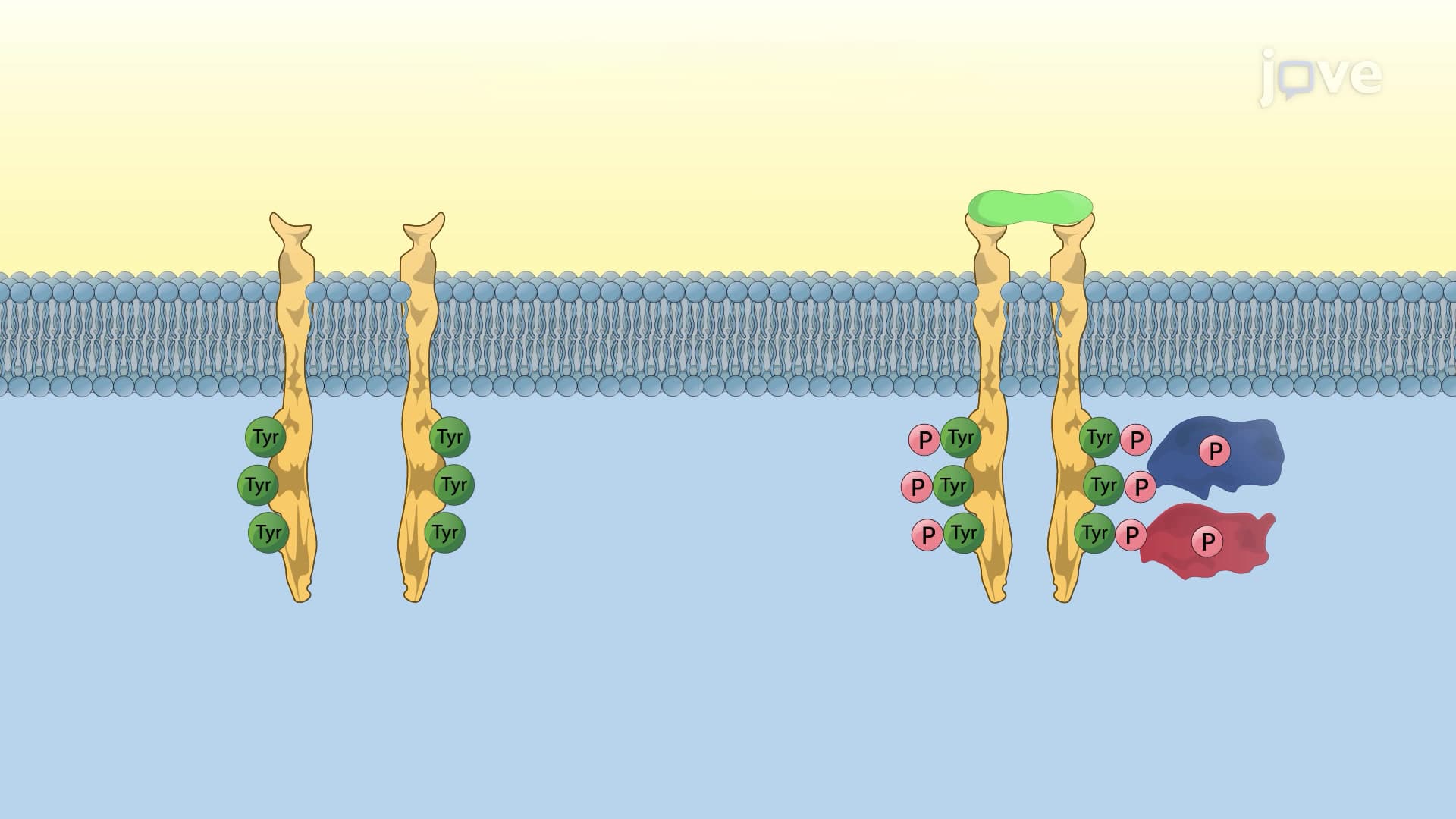
The largest family of plant receptors consists of receptor-like kinases (RLKs), which serve as the primary interface between plants and their environment. These sophisticated proteins contain both extracellular domains that detect signals and intracellular kinase domains that propagate the response. The most abundant RLKs are serine/threonine kinase receptors, which phosphorylate specific amino acid residues to activate downstream signaling components.
In the context of cell signaling in plants definition, RLKs function as molecular switches that can be turned "on" or "off" based on environmental conditions. For example, when you observe corn plants in Iowa's agricultural fields adjusting their growth patterns based on sunlight availability, you're witnessing RLK-mediated responses in action. These receptors enable plants to make critical decisions about resource allocation, growth direction, and developmental timing.
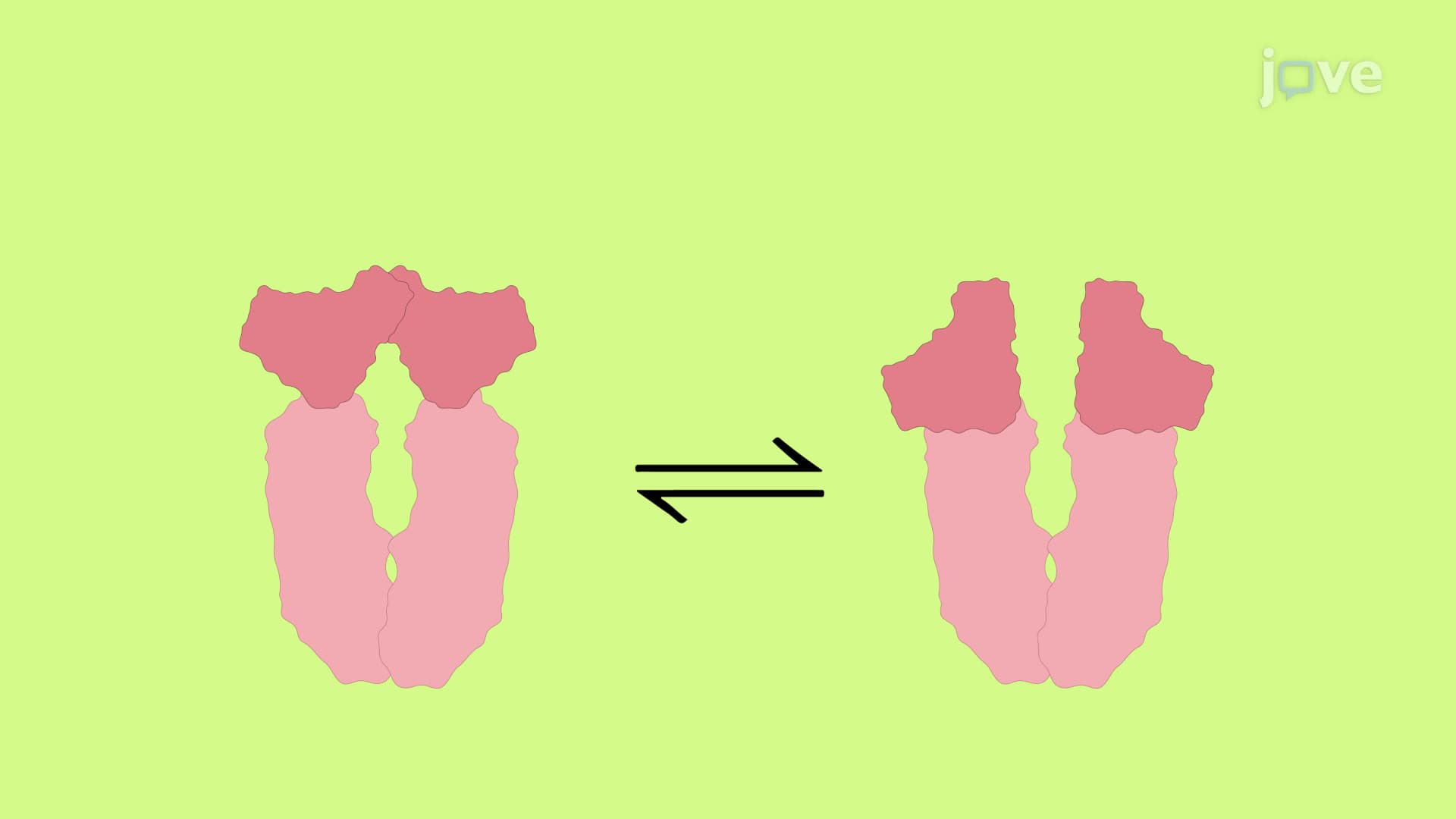
Among the most well-studied examples of plant cell signaling involves phytochrome receptors, which detect red and far-red light wavelengths. These serine/threonine kinase receptors exist in two interconvertible forms: an inactive form (Pr) that absorbs red light and an active form (Pfr) that absorbs far-red light. This cell signaling in plants concept explains why seeds germinate preferentially in favorable light conditions rather than in the darkness beneath soil or competing vegetation.
When red light activates phytochromes, they initiate signaling cascades that regulate light-responsive gene expression. This mechanism underlies many agricultural practices used across the American Midwest, where farmers optimize planting depths and timing to ensure proper seedling emergence. For MCAT preparation, understanding phytochrome signaling provides excellent examples of how environmental stimuli are converted into gene expression changes through protein phosphorylation networks.
The ethylene signaling pathway demonstrates how plants coordinate developmental processes through gaseous hormone signals. Ethylene receptors, which are histidine kinase receptors, operate through a unique "default activation" mechanism. In the absence of ethylene, these receptors actively suppress ethylene-responsive gene expression. However, when ethylene binds to its receptors, this suppression is relieved, allowing rapid activation of ripening-related genes.
This understanding cell signaling in plants principle explains commercial fruit handling practices throughout the US agricultural system. From apple orchards in Washington State to citrus groves in Florida, producers manipulate ethylene signaling to control ripening timing, ensuring optimal fruit quality during transport and retail sale.
Related Micro-courses