Loading video…


 12 Concepts
 147.8K views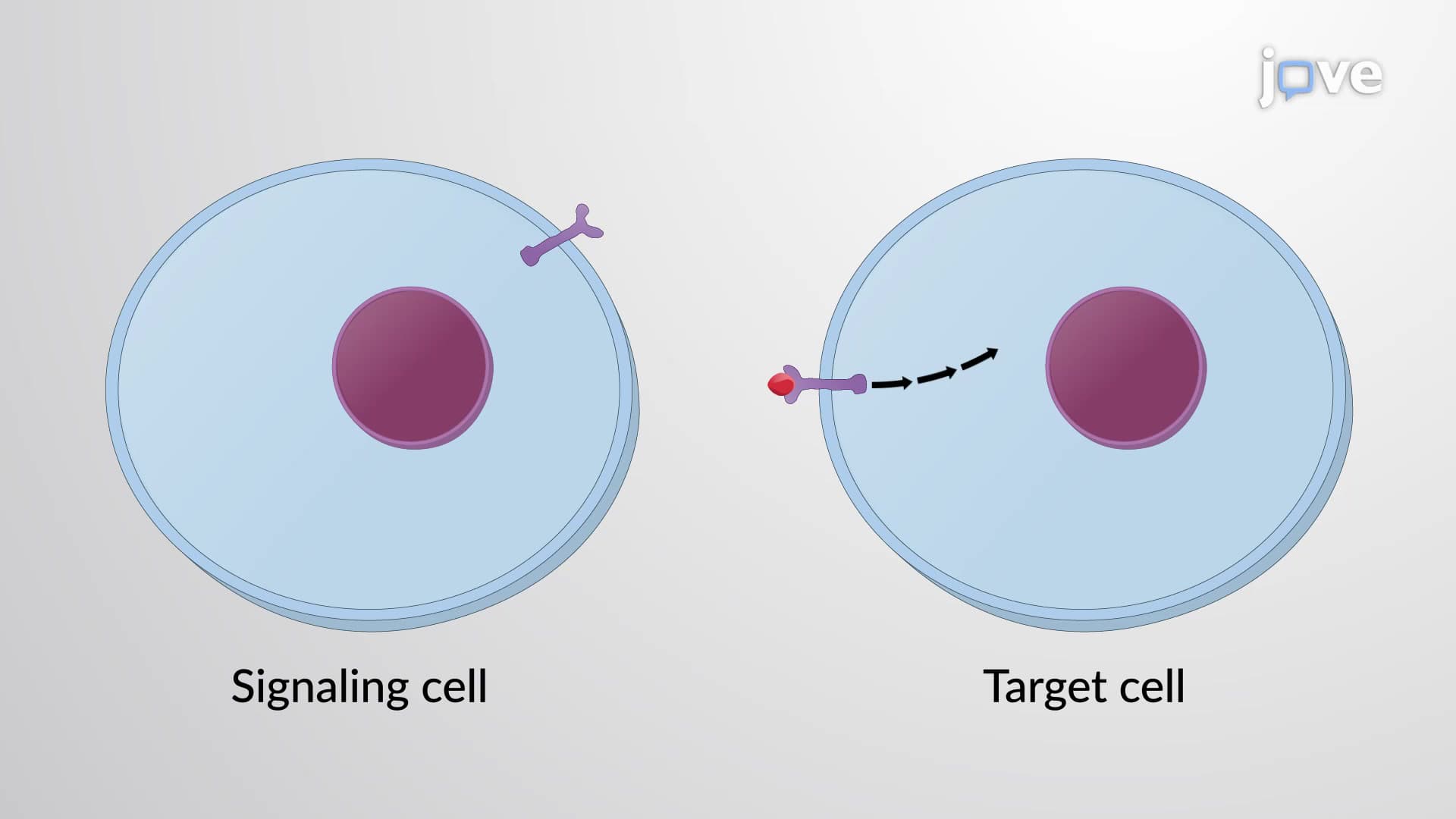

Video Summary: What Is Overview of Cell Signaling
Did you know that your cells are constantly "texting" each other to coordinate everything from healing a cut to making you hungry? A cell signaling overview reveals how billions of cellular conversations happen simultaneously in your body through chemical messengers called ligands and their target receptors. For example, when you eat a meal, your pancreatic cells use endocrine signaling to release insulin throughout your bloodstream, instructing muscle and liver cells to absorb glucose. Understanding what is an overview of cell signaling is fundamental to grasping how multicellular organisms like humans maintain homeostasis and respond to environmental changes. Watch the full video on JoVE Coach to master this concept with expert-led visuals and step-by-step explanations.
Cell signaling represents one of biology's most elegant communication systems, where individual cells coordinate complex multicellular behaviors through precise chemical messaging. This cell signaling overview encompasses the mechanisms by which cells detect, process, and respond to environmental information, forming the foundation for all physiological processes from development to disease response.
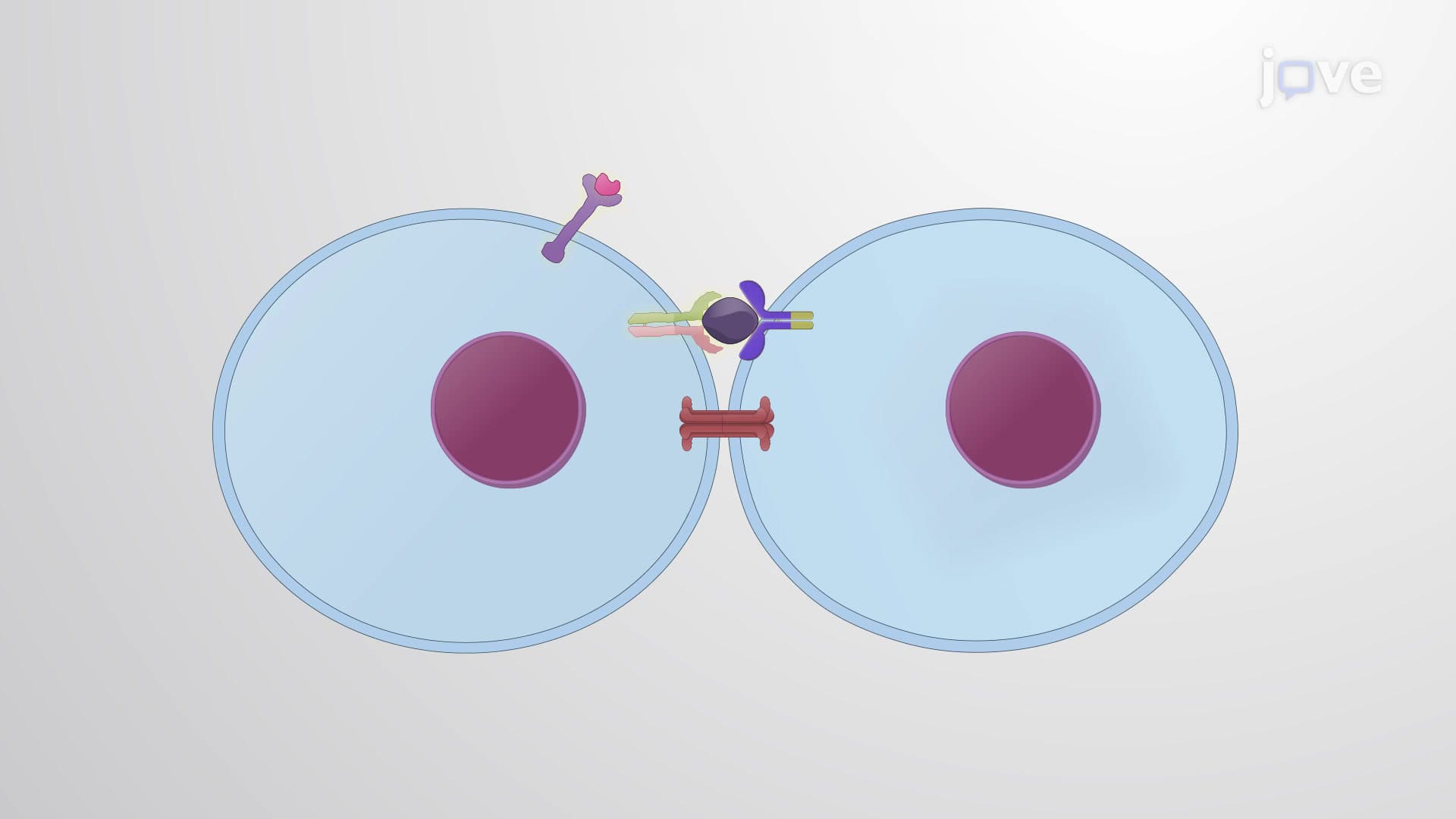
Cell communication signaling basics involve several distinct pathways based on distance and mechanism. Paracrine signaling creates local communication networks-think of how immune cells recruit neighboring defenders to an infection site through inflammatory molecules like histamine. Autocrine signaling allows cells to self-regulate, as seen when cancer cells stimulate their own growth through self-produced growth factors.
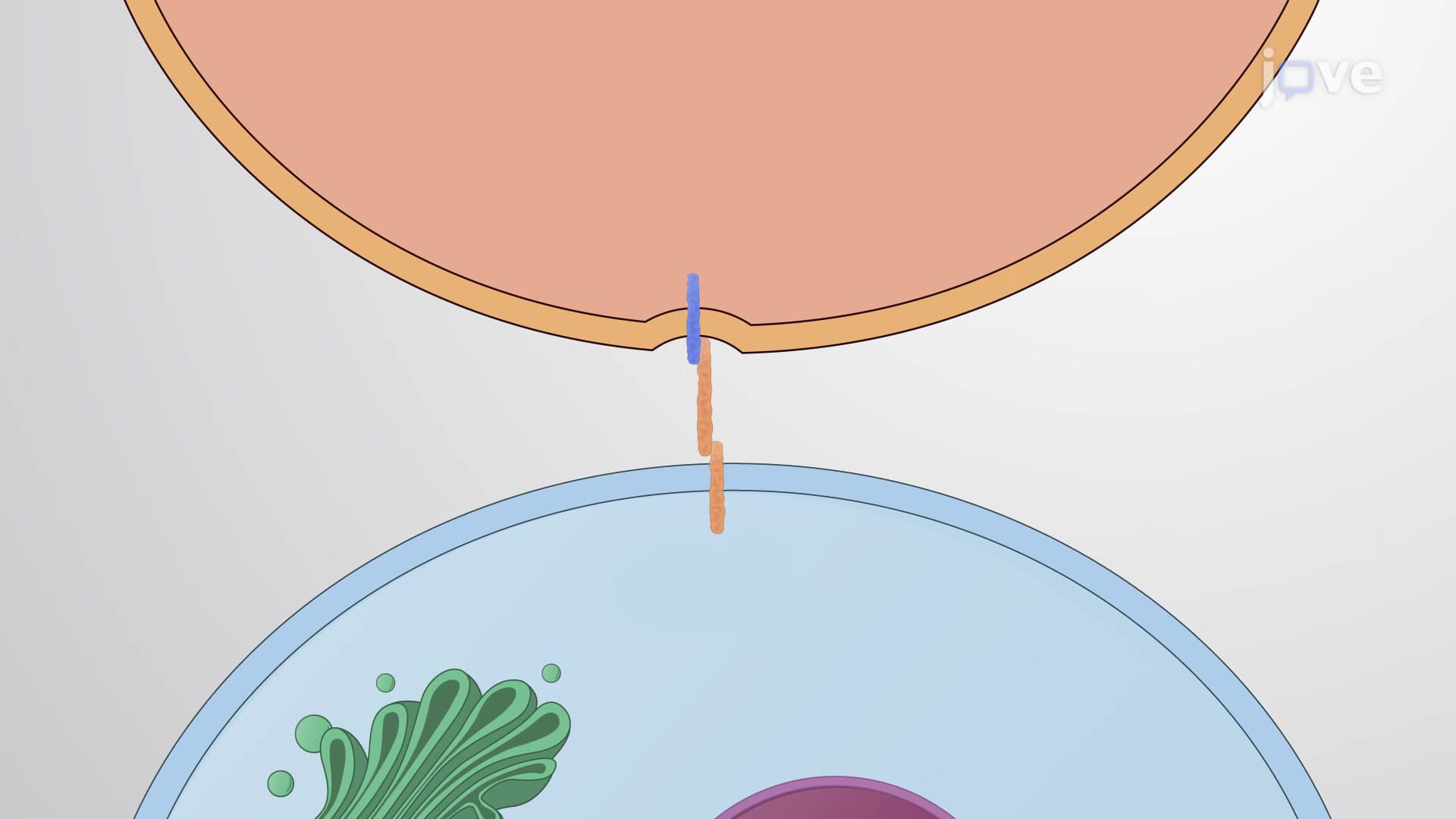
Juxtacrine signaling requires direct cell contact, exemplified by how developing neurons use surface-bound guidance molecules to navigate to their targets during brain development. Gap junction communication permits direct molecular exchange between adjacent cells, crucial for coordinating heart muscle contractions.
Endocrine signaling orchestrates body-wide responses through hormones traveling via the bloodstream. The thyroid-stimulating hormone (TSH) from your pituitary gland exemplifies this system, traveling to the thyroid to regulate metabolism throughout your entire body. Synaptic signaling represents a specialized long-range system where neurotransmitters like dopamine cross synaptic gaps in milliseconds, enabling rapid neural communication essential for everything from reflexes to complex thoughts.
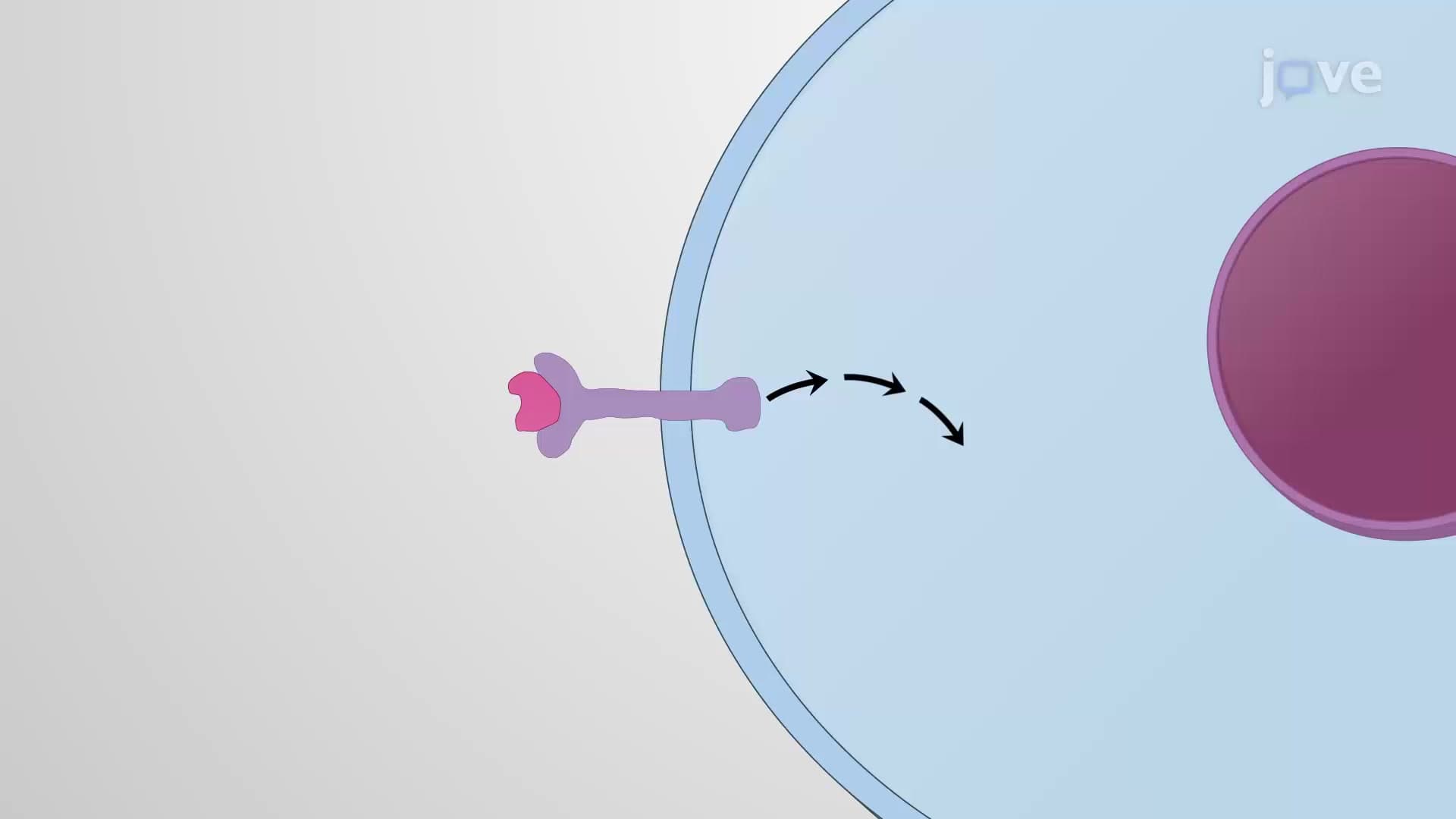
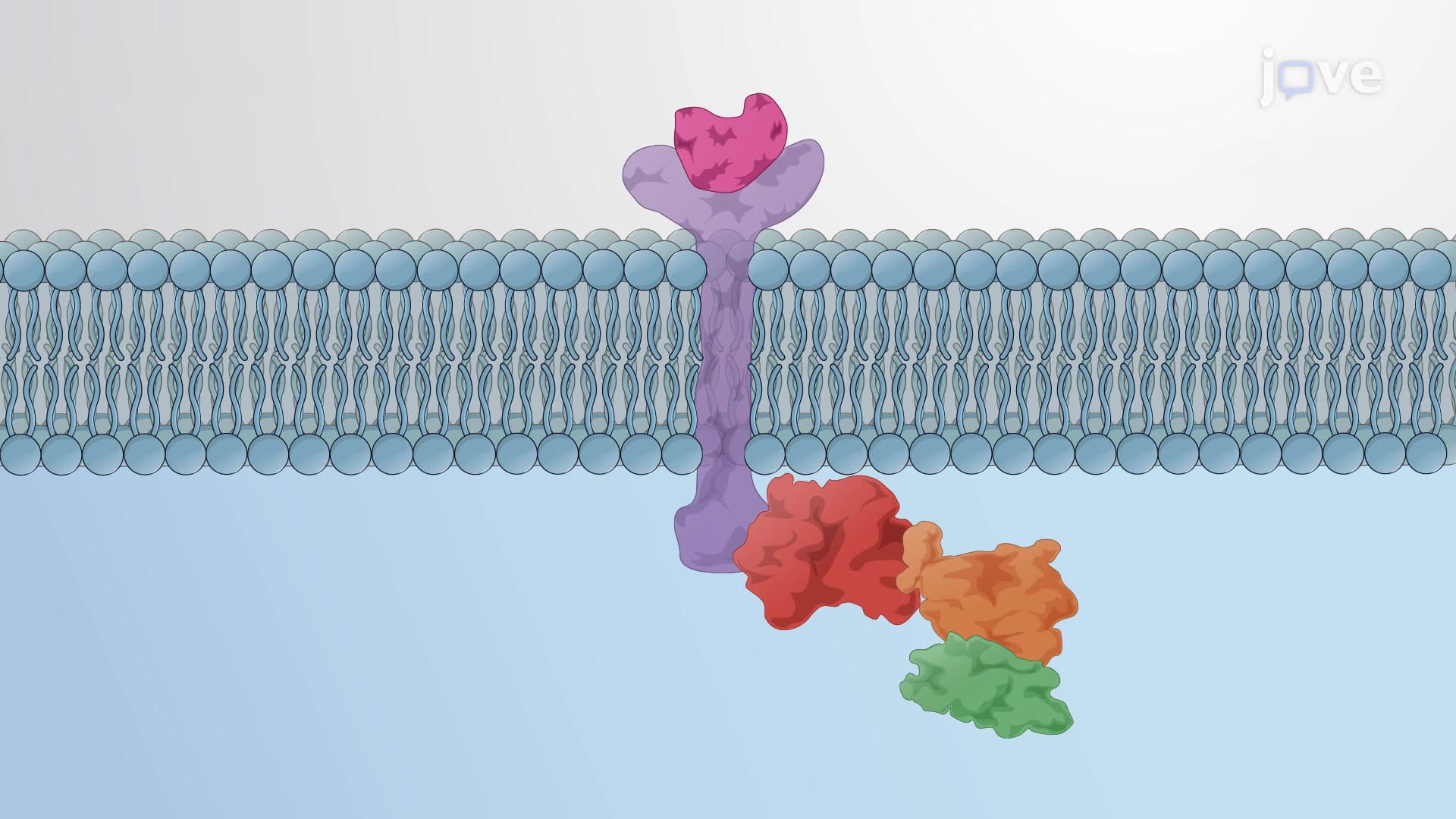
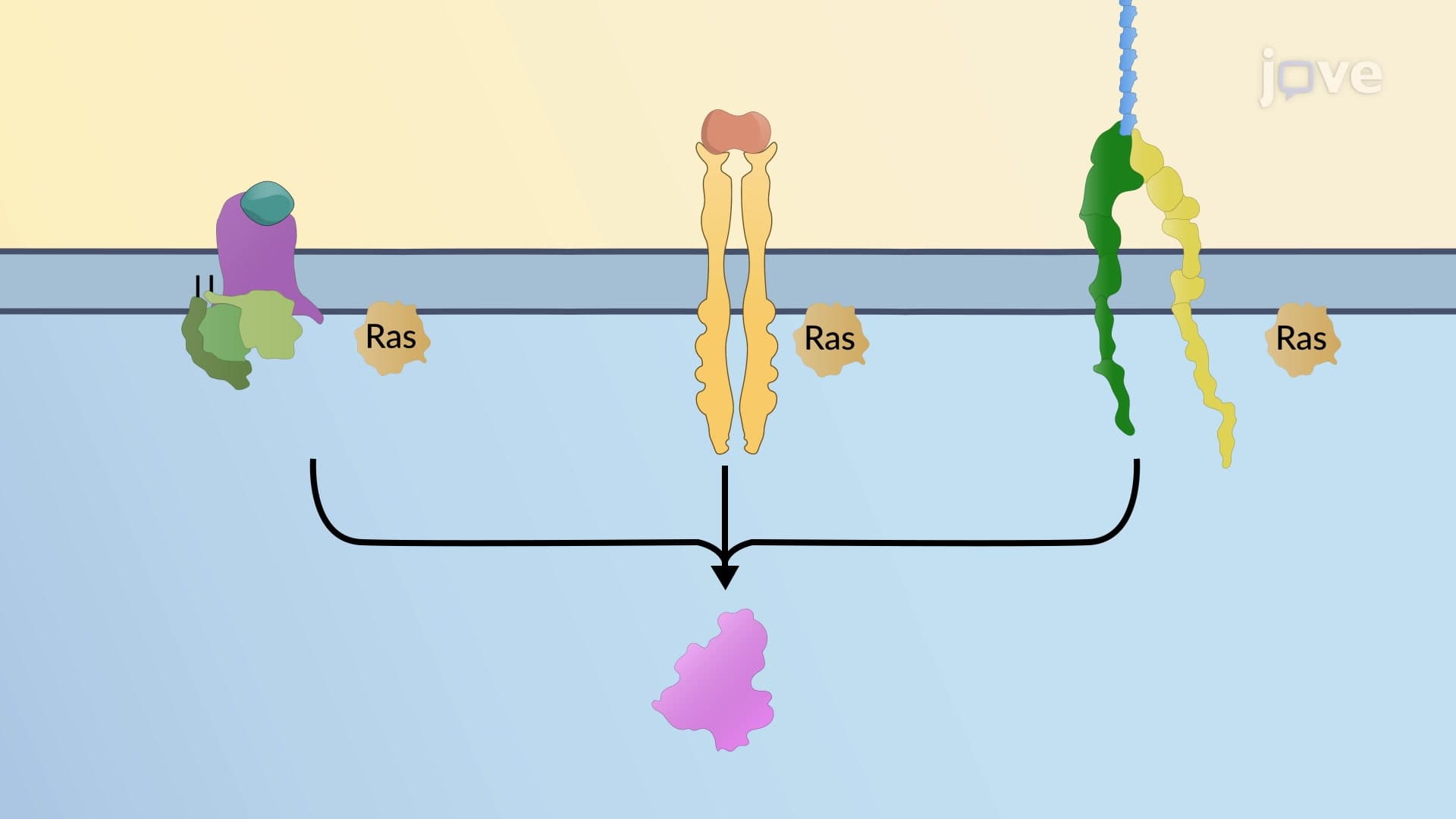
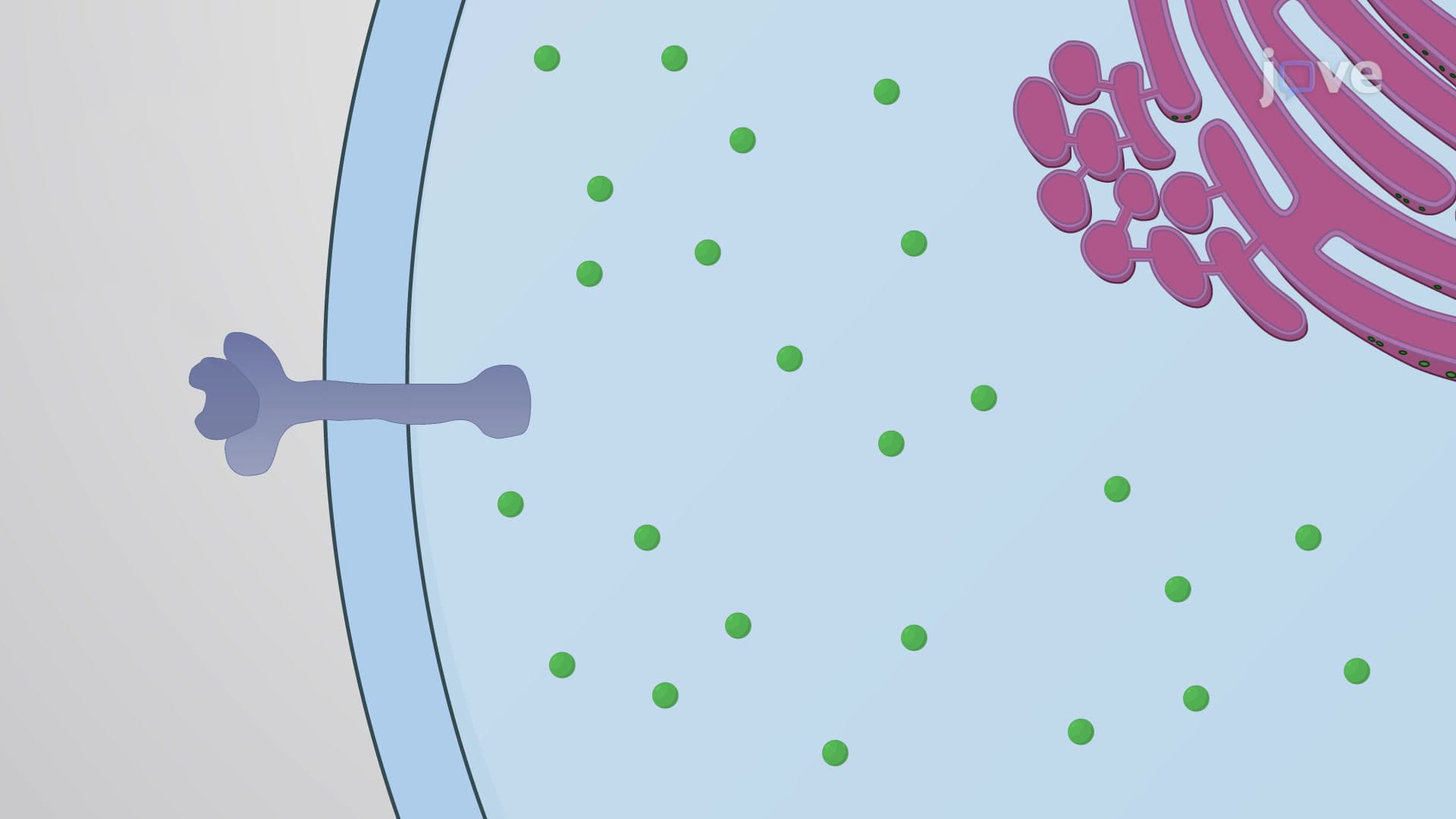
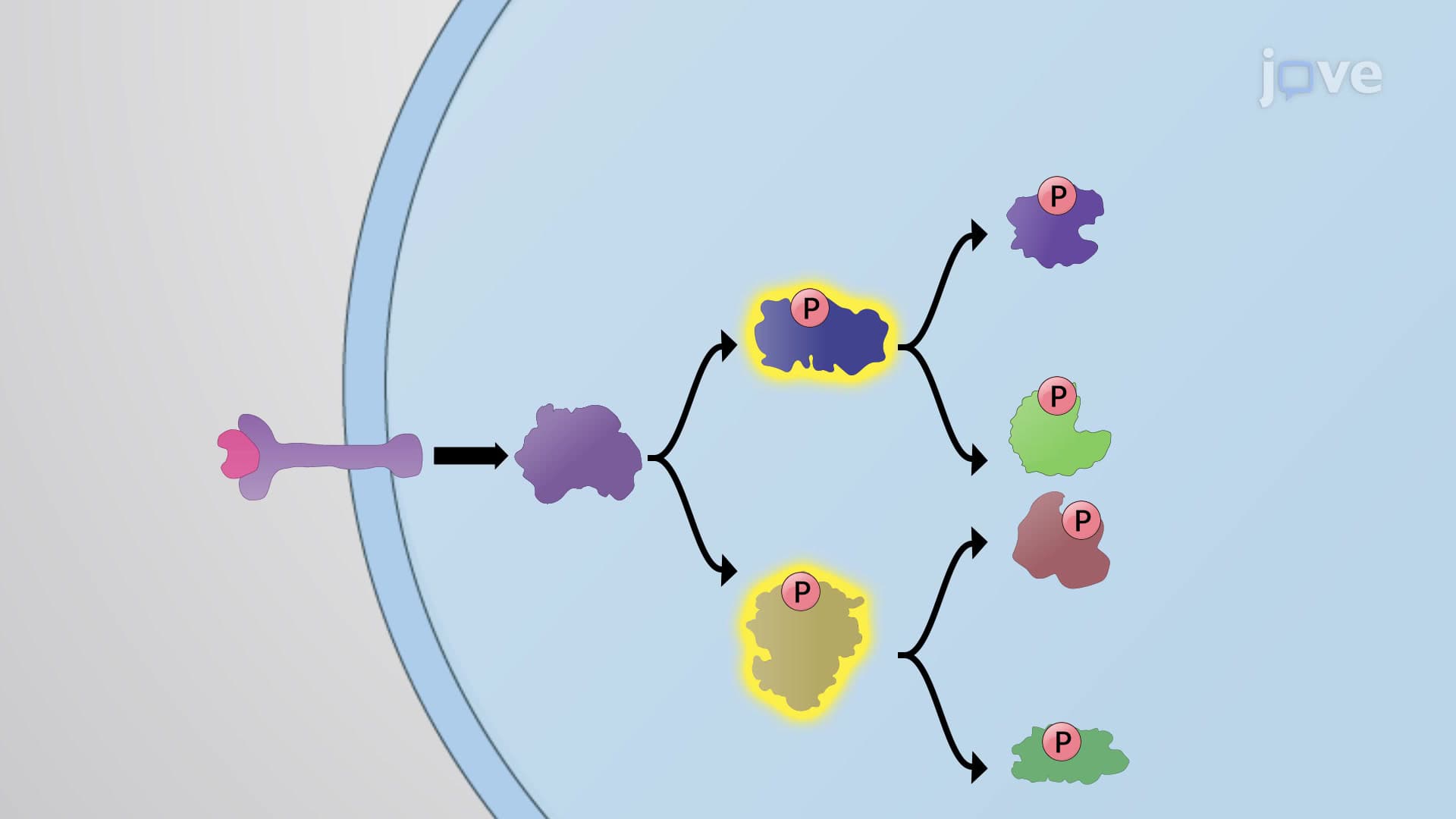
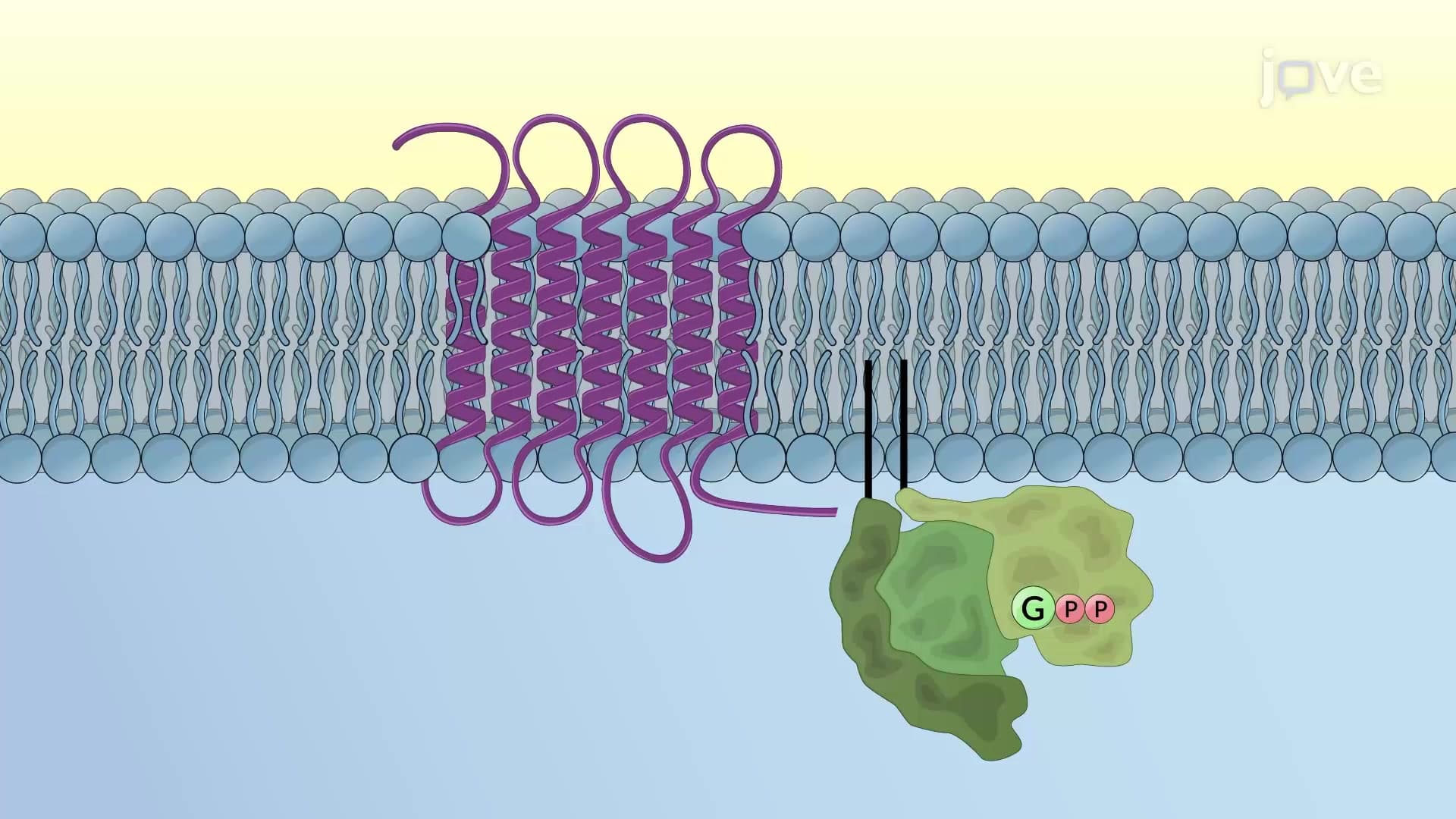
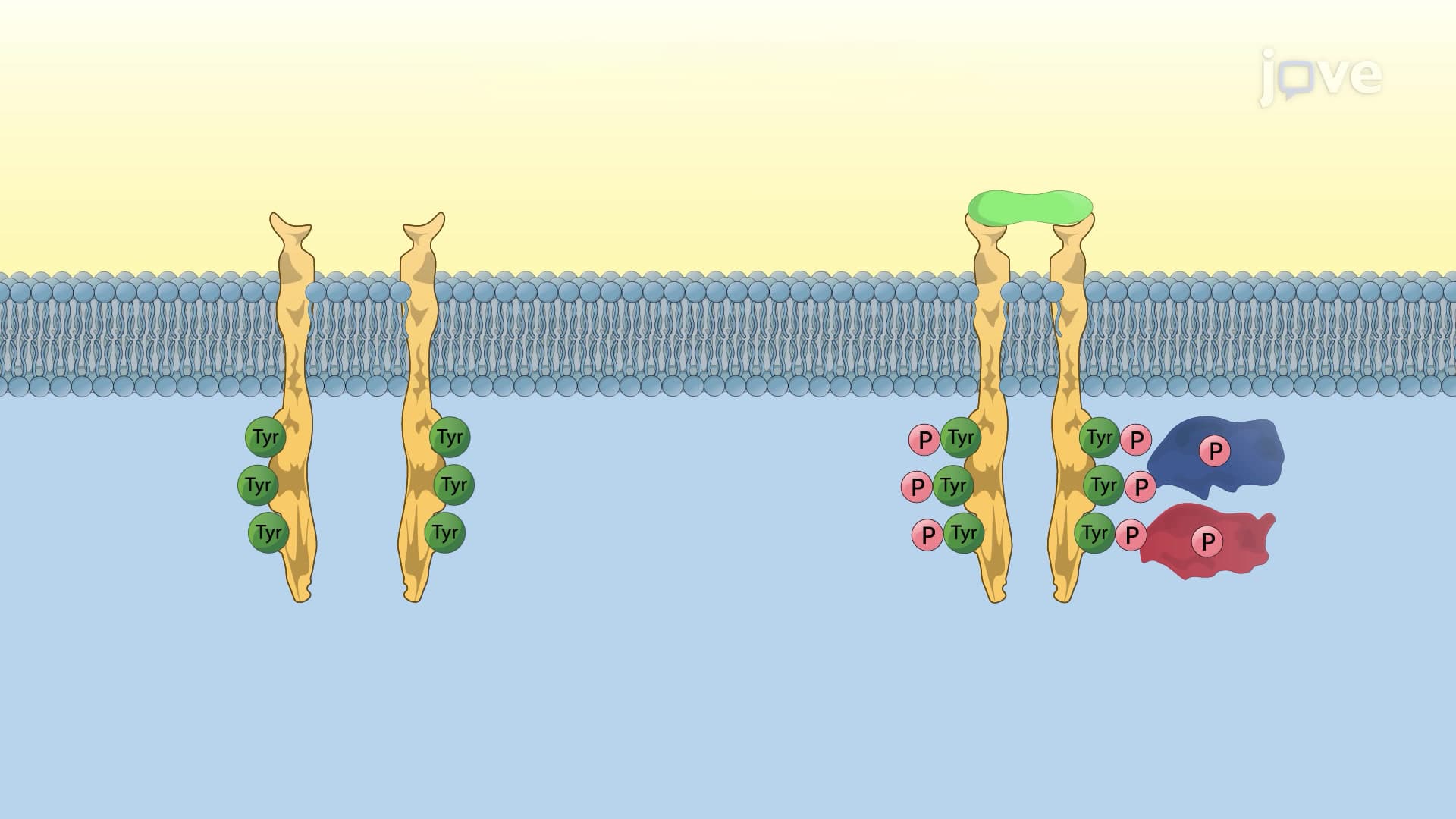
A signal transduction pathway overview reveals three fundamental steps: signal detection, signal processing, and cellular response. Consider insulin signaling after a meal-insulin (ligand) binds to insulin receptors on muscle cells, triggering an intracellular signaling cascade that activates glucose transporters, ultimately lowering blood sugar levels.
Second messenger signaling amplifies these responses dramatically. When adrenaline binds to heart muscle receptors, it activates adenylyl cyclase, producing thousands of cyclic AMP (cAMP) molecules that amplify the original signal, resulting in increased heart rate and force of contraction.
This knowledge proves essential for AP Biology exams, MCAT preparation, and undergraduate biochemistry courses, where understanding receptor ligand signaling mechanisms helps explain drug actions, hormone disorders, and cellular responses to environmental stresses.
Related Micro-courses