Loading video…


 18 Concepts
 152.8K views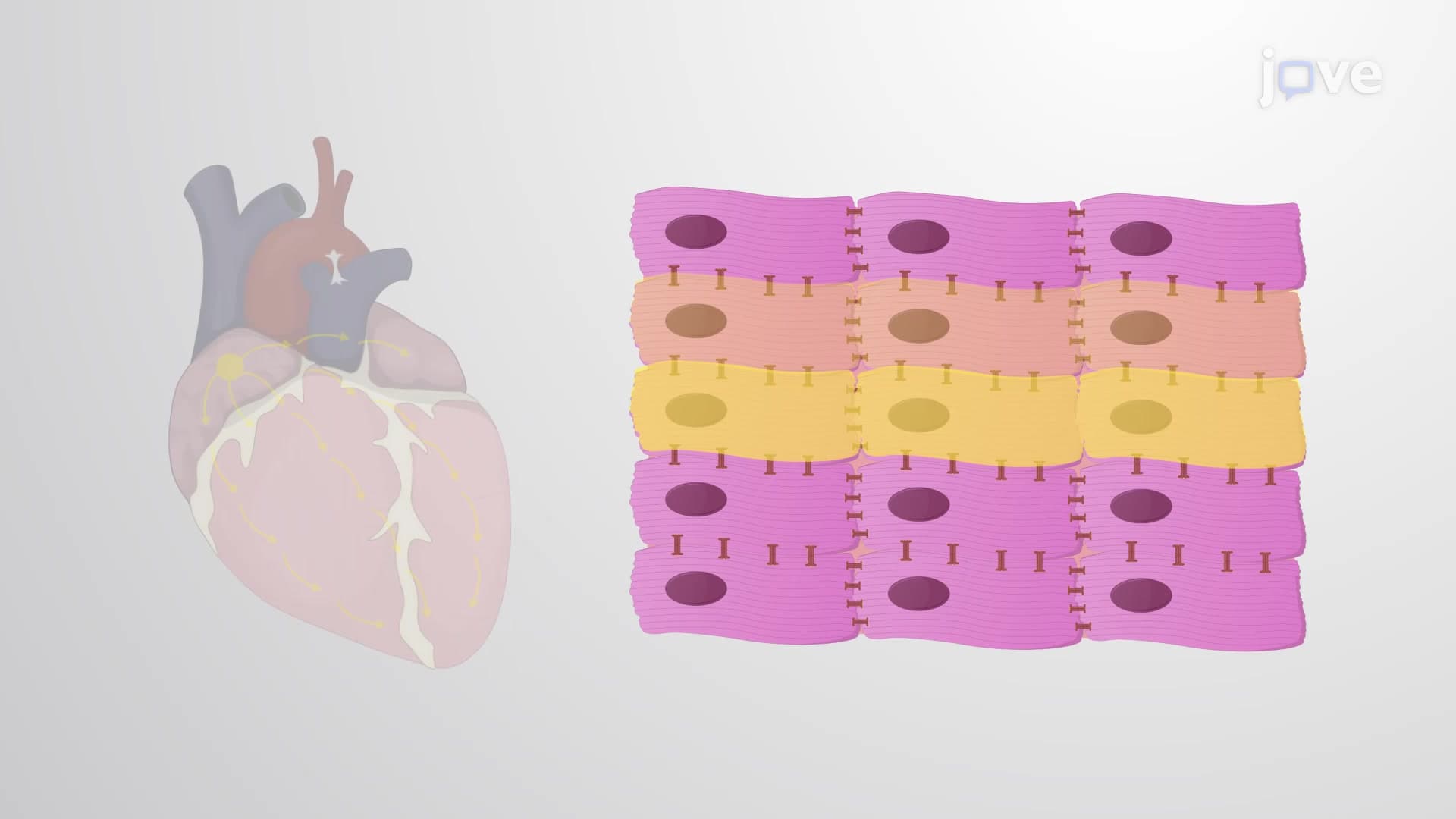

Video Summary: What are Electrical Synapses
Did you know your heart beats over 100,000 times daily thanks to electrical synapses that work faster than the blink of an eye? Electrical synapses enable instantaneous communication between cells through direct physical connections, unlike chemical synapses that require neurotransmitters. In the cardiac pacemaker cells of the sinoatrial node at Johns Hopkins Hospital, these connections ensure synchronized heartbeats that keep patients alive during surgery. Watch the full video on JoVE Coach to master this concept with expert-led visuals and step-by-step explanations.
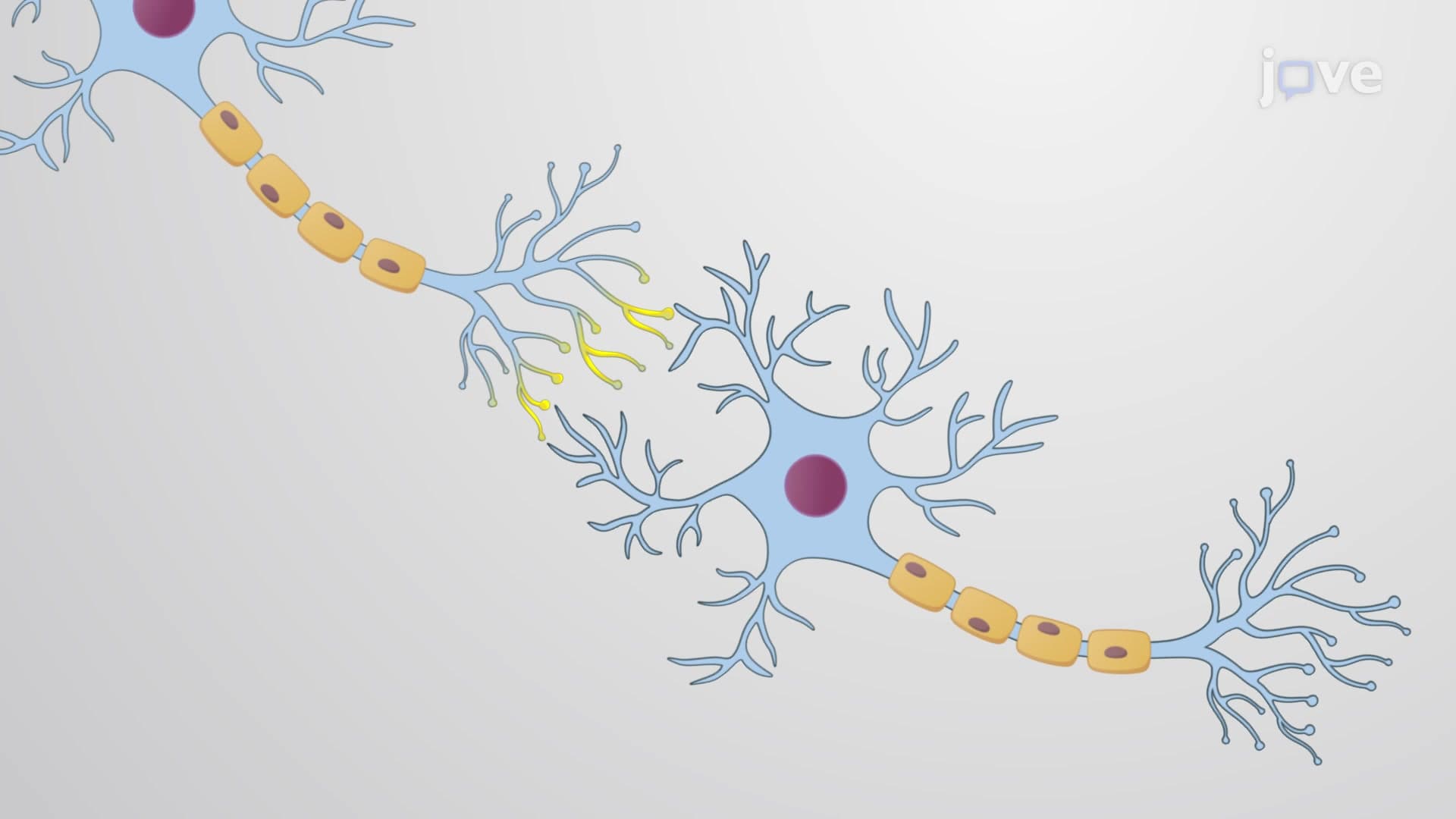
Electrical synapses represent one of the most efficient communication systems in the human body, functioning as direct electrical highways between cells. Unlike their chemical counterparts that rely on neurotransmitter release and receptor binding, electrical synapses create physical bridges through specialized protein channels called gap junctions. This direct connection allows ions and small molecules to flow freely between cells, creating an electrical continuum that enables instantaneous signal propagation.
The architectural foundation of electrical synapses lies in gap junctions, sophisticated protein complexes that span the narrow space between adjacent cell membranes. These junctions consist of connexons-hexameric protein channels formed by six connexin subunits. When connexons from neighboring cells align perfectly, they create a continuous pore approximately 1.5 nanometers in diameter. This pore size allows passage of ions, small metabolites, and signaling molecules up to 1,000 daltons while preventing larger cellular components from crossing.
In the United States healthcare system, understanding these structures proves crucial for medical students preparing for the MCAT and USMLE exams, where questions frequently test knowledge of synaptic transmission mechanisms. The precise alignment of connexins determines the electrical and chemical selectivity of each gap junction, making this a key concept in advanced placement biology and college-level neuroscience courses.
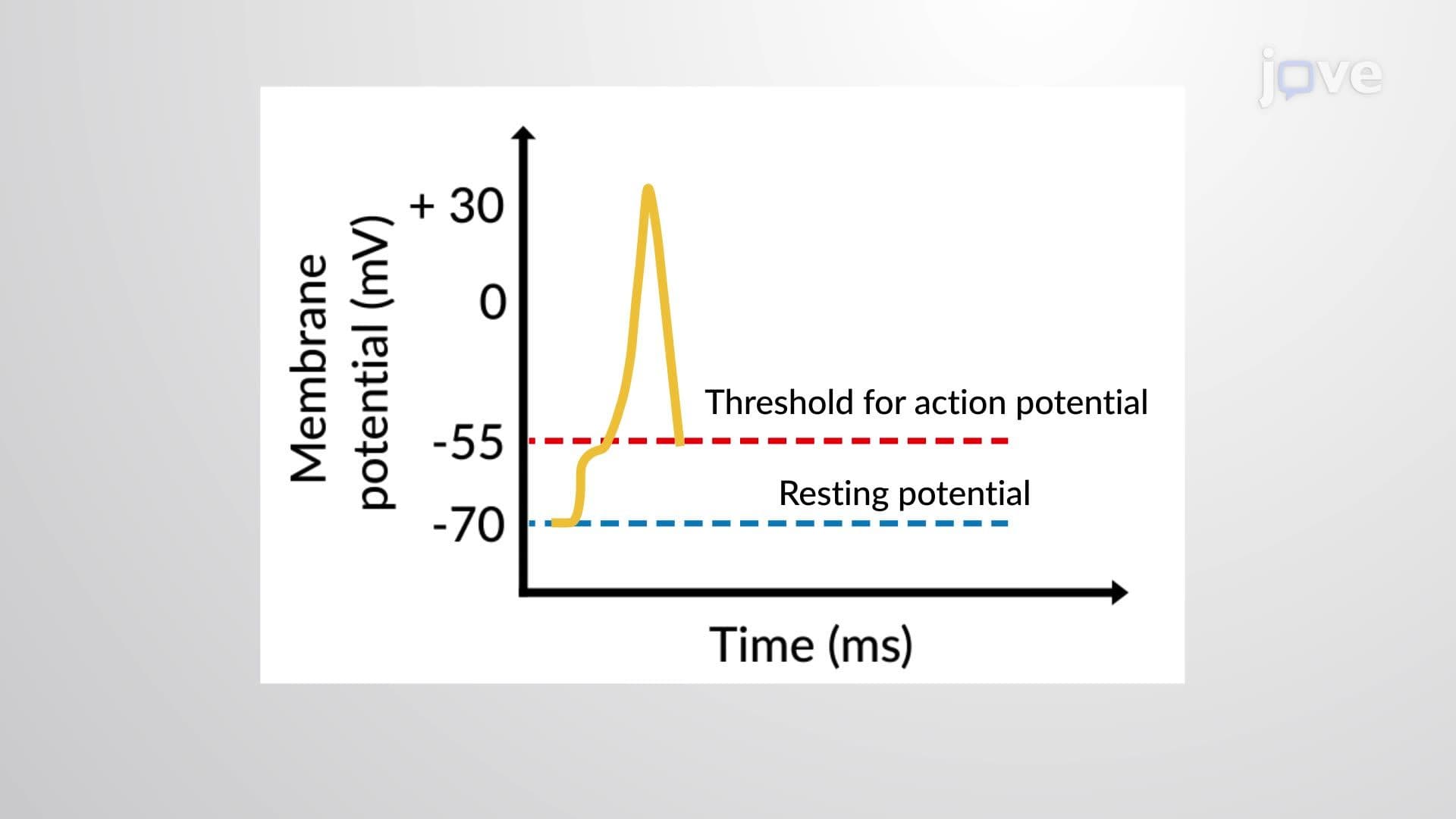
The primary advantage of electrical synapses lies in their transmission speed-signals pass through gap junctions in microseconds compared to the millisecond delays characteristic of chemical synapses. This speed difference occurs because electrical synapses eliminate the time-consuming steps of vesicle fusion, neurotransmitter diffusion, and receptor activation. When an action potential reaches a presynaptic terminal connected by gap junctions, depolarizing current flows directly into the postsynaptic cell, immediately triggering membrane potential changes.
Electrical synapses play vital roles in numerous physiological systems studied in American medical schools. In cardiac muscle, gap junctions containing connexin43 enable the coordinated contractions essential for effective blood pumping. The Mayo Clinic's cardiology research demonstrates how disrupted gap junction function contributes to arrhythmias and heart failure. Similarly, in the retina studied at institutions like Harvard Medical School, electrical synapses between photoreceptors and horizontal cells enhance visual processing by allowing rapid signal integration and lateral inhibition, improving contrast detection and visual acuity.
Related Micro-courses