Loading video…

 18 Concepts
 152.8K views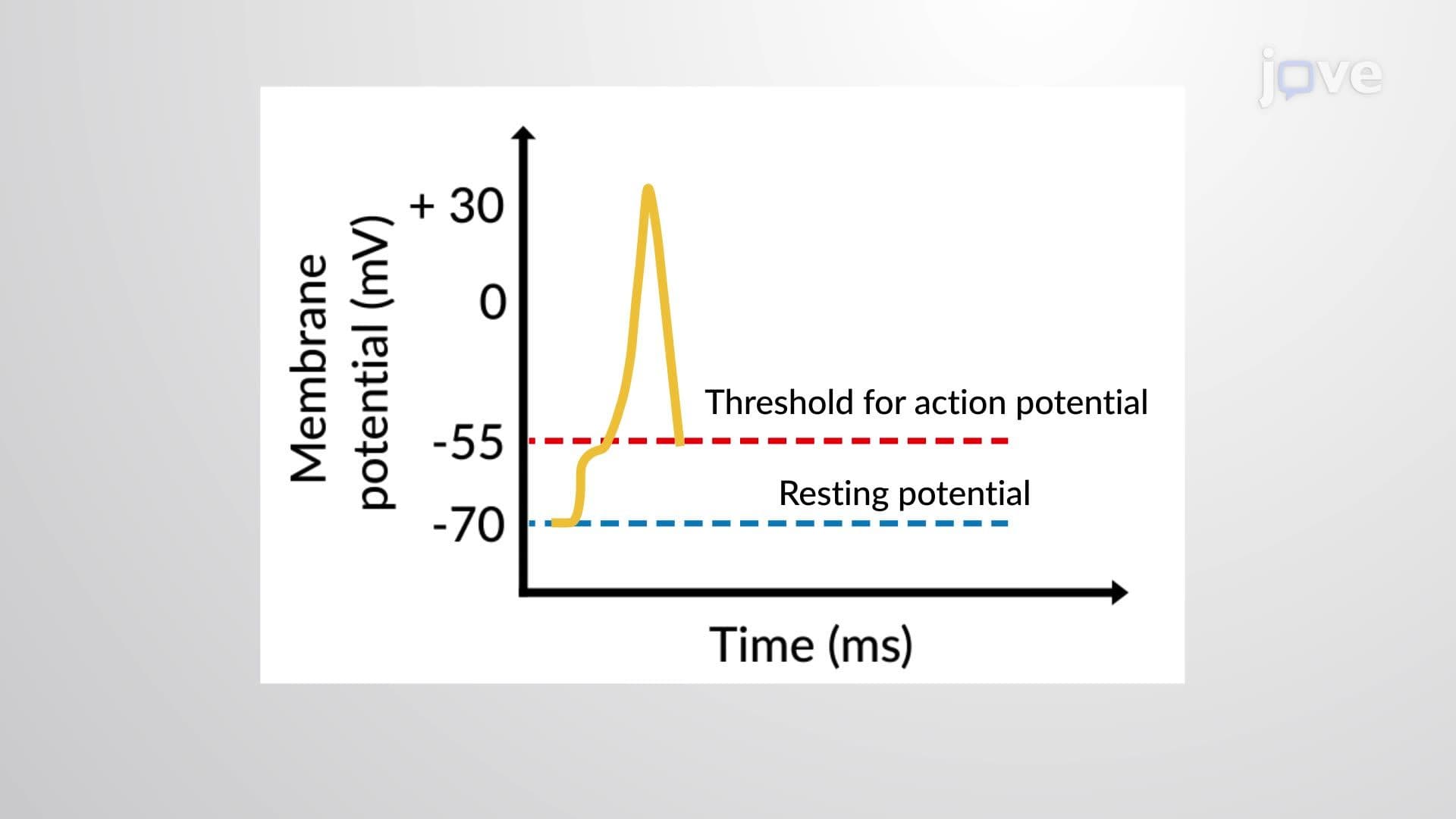

Video Summary: What Is Action Potential
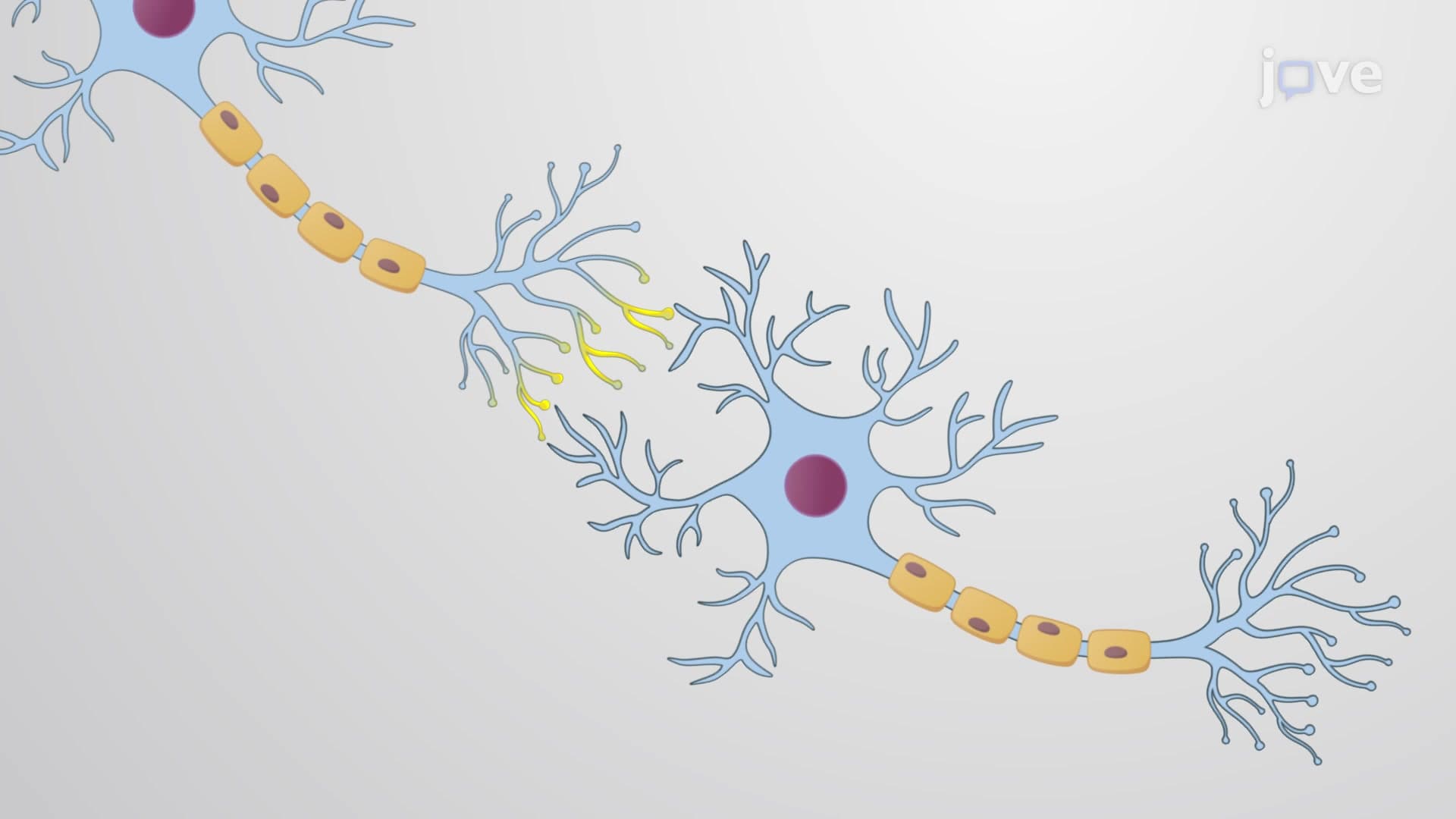
Ever wondered why touching a hot stove makes you pull your hand away in milliseconds? Action potential neuroscience explains this lightning-fast communication system in your nervous system. An action potential is the electrical signal that travels through neurons at speeds up to 120 meters per second-faster than a Major League Baseball fastball. This rapid membrane potential change allows neurons to transmit information from your fingertip to your spinal cord instantly. Watch the full video on JoVE Coach to master this concept with expert-led visuals and step-by-step explanations.
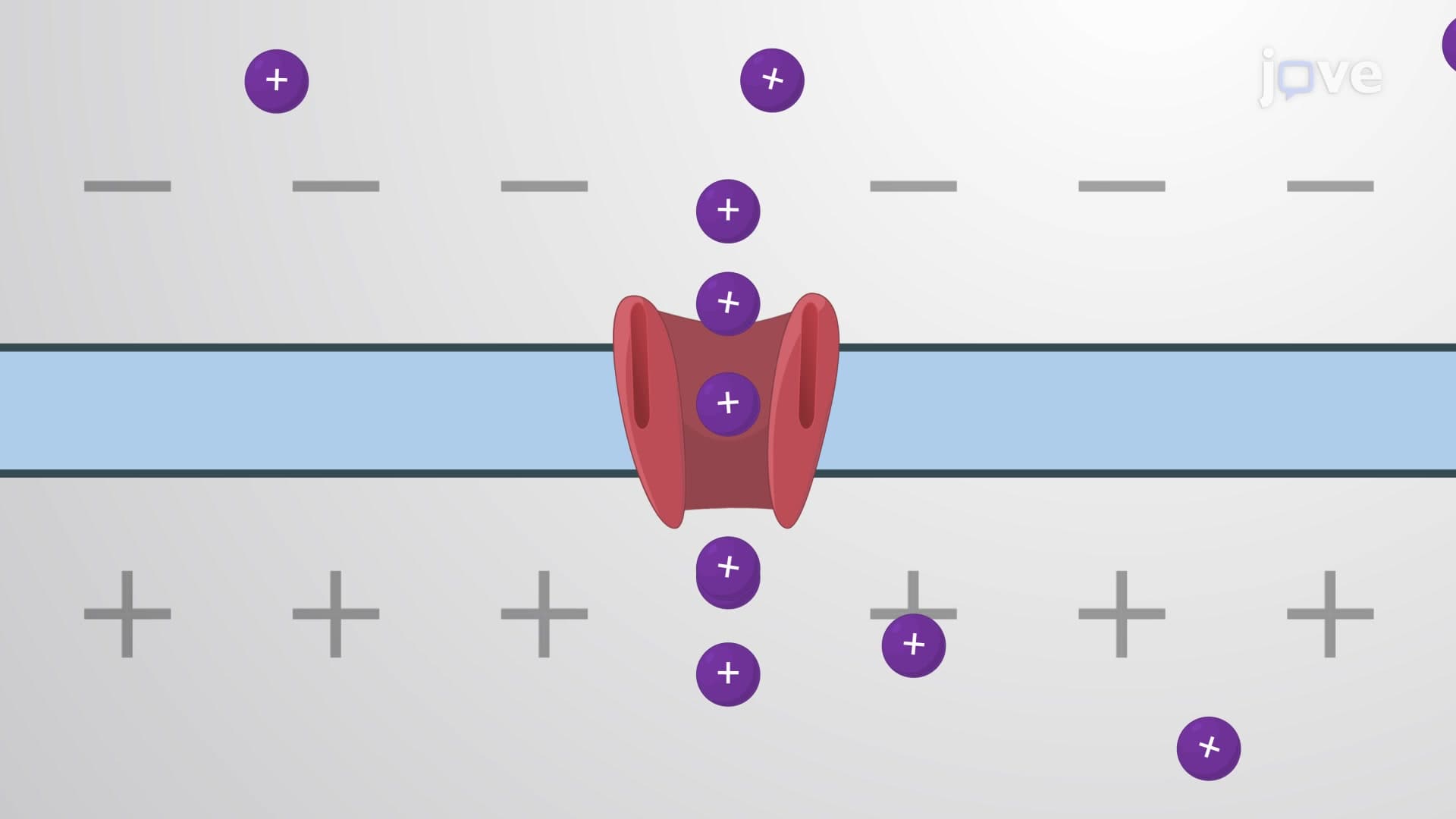
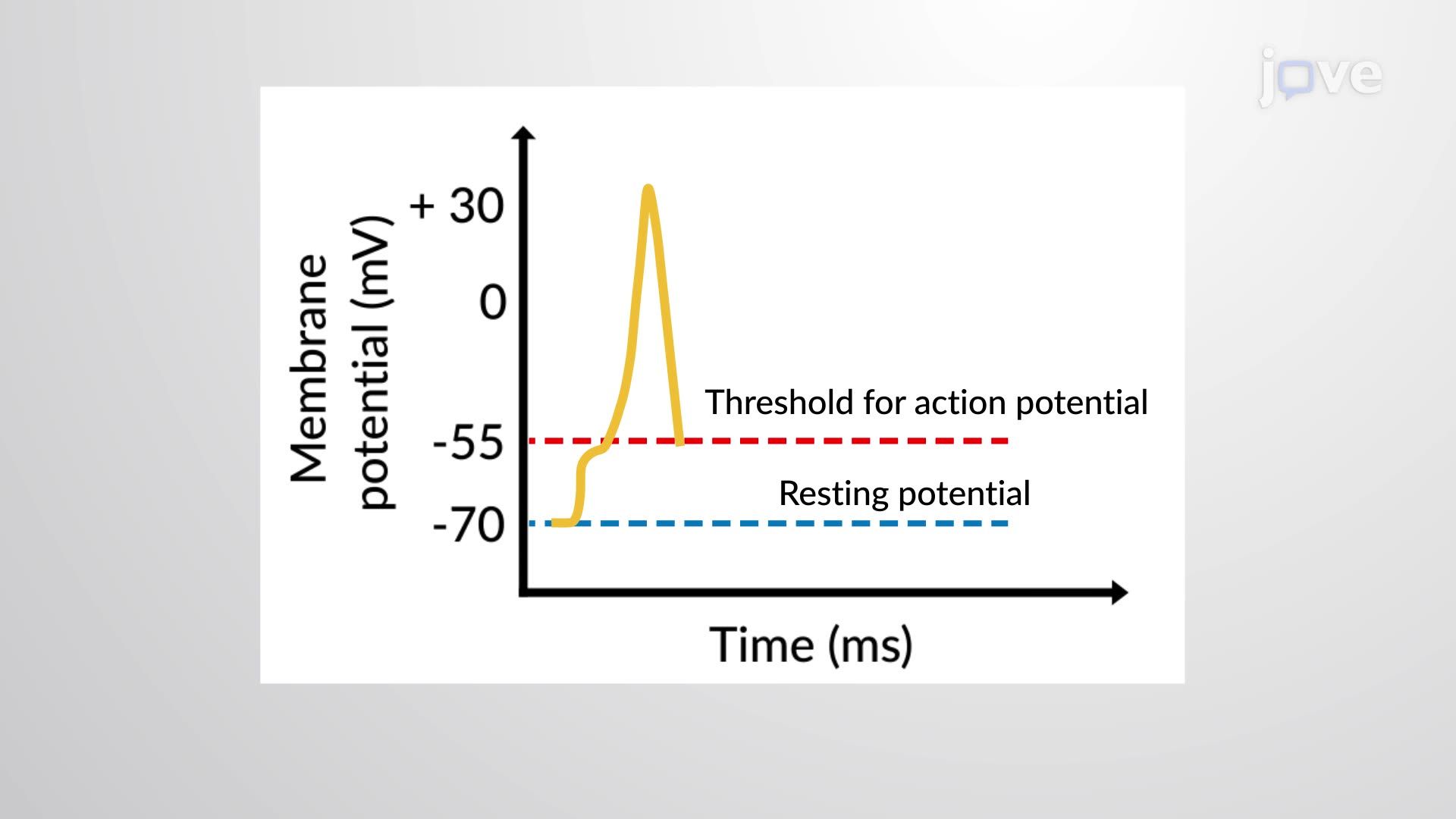
Action potential represents one of biology's most elegant communication systems, enabling rapid information transfer throughout the nervous system. Unlike simple electrical circuits, neurons use sophisticated ion gradients and voltage-sensitive proteins to generate these electrical signals. The process begins when a neuron's membrane potential shifts from its typical resting state of -70 millivolts toward a less negative value through depolarization.
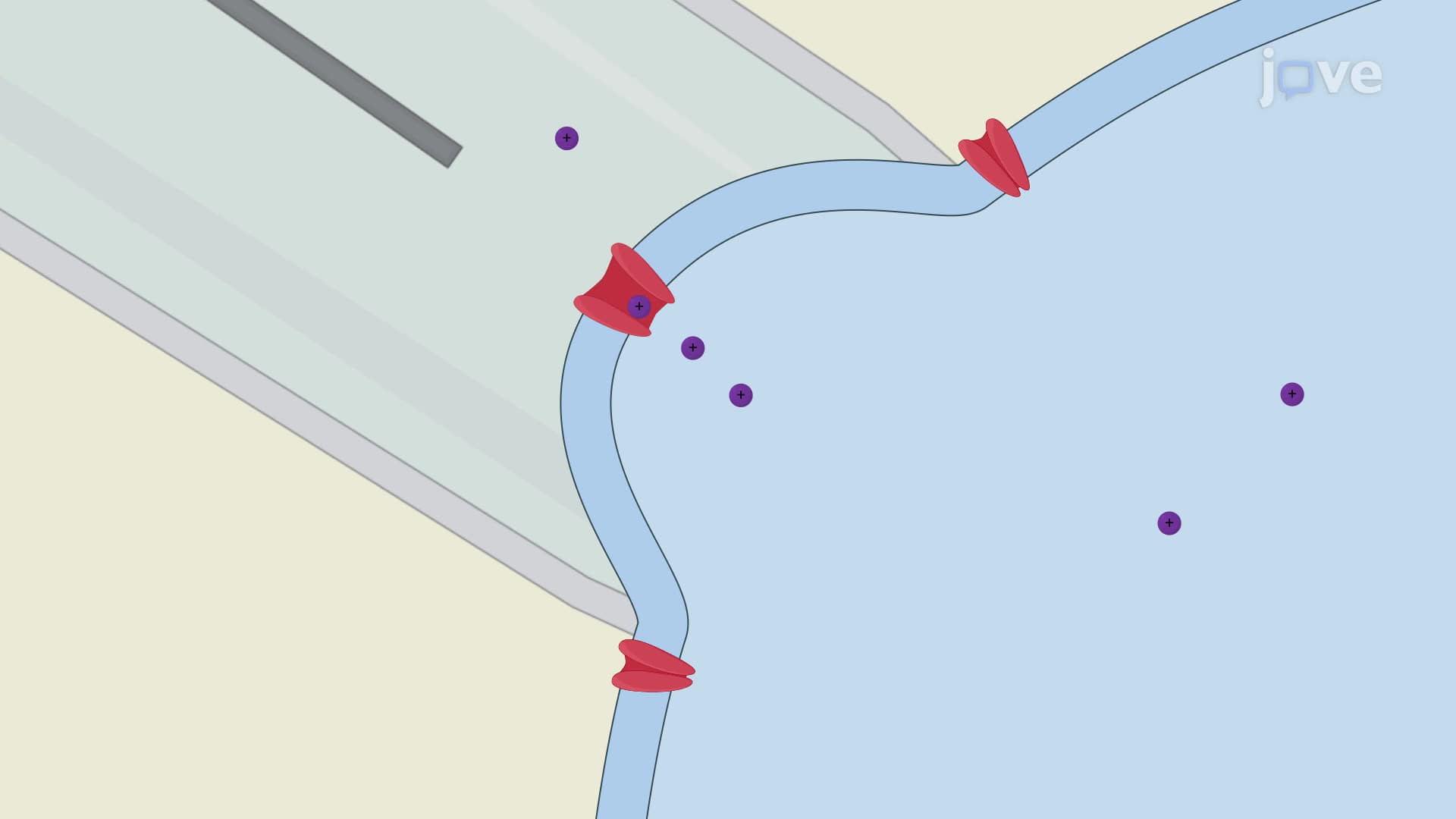
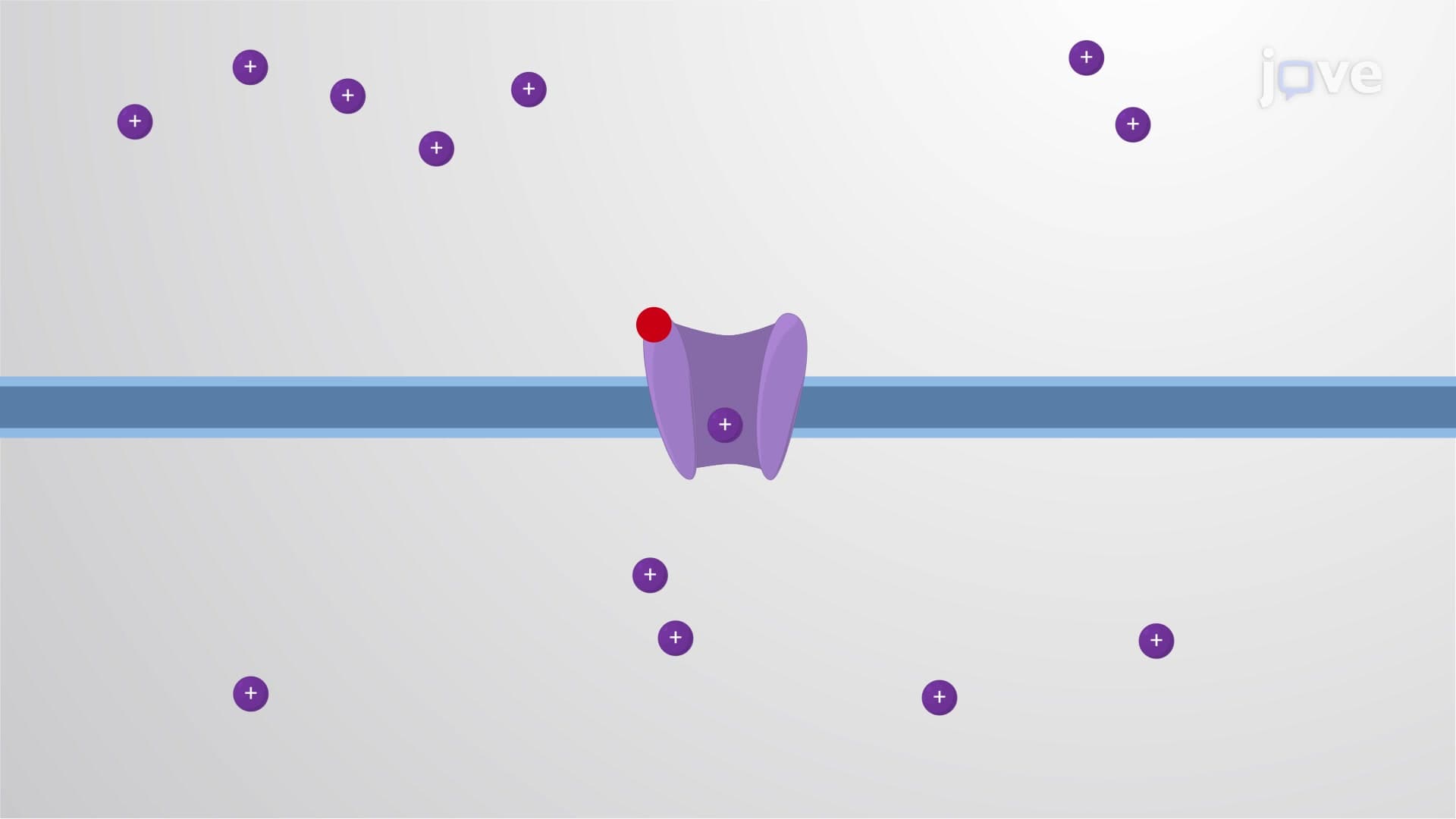
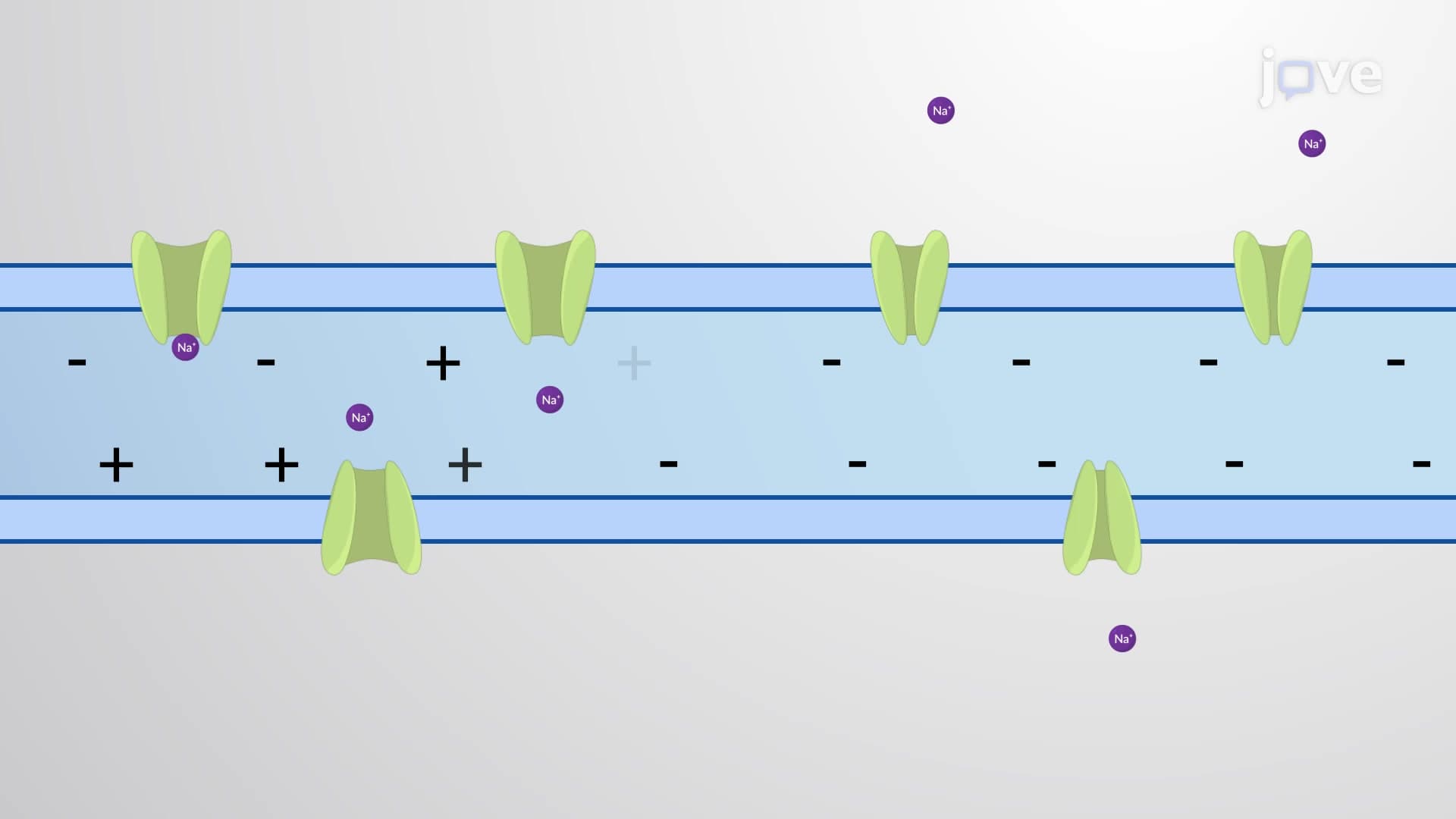
The all or none action potential principle means neurons either fire completely or not at all-there's no partial signal. When depolarization reaches approximately -55mV (the threshold), voltage-gated sodium channels snap open like molecular trapdoors. This threshold depolarization AP creates a positive feedback loop where sodium influx causes more depolarization, opening additional sodium channels. Students preparing for the MCAT or AP Biology exam should remember this critical concept: once threshold is reached, the action potential proceeds to completion regardless of stimulus strength.
During the rising falling phase AP, the membrane potential shoots from -70mV to +30mV in less than one millisecond. This dramatic 100mV change occurs as sodium ions flood into the cell down their electrochemical gradient. The sodium potassium AP mechanism then reverses direction when sodium channels inactivate and potassium channels open. Potassium efflux drives repolarization, often creating a brief hyperpolarization below resting potential.
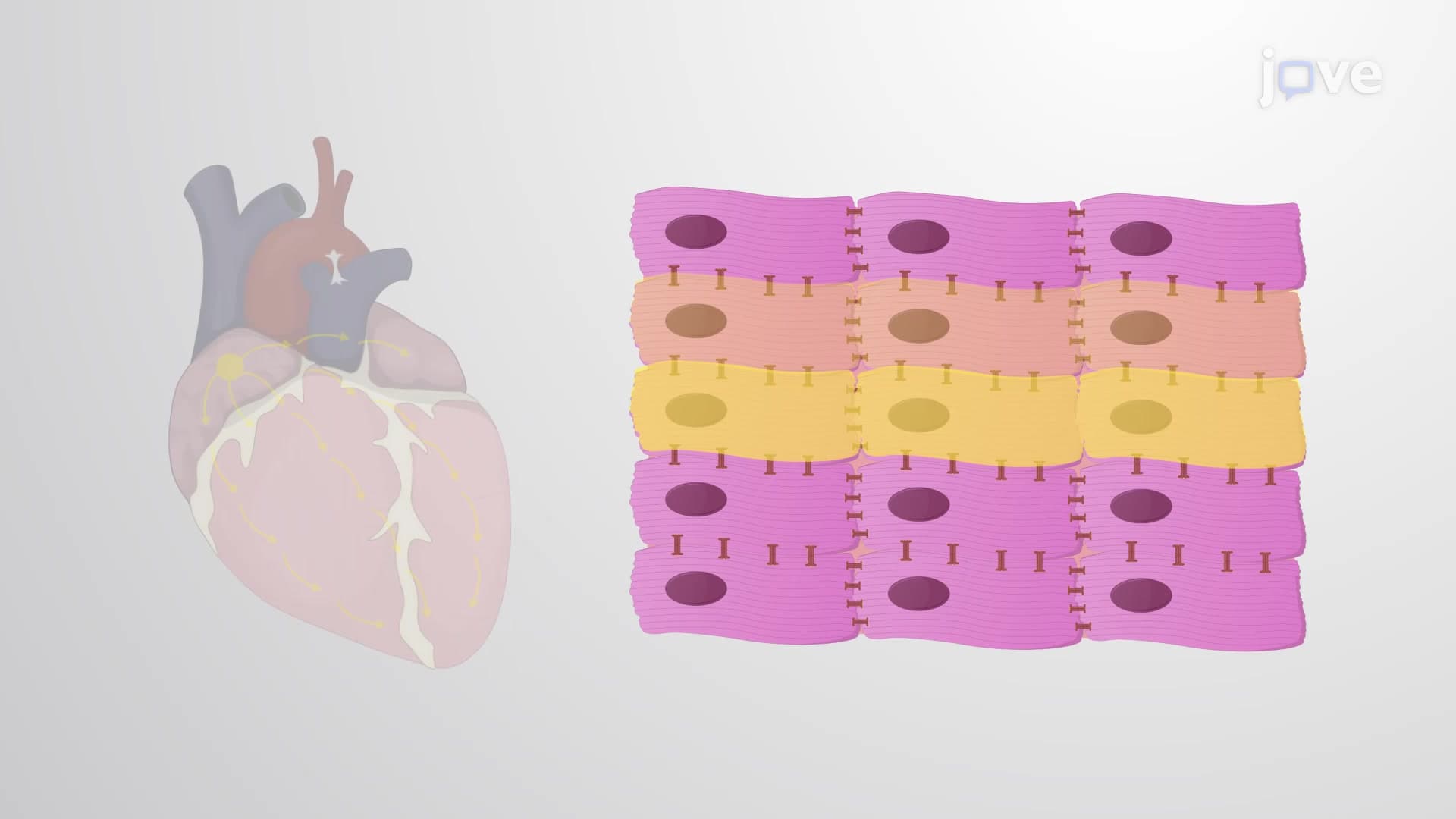
The refractory period AP serves as a crucial recovery phase, temporarily preventing another action potential. During the absolute refractory period (1-2 milliseconds), sodium channels remain inactivated regardless of stimulus strength. This mechanism ensures unidirectional signal propagation-essential for proper nervous system function. College physiology students often encounter this concept in discussions of cardiac arrhythmias, where disrupted refractory periods can cause dangerous irregular heartbeats.
Understanding action potentials provides the foundation for advanced neuroscience topics including synaptic transmission, muscle contraction, and neurological disorders affecting millions of Americans annually.
Related Micro-courses