Loading video…


 18 Concepts
 152.8K views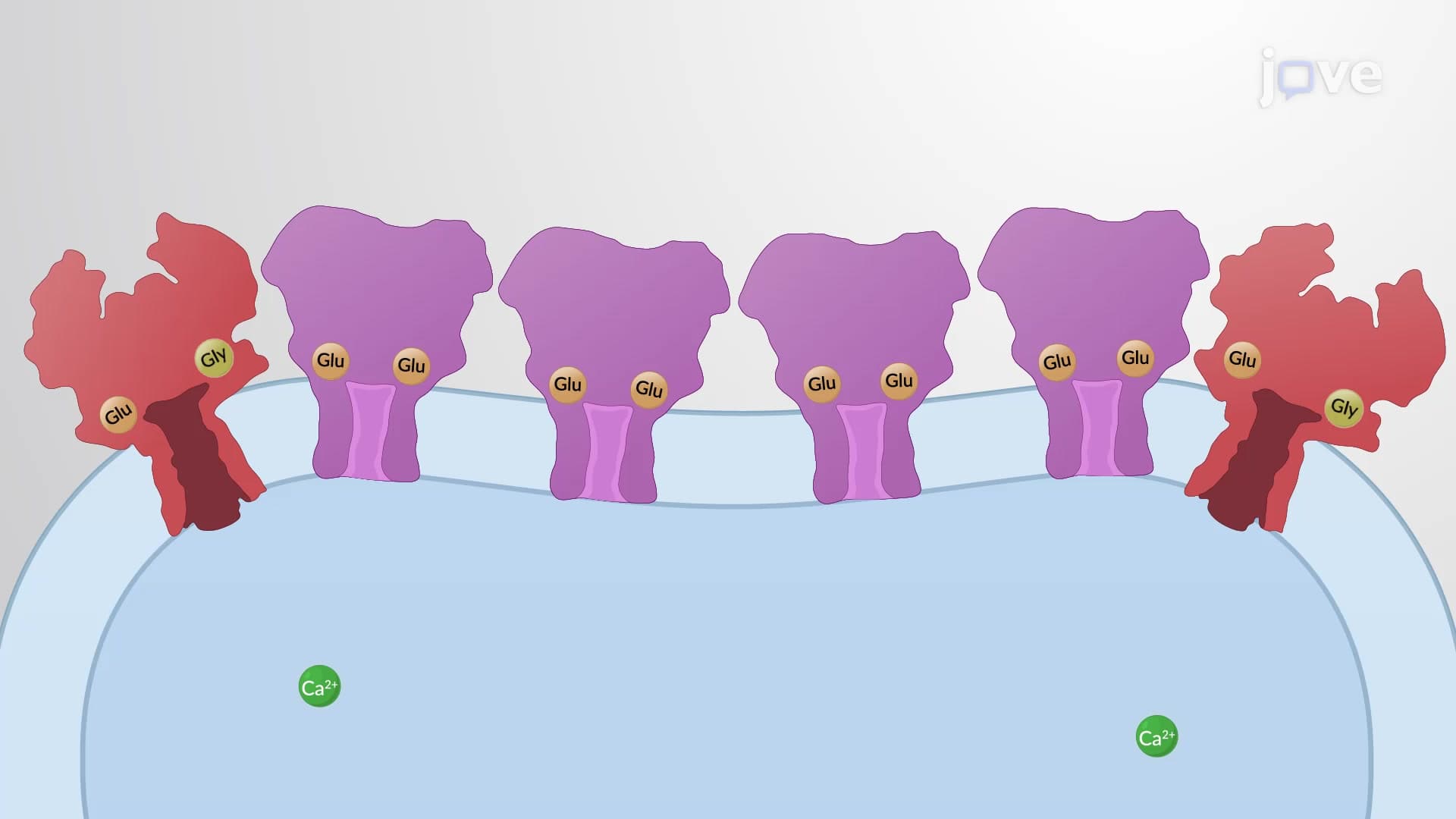

Video Summary: What Is Long Term Depression
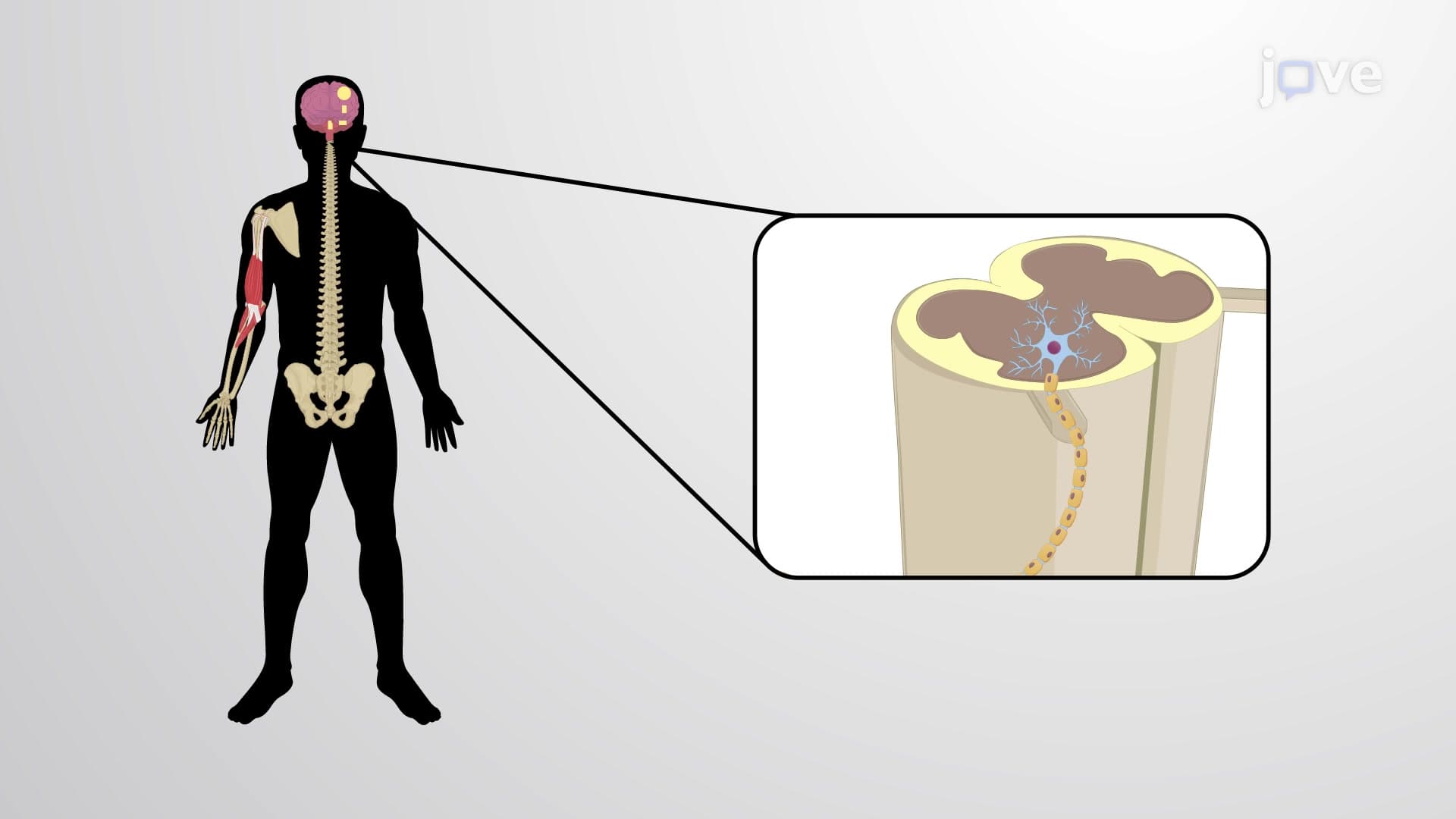
Ever wonder why you can't remember information you crammed the night before an exam, but skills you practice regularly stick with you for years? Long term depression (LTD) is the brain's natural process of weakening unused neural connections, essentially pruning away synapses that aren't regularly activated. Think of it like muscle atrophy-just as unused muscles weaken over time, rarely-stimulated synapses in your brain become less responsive through LTD. This process is crucial for learning efficiency, as seen in students preparing for the MCAT who must strengthen important neural pathways while allowing irrelevant ones to fade. Watch the full video on JoVE Coach to master this concept with expert-led visuals and step-by-step explanations.
Long term depression represents a fundamental process in neural plasticity where synaptic connections progressively weaken when they receive minimal stimulation. Unlike its counterpart long-term potentiation (LTP), which strengthens frequently used pathways, LTD serves as the brain's quality control system, systematically reducing the efficacy of underutilized synapses.
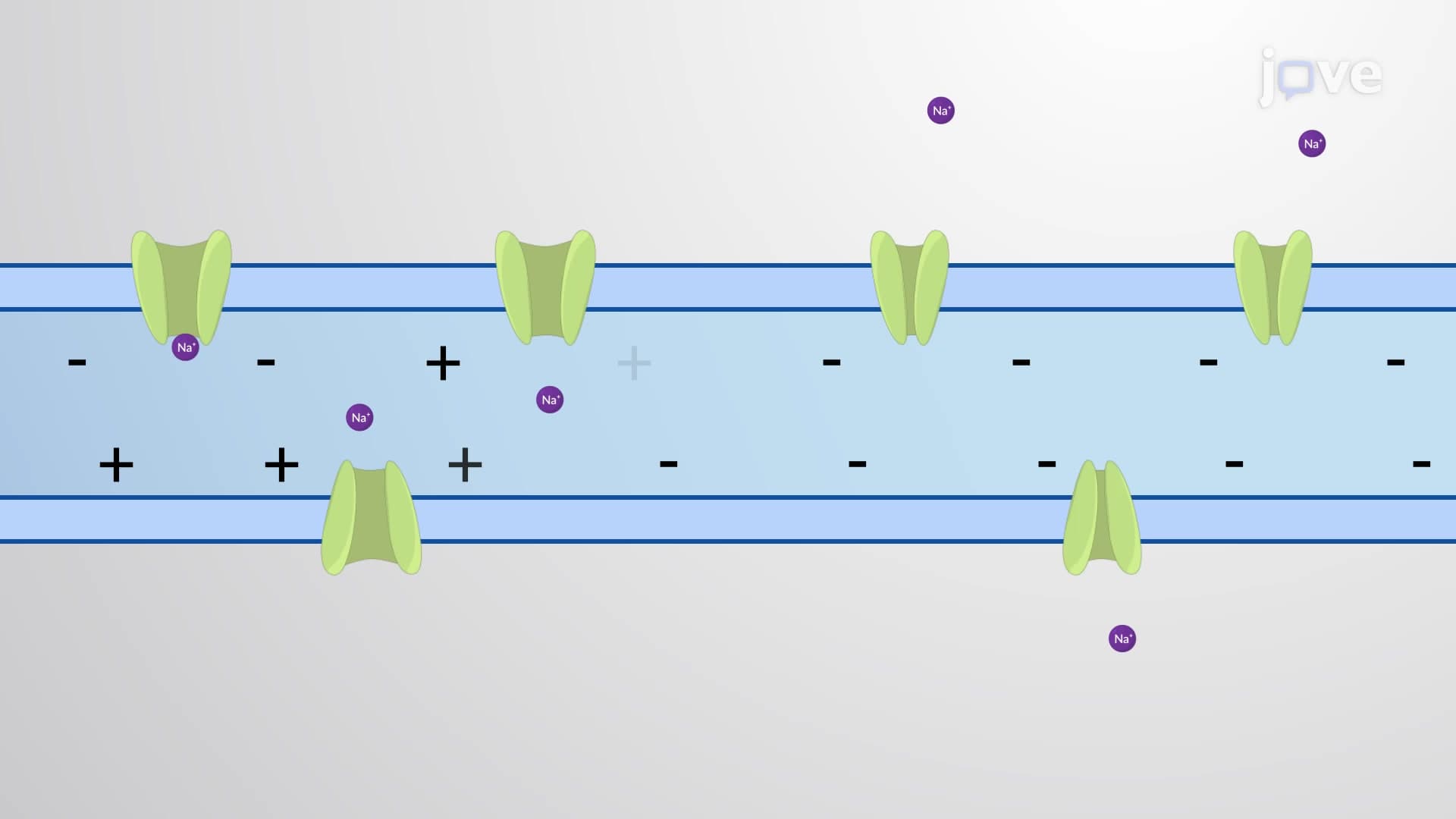
The molecular machinery driving LTD centers on calcium ion concentration within postsynaptic neurons. When presynaptic terminals fire infrequently, only modest amounts of calcium enter the postsynaptic cell. This low calcium environment triggers specific protein kinases and phosphatases that initiate a cascading series of biochemical events. The calcium threshold is critical-moderate levels promote LTD, while high concentrations typically favor LTP induction.
The hallmark of LTD involves the systematic removal of AMPA glutamate receptors from postsynaptic membranes through endocytosis. These receptors normally respond to glutamate released by presynaptic terminals, generating excitatory postsynaptic potentials. As AMPA receptors are internalized and degraded, the synapse becomes progressively less responsive to the same glutamate signal. This receptor trafficking mechanism explains why unused neural pathways gradually lose their strength over weeks or months.
LTD plays crucial roles in conditions studied by medical students preparing for the USMLE. For instance, disrupted LTD mechanisms contribute to autism spectrum disorders and schizophrenia, where synaptic pruning occurs abnormally. In educational contexts, understanding LTD helps explain why distributed practice outperforms massed practice-concepts reviewed sporadically without reinforcement undergo LTD-mediated weakening. Students taking AP Psychology or college neuroscience courses often encounter LTD when studying developmental brain changes, particularly the massive synaptic pruning that occurs during adolescence as neural circuits optimize for adult function.
Related Micro-courses