Loading video…


 18 Concepts
 152.8K views


Video Summary: What Is Long Term Potentiation
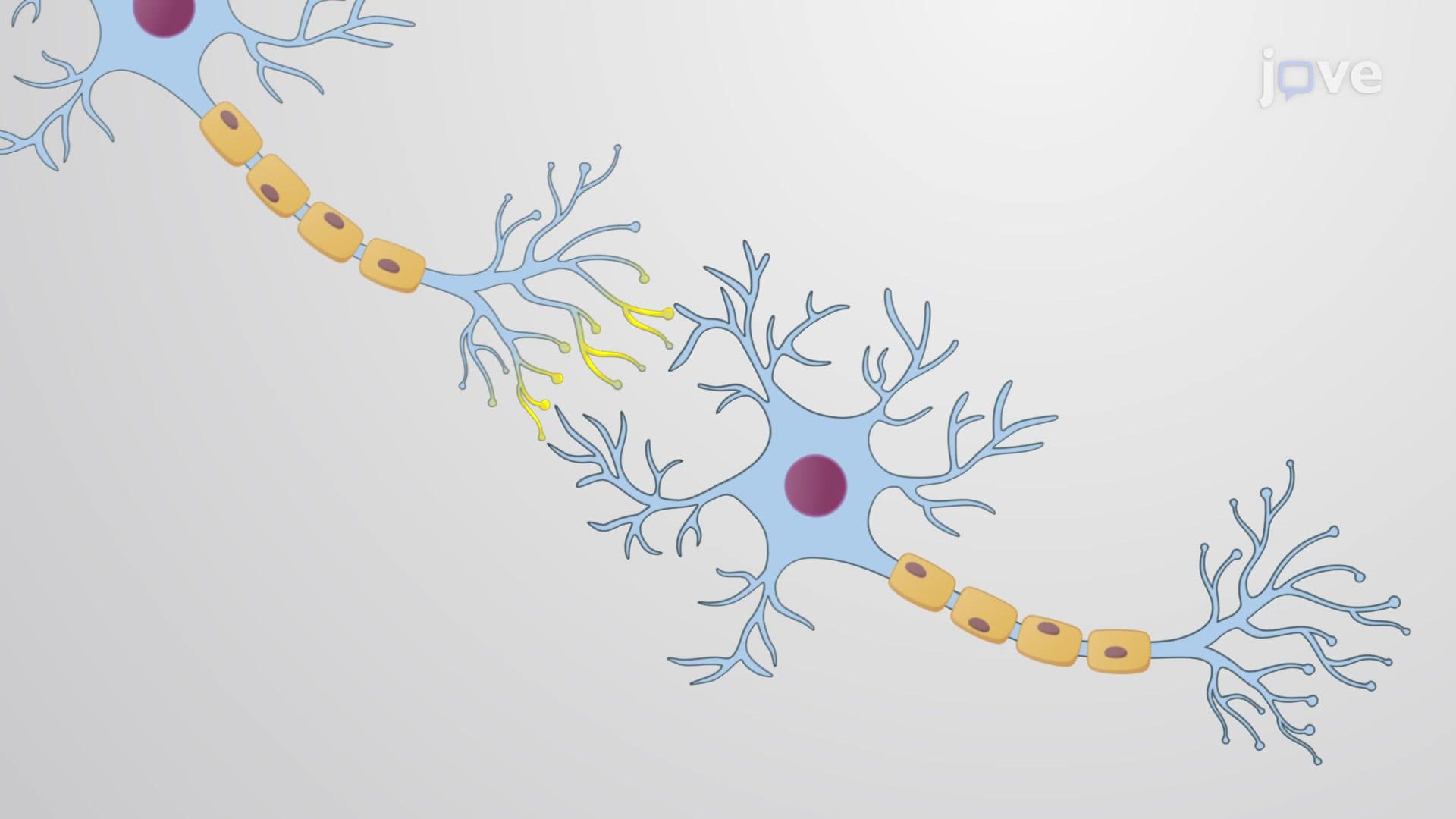
Ever wonder why cramming for the SAT rarely works as well as consistent daily practice? Long term potentiation is the neurobiological explanation-it's how your brain physically strengthens neural connections through repeated activation, making memories stick. When Stanford University researchers study how medical students master complex anatomy, they observe what is long term potentiation in action: synapses becoming more efficient at transmitting signals after repeated stimulation. Watch the full video on JoVE Coach to master this concept with expert-led visuals and step-by-step explanations.
Long term potentiation represents one of neuroscience's most crucial discoveries for understanding learning and memory. This cellular mechanism explains how experiences literally reshape our brain's wiring, providing the biological foundation for everything from a UCLA pre-med student memorizing biochemical pathways to a high school athlete perfecting their free-throw technique.
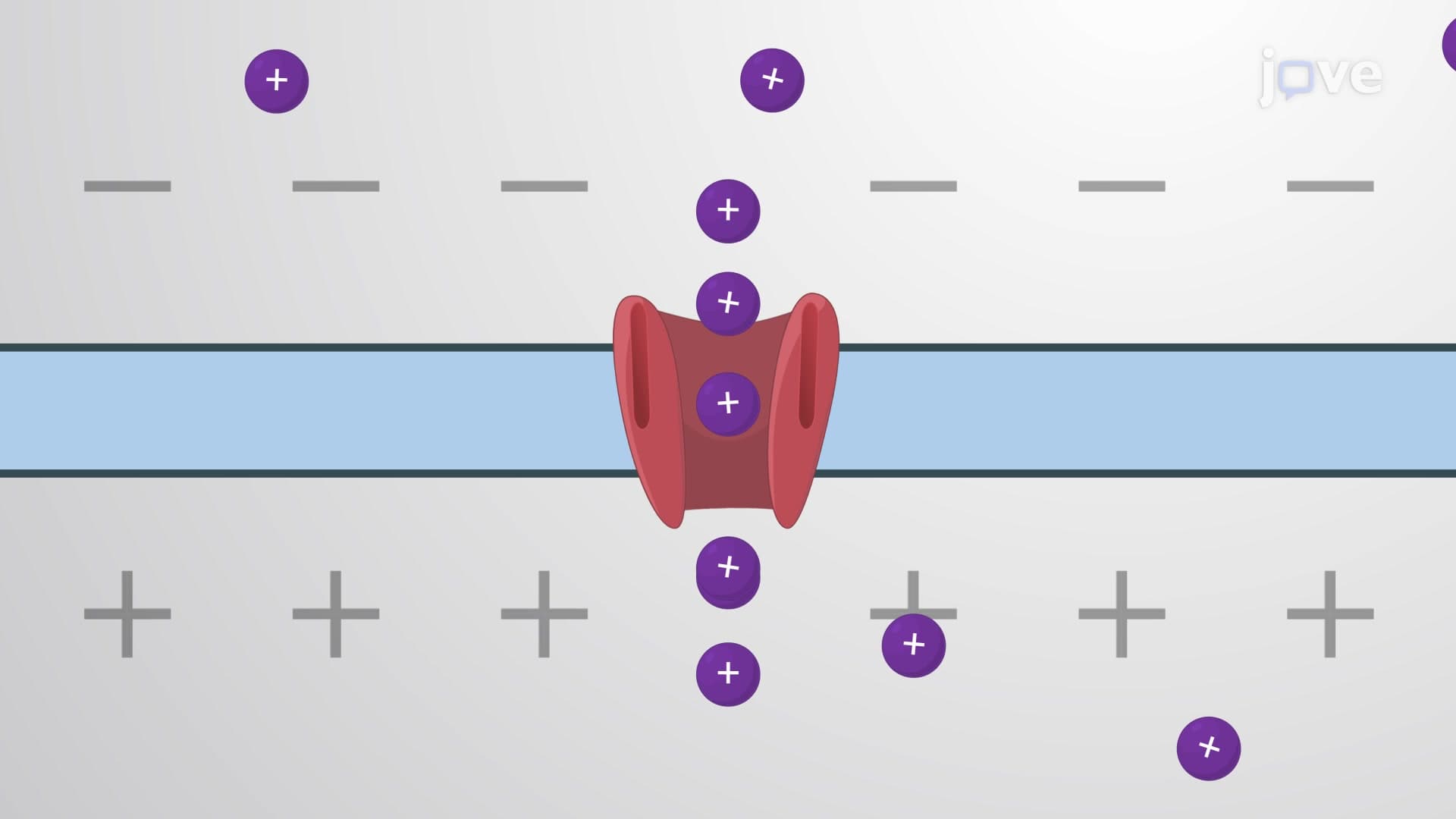
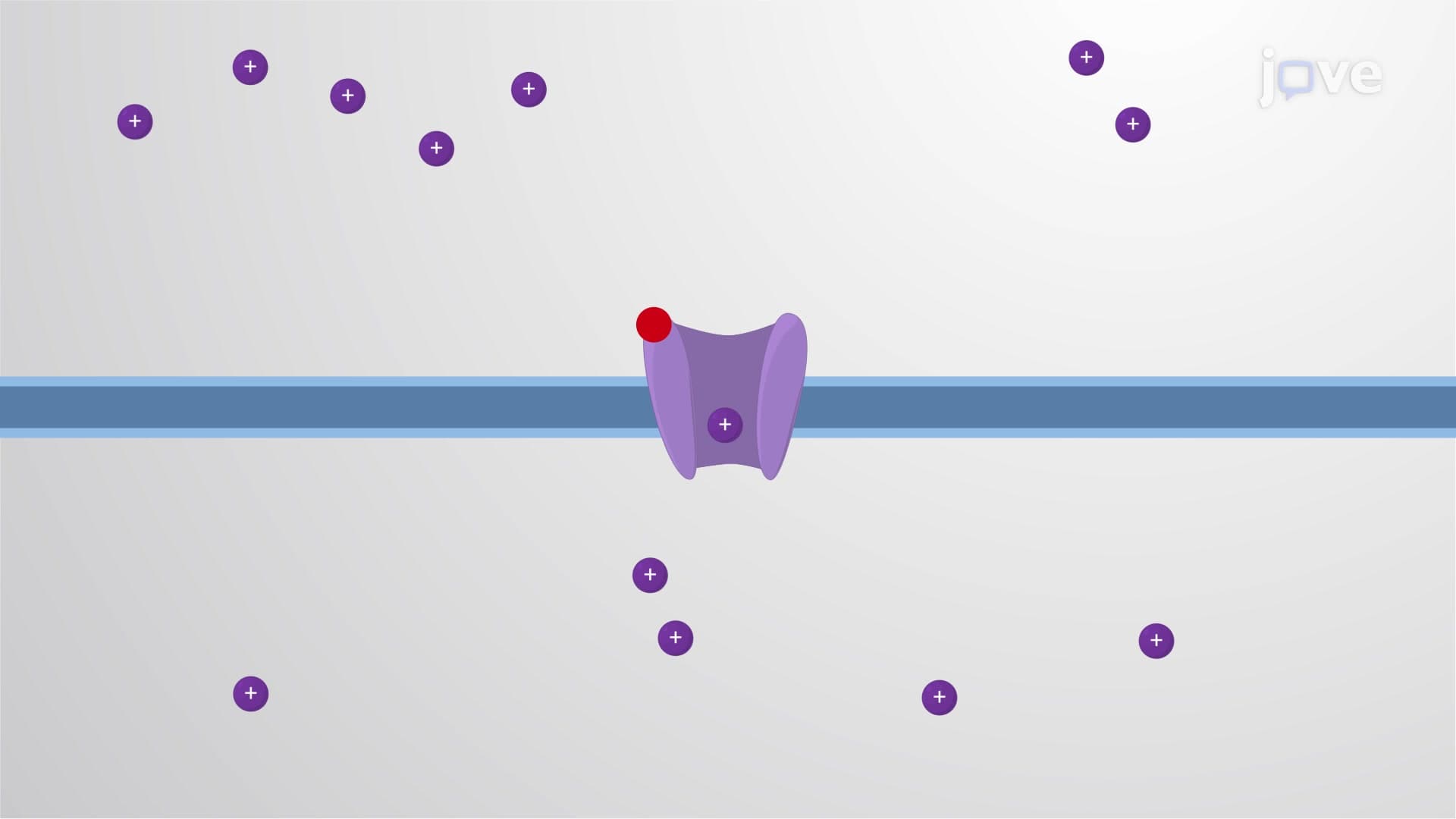
The long term potentiation definition explained centers on two critical glutamate receptor types working in sequence. NMDA receptors act as molecular "coincidence detectors"-they require both glutamate binding and strong membrane depolarization to function. Under normal conditions, magnesium ions block these receptors like a cork in a bottle. However, when presynaptic neurons fire repeatedly (as happens during focused study sessions), the postsynaptic membrane depolarizes sufficiently to expel these magnesium ions.
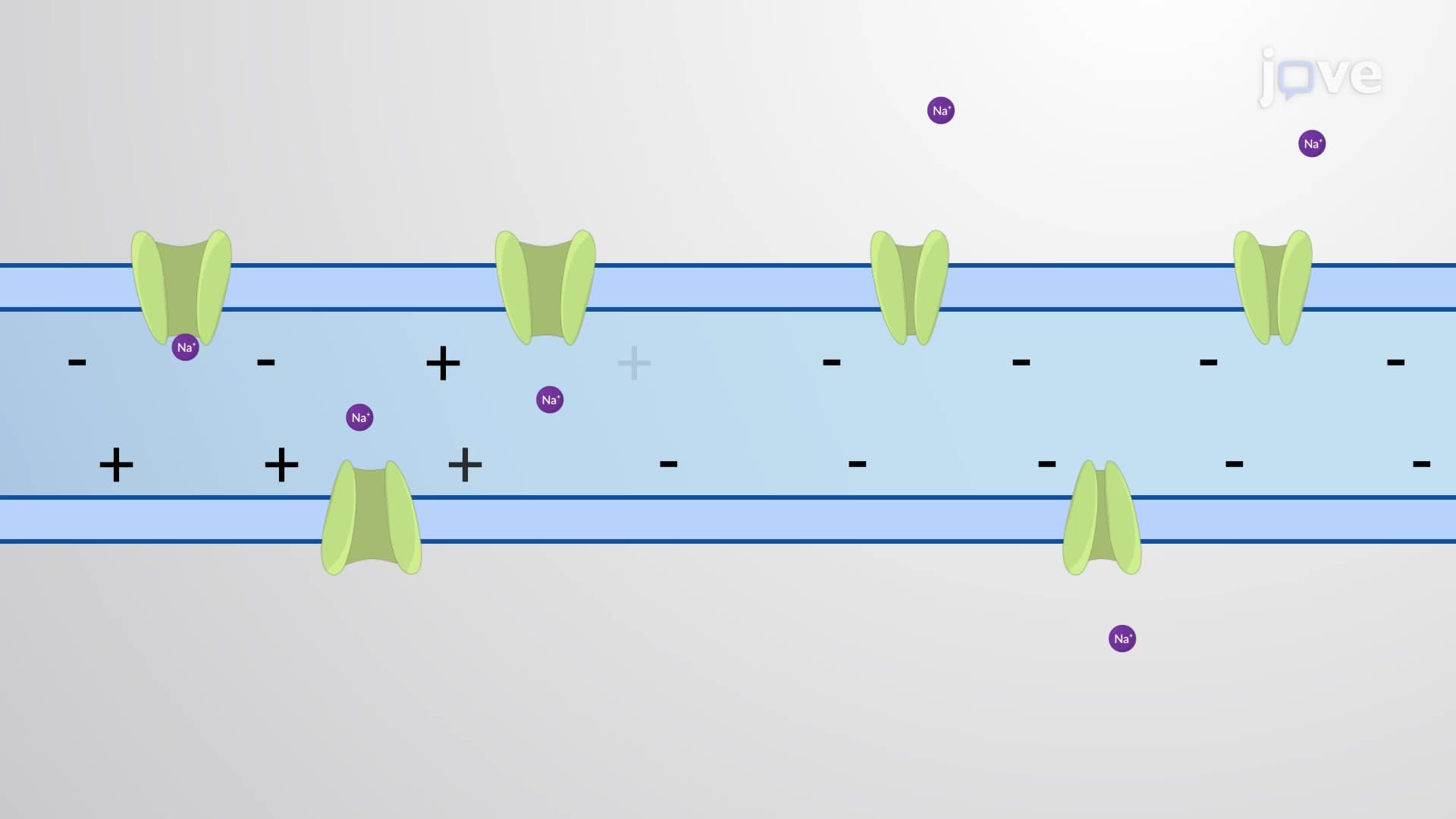
This displacement allows calcium ions to flood into the neuron, triggering a biochemical cascade reminiscent of dominoes falling. The calcium influx activates protein kinases, which ultimately drive more AMPA receptors into the synaptic membrane. Since AMPA receptors allow sodium ions to enter more readily than NMDA receptors, the synapse becomes hyper-responsive to future stimulation.
Understanding this long term potentiation concept explained proves invaluable for AP Psychology, college neuroscience courses, and MCAT preparation. The mechanism directly explains why distributed practice outperforms massed practice-a principle Harvard Medical School emphasizes in their curriculum design. When nursing students at Johns Hopkins repeatedly practice IV insertion techniques, LTP strengthens the motor pathways involved, making the skill increasingly automatic.
Researchers at institutions like MIT and Stanford investigate how LTP dysfunction contributes to Alzheimer's disease, where NMDA receptor function deteriorates. This long term potentiation study guide knowledge helps pre-health students understand why early-stage dementia patients struggle with new learning while retaining older memories-recently formed, LTP-dependent connections prove most vulnerable to disruption.
Related Micro-courses