Loading subject page…


152,815 views

Video Summary: What Is Patch Clamp
Did you know that scientists at Stanford University can measure electrical currents as tiny as a few picoamperes-that's like detecting the flow of just a few thousand electrons per second? The patch clamp technique makes this incredible precision possible, allowing researchers to study how individual ion channels in nerve and muscle cells generate the electrical signals that control everything from your heartbeat to your thoughts. This revolutionary electrophysiological method uses a glass micropipette to isolate and measure the electrical activity of single ion channels in living cells. Watch the full video on JoVE Coach to master this concept with expert-led visuals and step-by-step explanations.
Patch clamp represents one of the most significant breakthroughs in cellular physiology, enabling scientists to study the electrical properties of individual cells with unprecedented precision. This technique revolutionized our understanding of how neurons communicate and how muscle cells contract by allowing direct measurement of ion channel activity.
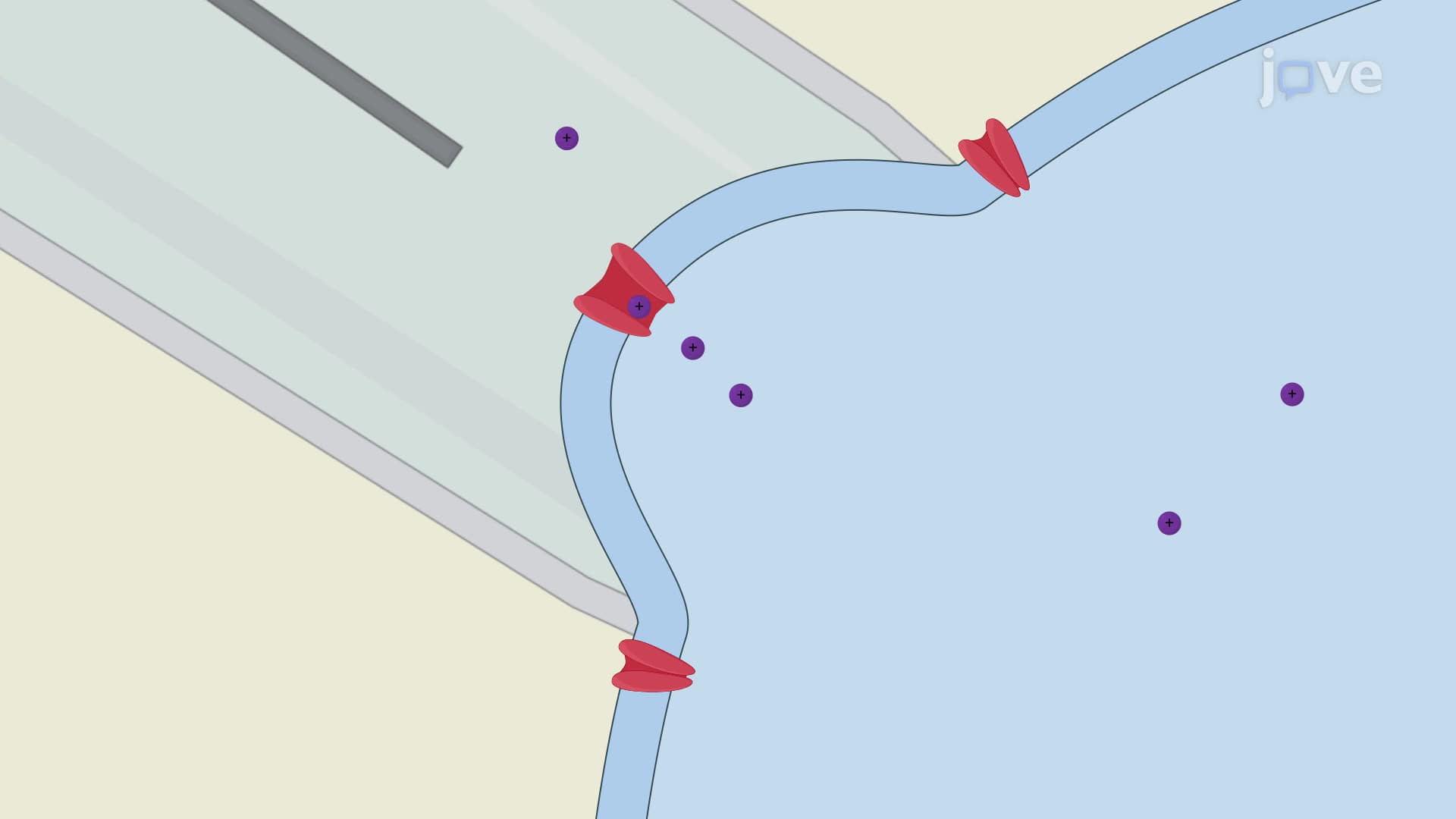
The patch clamp system centers around a glass micropipette-a tiny hollow needle with an opening just 1-2 micrometers wide, roughly 50 times smaller than the width of a human hair. This micropipette contains an electrolyte solution and a silver chloride electrode that detects electrical changes. When researchers position this micropipette against a cell membrane and apply gentle suction, they create what's called a "gigaohm seal"-an incredibly tight connection that electrically isolates a small patch of membrane containing one or more ion channels.
The term "gigaohm" refers to the electrical resistance of this seal, which reaches billions of ohms. This exceptional resistance ensures that electrical current can only flow through the ion channels within the isolated patch, not around the edges of the pipette. A sensitive amplifier then detects and magnifies these tiny electrical signals, converting them into measurable data.
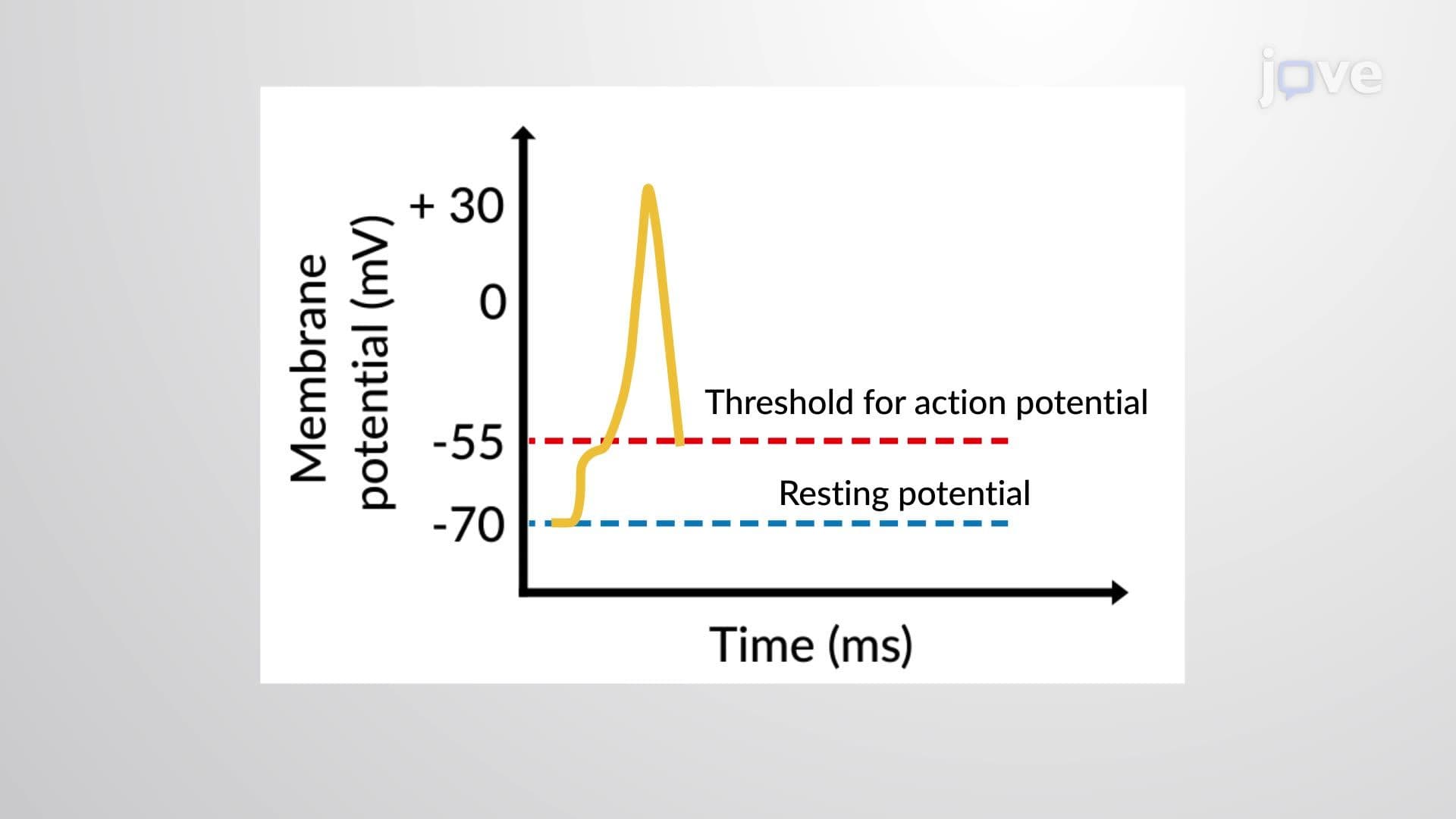
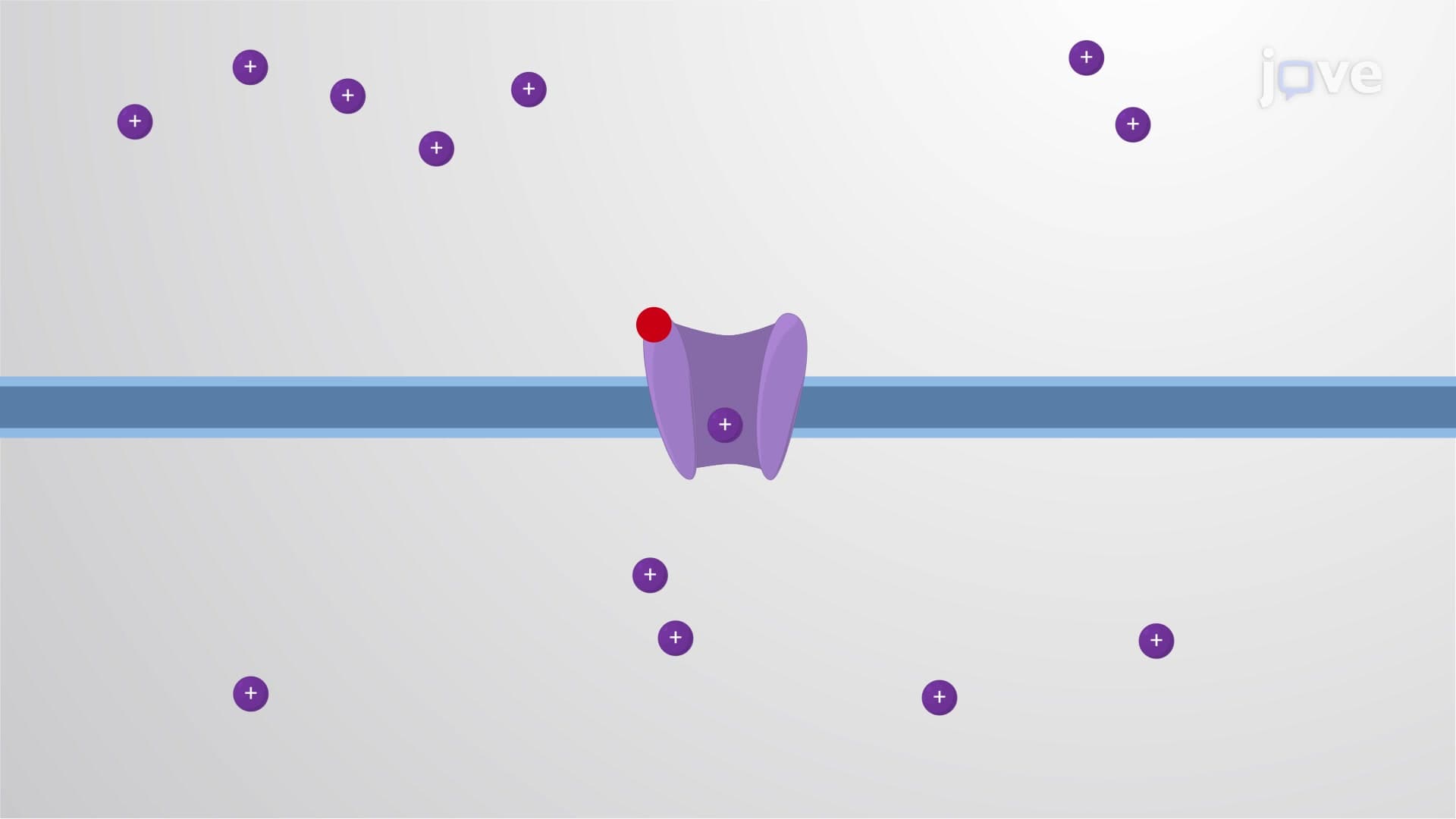
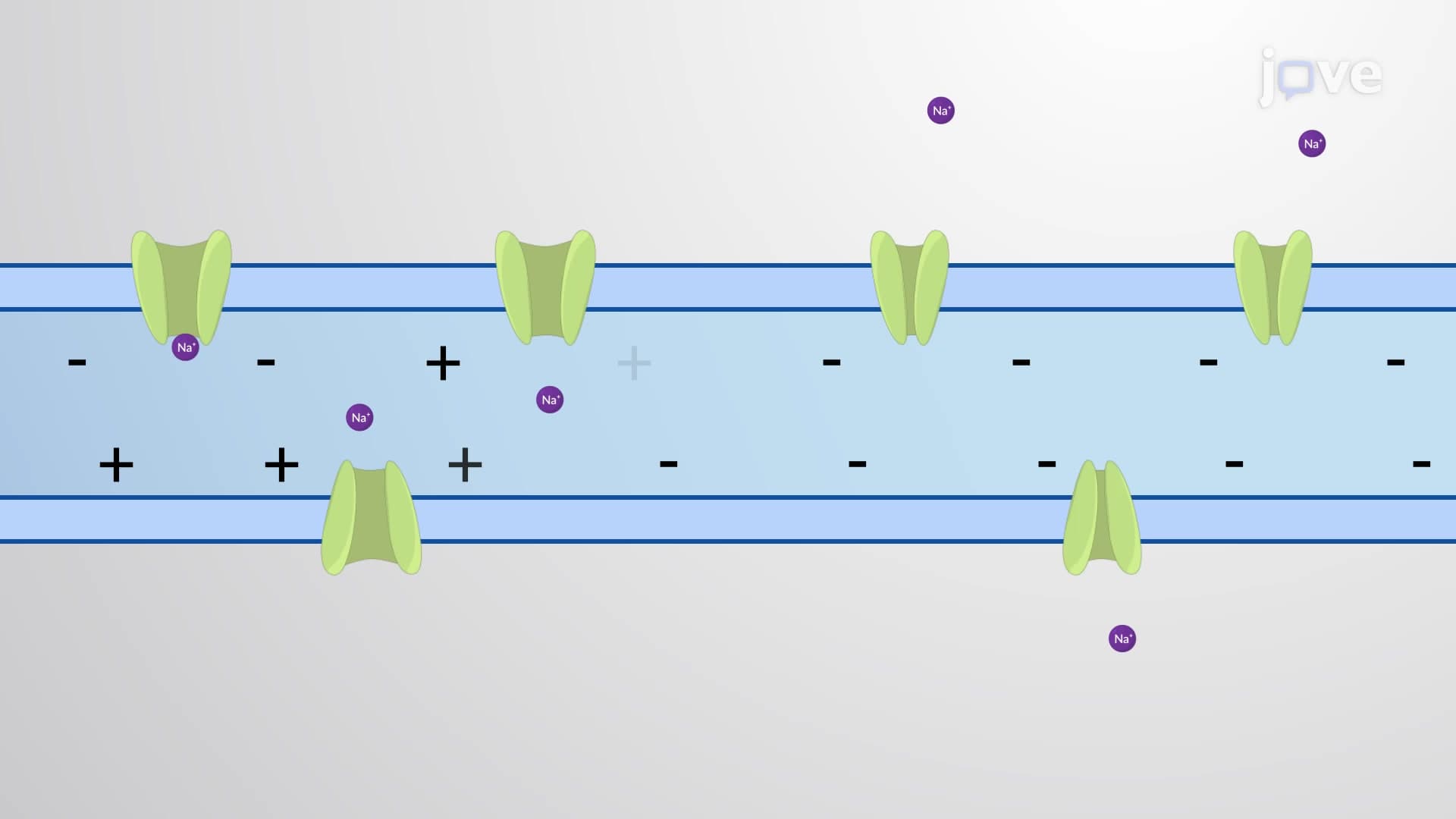
Patch clamp operates in two primary modes, each serving different research purposes. In voltage clamp mode, researchers set the membrane voltage to a specific value and measure how current changes in response. This approach helps determine how ion channels respond to different electrical conditions-crucial for understanding nerve signal transmission. For example, sodium channels in neurons open rapidly when the membrane depolarizes, allowing sodium ions to rush in and propagate action potentials.
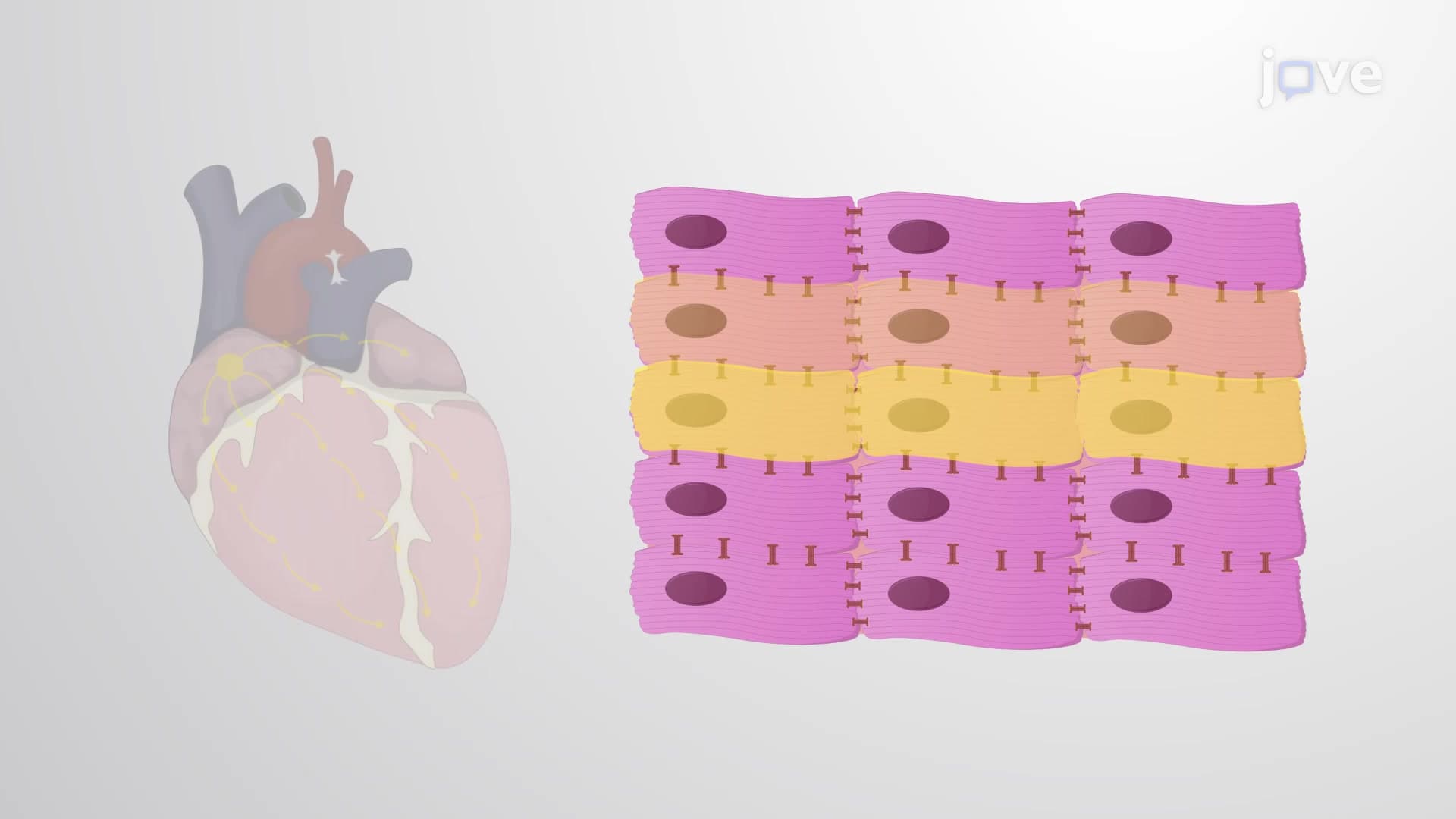
Current clamp mode works oppositely: researchers inject a known current and measure resulting voltage changes. This technique helps scientists understand how cells naturally generate electrical signals, such as the rhythmic firing patterns of cardiac pacemaker cells that regulate heartbeat.
Patch clamp techniques have directly contributed to numerous medical breakthroughs. Pharmaceutical companies use patch clamp data to screen potential cardiac medications, ensuring new drugs don't interfere with heart rhythm. Neuroscience researchers employ these methods to study epilepsy, investigating how ion channel malfunctions contribute to seizure activity. The technique has been instrumental in understanding conditions like cystic fibrosis, where defective chloride channels cause thick mucus production in the lungs.
Students preparing for the MCAT or advanced placement biology exams frequently encounter patch clamp concepts when studying cellular physiology and neuroscience. Understanding this technique provides essential context for topics ranging from action potential generation to synaptic transmission.
Related Micro-courses