Loading video…


 18 Concepts
 152.8K views

Video Summary: What Is Resting Membrane Potential
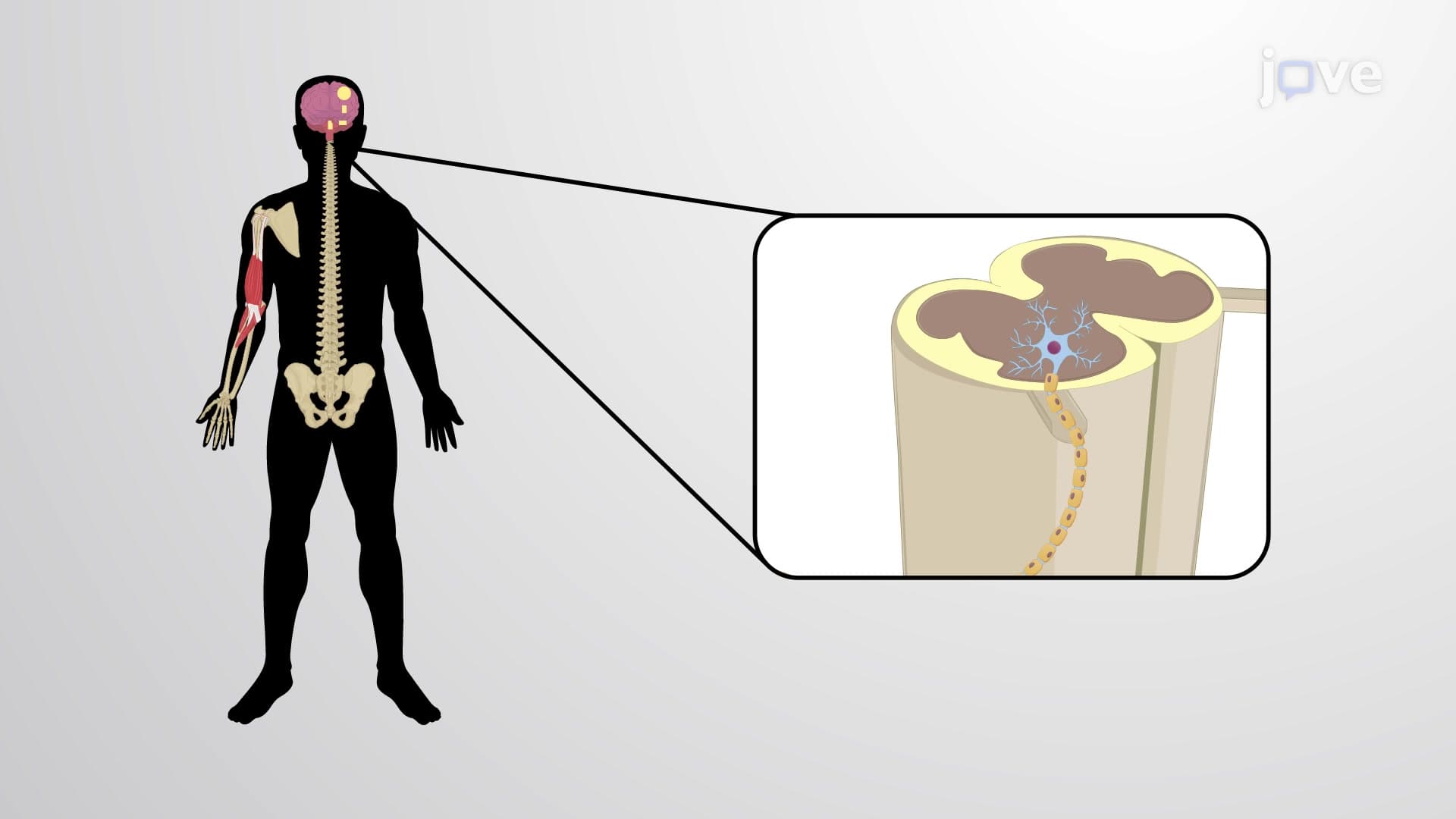
Ever wonder why touching a doorknob can shock you? Your neurons maintain a resting membrane potential of approximately -70mV, creating an electrical difference that's essential for nerve signal transmission. Similar to how Stanford University's bioengineering labs study nerve conduction in prosthetic limb research, understanding what is resting membrane potential reveals how our nervous system maintains readiness for action through carefully balanced ion concentrations and membrane permeability. Watch the full video on JoVE Coach to master this concept with expert-led visuals and step-by-step explanations.
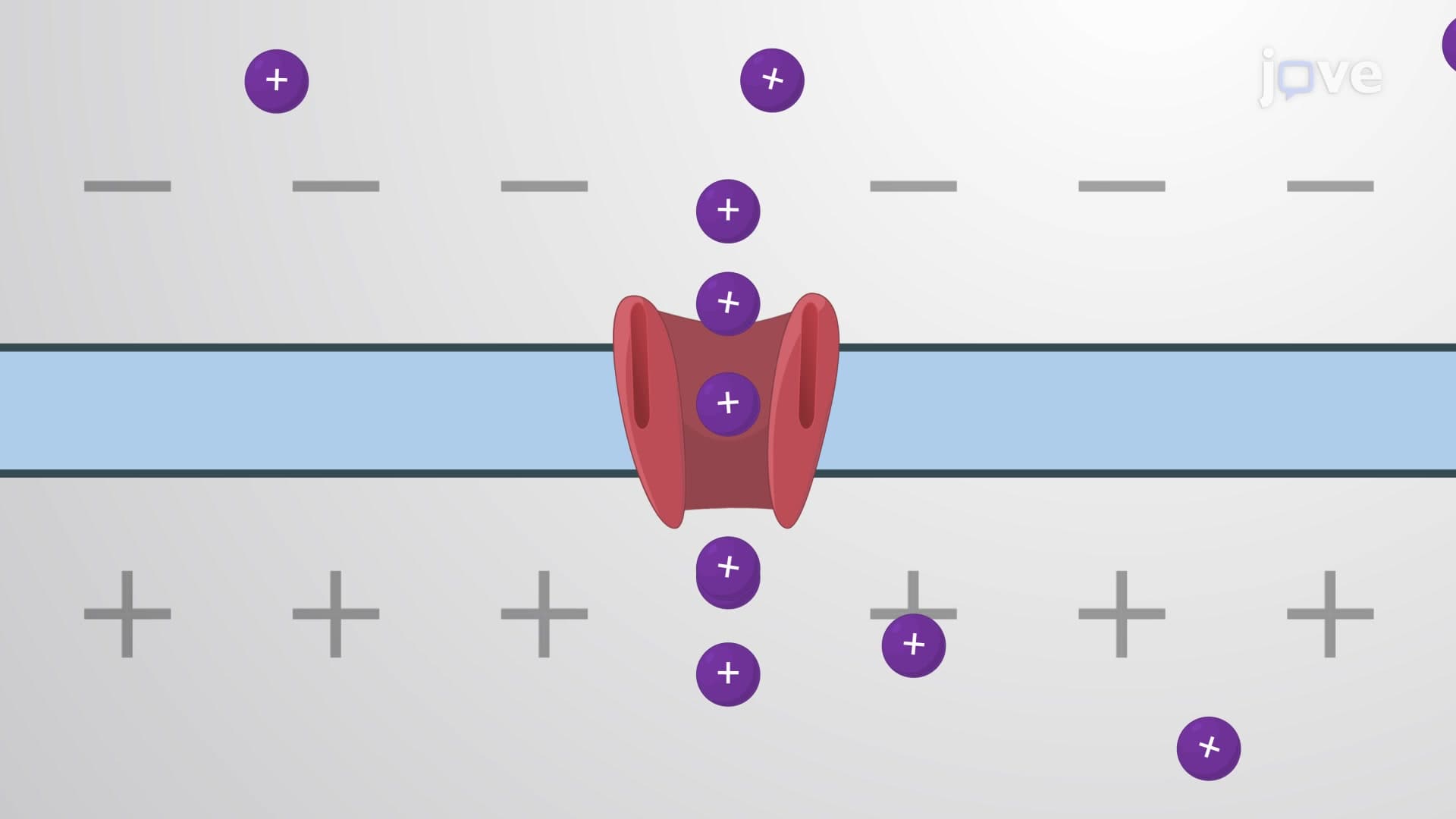
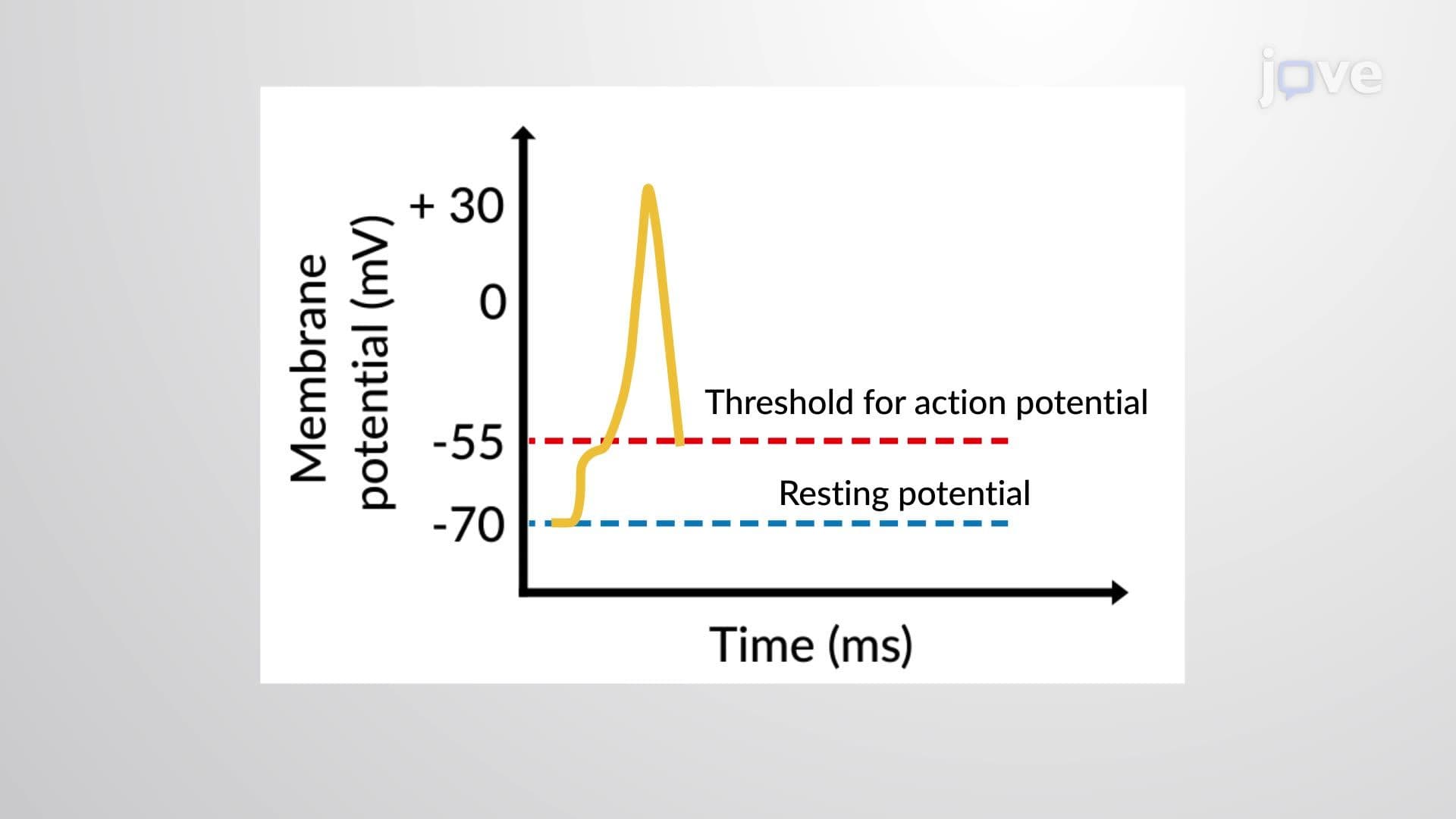
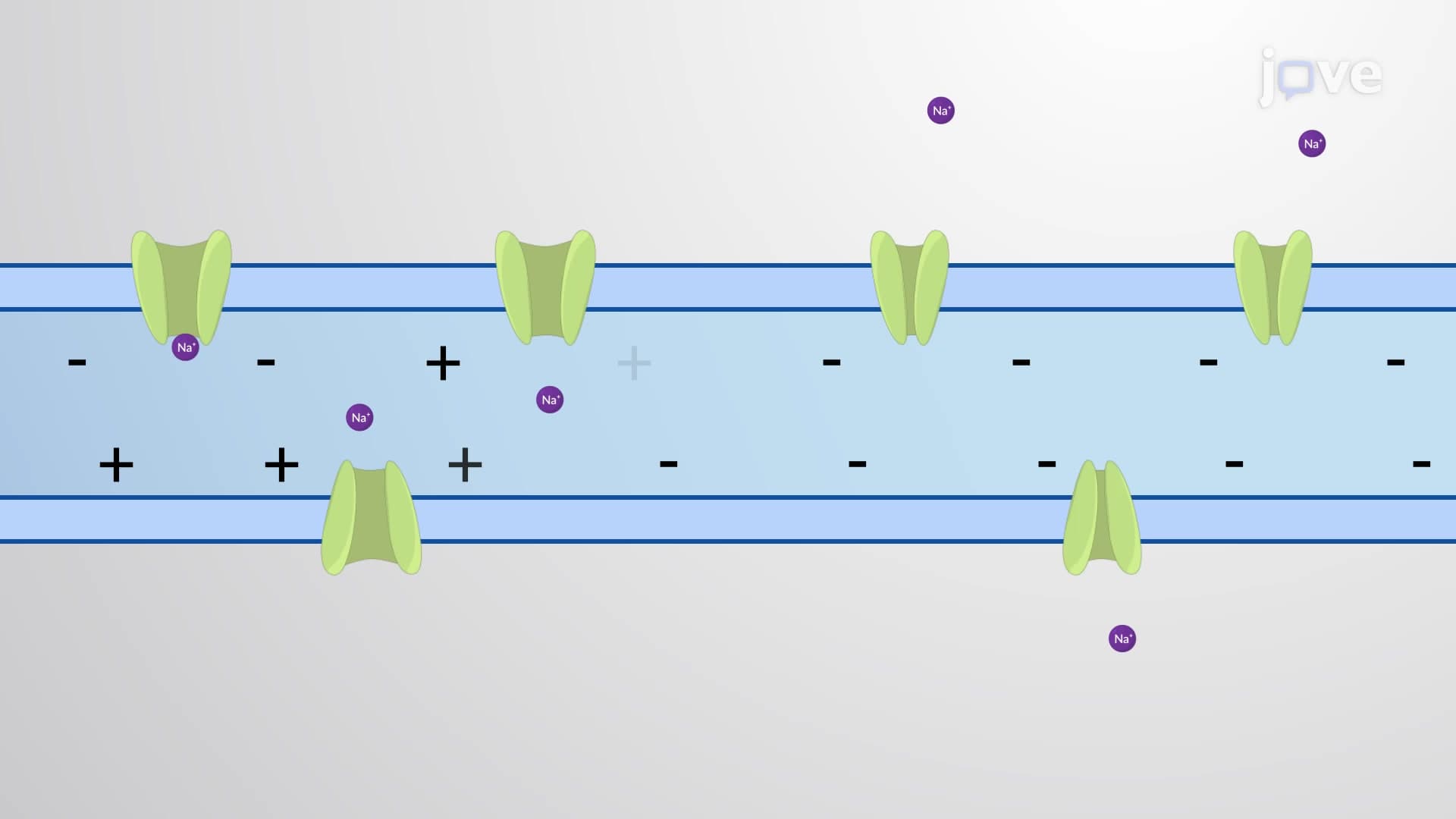
The resting membrane potential represents a fundamental principle of neuroscience that governs how neurons prepare for signal transmission. This electrical potential difference, typically measuring -70mV, exists because the neuron's interior maintains a more negative charge compared to the extracellular environment. This voltage difference isn't random-it's a carefully orchestrated balance of ion distributions and membrane properties that enables rapid neuronal communication.
For students preparing for the MCAT or AP Biology exams, understanding this concept requires grasping three interconnected mechanisms: selective permeability, concentration gradients, and active transport. These principles frequently appear in multiple-choice questions and free-response sections, making mastery essential for academic success.
The Na+/K+ ATPase pump serves as the metabolic engine driving resting potential maintenance. This transmembrane protein actively transports three sodium ions out of the cell while bringing two potassium ions inward, consuming one ATP molecule per cycle. This unequal exchange (3:2 ratio) contributes directly to the negative interior charge while establishing concentration gradients essential for cellular function.
Medical students studying for the USMLE Step 1 must understand how pump dysfunction relates to various pathological conditions. For example, digitalis compounds used in heart failure treatment specifically inhibit this pump, demonstrating its clinical relevance beyond basic neuroscience.
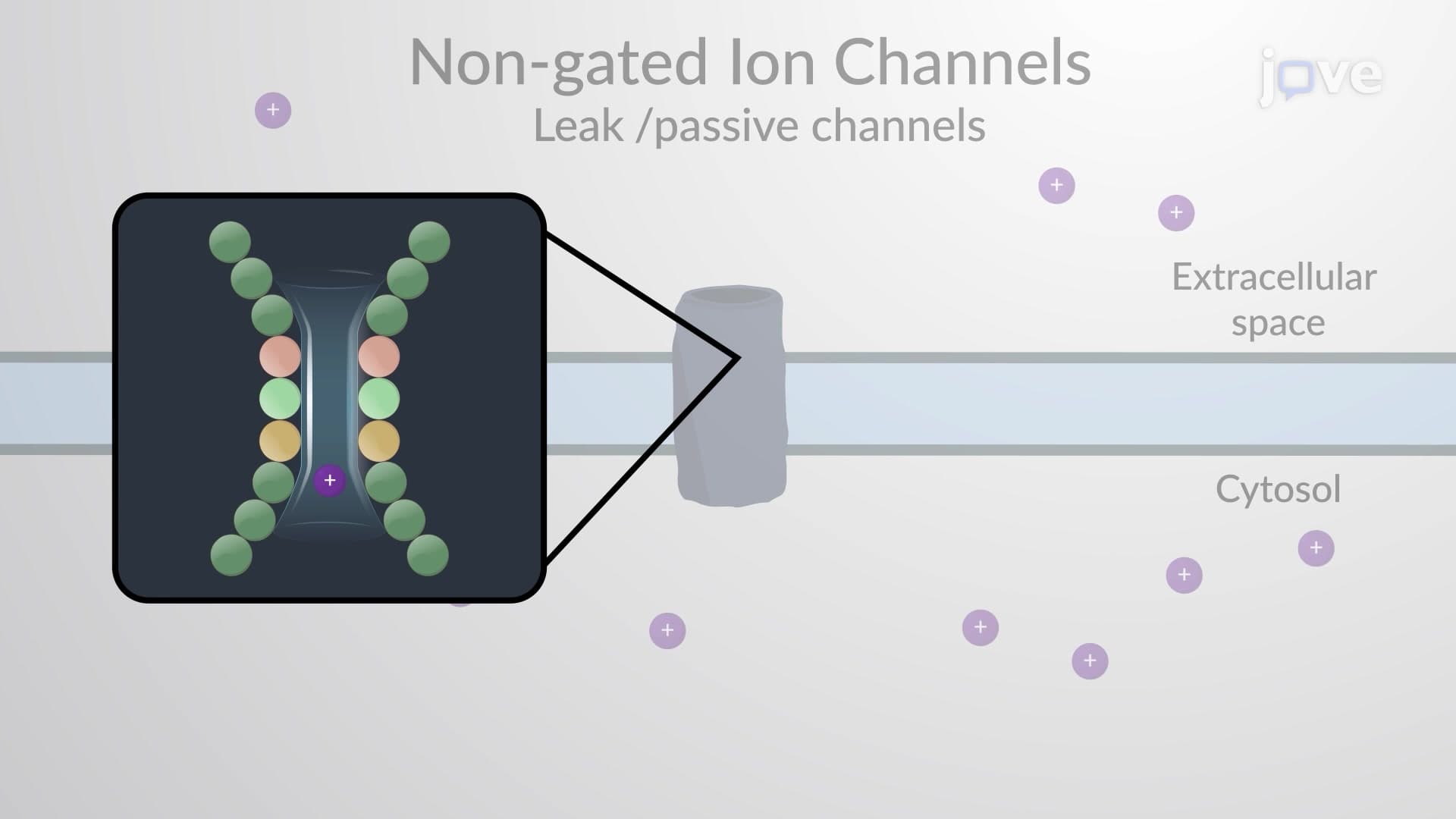
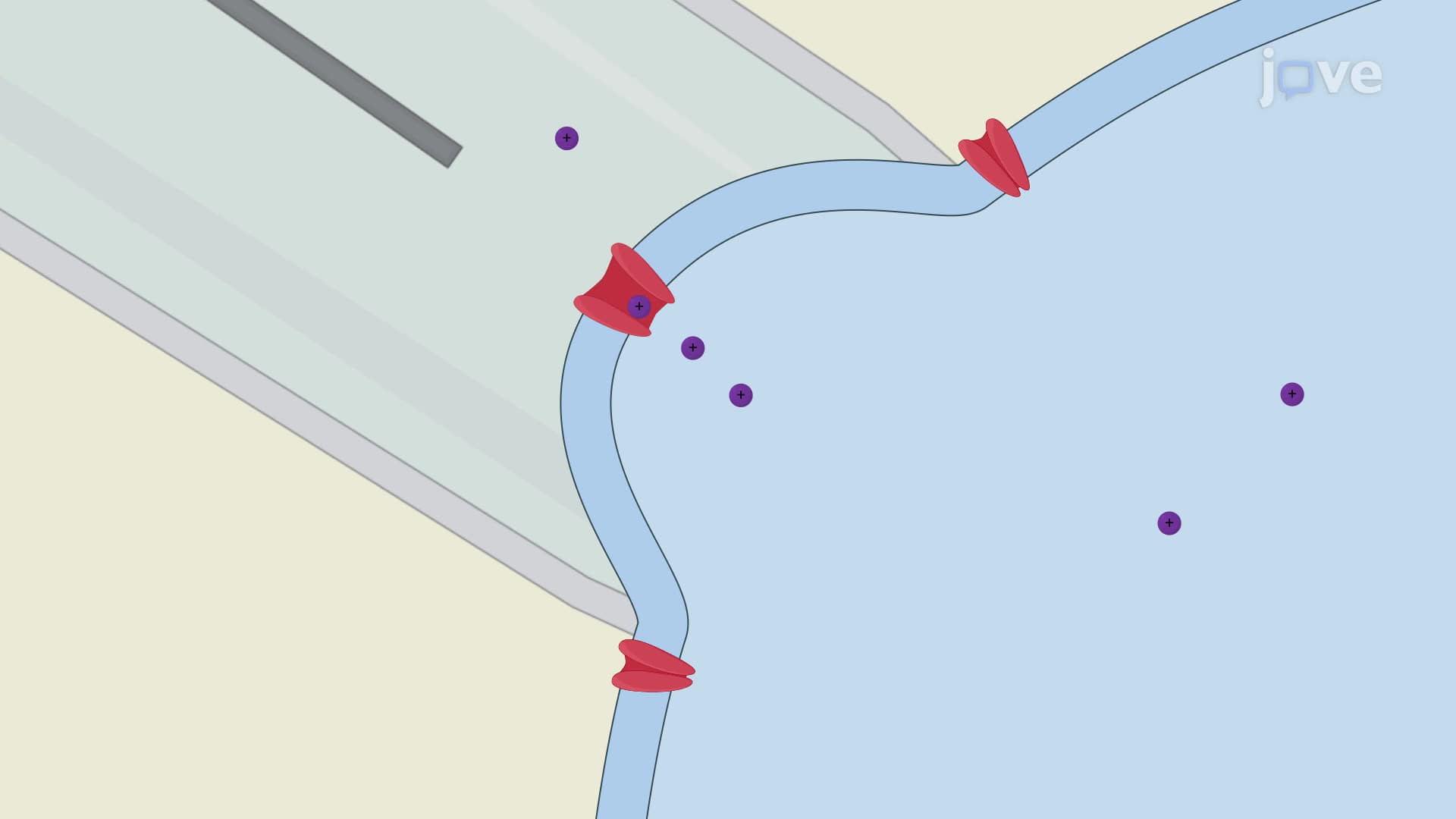
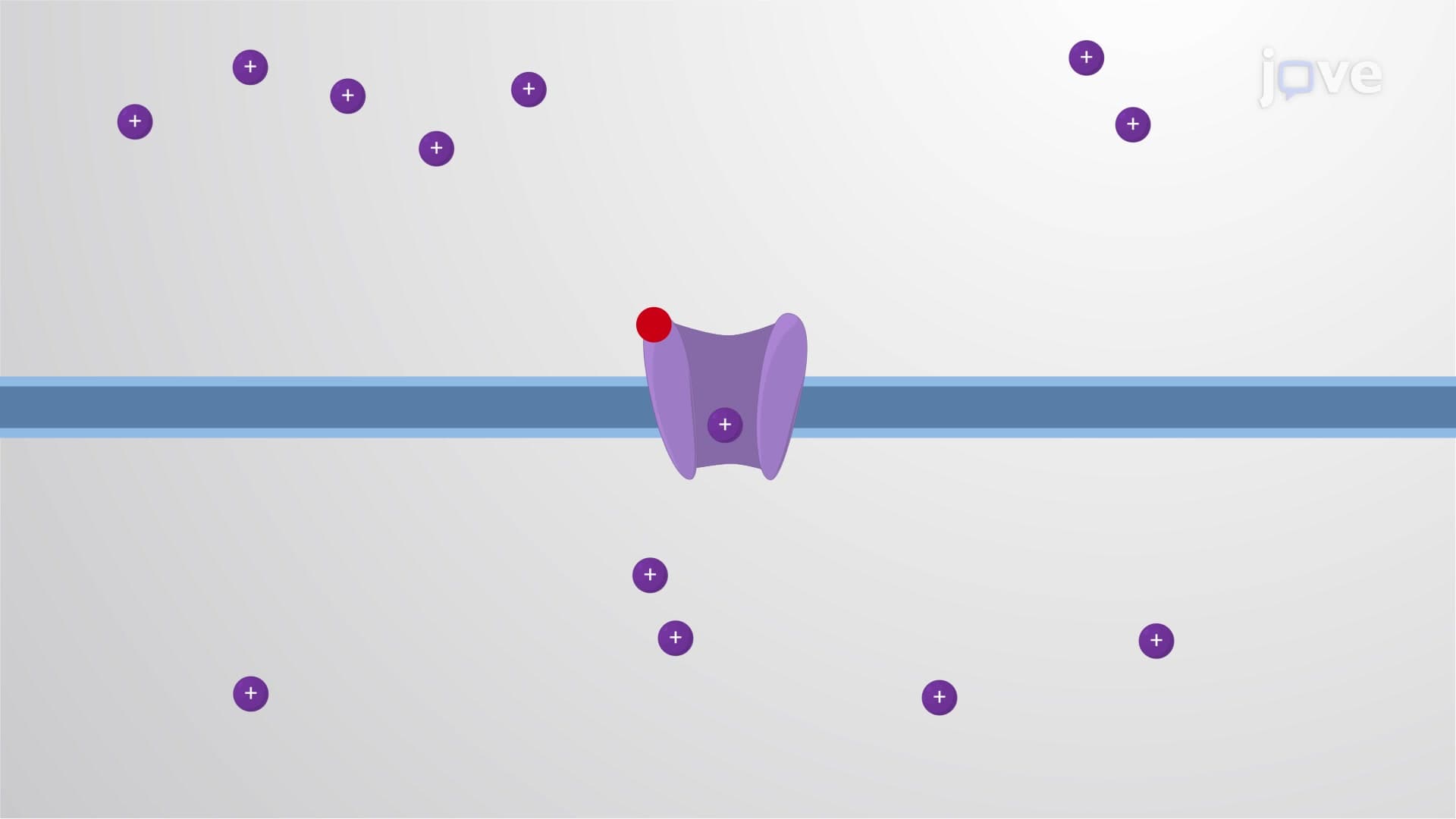
While the sodium-potassium pump creates concentration gradients, potassium leak channels determine the actual voltage across the membrane. These channels remain constitutively open, allowing K+ ions to flow down their concentration gradient from high intracellular concentrations to lower extracellular levels. This outward potassium movement carries positive charge away from the cell interior, contributing significantly to the negative resting potential.
The selective permeability concept appears frequently in college-level physiology courses and standardized exams. Students should recognize that membrane potential approaches the equilibrium potential of the most permeable ion-in resting neurons, this is potassium at approximately -90mV, though other factors moderate the final -70mV value.
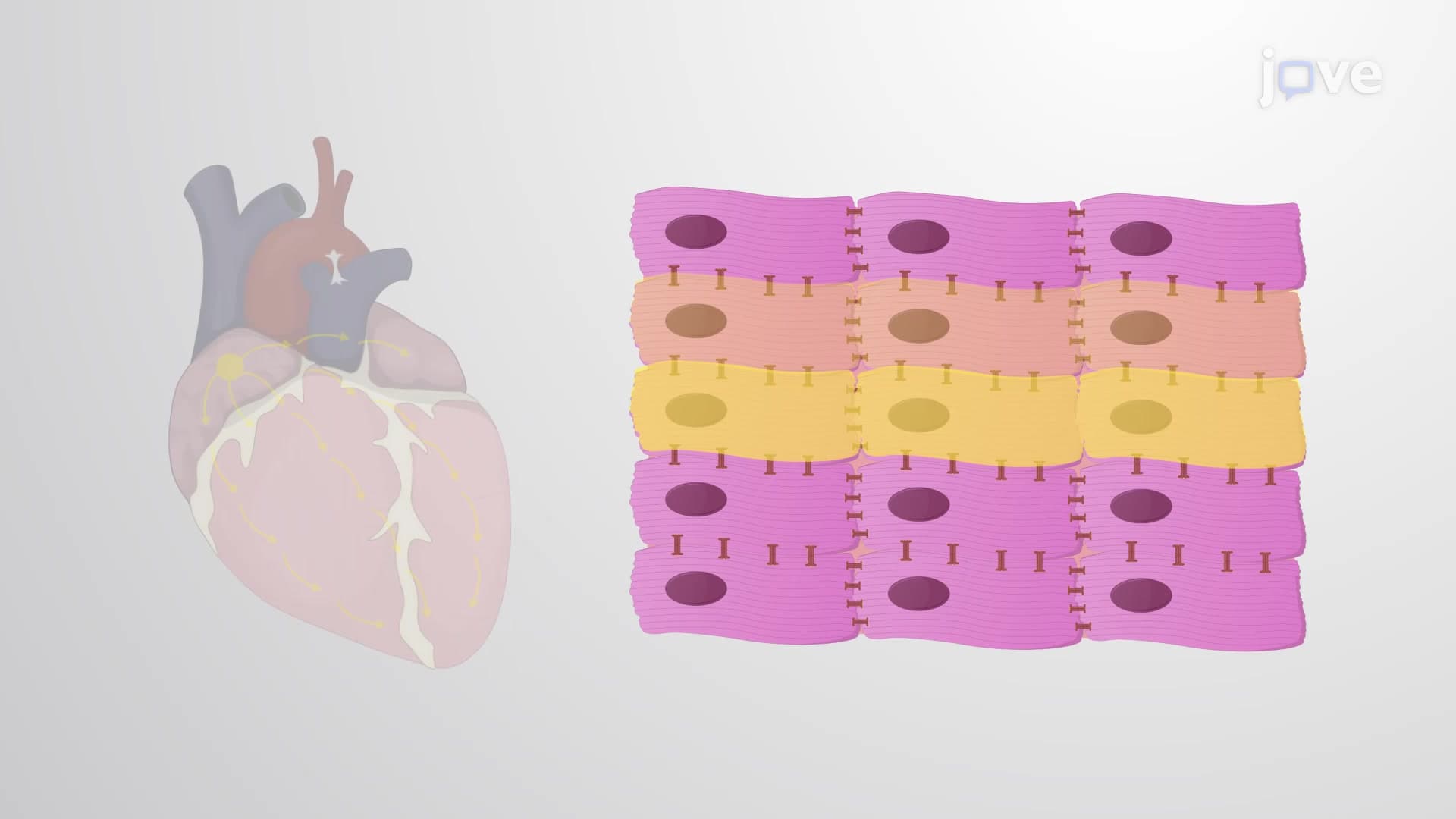
Resting membrane potential disruption underlies numerous medical conditions studied in US medical schools. Hyperkalemia (elevated blood potassium) reduces the concentration gradient, making neurons more excitable and potentially causing dangerous cardiac arrhythmias. Conversely, hypokalemia increases the gradient, making neurons less responsive to stimulation.
Research institutions like Johns Hopkins and the Mayo Clinic continue investigating how resting potential alterations contribute to neurological disorders, epilepsy, and neurodegenerative diseases, demonstrating this concept's ongoing clinical significance.
Related Micro-courses