Loading video…


 18 Concepts
 152.8K views

Video Summary: What Is Resting Potential Decay
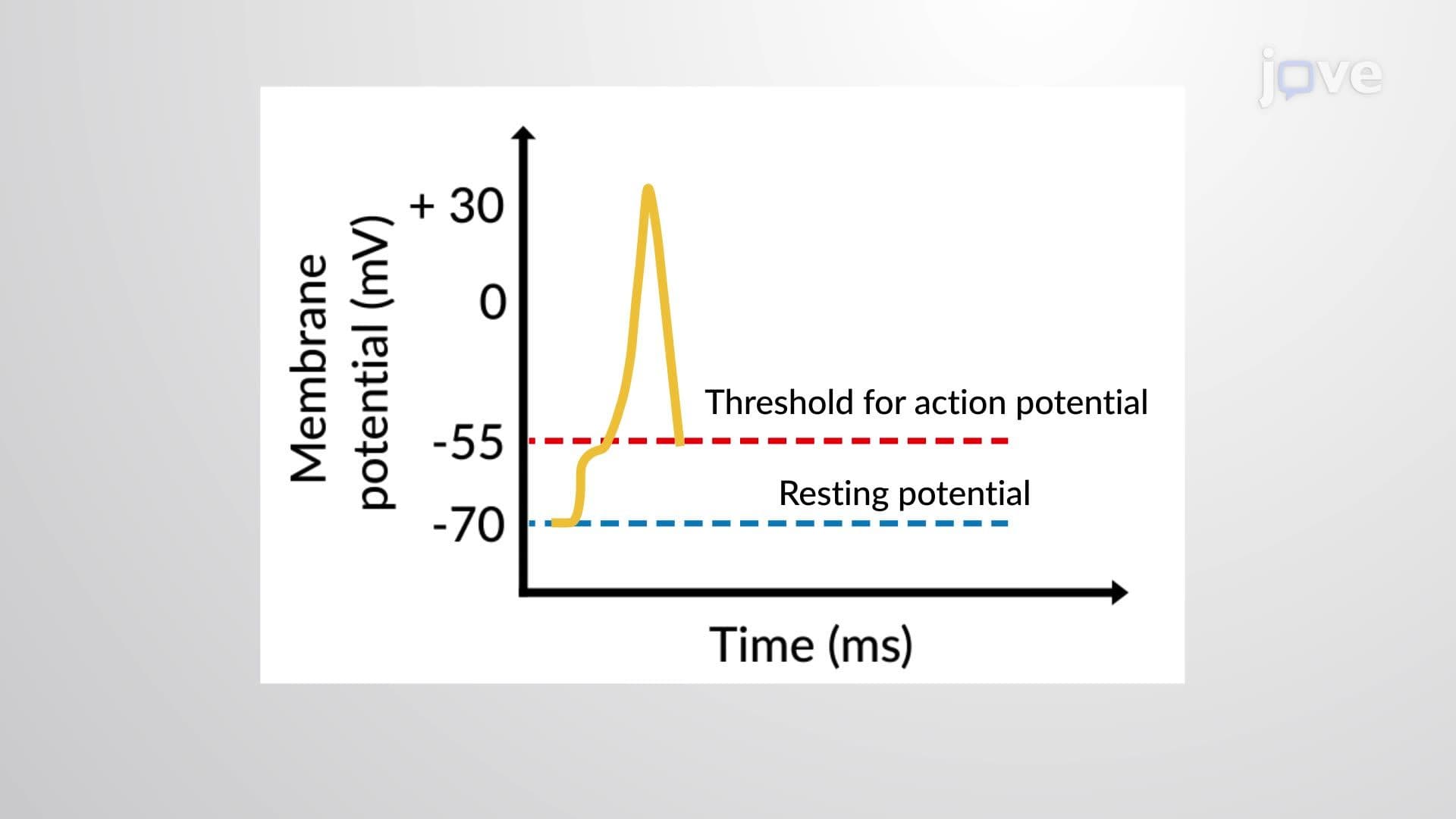
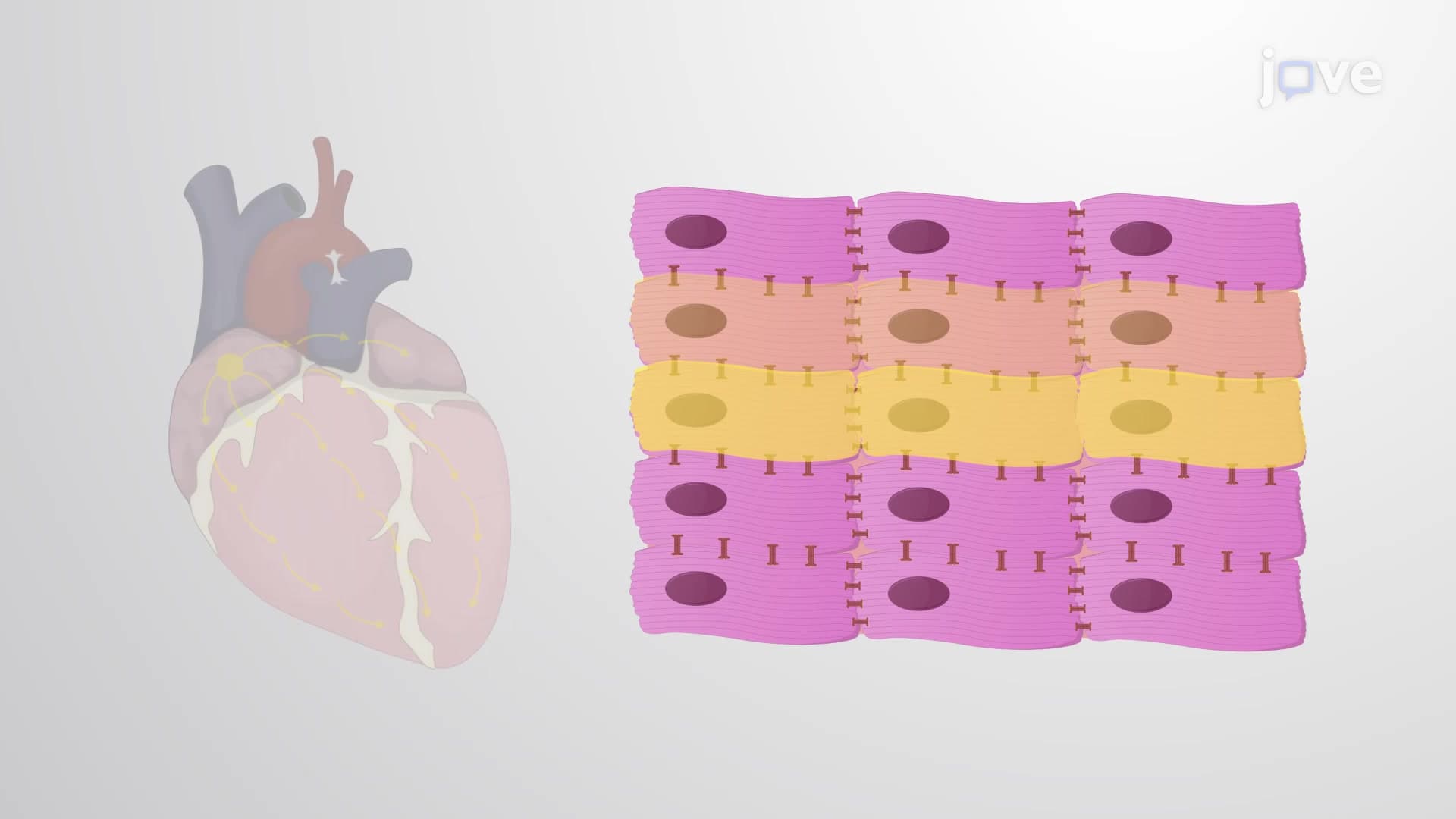
Ever wonder why heart attack patients need immediate medical intervention? Resting potential decay membrane disruption can cause cardiac cells to lose their electrical activity within seconds. When a neuron's sodium-potassium pump fails, the carefully maintained -70mV membrane potential rapidly decays to zero, similar to how Baltimore's Johns Hopkins Hospital monitors patients for dangerous electrolyte imbalances that threaten cellular function. This process, known as what is resting potential decay, represents a critical failure in cellular homeostasis. Watch the full video on JoVE Coach to master this concept with expert-led visuals and step-by-step explanations.
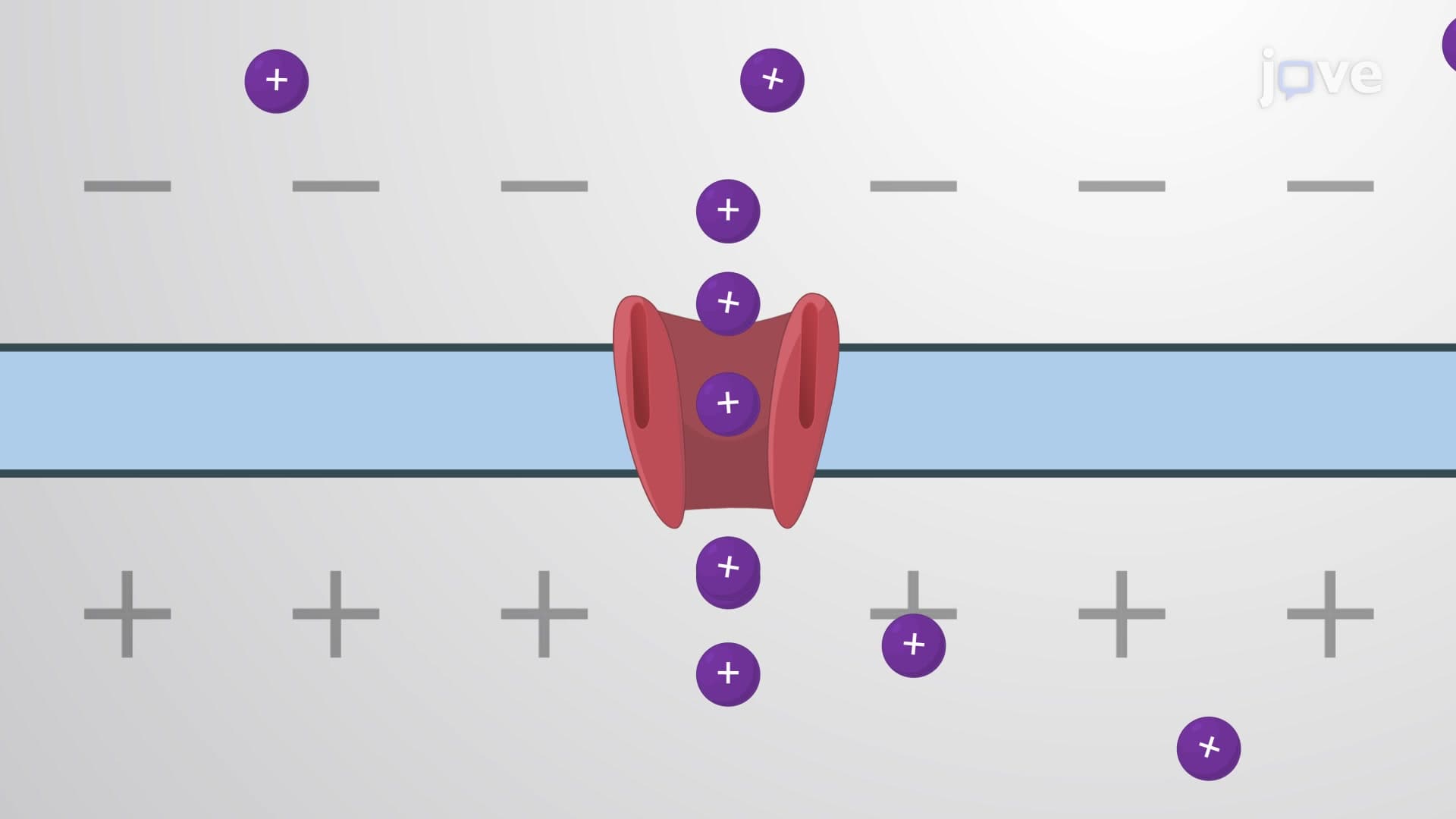
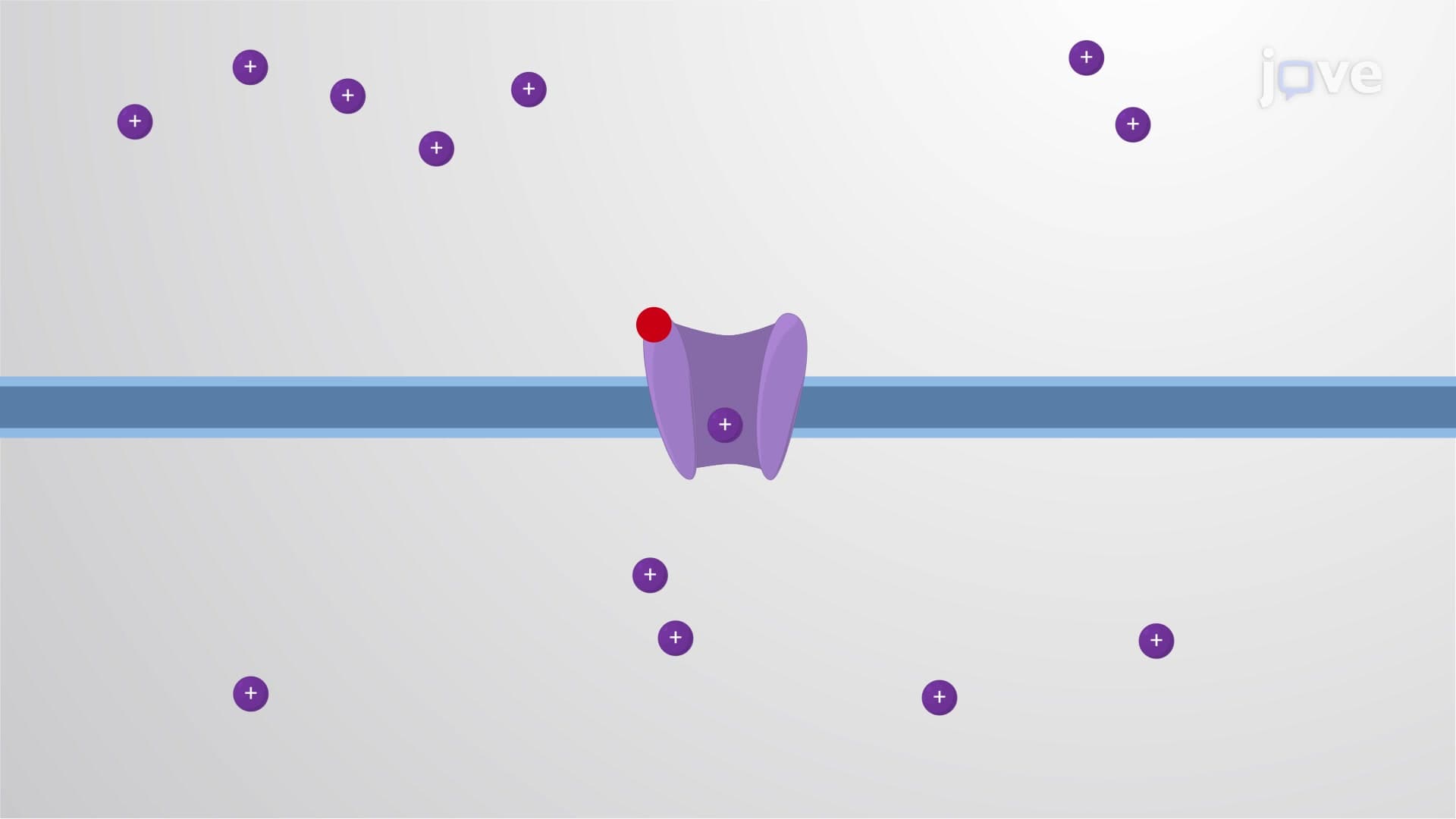
Resting potential decay membrane failure represents one of the most critical events in cellular physiology. Unlike the stable -70mV resting potential maintained by healthy neurons, decay occurs when the sodium-potassium pump-the cell's primary ionic maintenance system-becomes compromised. This ATP-dependent pump normally exchanges three sodium ions out for two potassium ions in, creating the electrochemical gradient essential for neuronal function.
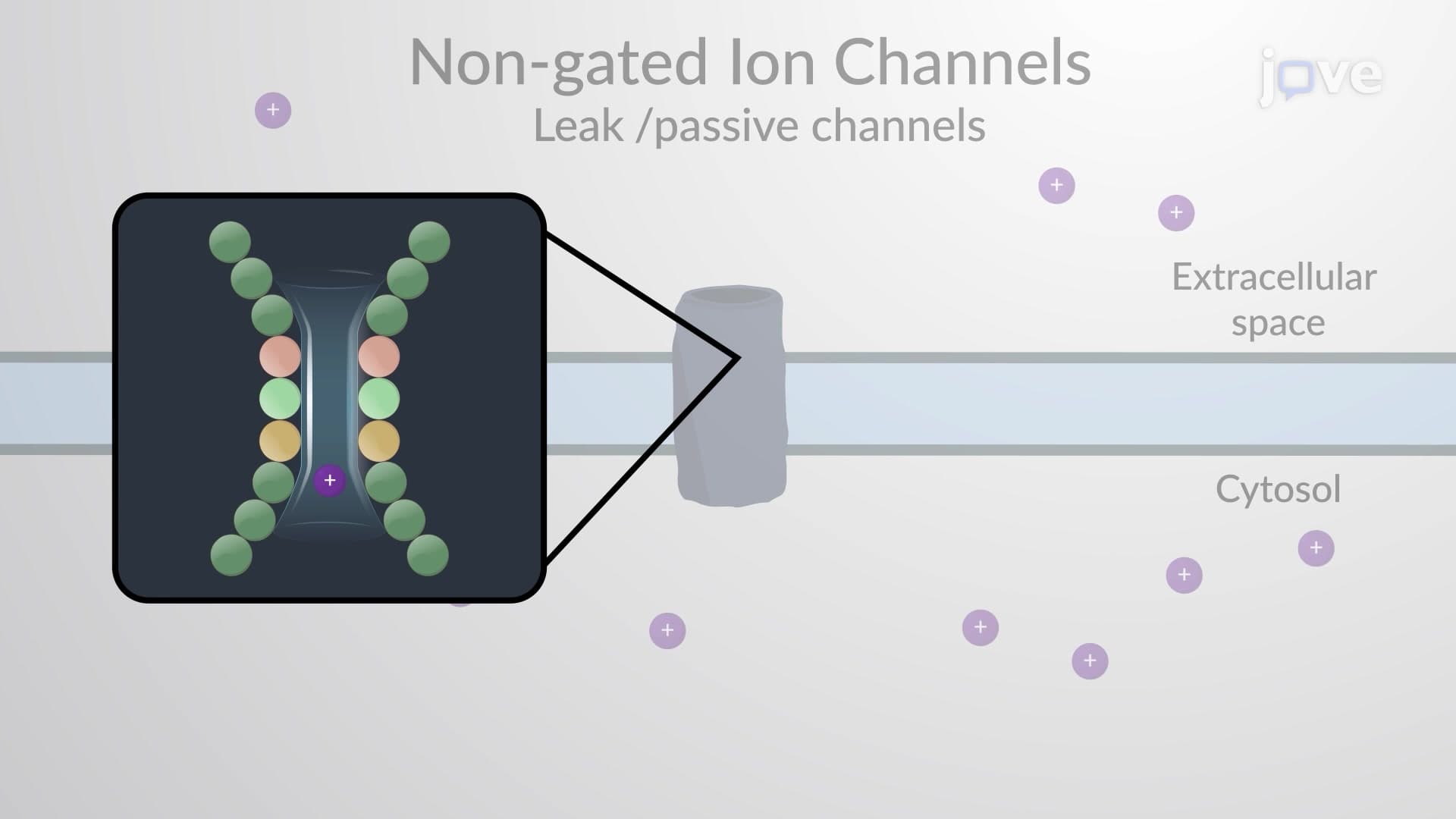
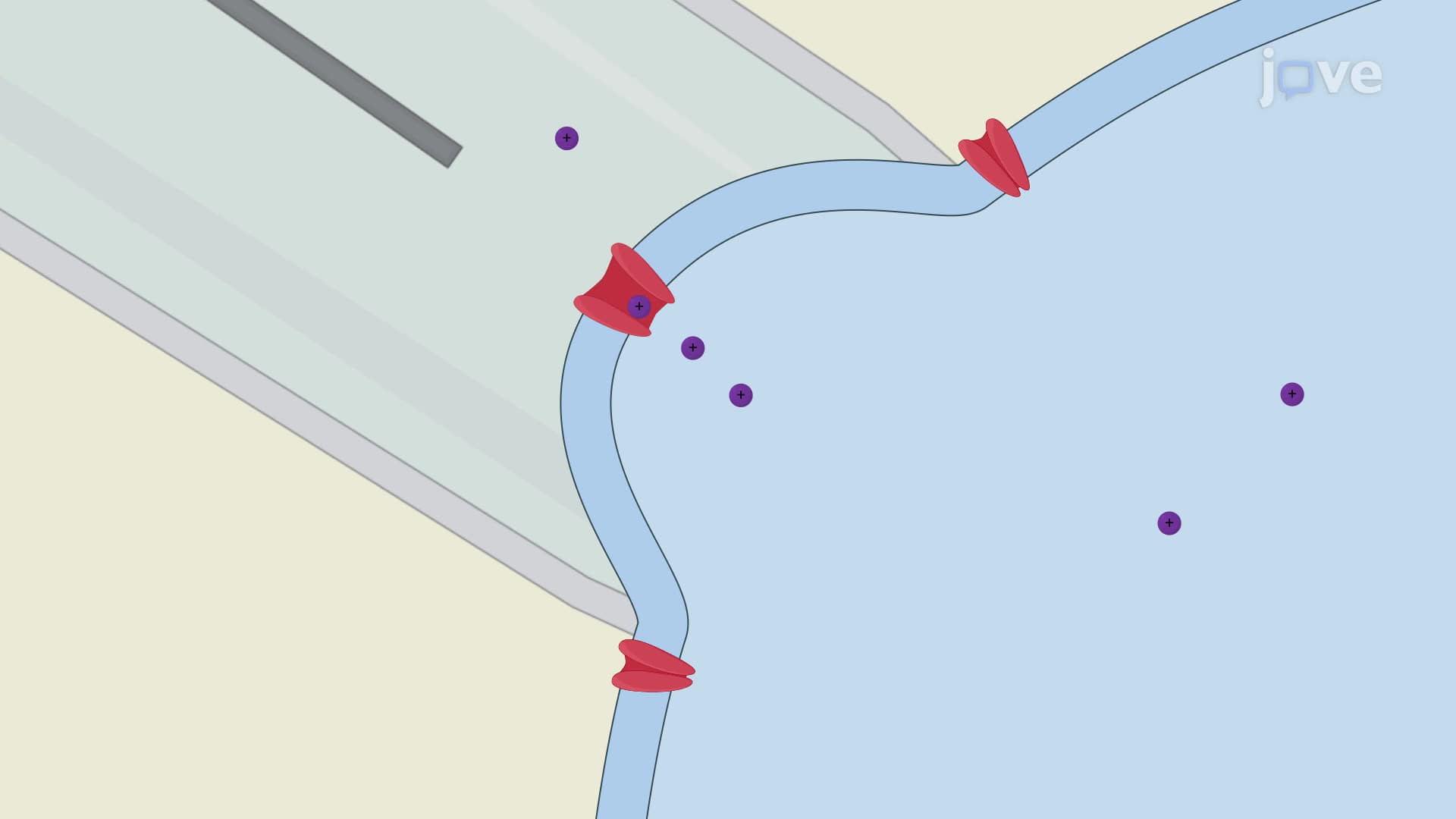
The membrane potential decay explained process begins with pump dysfunction. In normal conditions, potassium leak channels allow K+ ions to flow out, while sodium leak channels permit limited Na+ entry. The pump compensates by actively removing excess sodium and restoring potassium levels. However, when pump activity ceases-whether from toxins, energy depletion, or pharmaceutical inhibition-these leak channels continue operating without compensation.
Stanford University researchers have demonstrated that passive decay potential follows predictable kinetics. The membrane potential drops exponentially toward zero as sodium accumulates intracellularly and potassium depletes. This process mirrors the discharge of a capacitor, where membrane capacitance resistance decay determines the time constant. Larger neurons with greater membrane area decay more slowly due to increased capacitance.
Understanding what is resting potential decay in membrane physiology proves crucial for MCAT preparation and AP Biology coursework. Medical schools including Harvard and UCSF emphasize this concept when teaching cardiac arrhythmias and stroke pathophysiology. Local membrane potential decay also explains why hypothermic patients at Massachusetts General Hospital maintain cellular function longer-cold temperatures slow metabolic processes and extend pump function.
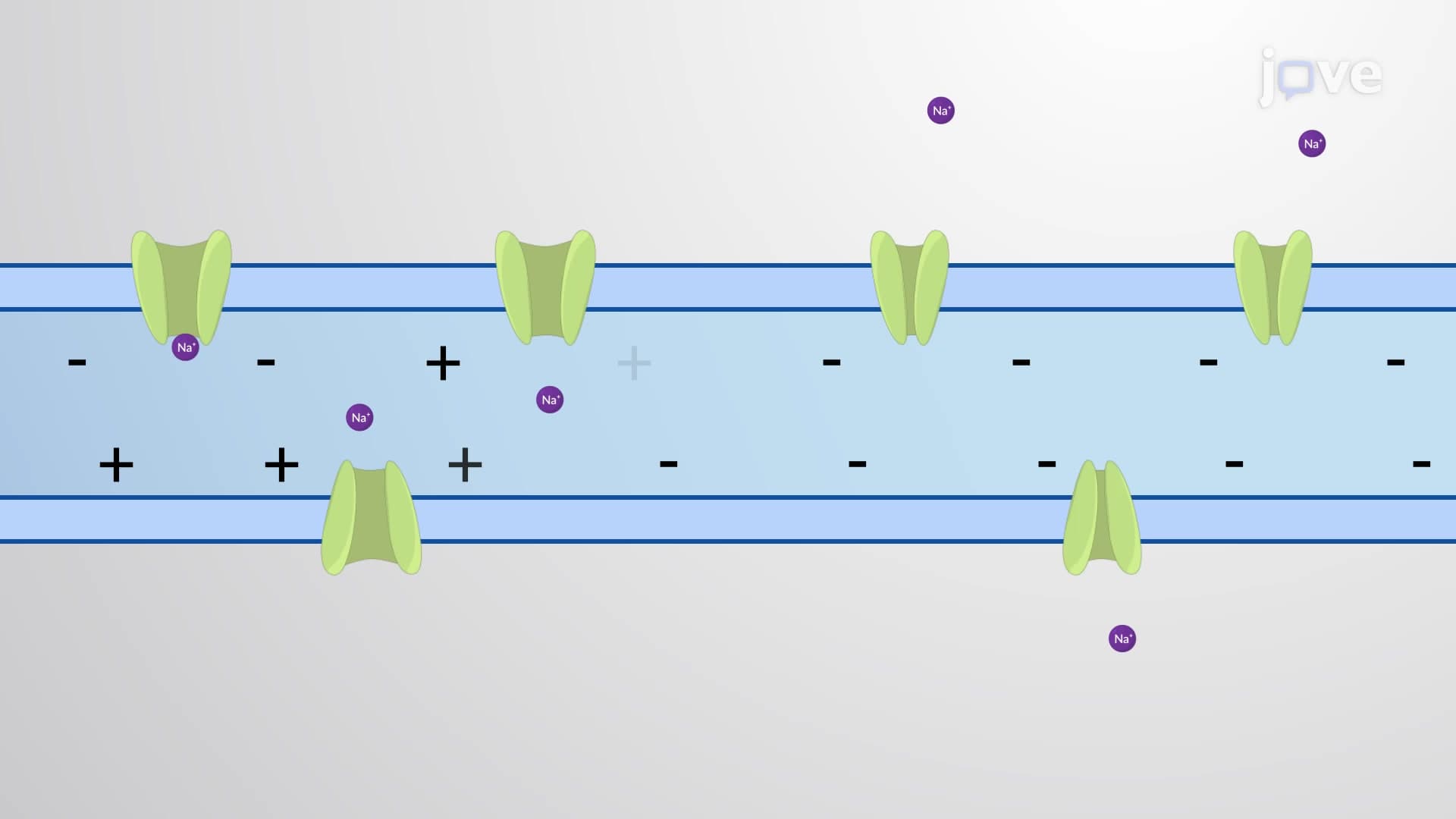
Graded potential decay local effects become particularly relevant during electrotonic spread membrane events. When localized membrane regions lose their potential, the decay spreads passively to adjacent areas. This phenomenon helps explain seizure propagation patterns studied at Mayo Clinic and guides pharmaceutical interventions targeting sodium channel blockers.
For college students, this concept bridges multiple disciplines. Engineering students recognize similarities to electrical circuit decay, while pre-med students connect it to pathological conditions like hypoxic brain injury, where oxygen deprivation compromises ATP production and pump function.
Related Micro-courses