Loading subject page…


49,100 views

Video Summary: Photosynthesis Definition
Did you know that California's giant redwood trees can capture enough solar energy in one day to power a small town? Photosynthesis transforms sunlight into the chemical energy that fuels nearly all life on Earth, from the smallest algae to the towering sequoias in Yosemite National Park. This remarkable photosynthesis definition encompasses the process by which plants, algae, and cyanobacteria convert solar energy into stored chemical energy while releasing the oxygen we breathe. Watch the full video on JoVE Coach to master this concept with expert-led visuals and step-by-step explanations.
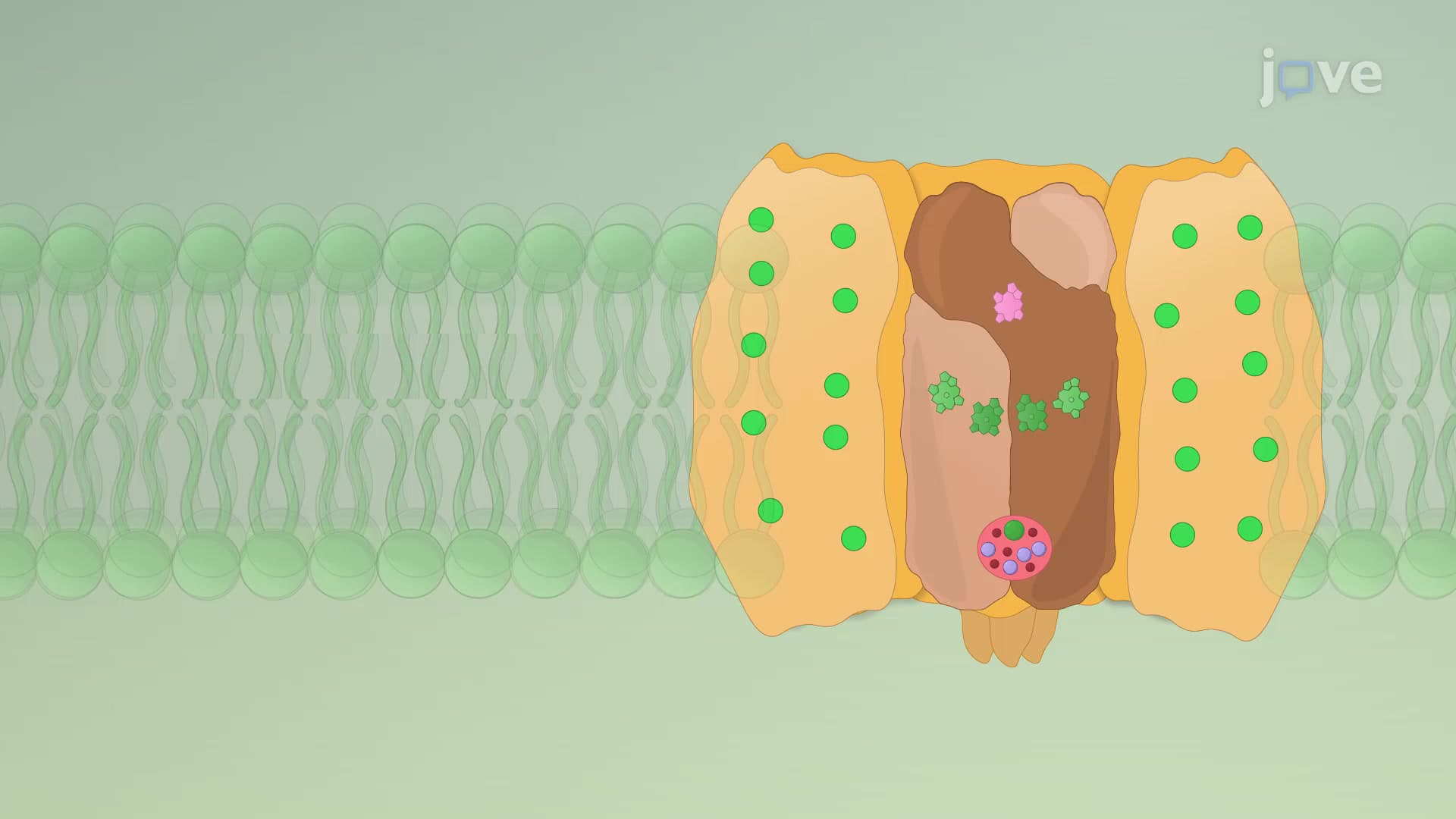
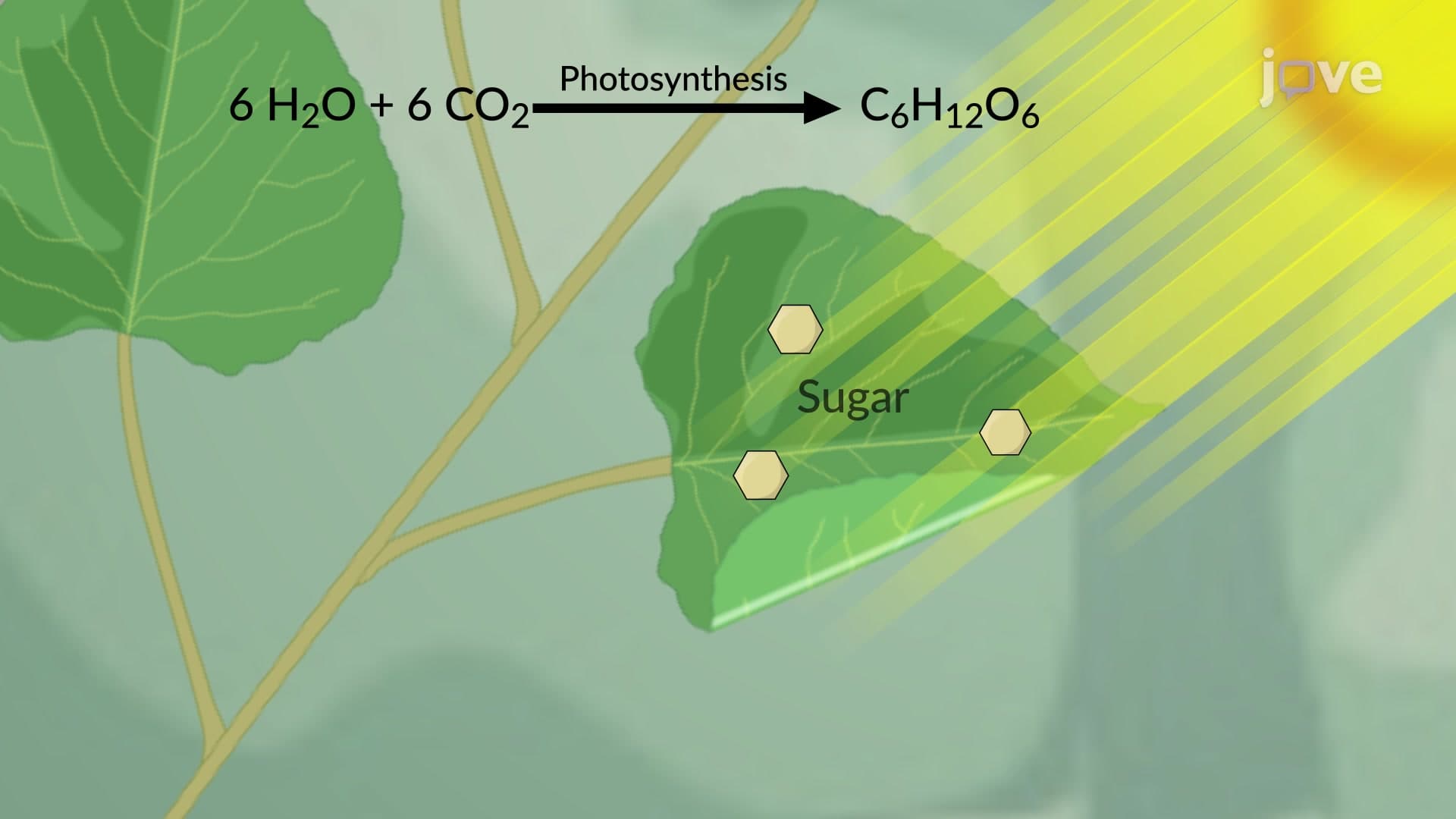
Photosynthesis represents one of biology's most fundamental processes, serving as the primary mechanism by which solar energy enters Earth's biosphere. This sophisticated biochemical pathway enables green plants, most algae, and cyanobacteria to harness electromagnetic radiation from the sun and convert it into stable chemical energy. The process occurs within specialized cellular structures called chloroplasts, where chlorophyll pigments capture specific wavelengths of light energy.
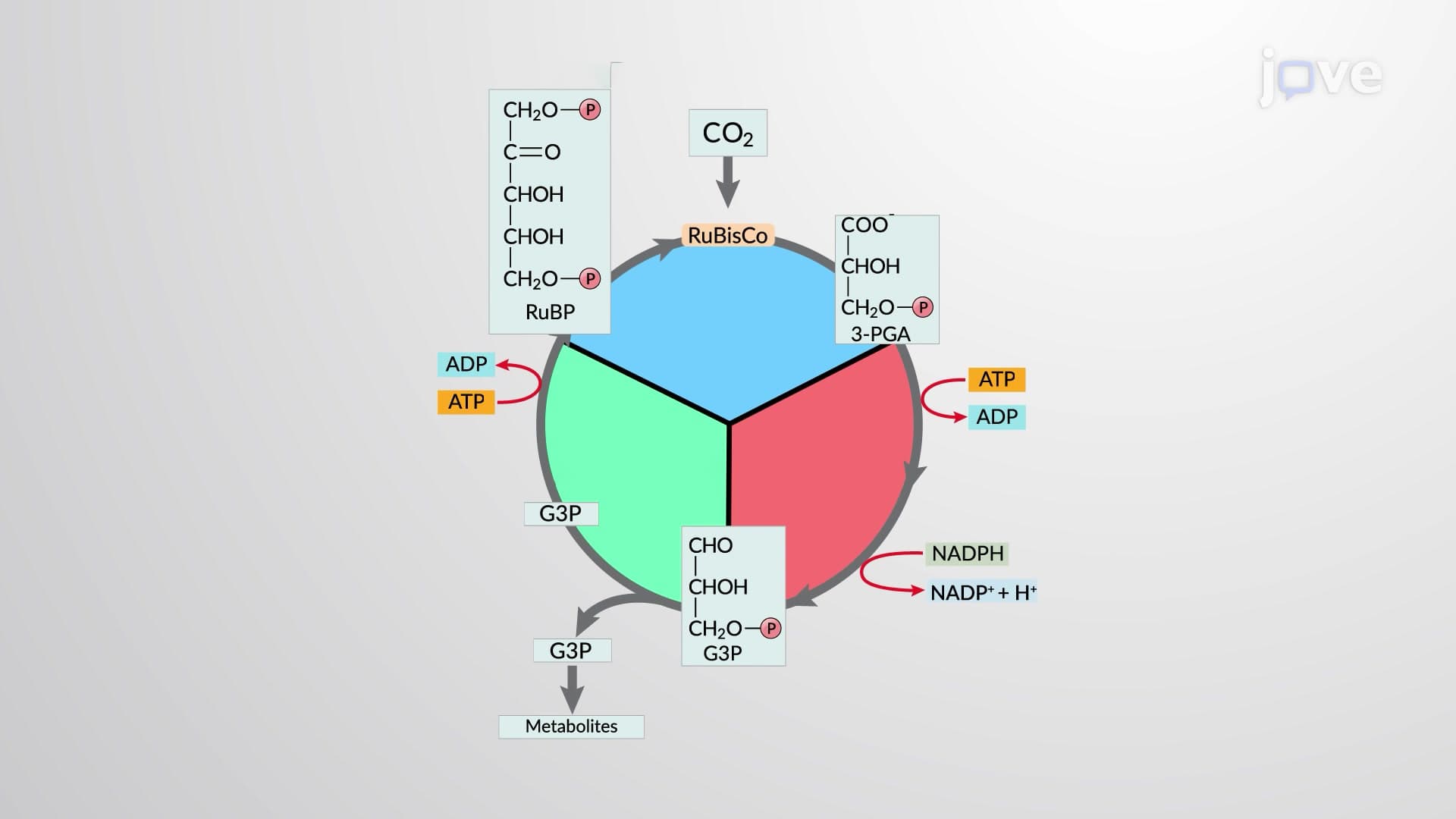
The photosynthetic process requires three critical inputs: solar radiation, carbon dioxide (CO₂), and water (H₂O). Through a complex series of reactions, these simple inorganic molecules undergo transformation into glucose (C₆H₁₂O₆) and oxygen (O₂). This energy conversion follows the simplified equation: 6CO₂ + 6H₂O + light energy → C₆H₁₂O₆ + 6O₂. The glucose molecules serve as building blocks for more complex carbohydrates, while the chemical bonds store energy that can later be released through cellular respiration to produce ATP.
In ecosystems across the United States, from the Florida Everglades' sawgrass marshes to Oregon's Douglas fir forests, photosynthesis drives primary productivity. Agricultural systems in states like Iowa and Nebraska depend entirely on this process, as corn and soybean crops convert sunlight into the biomass that feeds both livestock and human populations. The oxygen released during photosynthesis maintains atmospheric composition at approximately 21% O₂, enabling aerobic respiration in animals and decomposer organisms.
Students preparing for AP Biology, SAT Subject Tests, or college-level botany courses must thoroughly understand photosynthesis as it connects to numerous other biological concepts. The process links directly to cellular respiration, ecosystem energy flow, biogeochemical cycles, and climate science. MCAT preparation requires detailed knowledge of both light-dependent and light-independent reactions, while nursing students studying for NCLEX exams encounter photosynthesis in the context of oxygen therapy and plant-based nutrition. Understanding this fundamental process provides the foundation for advanced topics in plant physiology, environmental science, and biochemistry.
Related Micro-courses