Loading subject page…


49,100 views


Video Summary: The Z Scheme of Electron Explained
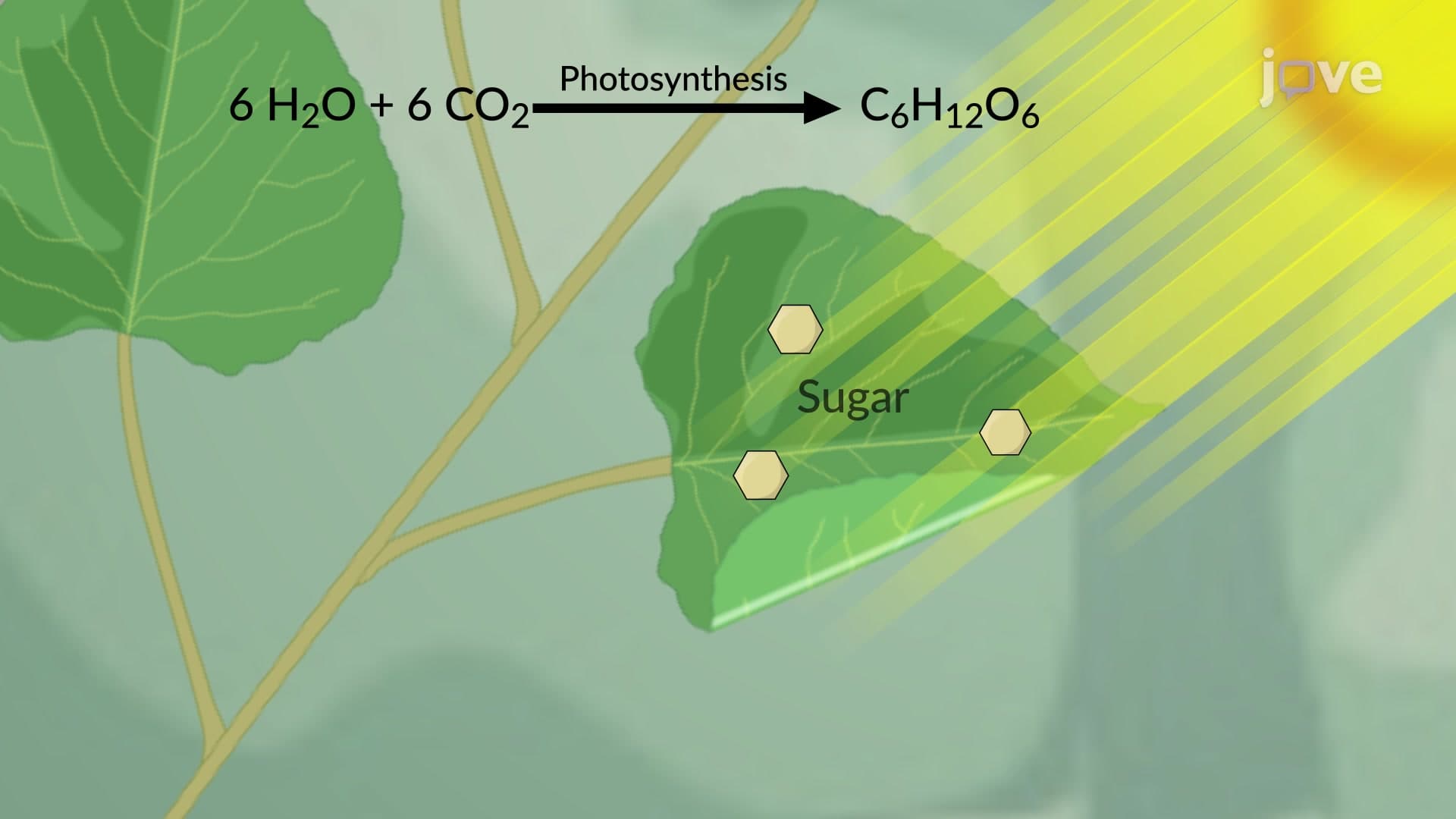
Did you know that every breath you take depends on a molecular "Z" pattern happening inside plant leaves across America's farmlands? The z scheme of electron transport powers photosynthesis by moving electrons from water molecules through two photosystems in a distinctive zigzag pathway. This intricate process occurs in chloroplasts of crops like Iowa corn and California almonds, converting sunlight into the chemical energy that feeds our entire food chain. Watch the full video on JoVE Coach to master this concept with expert-led visuals and step-by-step explanations.
The Z scheme represents one of biology's most elegant energy conversion processes, named for its characteristic zigzag pattern when electron energy levels are plotted against the transport sequence. This fundamental mechanism occurs in the thylakoid membranes of chloroplasts, where two photosystems work in tandem to harness solar energy and convert it into chemical currency.
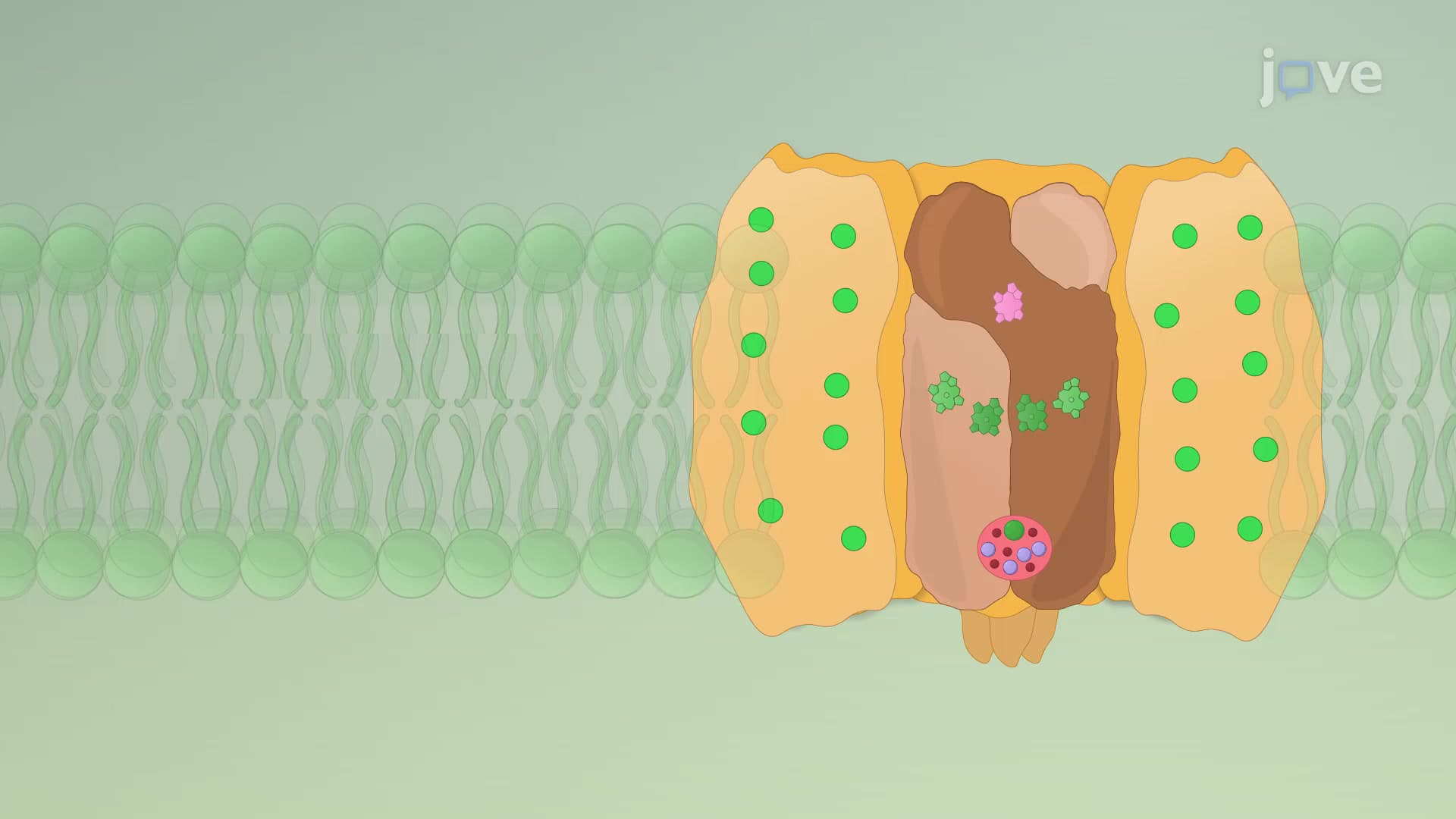
The journey begins at Photosystem II (PSII), where the special chlorophyll molecule P680 serves as the primary reaction center. When P680 absorbs light photons, it becomes excited and releases high-energy electrons to pheophytin, the first electron acceptor. This leaves P680 in an oxidized state with an extremely strong pull for electrons-so strong that it can literally split water molecules. The water-splitting reaction occurs at the oxygen-evolving complex, releasing protons into the thylakoid lumen, electrons to replenish P680, and molecular oxygen as a byproduct. This oxygen production is crucial for life on Earth and forms the basis for questions on the AP Biology exam and college biochemistry courses.
Between PSII and PSI lies a sophisticated electron transport chain that gradually steps down electron energy while building a proton gradient. Plastoquinone (PQ) shuttles electrons from pheophytin to the cytochrome b6f complex, simultaneously transporting protons across the membrane. The cytochrome b6f complex, similar to Complex III in cellular respiration, further contributes to the proton gradient before passing electrons to plastocyanin. This mobile copper-containing protein delivers electrons to Photosystem I, completing the first half of the Z scheme. Students preparing for the MCAT often encounter questions about these electron carriers and their roles in energy conservation.
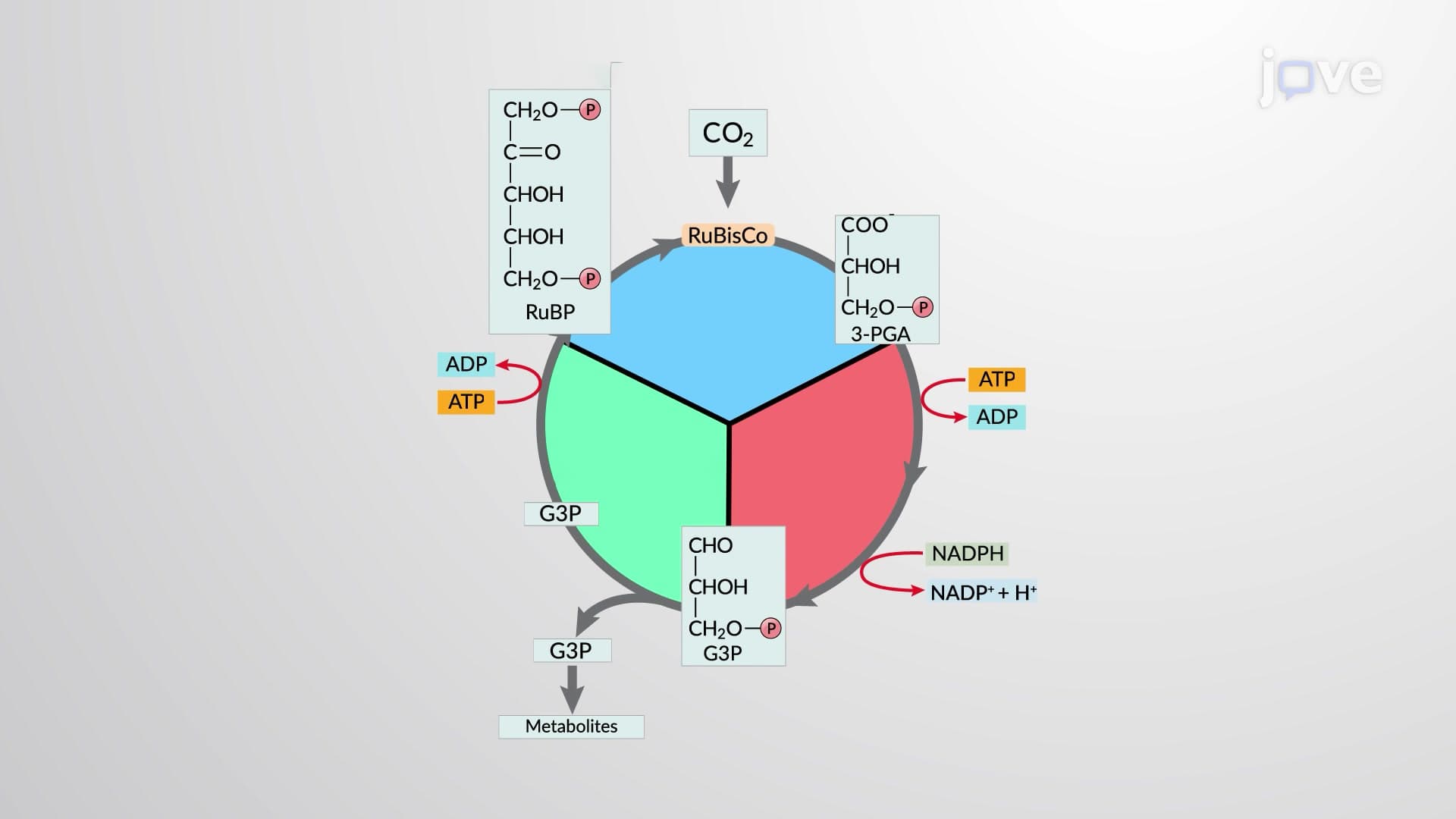
At Photosystem I (PSI), the reaction center P700 receives electrons and absorbs additional light energy to boost them to an even higher energy level. These energized electrons flow to ferredoxin, an iron-sulfur protein that serves as PSI's final electron acceptor. Ferredoxin then transfers electrons to ferredoxin-NADP+ reductase, the enzyme responsible for converting NADP+ to NADPH. This NADPH serves as the reducing power for the Calvin cycle, making it essential for carbon dioxide fixation and sugar production. Understanding this connection helps students excel in college-level plant biology and environmental science courses, particularly when analyzing agricultural productivity in states like Nebraska and Texas.
Related Micro-courses