Loading subject page…


49,100 views


Video Summary: What Is the Antenna Complex
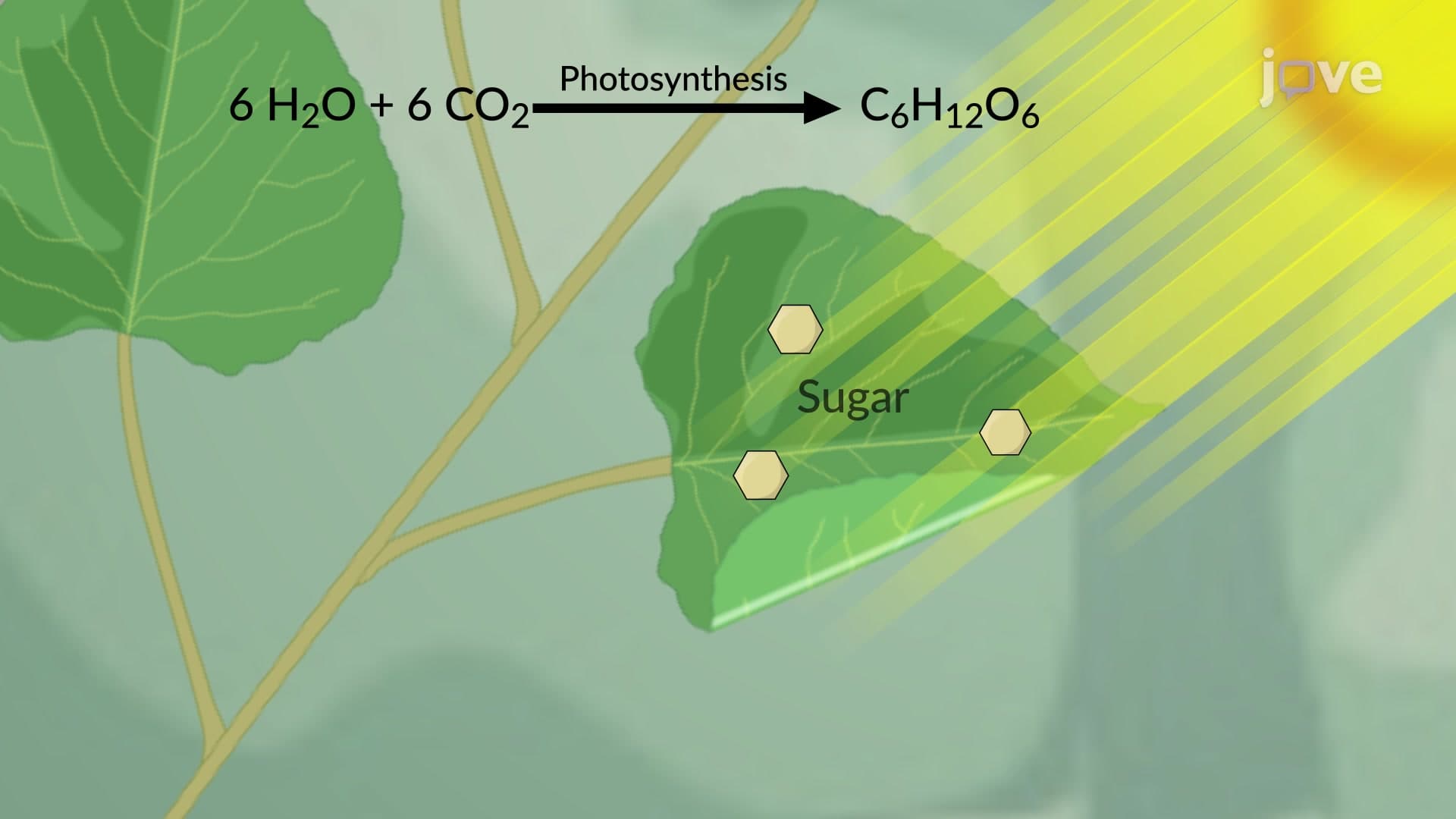
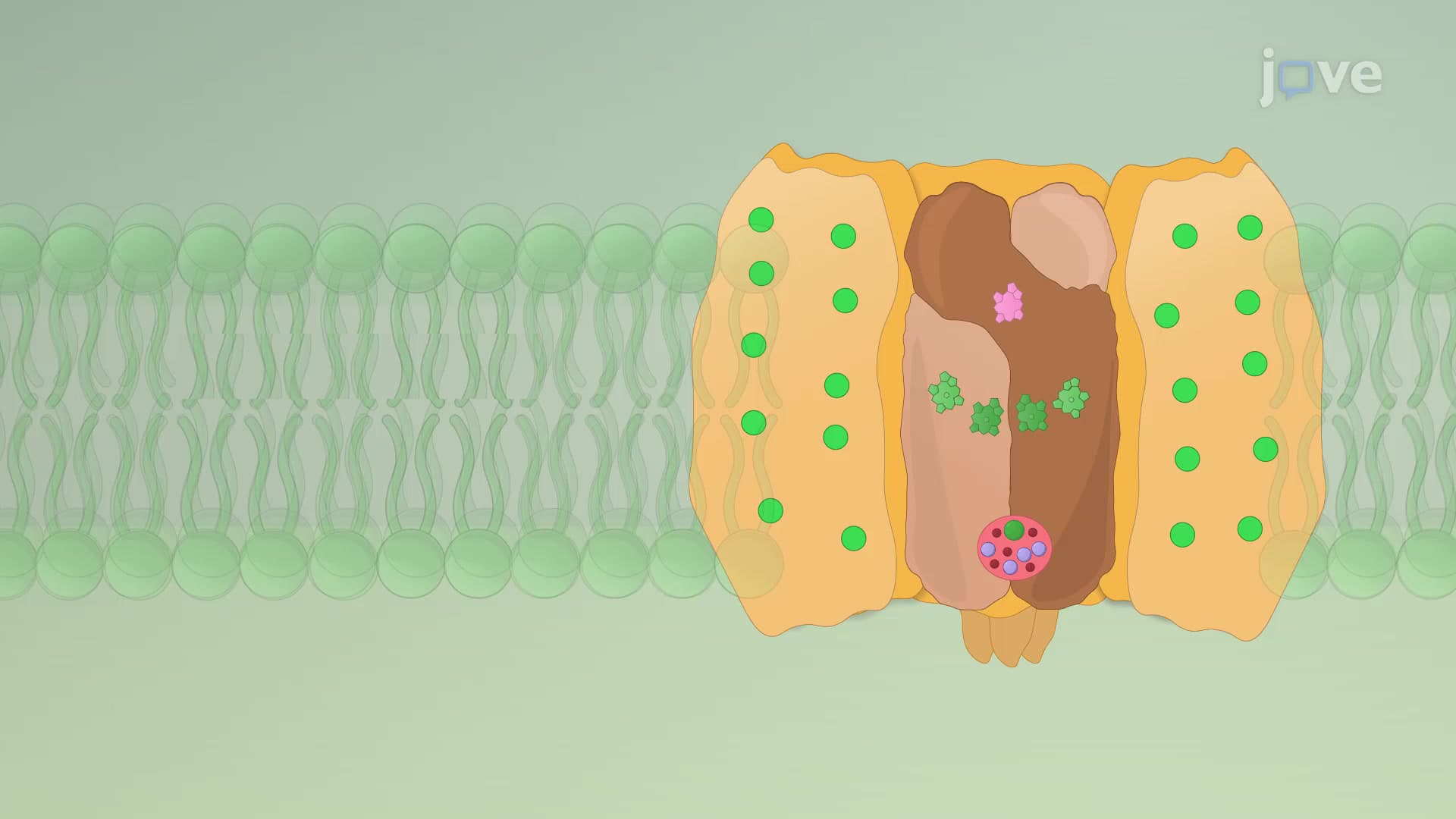
Ever wonder how plants capture enough sunlight to power photosynthesis when sunlight is so dilute? The antenna complex acts like a sophisticated solar panel array, containing hundreds of pigment molecules that funnel light energy to photosystem reaction centers. In corn fields across Iowa, these complexes maximize energy collection efficiency during cloudy Midwestern days. What is The Antenna Complex reveals how this molecular machinery transforms scattered photons into concentrated chemical energy. Watch the full video on JoVE Coach to master this concept with expert-led visuals and step-by-step explanations.
The antenna complex represents one of nature's most elegant solutions to energy collection challenges. Unlike single reaction center chlorophyll molecules, these sophisticated structures contain 200-400 pigment molecules arranged in precise geometric patterns. The protein scaffold maintains optimal distances between pigments-typically 1-2 nanometers apart-ensuring rapid energy transfer while preventing energy loss through heat dissipation.
Energy transfer within antenna complexes occurs through resonance energy transfer, a quantum mechanical process where excited pigment molecules pass energy to adjacent molecules without electron transfer. This process happens in femtoseconds (10^-15 seconds), making it incredibly efficient. The energy cascades through the complex following the "energy funnel" principle, where higher-energy pigments transfer to progressively lower-energy molecules, ultimately reaching the reaction center's special pair.
Antenna complexes contain diverse pigment types beyond chlorophyll a and b, including carotenoids, anthocyanins, and phycobilins in different organisms. This pigment diversity allows plants to capture broader wavelength ranges, maximizing photon absorption across the visible spectrum. For example, maple trees in Vermont's forests use carotenoids to capture light wavelengths that chlorophyll cannot efficiently absorb, particularly during autumn when chlorophyll breaks down.
Understanding antenna complex function proves crucial for AP Biology students and pre-med students preparing for the MCAT. Questions frequently test energy flow concepts and pigment interactions. In agriculture, researchers at Iowa State University develop crop varieties with optimized antenna complexes to improve photosynthetic efficiency under varying light conditions. This knowledge also applies to bioengineering applications, where scientists design artificial light-harvesting systems for solar energy conversion.
The antenna complex concept integrates with electron transport chain topics covered in college biochemistry courses, forming the foundation for understanding cellular energy production mechanisms essential for medical school preparation.
Related Micro-courses