Loading video…


 17 Concepts
 102.1K views

Video Summary: Intralumenal Vesicles and Multivesicular Bodies Explained
Every second, your cells perform an intricate recycling operation more sophisticated than any Amazon warehouse. Intralumenal vesicles and multivesicular bodies orchestrate this cellular cleanup by packaging unwanted proteins for destruction or storage. Consider how Alzheimer's disease research at Johns Hopkins University focuses on these structures, as their malfunction contributes to toxic protein accumulation in brain cells. These specialized cellular compartments use complex molecular machinery to sort, package, and transport proteins with remarkable precision. Watch the full video on JoVE Coach to master this concept with expert-led visuals and step-by-step explanations.
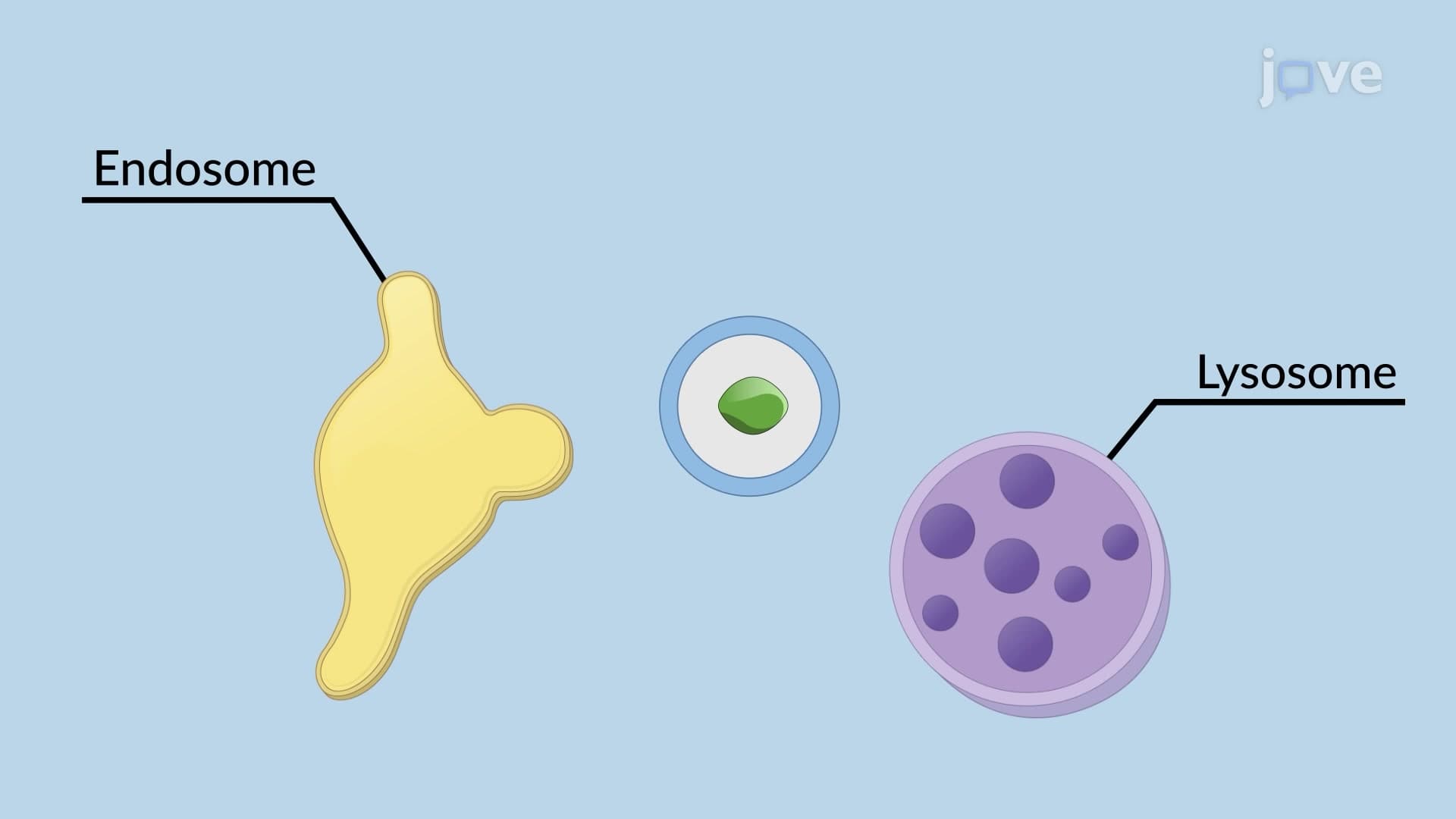
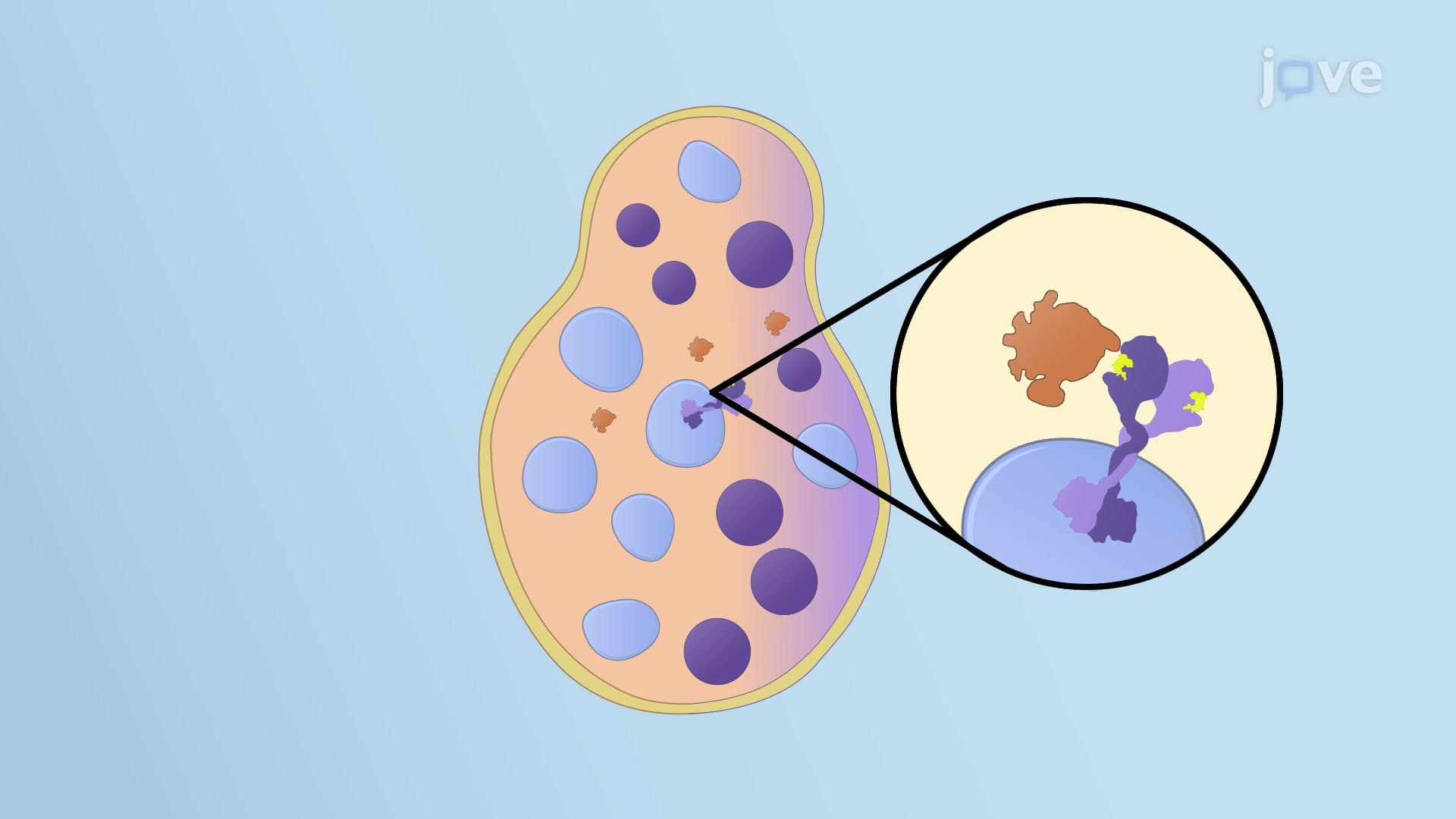
The cellular world operates like a sophisticated sorting facility, where intralumenal vesicles and multivesicular bodies serve as specialized packaging centers. These structures represent a critical checkpoint in cellular quality control, determining whether proteins get recycled, degraded, or stored for later use. Unlike simple membrane-bound organelles, multivesicular bodies contain smaller vesicles within their interior-imagine a shipping container filled with individually wrapped packages.
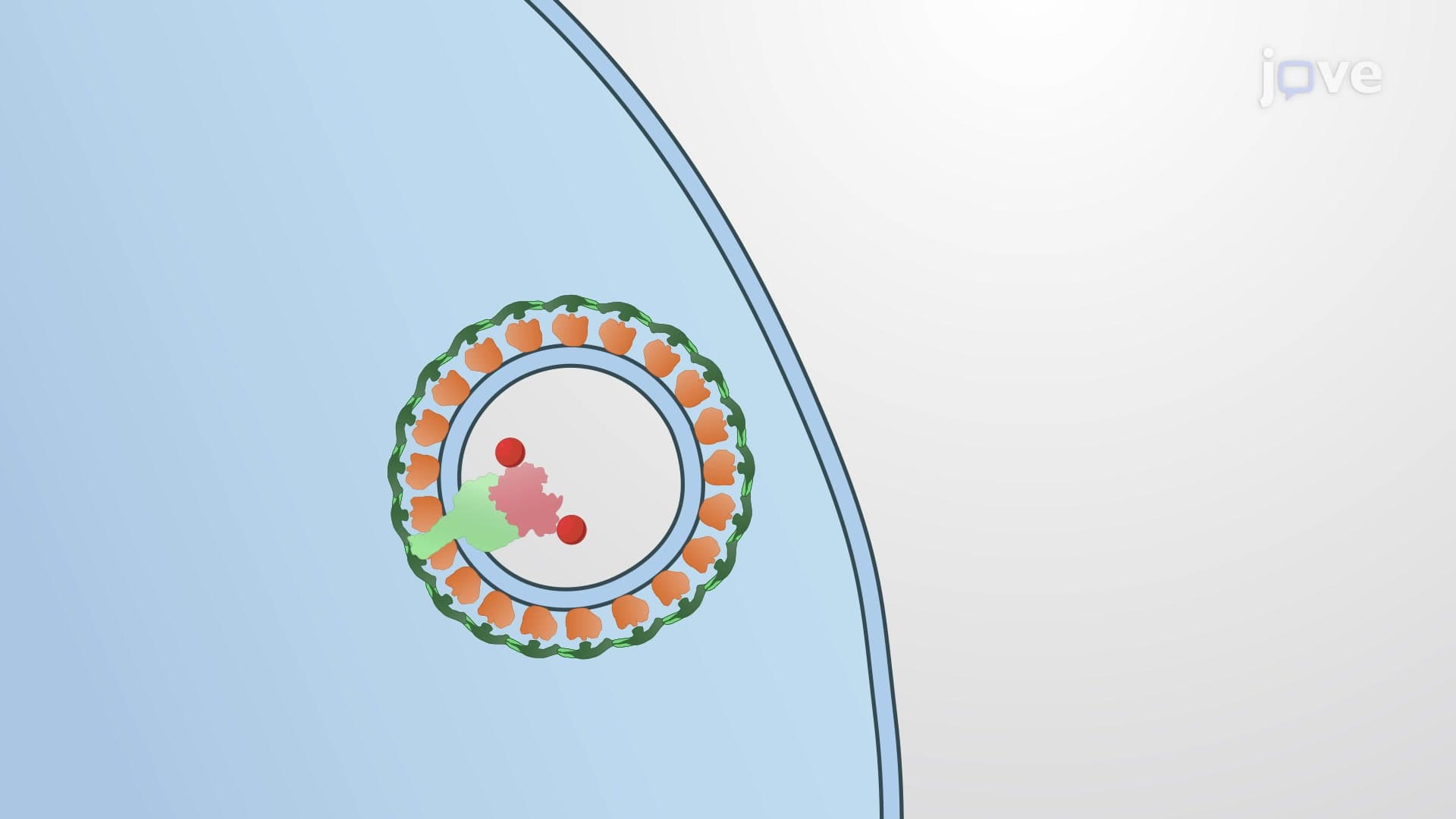
The formation of intralumenal vesicles requires precise coordination by Endosomal Sorting Complexes Required for Transport (ESCRT). These four protein complexes work like an assembly line at a Ford manufacturing plant in Detroit. ESCRT-0 acts as the quality inspector, recognizing ubiquitin-tagged proteins that need processing. ESCRT-I and ESCRT-II function as the machinery operators, initiating membrane curvature and creating the budding site. Finally, ESCRT-III serves as the precision cutting tool, along with the ATPase Vps4, executing the final membrane severance that releases intralumenal vesicles.
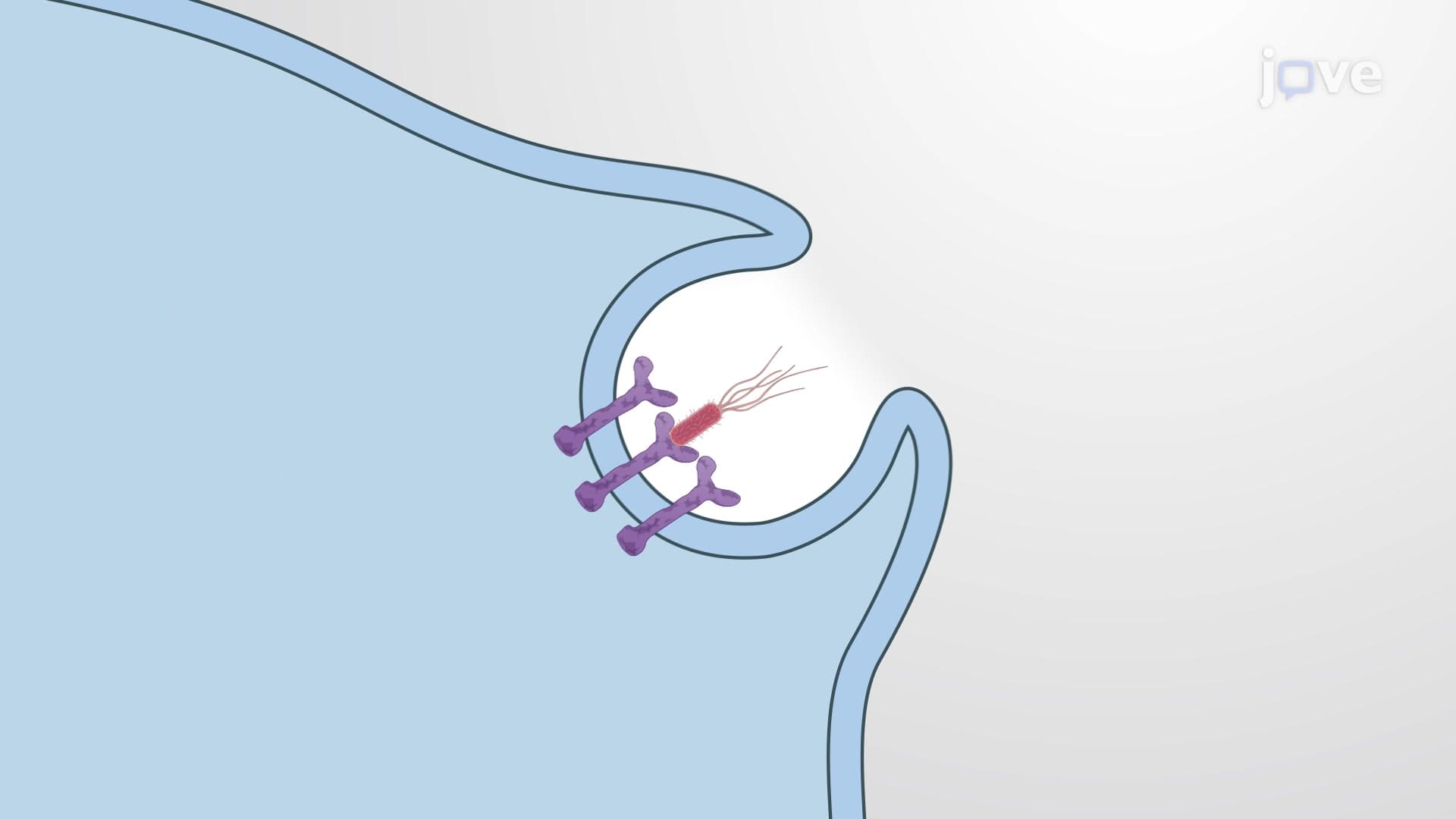
Before proteins enter multivesicular bodies, they receive molecular "barcodes" through ubiquitination. E3 ligases attach ubiquitin molecules to target proteins at the plasma membrane, similar to how UPS tracking labels identify package destinations. This tagging system ensures that only designated proteins undergo internalization through receptor-mediated endocytosis. Students preparing for the MCAT often encounter questions about this process, particularly regarding how cells distinguish between proteins destined for degradation versus those requiring temporary sequestration.
Dysfunction in intralumenal vesicle formation contributes to numerous diseases studied in US medical schools. Researchers at the Mayo Clinic have linked ESCRT complex mutations to neurodegenerative diseases, while studies at Harvard Medical School demonstrate connections to cancer progression. Understanding these mechanisms proves essential for AP Biology students tackling cellular processes and college biochemistry courses covering membrane dynamics. The precision of this system becomes apparent when considering that a single error in protein sorting can cascade into cellular dysfunction, highlighting why this topic frequently appears on standardized exams like the USMLE Step 1.
Related Micro-courses