Loading video…


 17 Concepts
 102.1K views

Video Summary: What are Insulin Secretory Vesicles
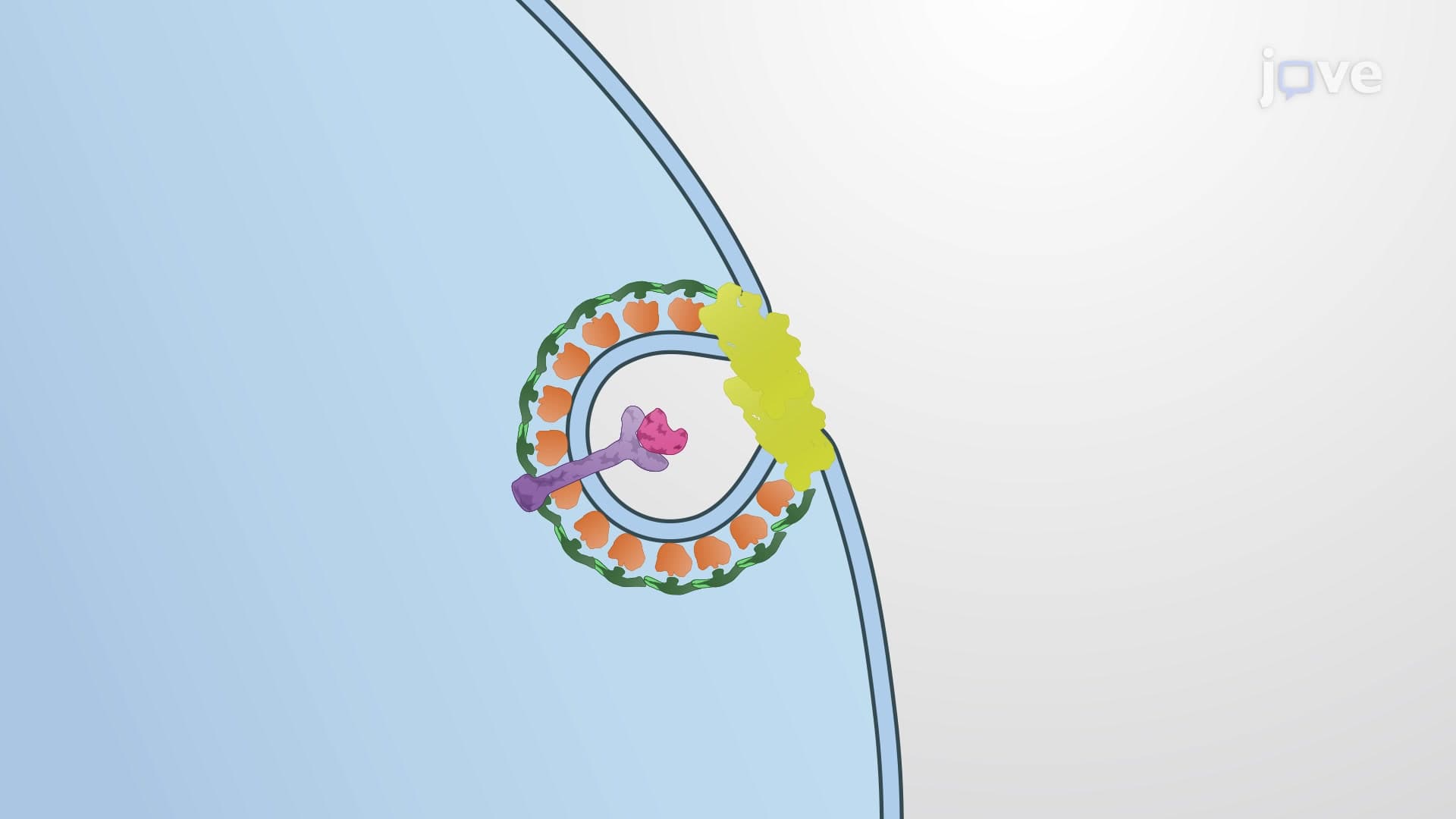
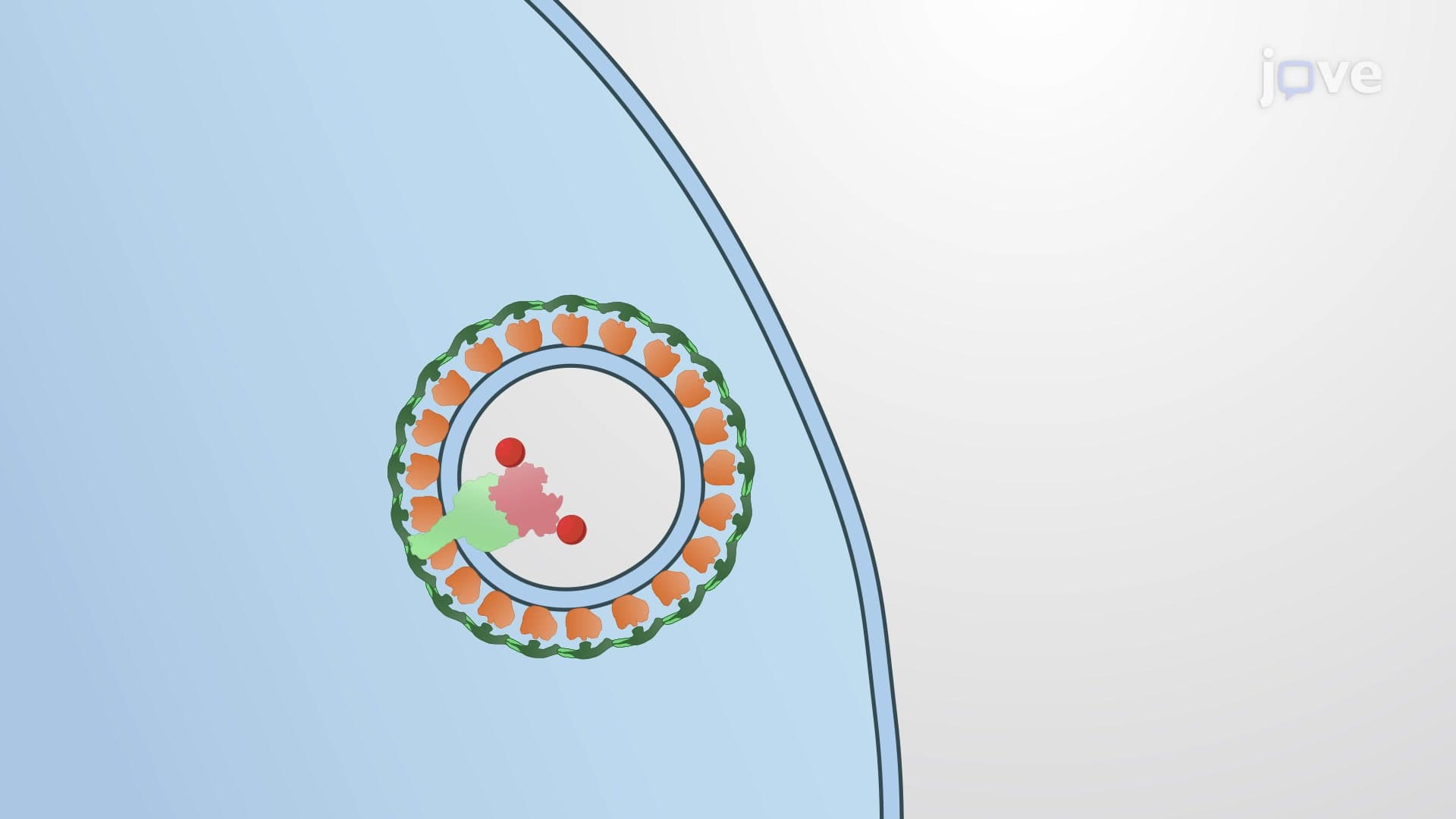
Did you know that your pancreas can release a massive surge of insulin in just minutes after eating a slice of pizza? Insulin secretory vesicles are specialized cellular compartments that store and release insulin in pancreatic beta cells. These vesicles undergo a remarkable transformation from immature, diffuse structures to dense-core vesicles packed with active insulin. When blood glucose spikes-like after a typical American breakfast of pancakes and syrup-calcium signaling triggers these vesicles to fuse with the cell membrane and dump their insulin cargo into the bloodstream. Watch the full video on JoVE Coach to master this concept with expert-led visuals and step-by-step explanations.
Insulin secretory vesicles represent one of the most sophisticated cellular storage and delivery systems in human physiology. These specialized organelles in pancreatic beta cells serve as the final checkpoint between insulin synthesis and its release into circulation, making them crucial for understanding diabetes, metabolic disorders, and endocrine function.
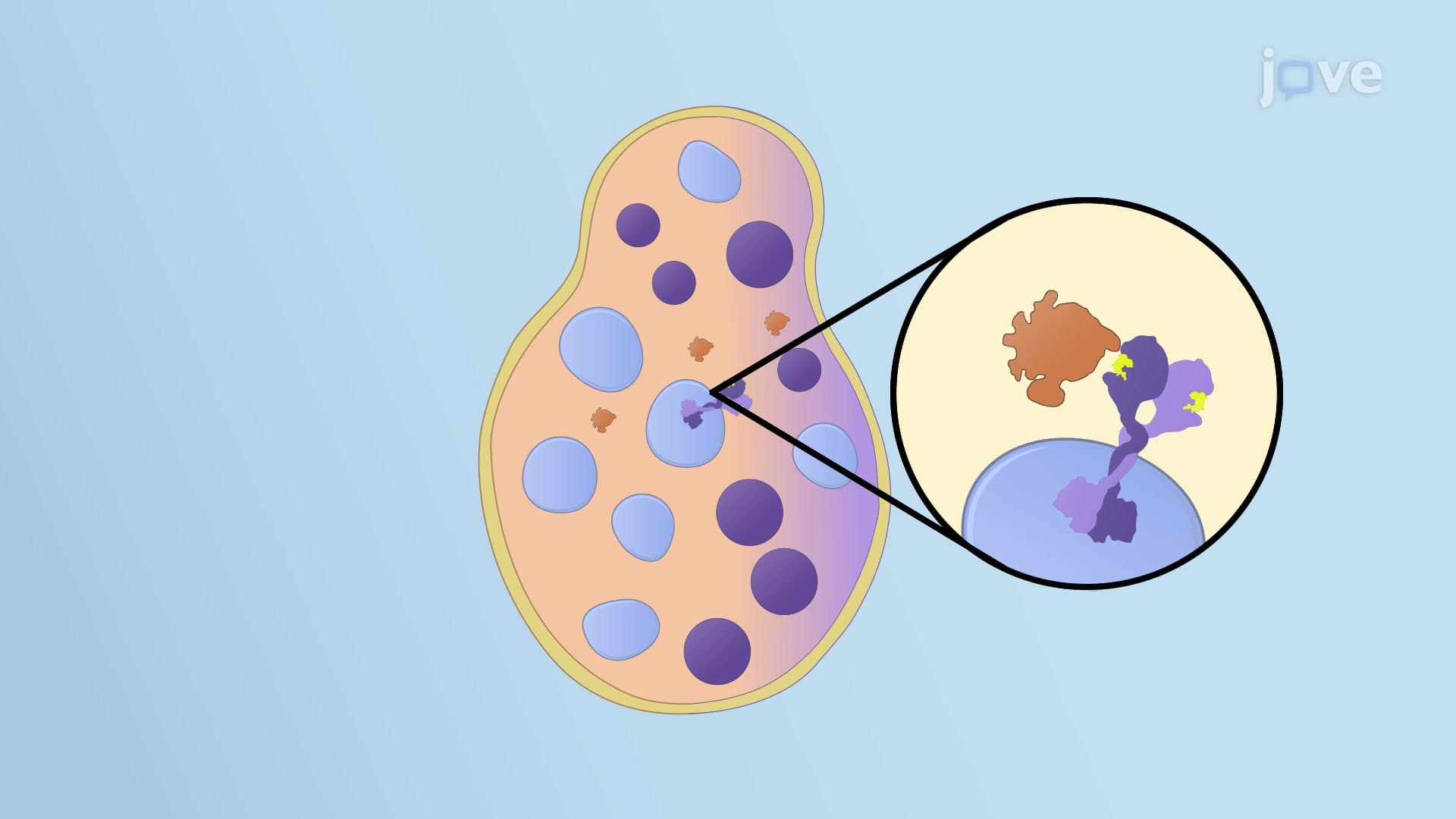
The types of insulin secretory vesicles can be categorized based on their maturation stage and insulin concentration. Immature secretory vesicles form initially in the trans-Golgi network, containing newly synthesized proinsulin in a diffuse, unconcentrated form. These vesicles undergo extensive remodeling as they mature into dense-core vesicles, where specialized enzymes called prohormone convertases cleave proinsulin into active insulin and C-peptide. This transformation is critical-patients with genetic defects in these processing enzymes, such as those with proinsulin gene mutations studied at institutions like Harvard Medical School, often develop severe diabetes due to impaired insulin maturation.
The release mechanism involves a sophisticated calcium-dependent cascade that medical students encounter extensively in USMLE Step 1 preparation. When blood glucose rises after meals, glucose transporters (GLUT2) allow rapid glucose entry into beta cells. This triggers ATP production, closure of potassium channels, membrane depolarization, and calcium influx through voltage-gated calcium channels. The resulting calcium surge activates protein kinase C, which reorganizes the actin cytoskeleton-essentially creating cellular "highways" that allow insulin-packed vesicles to travel to the cell membrane.
Understanding vesicle dysfunction helps explain why some Americans with Type 2 diabetes experience progressive beta-cell failure despite initial medication success. Research from institutions like the Joslin Diabetes Center shows that chronic high glucose levels can impair both vesicle maturation and the calcium-signaling pathways required for insulin release. This knowledge directly applies to AP Biology students studying cellular transport mechanisms and college students in biochemistry courses examining hormone regulation. The concept frequently appears on MCAT passages involving endocrine physiology and cellular biology integration.
Related Micro-courses