Loading subject page…


102,144 views

Video Summary: What Is Endocytosis
Did you know that your white blood cells literally engulf and consume harmful bacteria invading your body? This life-saving process is endocytosis, a fundamental cellular mechanism where cells internalize materials from their environment by wrapping them in membrane-bound vesicles. From immune cells in your bloodstream destroying pathogens to neurons absorbing neurotransmitters, endocytosis powers countless biological processes that keep you healthy and functioning. Watch the full video on JoVE Coach to master this concept with expert-led visuals and step-by-step explanations.
Endocytosis represents one of biology's most elegant solutions to a fundamental cellular challenge: how can cells selectively import essential materials while maintaining the integrity of their protective membrane barrier? This sophisticated transport mechanism allows eukaryotic cells to internalize everything from life-sustaining nutrients to potentially dangerous pathogens, making it indispensable for survival.
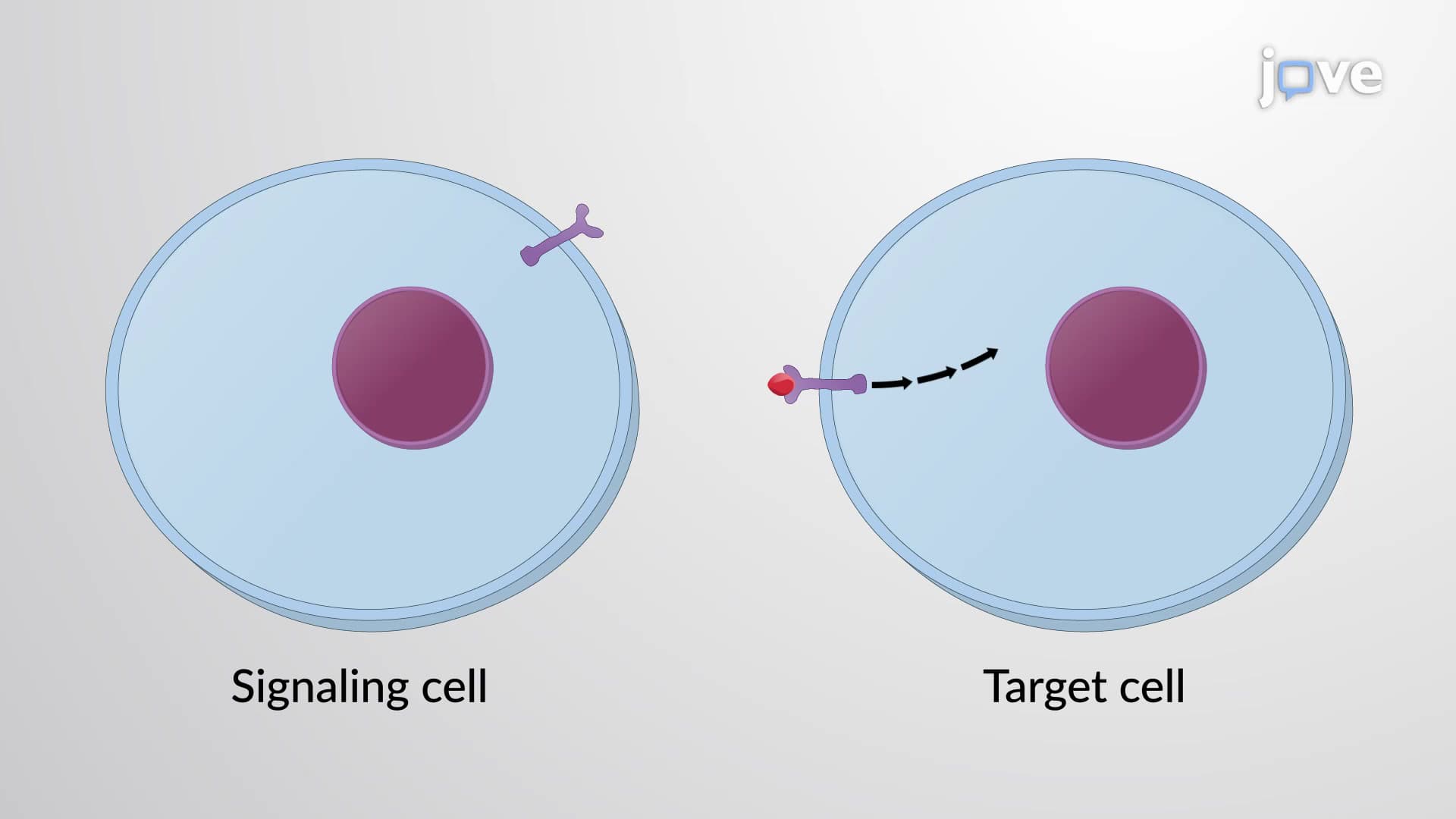
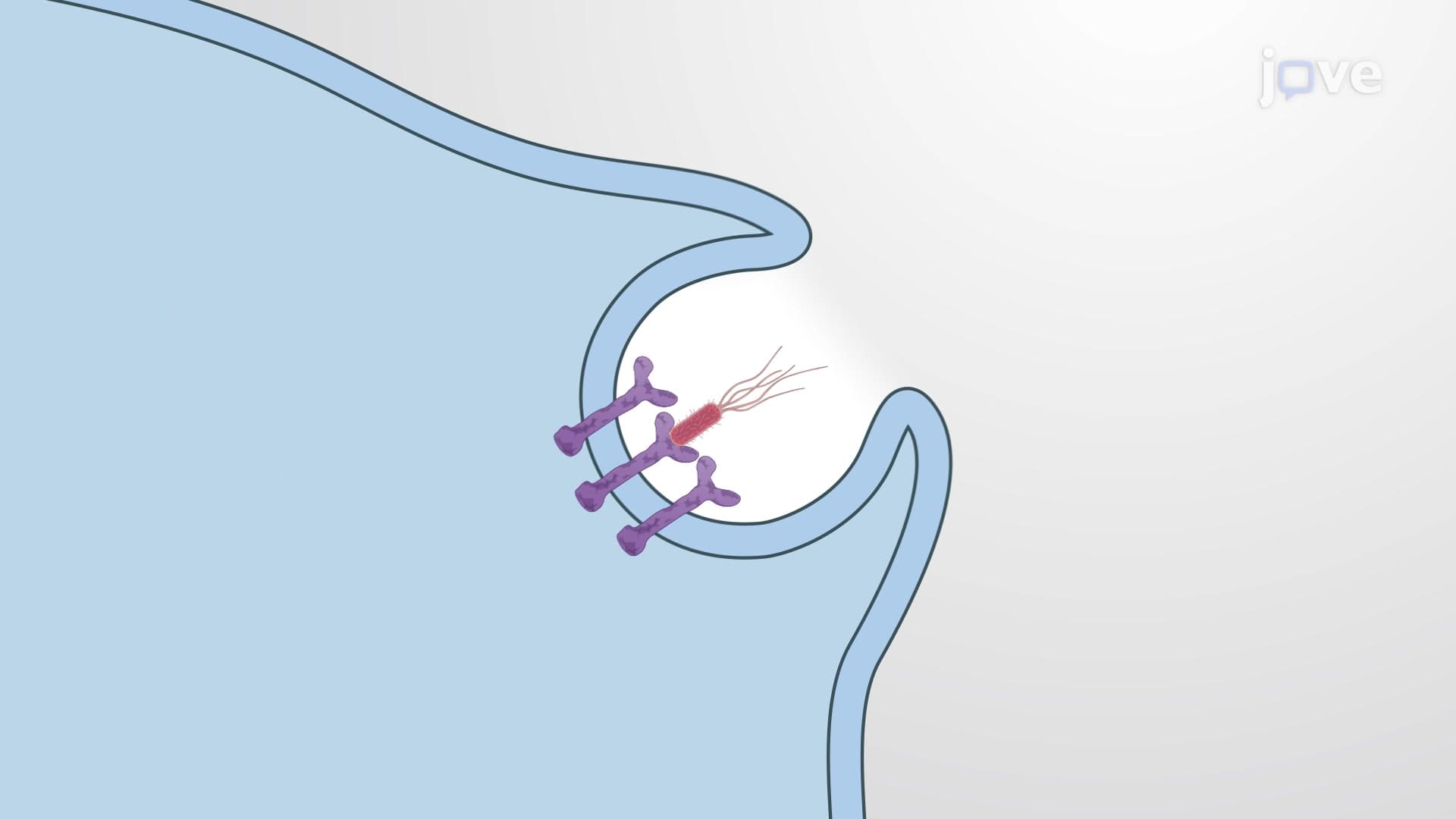
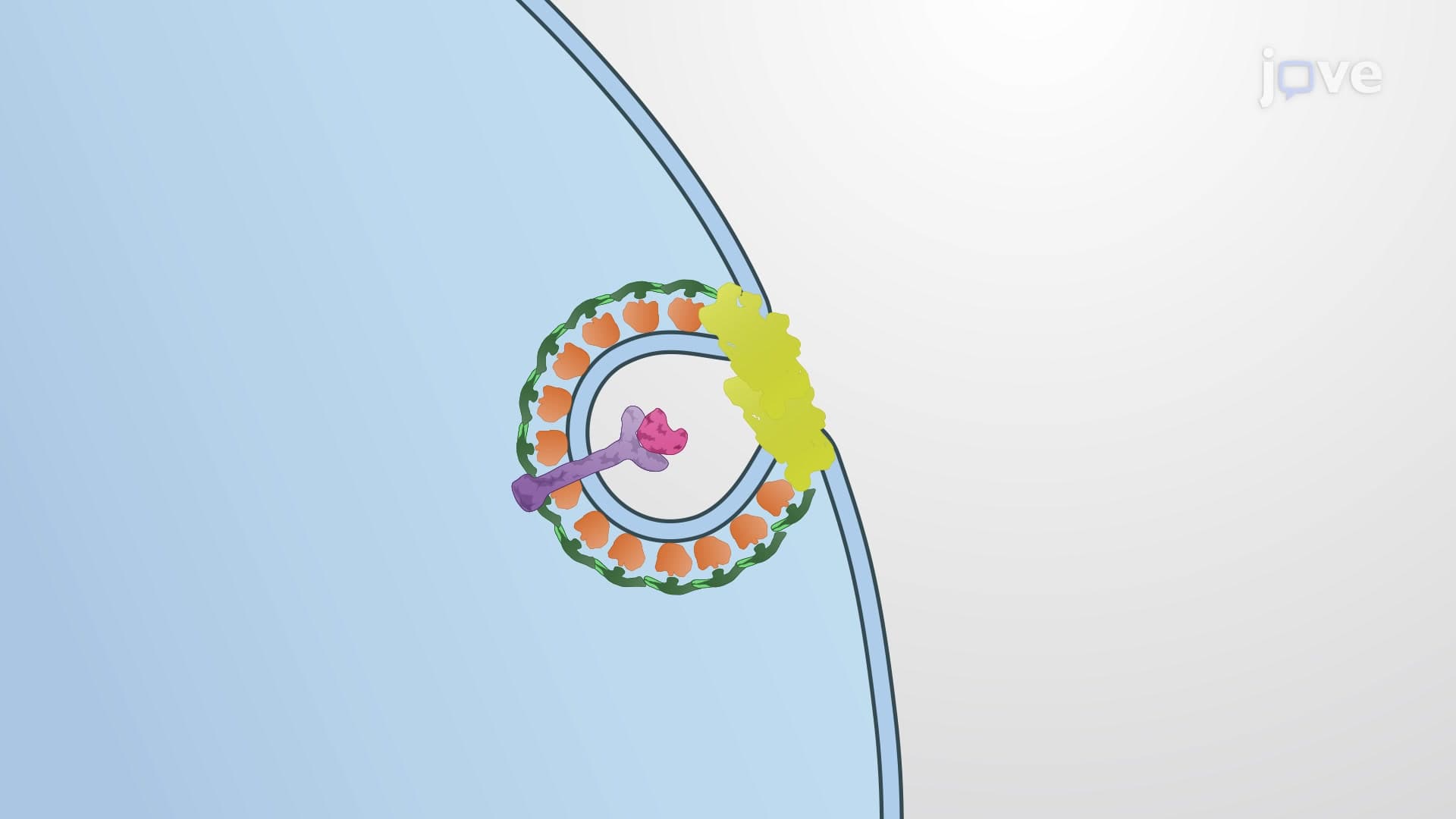
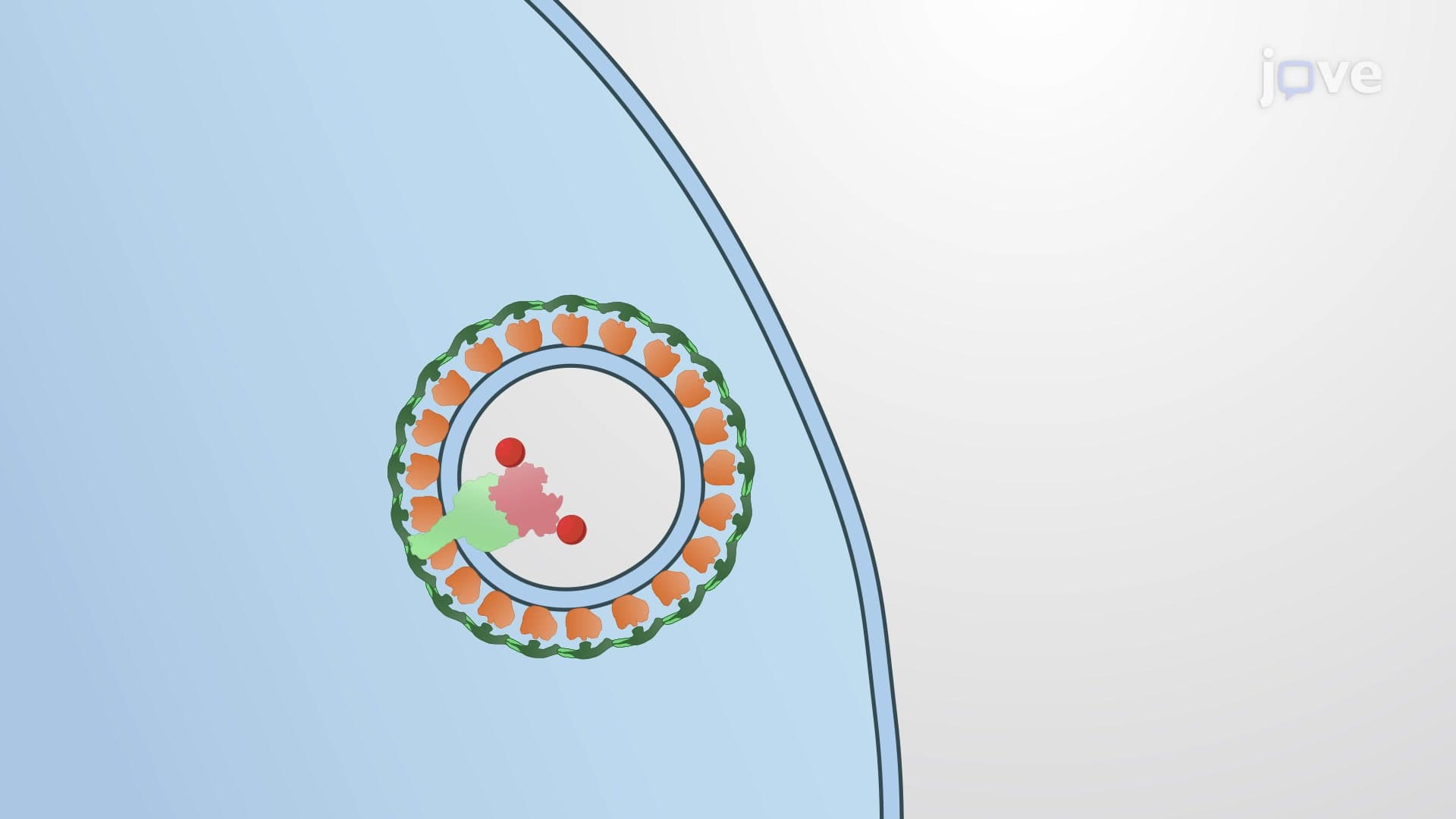
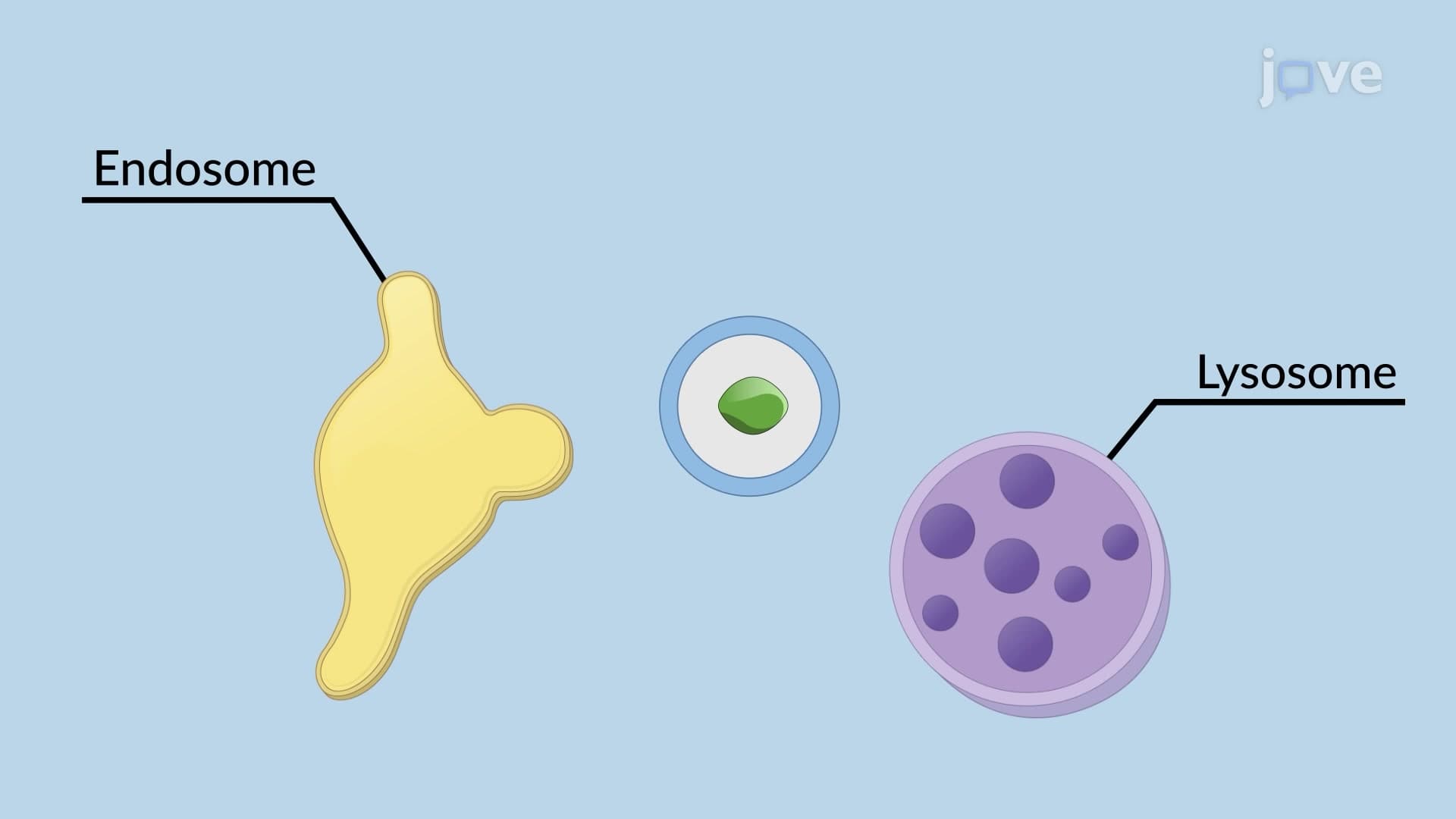
The endocytic process begins when specific molecules in the extracellular space bind to receptors on the cell surface. This binding triggers a remarkable transformation: the normally flat plasma membrane curves inward, creating a pocket that gradually deepens and eventually pinches off to form a membrane-bound vesicle inside the cell. This newly formed transport vesicle acts like a cellular delivery truck, carrying its cargo through the cytoplasm to reach appropriate destination organelles.
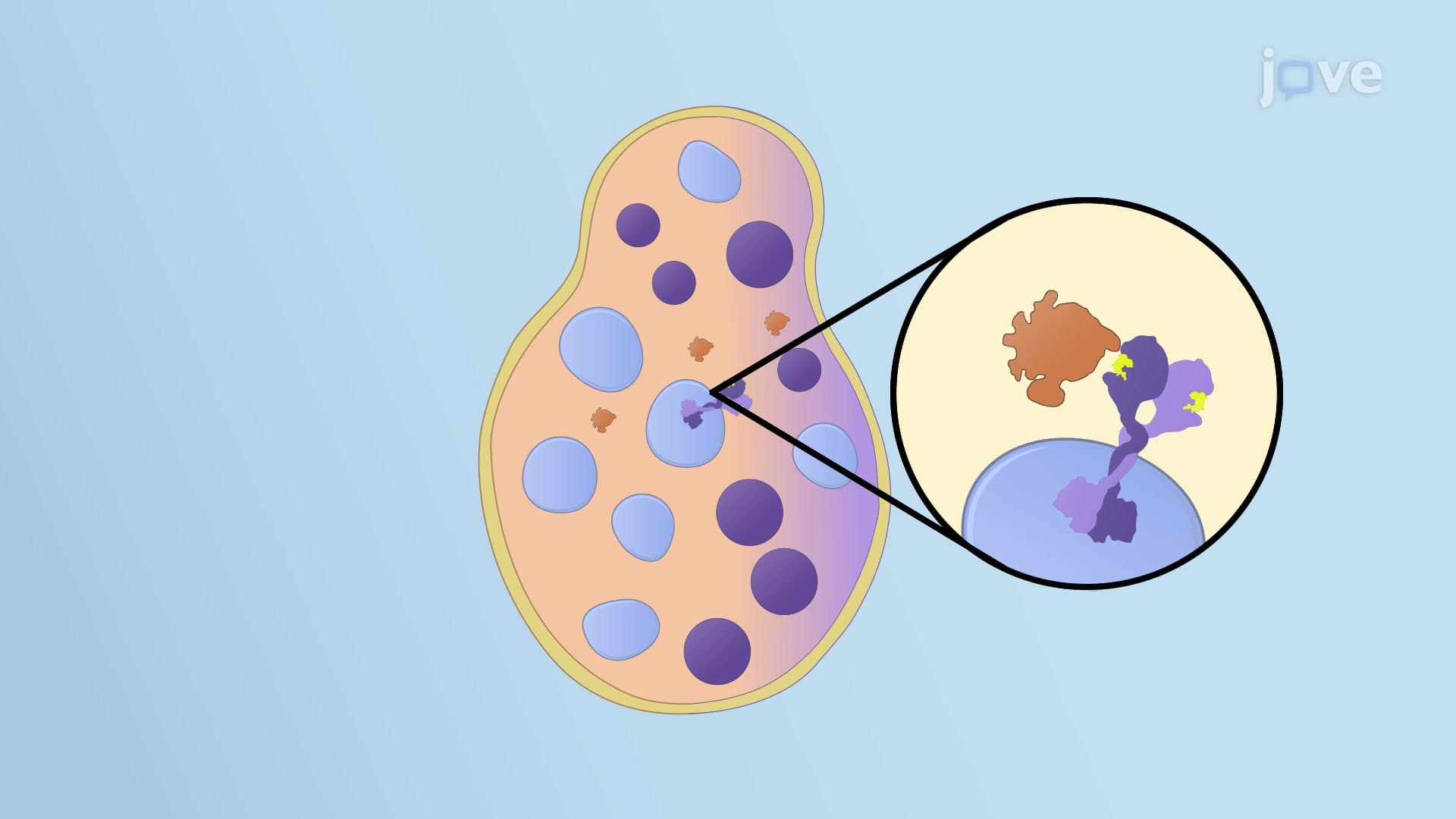
The precision of this system is extraordinary. Clathrin proteins often coat these vesicles, providing structural support and helping to ensure proper cargo selection. Once inside the cell, these vesicles fuse with early endosomes, which act as sorting stations determining each cargo's ultimate fate.
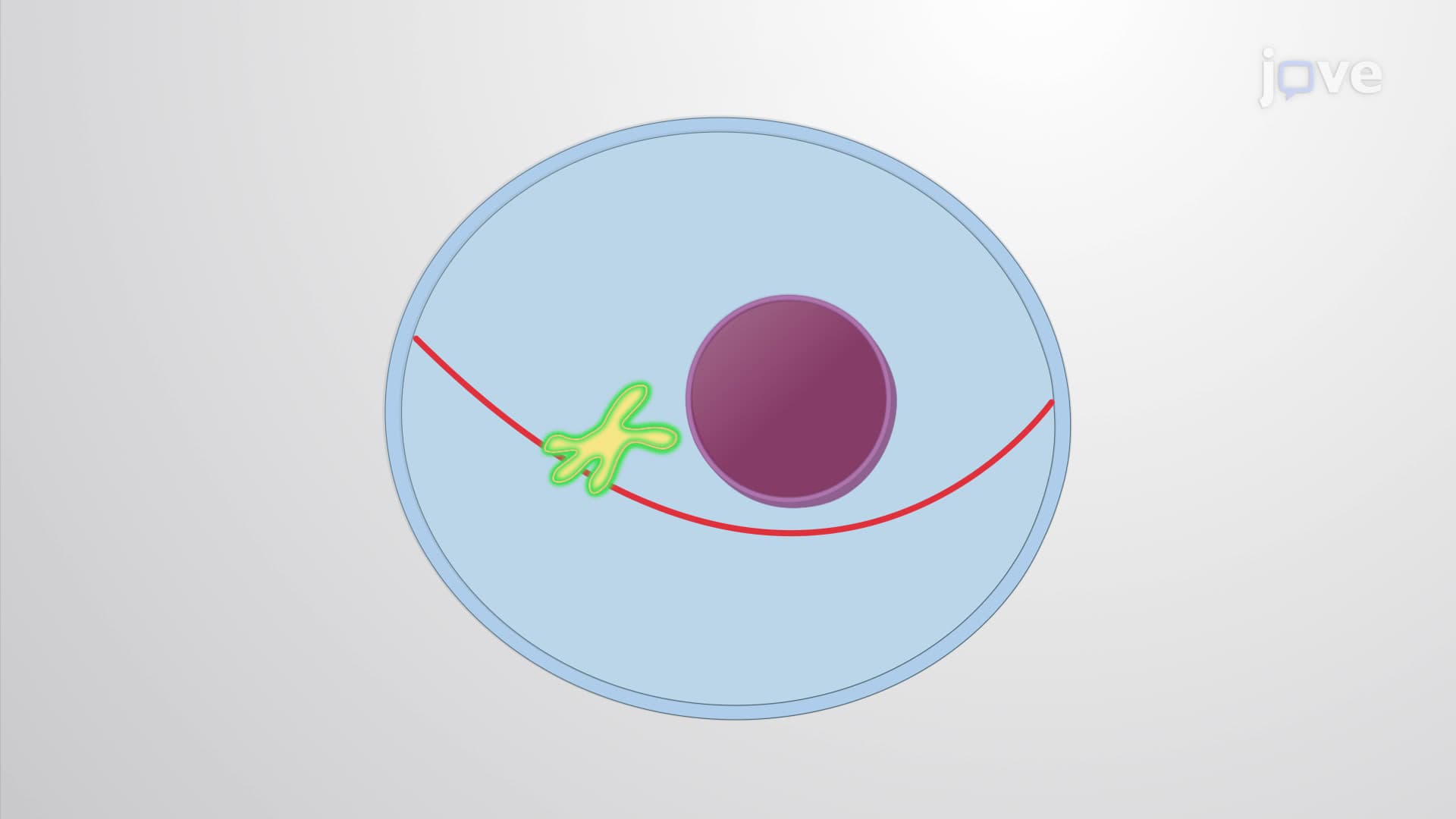
Among endocytic processes, phagocytosis deserves special attention for its role in human health. Specialized immune cells called macrophages use this "cellular eating" mechanism to engulf bacteria, viruses, and cellular debris. During a bacterial infection, these cellular warriors literally surround and consume invading pathogens, then digest them using powerful enzymes within lysosomes. This process is so efficient that a single macrophage can eliminate dozens of bacteria within minutes.
Understanding endocytosis proves crucial for students preparing for advanced coursework and standardized exams. The AP Biology exam frequently tests endocytic mechanisms, while MCAT questions often explore how drugs exploit endocytic pathways for targeted delivery. In medical schools across the United States, students studying immunology must master phagocytosis to understand how the immune system functions.
Modern pharmaceutical research increasingly relies on endocytic mechanisms for drug delivery. Researchers at institutions like Johns Hopkins University and Stanford Medical School are developing nanoparticle-based therapies that hijack natural endocytic pathways to deliver medications directly into diseased cells, representing a revolutionary approach to treating cancer and genetic disorders.
Related Micro-courses