Loading video…


 17 Concepts
 102.1K views

Video Summary: What Is Enlargement Plasma Membrane
Did you know that when you get a paper cut, your cells instantly expand their outer boundaries to heal the wound? Enlargement plasma membrane occurs when cellular membranes fuse together, increasing the cell's surface area for critical processes like division and repair. Consider how white blood cells in your bloodstream must rapidly expand their membranes to engulf harmful bacteria during infection. Watch the full video on JoVE Coach to master this concept with expert-led visuals and step-by-step explanations.
Enlargement plasma membrane represents one of the most sophisticated cellular processes, where the cell's outer boundary dynamically expands through precise membrane fusion events. This process goes far beyond simple stretching-it involves the coordinated integration of internal cellular membranes with the plasma membrane, fundamentally altering the cell's surface area and functional capacity.
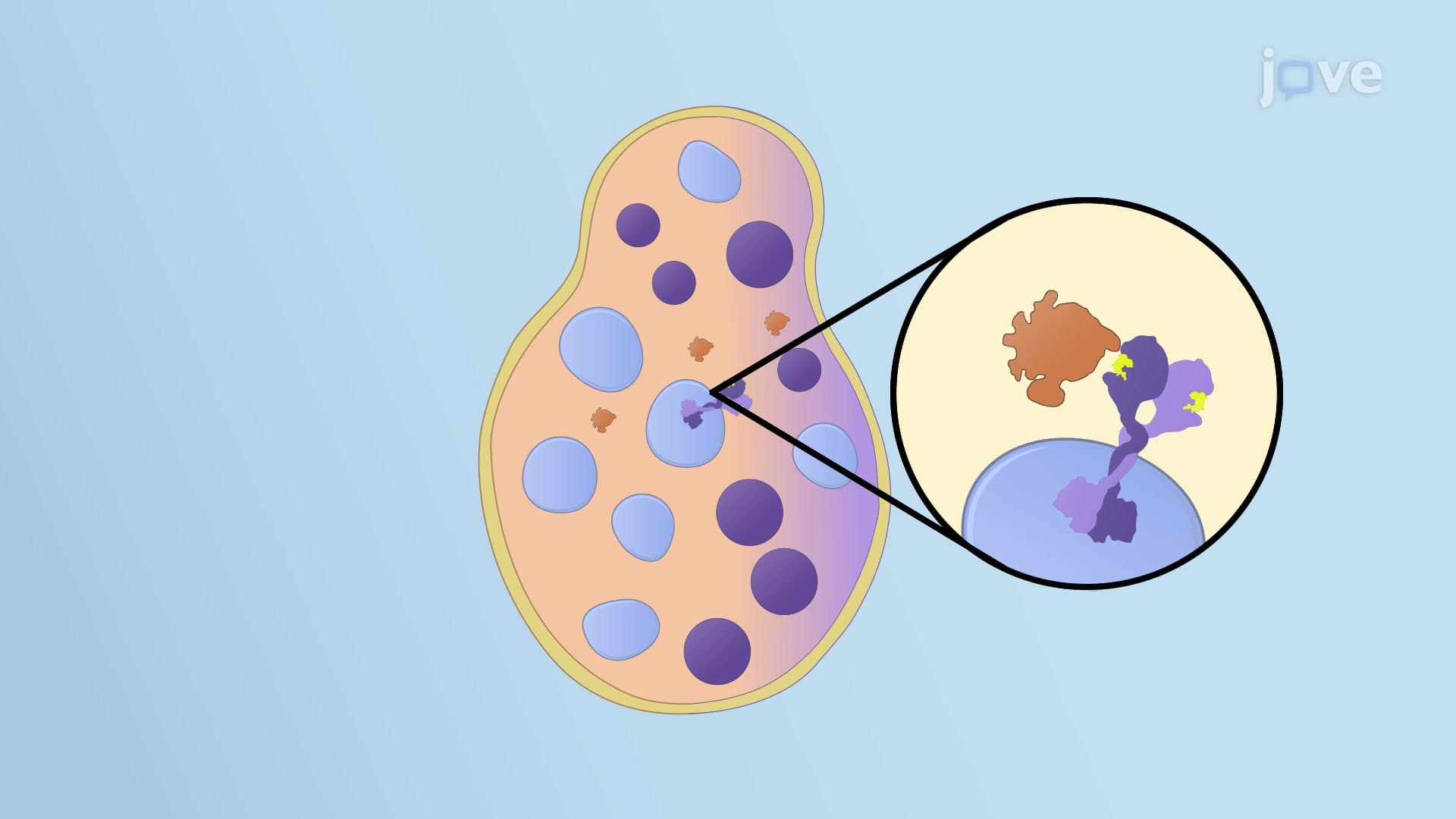
The enlargement plasma membrane definition centers on vesicle fusion, where cytoplasmic vesicles and organelle membranes contribute their lipid bilayers to the existing plasma membrane. This process requires specific protein machinery, including SNARE proteins that facilitate membrane recognition and fusion. When studying what is enlargement plasma membrane in detail, students must understand that this isn't random-each fusion event is precisely regulated by cellular signaling cascades.
Consider how this applies during wound healing in human skin cells. When tissue damage occurs, calcium influx triggers massive exocytosis of repair vesicles, rapidly expanding the plasma membrane to seal breaks. This same principle helps explain why certain medications for wound care focus on calcium channel regulation.
During mitosis, enlargement plasma membrane follows a two-phase pattern crucial for successful cell division. In early G1 phase, yeast cells (commonly studied in college biology labs) demonstrate uniform membrane expansion, preparing for the energy-intensive division process. However, from late G1 through mitosis completion, membrane growth becomes polarized, concentrating at the future division site.
This controlled expansion ensures daughter cells receive adequate membrane surface area-a concept frequently tested on AP Biology exams and college cell biology midterms. Students preparing for the MCAT often encounter questions about how membrane surface area calculations relate to cellular metabolism rates.
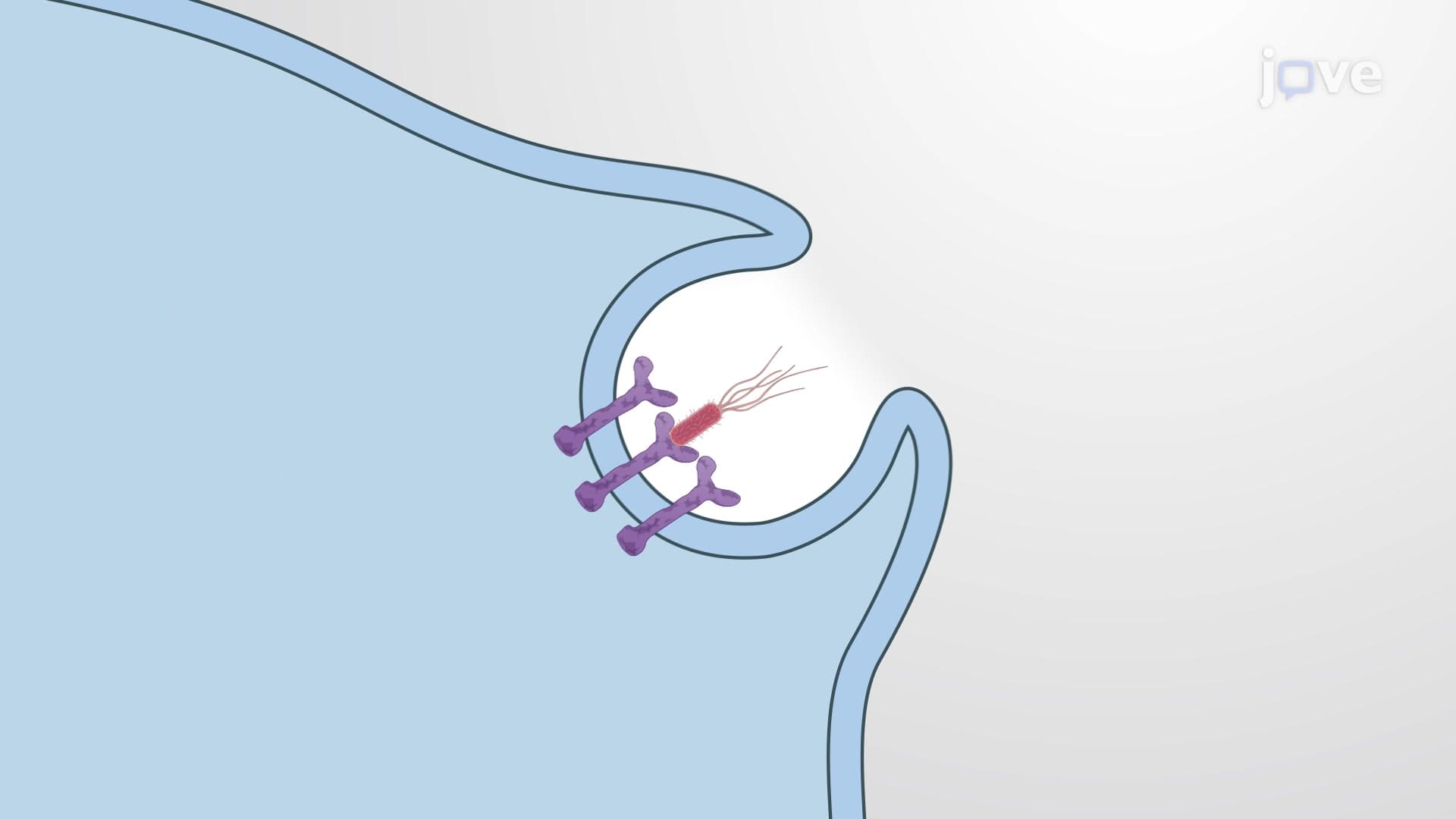
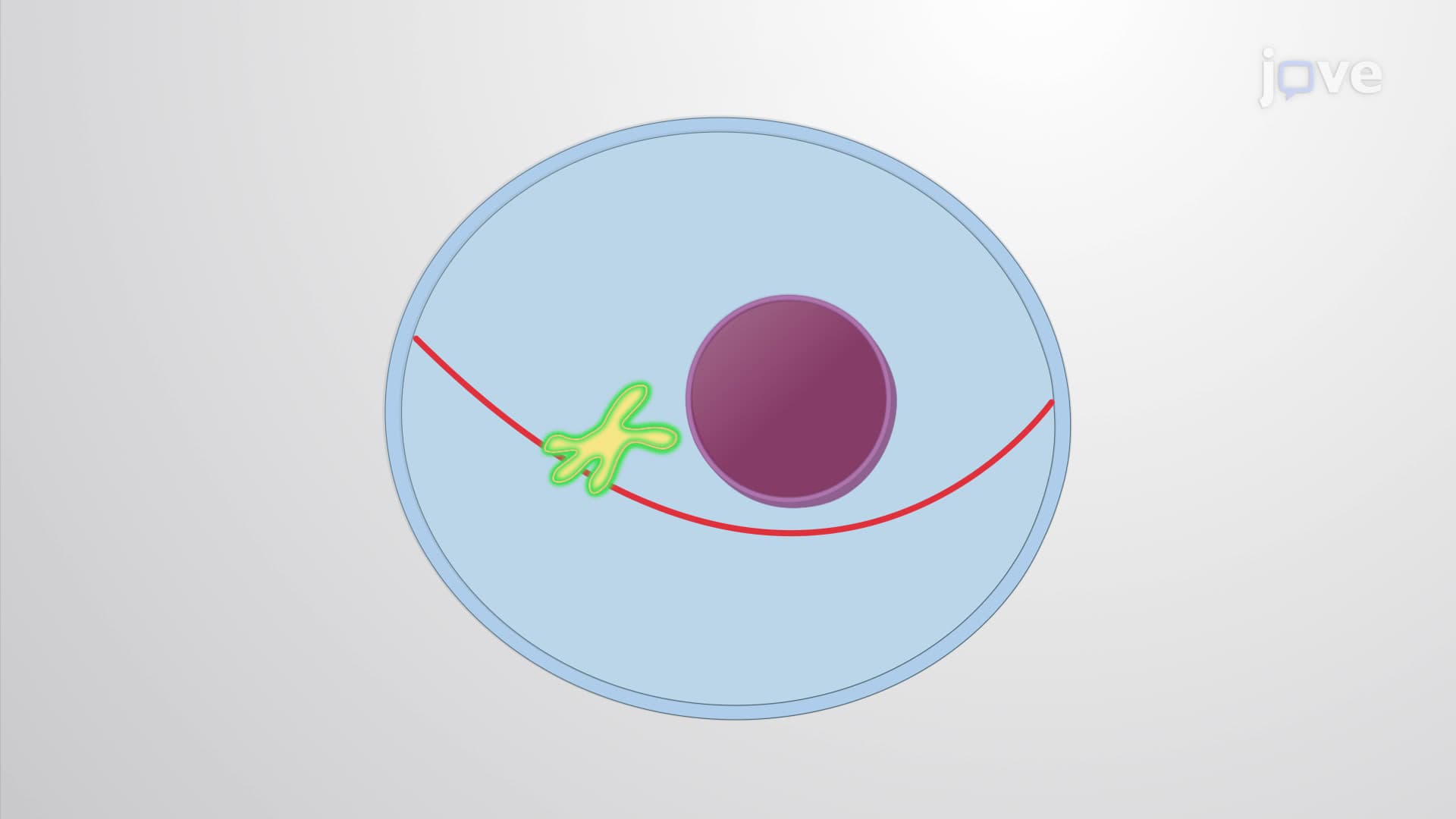
Phagocytic cells like macrophages exemplify enlargement plasma membrane in action. When these immune cells encounter bacteria, they must rapidly expand their membranes to form pseudopodia-finger-like projections that surround and engulf pathogens. This process requires instant membrane addition from internal vesicle pools.
Healthcare students studying for NCLEX or USMLE exams should understand how this relates to inflammatory responses and antibiotic effectiveness, as membrane expansion directly impacts how immune cells access infected tissues.
Related Micro-courses