Loading video…


 17 Concepts
 102.1K views

Video Summary: What Is Exocytosis
Ever wonder how your body releases insulin after eating a meal? Exocytosis is the cellular process that makes this possible-it's how cells package and ship essential molecules like hormones, enzymes, and neurotransmitters to where they're needed most. In the human pancreas, beta cells use exocytosis to release insulin directly into the bloodstream, helping regulate blood sugar levels after you consume that slice of pizza. Watch the full video on JoVE Coach to master this concept with expert-led visuals and step-by-step explanations.
Exocytosis functions as the cell's sophisticated shipping and delivery system, enabling eukaryotic cells to transport vital molecules from their interior manufacturing sites to the external environment. This process is fundamental to countless physiological functions, from the release of digestive enzymes in your stomach to the secretion of neurotransmitters that enable thought and movement.
The exocytosis pathway begins in the endoplasmic reticulum (ER), where secretory proteins are synthesized and initially processed. These proteins are then packaged into transport vesicles that carry their precious cargo to the Golgi apparatus-think of it as the cell's post office. Within the Golgi's stacked cisternae, proteins undergo further modifications, including the addition of carbohydrate groups that serve as molecular "address labels."
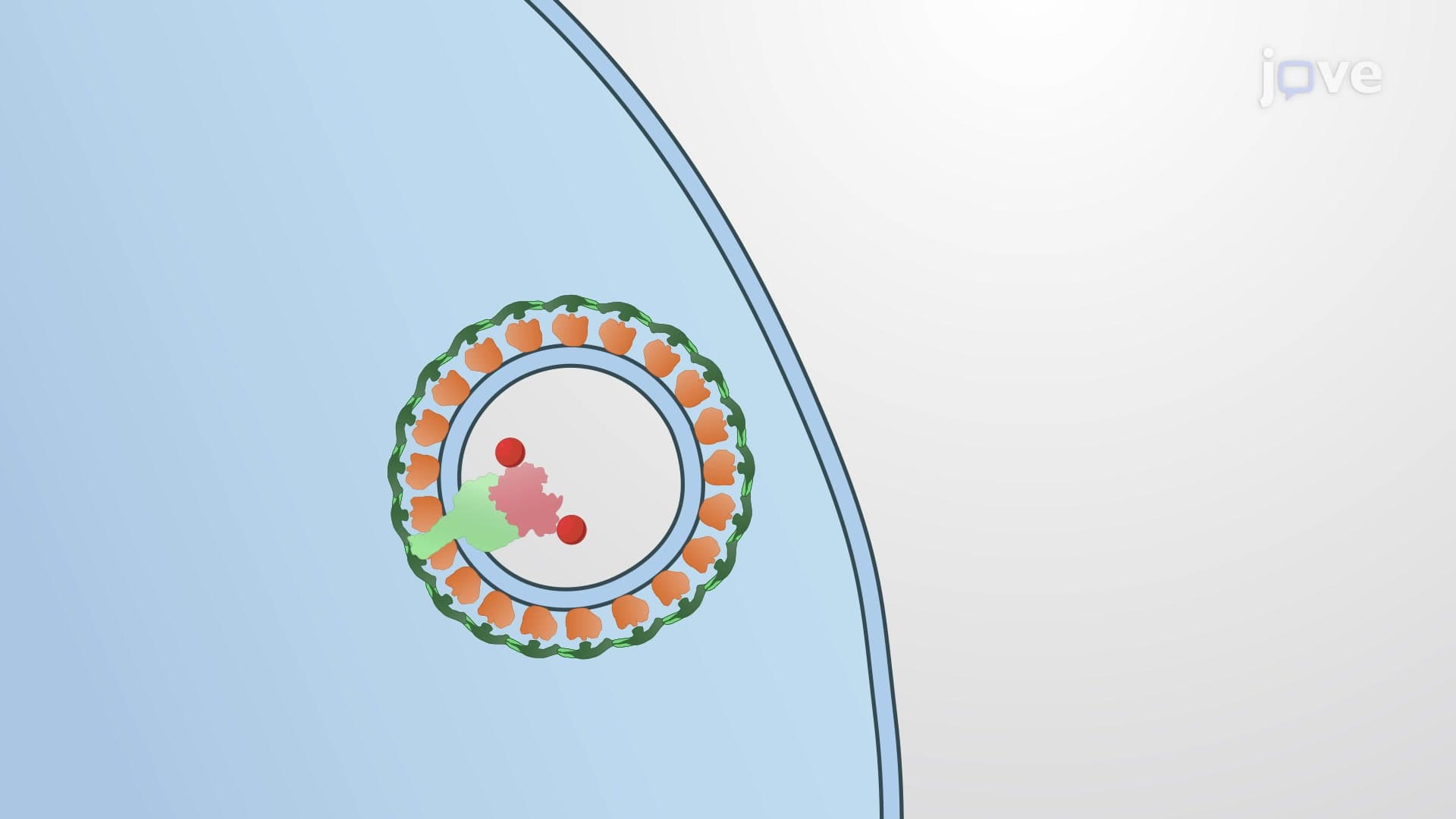
From the trans-Golgi network, the final sorting station, modified proteins are packaged into secretory vesicles. These vesicles navigate through the cell's cytoplasm using molecular motors that run along cytoskeletal highways, ultimately reaching their destination: the plasma membrane.
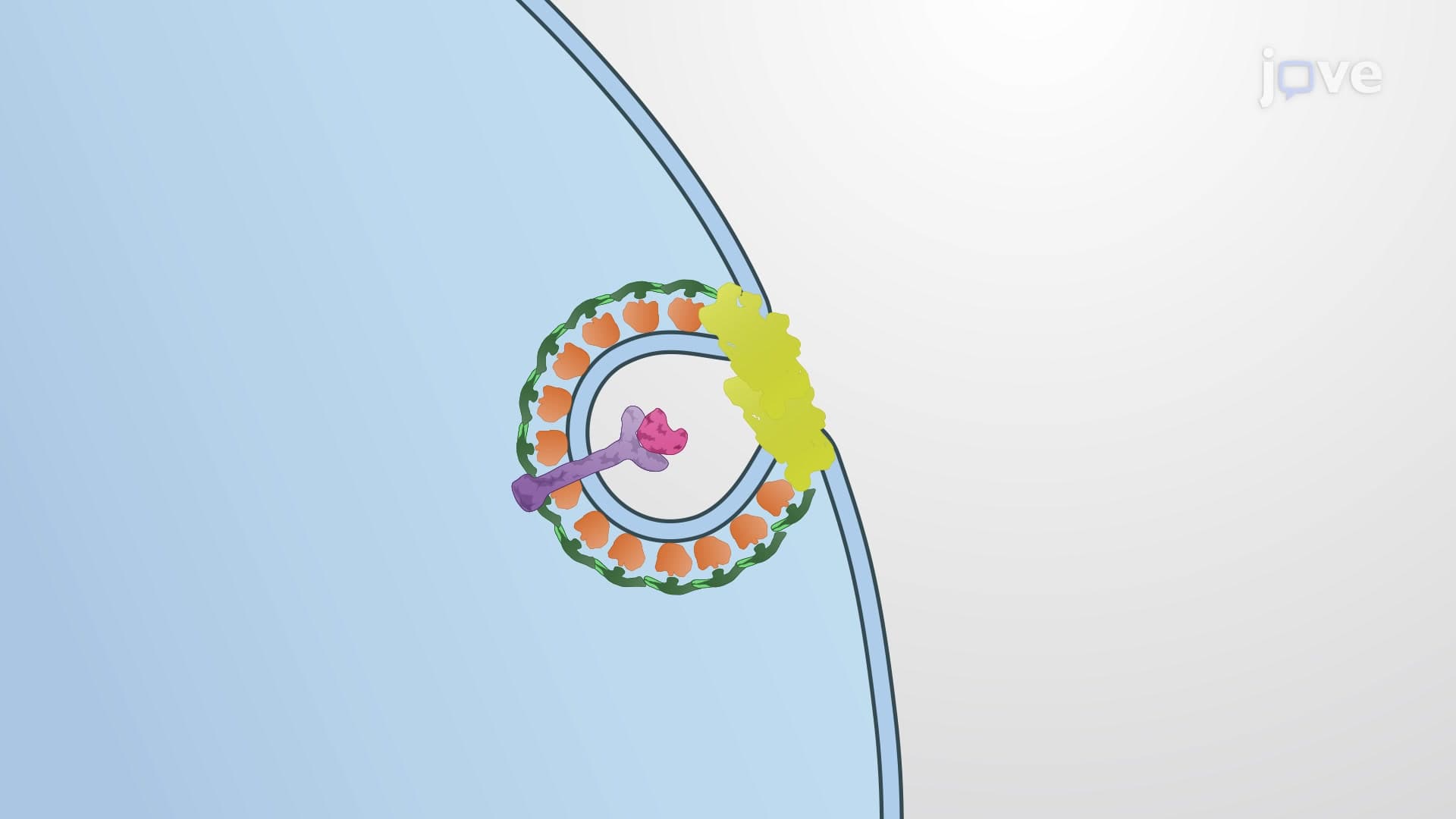
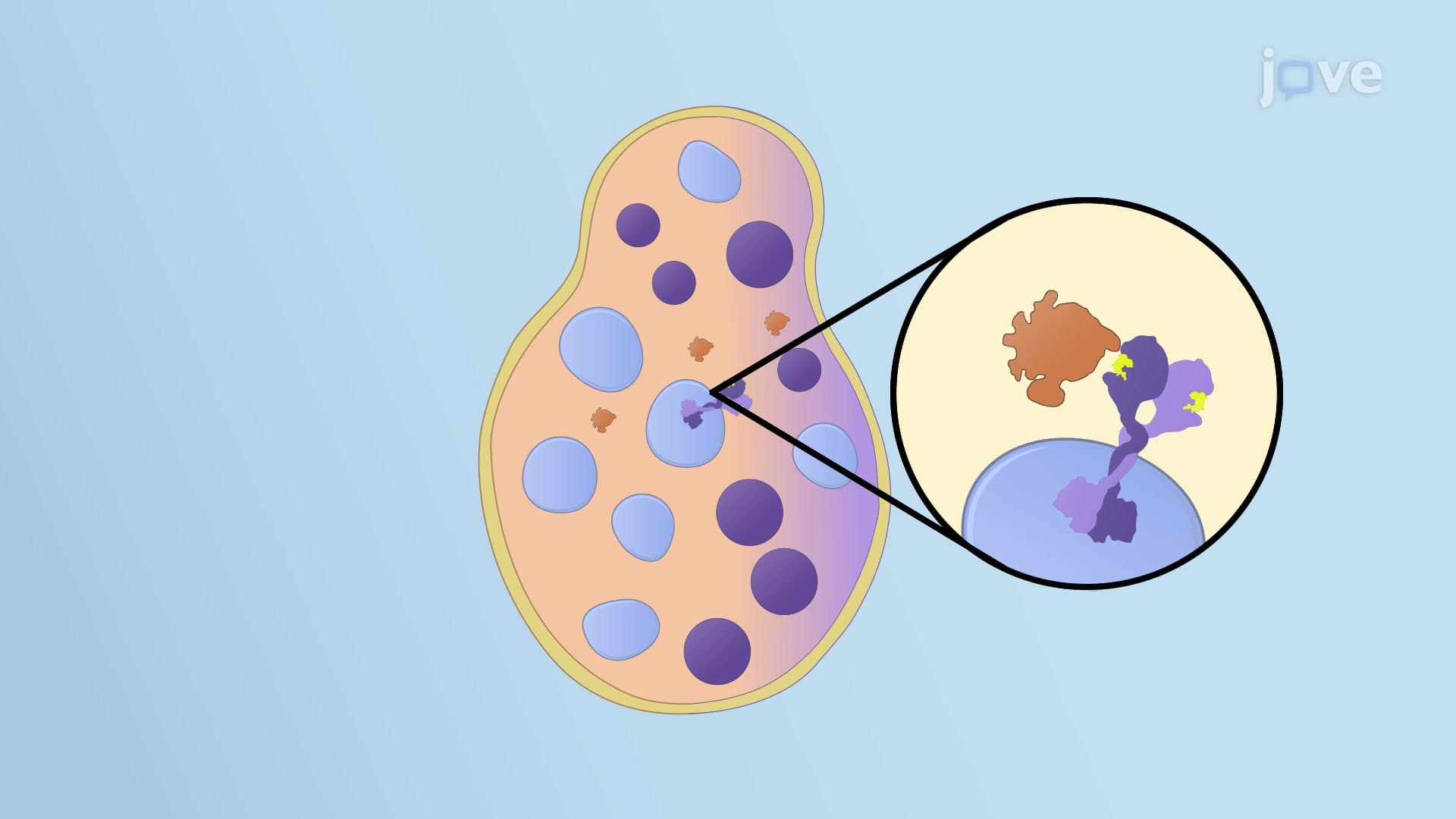
The culminating event of exocytosis involves the fusion of the vesicle membrane with the cell's plasma membrane. This process requires specific proteins called SNAREs (Soluble NSF Attachment Protein Receptors) that act like molecular zippers, bringing the two membranes together until they merge. Once fusion occurs, the vesicle's contents are released into the extracellular space, completing the secretory process.
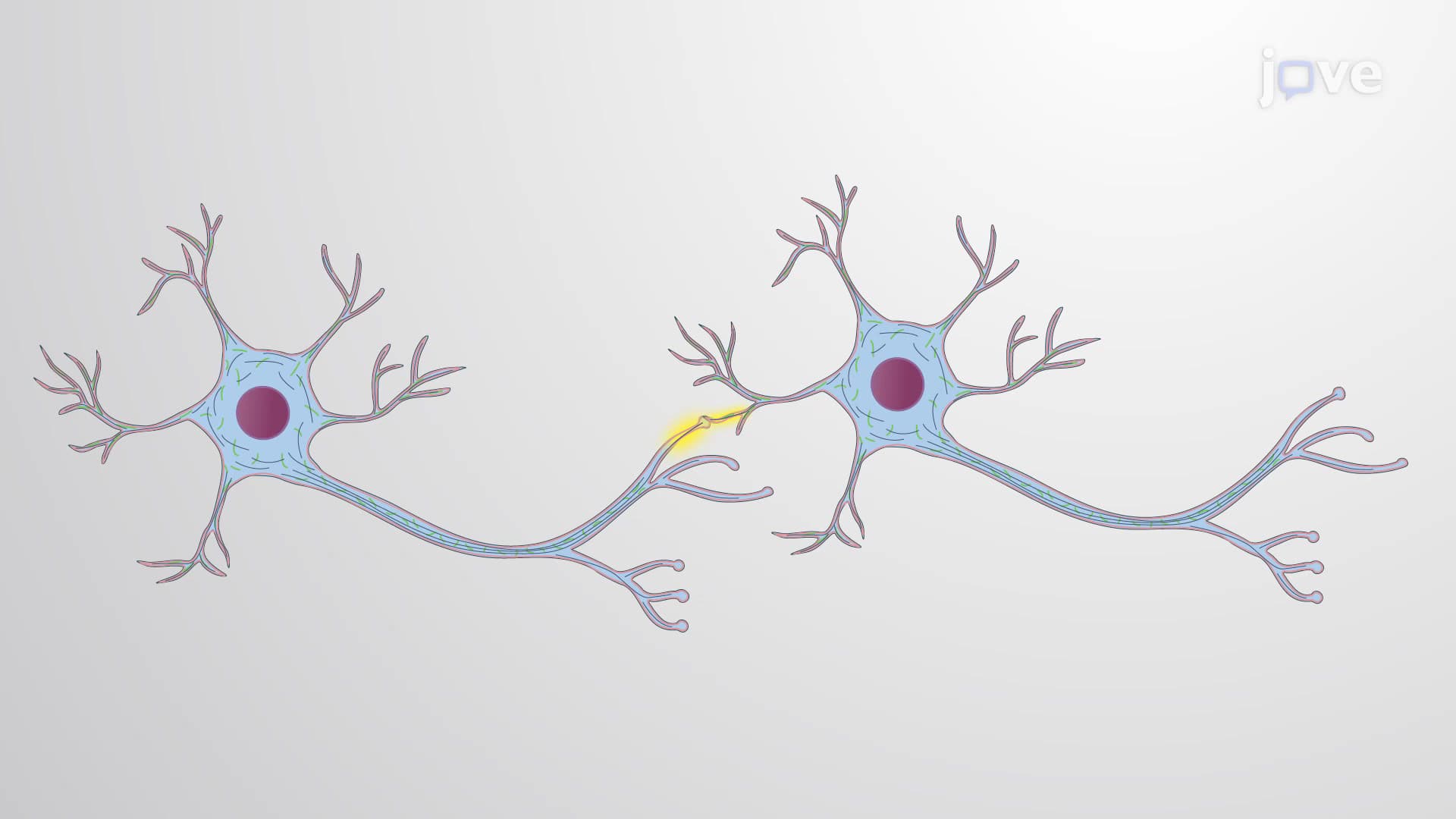
Understanding exocytosis is crucial for success on standardized exams like the AP Biology exam, MCAT, and college-level cell biology courses. Students frequently encounter questions about the pathway's sequence, the role of specific organelles, and how disruptions in exocytosis contribute to diseases. For instance, Type 1 diabetes results from the autoimmune destruction of pancreatic beta cells, eliminating their ability to perform exocytosis of insulin. Similarly, botulism toxin works by blocking exocytosis at neuromuscular junctions, preventing the release of acetylcholine and causing paralysis.
Related Micro-courses