Loading video…


 17 Concepts
 102.1K views


Video Summary: What Is Overview of Exosomes
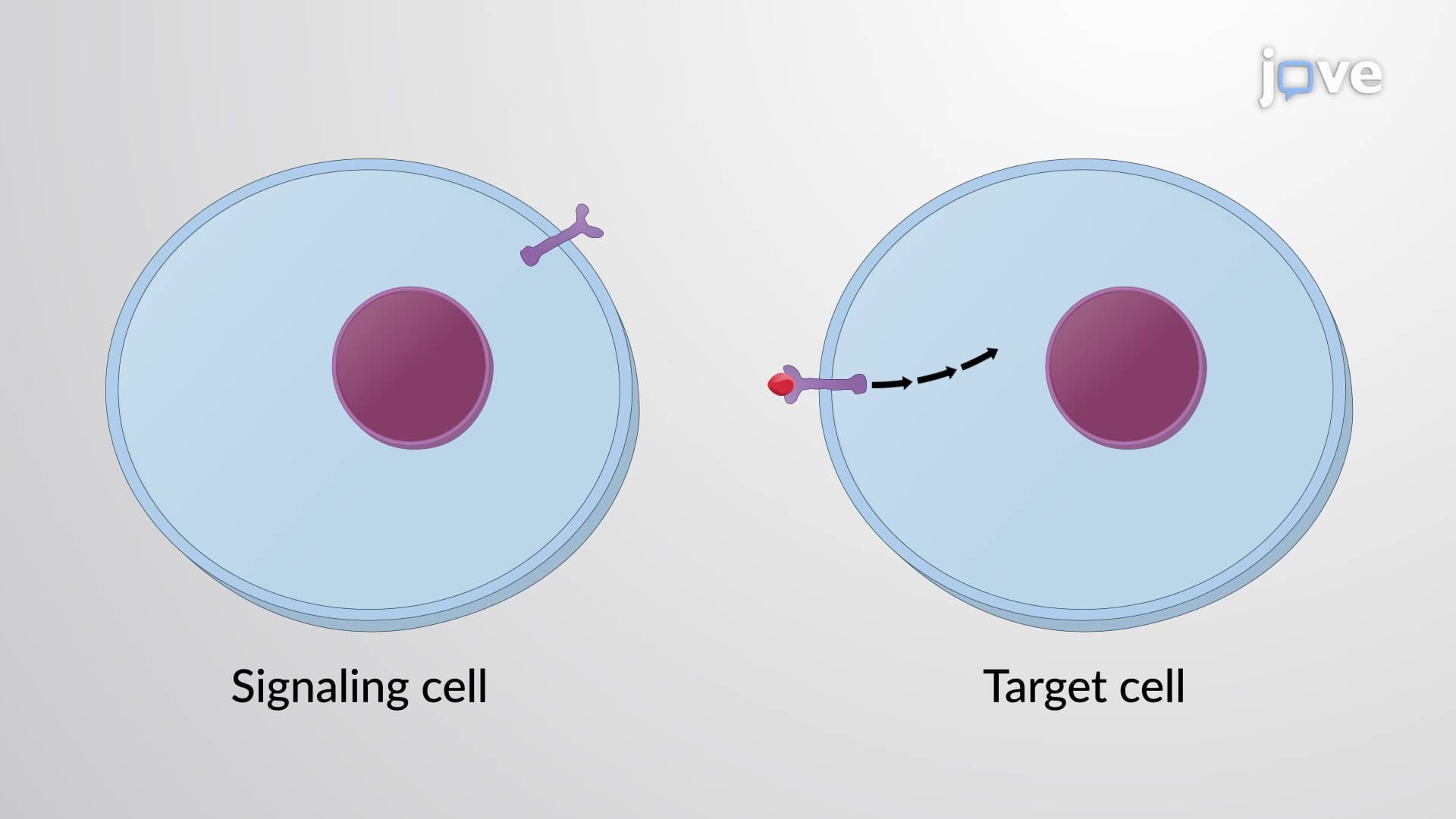
Did you know that your cells are constantly sending molecular "text messages" to each other? This overview of exosomes reveals how these tiny vesicles, measuring just 40-160 nanometers, act as cellular communication devices that can influence everything from immune responses to disease progression. For instance, researchers at Stanford University are investigating exosomes in cerebrospinal fluid as early diagnostic markers for Alzheimer's disease. Watch the full video on JoVE Coach to master this concept with expert-led visuals and step-by-step explanations.
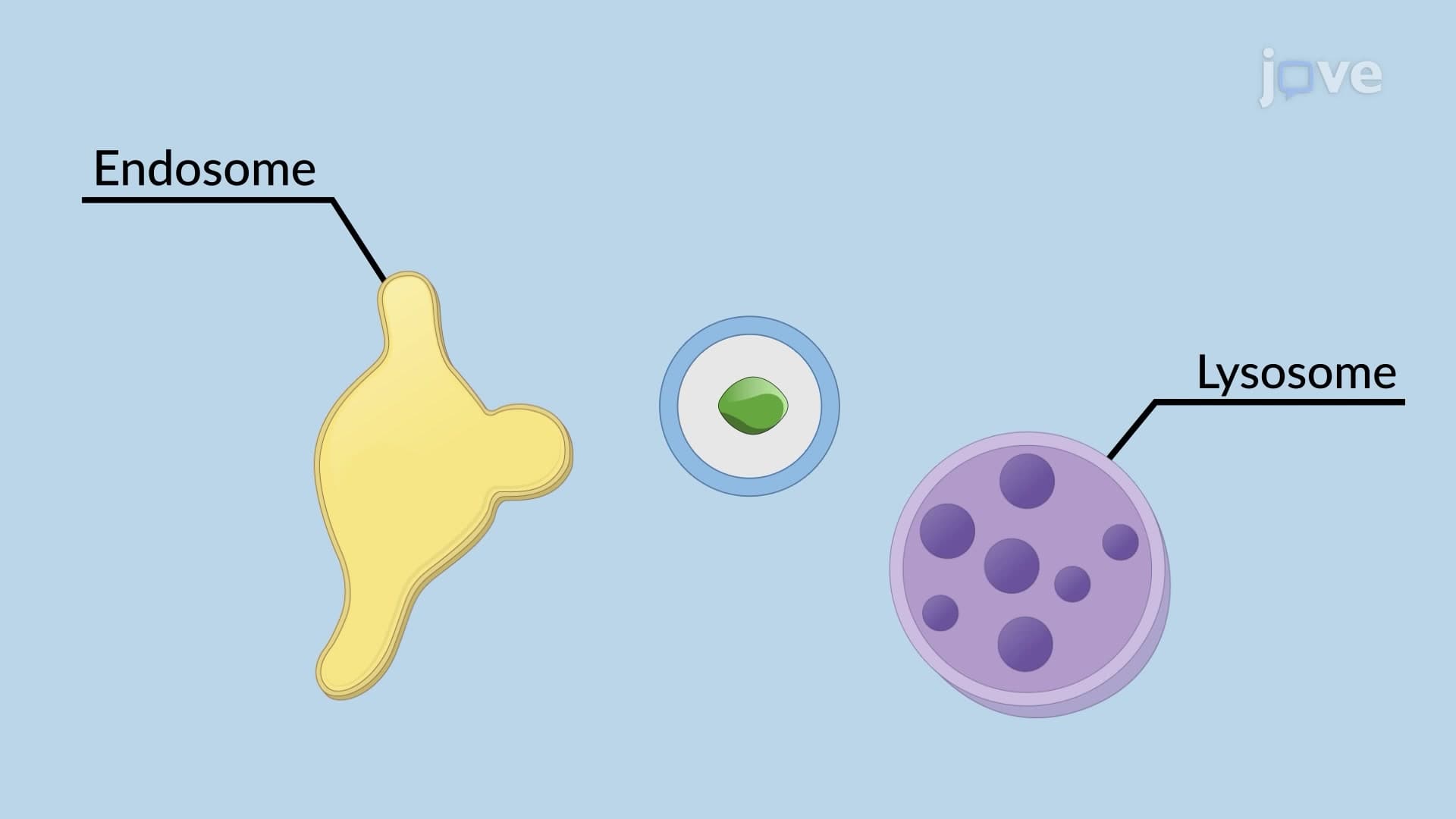
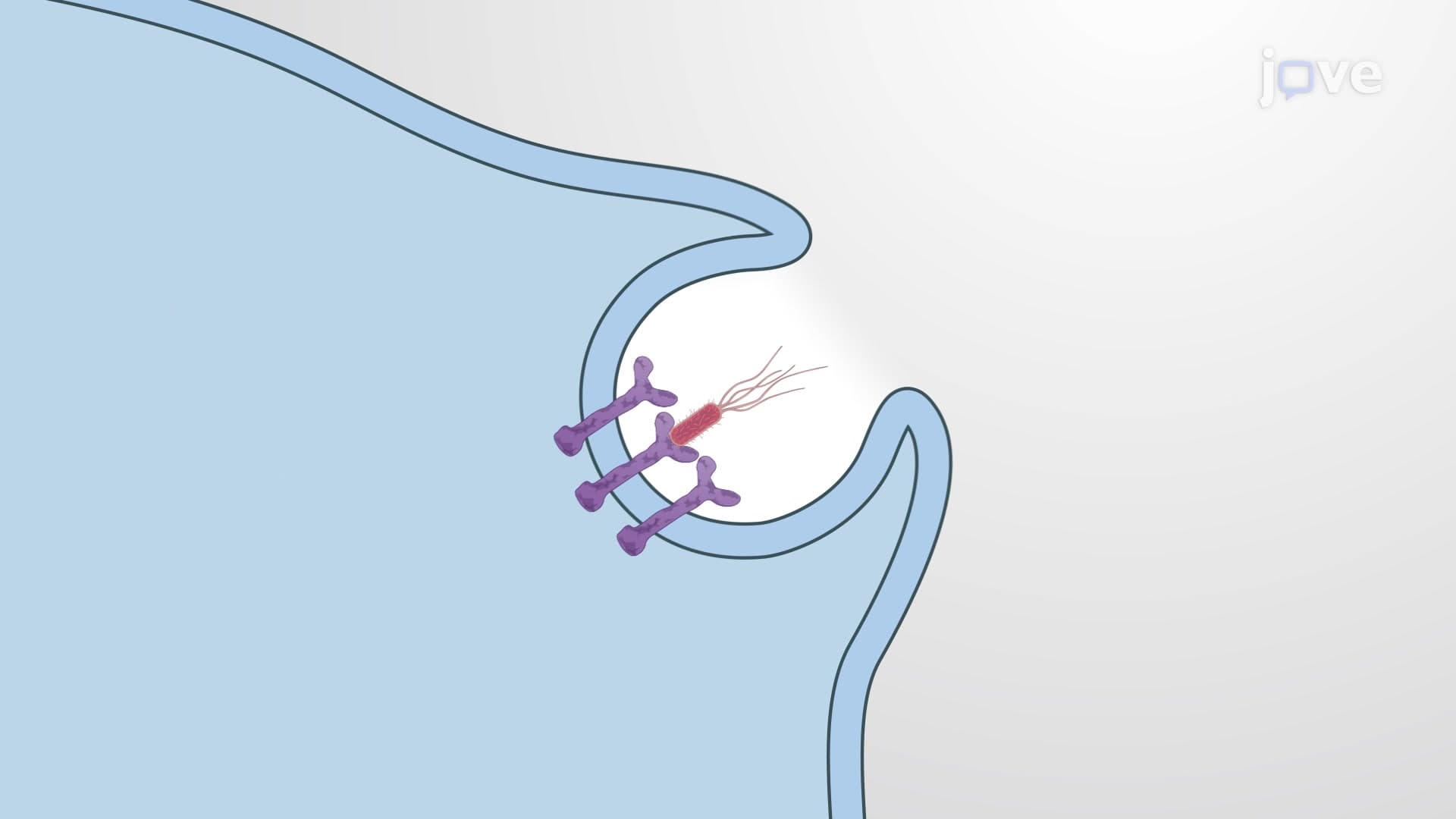
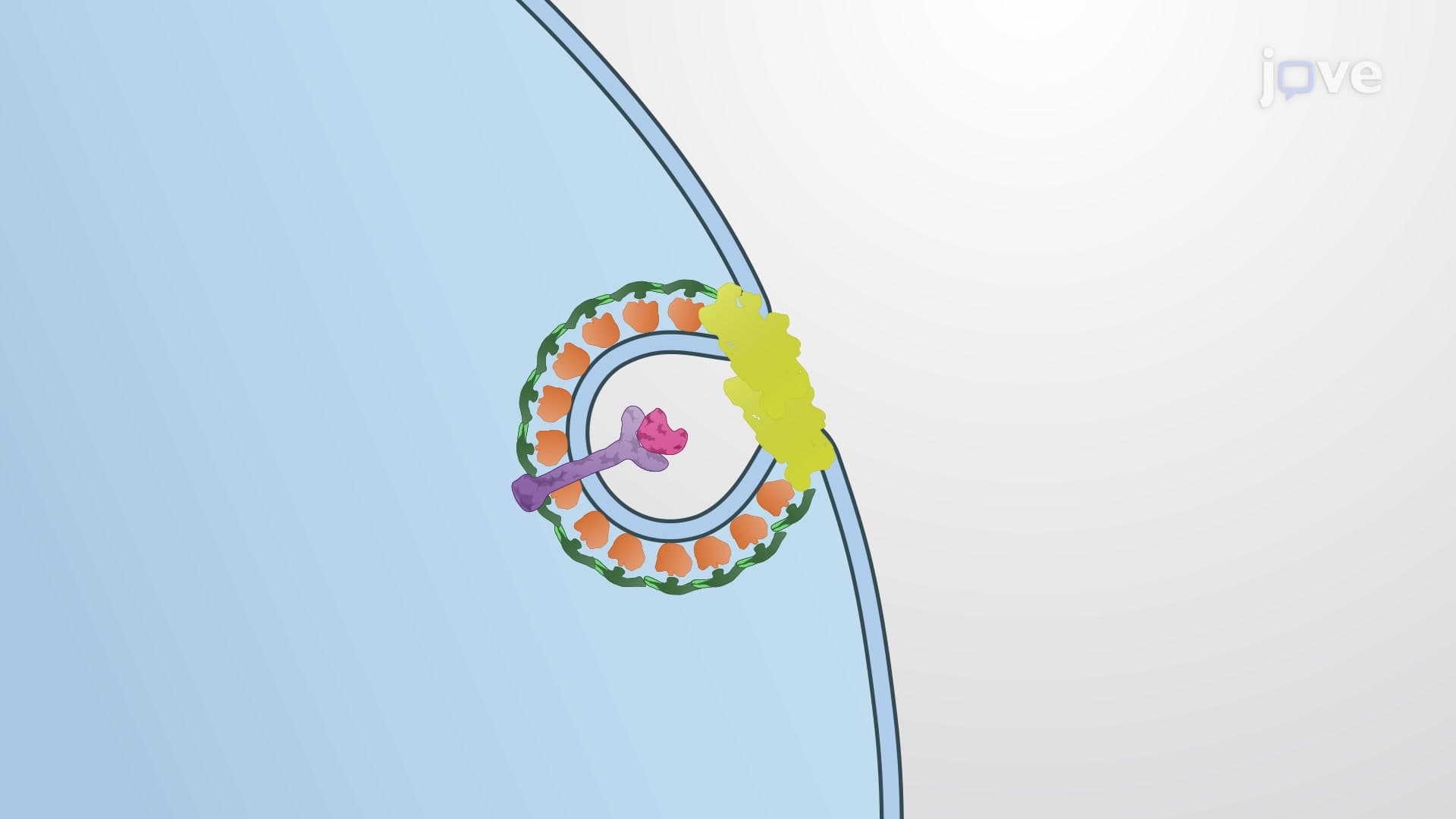
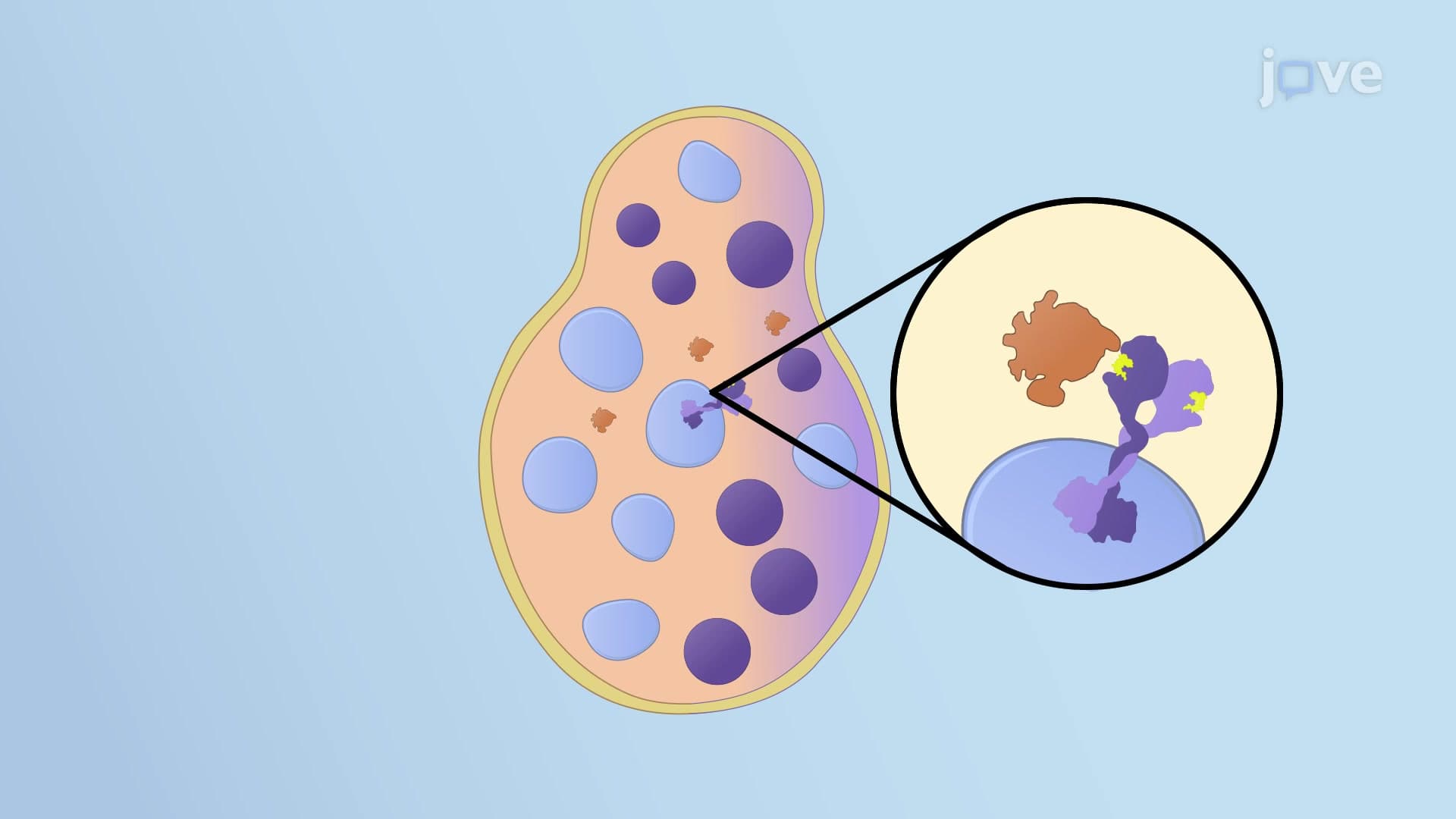
An overview of exosomes begins with understanding these remarkable nanovesicles as nature's sophisticated messaging system. Unlike simple diffusion of molecules, exosomes represent a targeted, package-delivery approach to cellular communication. These membrane-bound structures originate when multivesicular bodies-specialized organelles within cells-fuse with the plasma membrane, releasing their contents into the extracellular environment.
The overview of exosomes definition encompasses their unique structural characteristics and diverse cargo. These vesicles maintain the lipid bilayer structure of their parent cell membrane, creating a protective envelope for their molecular contents. The cargo varies dramatically depending on the cell of origin-neural cells package different molecules than immune cells or cancer cells. This specificity makes exosomes particularly valuable for both diagnostic and therapeutic applications.
Proteins within exosomes often include heat shock proteins, tetraspanins, and enzymes that reflect the metabolic state of the originating cell. Nucleic acids, particularly microRNAs and messenger RNAs, can alter gene expression in recipient cells. The lipid composition not only maintains vesicle integrity but also influences membrane fusion with target cells.
Understanding the overview of exosomes in detail reveals their growing importance in American healthcare and research. The National Cancer Institute has funded numerous studies exploring exosomes as liquid biopsy tools, potentially replacing invasive tissue sampling. For students preparing for the MCAT or advanced placement biology exams, exosomes represent a cutting-edge topic that bridges cell biology, immunology, and clinical medicine.
The diagnostic potential of exosomes has captured attention at institutions like Johns Hopkins and Mayo Clinic, where researchers are developing exosome-based tests for early cancer detection. Unlike traditional biomarkers that circulate freely in blood, exosome-contained biomarkers remain stable and protected from enzymatic degradation.
The overview of exosomes concept extends into regenerative medicine and targeted therapy. Companies like Codiak BioSciences in Massachusetts are engineering exosomes as natural drug delivery vehicles, taking advantage of their ability to cross biological barriers that synthetic nanoparticles cannot penetrate. This approach addresses major pharmaceutical challenges, including drug toxicity and poor tissue specificity.
For college students studying biochemistry or pre-medical tracks, exosome research represents an emerging field with significant career opportunities in biotechnology, pharmaceutical development, and clinical diagnostics.
Related Micro-courses