Loading video…


 17 Concepts
 102.1K views

Video Summary: What Is Pinocytosis
Did you know your cells are constantly "drinking" their surroundings, absorbing nutrients and water through a process called pinocytosis? Pinocytosis is a cellular transport mechanism where cells engulf extracellular fluid in a non-specific manner. For example, kidney cells use this process to reabsorb filtered nutrients from urine back into the bloodstream. Unlike receptor-mediated endocytosis, pinocytosis doesn't target specific molecules-it simply captures whatever dissolved substances happen to be nearby. Watch the full video on JoVE Coach to master this concept with expert-led visuals and step-by-step explanations.
Pinocytosis, literally meaning "cell drinking," represents one of the most fundamental ways cells interact with their environment. This endocytic process allows cells to internalize extracellular fluid along with any dissolved molecules present, making it essential for nutrient uptake, fluid balance, and cellular homeostasis.
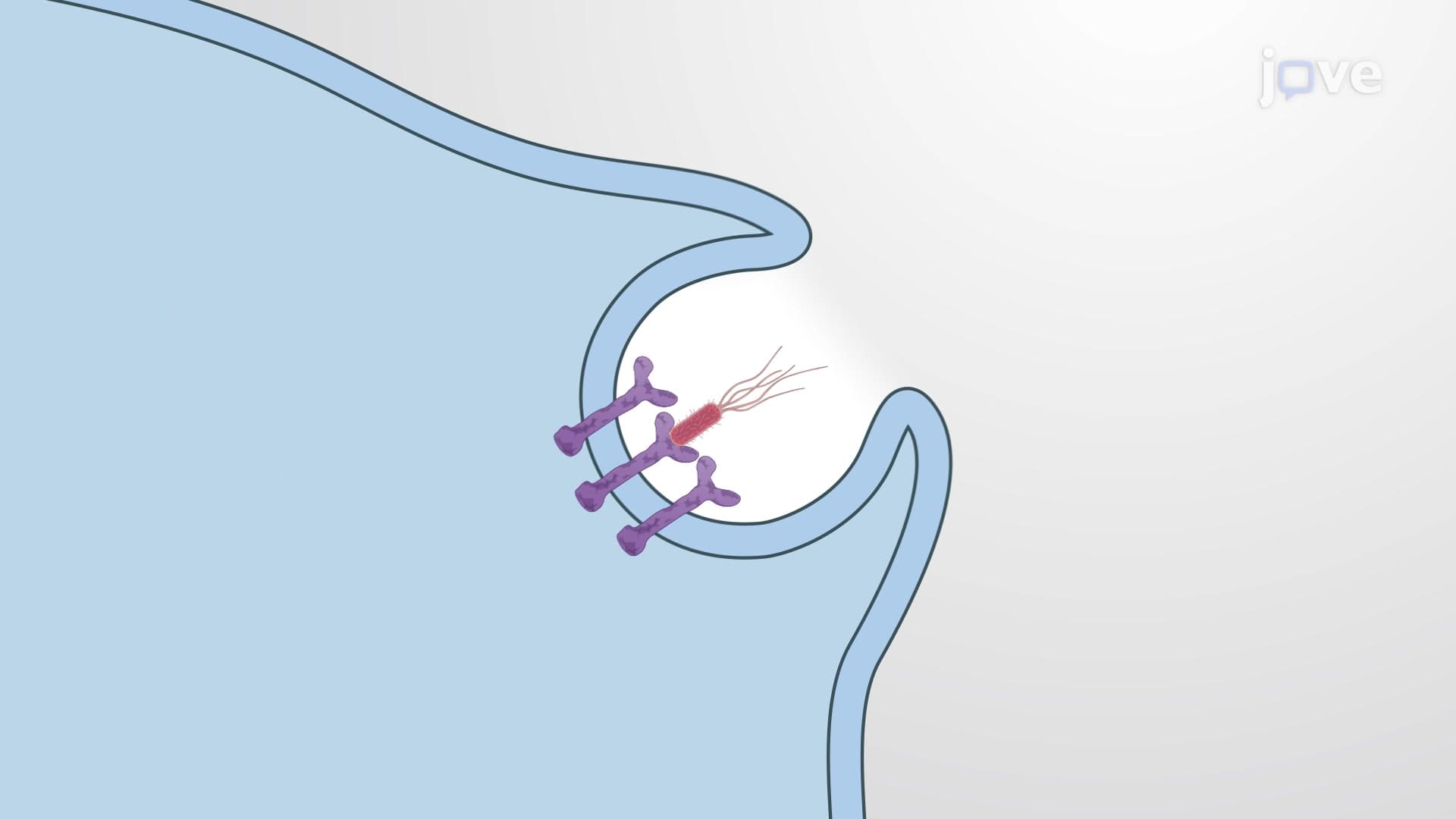
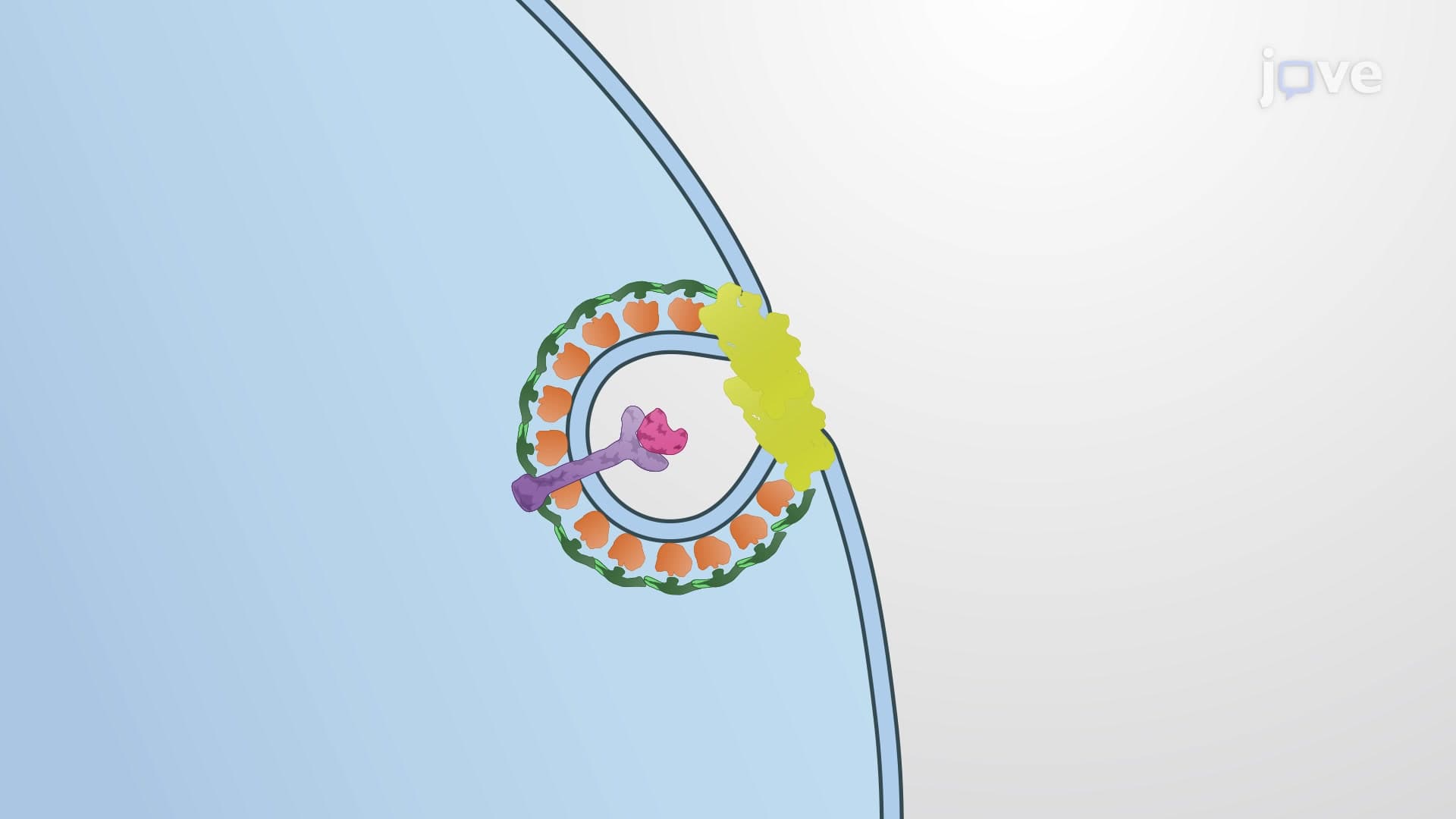
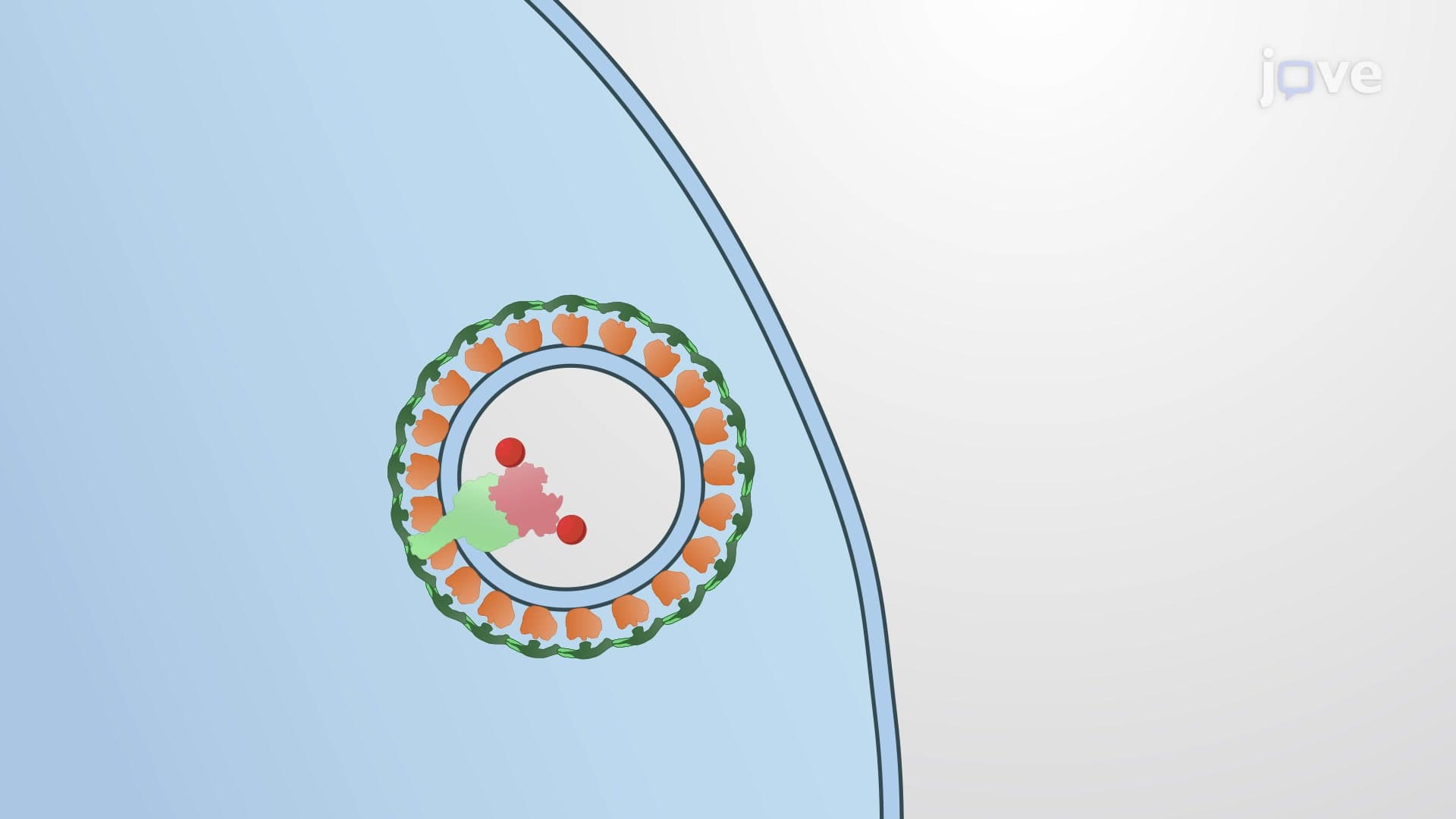
The process begins when structural proteins, particularly clathrin triskelions, assemble on the cytosolic surface of the plasma membrane. These three-armed protein complexes create a distinctive lattice-like coating that gives clathrin-coated vesicles their characteristic appearance under electron microscopy. The membrane curves inward, forming pits that eventually pinch off to create vesicles containing the internalized fluid.
Unlike receptor-mediated endocytosis, pinocytosis operates without discrimination-cells engulf whatever extracellular fluid is available, regardless of specific molecular content. This non-specific nature makes pinocytosis particularly important in tissues where bulk fluid uptake is crucial. For instance, proximal tubule cells in the kidneys use pinocytosis to reclaim proteins and other valuable molecules from the glomerular filtrate, preventing their loss in urine.
Understanding pinocytosis proves essential for students preparing for advanced biology exams, including AP Biology, MCAT, and college-level cell biology courses. The concept frequently appears in questions about membrane transport, cellular energetics, and kidney physiology. Medical students studying for the USMLE often encounter pinocytosis in the context of drug absorption, particularly how certain medications enter cells through bulk fluid uptake rather than specific transporters.
In research and clinical settings, abnormal pinocytosis contributes to various disease states. Some cancer cells exhibit increased pinocytic activity, allowing enhanced nutrient uptake to support rapid growth. Conversely, genetic defects affecting clathrin or related proteins can impair cellular nutrition and lead to metabolic disorders.
Related Micro-courses