Loading video…


 17 Concepts
 102.1K views
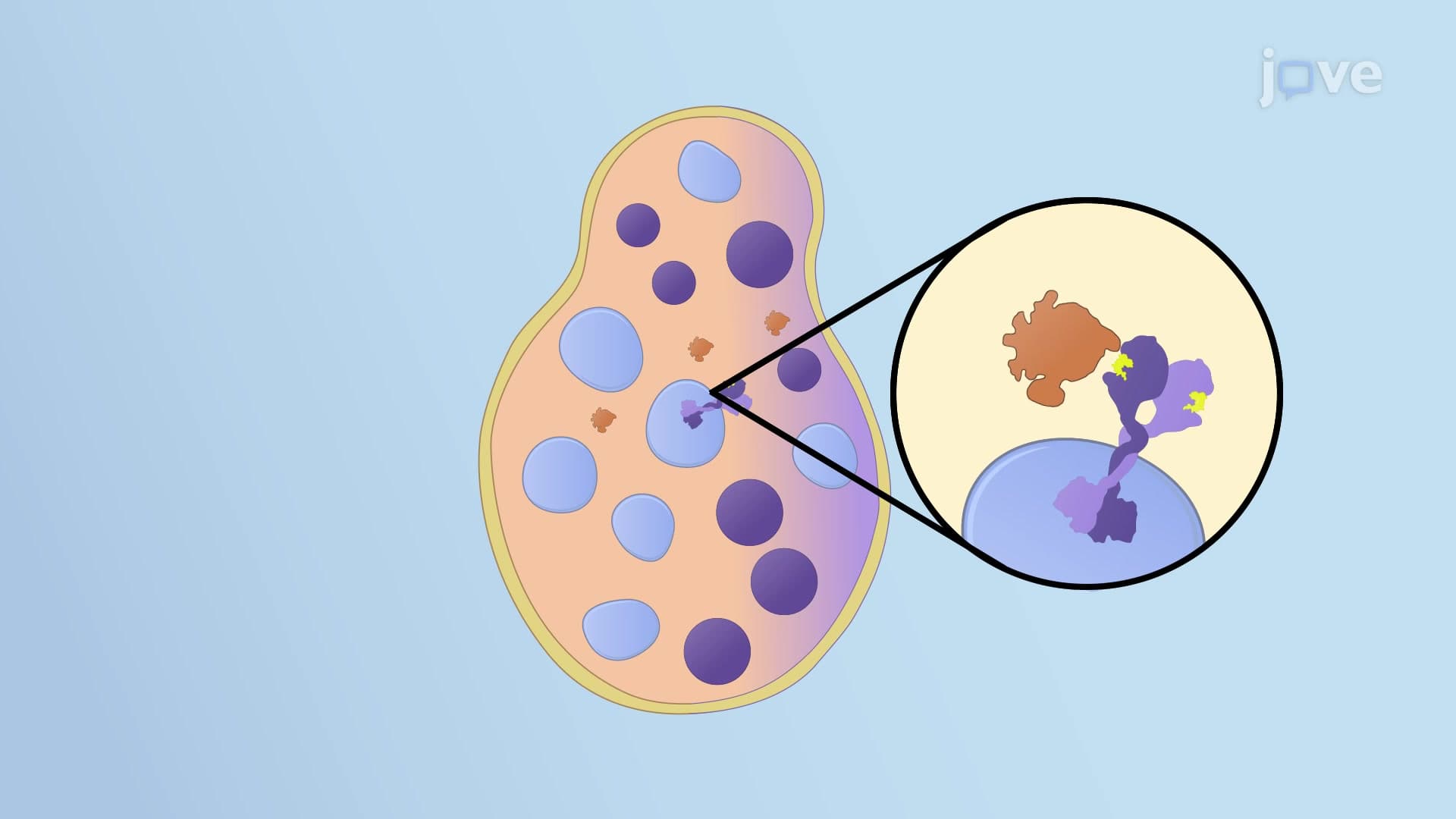

Video Summary: What Is Receptor Downregulation in Mvbs
Did you know that your cells have a built-in "off switch" to prevent cancer? Receptor downregulation in MVBs is the cellular process where multivesicular bodies team up with lysosomes to destroy overactive growth factor receptors, like those targeted in breast cancer treatments at MD Anderson Cancer Center. Understanding what is receptor downregulation in MVBs reveals how cells protect themselves from uncontrolled growth by systematically degrading receptor-ligand complexes through lysosomal enzymes. Watch the full video on JoVE Coach to master this concept with expert-led visuals and step-by-step explanations.
Receptor downregulation in MVBs represents one of the most sophisticated quality control mechanisms in cell biology. This process ensures that growth signals don't overwhelm cells, preventing the uncontrolled proliferation characteristic of cancer. At its core, this mechanism involves the systematic destruction of activated receptor proteins through a carefully orchestrated pathway involving multivesicular bodies and lysosomes.
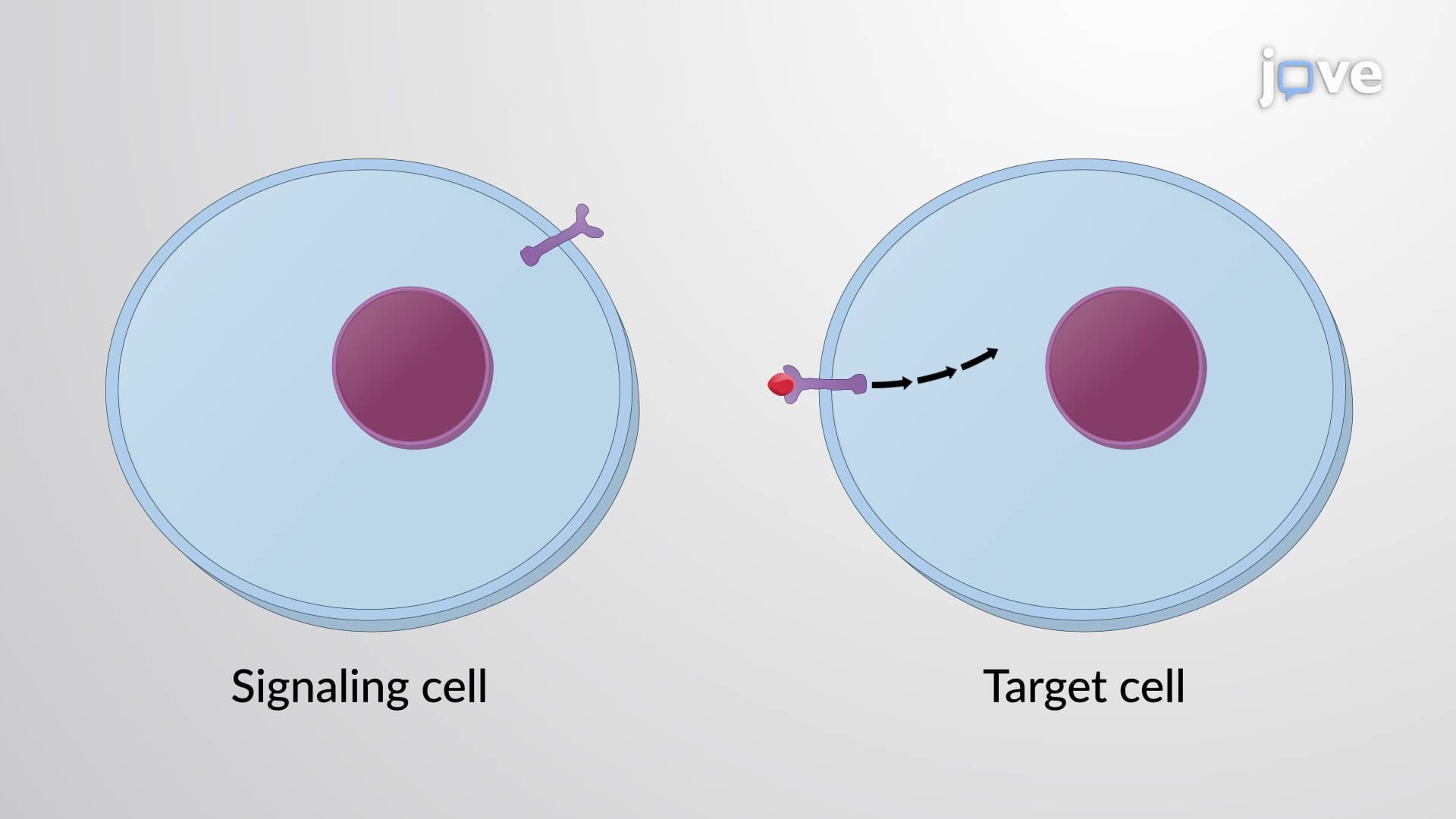
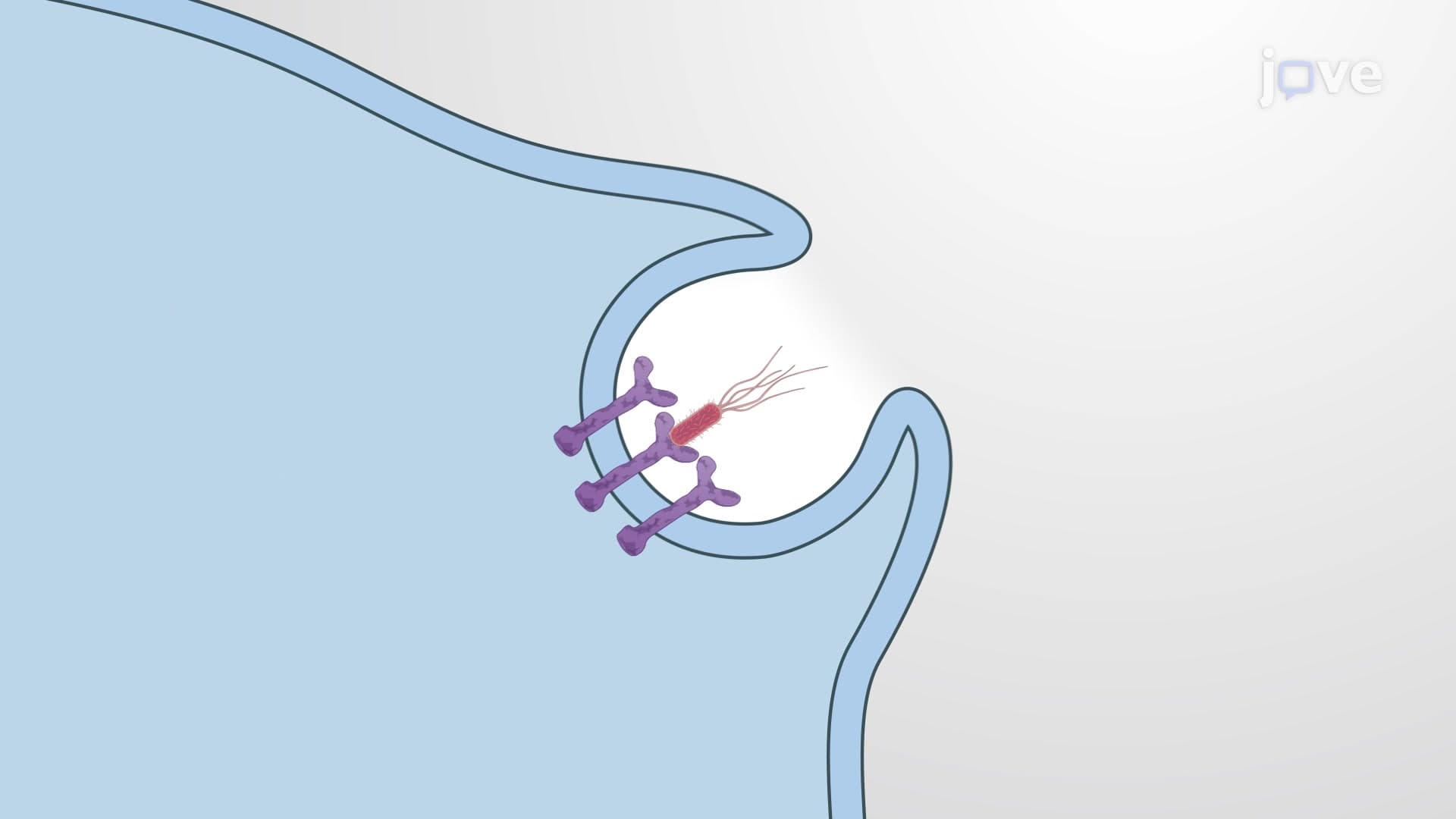
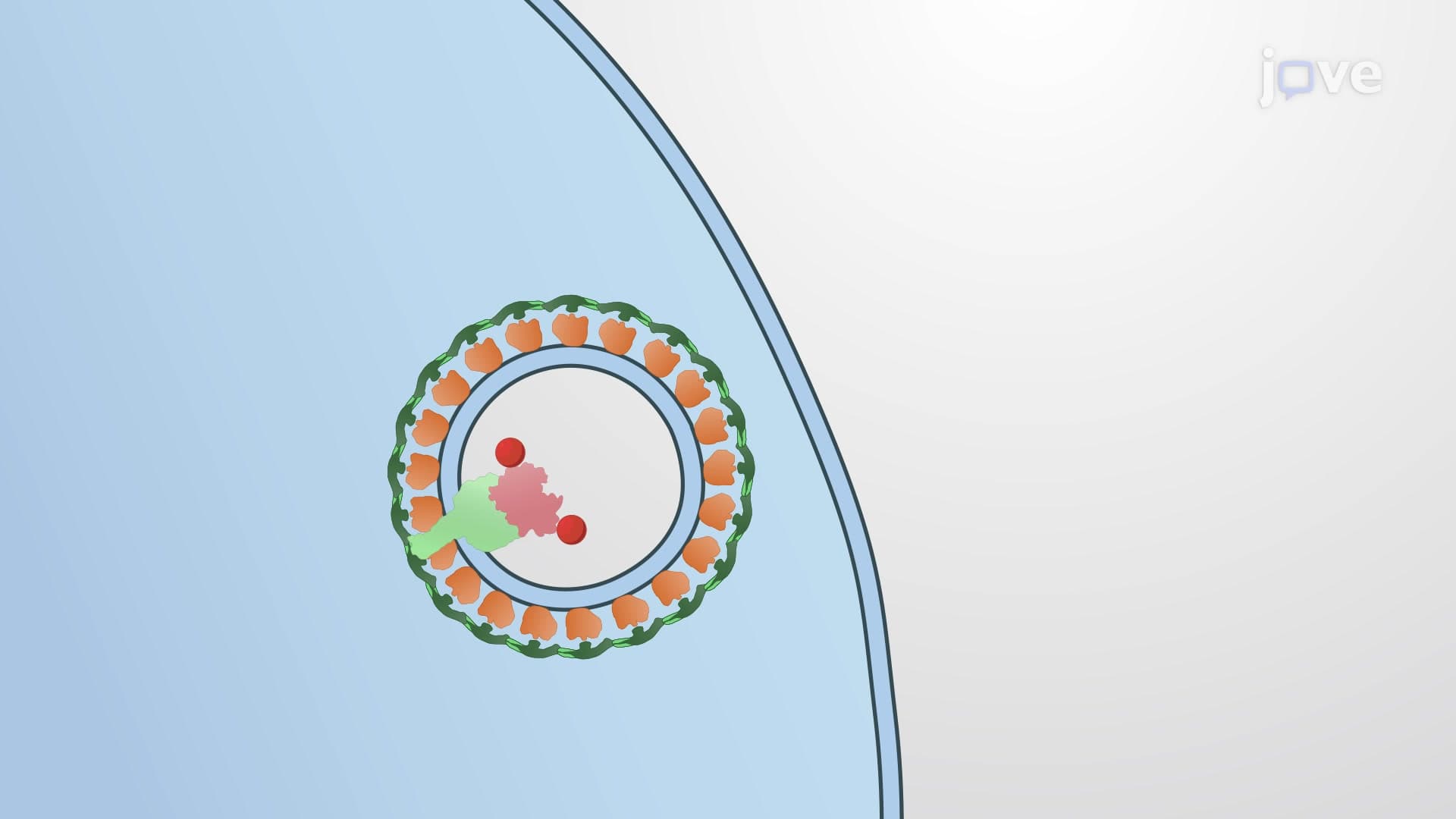
The journey begins when growth factors like epidermal growth factor (EGF) bind to their receptors on the cell surface. This binding triggers receptor-mediated endocytosis, where the entire receptor-ligand complex gets internalized into early endosomes. As these early endosomes mature, they undergo dramatic structural changes, developing increasing numbers of intraluminal vesicles-small membrane-bound compartments that bud inward from the endosomal membrane.
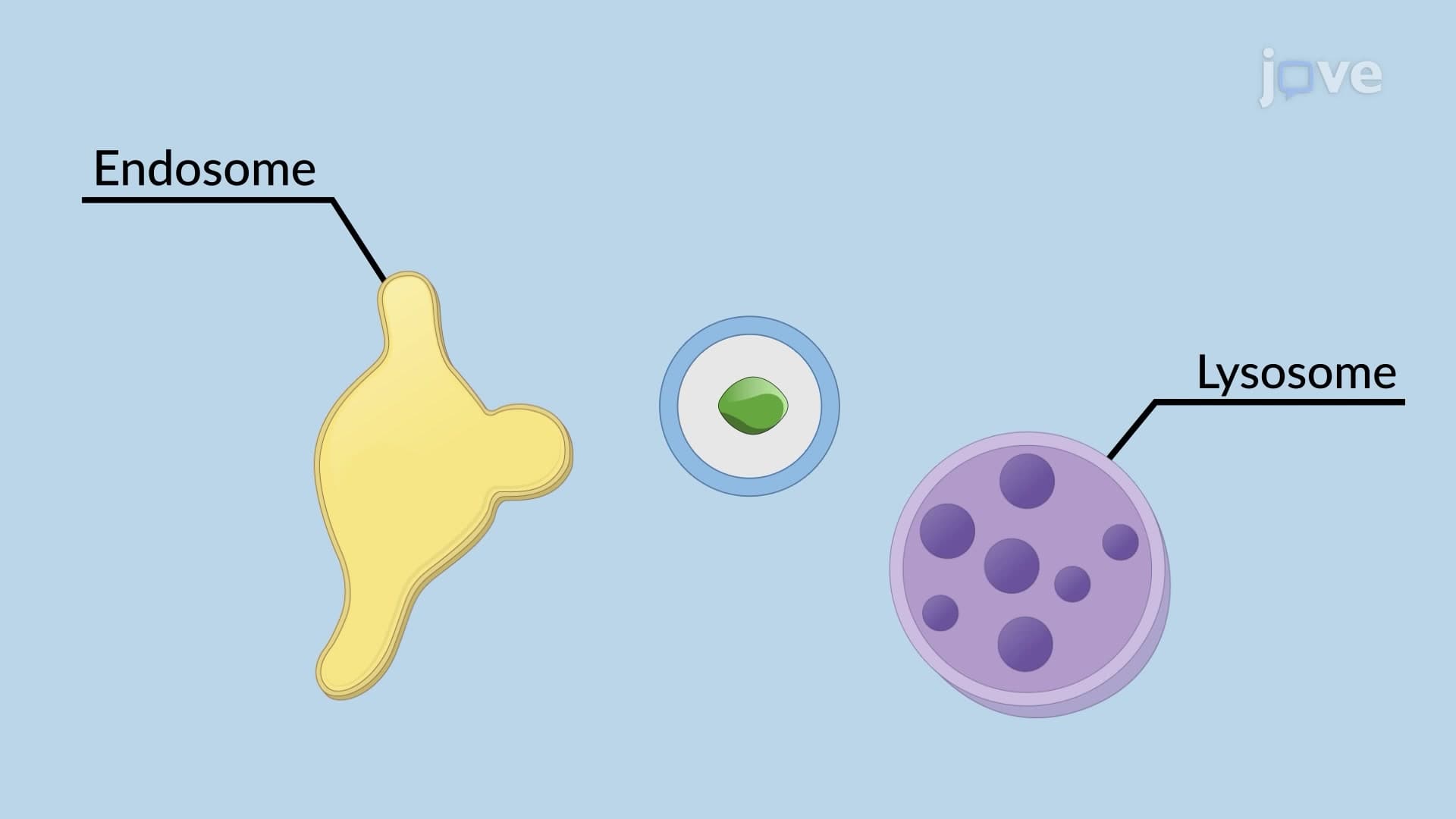
This transformation marks the transition from early endosome to multivesicular body (MVB). The intraluminal vesicles serve as cargo containers, sequestering specific proteins destined for degradation. This sorting process is highly selective, ensuring that only appropriate targets undergo downregulation while preserving essential cellular machinery.
The culmination of receptor downregulation occurs when MVBs fuse with lysosomes-cellular organelles packed with hydrolytic enzymes. These lysosomal hydrolases, including proteases, lipases, and nucleases, systematically break down the receptor-ligand complexes trapped within the intraluminal vesicles. This process is irreversible and represents the cell's commitment to terminating specific signaling pathways.
Understanding receptor downregulation in MVBs has profound implications for medical treatment in the United States. Many cancer therapies, including those used at leading institutions like Johns Hopkins and Mayo Clinic, target this pathway. For instance, drugs like trastuzumab (Herceptin) for HER2-positive breast cancer work partly by promoting receptor downregulation, effectively starving cancer cells of growth signals.
Students preparing for the MCAT, AP Biology, or college-level cell biology courses frequently encounter questions about this pathway. The concept integrates multiple fundamental topics: membrane biology, protein trafficking, enzyme function, and disease pathophysiology, making it an excellent example of how cellular mechanisms directly relate to human health.
Related Micro-courses