Loading video…


 17 Concepts
 102.1K views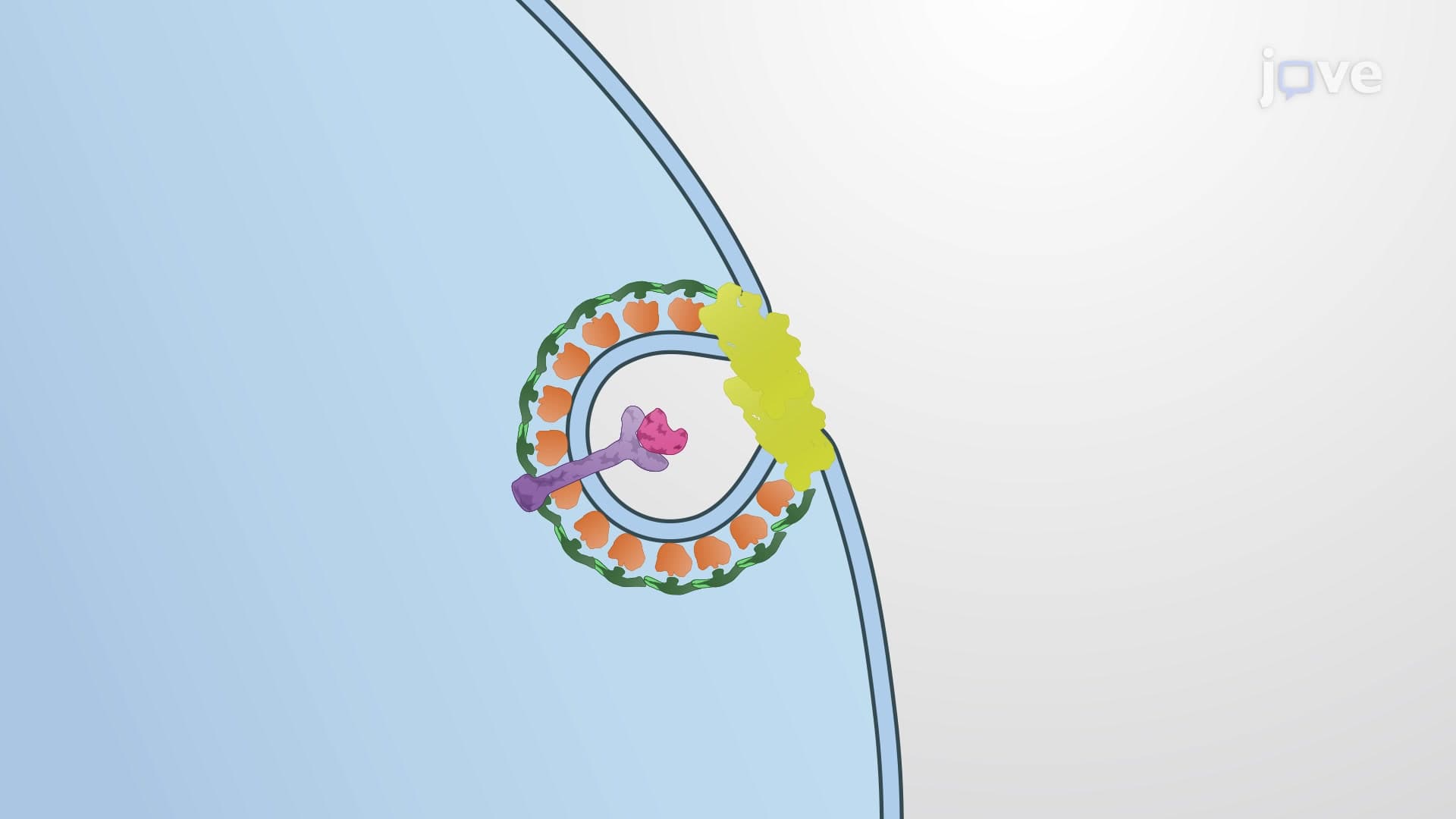

Video Summary: What Is Receptor Mediated Endocytosis
Did you know that your cells can specifically "choose" which molecules to bring inside, like a bouncer at an exclusive club? Receptor mediated endocytosis allows cells to selectively internalize vital molecules such as cholesterol-carrying LDL particles that help maintain healthy cell membranes throughout your body. This sophisticated cellular process involves specific receptor-ligand binding followed by clathrin-coated pit formation and vesicle internalization. Understanding what is receptor mediated endocytosis reveals how cells maintain precise control over their internal environment. Watch the full video on JoVE Coach to master this concept with expert-led visuals and step-by-step explanations.
Receptor mediated endocytosis represents one of the most sophisticated cellular transport mechanisms, allowing cells to selectively internalize specific molecules with remarkable precision. Unlike bulk endocytosis, this process relies on highly specific molecular recognition between extracellular ligands and their corresponding cell surface receptors. This selectivity makes it essential for maintaining cellular homeostasis and responding to environmental signals.
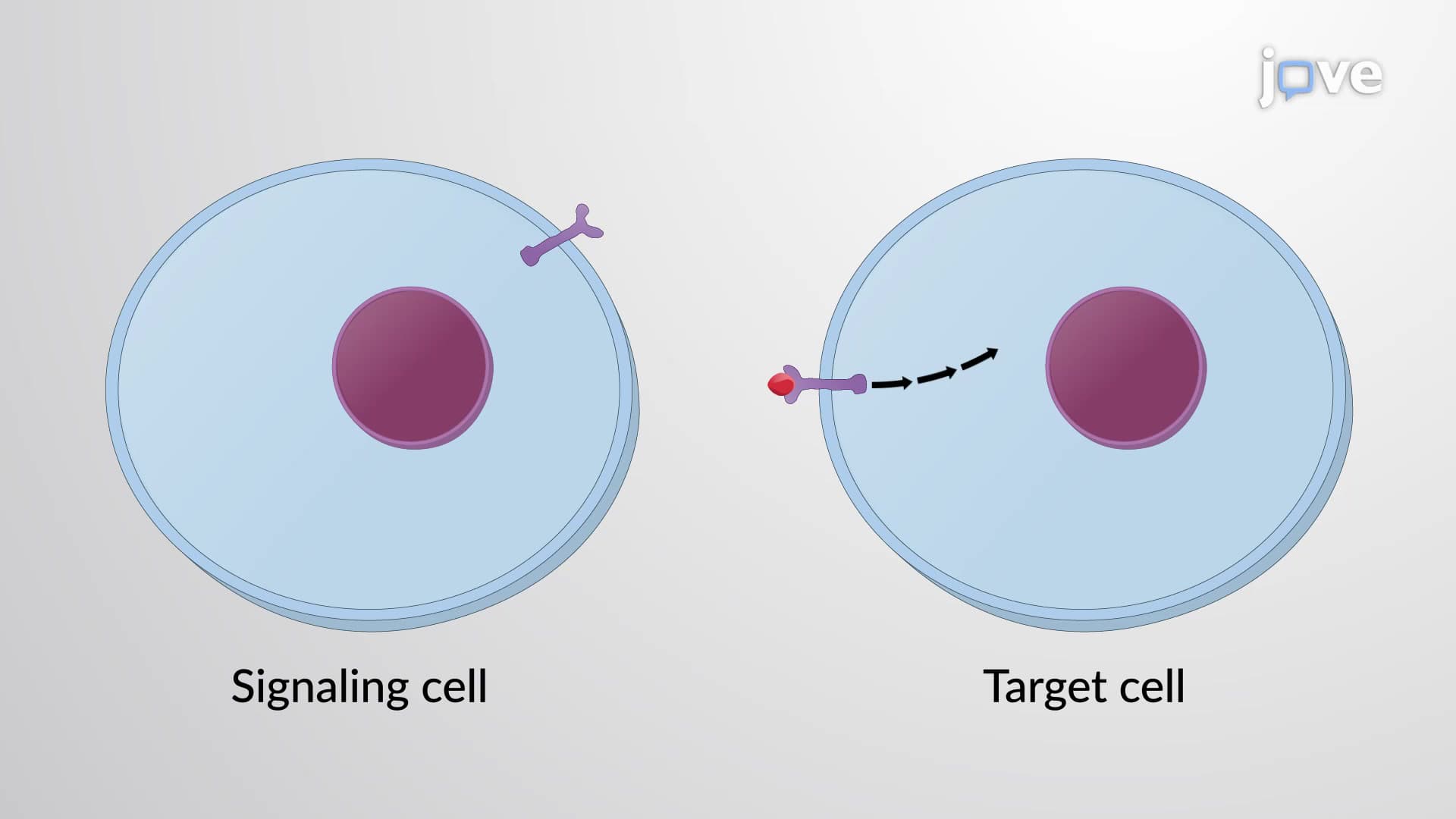
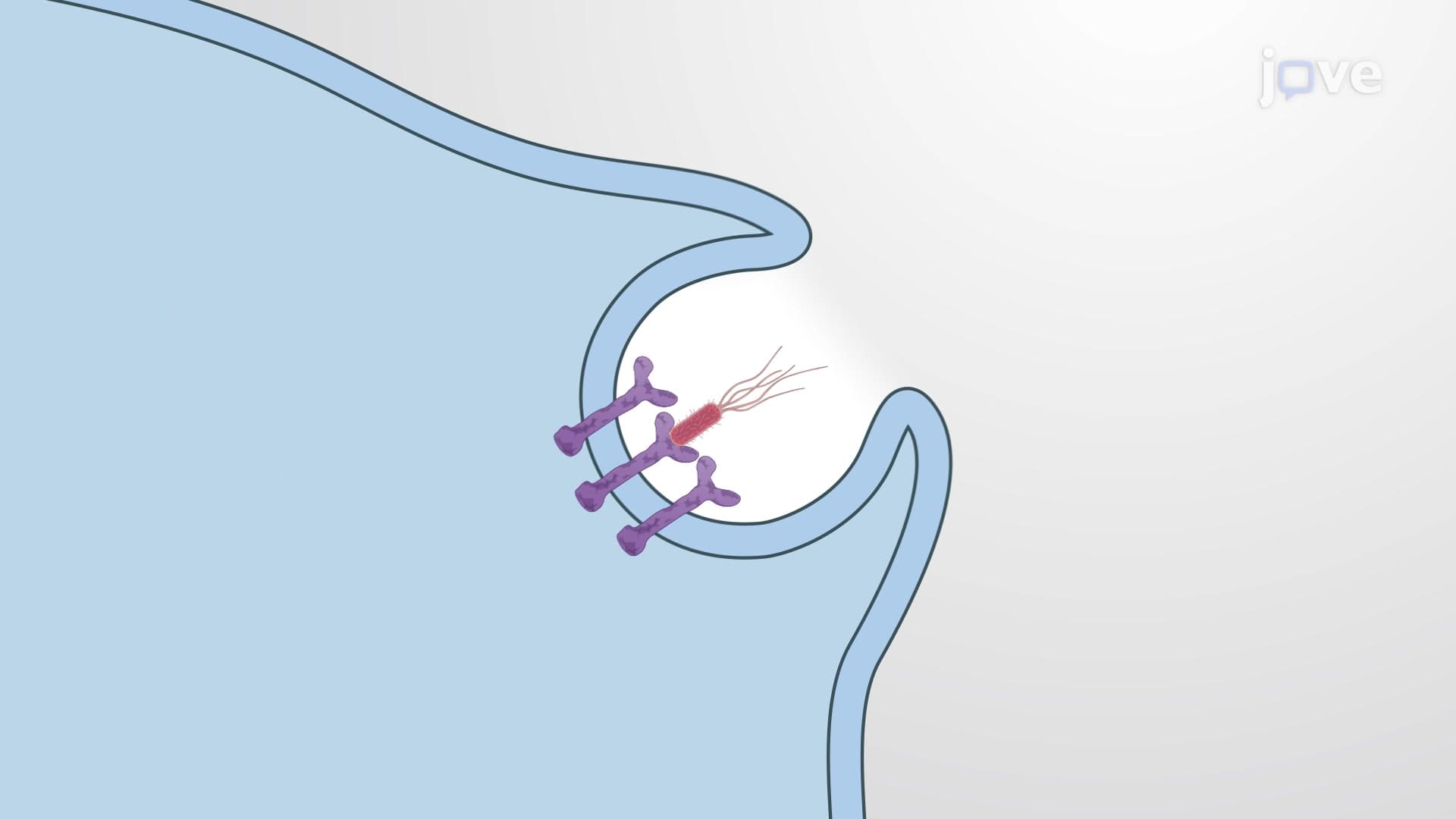
The process begins when target molecules-such as hormones, nutrients, or signaling proteins-bind to their specific receptors embedded in the plasma membrane. This binding triggers a cascade of molecular events that ultimately results in the formation of specialized membrane invaginations called clathrin coated pits. These structures serve as the cellular equivalent of molecular delivery systems, ensuring that only the "right" cargo enters the cell.
The formation of clathrin coated pit endocytosis involves intricate protein machinery working in precise coordination. Clathrin proteins assemble into distinctive three-legged structures called triskelions, which polymerize to form a cage-like coating around the invaginating membrane. Adaptor proteins, particularly AP-2 complexes, serve as molecular bridges connecting clathrin to the membrane and helping recruit specific cargo.
As the coated pit matures, additional proteins join the process. Dynamin, often called the "molecular scissors," wraps around the neck of the forming vesicle and uses GTP hydrolysis to pinch off the membrane, creating a free-floating coated vesicle. This mechanism ensures efficient separation of the internalized cargo from the external environment.
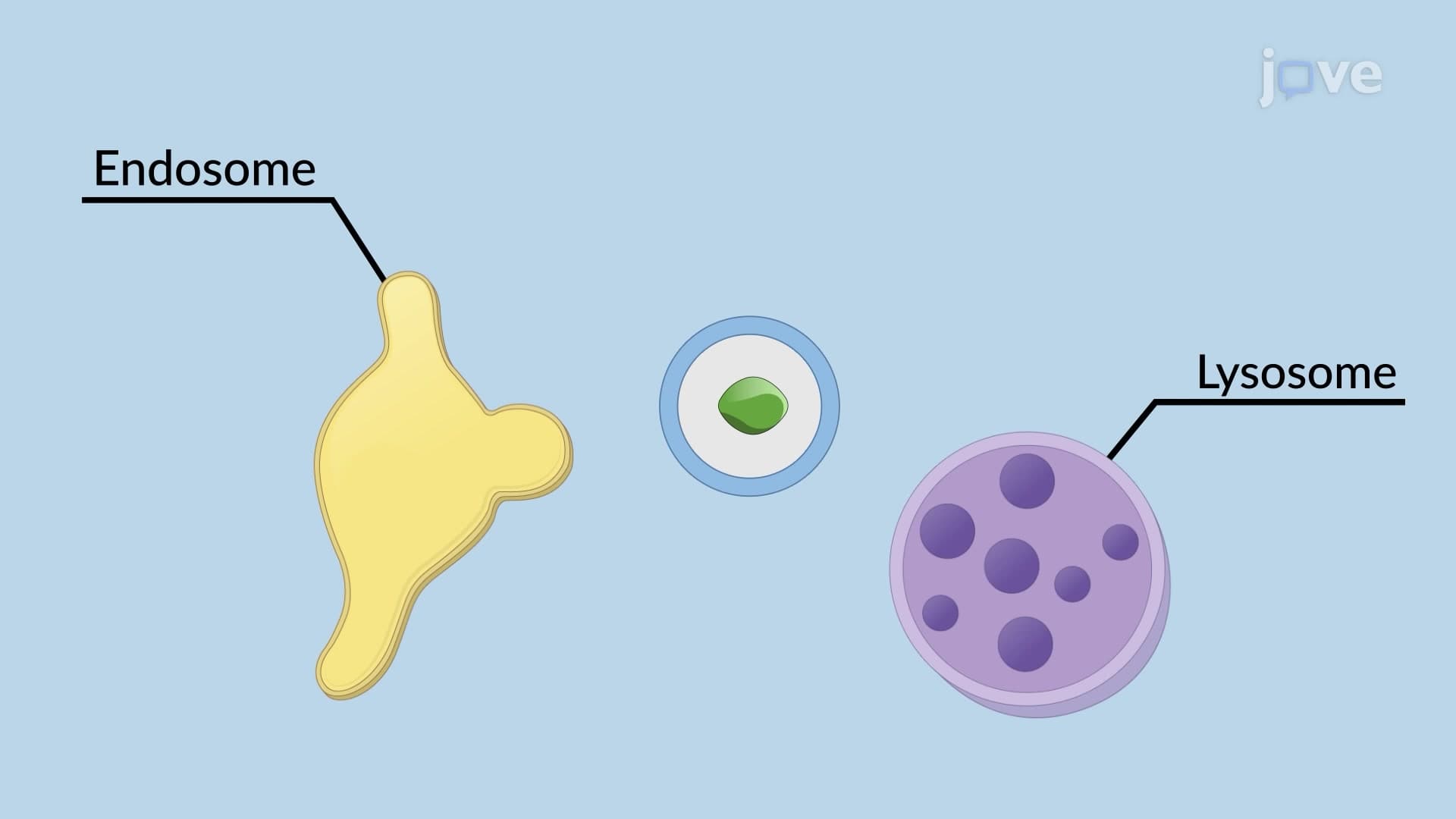
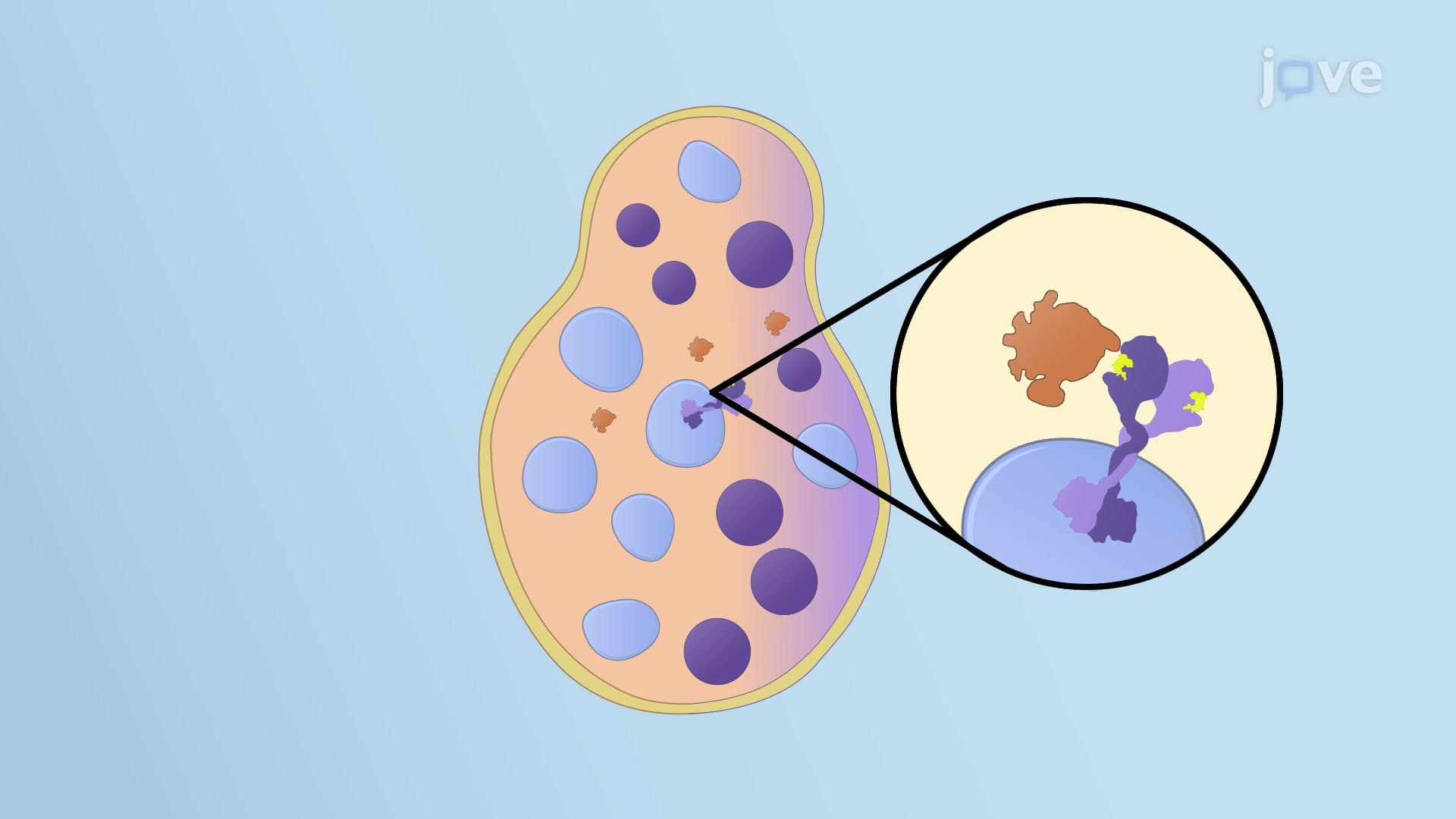
Once inside the cell, the clathrin coat rapidly disassembles, revealing a naked vesicle that fuses with early endosomes. These organelles contain two distinct domains with different pH environments: tubular regions (pH ~6.5) and vacuolar compartments (pH ~6.0). This pH difference drives the separation of receptor and ligand-a critical step for receptor recycling.
The acidic environment in vacuolar domains causes conformational changes that reduce the affinity between receptors and their bound ligands. While ligands remain in the vacuolar domain for further processing or degradation, receptors concentrate in the tubular regions due to their favorable surface area-to-volume ratio. This spatial separation enables efficient receptor ligand endocytosis while preserving valuable receptor proteins for reuse.
LDL receptor endocytosis provides an excellent example of this process in human health. Cells use LDL receptors to internalize cholesterol-rich lipoproteins, maintaining cellular cholesterol balance. Mutations affecting this pathway cause familial hypercholesterolemia, a condition affecting approximately 1 in 250 Americans and leading to premature cardiovascular disease.
Understanding receptor-mediated endocytosis proves crucial for students preparing for advanced examinations like the MCAT, where questions often focus on membrane transport mechanisms and their clinical implications. AP Biology students encounter this topic when studying cell communication and transport, while college biochemistry courses explore the molecular details of endocytic machinery.
Related Micro-courses