Loading subject page…

- Cell Biology
- Extracellular Matrix in Animals
- Collagens are the Major Structural Proteins of ECM
Micro-course: Extracellular Matrix in Animals
45,311 views
Learn key concepts and earn your certificate.


Collagens are the Major Structural Proteins of ECM

00:00
01:13
Video Summary: Collagens are the Major Structural Explained
Ever wonder why a torn ACL keeps athletes benched for months? Collagens are the major structural proteins that give our tendons, ligaments, and skin their incredible strength-in fact, they make up nearly 30% of all protein in the human body! These remarkable molecules form the backbone of connective tissues throughout our bodies, from the tendons that connect your biceps to your arm bones to the structural framework that keeps your skin elastic. Watch the full video on JoVE Coach to master this concept with expert-led visuals and step-by-step explanations.
- Understand how collagens are the major structural proteins in mammals and their role in providing tensile strength to tissues
- Identify the key amino acids (glycine, proline, hydroxyproline) that give collagen its unique triple-helix structure
- Analyze the hierarchical organization from collagen molecules to fibrils to fibers in tissue formation
- Compare fibrillar collagens (like those in tendons) versus non-fibrillar collagens (like Type IV in basement membranes)
- Recognize which cell types produce collagen, including fibroblasts, smooth muscle cells, and epithelial cells
- Explore the difference between extracellular matrix components and intracellular proteins
- Apply knowledge of collagen structure to understand common injuries like tendon tears and skin aging
- Evaluate how collagen's molecular structure directly relates to its mechanical properties in living tissues
Understanding How Collagens are The Major Structural Foundation
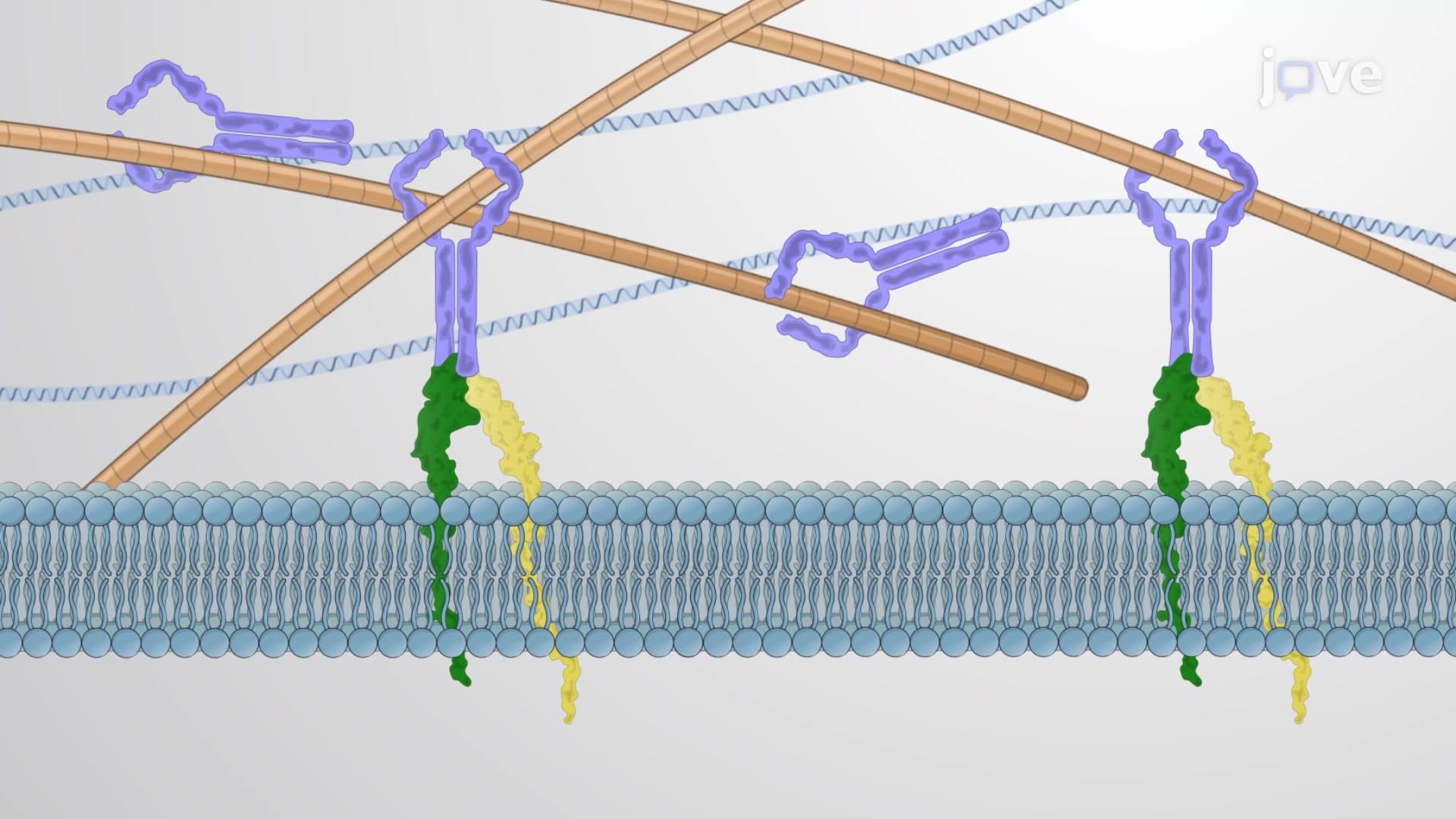
Collagen represents one of evolution's most successful structural solutions, accounting for approximately 25-30% of total protein content in mammals. Unlike enzymes or transport proteins that work inside cells, collagens function exclusively in the extracellular matrix-the scaffolding that holds our tissues together. This strategic positioning allows collagen to provide the mechanical support that keeps our bodies structurally sound, from withstanding the forces generated during a basketball jump shot to maintaining skin integrity as we age.
Molecular Architecture and Amino Acid Composition
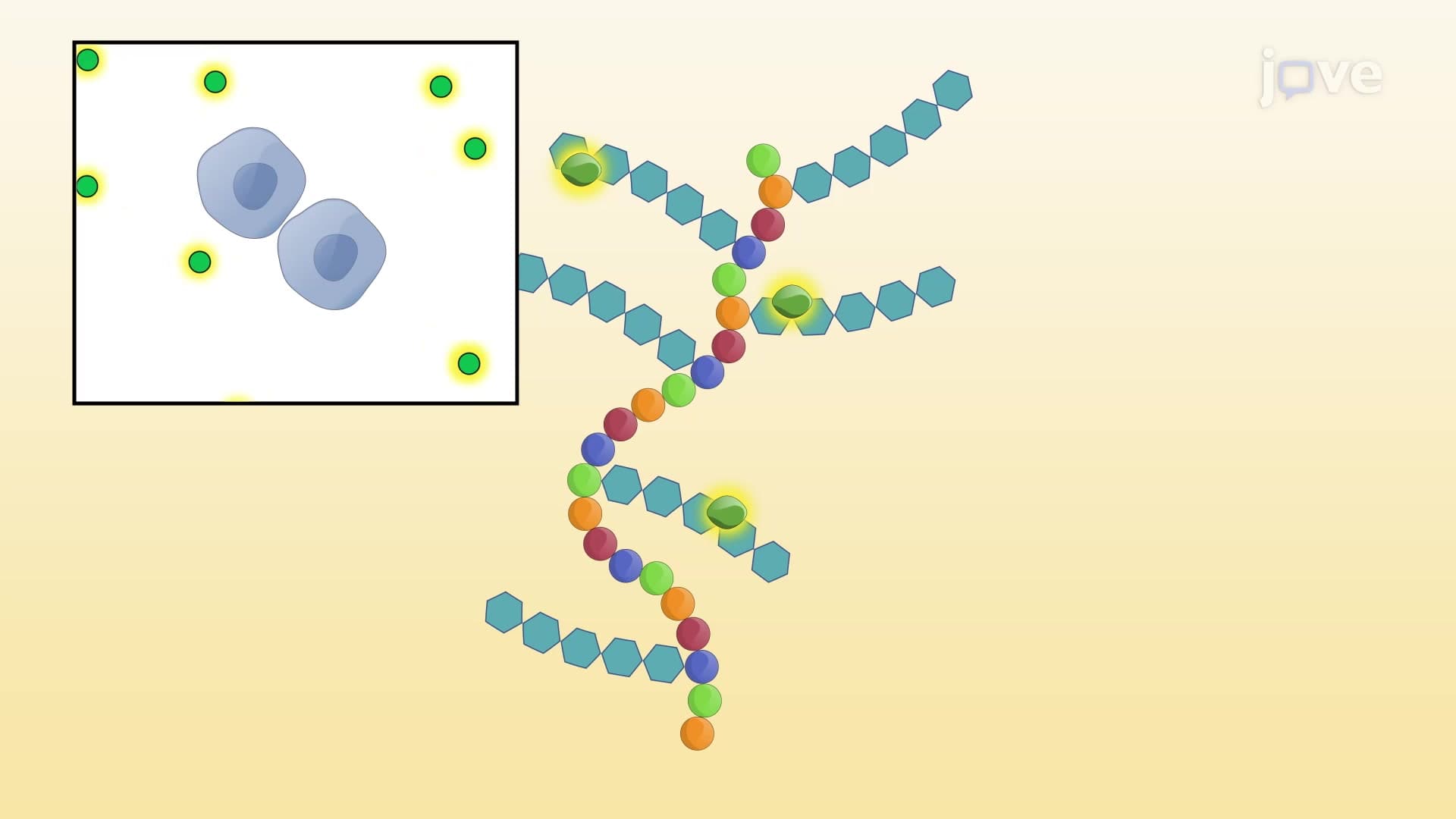
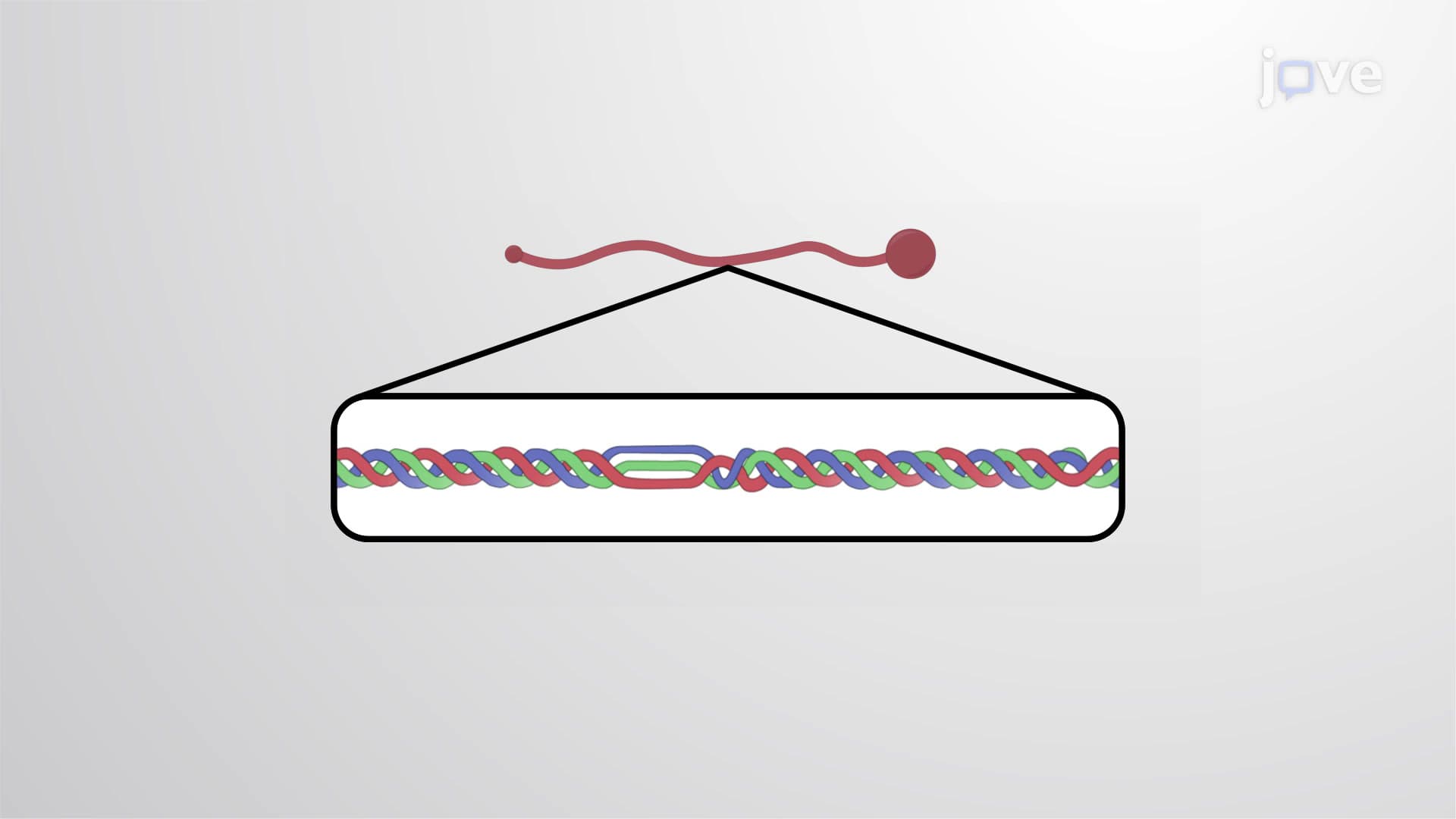
The secret to collagen's strength lies in its unique amino acid sequence and three-dimensional structure. Each collagen molecule consists of three polypeptide chains (alpha chains) wound together in a characteristic triple helix. This structure is only possible because of collagen's unusual amino acid composition: approximately one-third of all amino acids are glycine, the smallest amino acid that allows the chains to pack tightly together. Proline and hydroxyproline provide structural rigidity, creating the stable triple-helix configuration that gives collagen its tensile strength-comparable to steel wire of the same diameter.
From Molecules to Tissues: Hierarchical Organization
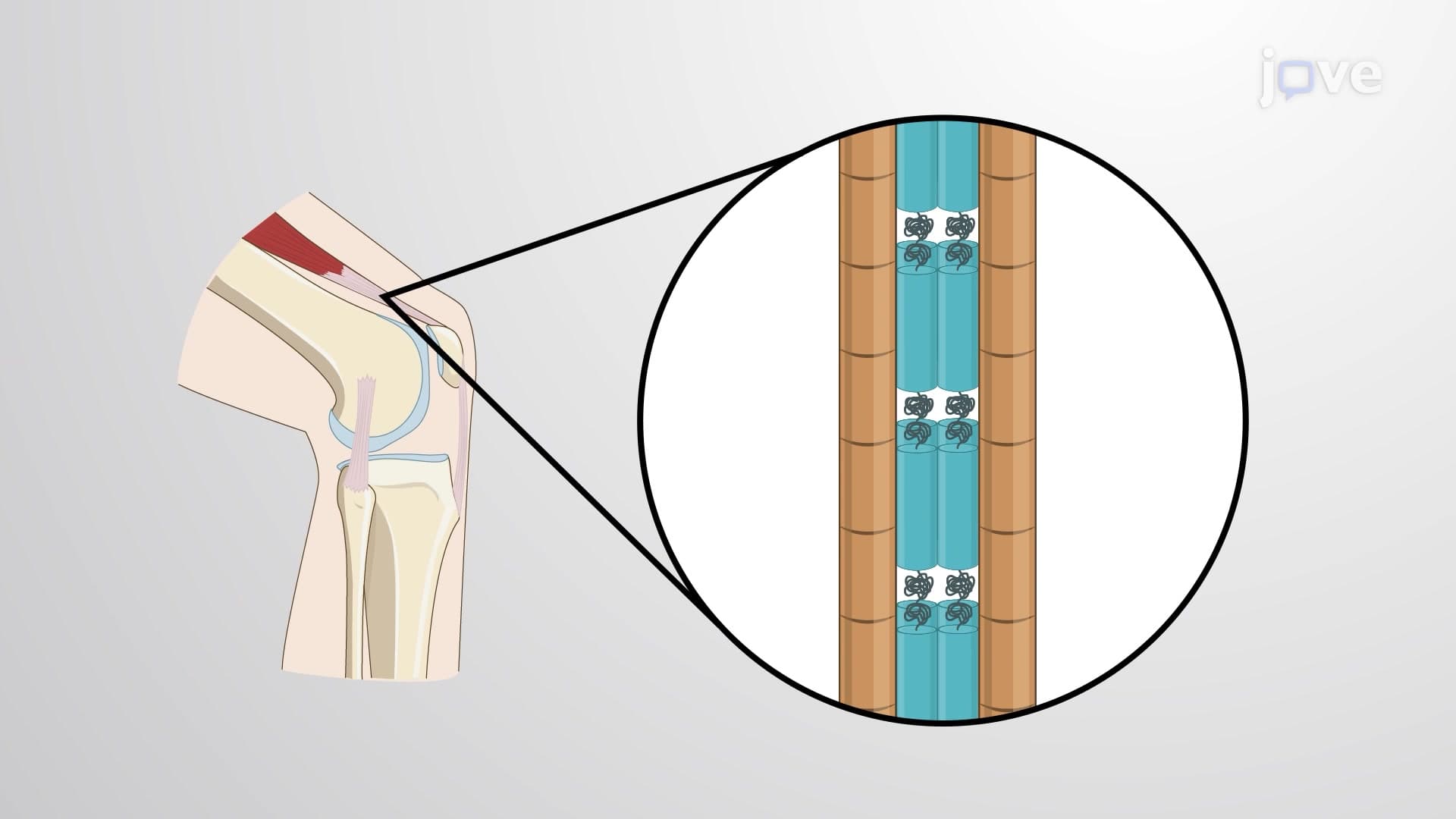
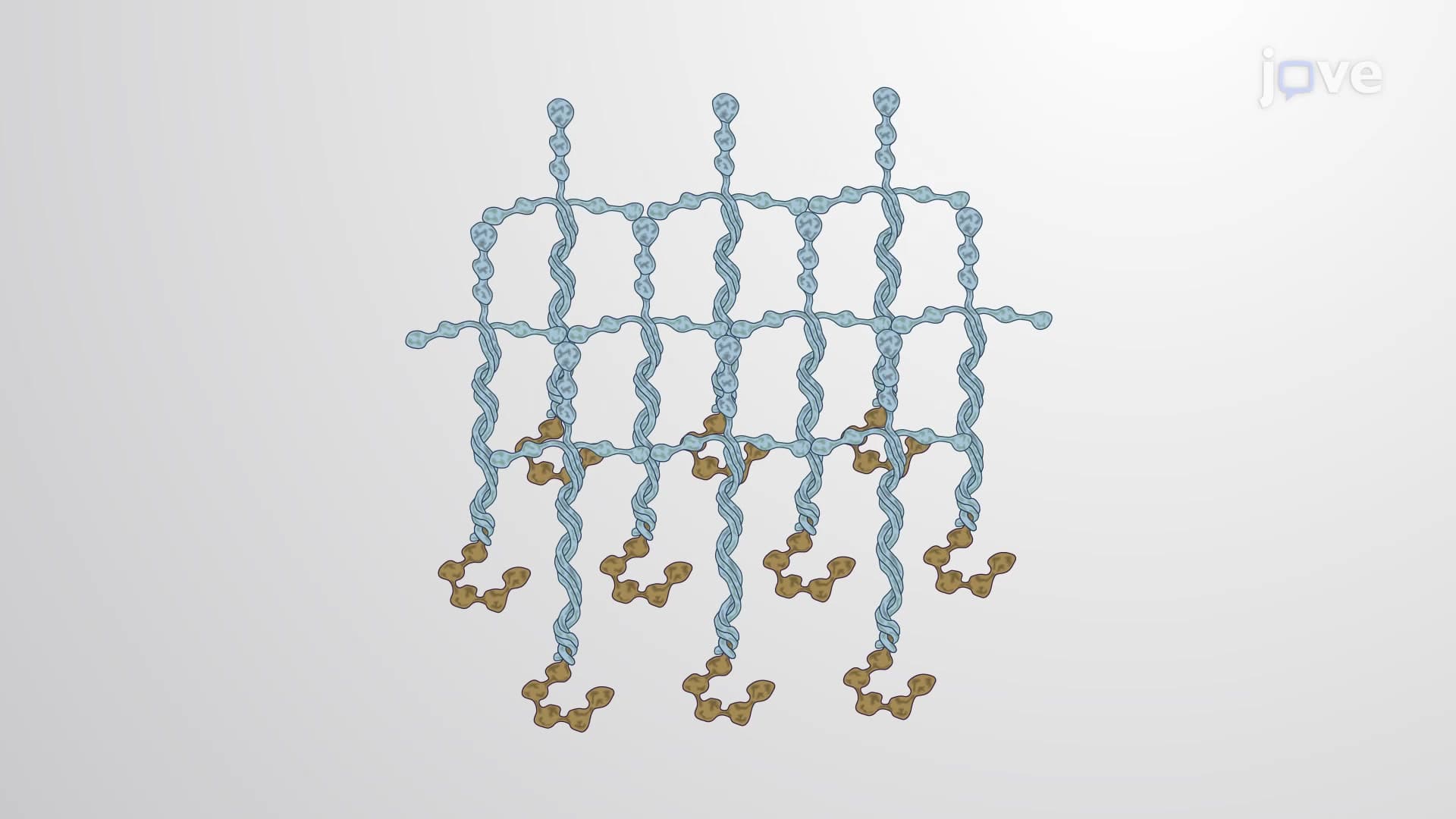
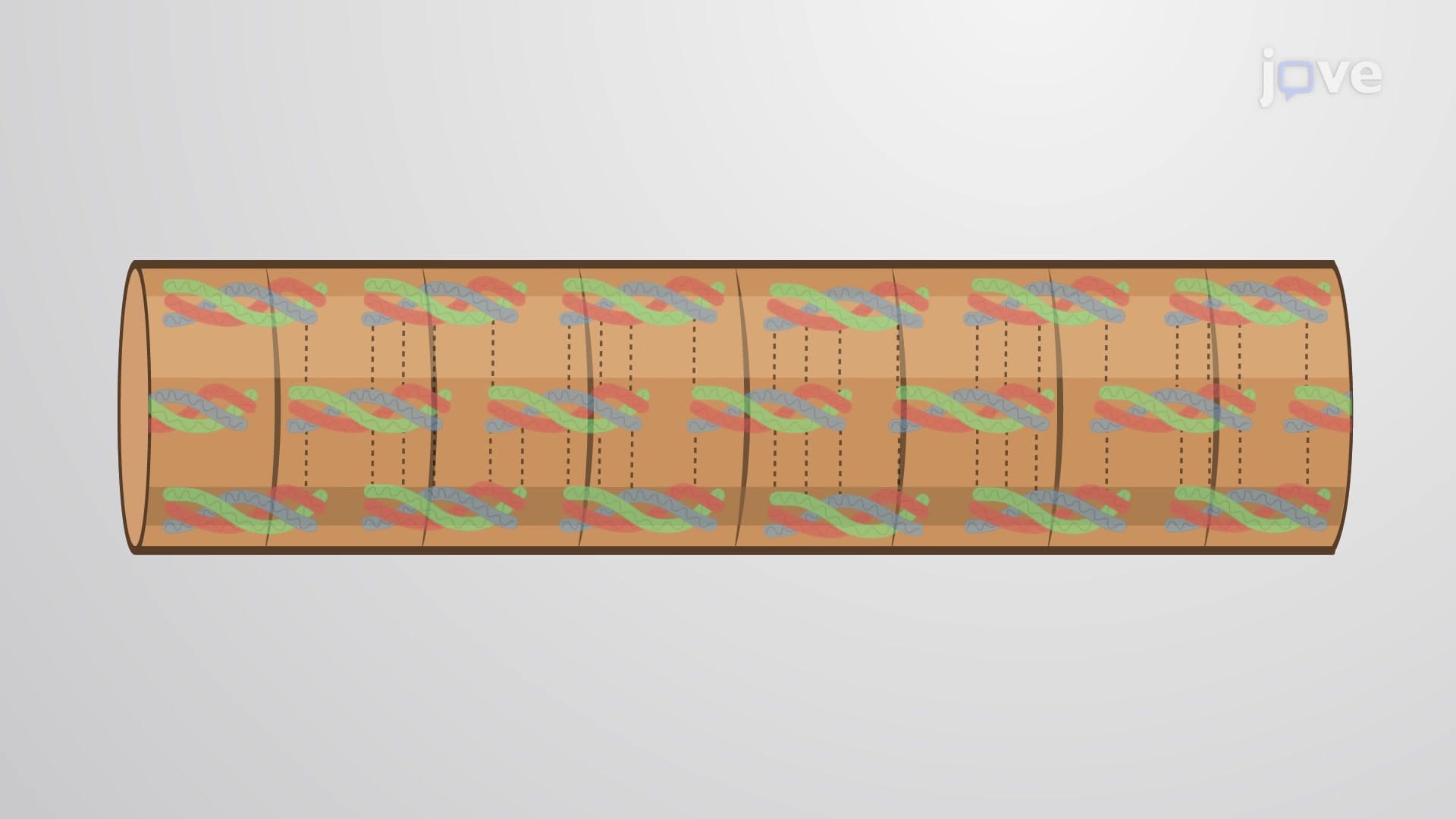
The journey from individual collagen molecules to functional tissues demonstrates remarkable biological engineering. In fibrillar collagens (Types I, II, and III), triple-helix molecules first assemble into larger structures called fibrils, which then bundle together to form collagen fibers. This hierarchical organization is evident in structures like the Achilles tendon, where thousands of collagen fibers align parallel to handle the enormous forces generated during running and jumping. Students preparing for the MCAT or AP Biology exams should understand this multi-level organization, as it frequently appears in questions about structure-function relationships.
Cellular Production and Tissue Distribution
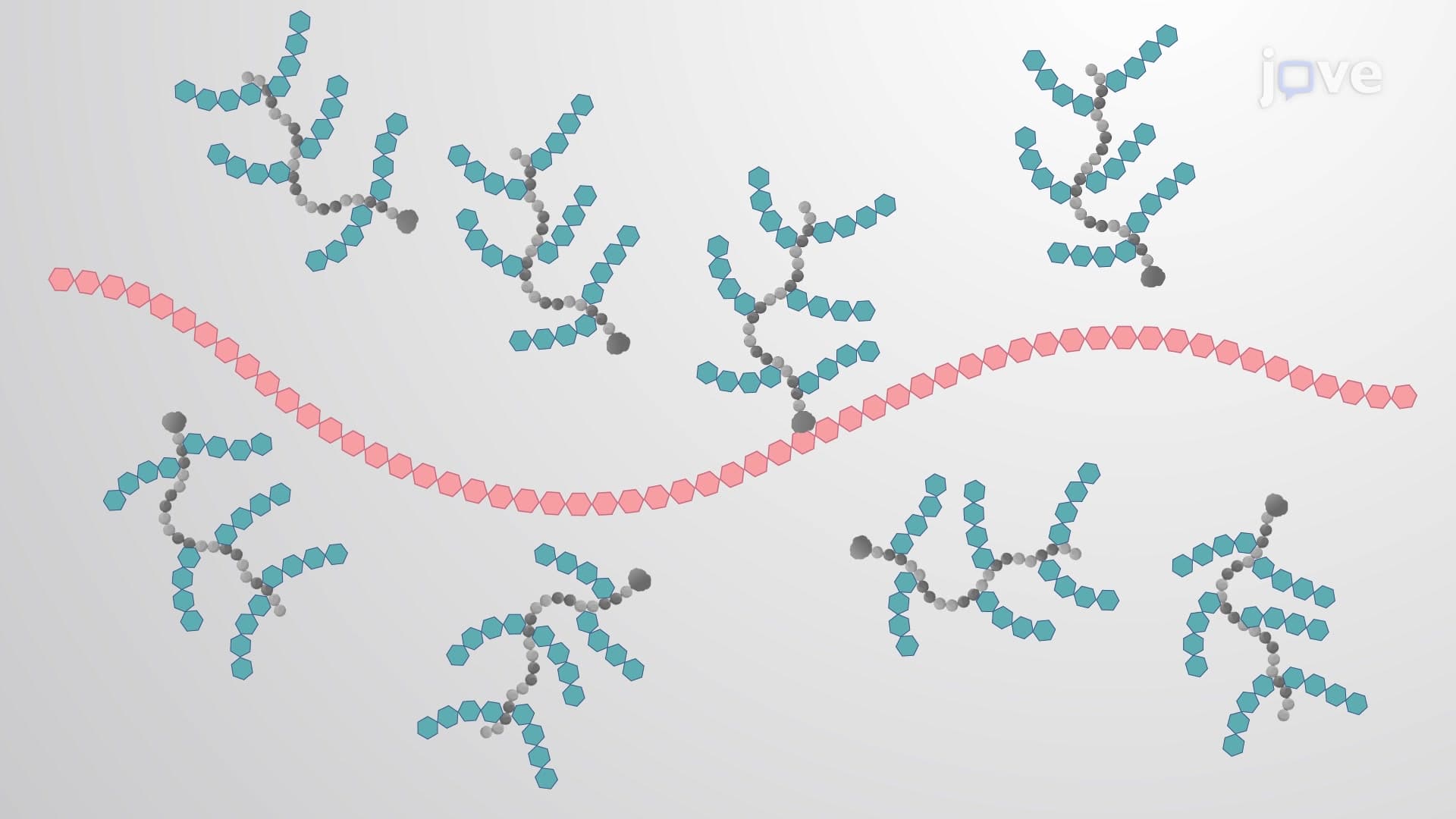
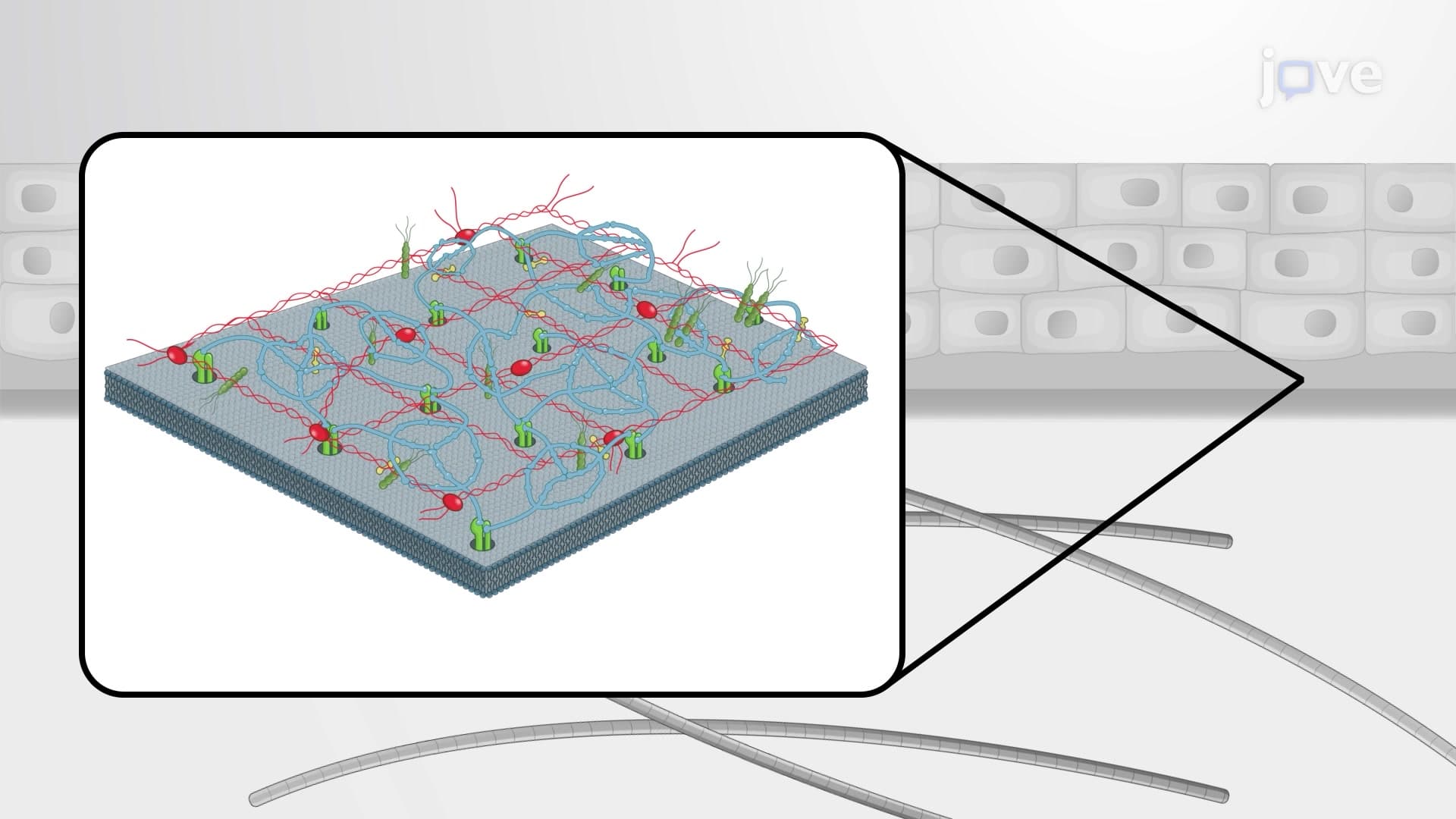
Fibroblasts serve as the primary collagen factories in most tissues, though smooth muscle cells and epithelial cells also contribute to collagen production in specific locations. This distributed manufacturing system ensures that tissues can maintain and repair their collagen networks throughout life. Non-fibrillar collagens, such as Type IV found in basement membranes, demonstrate collagen's versatility beyond pure structural support. These specialized collagens form sheet-like networks that separate different tissue layers, such as the barrier between skin epidermis and dermis-a concept that appears regularly in anatomy courses and USMLE Step 1 examinations.
Frequently Asked Questions
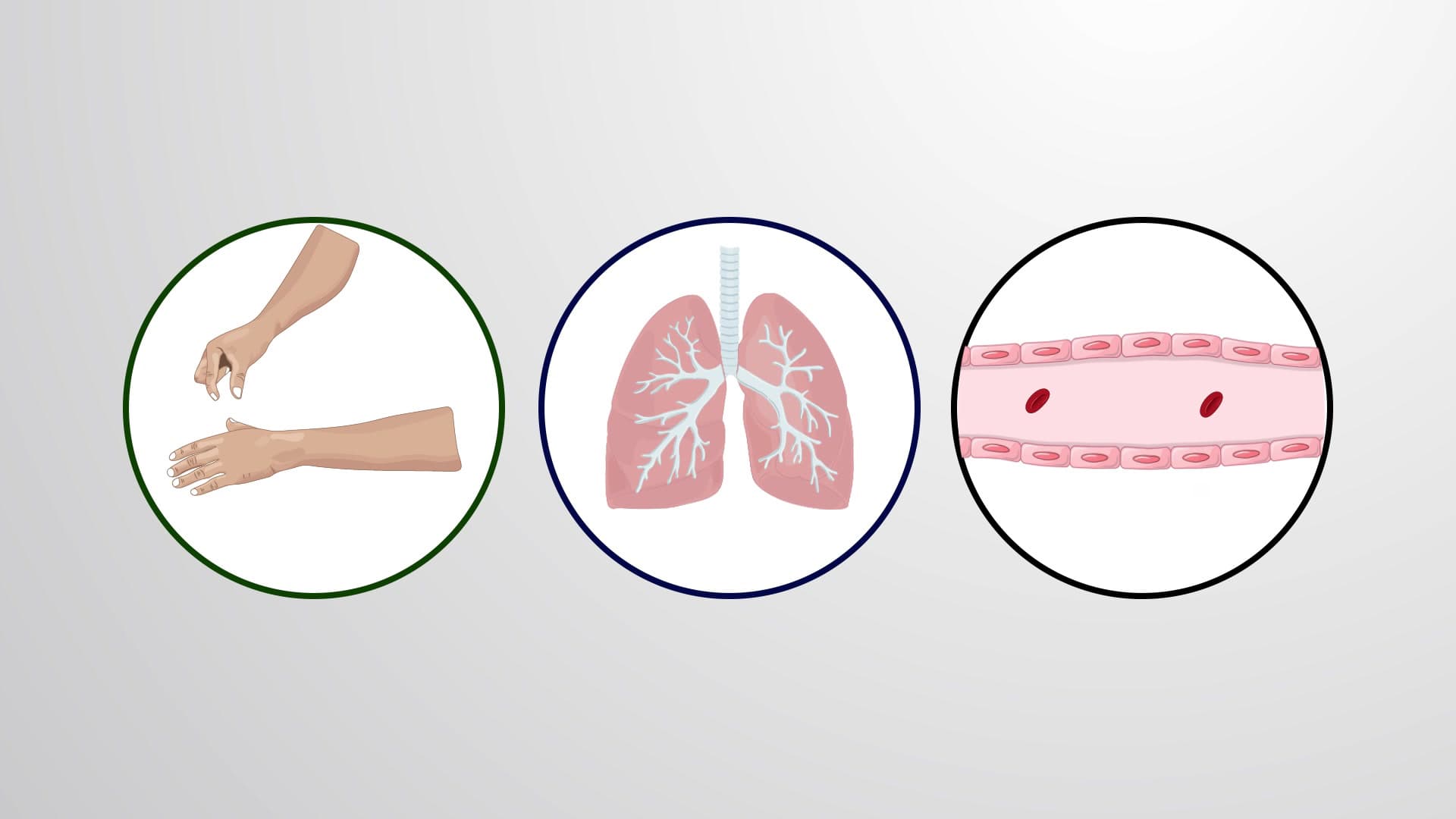
Collagens are the major structural proteins because they provide exceptional tensile strength and comprise nearly 30% of all body proteins. Their unique triple-helix structure and strategic location in the extracellular matrix allow them to form the scaffolding that holds tissues together. Unlike other proteins that work inside cells, collagens create the mechanical framework that gives strength to tendons, bones, skin, and blood vessels.
Focus on understanding the relationship between collagen's amino acid composition and its structural properties, especially the role of glycine in triple-helix formation. Practice identifying different collagen types and their tissue locations-Type I in bones and tendons, Type IV in basement membranes. Review the hierarchical organization from molecules to fibrils to fibers, as this frequently appears in structure-function relationship questions.
AP Biology exams commonly test collagen as an example of protein structure-function relationships and extracellular matrix components. Expect questions about how amino acid sequence determines protein shape, the role of hydrogen bonds in maintaining structure, and how collagen exemplifies the connection between molecular structure and biological function. Understanding collagen synthesis by fibroblasts also connects to cell biology topics.
Collagen disorders significantly impact American healthcare, with conditions like Ehlers-Danlos syndrome affecting connective tissue strength and leading to joint hypermobility and skin fragility. Age-related collagen breakdown contributes to wrinkles and joint stiffness, while sports injuries often involve collagen-rich structures like ACL tears that require months of recovery due to poor blood supply in tendons and ligaments.
No advanced chemistry background is required to grasp collagen concepts at the high school or introductory college level. Understanding basic amino acid properties, hydrogen bonding, and protein structure hierarchy provides sufficient foundation. The key is visualizing how molecular structure creates mechanical properties-think of collagen like a biological rope where individual fibers twist together for maximum strength.
Create concept maps connecting collagen structure to function, starting with amino acid composition and building up to tissue-level organization. Use clinical examples like tendon injuries or aging skin to reinforce concepts. Practice drawing the hierarchical organization from triple-helix molecules to fibrils to fibers, and memorize which cell types produce collagen in different tissues. Flashcards work well for collagen types and their tissue distributions.
After mastering basic collagen structure, explore collagen synthesis pathways including the role of vitamin C in hydroxyproline formation-explaining why scurvy causes connective tissue problems. Study specific collagen diseases like osteogenesis imperfecta to see how genetic mutations affect structure and function. Advanced students can investigate collagen cross-linking and how it changes with aging, connecting to both biochemistry and clinical medicine.
Related Micro-courses
6 Concepts
12 Concepts

11 Concepts