Loading subject page…

- Cell Biology
- Extracellular Matrix in Animals
- Elastin is Responsible for Tissue Elasticity
Micro-course: Extracellular Matrix in Animals
45,310 views
Learn key concepts and earn your certificate.


Elastin is Responsible for Tissue Elasticity

00:00
01:12
Video Summary: Elastin Is Responsible for Tissue Elasticity Explained
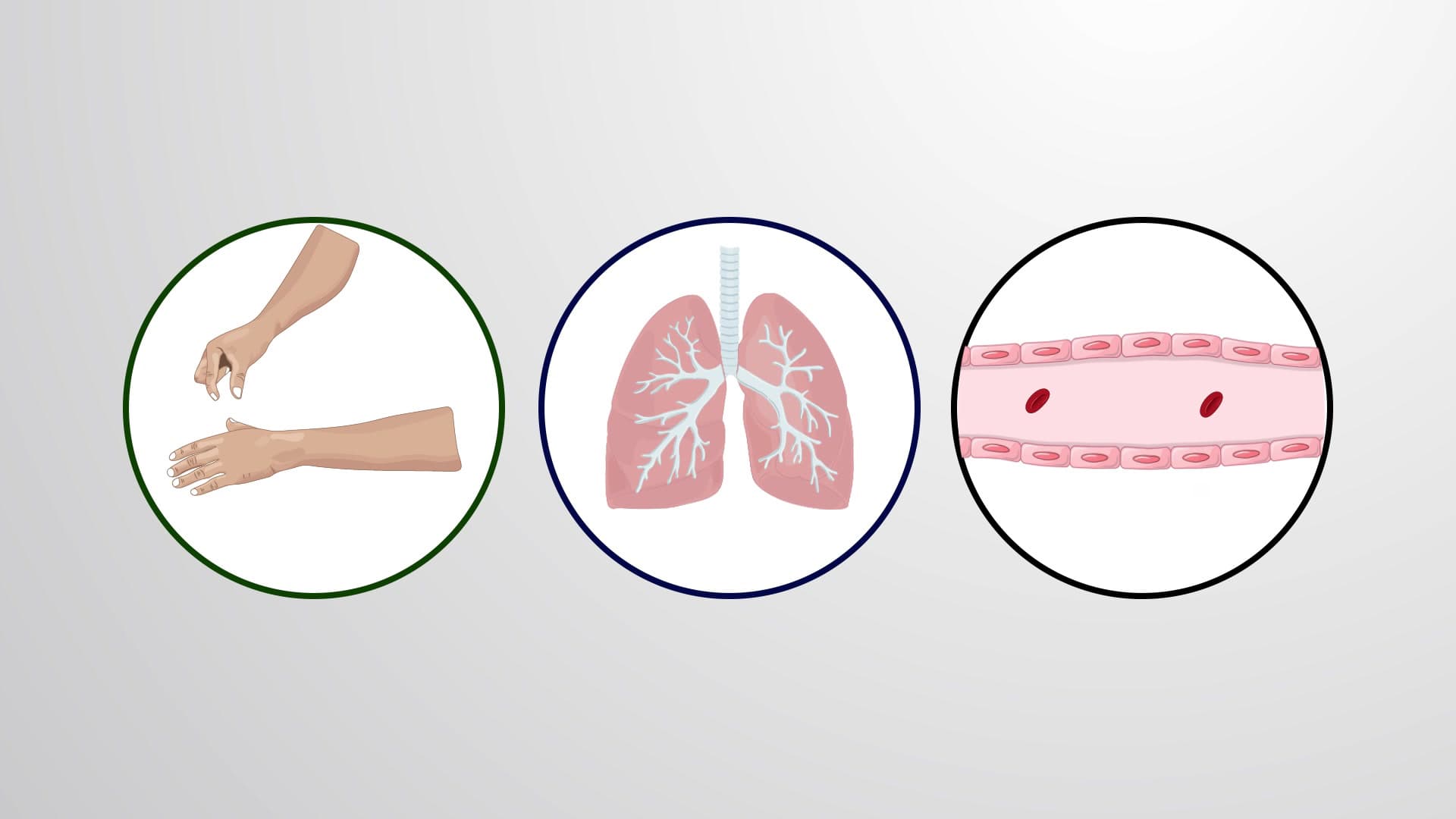
Why can your skin bounce back after being pinched while a piece of paper cannot? Elastin is responsible for tissue elasticity in crucial body structures like skin, lungs, and blood vessels. This protein's unique molecular design allows tissues to stretch over five times more than rubber bands of similar thickness. Consider how surgeons at Johns Hopkins rely on understanding tissue elasticity when performing reconstructive procedures on burn patients. Elastin IS Responsible For Tissue Elasticity Explained reveals the molecular mechanisms behind this remarkable biological property. Watch the full video on JoVE Coach to master this concept with expert-led visuals and step-by-step explanations.
- Understand how Elastin IS Responsible For Tissue Elasticity Explained through its unique protein structure and molecular composition
- Identify the key components of elastic fibers, including tropoelastin, microfibrils, and cross-linking domains
- Analyze the relationship between hydrophobic motifs and elastin's ability to stretch and recoil
- Compare the elastic properties of elastin fibers to common materials like rubber bands
- Evaluate the role of cross-linking domains in creating stable yet flexible tissue structures
- Apply knowledge of elastin structure to explain why certain tissues maintain elasticity throughout life
- Recognize the clinical significance of elastin in conditions affecting skin, lungs, and cardiovascular systems
- Explore how elastin degradation contributes to aging-related changes in tissue flexibility
How Elastin IS Responsible For Tissue Elasticity at the Molecular Level
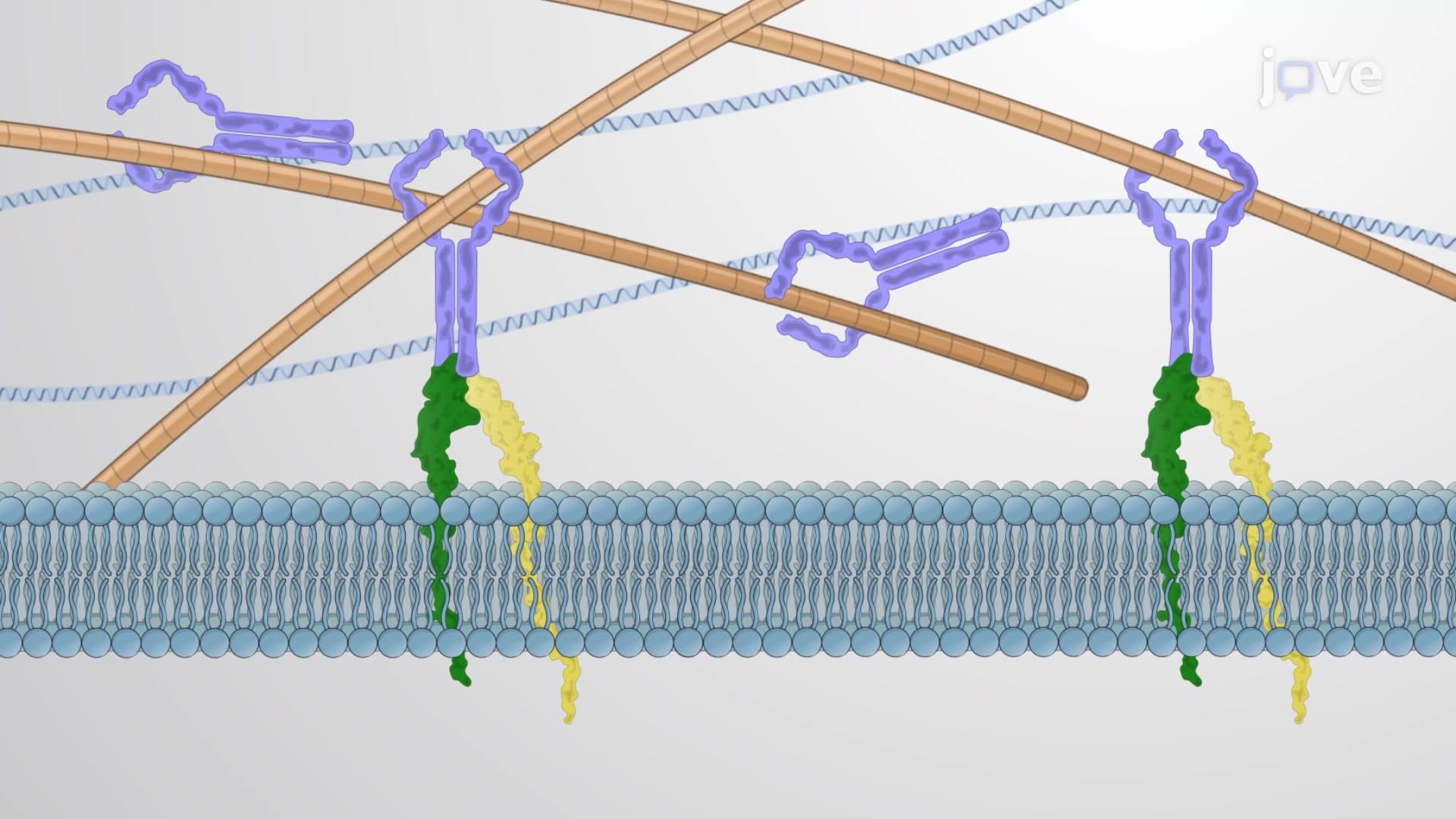
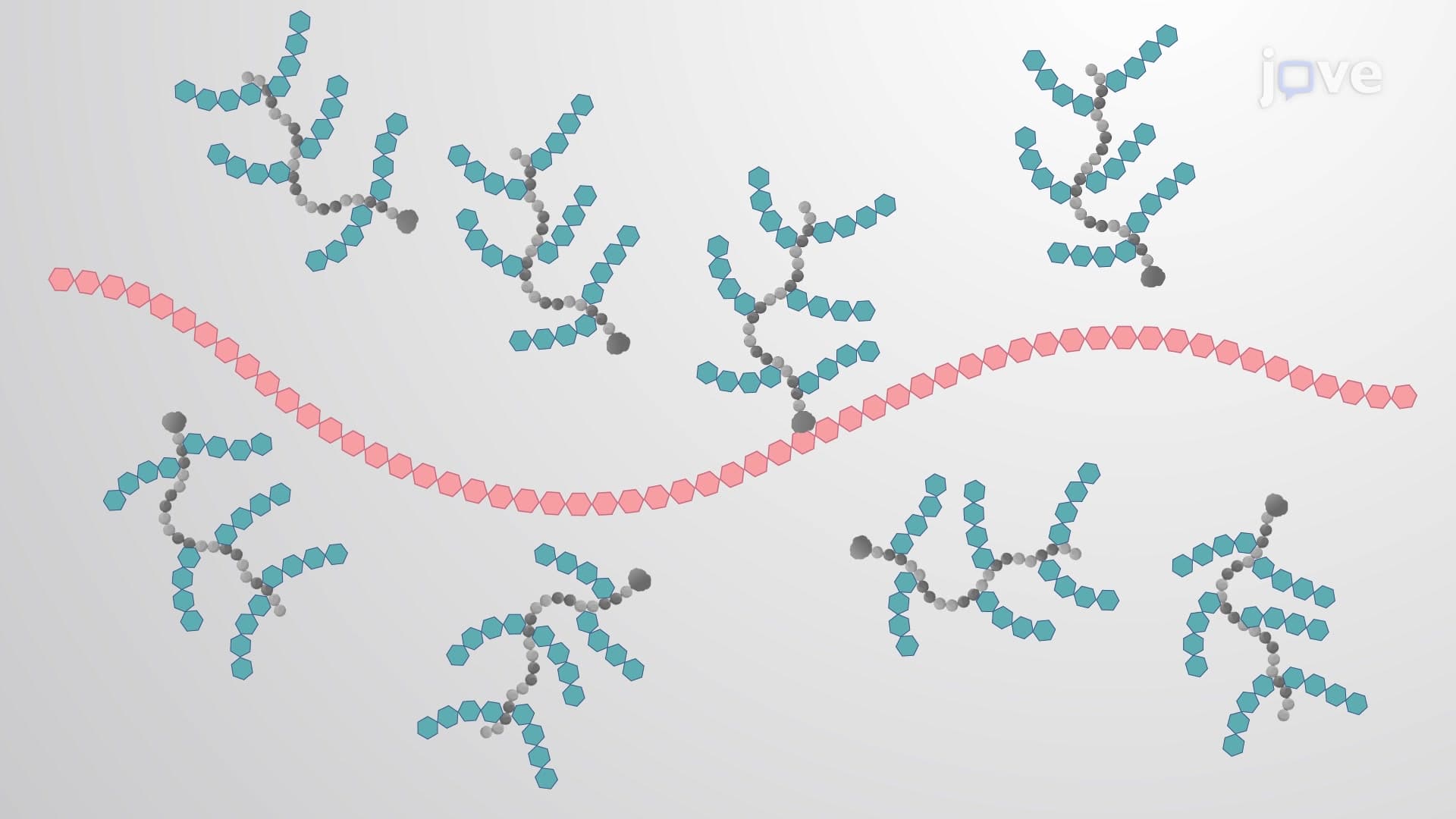
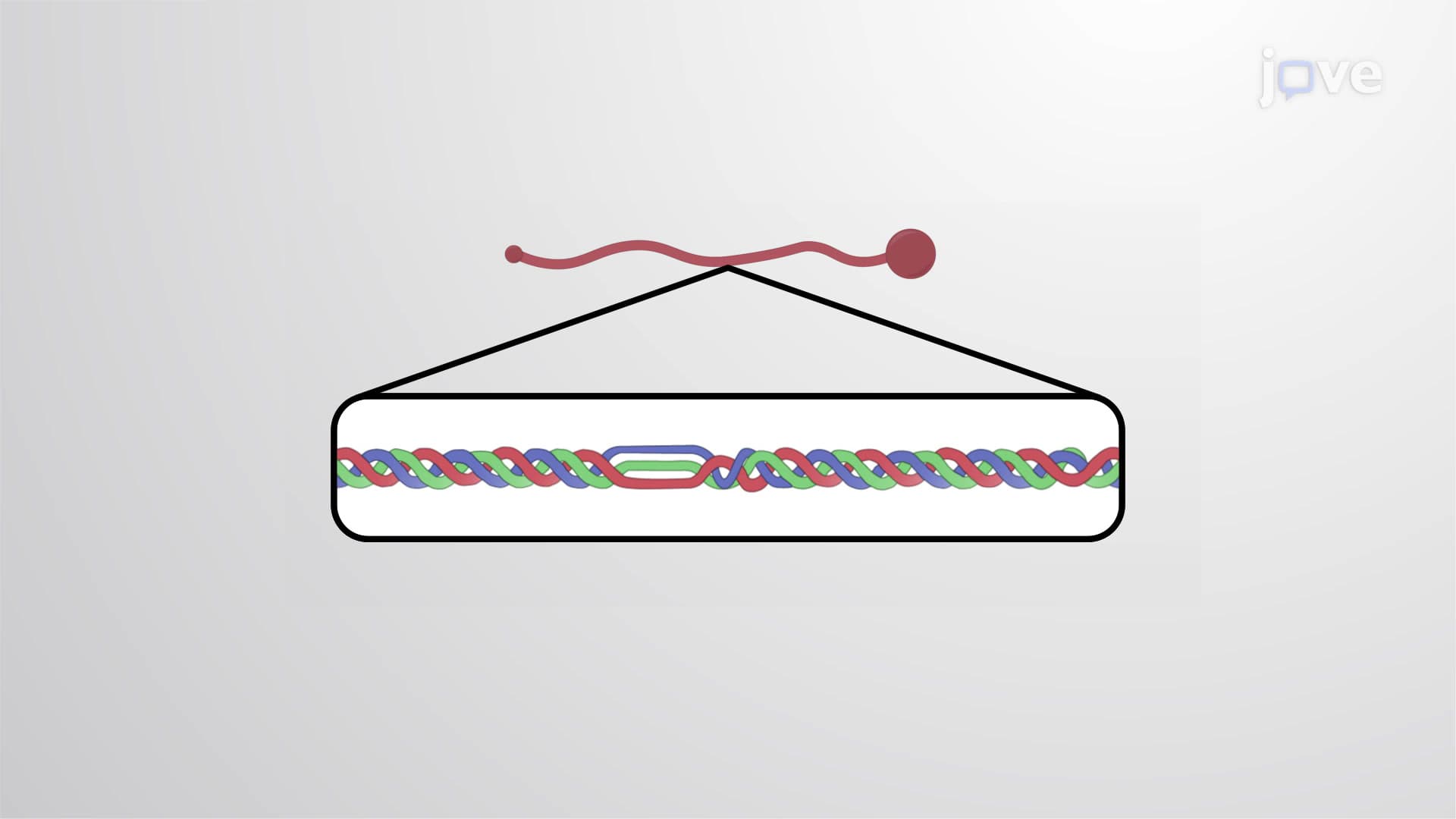
Understanding elastin is responsible for tissue elasticity begins with examining its remarkable molecular architecture. Unlike rigid structural proteins such as collagen, elastin possesses a unique design that prioritizes flexibility over strength. The protein's structure consists of tropoelastin molecules-the building blocks that ultimately determine how tissues respond to mechanical stress.
Tropoelastin Structure and Hydrophobic Domain Function
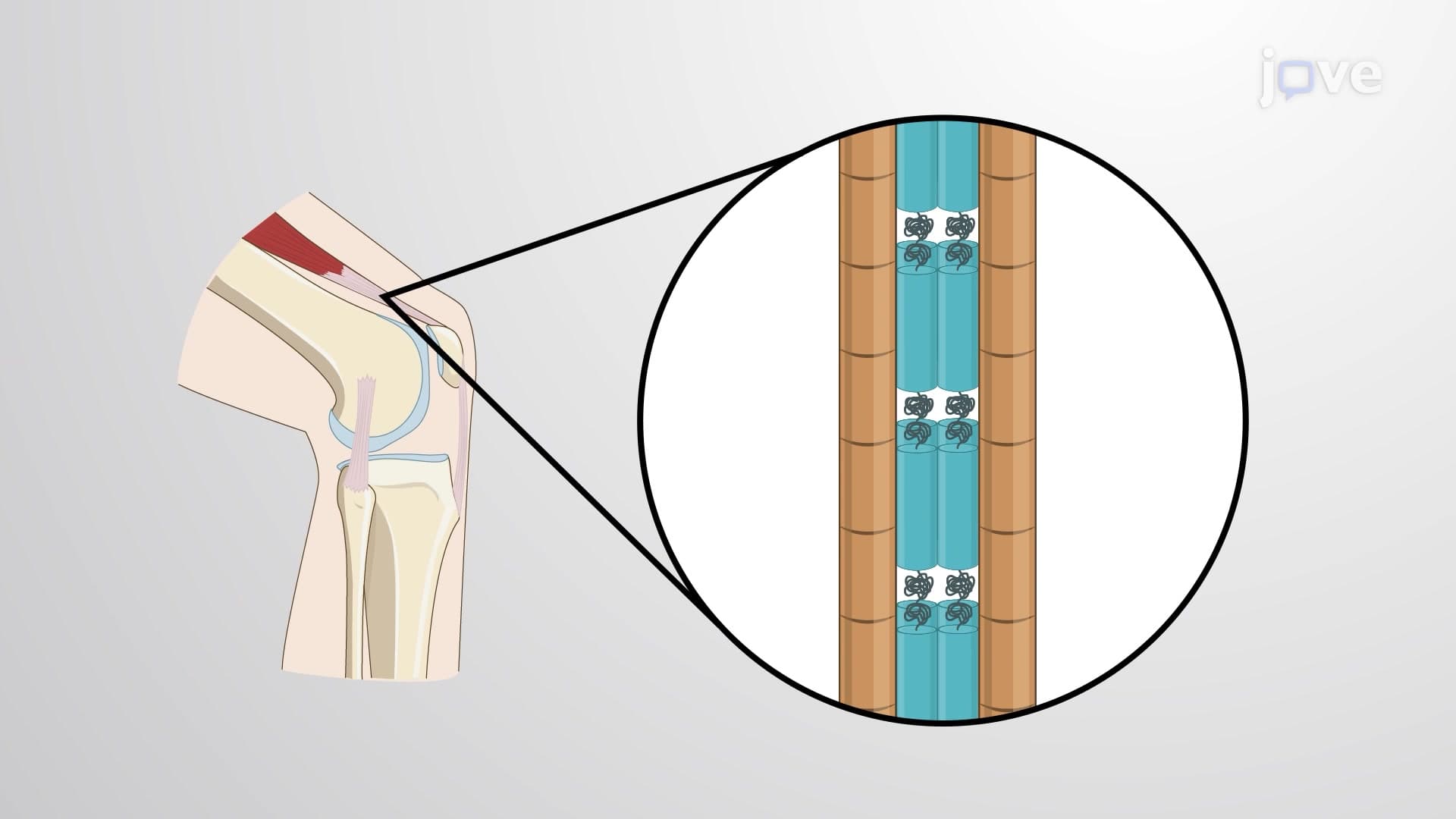
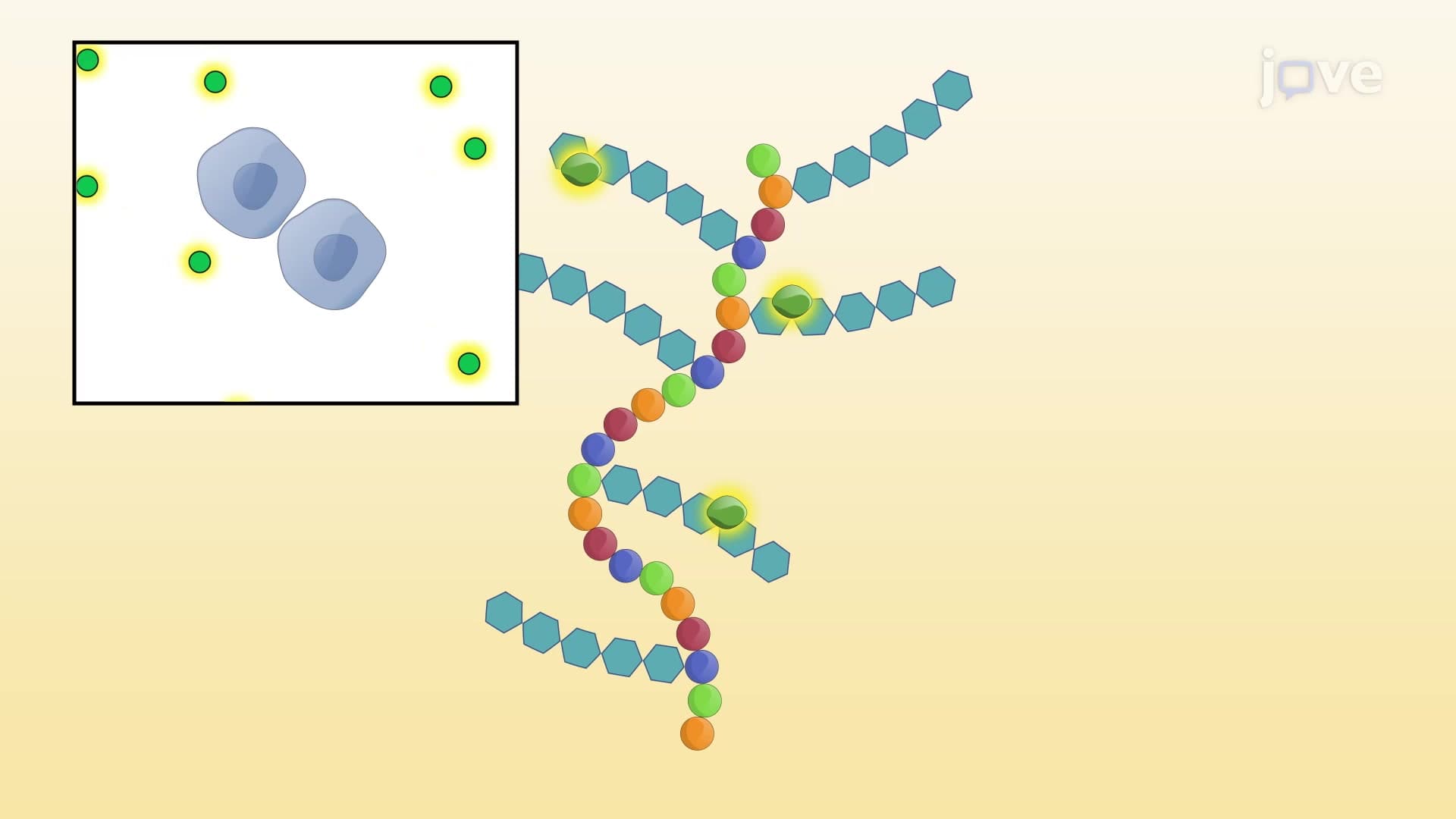
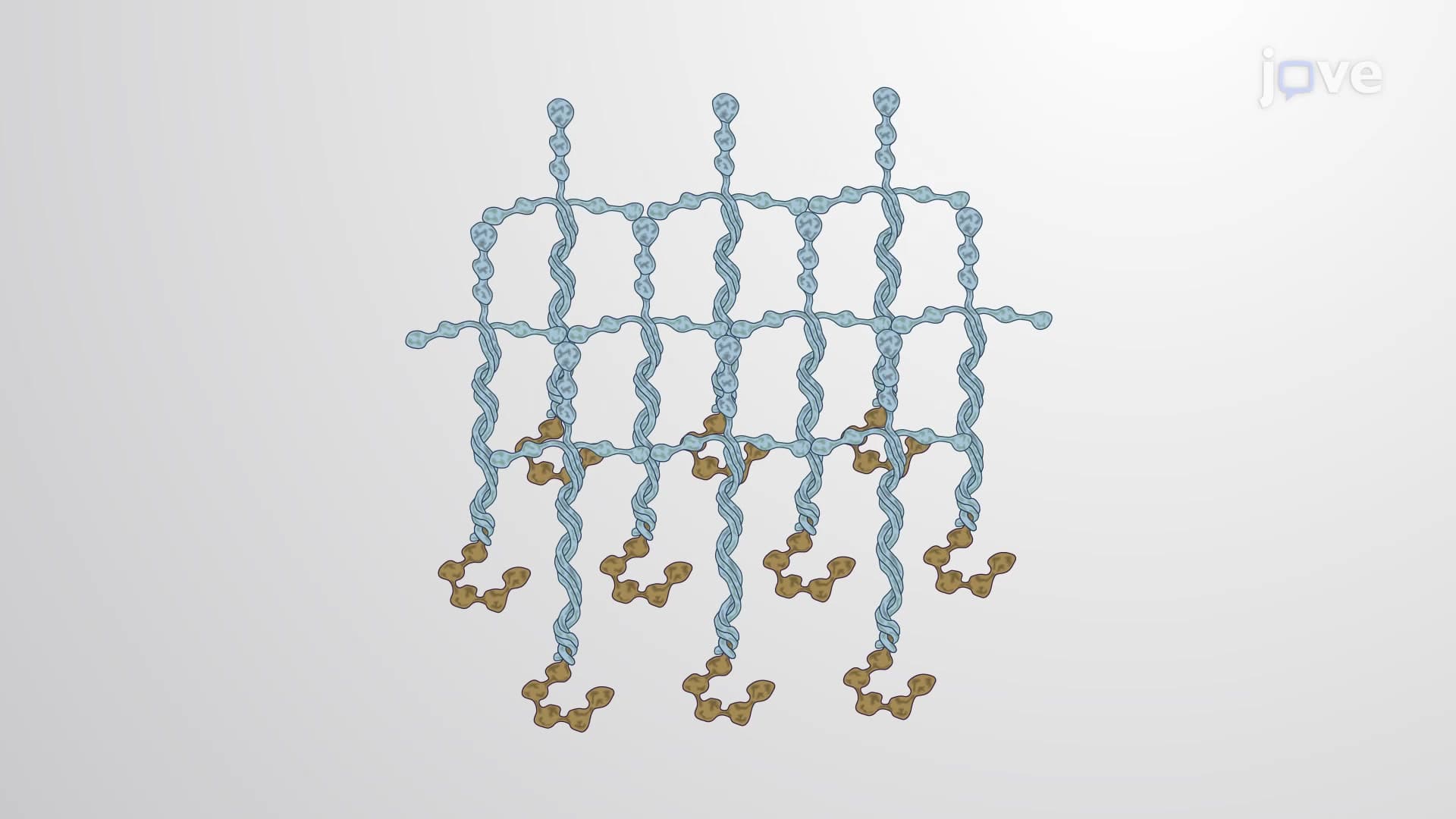
The elastin is responsible for tissue elasticity concept centers on tropoelastin's alternating domain structure. These precursor molecules contain hydrophobic regions comprising over 80% of the total protein mass. These hydrophobic motifs enable elastin molecules to self-associate through weak intermolecular forces, creating a network that can compress and expand repeatedly without structural damage. This mechanism explains why skin maintains its elasticity despite constant stretching during movement.
When studying for the MCAT or AP Biology exams, students should focus on how hydrophobic interactions differ from the stronger covalent bonds found in other structural proteins. The Mayo Clinic's research on elastin demonstrates that this protein's flexibility stems from its ability to undergo conformational changes while maintaining structural integrity-a property essential for lung function during breathing cycles.
Cross-Linking Mechanisms and Fiber Maturation
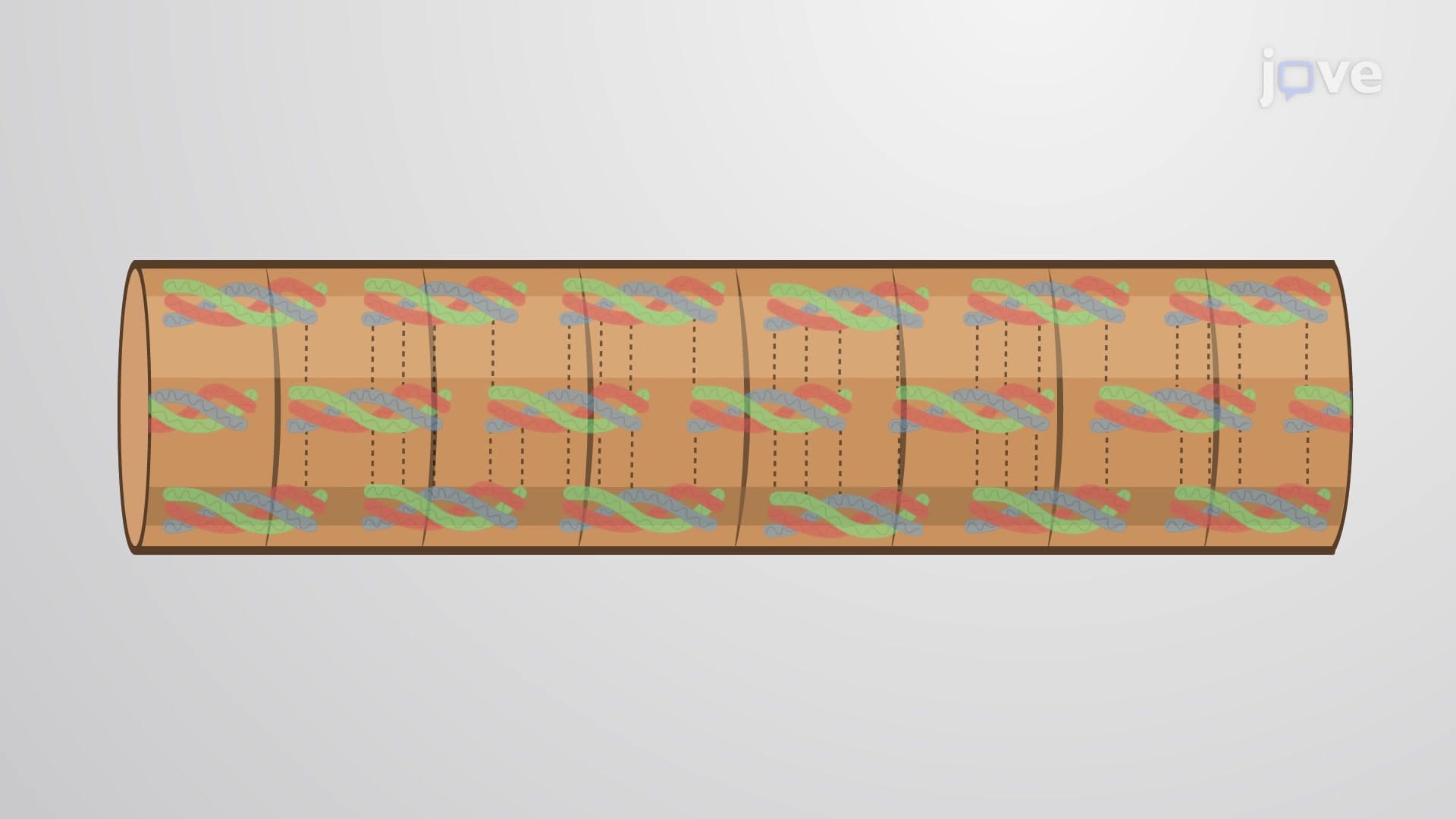
The elastin is responsible for tissue elasticity tutorial reveals how cross-linking domains create stable yet flexible networks. Unlike the rigid cross-links in collagen, elastin cross-links (primarily desmosine and isodesmosine) form through lysine residues in specific regions. These cross-links connect neighboring tropoelastin molecules without restricting their movement, creating what biomechanical engineers describe as an "entropic spring."
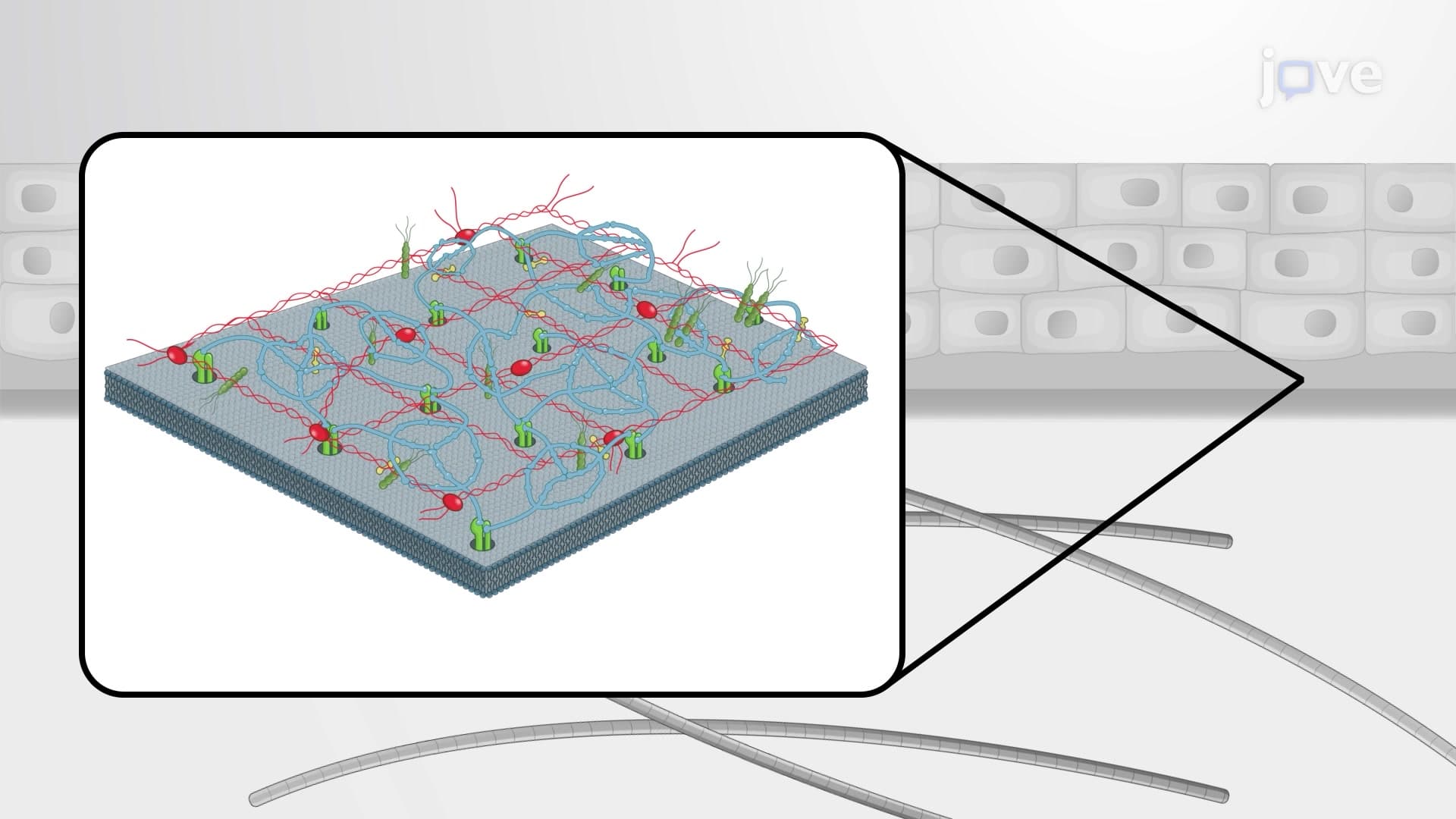
During fiber maturation, tropoelastin aggregates form an amorphous core surrounded by microfibril scaffolding. This organization allows elastic fibers to stretch more than fivefold compared to rubber materials of similar cross-section-a fact frequently tested in college biochemistry courses.
Clinical Applications and Pathological Conditions
Understanding elastin is responsible for tissue elasticity proves crucial for comprehending various medical conditions. Marfan syndrome, commonly discussed in USMLE Step 1 preparation, involves defective fibrillin-1 microfibrils that impair elastin fiber assembly. Patients at institutions like Cleveland Clinic present with cardiovascular complications because their aortic walls lack proper elasticity.
Similarly, emphysema results from elastin degradation in lung tissue, reducing the organ's ability to recoil during expiration. This connection between molecular structure and clinical presentation frequently appears in NCLEX-RN examinations, emphasizing why nursing students must understand elastin's role in tissue mechanics.
Frequently Asked Questions
Elastin is the primary protein that gives tissues their ability to stretch and return to their original shape. This fibrous protein creates networks within the extracellular matrix that can extend and recoil repeatedly without damage. Unlike other structural proteins, elastin's unique molecular design prioritizes flexibility, making it essential for organs that must change shape during normal function, such as lungs during breathing and arteries during blood circulation.
MCAT questions often focus on elastin's hydrophobic domains and cross-linking mechanisms, asking students to compare its properties with collagen or predict how mutations might affect tissue elasticity. AP Biology exams frequently test understanding of protein structure-function relationships using elastin as an example. Students should know that elastin's ability to stretch comes from its high proportion of hydrophobic amino acids and unique cross-linking pattern. Practice questions typically involve analyzing experimental data about tissue elasticity or explaining how elastin degradation affects organ function.
Create visual diagrams showing tropoelastin's alternating domains and use acronyms like "HCLM" (Hydrophobic, Cross-linking, Lysine, Microfibrils) to remember key components. Focus on understanding the relationship between structure and function rather than memorizing isolated facts. Practice drawing the progression from tropoelastin to mature elastic fibers, and connect each step to specific functional outcomes. Many students find success using flashcards that link molecular features to clinical examples, such as how elastin loss contributes to wrinkle formation or emphysema development.
Surgeons at major medical centers like Johns Hopkins and Mayo Clinic consider tissue elasticity when planning reconstructive procedures, particularly for burn victims or patients requiring skin grafts. Pulmonologists rely on understanding elastin when treating emphysema patients, as the disease involves elastin degradation that reduces lung recoil capacity. Cardiologists monitor aortic elasticity in patients with connective tissue disorders, since reduced elastin function can lead to aortic dilation and potentially life-threatening complications requiring surgical intervention.
Elastin concepts are absolutely manageable for high school students, especially those in AP Biology or dual-enrollment courses. The key is focusing on the big picture-how molecular structure relates to tissue function-rather than memorizing every biochemical detail. Start with familiar examples like skin elasticity or lung expansion, then work backward to understand the molecular basis. Most successful students begin by learning basic protein structure concepts before diving into elastin's specific features.
Focus on elastin's role in connective tissue disorders, particularly Marfan syndrome and Ehlers-Danlos syndrome, as these frequently appear in clinical vignettes. Understand how elastase activity contributes to emphysema pathogenesis and why alpha-1 antitrypsin deficiency leads to lung tissue destruction. Study the relationship between elastin degradation and aging-related skin changes. Practice identifying elastin-related pathology in histological images and connecting molecular defects to clinical presentations in cardiovascular and pulmonary systems.
Investigate elastin's role in vascular aging and atherosclerosis development, particularly how elastin fragmentation contributes to arterial stiffness in elderly patients. Explore current research on elastin replacement therapies for treating emphysema and skin aging. Study biomechanical engineering applications where scientists design synthetic materials mimicking elastin's properties for medical devices. Consider examining evolutionary perspectives on elastin development and how different species have adapted elastic fiber composition for specific functional requirements.
Nurses must understand how elastin degradation affects wound healing and skin integrity in elderly patients, making this knowledge essential for preventing pressure ulcers and promoting recovery. NCLEX questions often test understanding of respiratory mechanics in emphysema patients, where elastin loss impairs lung function. Recognize how medications like corticosteroids can affect elastin synthesis and contribute to skin fragility in long-term users. This knowledge helps nurses provide appropriate patient education about skin care and respiratory management in various clinical settings.
Related Micro-courses
6 Concepts
12 Concepts

11 Concepts