Loading subject page…


45,327 views

Video Summary: Type Iv Collagen of Basal Lamina Explained
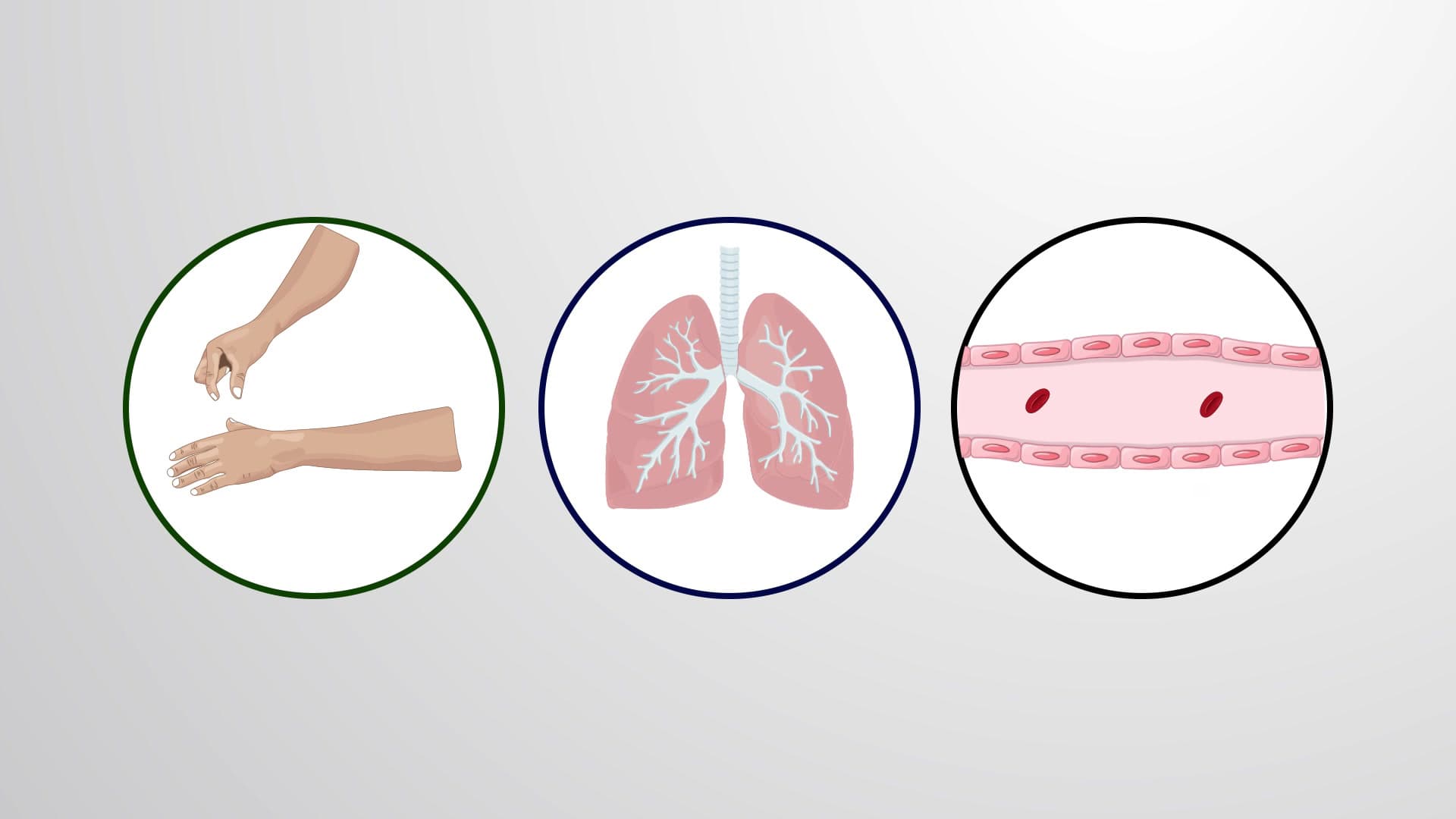
Did you know the basement membranes beneath every tissue in your body contain a specialized protein network that's like biological scaffolding? Type IV collagen of basal lamina forms intricate two-dimensional networks that provide structural support to tissues, from the kidney's filtration barrier to blood vessel walls throughout the cardiovascular system. This unique non-fibrillar collagen creates flexible yet strong networks through head-to-head and tail-to-tail molecular interactions. Watch the full video on JoVE Coach to master this concept with expert-led visuals and step-by-step explanations.
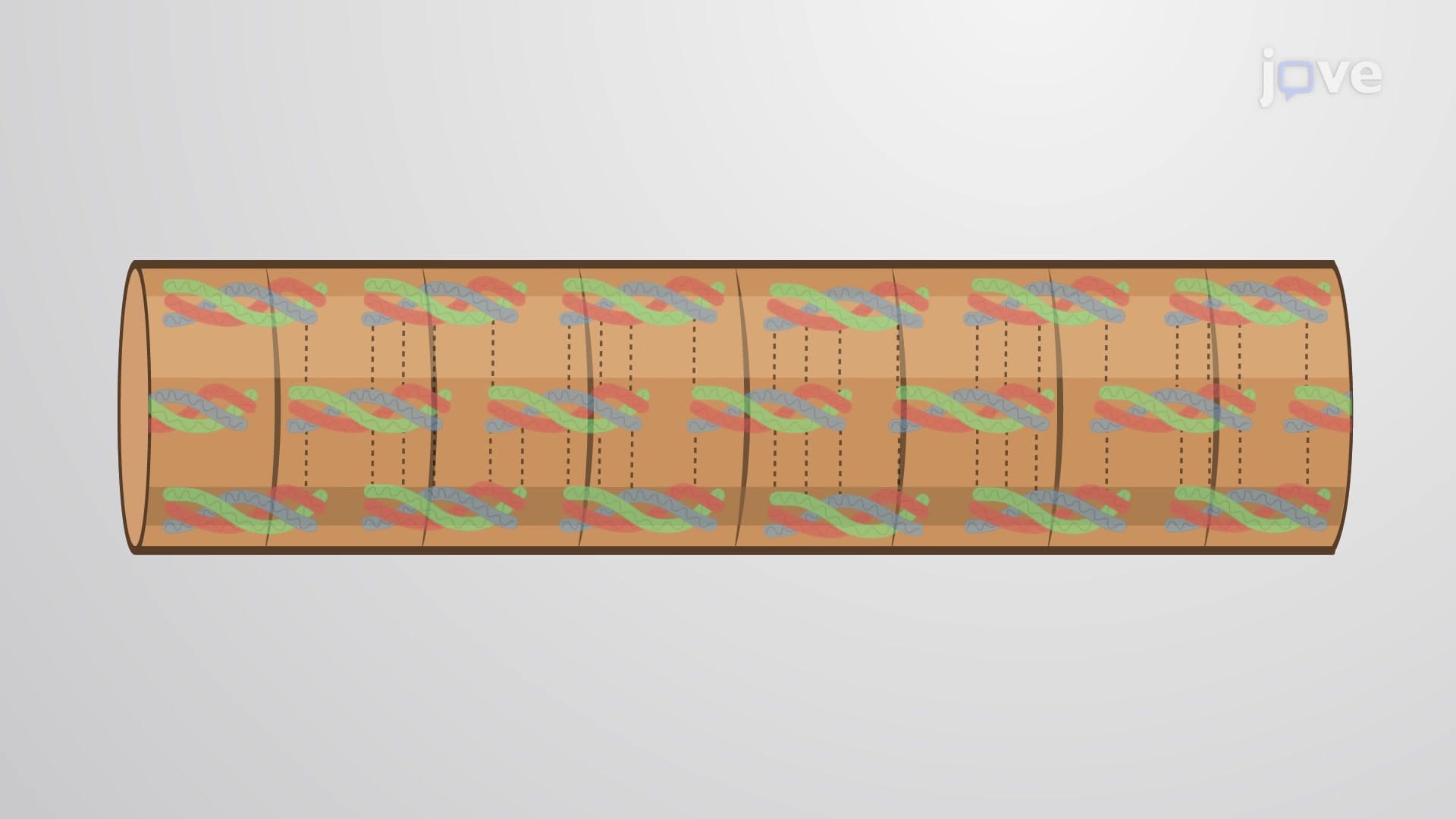
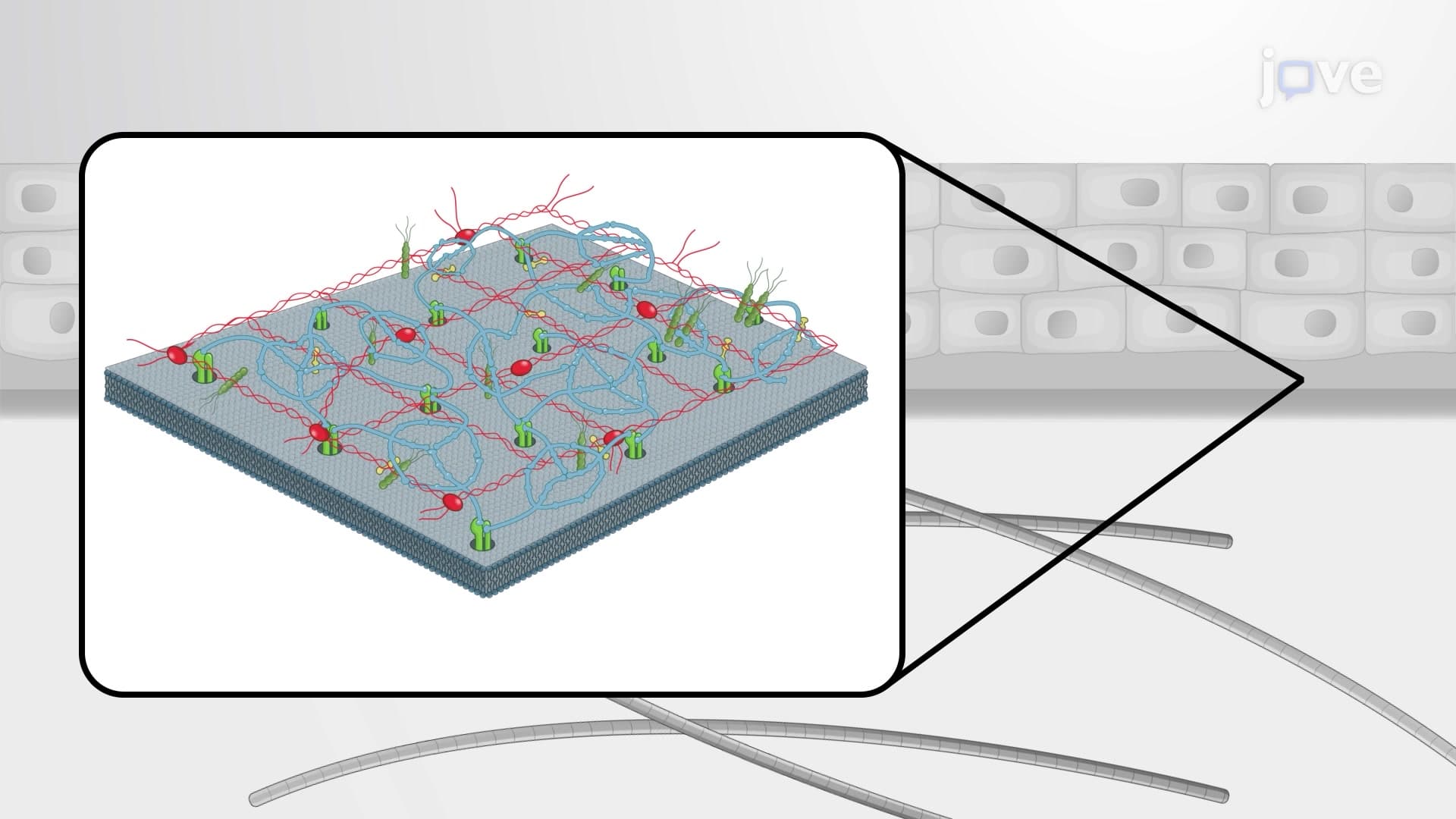
Type IV collagen represents a fundamentally different approach to structural support compared to the rope-like fibrillar collagens found in tendons and skin. This network-forming collagen creates the foundational framework of basement membranes, specialized extracellular matrix structures that separate epithelial and endothelial cells from underlying connective tissues. The 400-nanometer length places these molecules at an intermediate scale-roughly 40 times longer than a typical protein but much shorter than fibrillar collagen fibers.
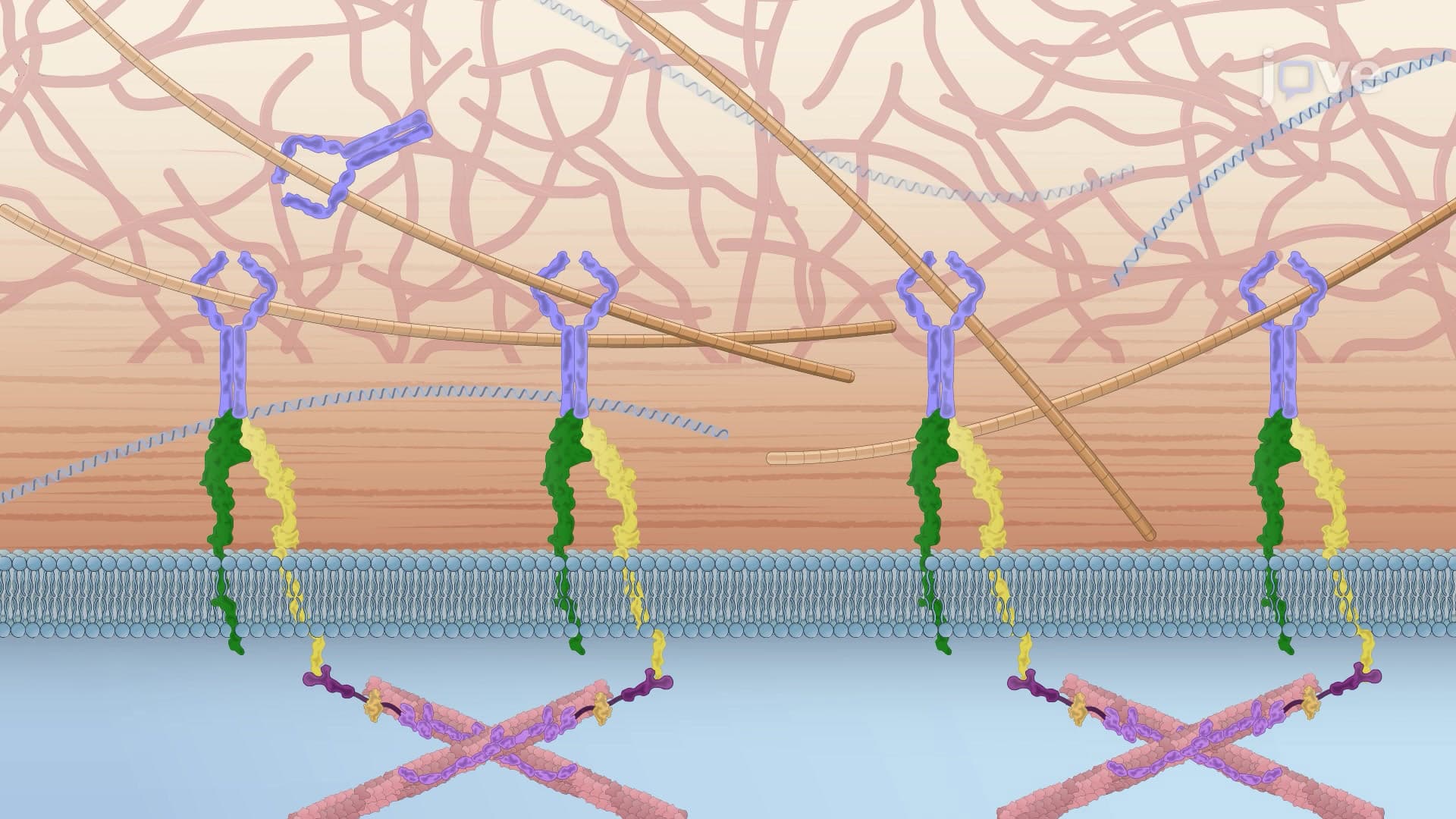
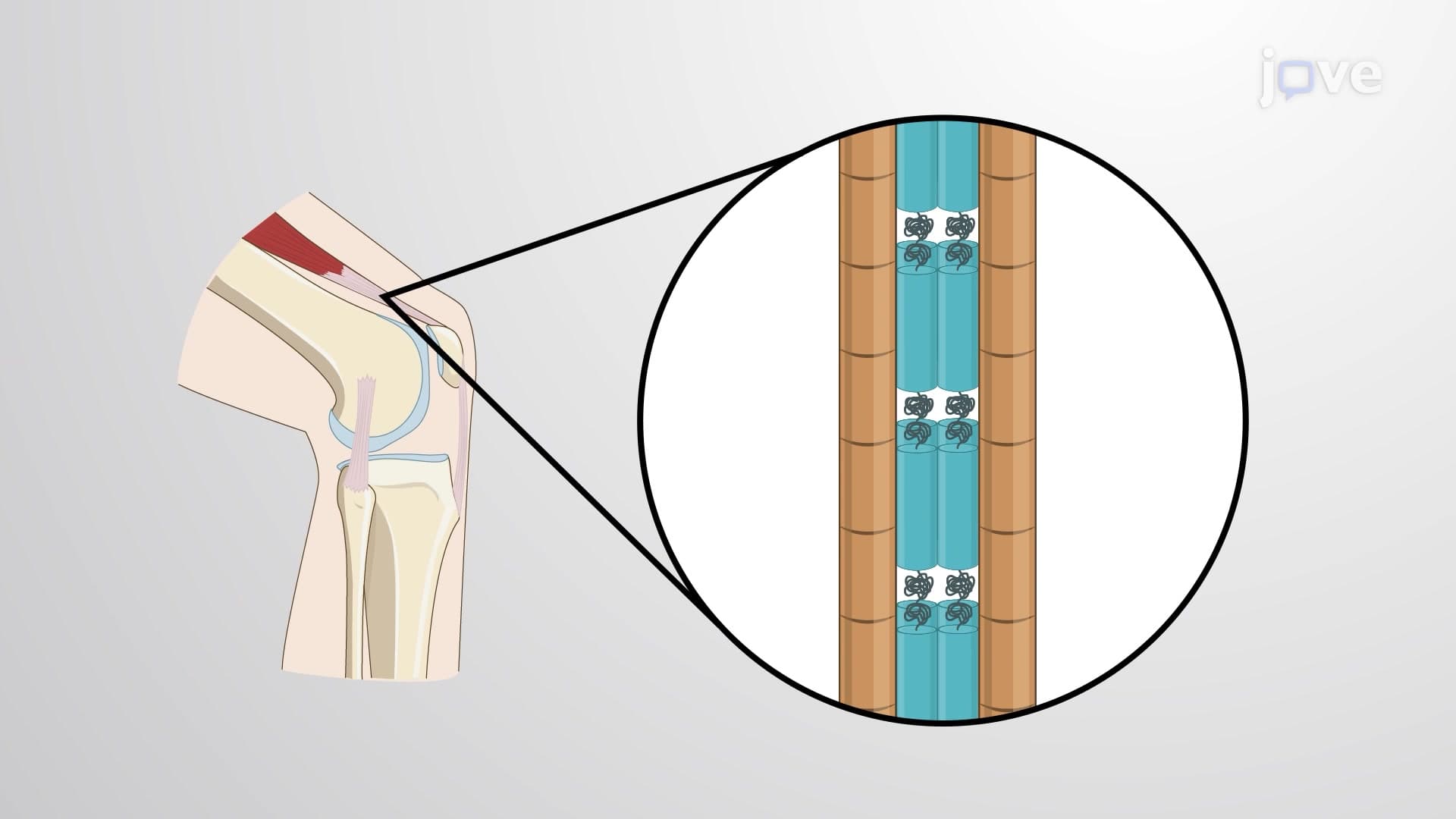
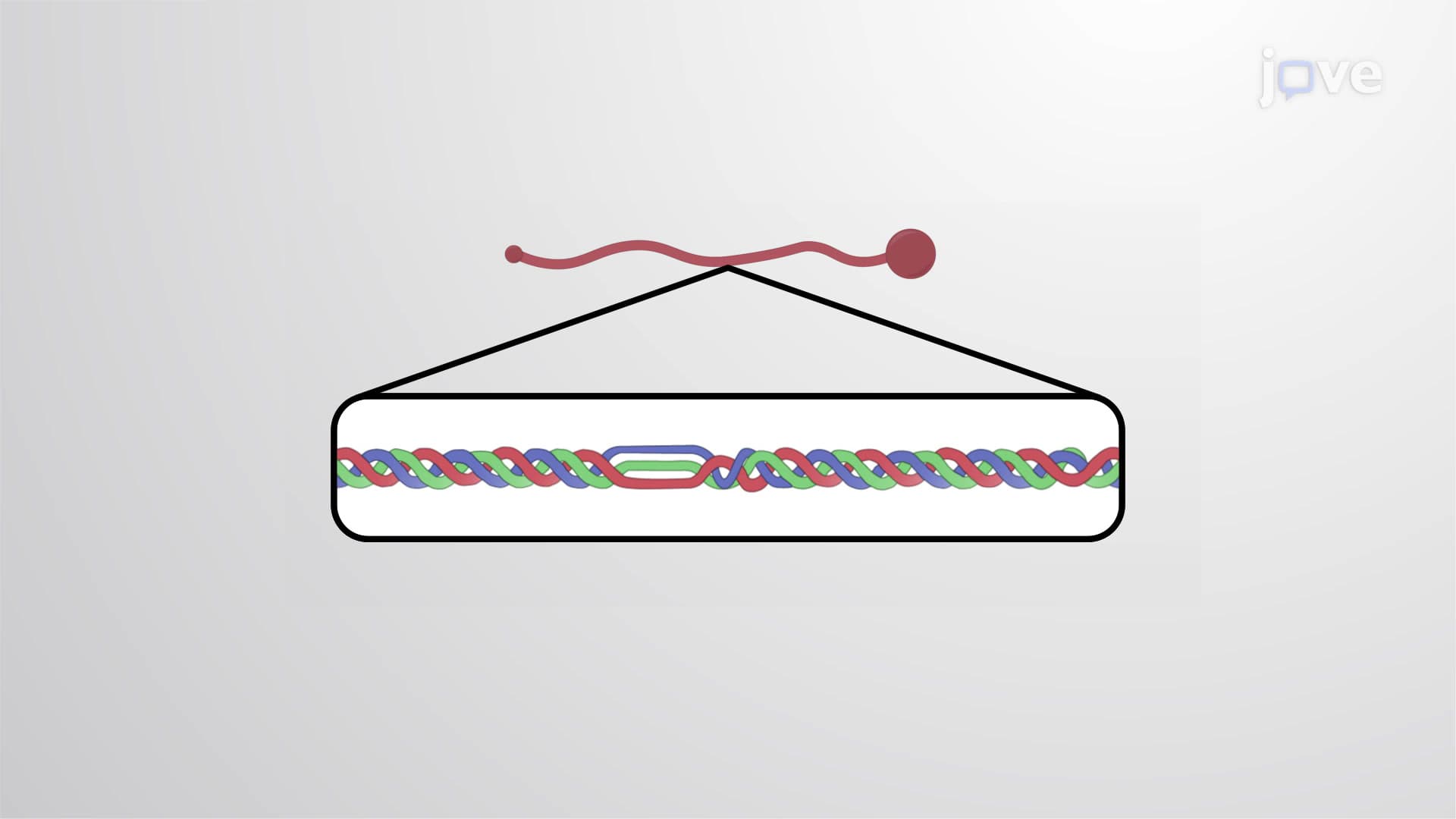
The interrupted triple helix design of Type IV collagen represents an evolutionary solution to competing structural demands. While continuous helical regions provide tensile strength, the strategically placed non-helical interruptions introduce controlled flexibility. This flexibility proves crucial in tissues like the kidney glomerulus, where basement membranes must maintain integrity while allowing selective filtration of blood components. The terminal globular domains act as molecular connection points, similar to specialized joints in architectural frameworks.
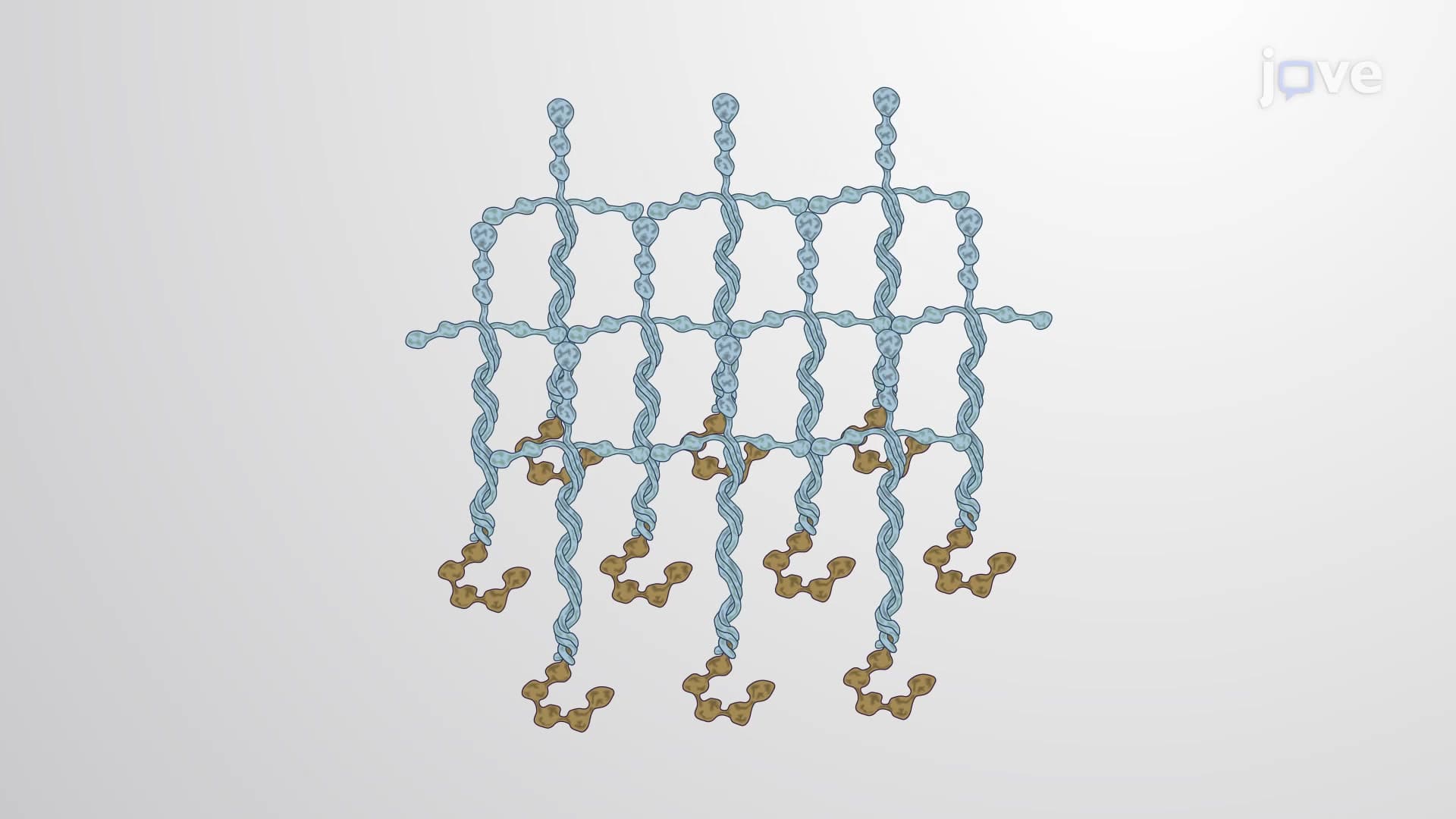
The assembly of Type IV collagen networks occurs through three distinct interaction mechanisms. Head-to-head interactions create dimers through N-terminal globular domains, while tail-to-tail interactions form tetramers via C-terminal domains. Lateral interactions between the triple-helical segments provide additional cross-linking. This multi-level association strategy creates irregular but stable two-dimensional networks that can adapt to tissue-specific mechanical demands while maintaining structural integrity.
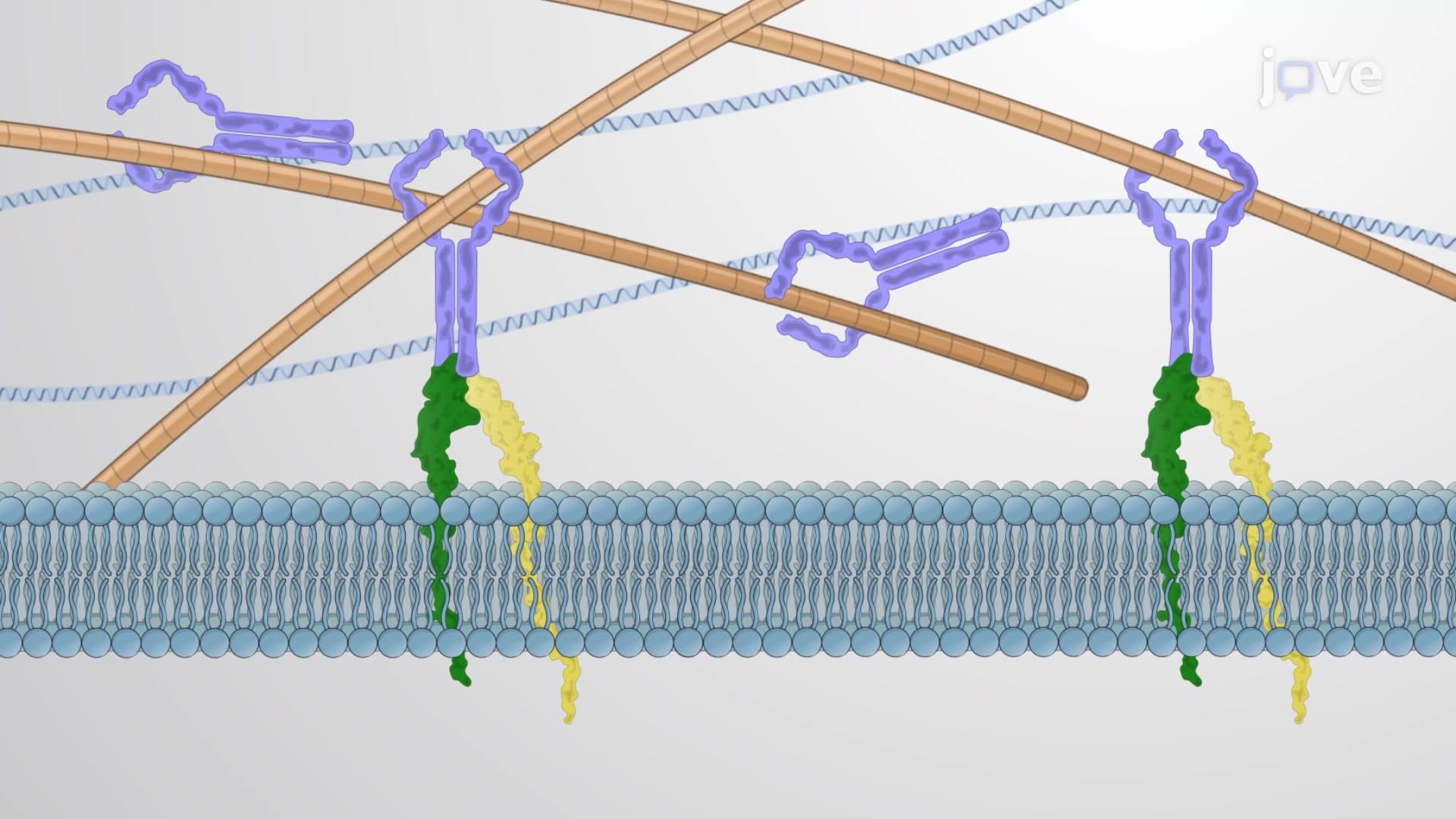
Understanding Type IV collagen networks proves essential for students preparing for advanced coursework and standardized exams. The MCAT frequently tests knowledge of extracellular matrix components, while AP Biology courses emphasize cell-matrix interactions. Clinical conditions like Alport syndrome result from mutations in Type IV collagen genes, leading to kidney disease and hearing loss. The integration with laminin, perlecan, and entactin creates the complete basement membrane structure that appears regularly in college-level cell biology and histology examinations.
Related Micro-courses