Loading subject page…


45,311 views


Video Summary: What are Fibronectins Connect Cells
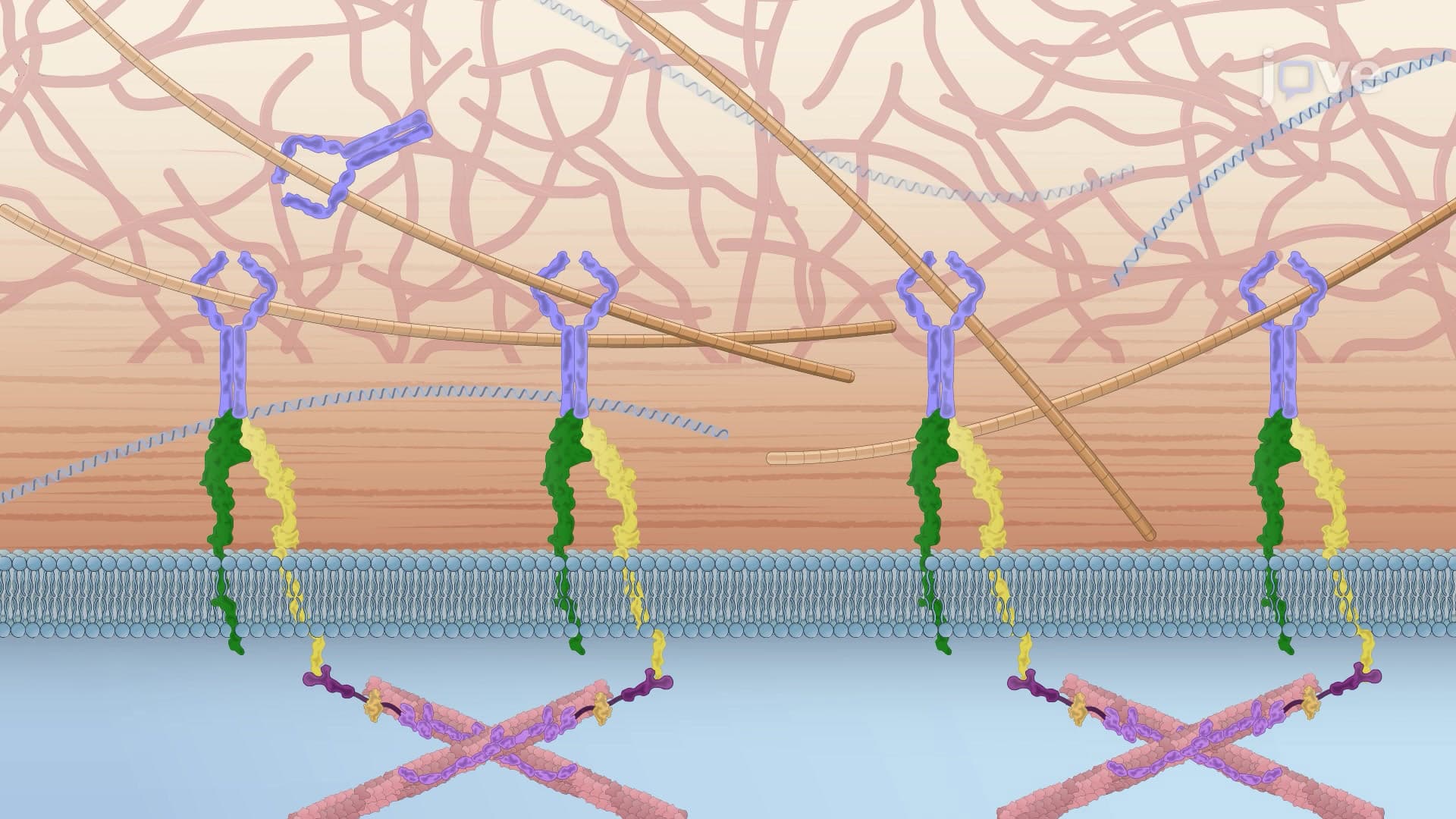
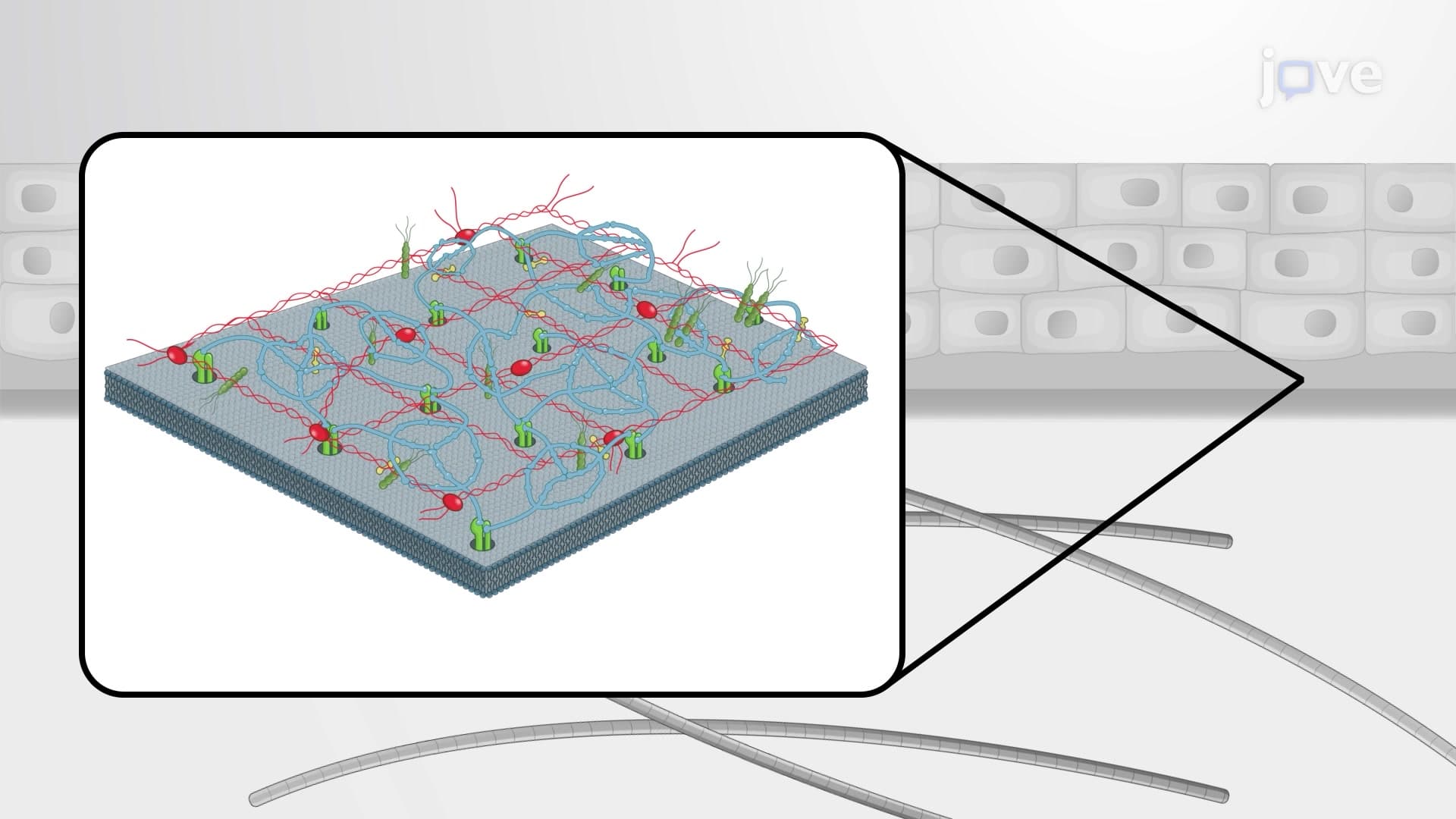
Ever wonder why a cut on your skin heals seamlessly? Fibronectins connect cells to the extracellular matrix, acting like molecular bridges that enable tissue repair and cellular movement. These adhesive glycoproteins play crucial roles in processes from wound healing after sports injuries to tissue development during growth. Understanding what are fibronectins connect cells reveals the intricate molecular machinery that keeps our bodies structurally sound and functionally coordinated. Watch the full video on JoVE Coach to master this concept with expert-led visuals and step-by-step explanations.
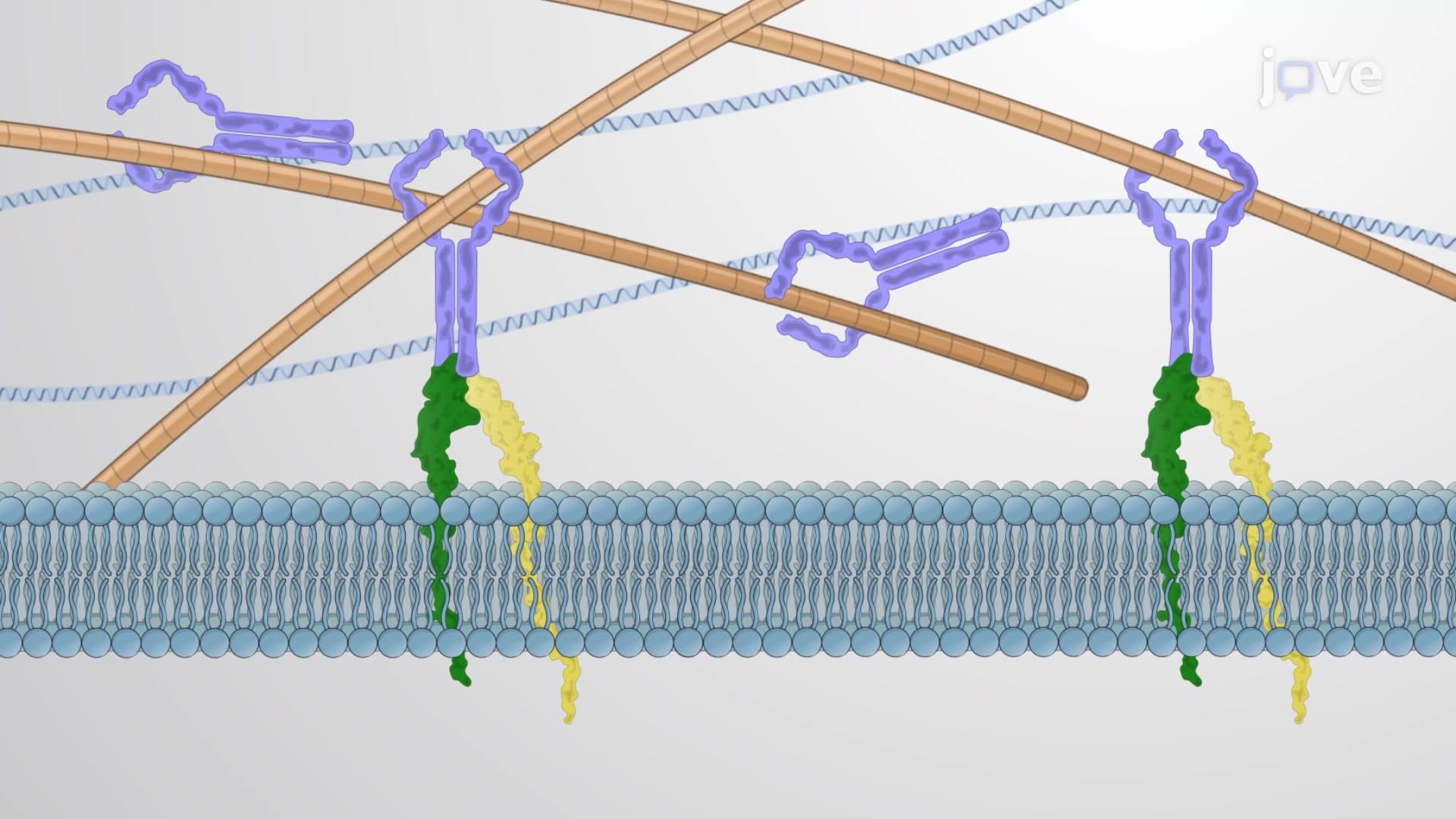
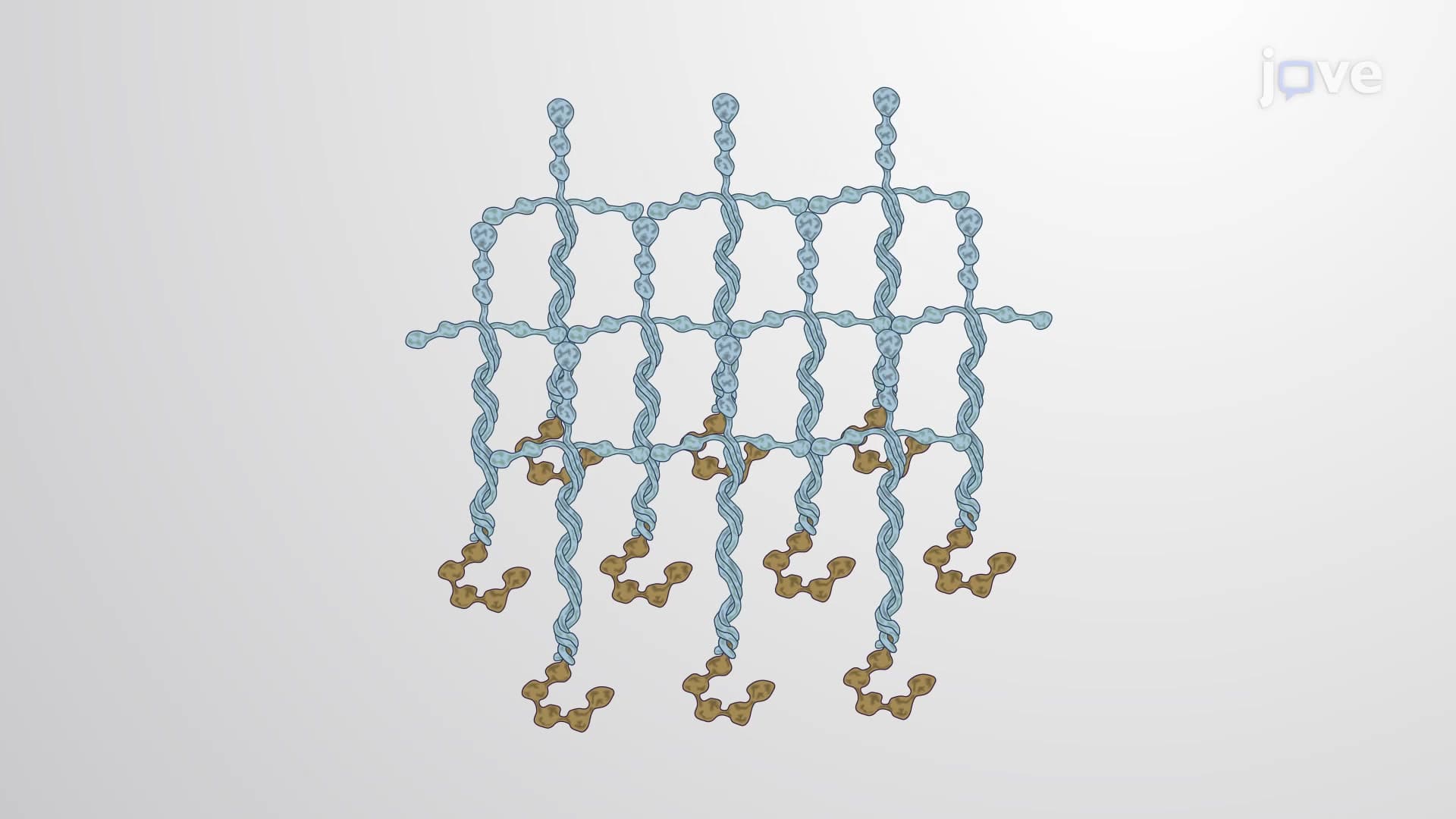
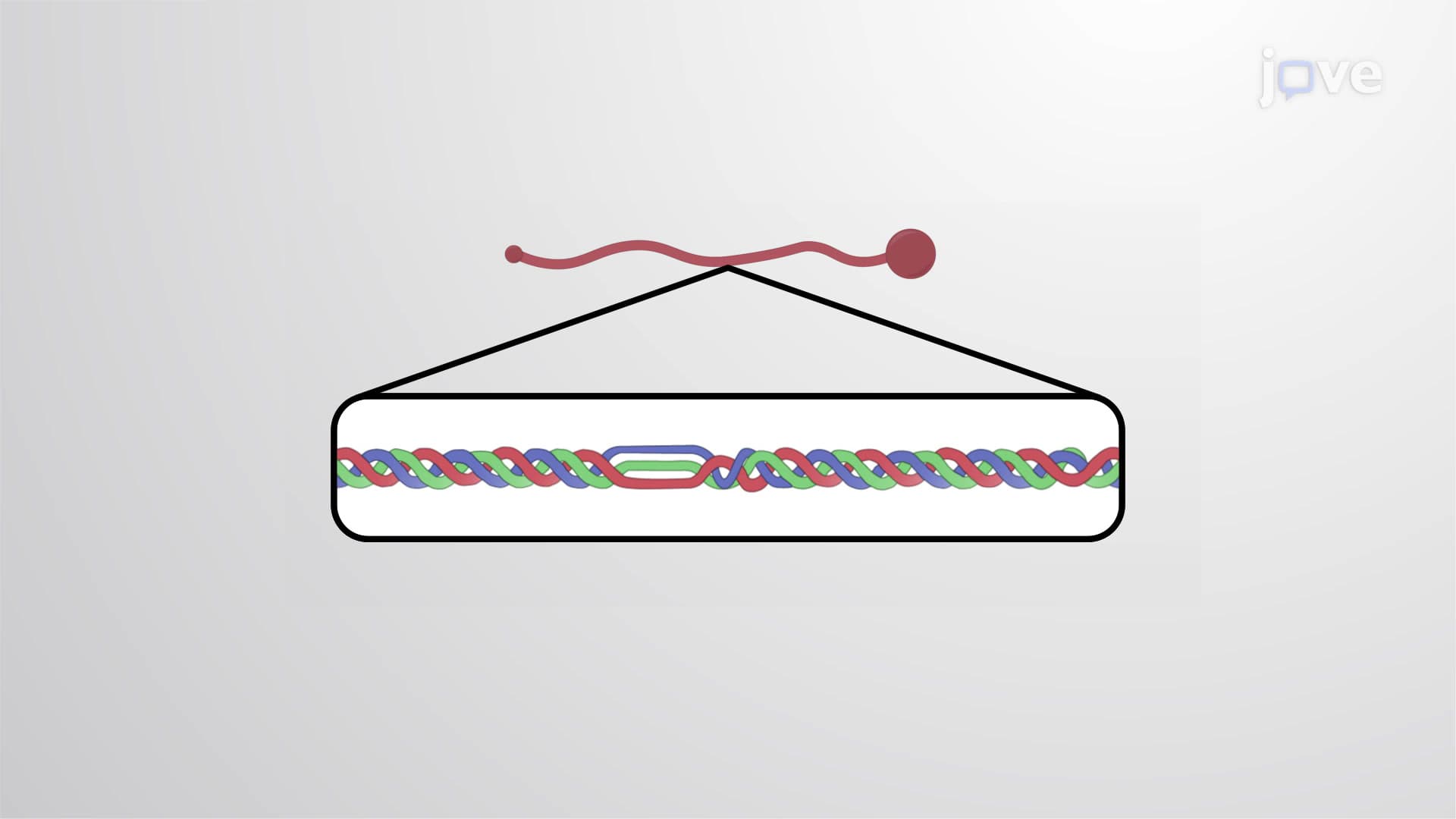
Fibronectins represent one of the most important classes of adhesive molecules in human biology, serving as essential connectors between cells and their surrounding extracellular matrix. These large glycoproteins exist as dimers, with each unit containing approximately 2,500 amino acids and weighing around 250 kilodaltons. The dimeric structure forms through disulfide bonds at the C-terminal region, creating a stable yet flexible molecular framework that can respond to mechanical forces.
Two primary types of fibronectins connect cells in different biological contexts. Plasma fibronectin circulates in blood at concentrations of 200-400 μg/mL and becomes incorporated into blood clots during hemostasis. This form plays crucial roles in wound healing processes studied extensively at institutions like Johns Hopkins and Harvard Medical School. Cellular fibronectin, produced locally by fibroblasts and other cells, becomes incorporated into extracellular matrix networks and provides structural support for tissue architecture. Students preparing for the MCAT or AP Biology exams should understand this distinction, as questions often focus on the specific roles of each fibronectin type.
The functional diversity of fibronectins stems from their modular domain organization. Three types of repeating sequences (Type I, II, and III) create binding sites for different molecular partners. Type III domains contain the famous RGD sequence (arginine-glycine-aspartate) that serves as the primary recognition site for integrin receptors. This interaction is so well-studied that it appears frequently in biochemistry courses at universities like Stanford and MIT. The Type I domains bind to fibrin and collagen, while Type II domains interact with collagen and gelatin. This modular design allows a single fibronectin molecule to simultaneously connect with multiple matrix components.
Understanding fibronectins connect cells has direct applications in regenerative medicine and tissue engineering. Companies like Genzyme and Medtronic utilize fibronectin-derived peptides in medical devices to enhance cellular adhesion and tissue integration. For nursing students preparing for NCLEX or HESI A2 exams, knowledge of fibronectin function helps explain wound healing complications in diabetic patients, where altered fibronectin expression can impair tissue repair. Physical therapy students studying at institutions like University of Southern California learn how fibronectin networks influence muscle regeneration and rehabilitation outcomes.
Related Micro-courses