Loading subject page…


45,326 views

Video Summary: What are Glycosaminoglycans
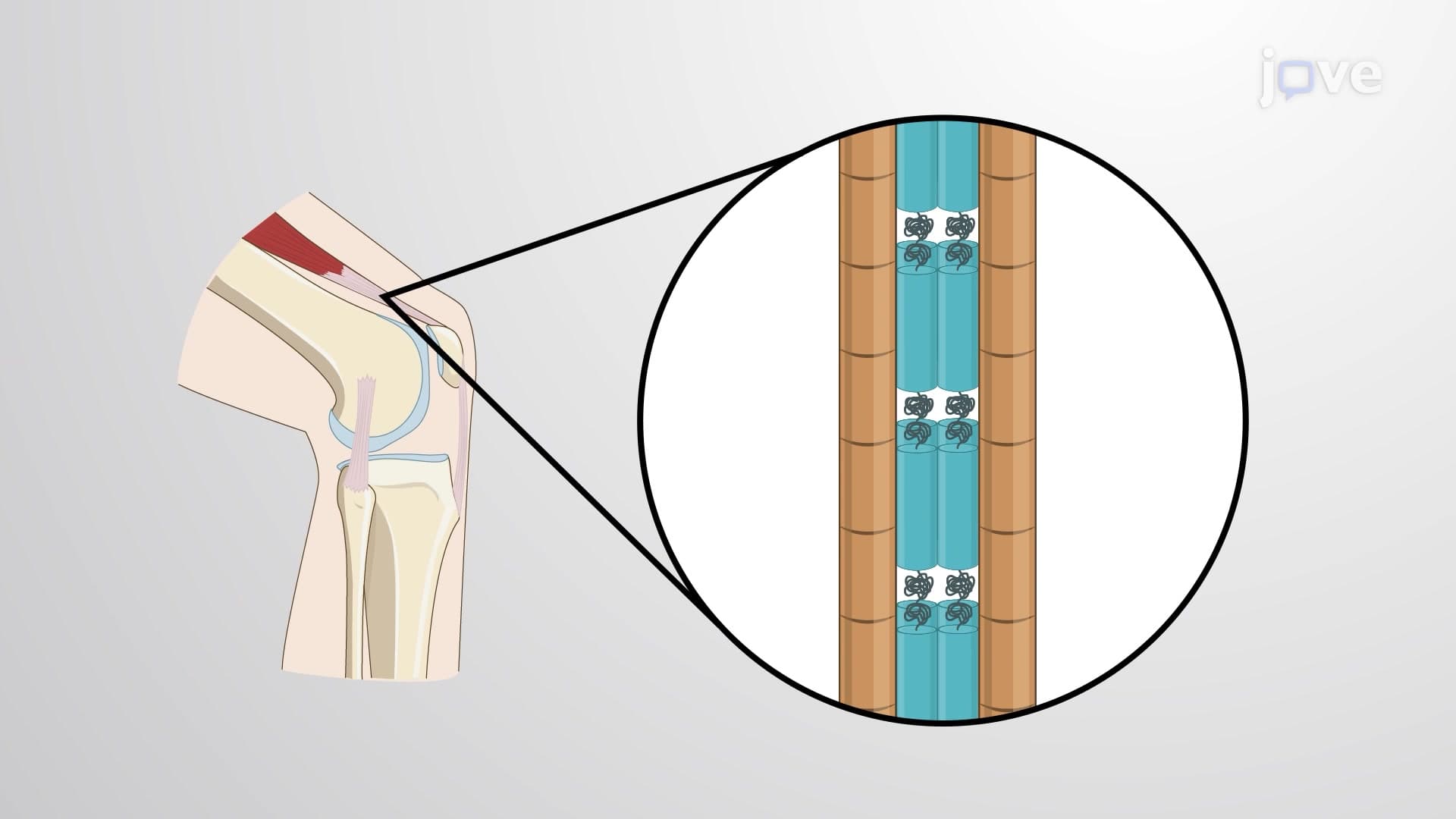
Did you know that the gel-like substance in your knee joints can withstand forces equivalent to several times your body weight? This remarkable property comes from glycosaminoglycans (GAGs), specialized sugar molecules that act like molecular sponges in your connective tissues. From the shock-absorbing cartilage in NBA players' knees to the skin's ability to retain moisture, GAGs are essential structural components that provide mechanical support throughout the human body. Watch the full video on JoVE Coach to master this concept with expert-led visuals and step-by-step explanations.
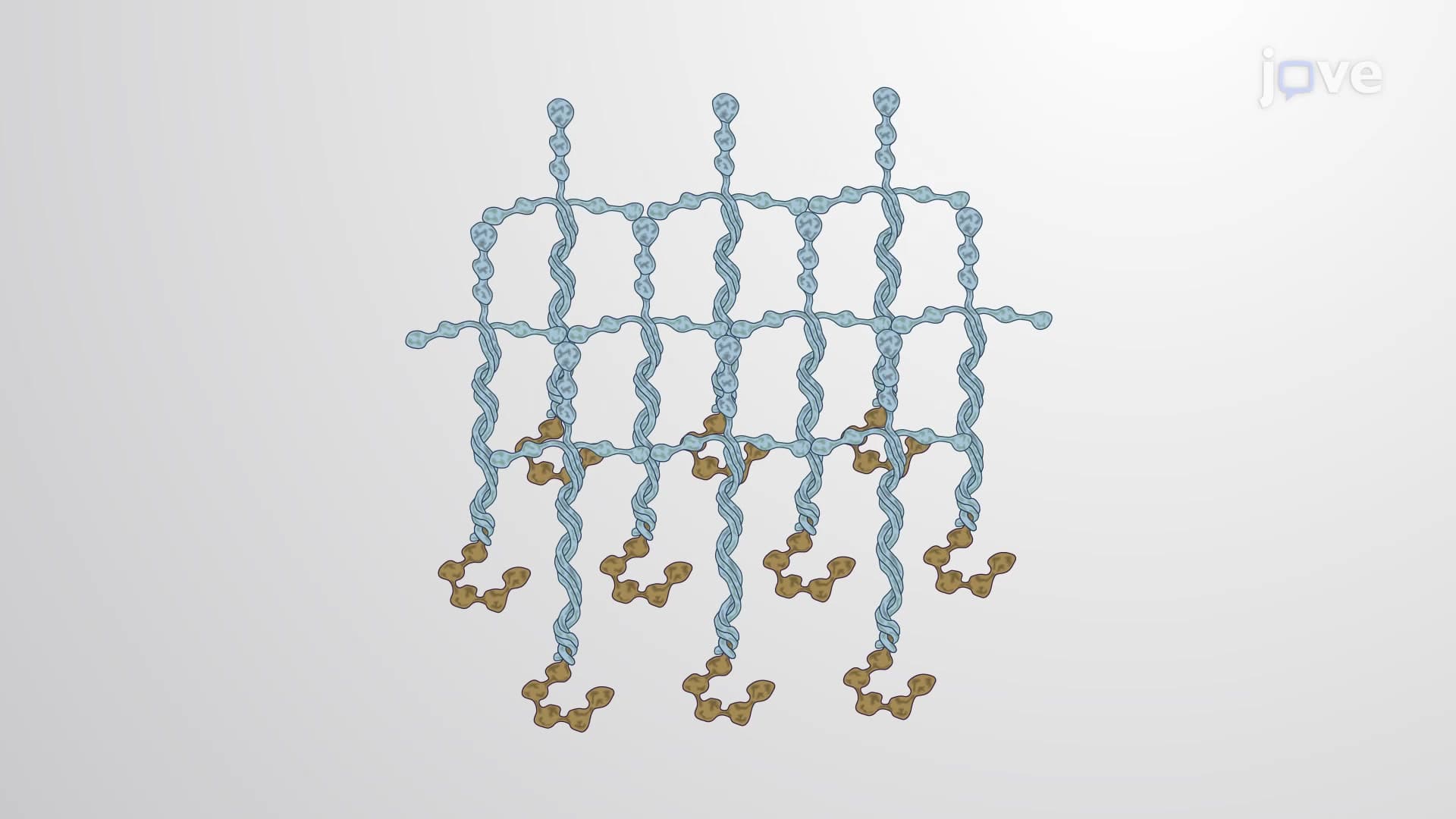
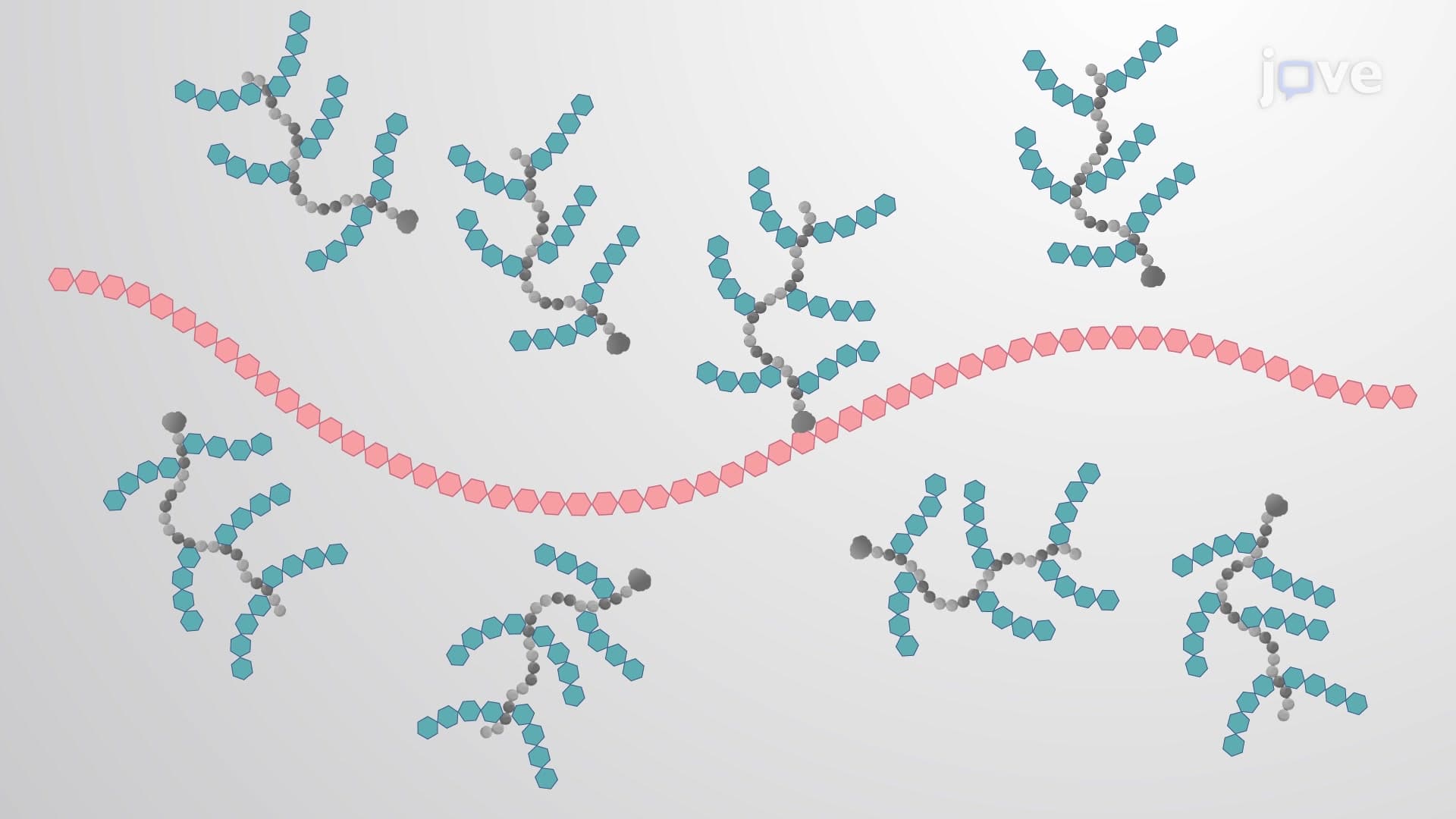
Glycosaminoglycans represent one of nature's most elegant solutions to the challenge of creating strong yet flexible biological materials. These linear carbohydrate polymers serve as the backbone of connective tissue architecture, from the cartilage in your joints to the ground substance between cells. Unlike simple sugars that provide energy, GAGs function as sophisticated structural materials that can bear enormous mechanical loads while maintaining tissue hydration.
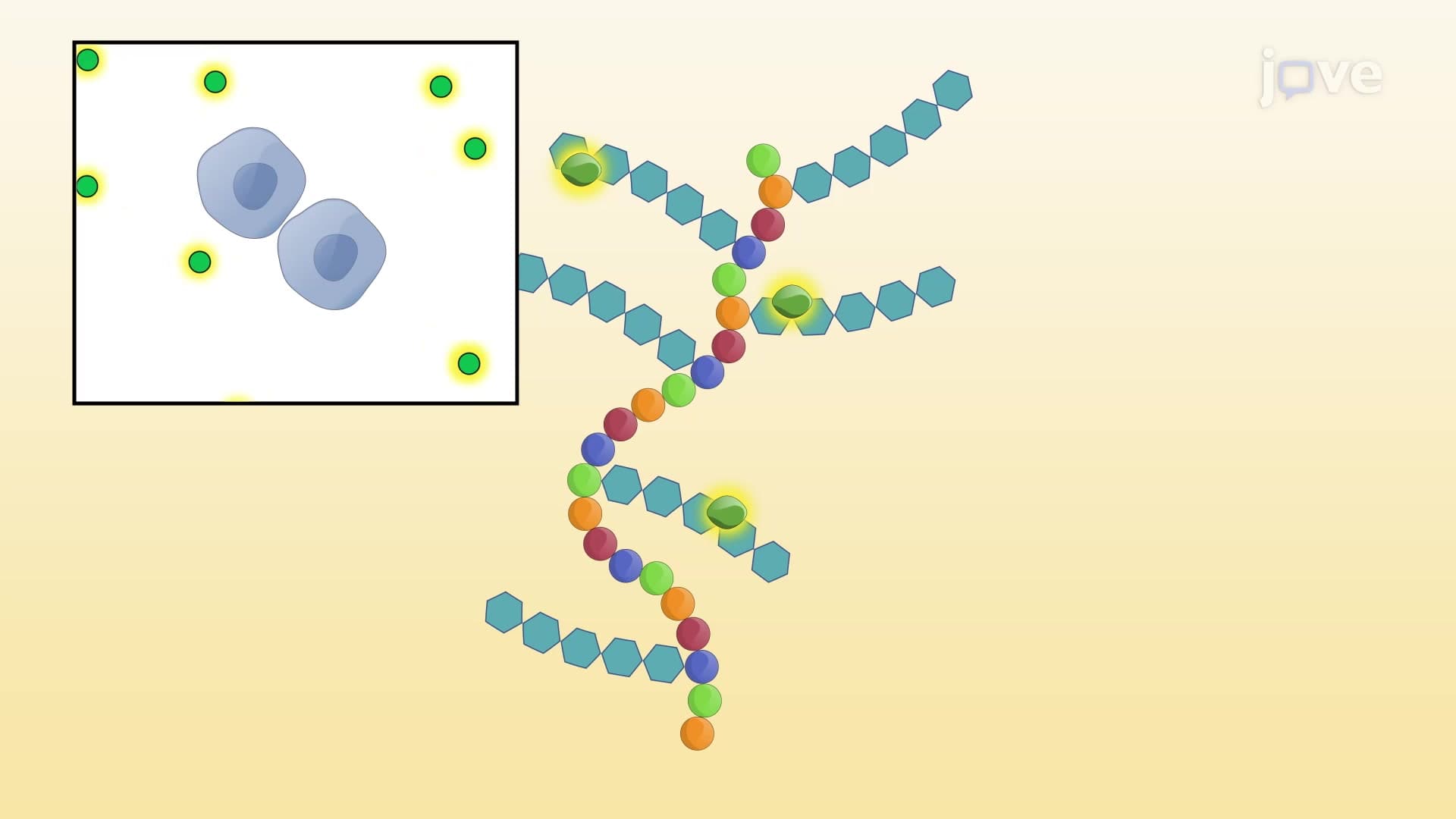
The types of glycosaminoglycans are distinguished by their unique disaccharide building blocks and sulfation patterns. Each GAG consists of repeating units containing an amino sugar (either N-acetylglucosamine or N-acetylgalactosamine) paired with a uronic acid (glucuronic or iduronic acid). This seemingly simple pattern creates four distinct GAG families:
Hyaluronan stands apart as the only non-sulfated GAG, forming massive molecular networks that can hold up to 1,000 times their weight in water. Chondroitin sulfate and its close relative dermatan sulfate dominate cartilage composition, providing the compressive strength needed for weight-bearing joints. Heparan sulfate regulates cell signaling and growth factors, while keratan sulfate contributes to corneal transparency and cartilage resilience.
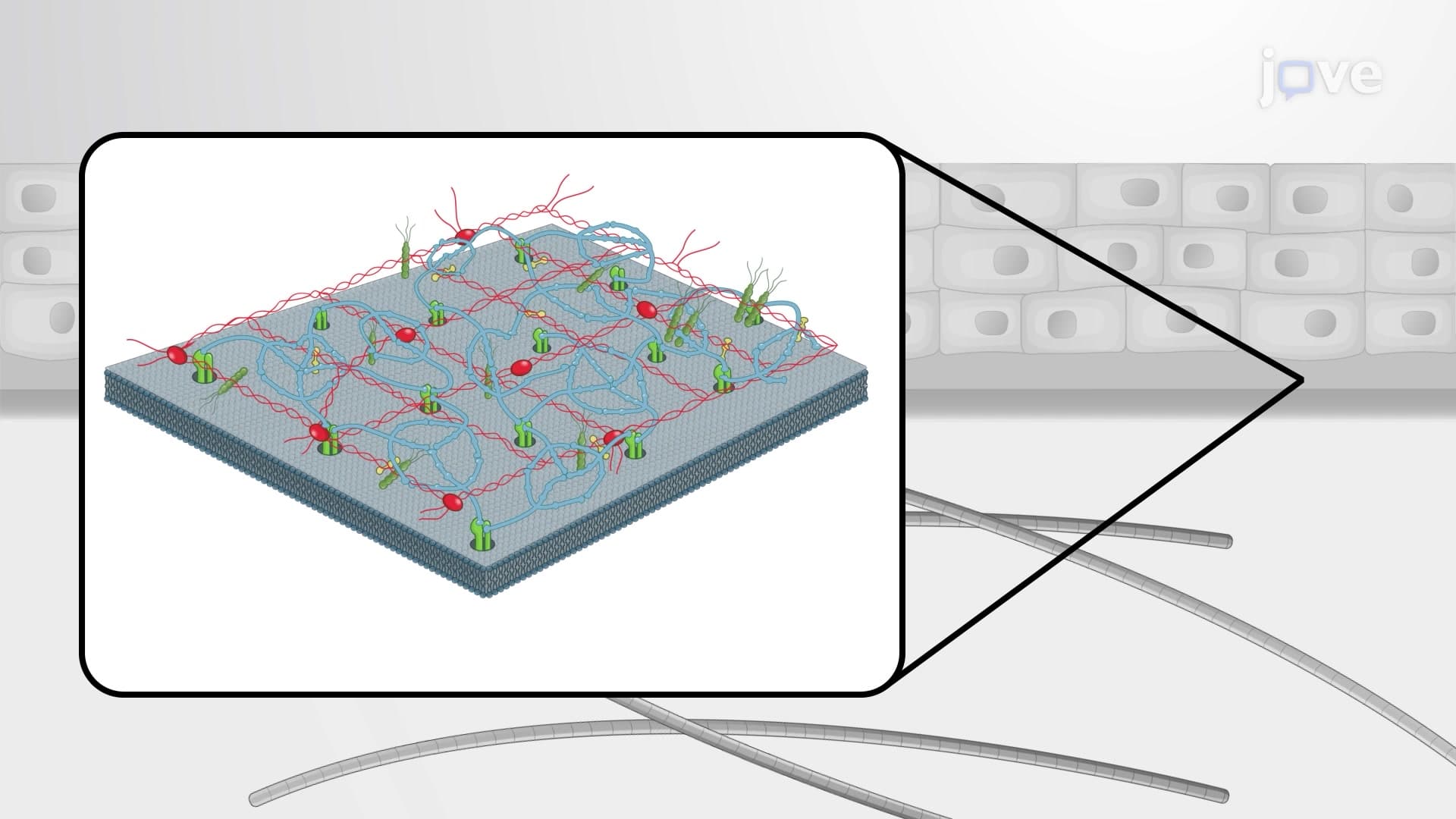
The secret to GAG functionality lies in their highly negative charge density. Sulfate and carboxyl groups create an electrostatic field that attracts positively charged sodium ions, which in turn draw water molecules into the tissue matrix. This creates what biomechanists call "turgor pressure", essentially turning tissues into biological hydraulic systems.
Consider a football player's knee during a tackle: the cartilage GAGs compress under impact, forcing water out, then rapidly rehydrate as pressure releases. This cycle can repeat millions of times without structural failure, demonstrating the remarkable engineering properties of these molecules.
For students preparing for the MCAT or AP Biology exams, understanding GAGs connects multiple biological concepts: polymer chemistry, tissue mechanics, and disease pathology. Conditions like osteoarthritis involve GAG breakdown, while genetic disorders such as mucopolysaccharidoses result from defective GAG metabolism. Major medical schools like Harvard and Johns Hopkins emphasize GAG biochemistry in their connective tissue pathology curricula, making this knowledge essential for pre-med students.
Related Micro-courses