Loading subject page…


45,327 views

Video Summary: What Is Matrix Proteoglycans and Glycoproteins
Did you know that your body's cellular communication system relies on molecular "post offices" that store and deliver growth signals? Matrix proteoglycans and glycoproteins create sophisticated networks that control everything from wound healing to bone development in your tissues. Consider how Stanford researchers study these molecules to understand cartilage repair in athletes' knee injuries. What is Matrix Proteoglycans And Glycoproteins represents fundamental concepts that bridge basic biology with advanced medical applications. Watch the full video on JoVE Coach to master this concept with expert-led visuals and step-by-step explanations.
Matrix proteoglycans and glycoproteins represent two essential classes of complex carbohydrate-protein molecules that orchestrate cellular communication and tissue organization. While both contain protein cores linked to carbohydrate structures, their distinct compositions create specialized functional roles in biological systems.
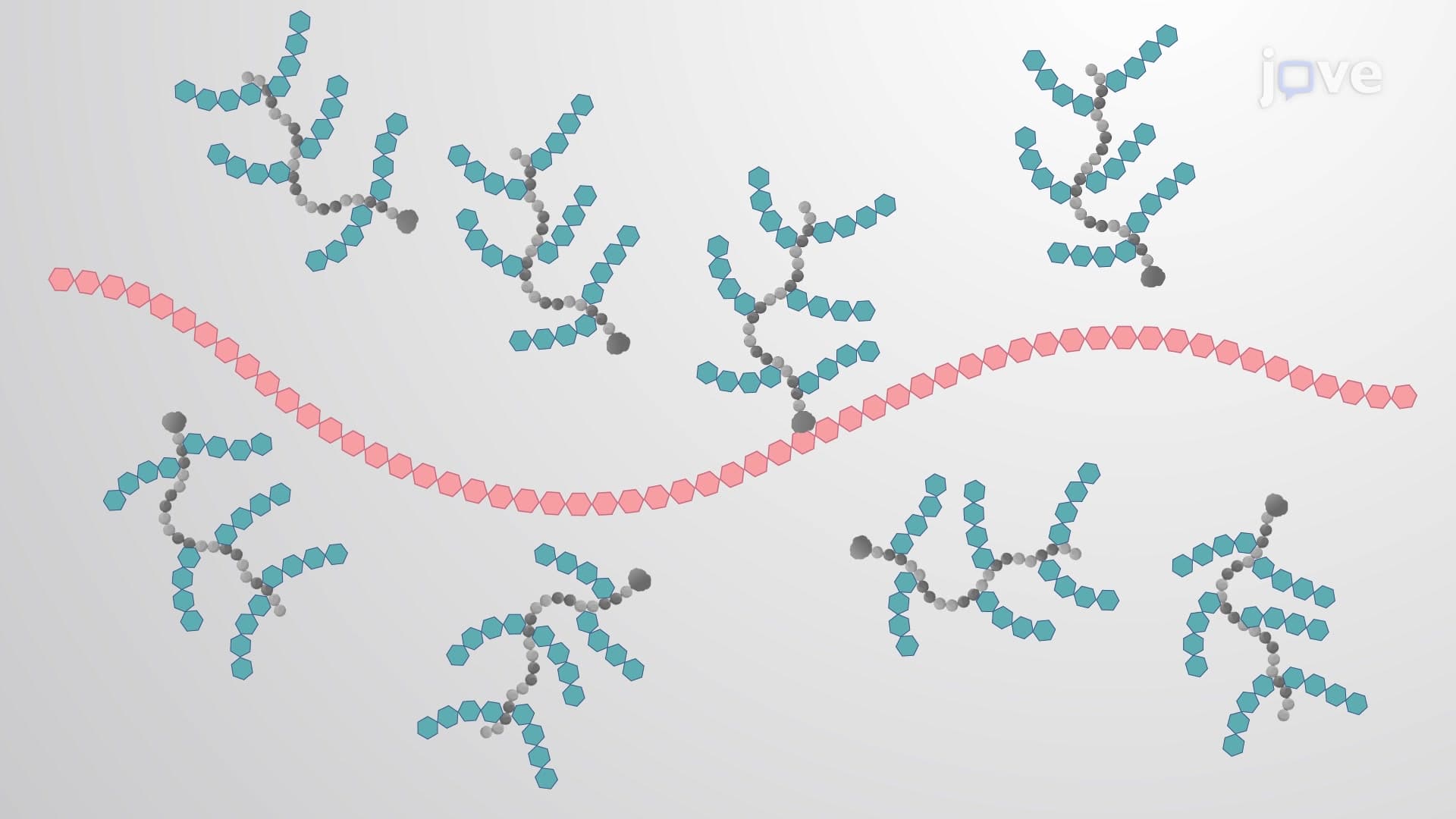
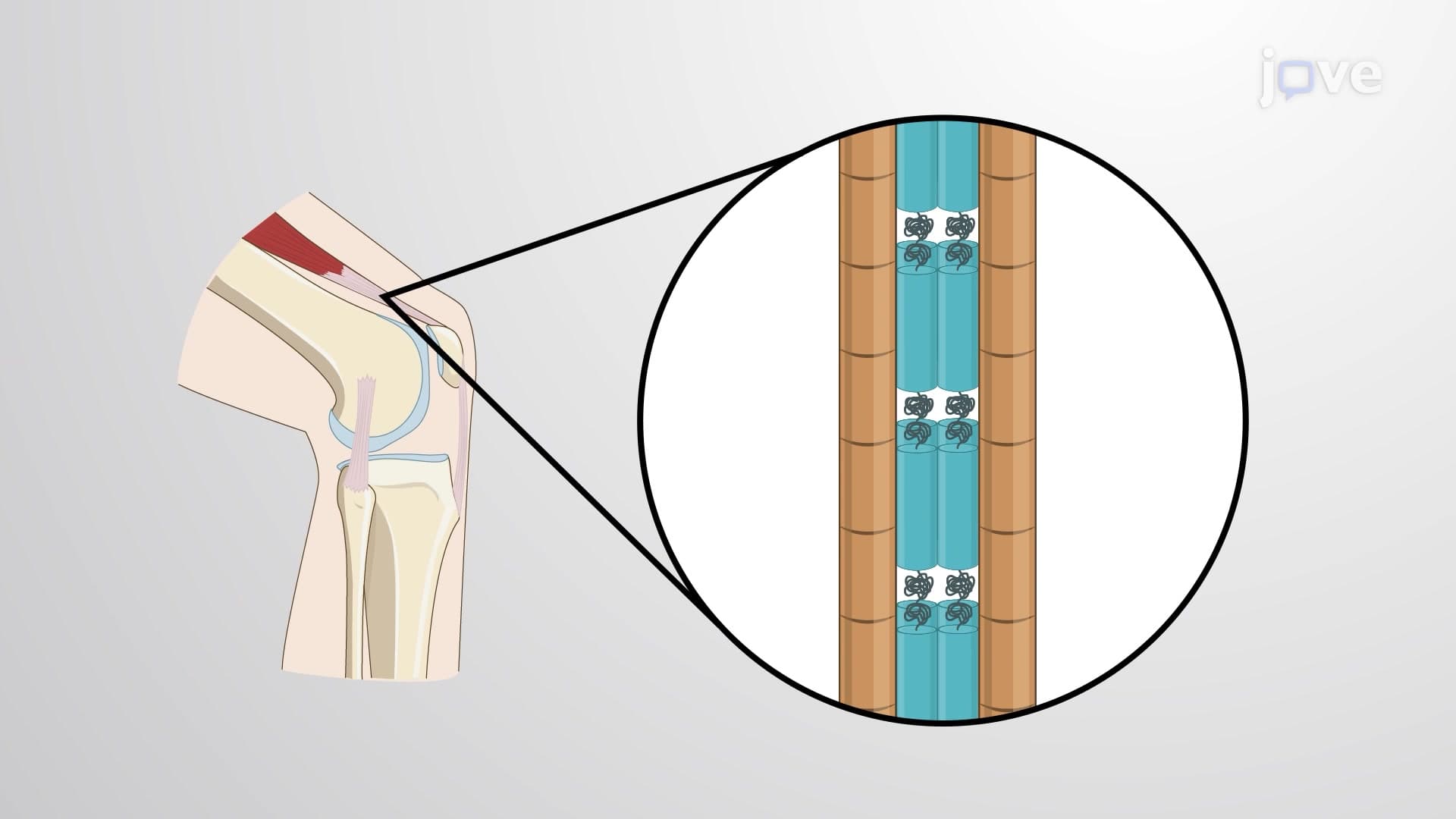
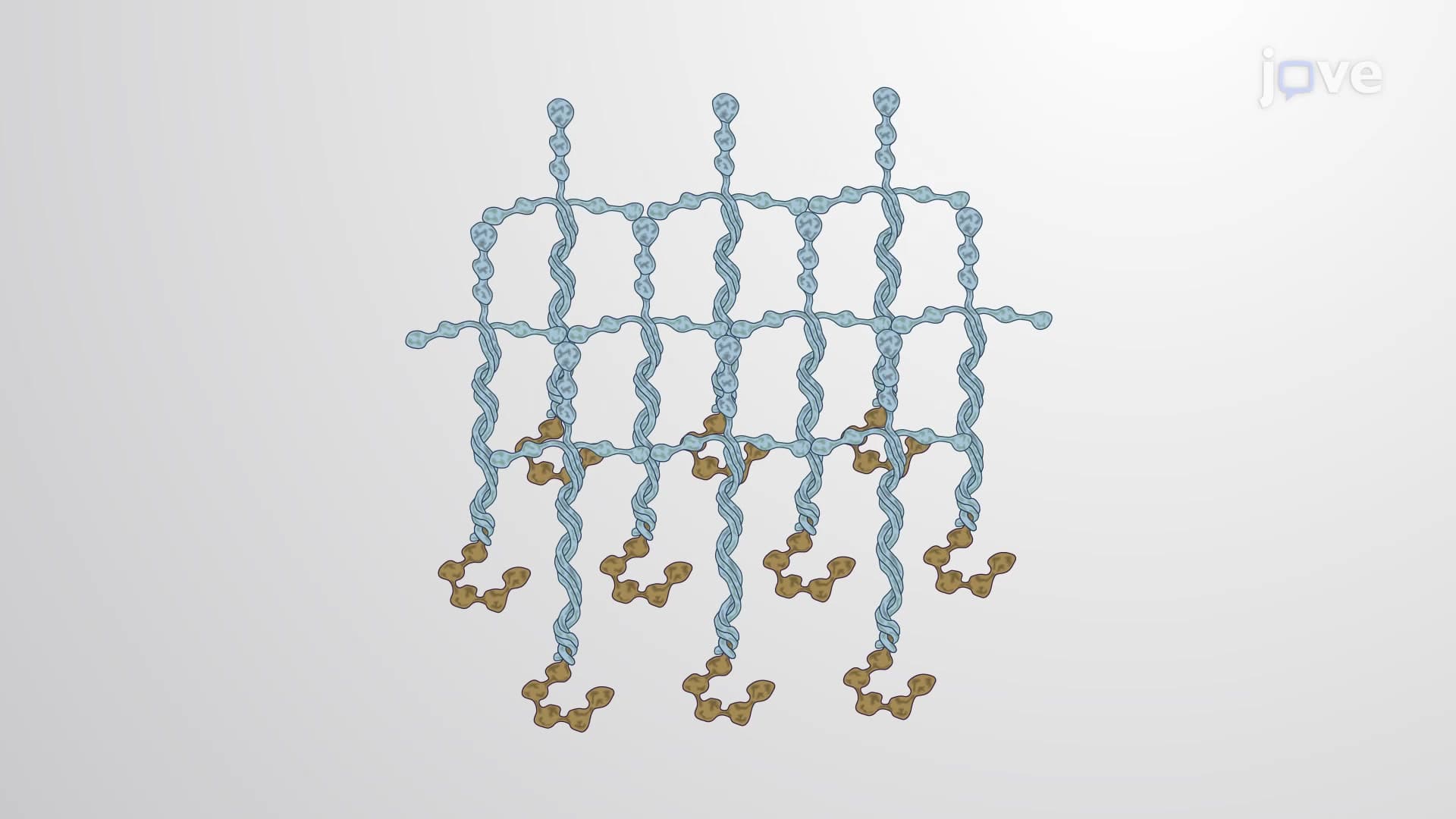
Proteoglycans feature protein cores covalently bonded to multiple glycosaminoglycan (GAG) chains-long, unbranched polysaccharide sequences rich in sulfated sugars. These massive molecular complexes can reach sizes comparable to small viruses, with GAG chains extending outward like bottle brushes. Major proteoglycans include aggrecan in cartilage, decorin in tendons, and syndecan at cell surfaces.
Glycoproteins maintain a fundamentally different architecture, with protein cores attached to shorter, branched oligosaccharide chains containing 2-15 sugar residues. Unlike the linear GAG chains of proteoglycans, these carbohydrate modifications create complex three-dimensional structures that fine-tune protein function and stability.
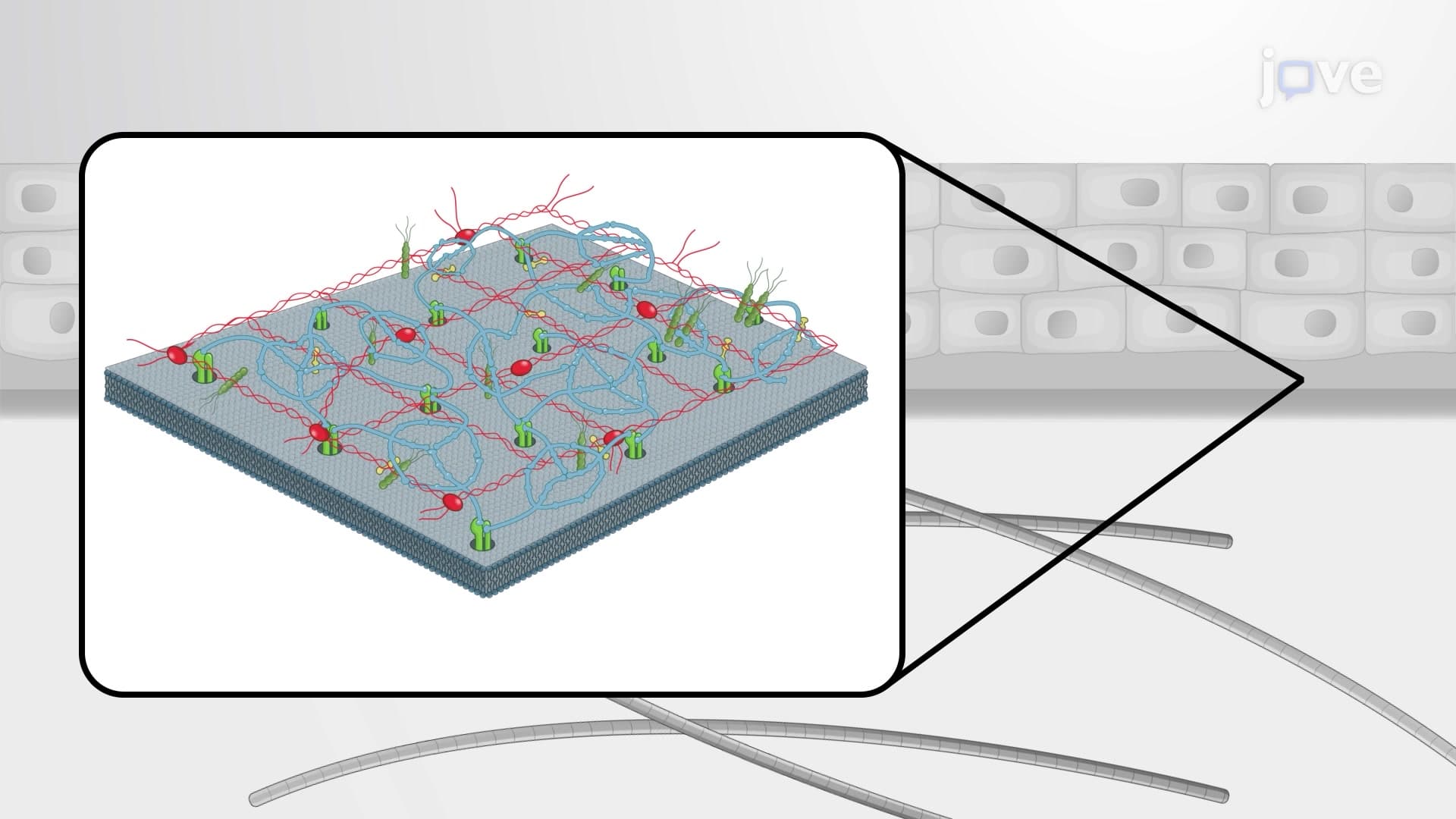
Both molecule types populate the extracellular matrix (ECM), but their distribution patterns reflect specialized functions. Proteoglycans concentrate in load-bearing tissues like cartilage and bone, where their water-binding capacity provides mechanical resilience. Glycoproteins dominate cell surface receptors and blood proteins, where precise molecular recognition drives biological specificity.
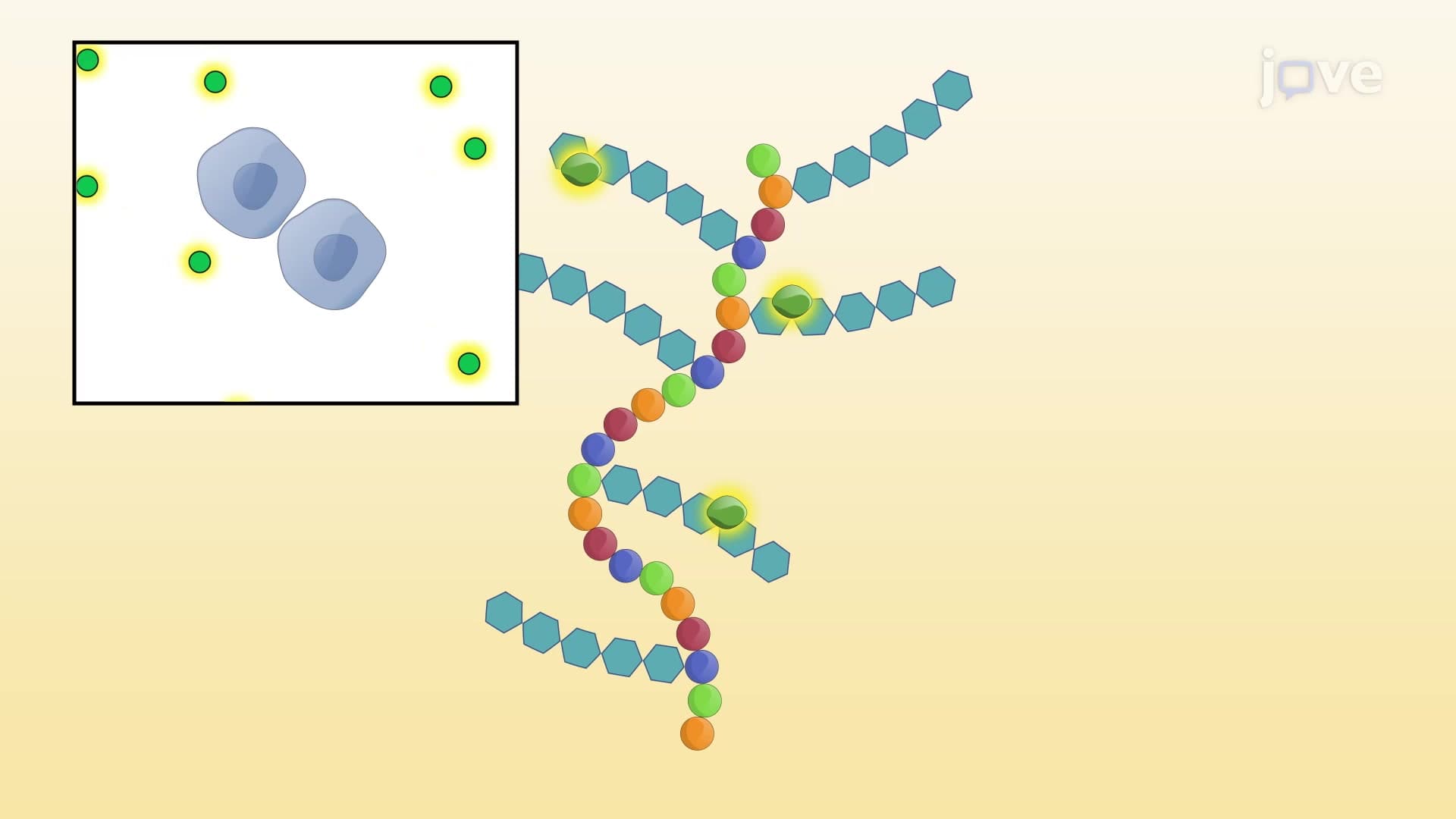
The reservoir function of proteoglycans represents a sophisticated biological strategy for controlling growth factor availability. VEGF (vascular endothelial growth factor) binding to heparan sulfate proteoglycans creates localized concentration gradients that direct blood vessel formation during wound healing and development. This mechanism explains why tissue engineering approaches at institutions like MIT focus heavily on incorporating appropriate proteoglycan compositions.
Proteoglycans also serve as molecular shields, protecting valuable signaling proteins from degradation by tissue proteases. This protective function becomes clinically relevant in inflammatory conditions where excessive protease activity disrupts normal cellular communication.
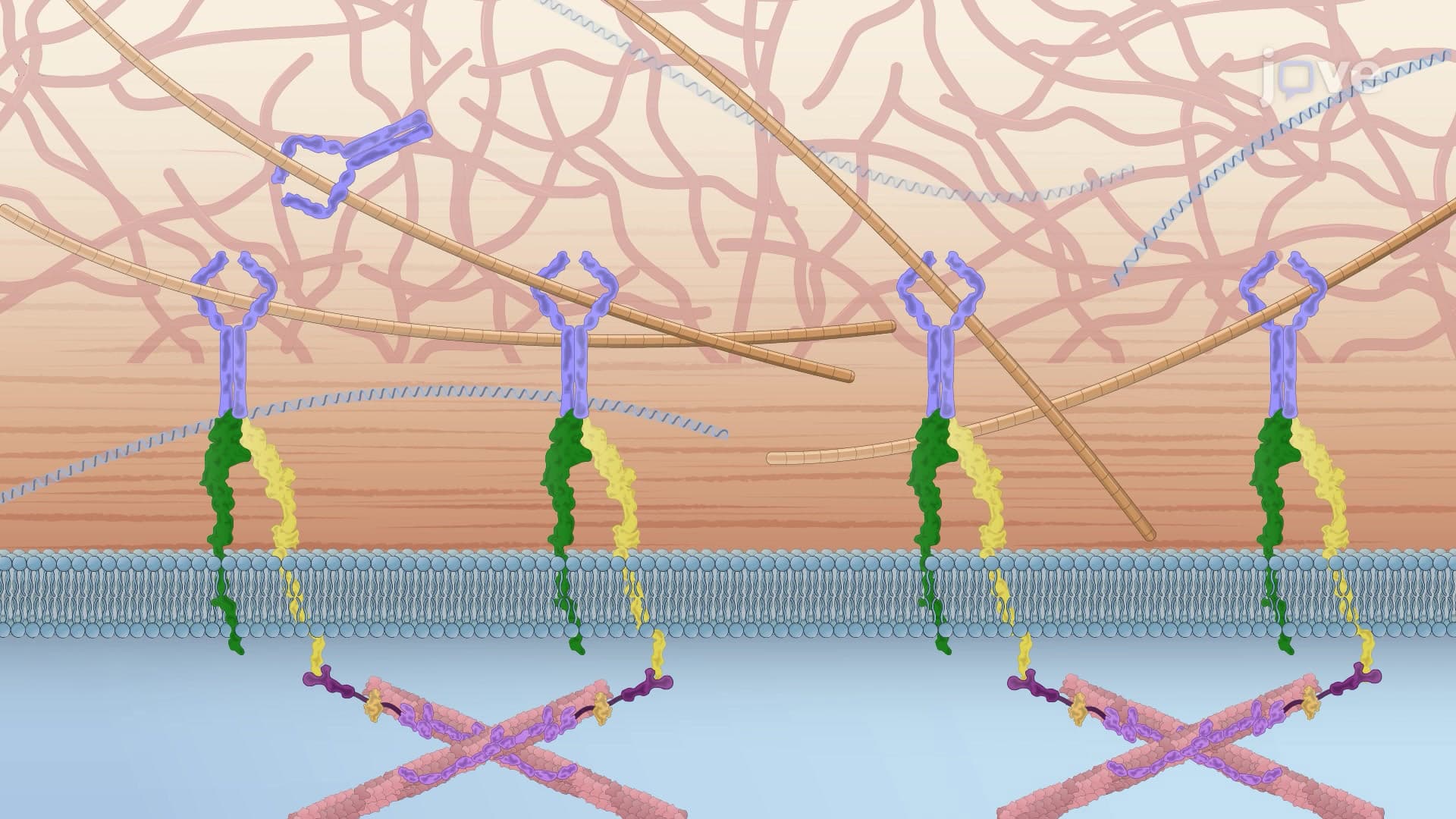
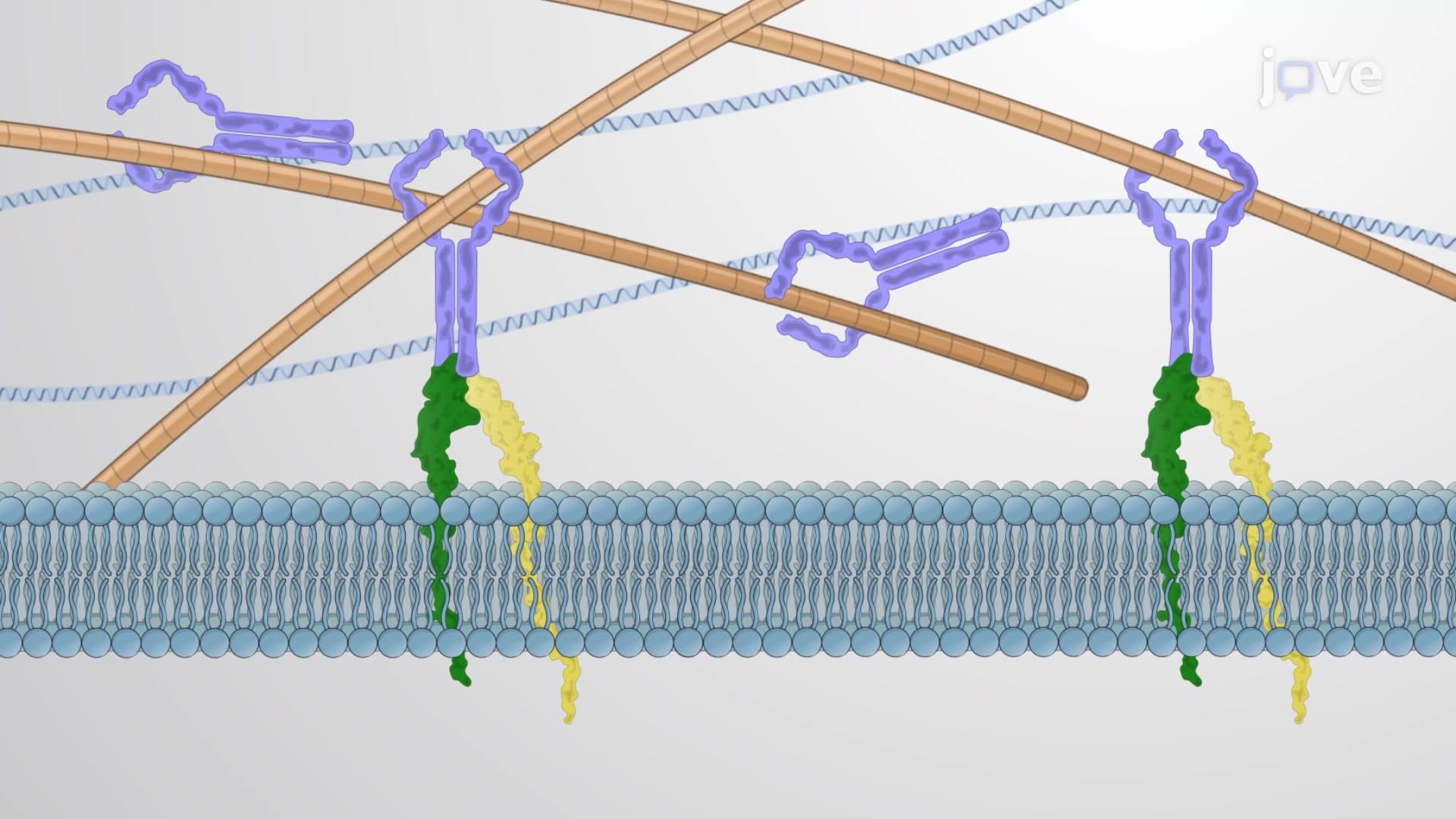
Understanding these concepts proves essential for AP Biology, MCAT preparation, and undergraduate biochemistry courses. The integrin-fibronectin interaction frequently appears in college exam questions about cell adhesion mechanisms. Students should recognize how integrin glycoproteins on cell surfaces bind to fibronectin glycoproteins in the ECM, creating mechanical linkages that transmit forces and coordinate tissue responses.
Medical applications continue expanding as researchers develop proteoglycan-based drug delivery systems and glycoprotein-targeted therapies. The FDA approval of proteoglycan-mimetic treatments for osteoarthritis demonstrates the clinical translation potential of this fundamental biochemistry.
Related Micro-courses