Loading subject page…


45,311 views

Video Summary: What Is the Extracellular Matrix
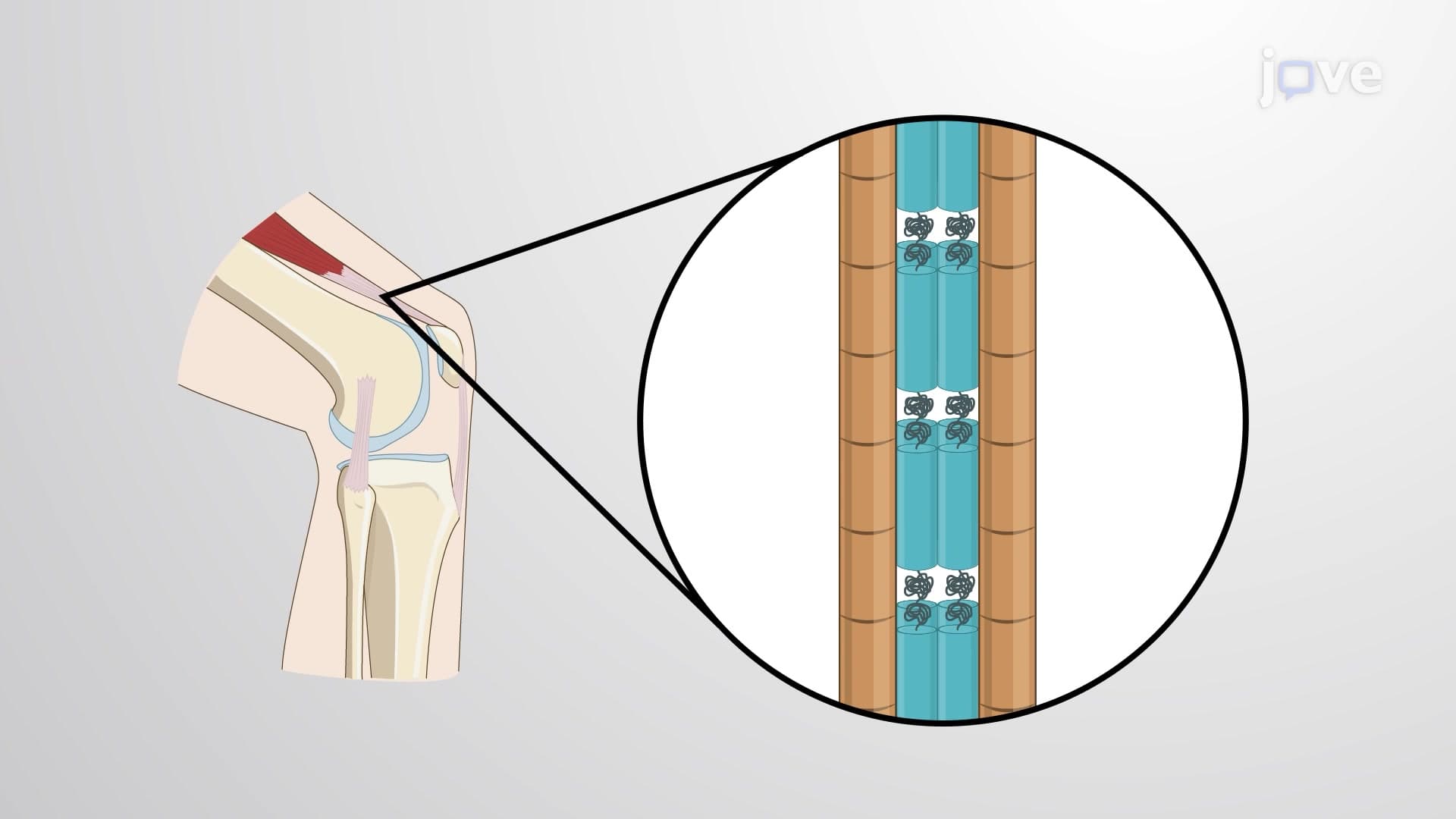
Did you know that breaking down in your knees during basketball isn't just "wear and tear" but actually the gradual loss of specific molecules? The extracellular matrix cell biology reveals how this cellular scaffolding system controls everything from wound healing to athletic performance. When Stanford researchers study tissue engineering for ACL repairs, they're manipulating the same ECM components that determine whether your cartilage stays strong or deteriorates into osteoarthritis. Watch the full video on JoVE Coach to master this concept with expert-led visuals and step-by-step explanations.
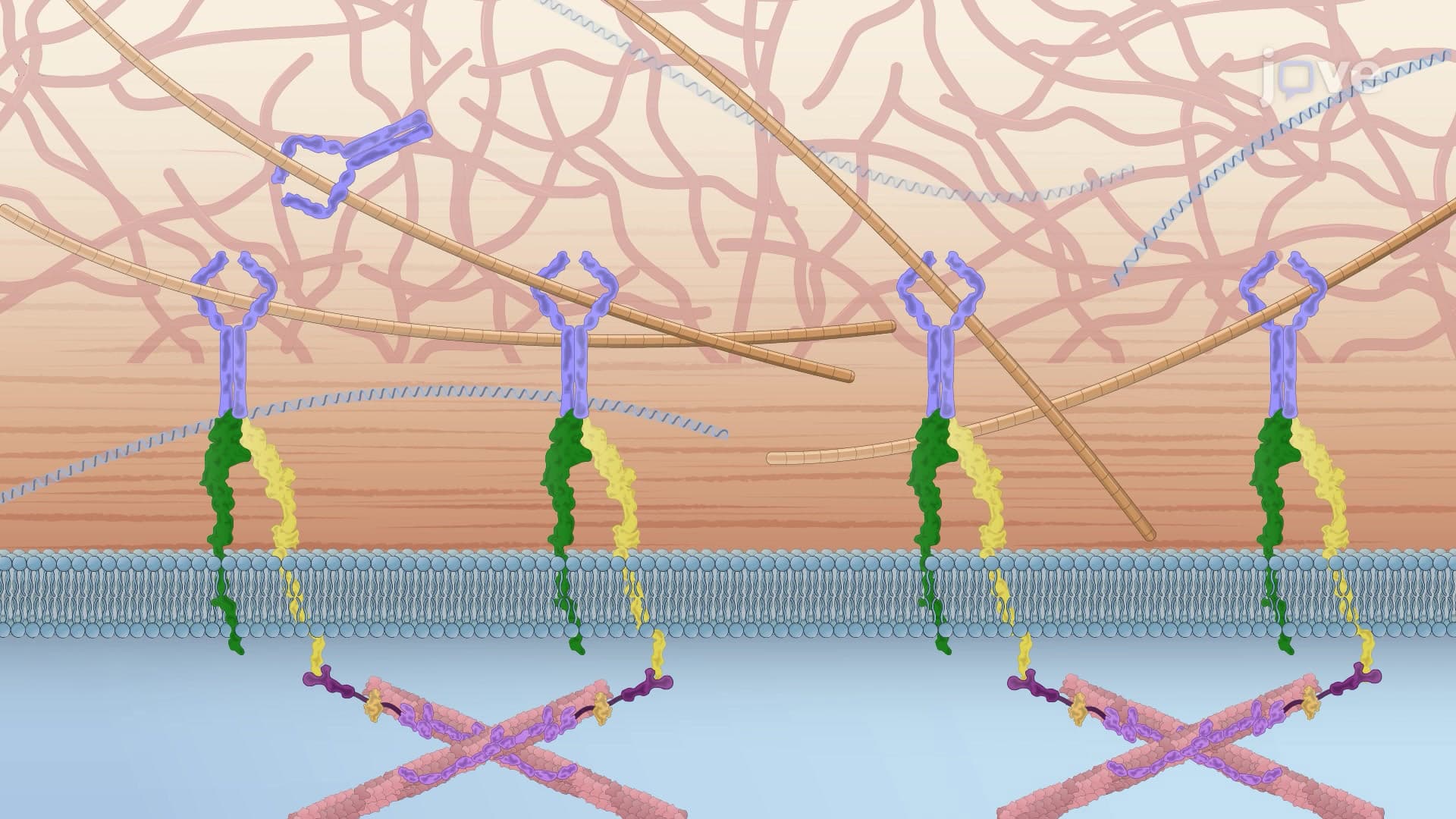
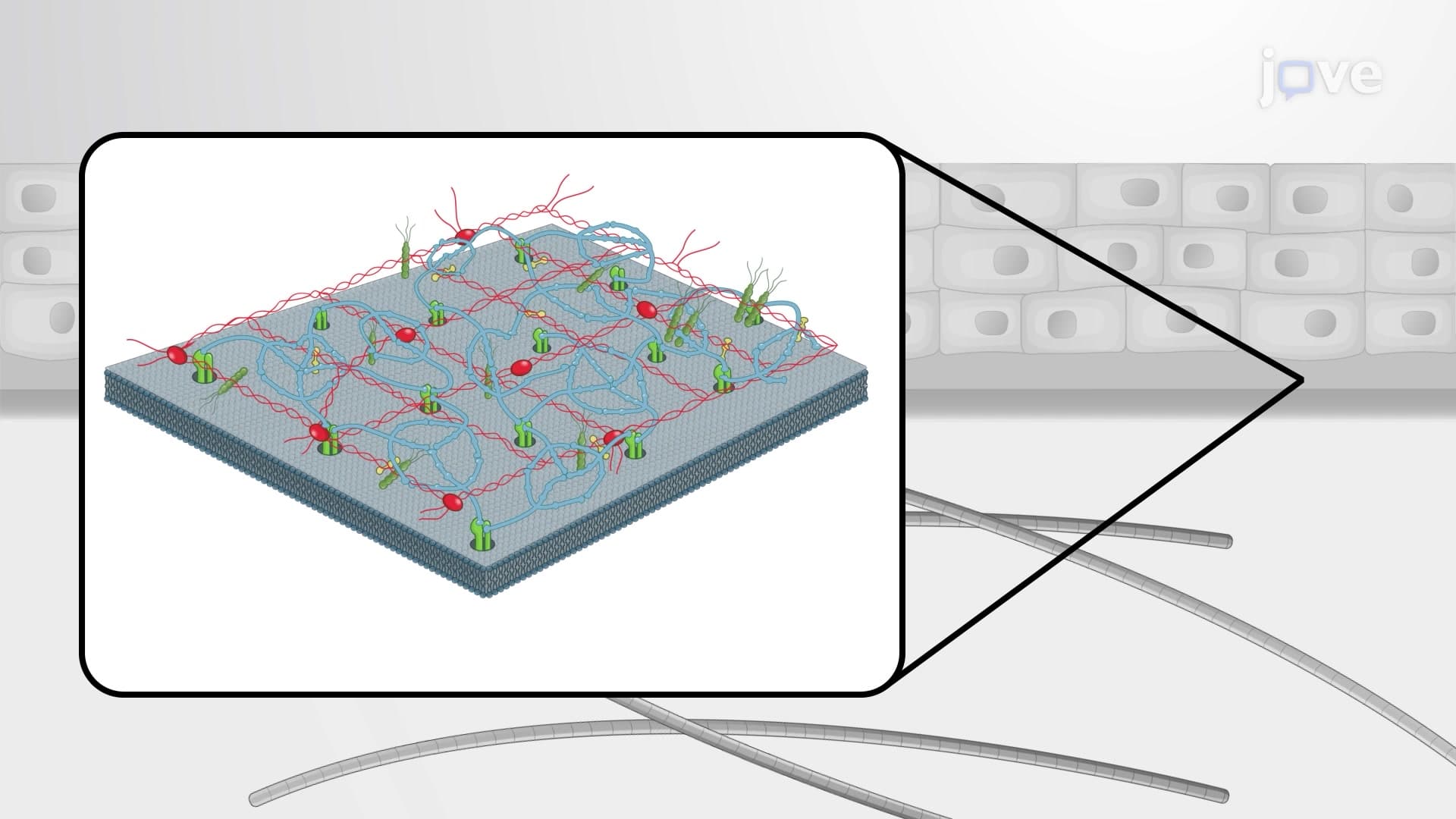
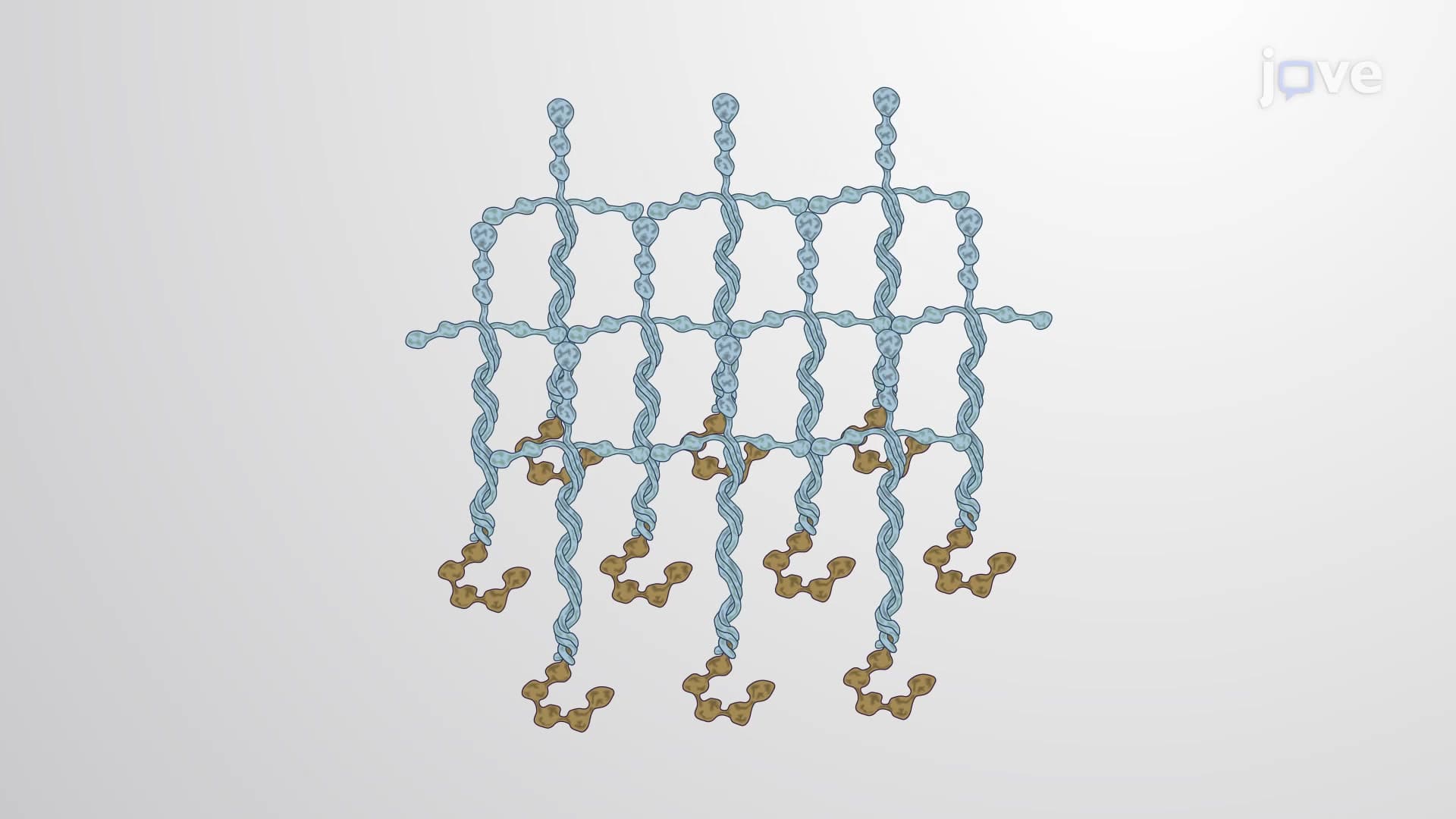
The extracellular matrix represents one of biology's most sophisticated architectural systems-imagine it as the "neighborhood infrastructure" where cells live, work, and communicate. Unlike the simplified diagrams in textbooks that show cells floating in empty space, real tissues contain this complex network of fibers, proteins, and fluid-filled spaces that actively regulate cellular behavior.
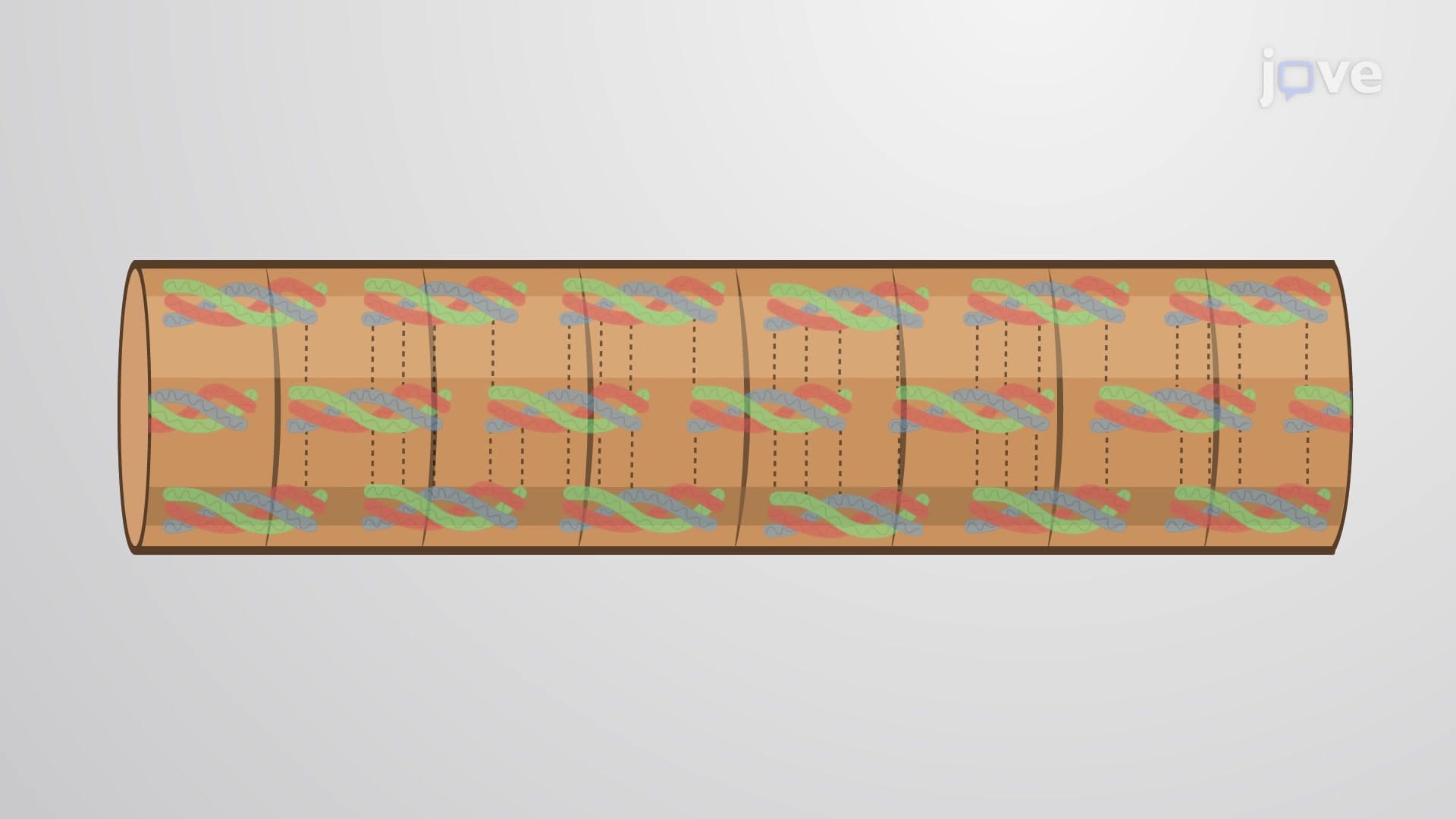
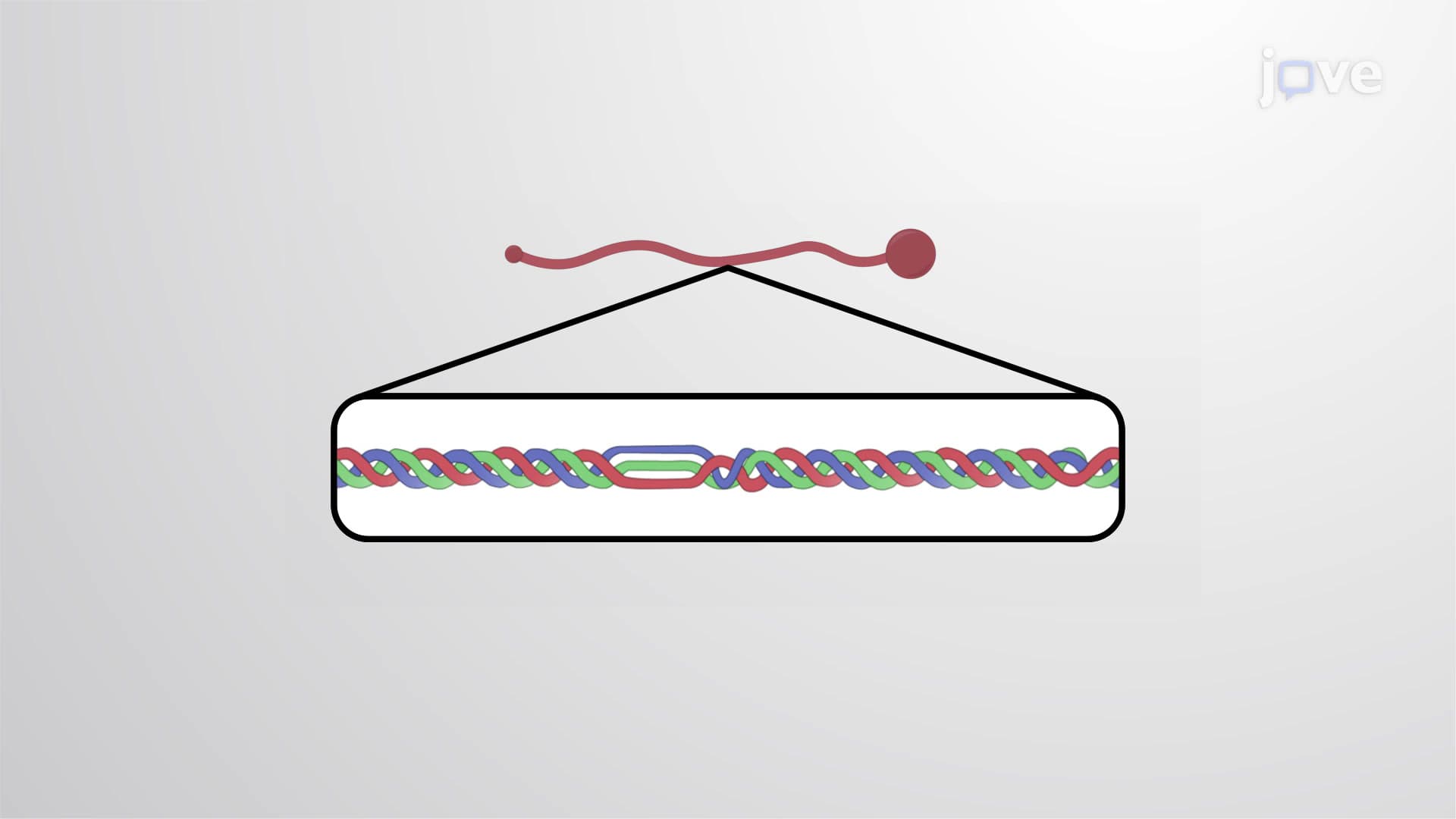
Collagen serves as the primary structural protein, accounting for nearly 30% of all protein in the human body. The Mayo Clinic's orthopedic research demonstrates how Type I collagen in tendons provides tensile strength exceeding steel wire by weight. Meanwhile, elastin grants tissues their bounce-back properties-when you stretch your skin and it snaps back, that's elastin fibers at work.
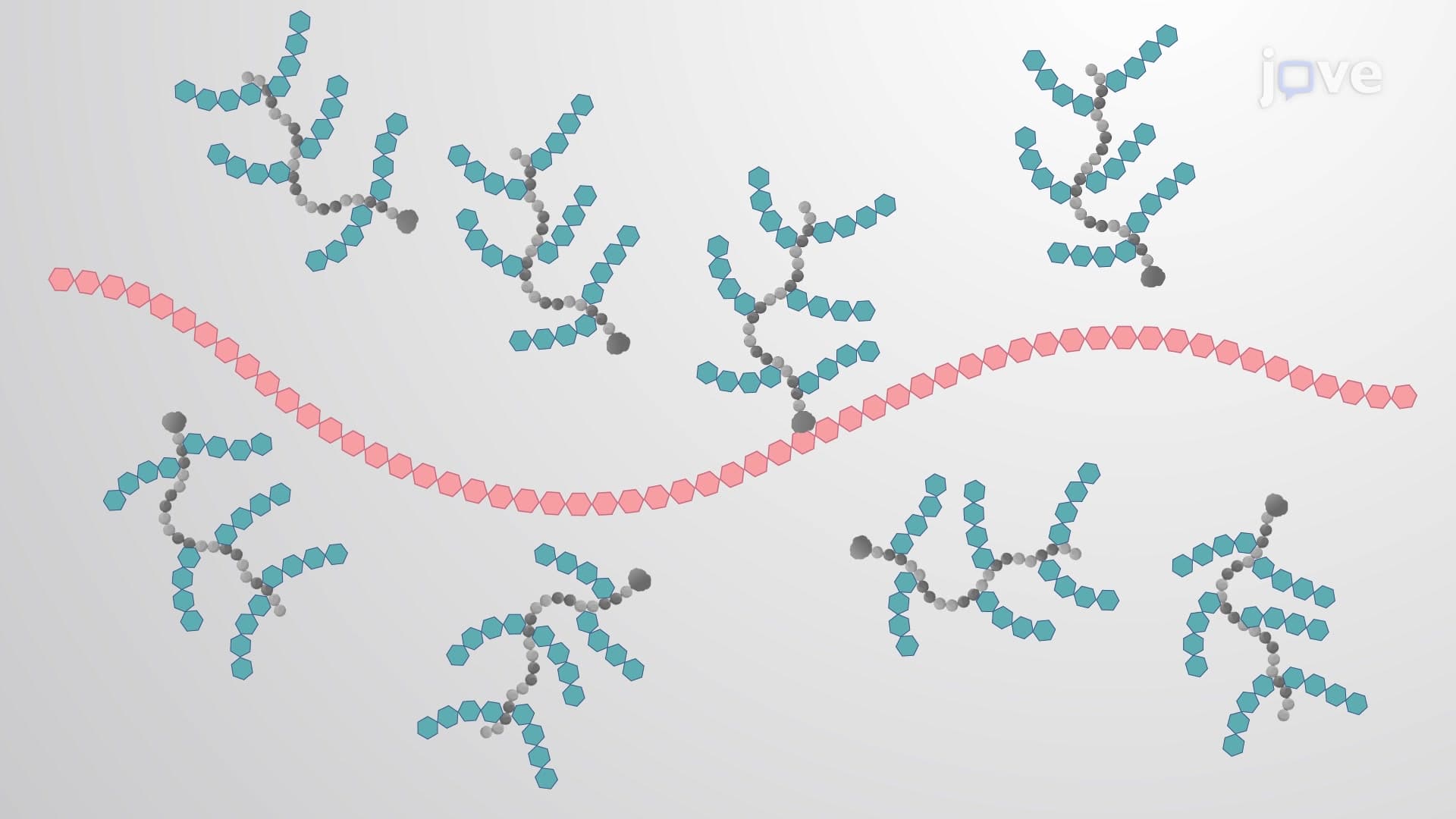
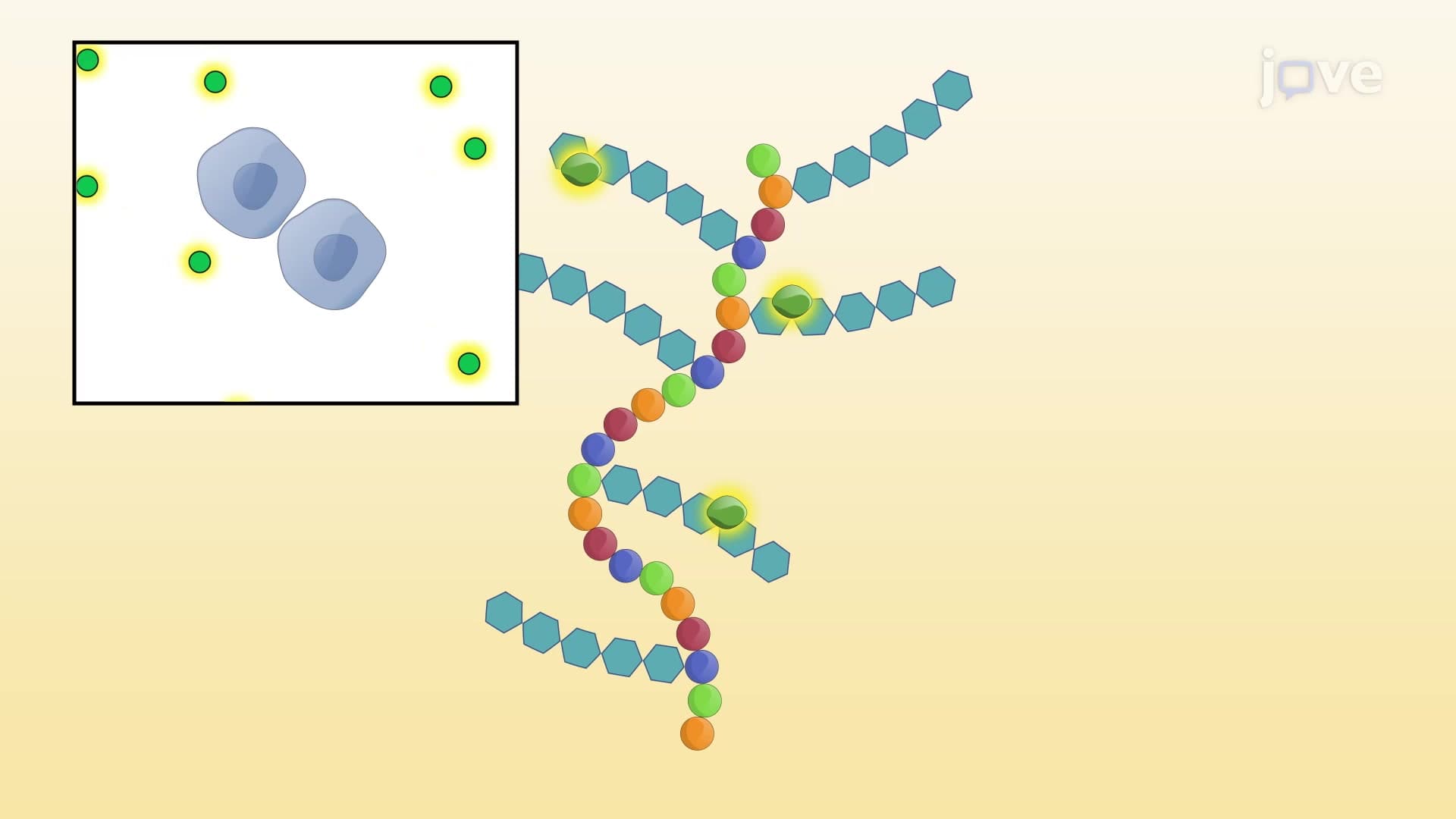
Glycosaminoglycans (GAGs) function as molecular sponges, with chondroitin sulfate capable of binding up to 50 times its weight in water. This explains why cartilage in your joints acts as a shock absorber. As we age and GAG content decreases, cartilage becomes brittle, leading to the joint pain characteristic of osteoarthritis affecting over 30 million Americans.
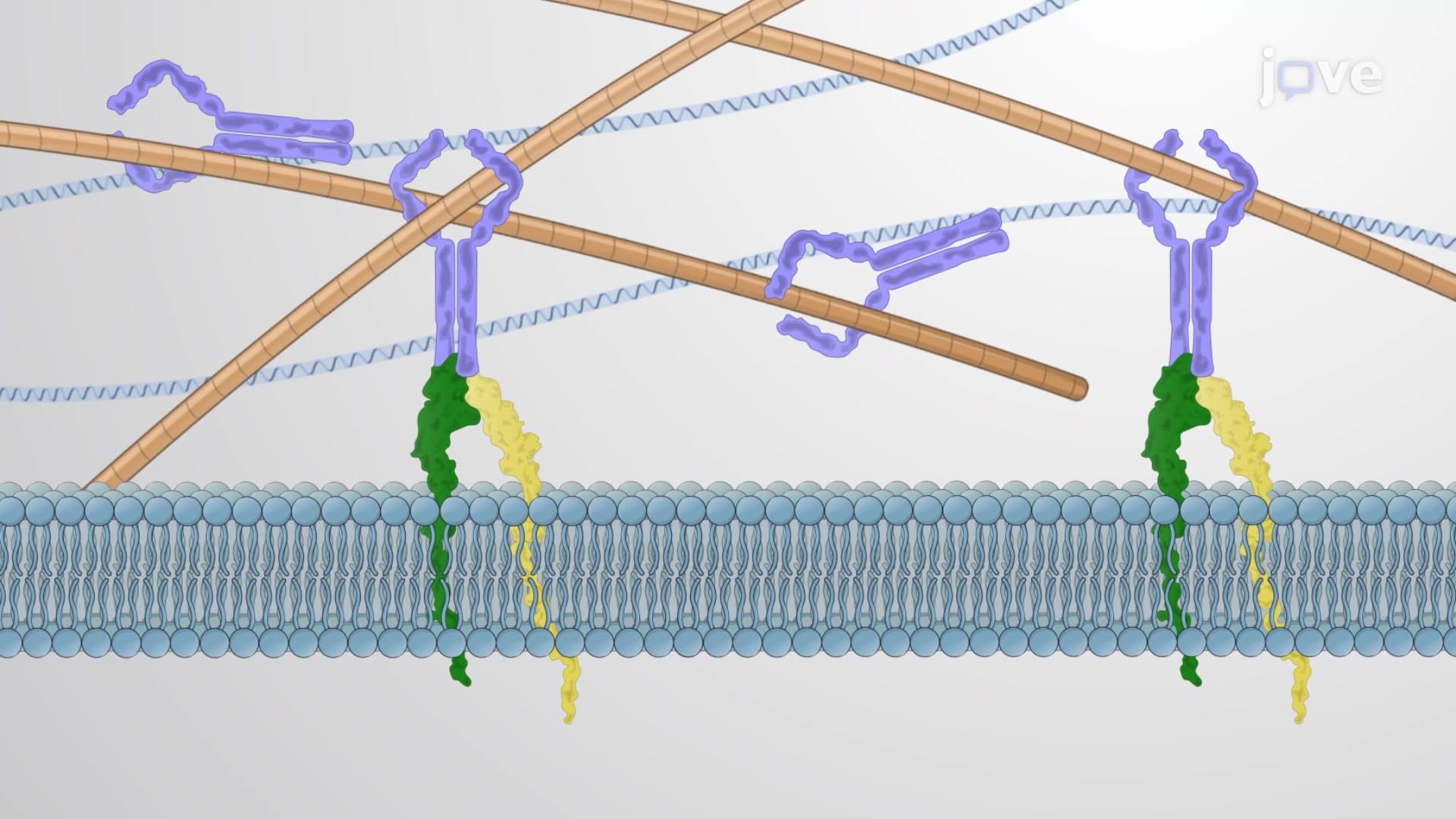
Fibronectin operates as sophisticated molecular velcro, containing specific binding domains that recognize both ECM components and cellular receptors called integrins. When NASA studies how astronauts lose bone density in zero gravity, they're observing disrupted integrin signaling-cells literally can't "feel" their mechanical environment without proper ECM attachment.
This ECM signal regulation extends beyond simple structural support. Cancer researchers at MD Anderson have discovered that tumor cells manipulate surrounding ECM composition to create "highways" for metastasis, demonstrating how the cellular environment actively influences disease progression.
For AP Biology students, understanding ECM biology appears frequently in free-response questions about tissue organization and cell communication. MCAT test-takers encounter ECM concepts in both biochemistry and biology sections, particularly regarding connective tissue disorders and wound healing mechanisms.
The proteoglycan ECM biology proves essential for pre-med students studying conditions like Ehlers-Danlos syndrome, where defective collagen synthesis creates hyperflexible joints and fragile skin-affecting approximately 1 in 5,000 Americans.
Related Micro-courses