Loading video…


 8 Concepts
 40.5K views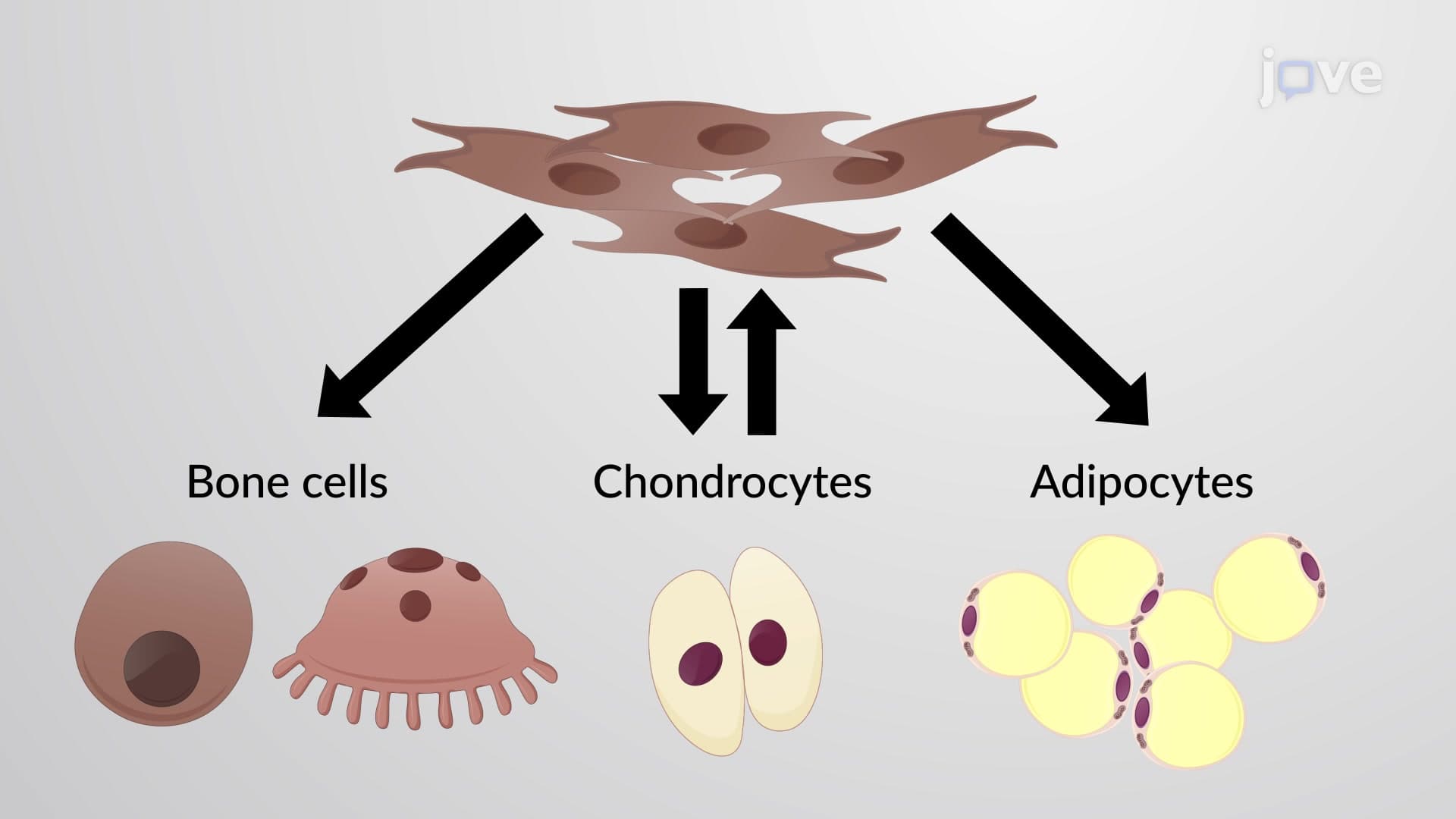

Video Summary: What are Connective Tissue Cell Types
Ever wonder how your body repairs a cut or maintains energy reserves? Connective tissue cell types form the foundation of these essential processes, working behind the scenes to support every organ system. From fibroblasts that rush to heal wounds at places like Johns Hopkins trauma centers to adipocytes storing energy for marathon runners, these specialized cells perform critical functions throughout your body. Understanding what are connective tissue cell types reveals the intricate cellular network that keeps us healthy and functional. Watch the full video on JoVE Coach to master this concept with expert-led visuals and step-by-step explanations.
Connective tissue cell types represent one of the most diverse and functionally important cellular populations in the human body. These specialized cells form the structural foundation that supports organs, facilitates repair processes, and maintains homeostasis. Unlike epithelial cells that form protective barriers, connective tissue cells are embedded within an extensive extracellular matrix, creating a three-dimensional network that provides mechanical support and biochemical signaling.
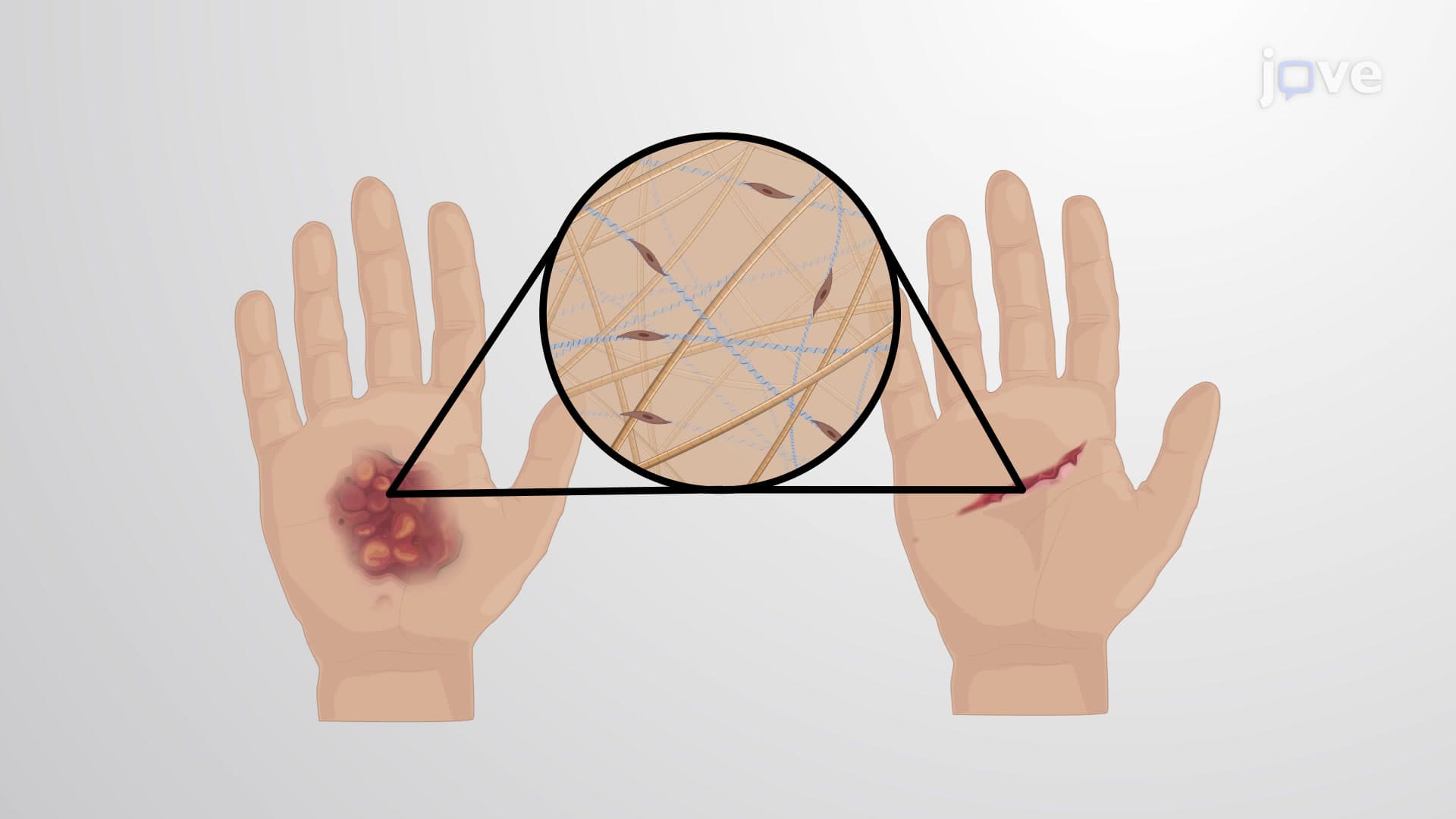
Fibroblasts serve as the primary architects of connective tissue, representing the most abundant cell type in this family. These elongated, spindle-shaped cells possess remarkable versatility, secreting collagen, elastin, and other extracellular matrix proteins that provide structural integrity to tissues. When you sustain an injury-whether from a sports accident treated at Cleveland Clinic or a surgical procedure at Mayo Clinic-fibroblasts rapidly migrate to the wound site and begin producing new matrix materials essential for healing.
The transformative capacity of fibroblasts makes them particularly significant for students studying cell biology. These cells can differentiate into osteoblasts (bone-forming cells), chondrocytes (cartilage cells), or adipocytes depending on environmental signals. This plasticity concept frequently appears on AP Biology exams and MCAT questions, where students must understand how cellular differentiation responds to growth factors and mechanical stress.
Adipocytes, or fat cells, exhibit a distinctive spherical morphology dominated by a single large lipid droplet. These cells function as the body's primary energy storage system, capable of expanding dramatically to accommodate excess nutrients. Beyond simple storage, adipocytes actively participate in metabolic regulation through hormone secretion, including leptin and adiponectin, which influence appetite and insulin sensitivity.
The clinical relevance of adipocyte function extends to understanding obesity, diabetes, and metabolic syndrome-conditions increasingly common in American healthcare settings. Students preparing for nursing exams like NCLEX or HESI A2 should recognize how adipocyte dysfunction contributes to insulin resistance and cardiovascular disease risk factors.
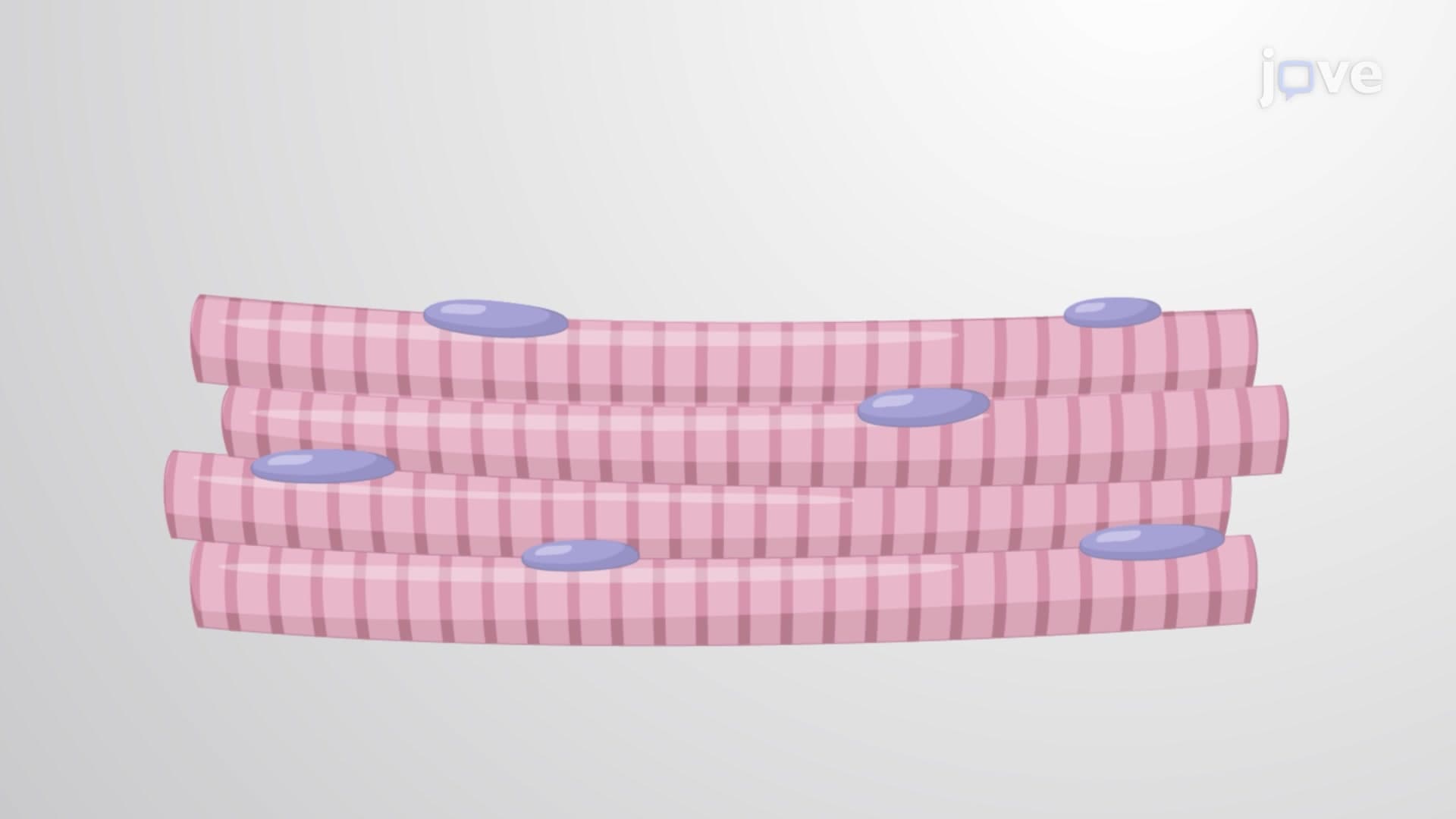
Smooth muscle cells within connective tissue perform essential involuntary functions throughout the body. These elongated cells contain actin and myosin filaments arranged differently from skeletal muscle, allowing for sustained, low-energy contractions. Examples include regulating blood vessel diameter in response to blood pressure changes or facilitating peristalsis in the digestive tract.
Understanding smooth muscle cell function proves crucial for students taking physiology courses or preparing for medical school entrance exams. The MCAT frequently tests knowledge of how smooth muscle contraction differs from skeletal muscle mechanics and its role in autonomic nervous system responses.
Related Micro-courses