Loading video…


 8 Concepts
 40.5K views


Video Summary: What are Mesenchymal Stem Cells
Did you know that your bone marrow contains powerful cells capable of becoming bone, fat, or cartilage depending on their environment? Mesenchymal stem cells are multipotent cells that originate from embryonic layers and can differentiate into various connective tissues based on the stiffness of their surrounding matrix. These remarkable cells play crucial roles in regenerative medicine research at institutions like Stanford University and the Mayo Clinic, where scientists study their potential for treating conditions from osteoporosis to heart disease. Watch the full video on JoVE Coach to master this concept with expert-led visuals and step-by-step explanations.
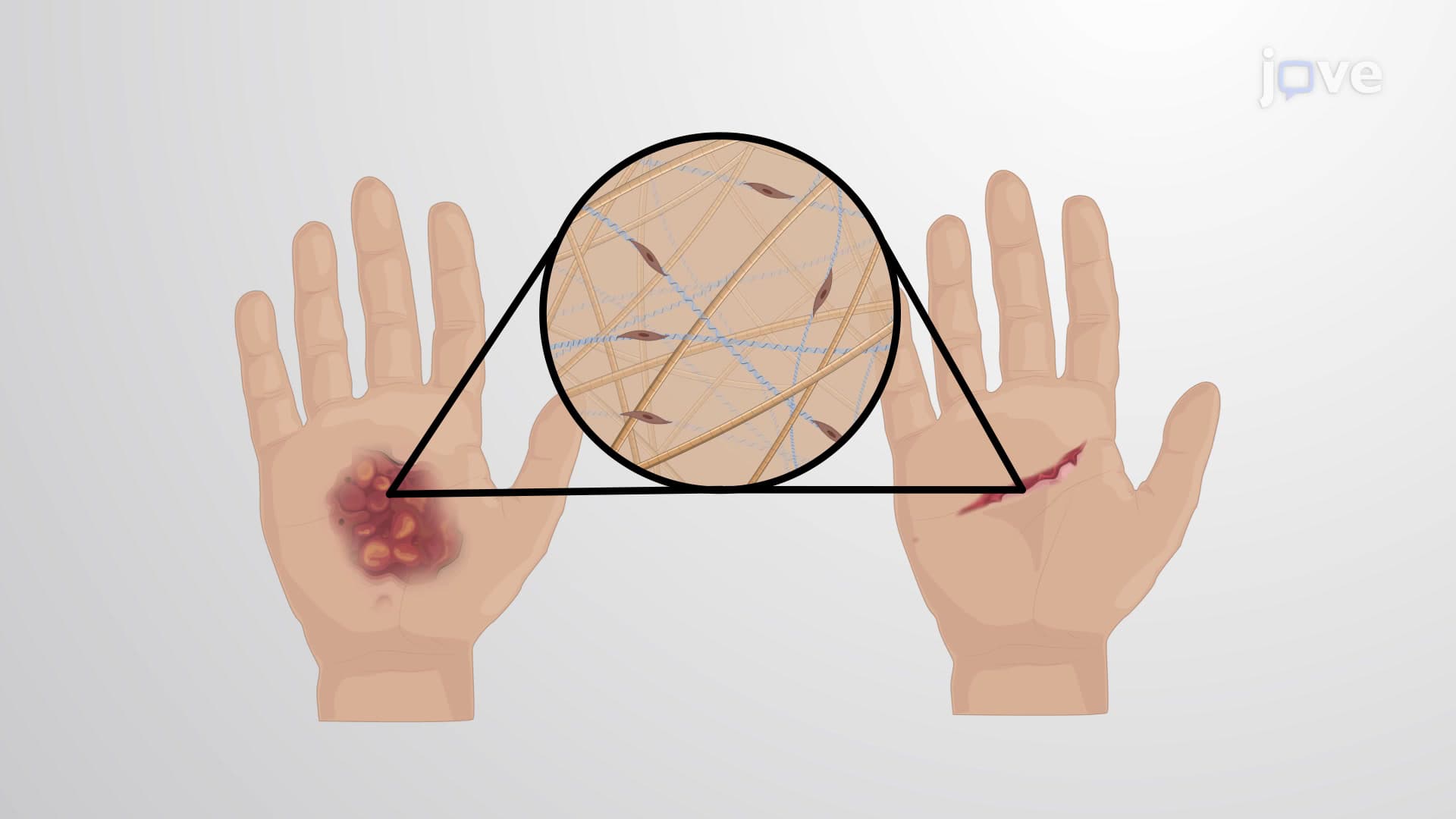
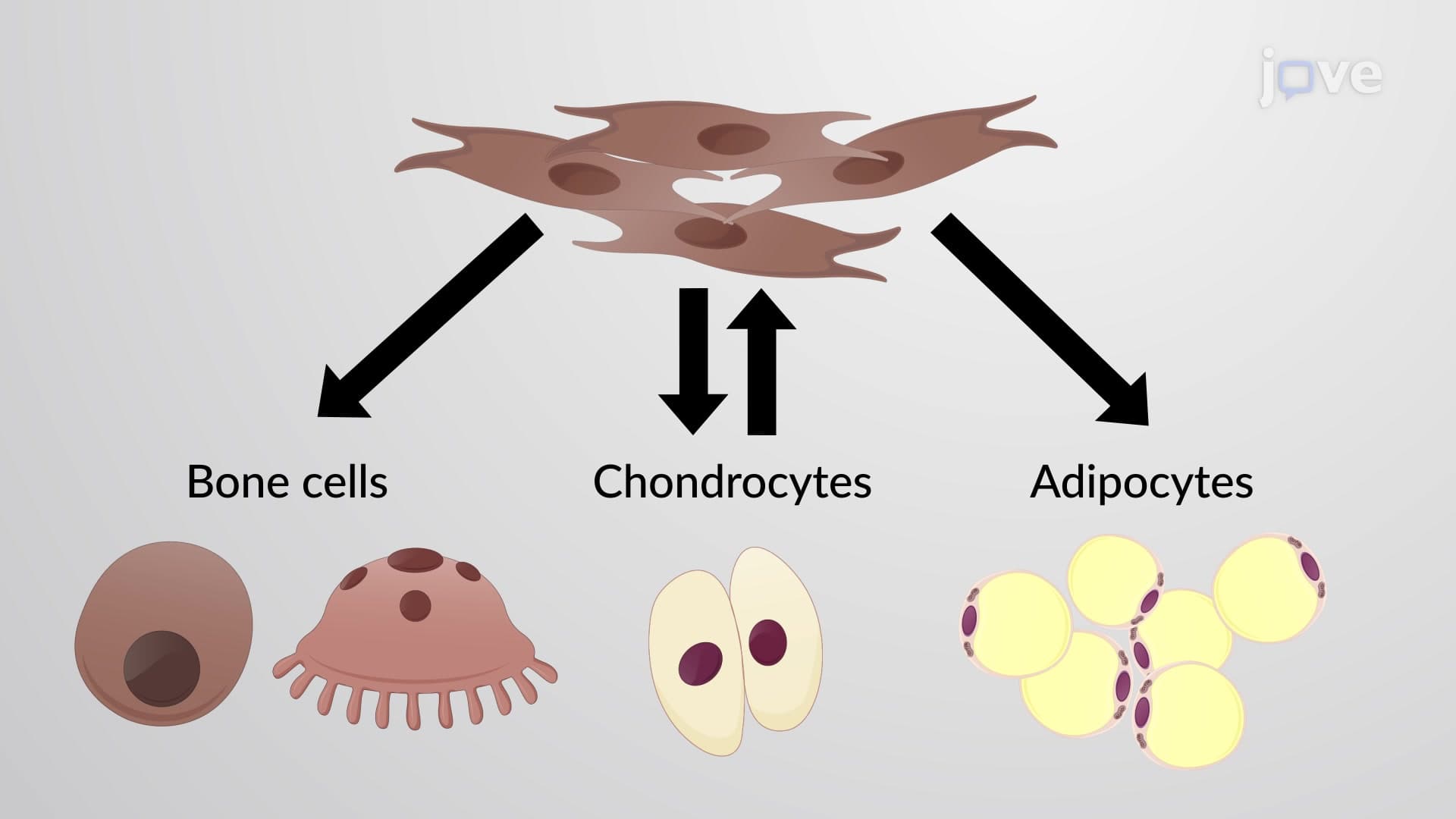
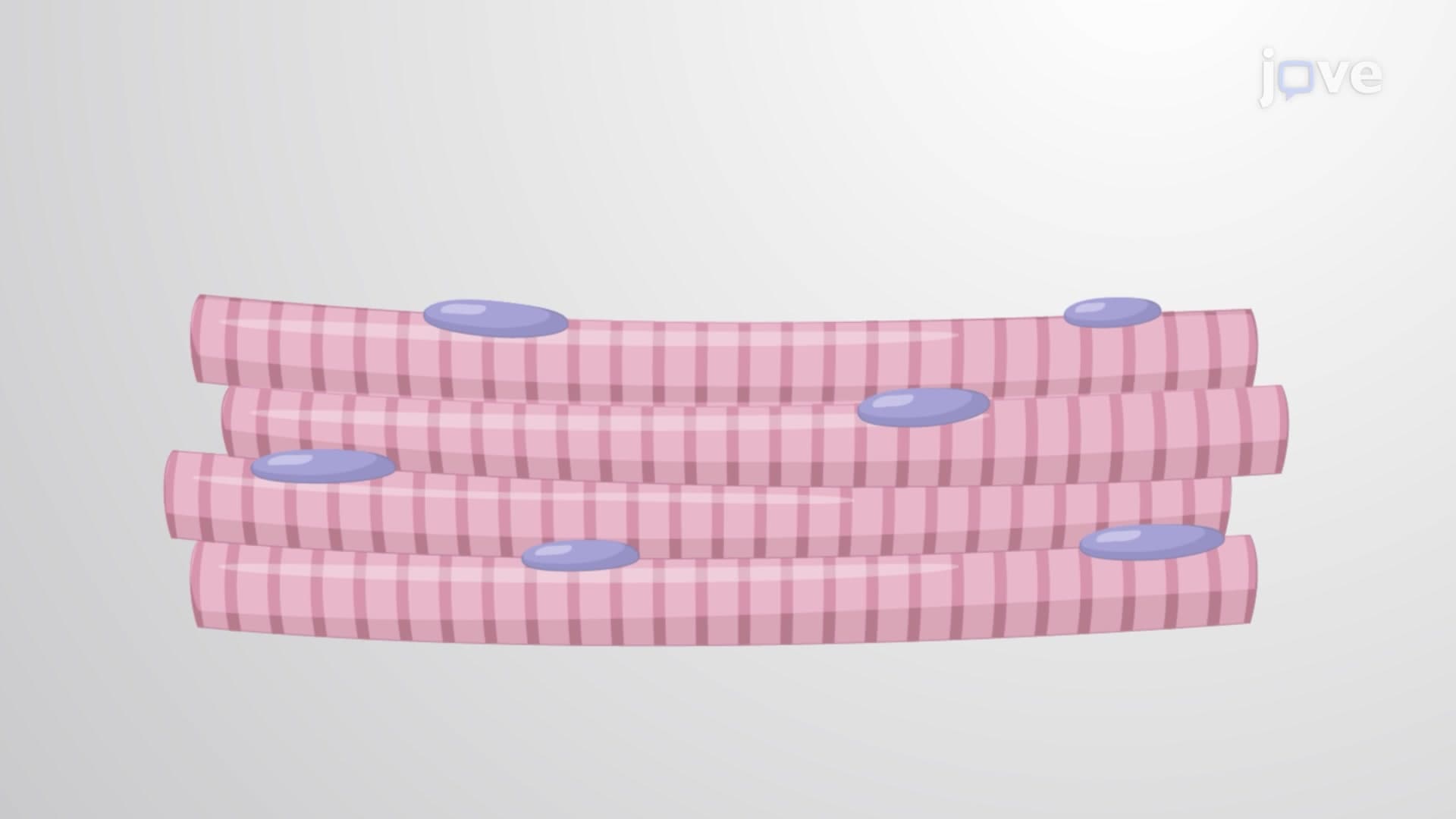
Mesenchymal stem cells represent one of the most fascinating examples of cellular plasticity in human biology. These multipotent cells serve as the foundation for our body's connective tissue framework, possessing the remarkable ability to transform into specialized cell types including bone cells (osteoblasts), fat cells (adipocytes), cartilage cells (chondrocytes), and muscle cells.
The journey of mesenchymal stem cells begins during early embryonic development. Unlike other stem cell types, MSCs arise from two distinct embryonic germ layers: the ectoderm (outer layer) and mesoderm (middle layer). This dual origin gives them unique developmental advantages and explains their diverse differentiation potential.
During embryogenesis, MSCs undergo a critical process called epithelial-to-mesenchymal transition (EMT). Initially existing as tightly connected epithelial cells in the epiblast, these cells must break free from their organized structure and migrate throughout the developing embryo. This transition is essential for proper organ formation and occurs in specific locations where connective tissues will eventually form.
One of the most remarkable features of mesenchymal stem cells is their ability to "read" their physical environment and respond accordingly. The stiffness of the extracellular matrix-the supportive framework surrounding cells-acts as a powerful signal that determines MSC fate.
Research conducted at Harvard Medical School and other leading institutions has demonstrated that soft matrices (similar to fat tissue) promote MSC differentiation into adipocytes, while rigid matrices (resembling bone) drive osteoblast formation. This mechanosensitive behavior explains how our bodies maintain appropriate tissue types in different locations and has revolutionary implications for tissue engineering applications.
Understanding mesenchymal stem cells has become increasingly important for students pursuing healthcare careers. These concepts appear frequently on the MCAT, particularly in questions about development biology and regenerative medicine. AP Biology students encounter MSCs when studying cellular differentiation and tissue formation.
Major medical centers including the Cleveland Clinic and Johns Hopkins are conducting clinical trials using MSCs to treat conditions ranging from osteoarthritis to heart failure. The FDA has approved several MSC-based therapies, making this knowledge directly relevant to current medical practice.
Related Micro-courses