Loading subject page…


95,436 views

Video Summary: Chloroplast Protein Targeting to the Inner Membrane
Did you know that chloroplasts in a single spinach leaf contain over 3,000 different proteins, each needing precise delivery to function? Chloroplast protein targeting to the inner membrane involves sophisticated molecular machinery that ensures proteins reach their exact destinations within these vital organelles. Similar to how the USPS uses zip codes to deliver mail to specific addresses, plant cells use specialized import pathways-the stop-transfer and re-insertion routes-to direct proteins through TOC and TIC complexes to the chloroplast inner membrane. Watch the full video on JoVE Coach to master this concept with expert-led visuals and step-by-step explanations.
Chloroplast protein targeting to the inner membrane represents one of biology's most sophisticated quality control systems. Unlike simple diffusion, this process requires precise molecular recognition and coordinated transport machinery. The chloroplast inner membrane houses critical proteins for photosynthesis, including components of the electron transport chain and ATP synthase subunits-making accurate protein delivery essential for plant survival.
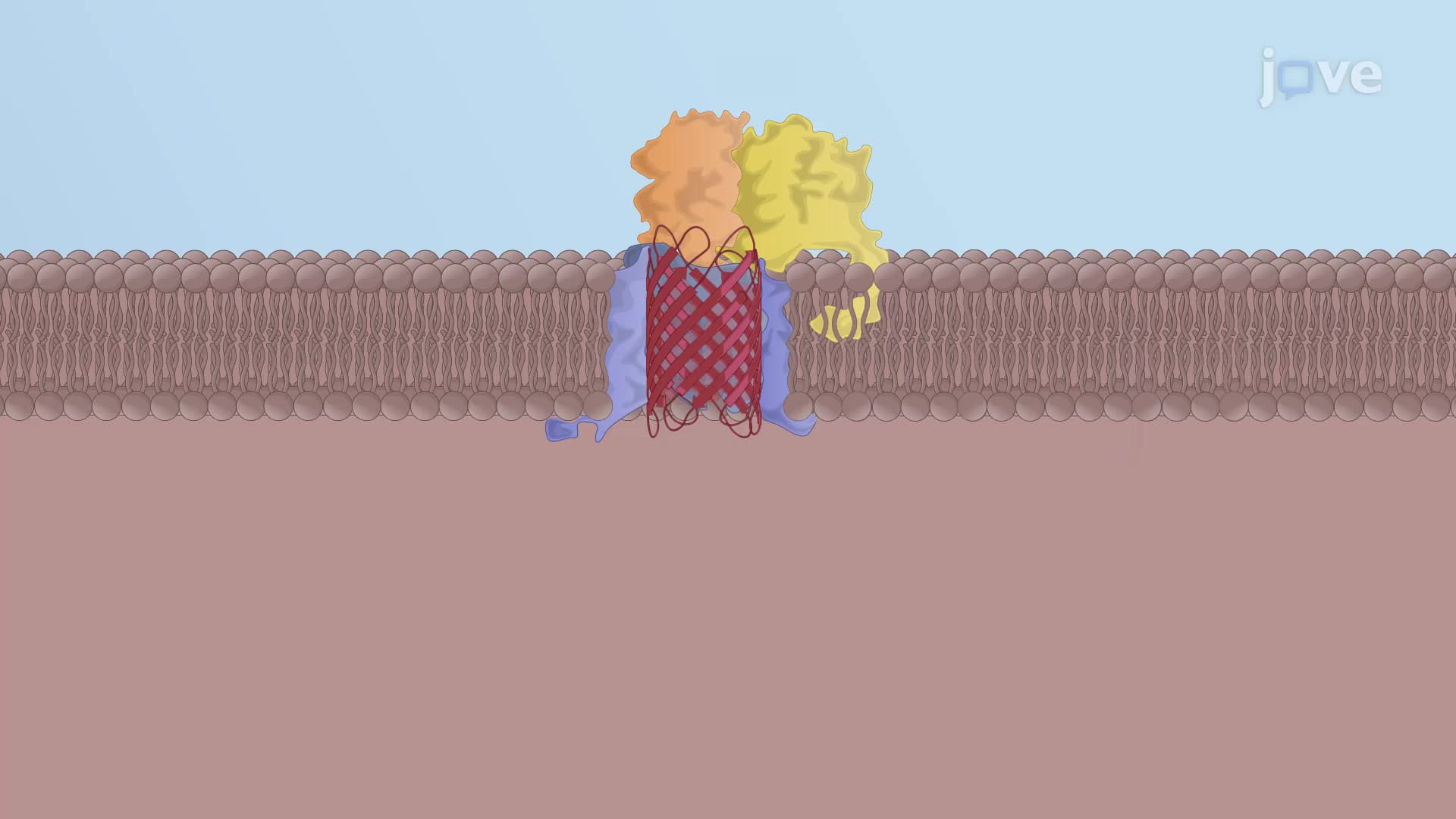
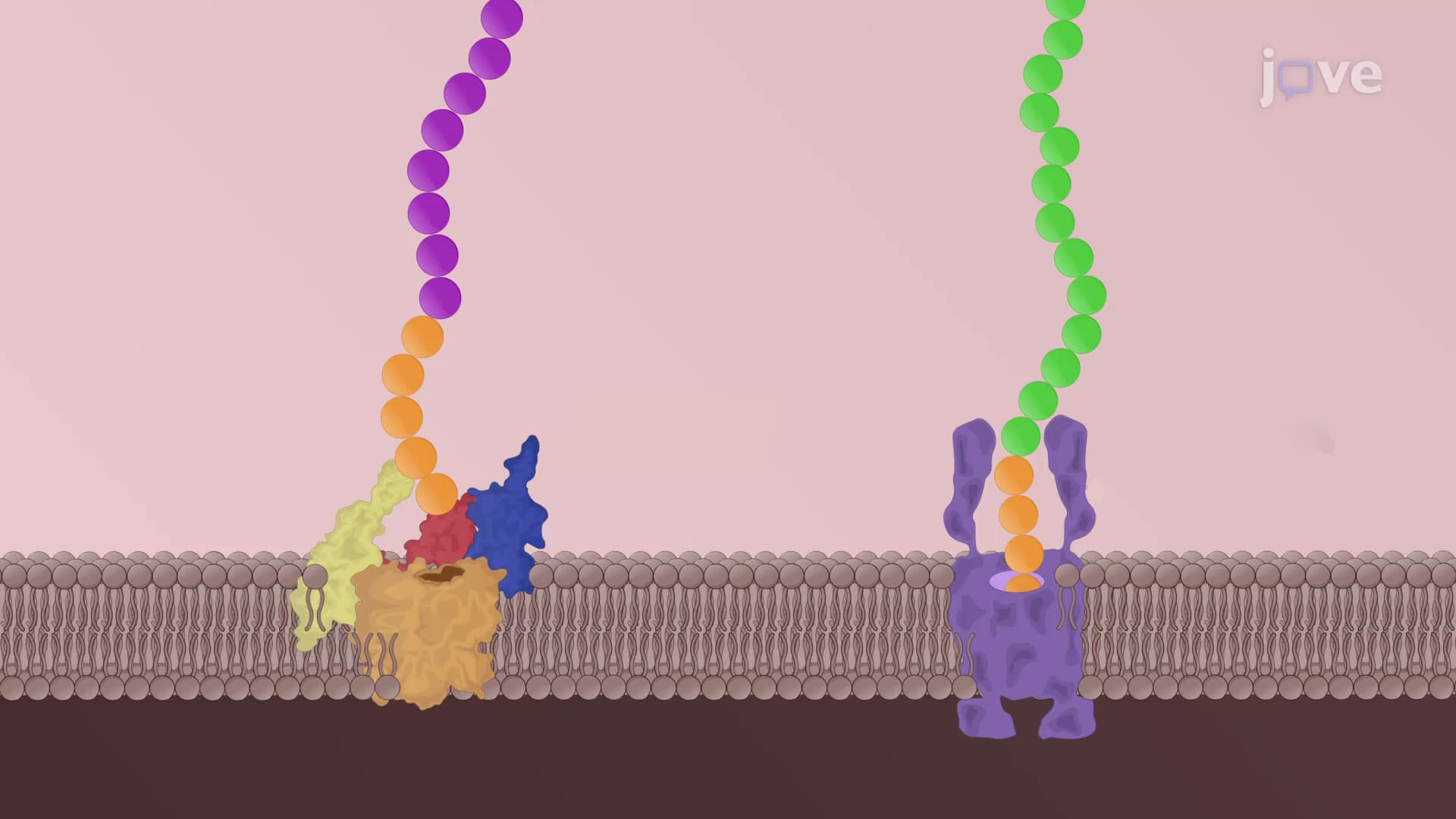
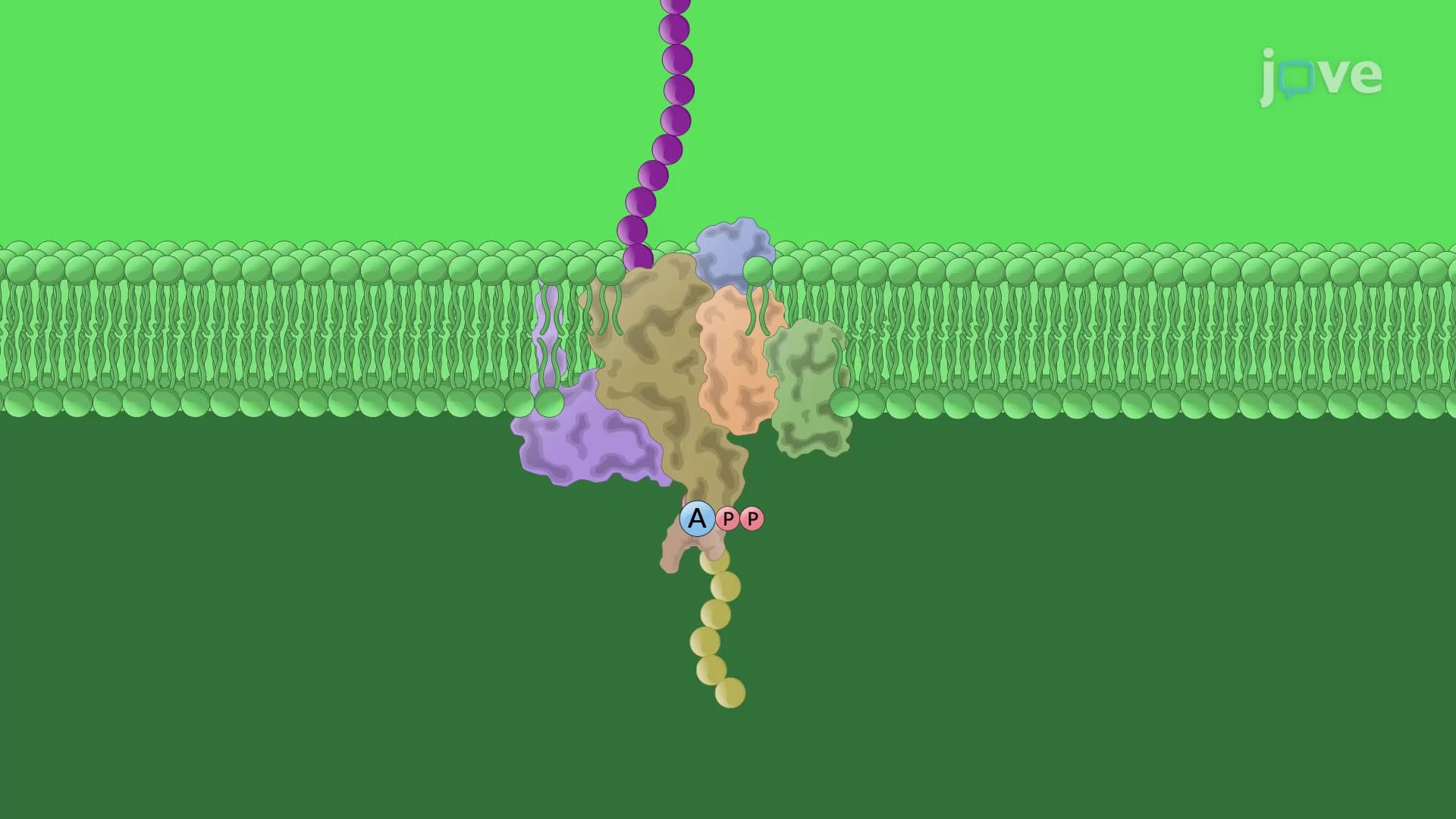
The Translocon at the Outer Chloroplast membrane (TOC) and Translocon at the Inner Chloroplast membrane (TIC) work as coordinated gatekeepers. All proteins destined for the inner membrane must first pass through the TOC complex, which recognizes N-terminal transit peptides. This initial recognition step is comparable to airport security checkpoints-every passenger (protein) must be screened before proceeding to their final destination.
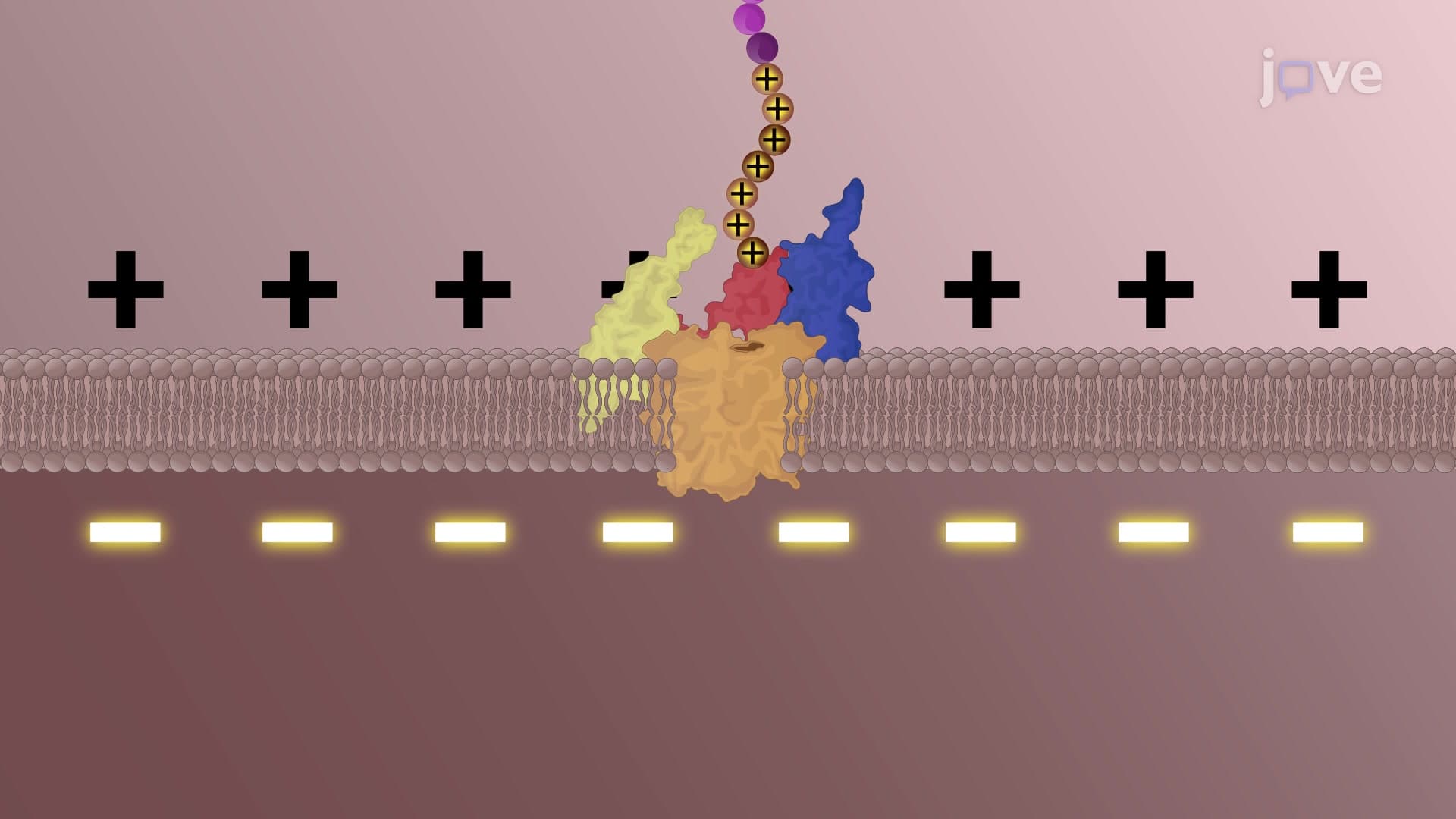
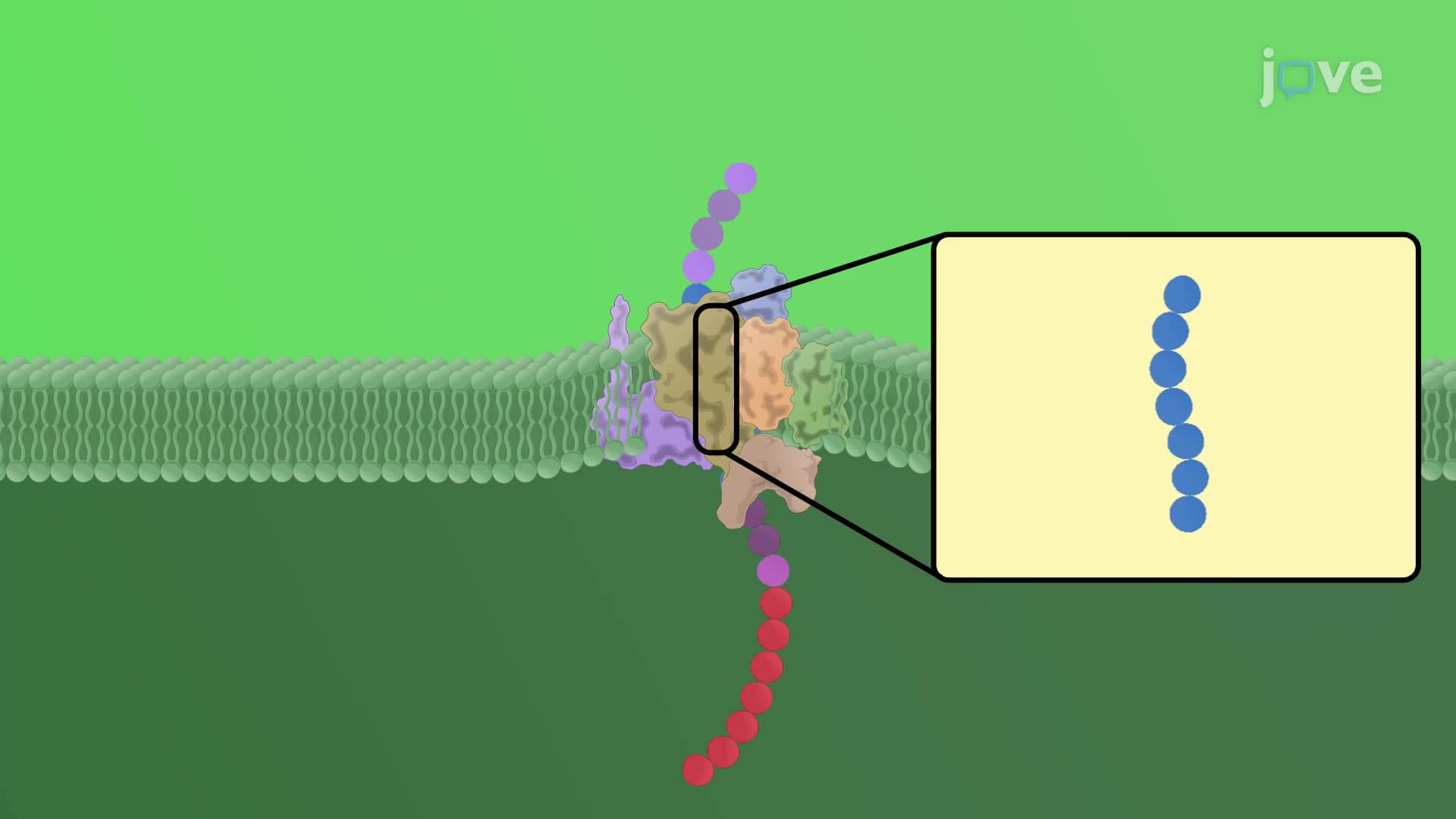
In the stop-transfer pathway, proteins contain hydrophobic segments that act as molecular brakes. As the protein moves through the TIC complex, this hydrophobic region encounters the lipid bilayer and spontaneously inserts, halting further translocation. This mechanism is particularly important for single-pass membrane proteins. Students preparing for the AP Biology exam should note that this process demonstrates how protein structure directly determines cellular localization-a key concept tested in molecular biology sections.
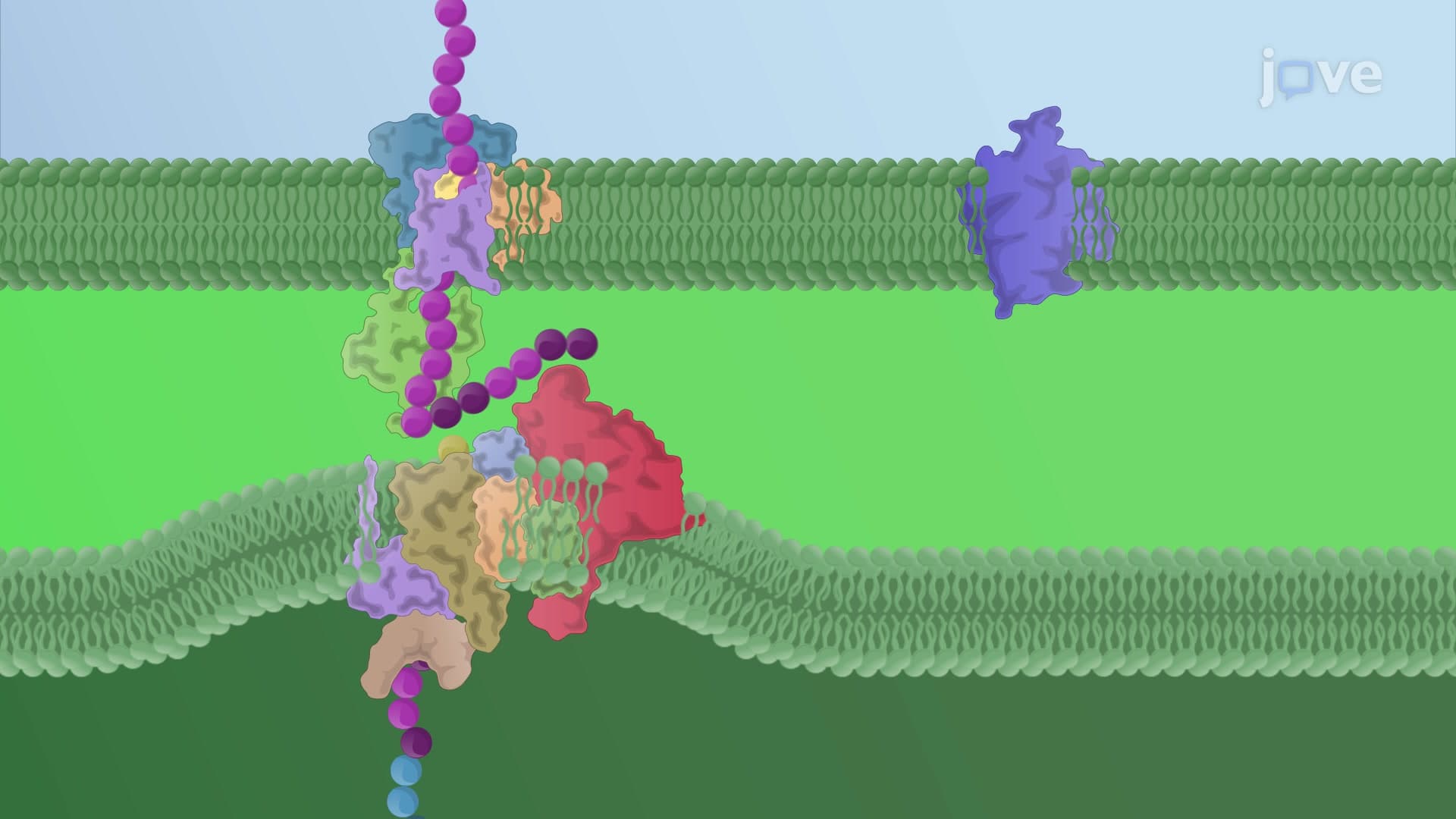
The re-insertion pathway involves a more complex journey. Proteins are first completely imported into the stroma, where signal peptidases remove transit sequences. Stromal chaperones then facilitate membrane insertion-TIC40 acts as a coordinator, while Hsp93 provides energy through ATP hydrolysis, and TIC110 serves as the membrane insertion channel. This pathway is crucial for multi-pass membrane proteins and those requiring additional processing.
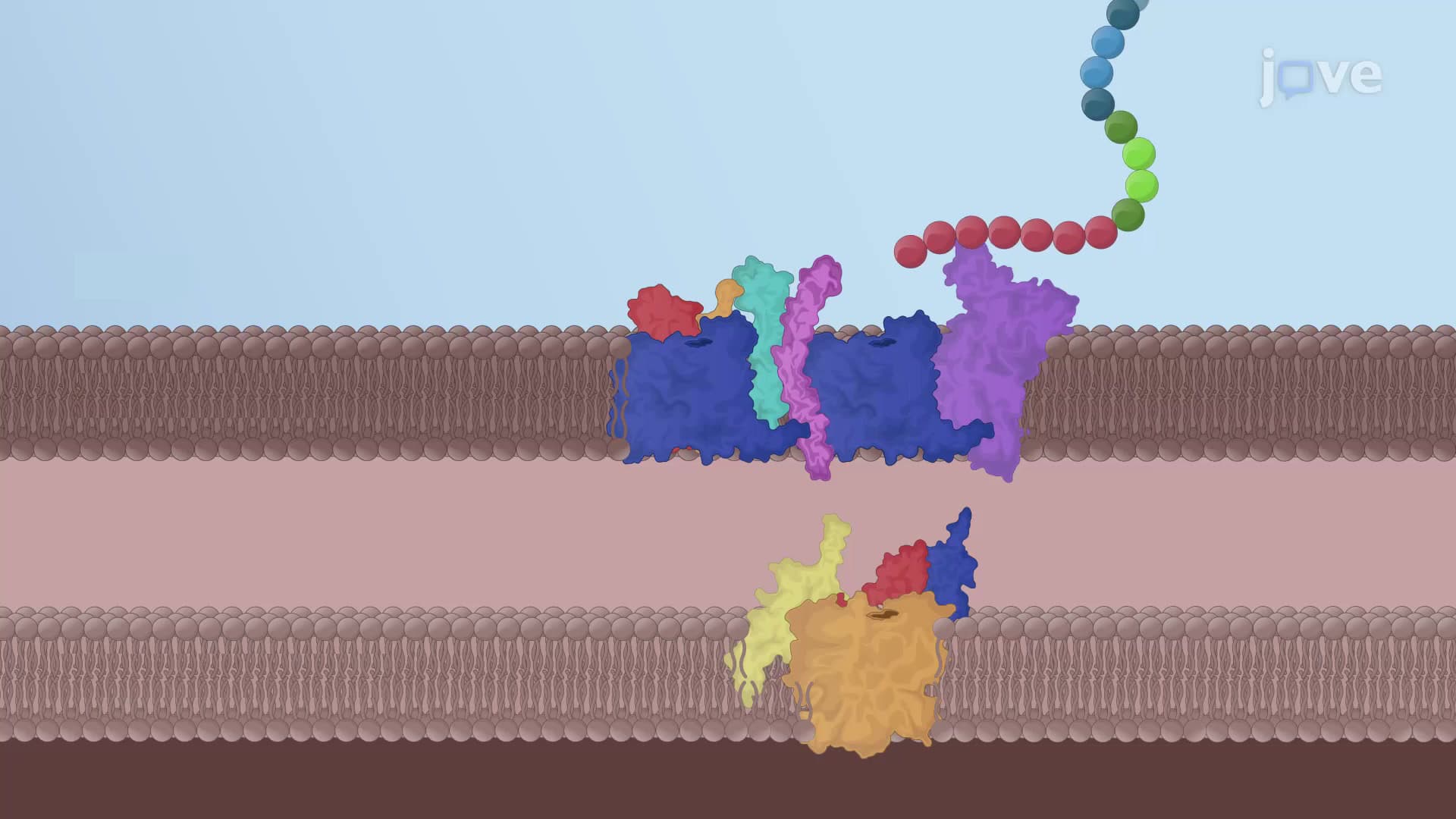
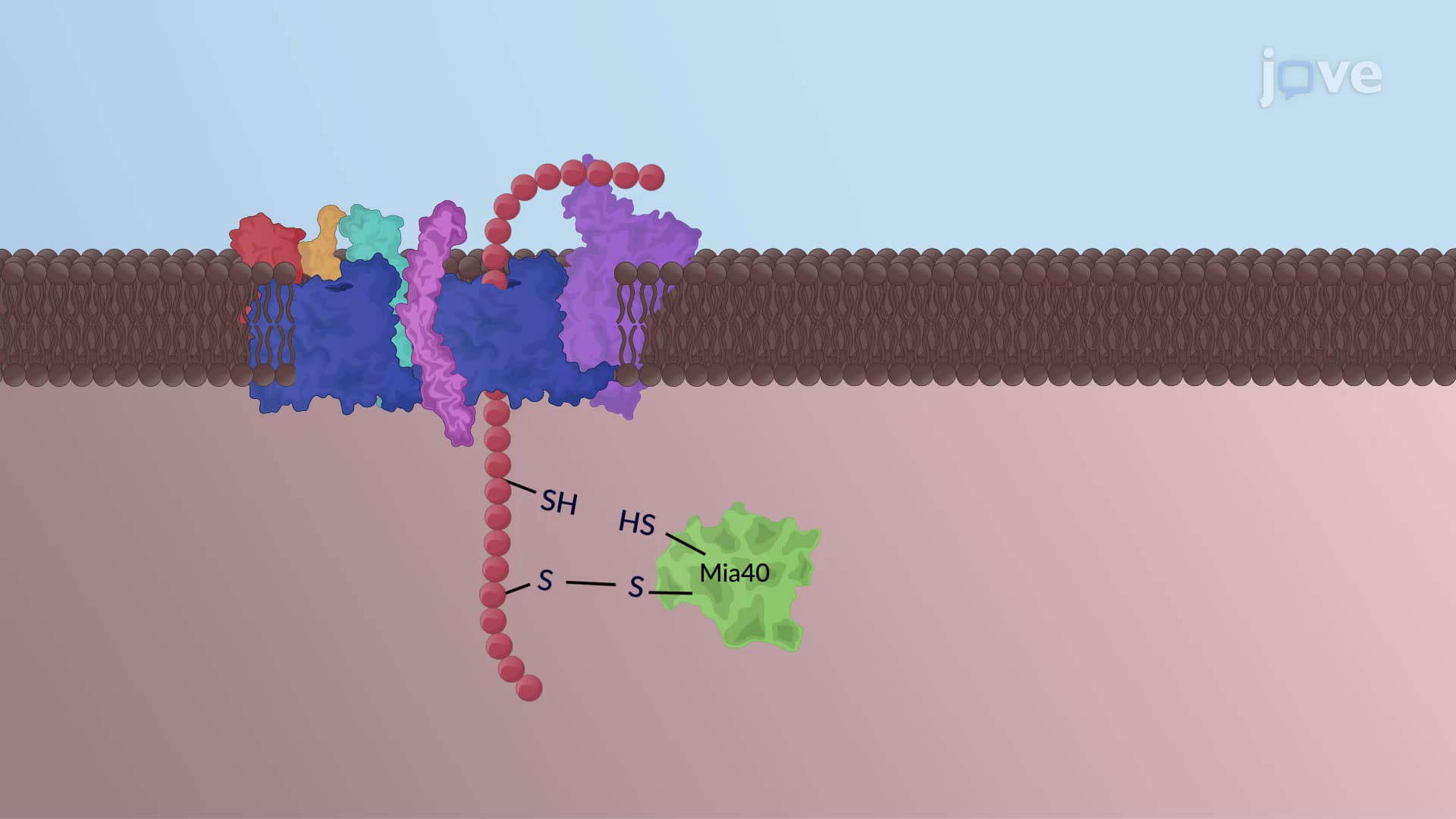
Medical students studying for the MCAT should understand that similar targeting mechanisms exist in mitochondria, making chloroplast protein import an excellent model for organellar protein trafficking. Research at institutions like Stanford University and MIT continues to reveal new details about these pathways, particularly their roles in plant stress responses and agricultural applications.
Related Micro-courses