Loading subject page…


95,422 views

Video Summary: Chloroplast Protein Targeting to the Outer Membrane
Ever wondered how plant cells manage to insert thousands of proteins into the exact right cellular compartments without mixing them up? Chloroplast protein targeting to the outer membrane is a precisely choreographed process that ensures critical proteins reach their destination in chloroplasts-the powerhouses that make photosynthesis possible in crops like corn and soybeans across American farmlands. Watch the full video on JoVE Coach to master this concept with expert-led visuals and step-by-step explanations.
Chloroplast protein targeting to the outer membrane represents one of nature's most sophisticated molecular delivery systems. Unlike proteins destined for other cellular compartments, outer membrane proteins must navigate a complex pathway that requires precise molecular recognition and coordinated machinery. This process is fundamental to maintaining chloroplast function in all photosynthetic organisms, from the algae studied in university research labs to the agricultural crops that feed millions of Americans.
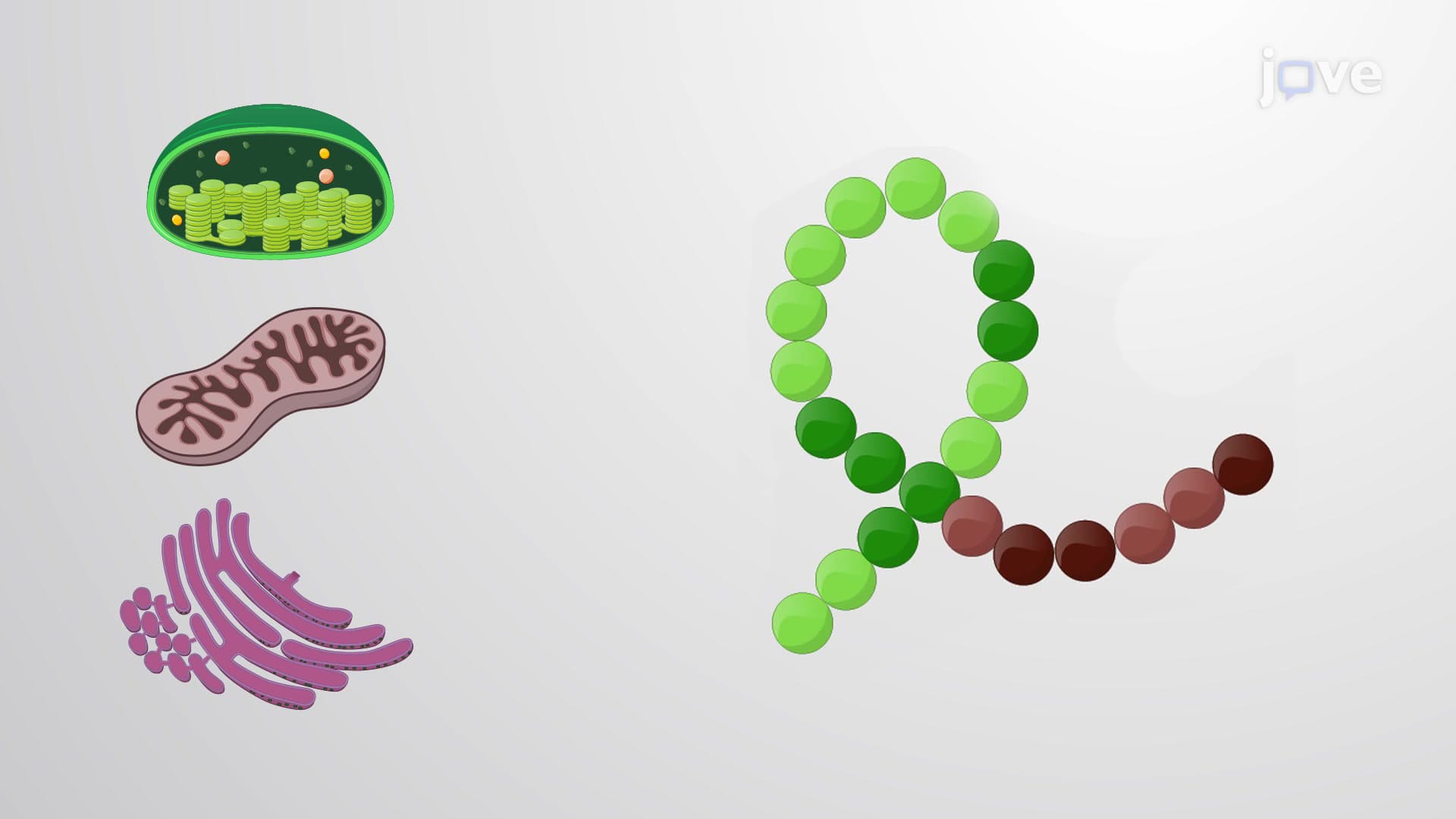
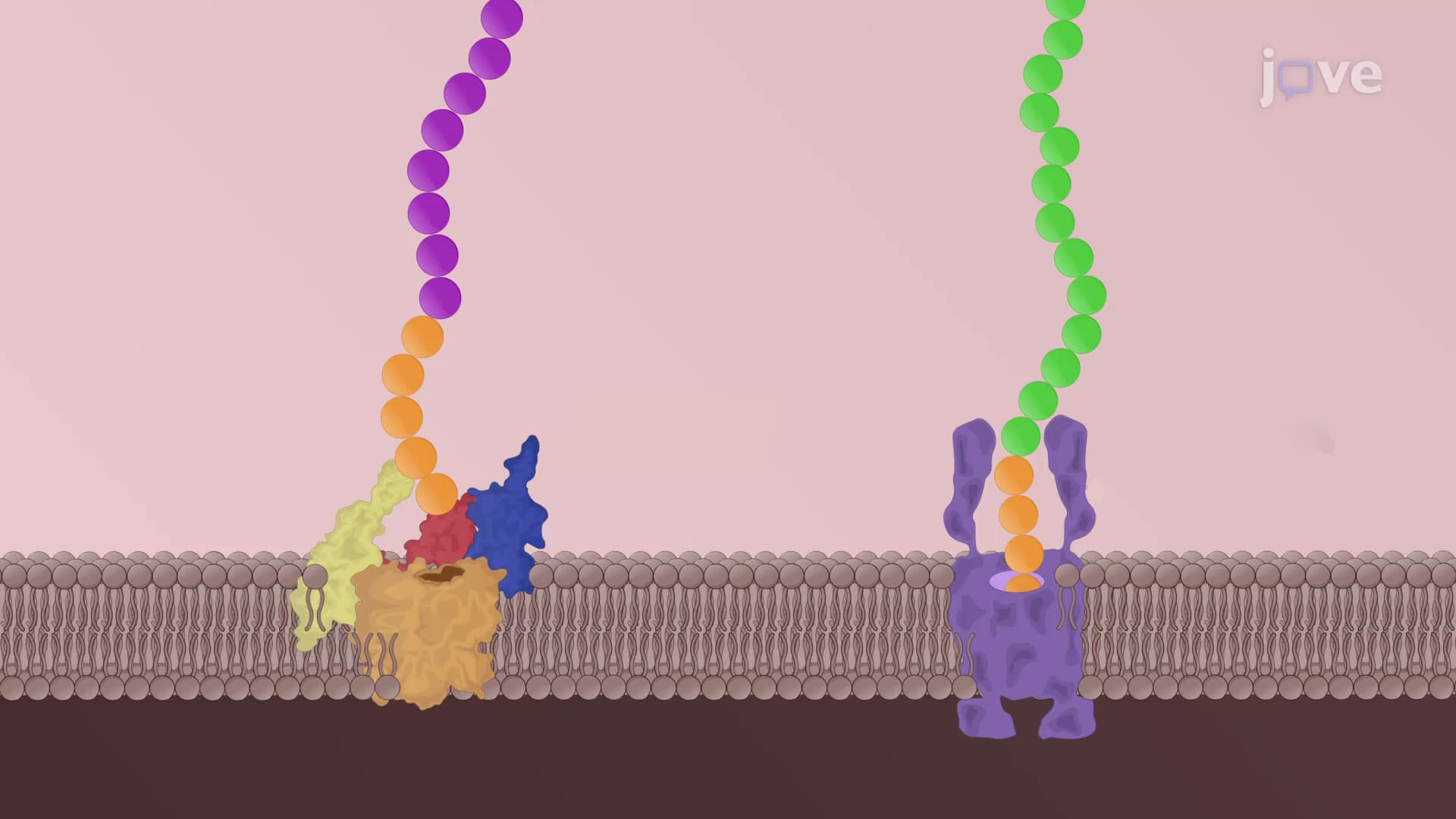
The journey begins with newly synthesized precursor proteins that carry specialized postal codes called non-cleavable transit signals. These N-terminal sequences act like molecular zip codes, directing proteins specifically to chloroplast outer membranes rather than to mitochondria, the endoplasmic reticulum, or other cellular destinations. This specificity is crucial-a misdirected protein could disrupt cellular function or cause disease states studied in medical schools across institutions like Johns Hopkins and Harvard Medical School.
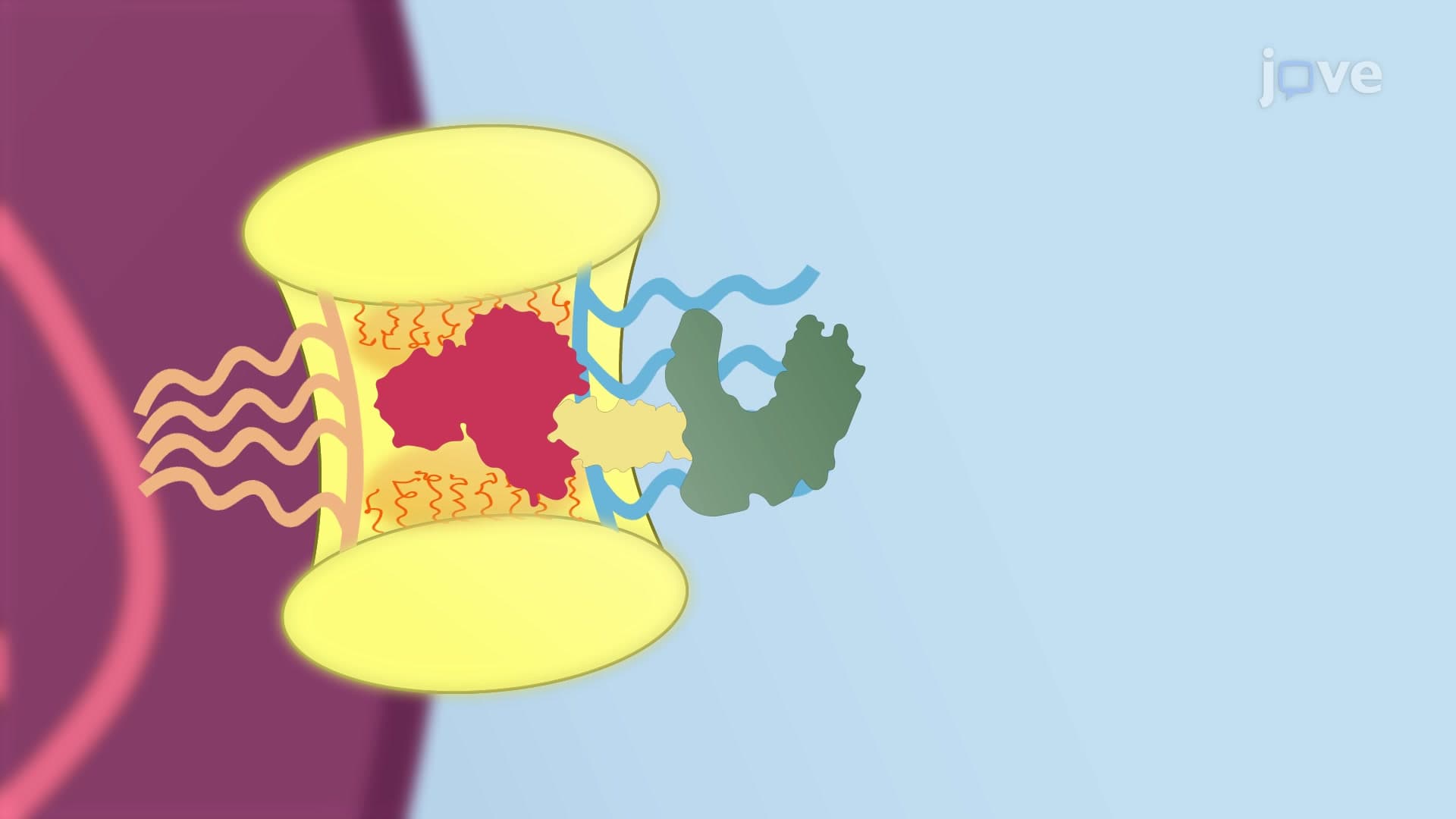
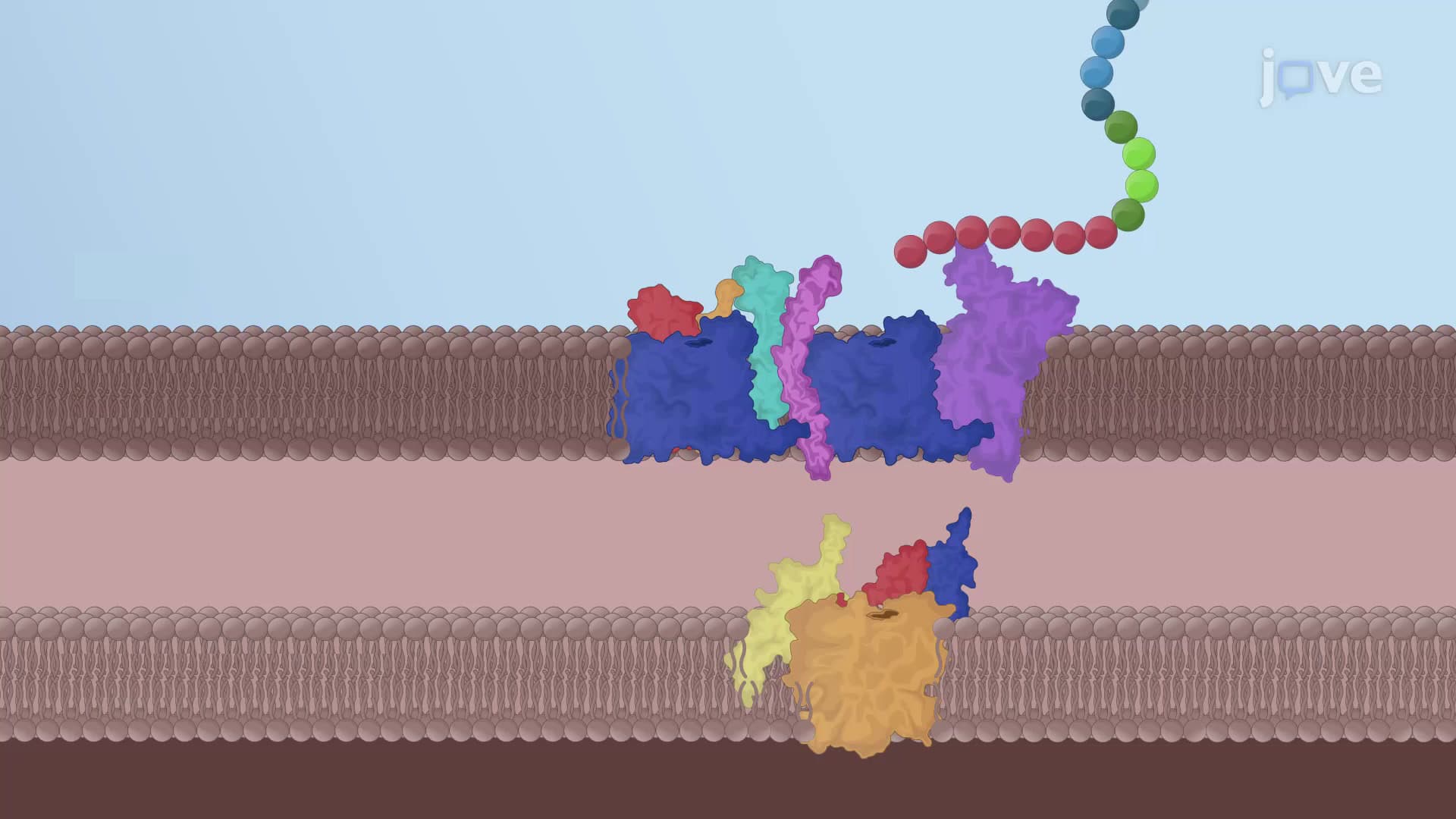
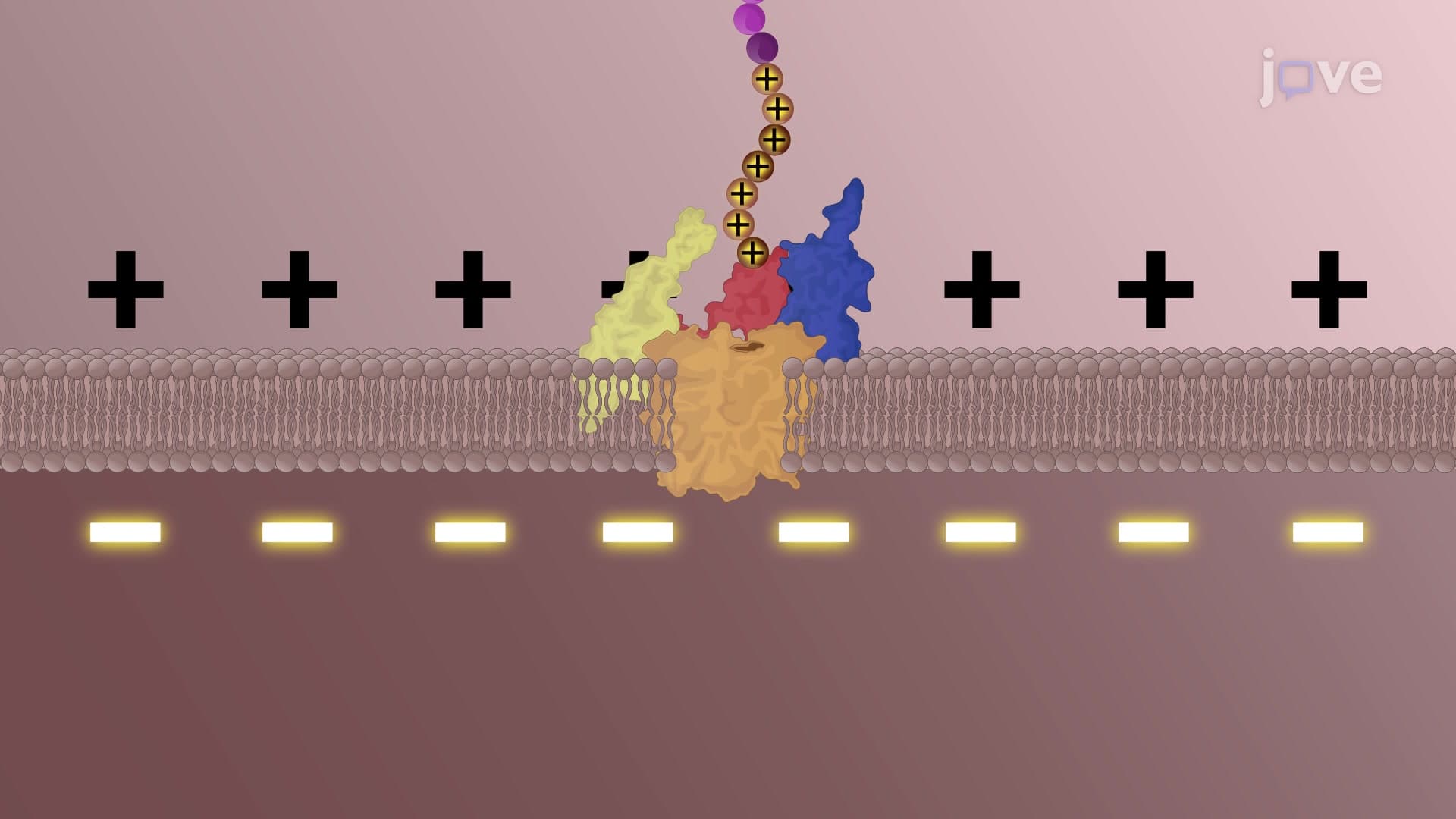
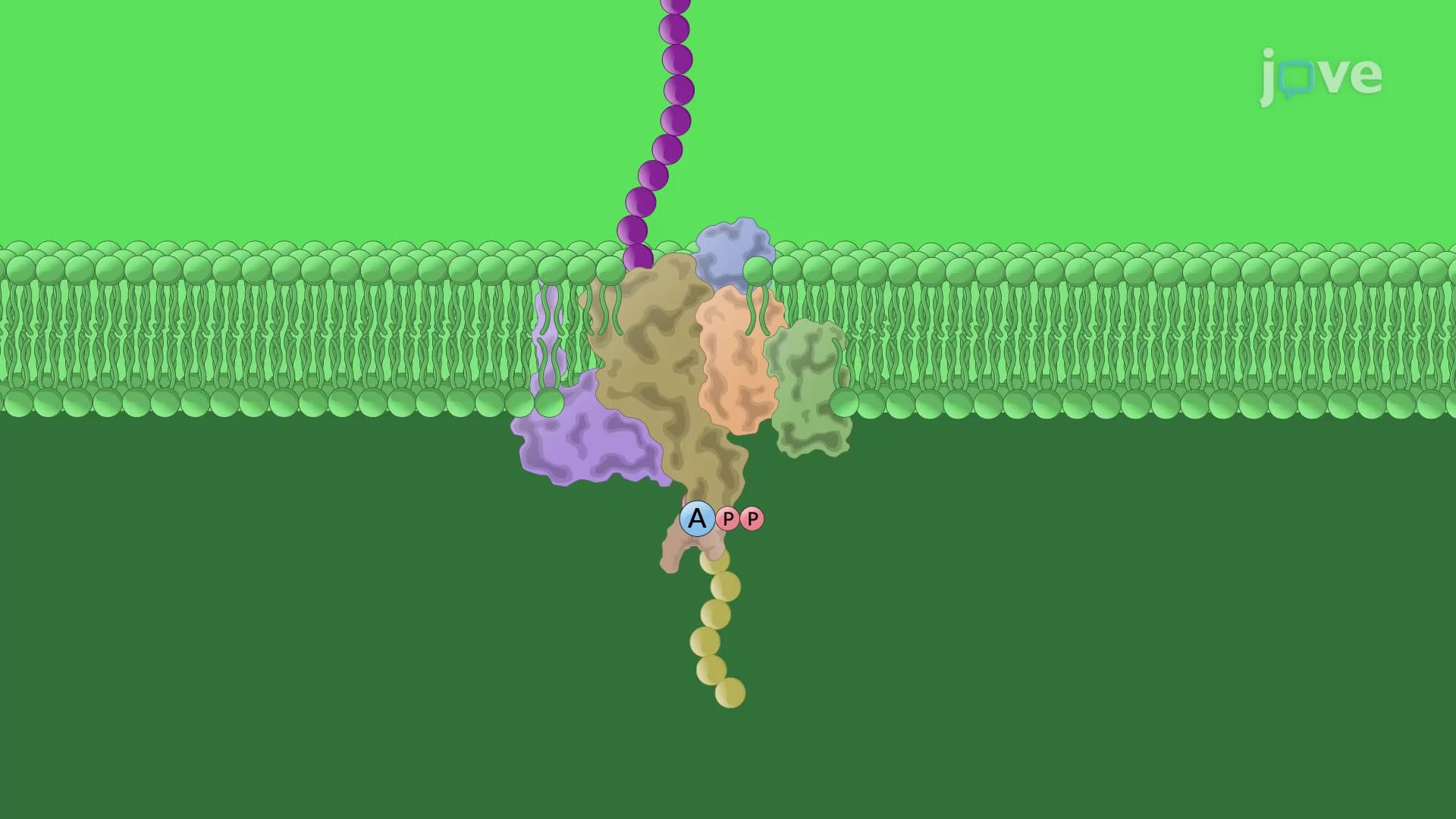
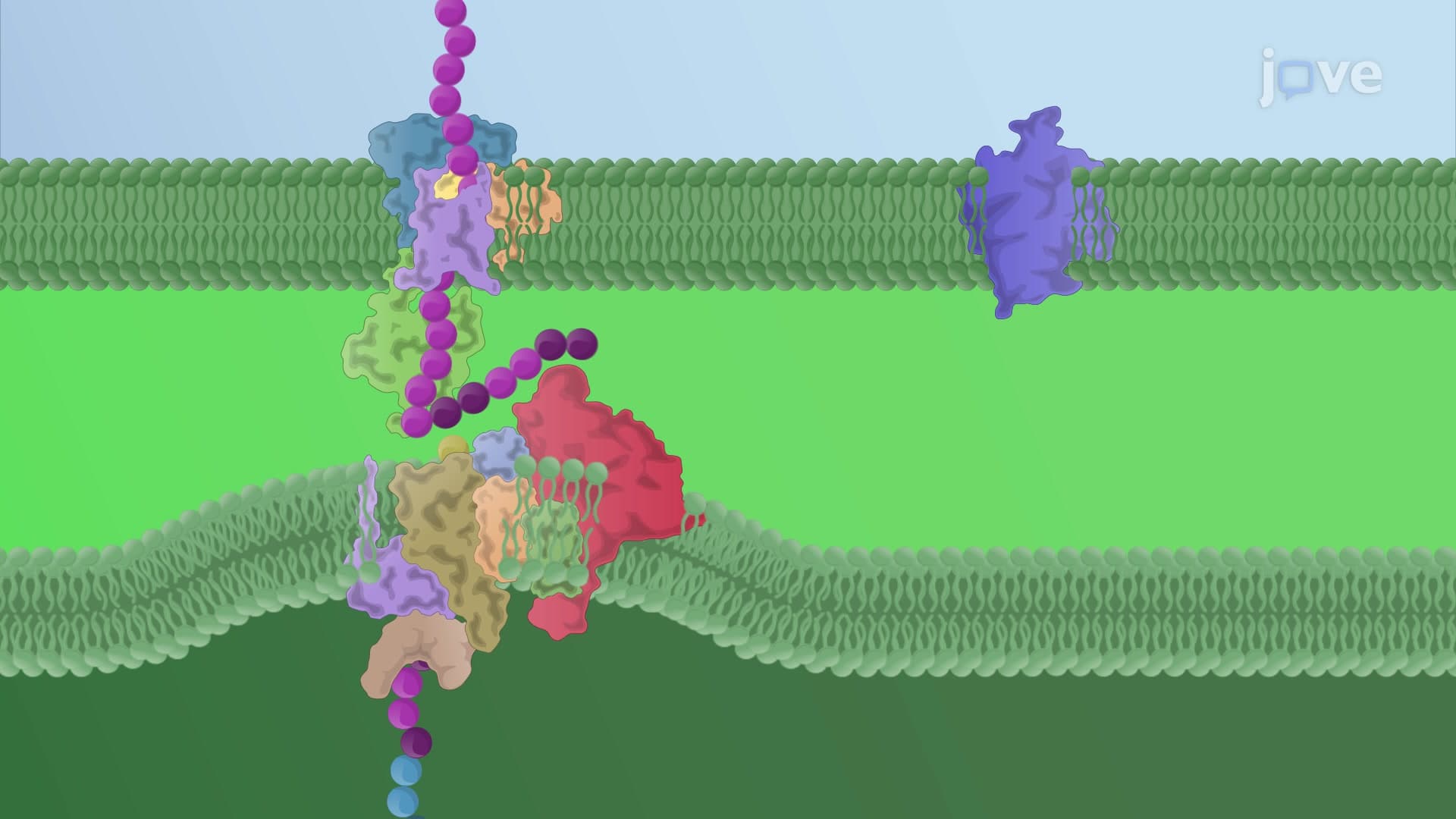
The heart of chloroplast protein targeting involves the remarkable cooperation between two protein complexes. The TOC complex serves as the initial docking station at the outer membrane, while the TIC complex operates at the inner membrane. When these complexes interact, they form a supercomplex that creates a continuous channel spanning both membranes. This architectural marvel ensures proteins don't get lost in the intermembrane space-a concept frequently tested on AP Biology exams and college biochemistry midterms.
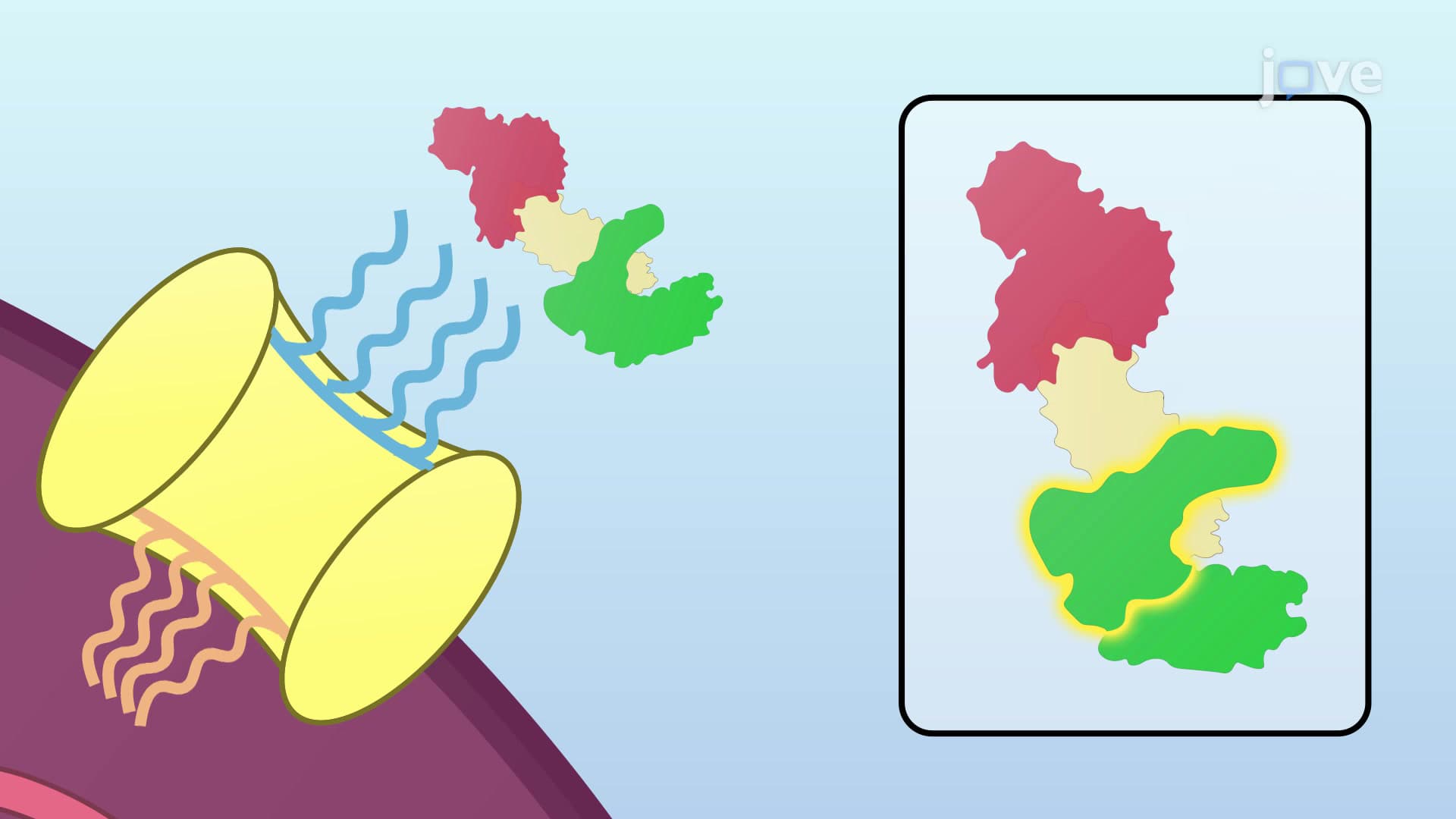
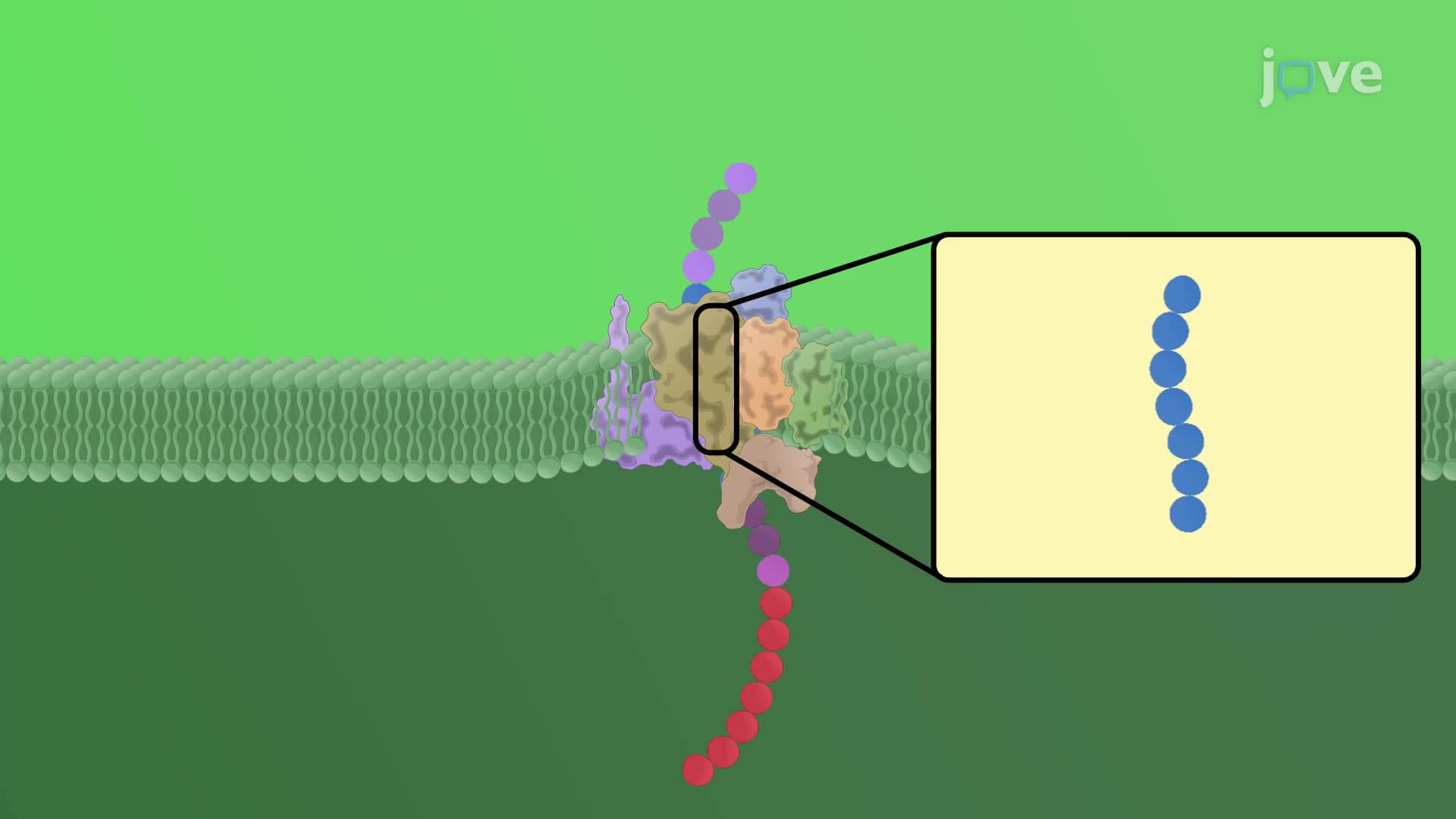
Perhaps the most elegant aspect of this process involves the polyglycine stretch that acts as a molecular parking brake. This sequence strategically stalls the precursor protein at just the right moment, preventing it from traveling too far into the chloroplast interior. Meanwhile, the POTRA domain functions as a molecular chaperone, similar to the heat shock proteins students encounter in cell biology courses. This quality control mechanism prevents the protein aggregation that could otherwise prove fatal to the cell.
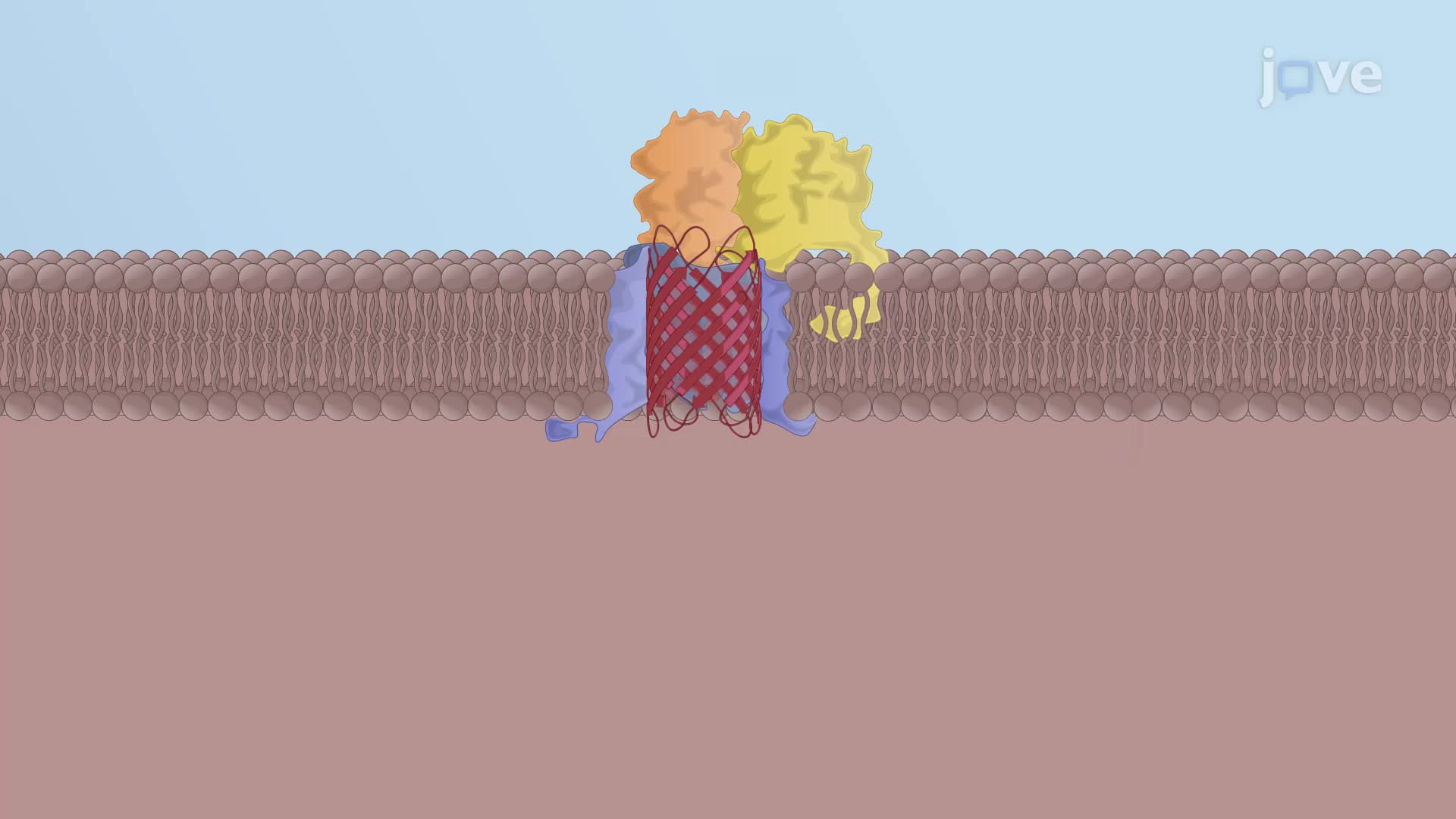
The final processing step involves plastidic type 1 signal peptidases-enzymes that precisely cleave the polyglycine stretch like molecular scissors. This cleavage event triggers the transfer of the processed protein to the outer membrane protein insertion complex, where it finally integrates into its permanent membrane home.
Related Micro-courses