Loading subject page…


95,422 views

Video Summary: Mitochondrial Protein Sorting to the Inner Membrane
Did you know that your cells contain thousands of proteins that must find their way to the right cellular destination, much like packages being sorted at a FedEx distribution center? Mitochondrial protein sorting to the inner membrane is a highly regulated process that ensures proteins reach their proper locations within the cell's powerhouse. This complex system involves specialized transport machinery and electrochemical gradients that guide proteins to specific membrane compartments, similar to how researchers at Stanford University study protein trafficking in disease states. Watch the full video on JoVE Coach to master this concept with expert-led visuals and step-by-step explanations.
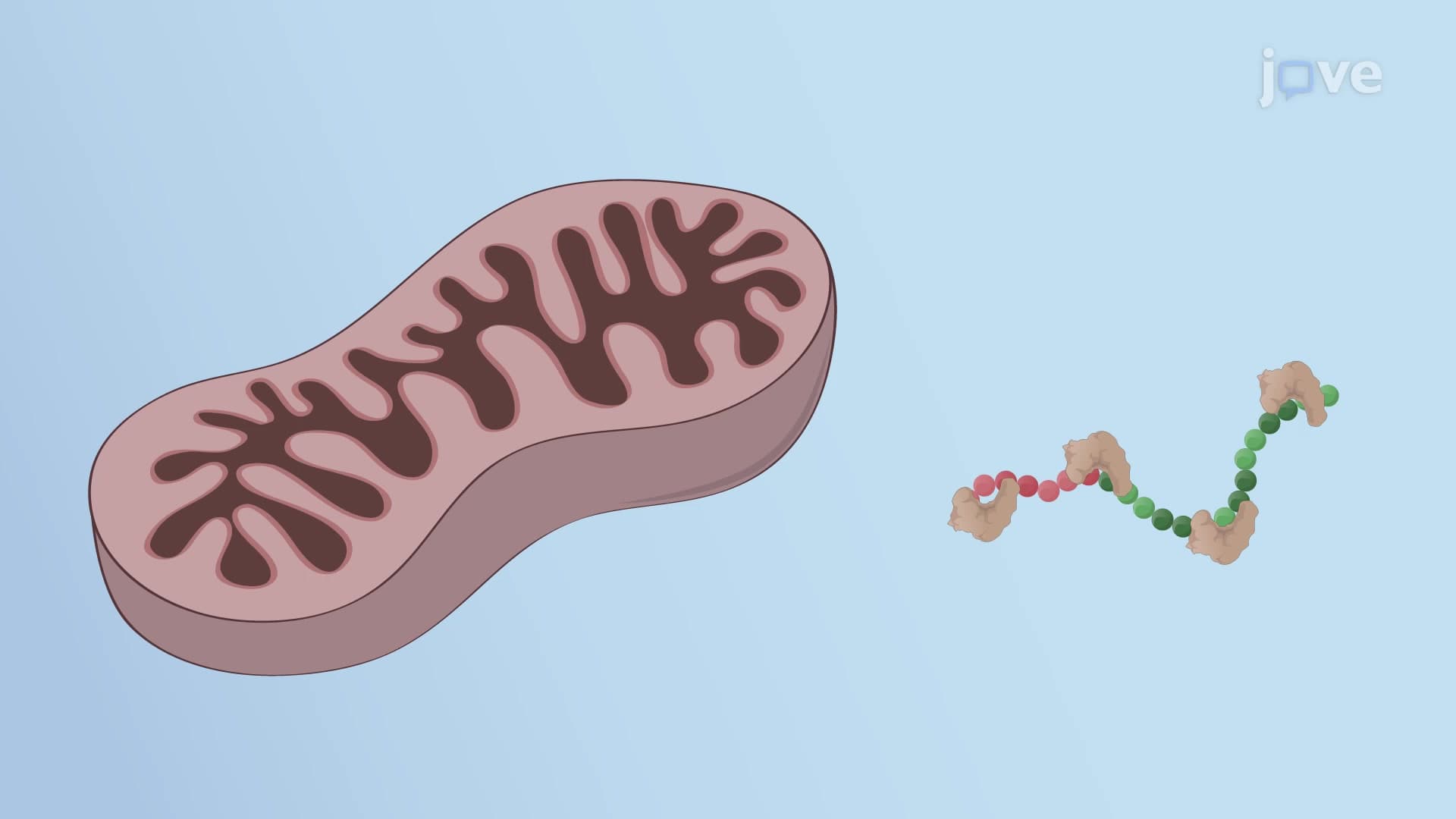
The mitochondrial inner membrane houses critical proteins involved in cellular respiration and energy production. Unlike other cellular membranes, the inner mitochondrial membrane requires sophisticated machinery to ensure proper protein insertion and orientation. This process is essential for maintaining the electron transport chain and ATP synthesis that power cellular activities.
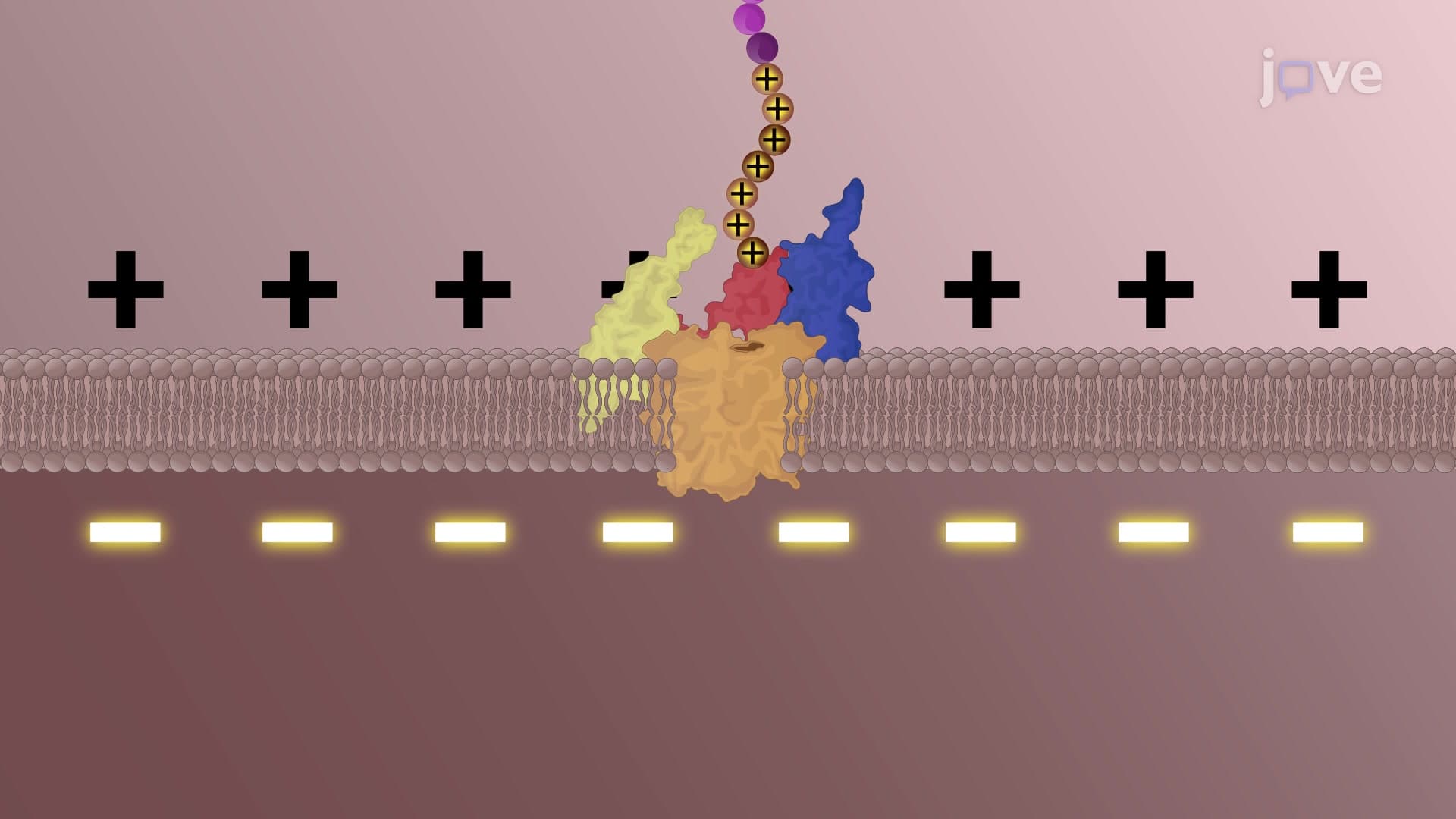
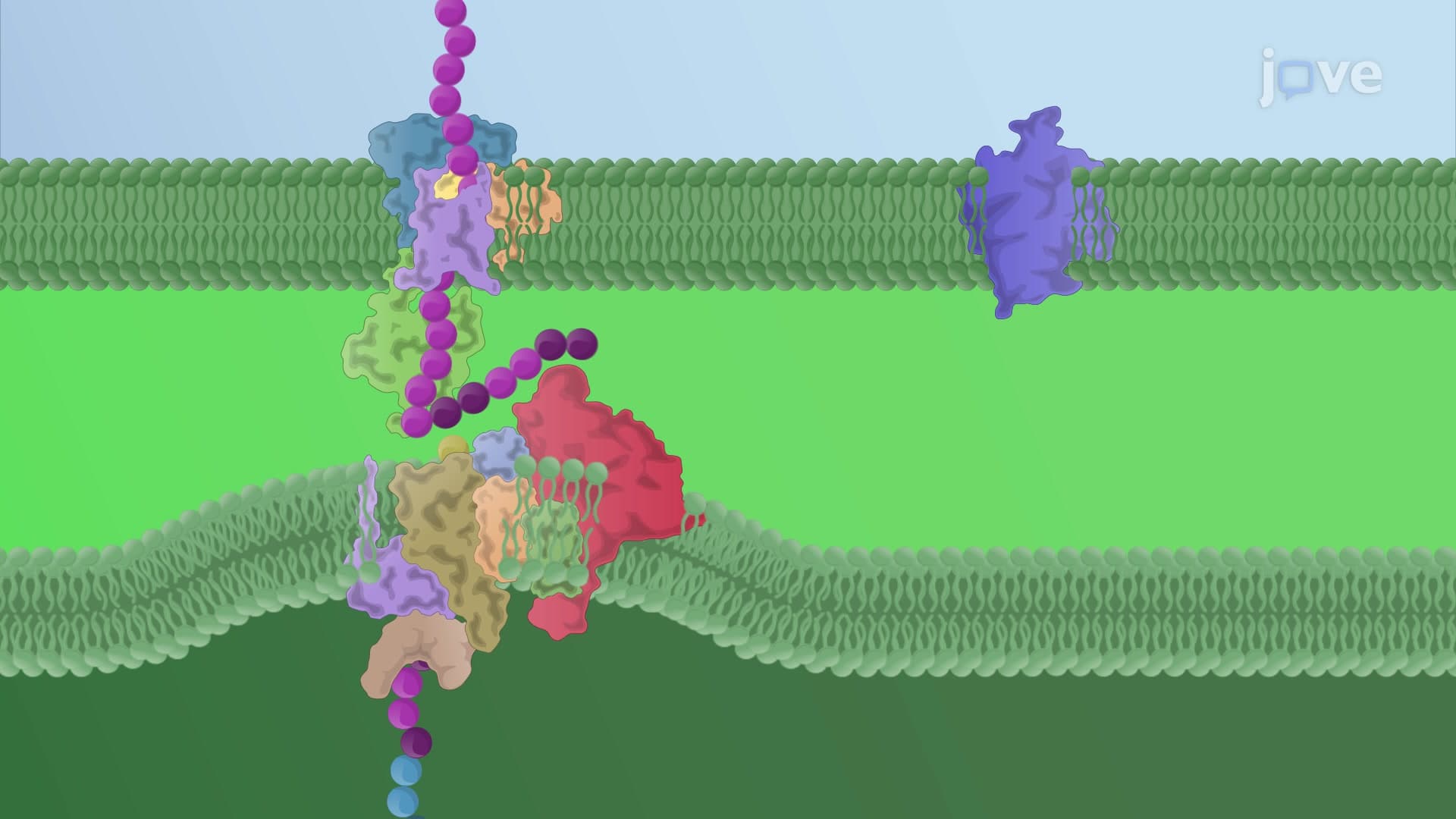
The electrochemical potential across the inner membrane serves as the primary driving force for protein translocation. The negative charge on the matrix side creates an electrostatic pull that unfolds incoming precursor proteins and draws positively charged presequences toward the matrix. This gradient, maintained by proton pumping during cellular respiration, provides the energy needed to thread proteins through membrane channels. Students preparing for the MCAT will encounter this concept when studying bioenergetics and membrane transport.
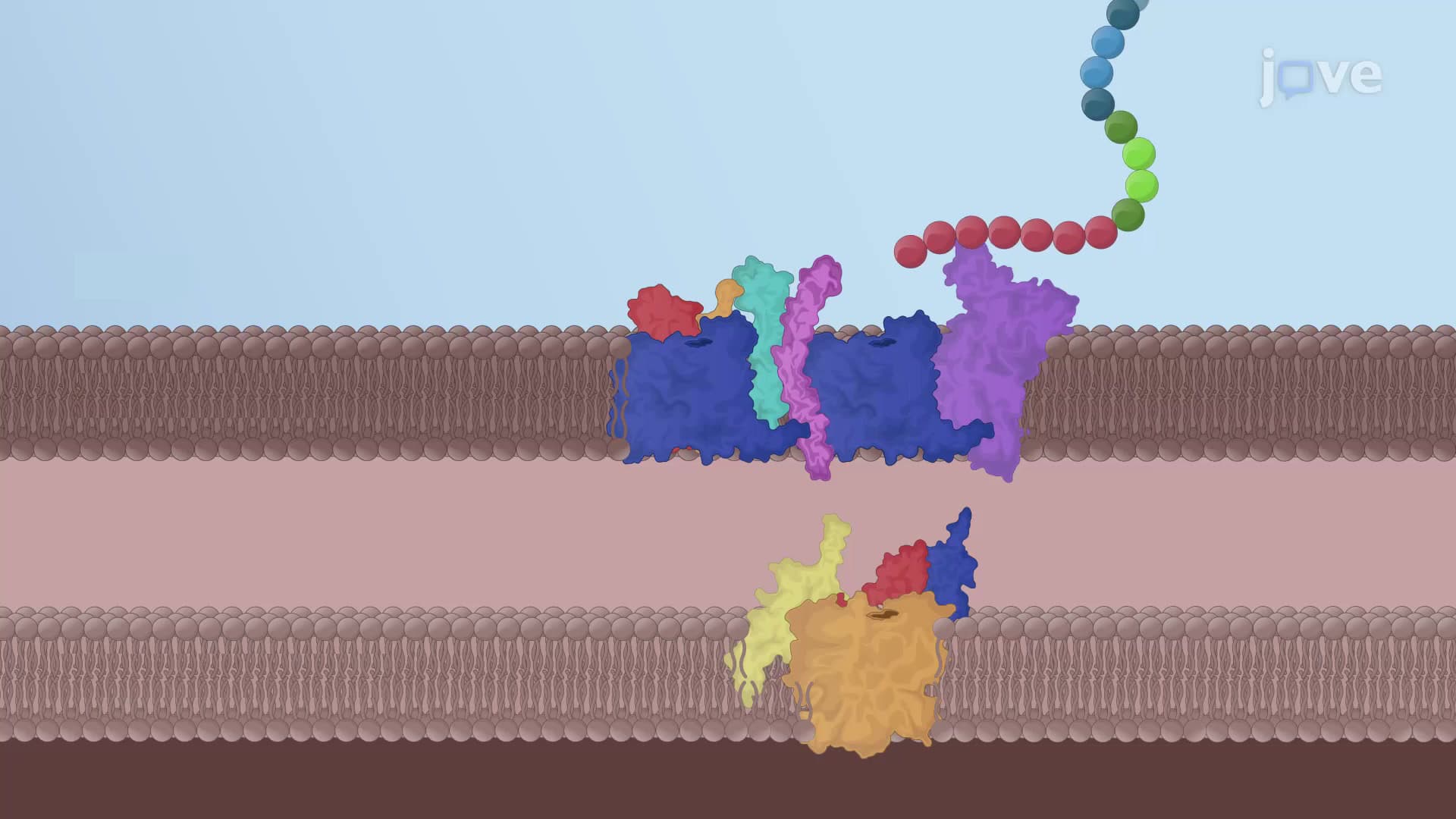
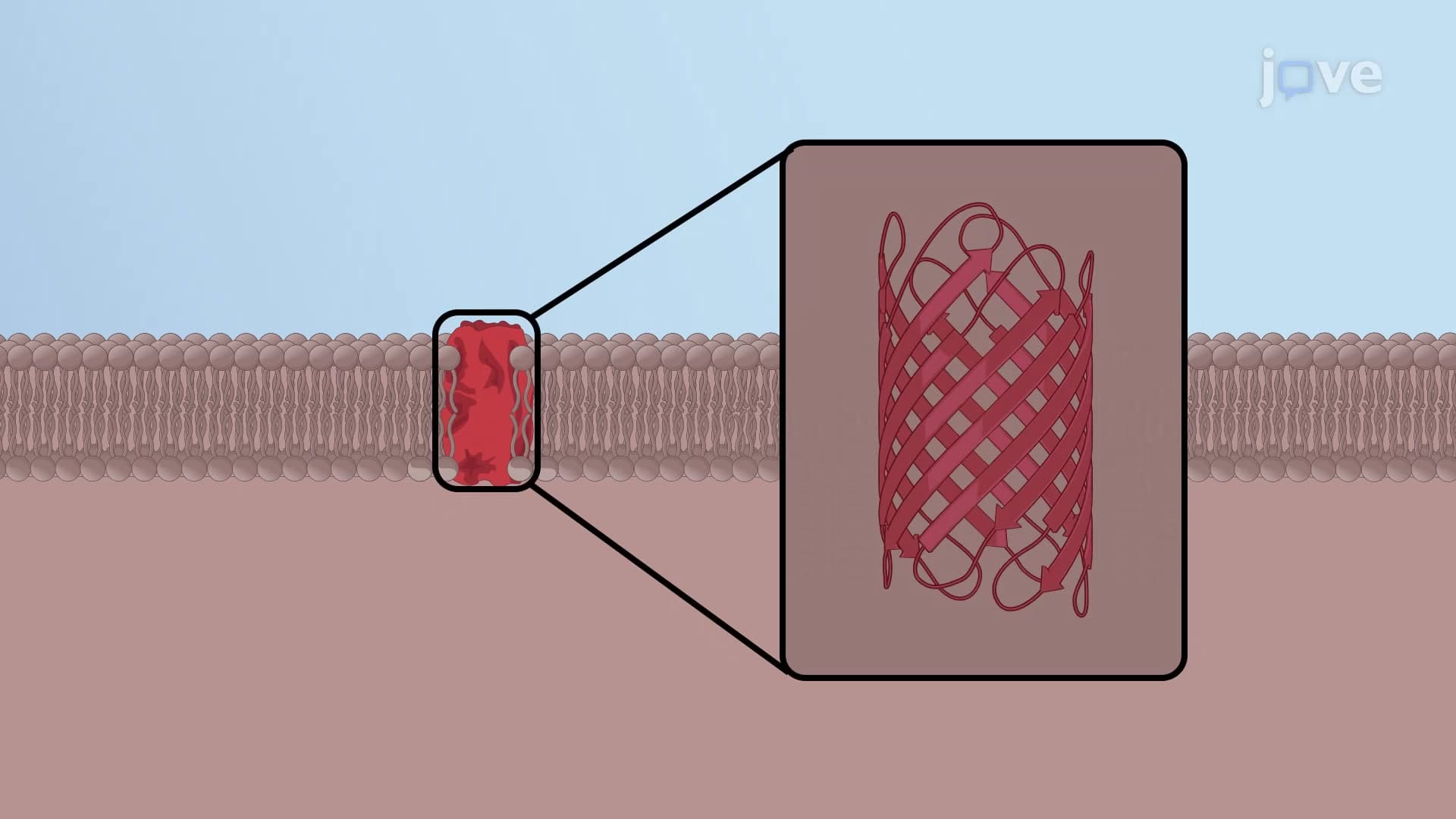
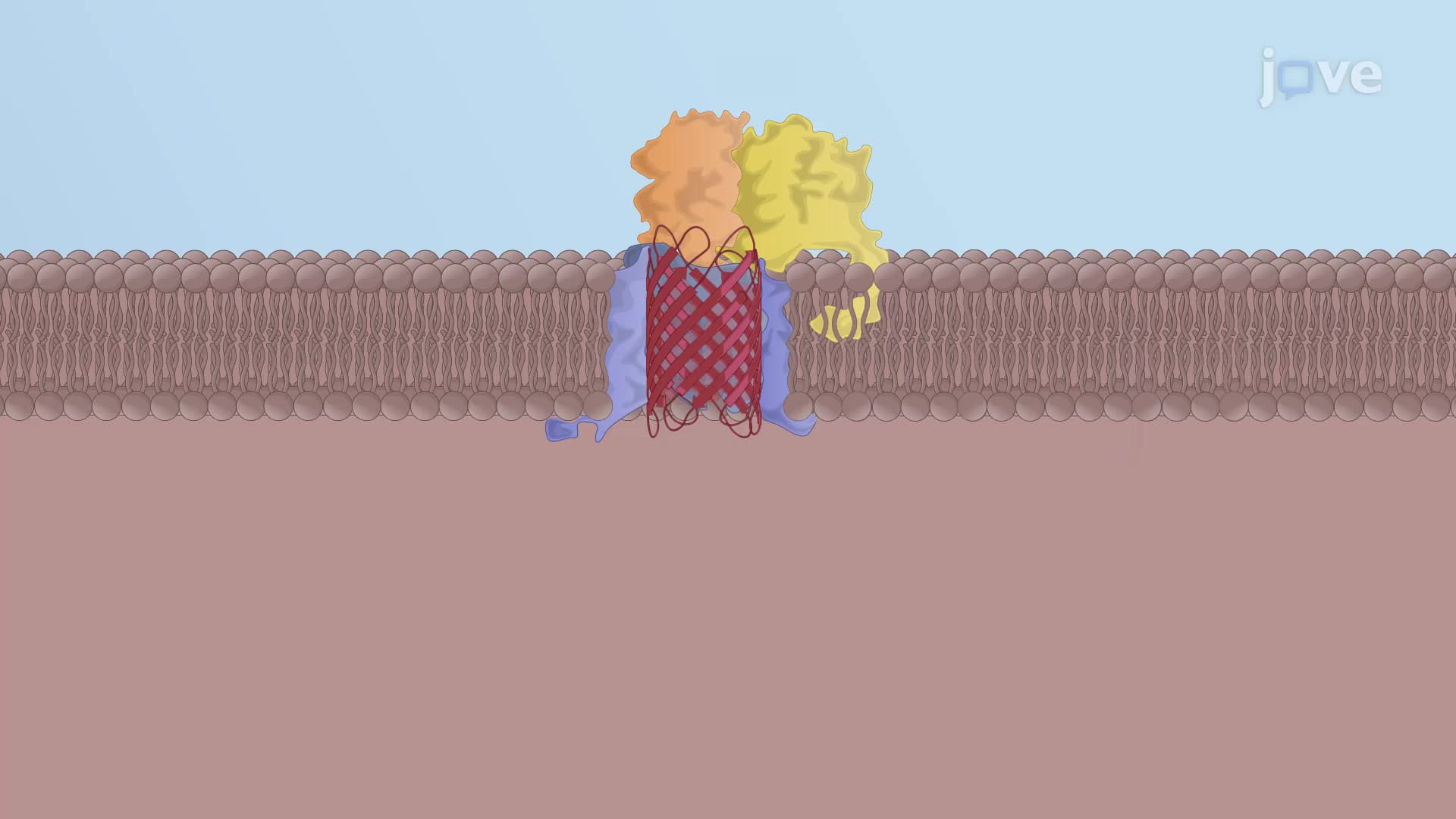
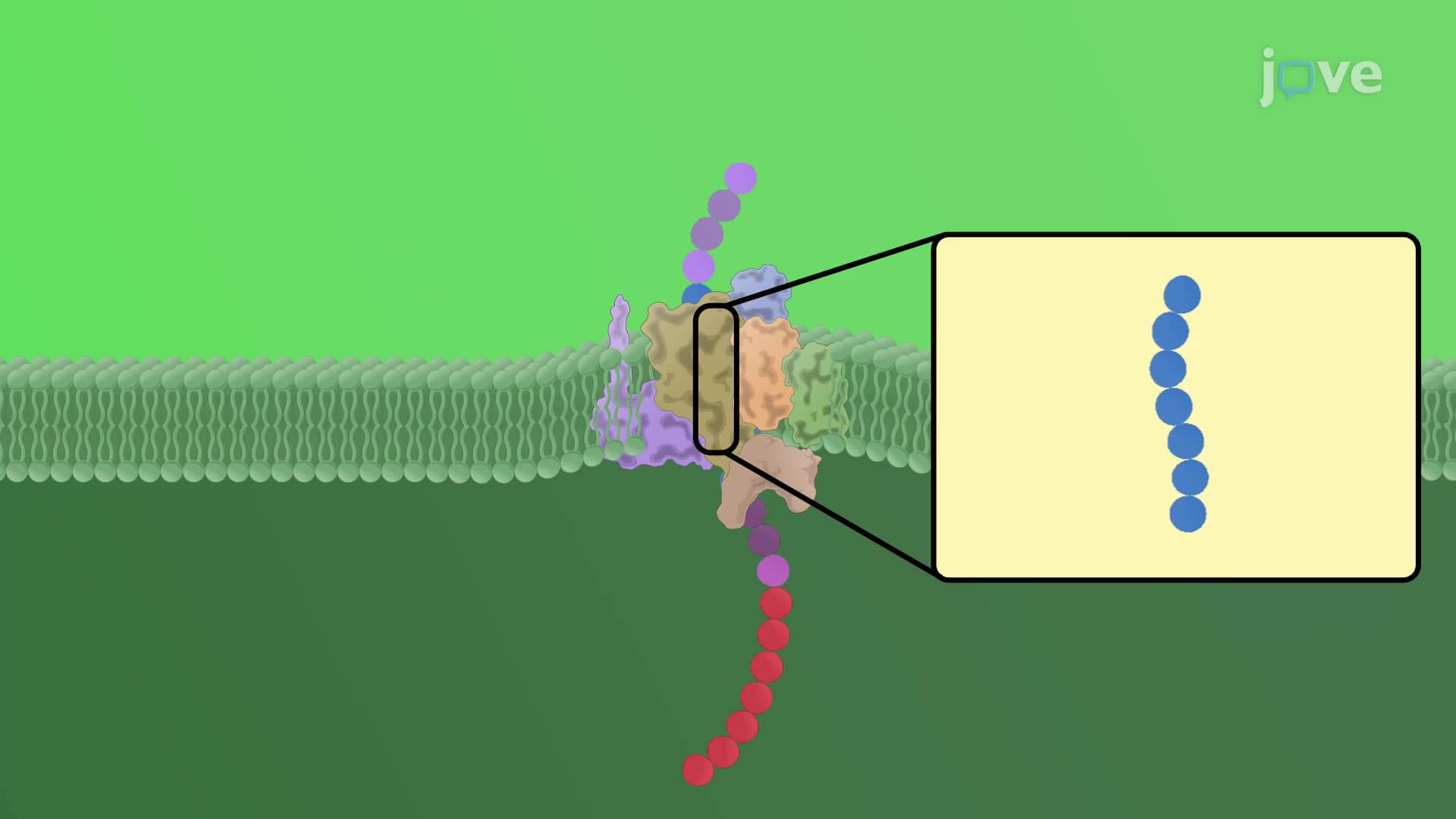
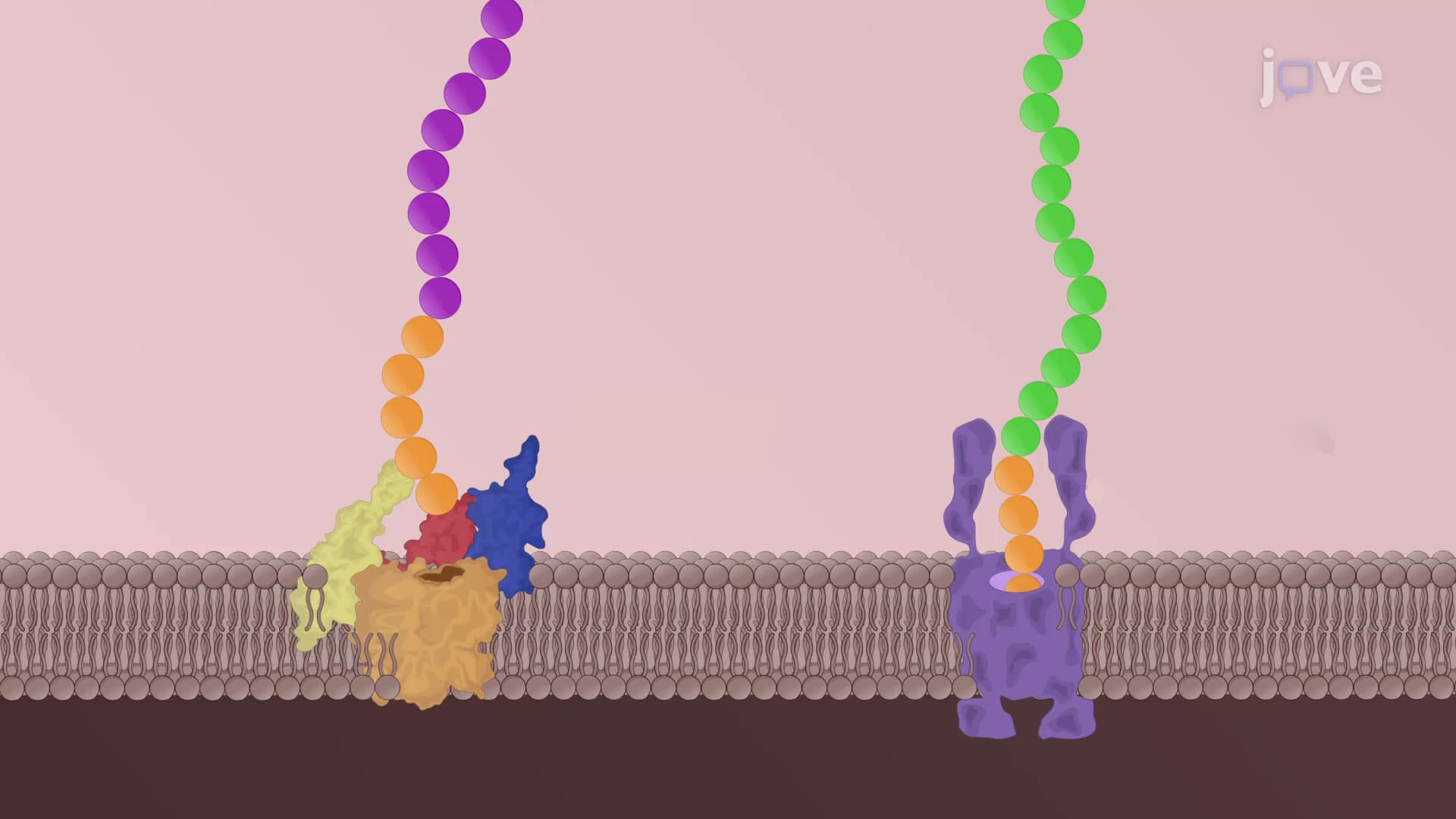
Two distinct translocase complexes facilitate protein import into the inner membrane. The TIM23 complex primarily handles proteins with N-terminal matrix targeting sequences, while the TIM22 complex specializes in inserting carrier proteins and other membrane proteins. These molecular machines work like cellular assembly lines, ensuring each protein reaches its correct destination. Understanding these complexes is crucial for AP Biology students studying cellular transport mechanisms.
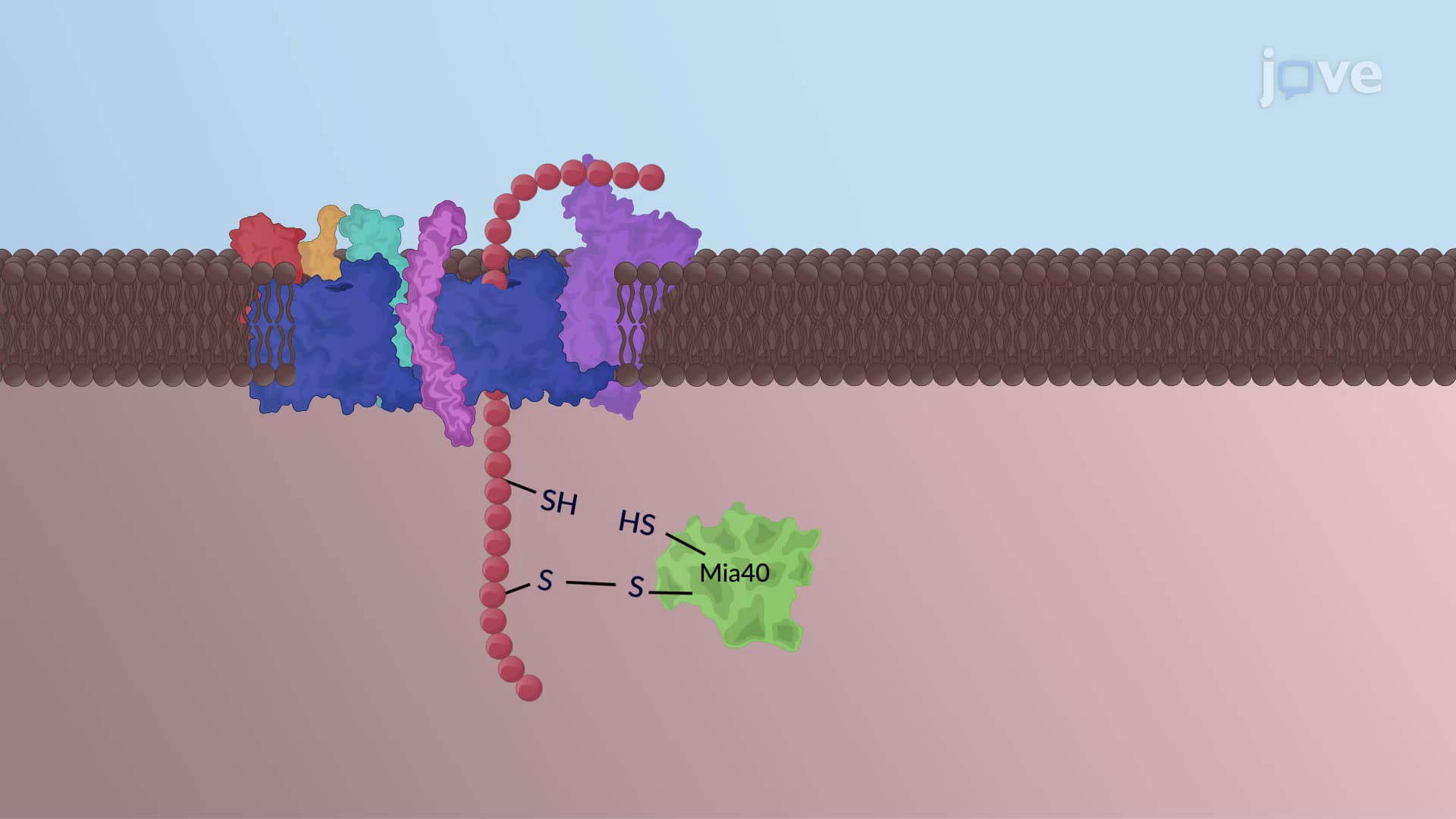
Proteins destined for the inner membrane follow two distinct routes. The conservative pathway involves initial transport to the matrix followed by export and insertion into the membrane, similar to how assembly workers might first receive components in a central location before installing them. The OXA complex facilitates this process by preventing aggregation and promoting spontaneous membrane integration.
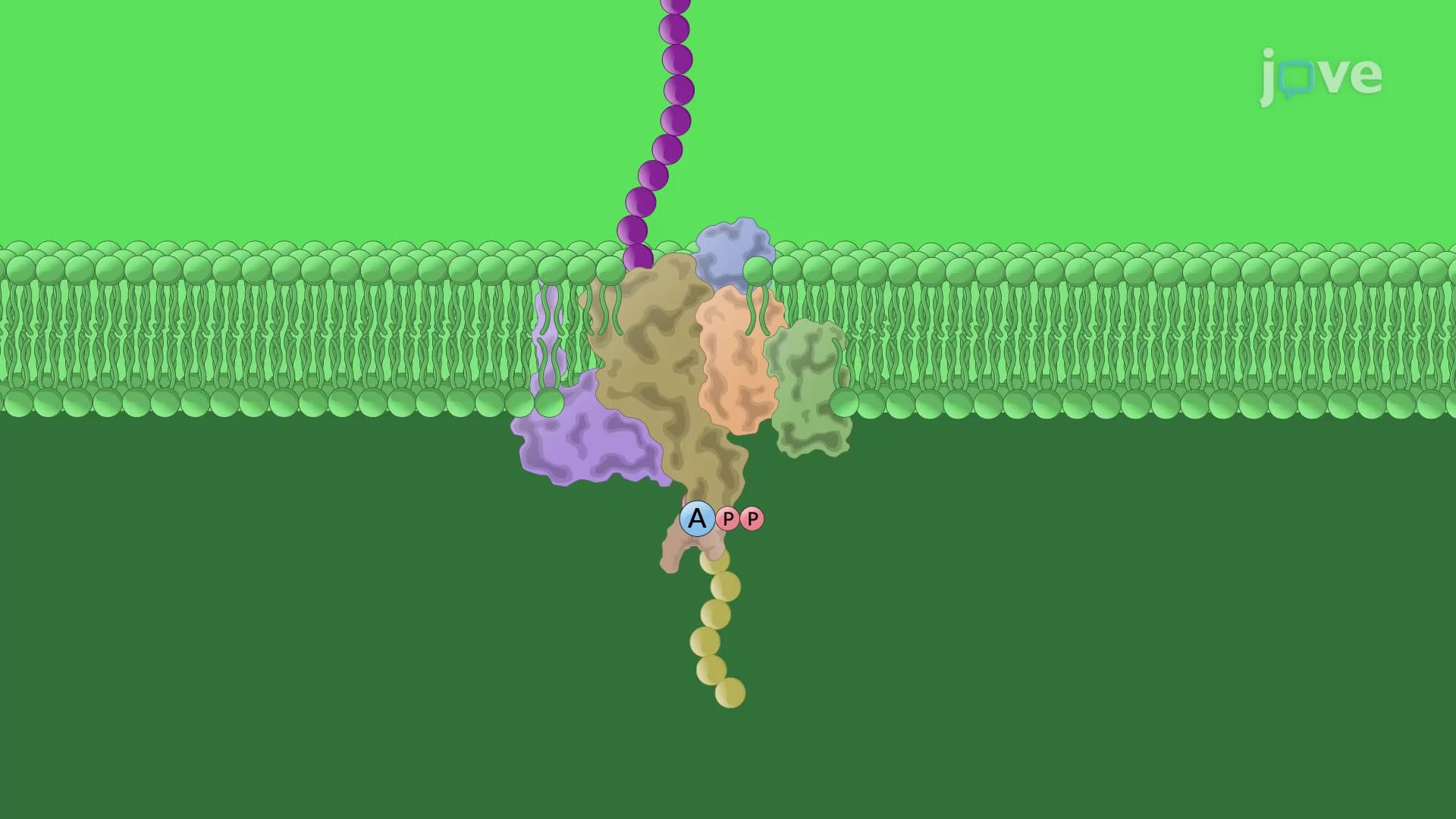
The stop-transfer pathway offers a more direct route, where hydrophobic sequences within the protein halt translocation through the TIM channel. Matrix Hsp70 chaperones assist by pulling the N-terminal portion while the TIM complex releases the protein laterally into the membrane. This mechanism resembles quality control in manufacturing, where specific signals determine when and where assembly should stop. College biochemistry courses often explore these pathways when discussing protein trafficking diseases affecting mitochondrial function.
Related Micro-courses