Loading subject page…

- Cell Biology
- Intracellular Compartments and Protein Sorting
- Nuclear Localization Signals and Import
Micro-course: Intracellular Compartments and Protein Sorting
95,414 views
Learn key concepts and earn your certificate.
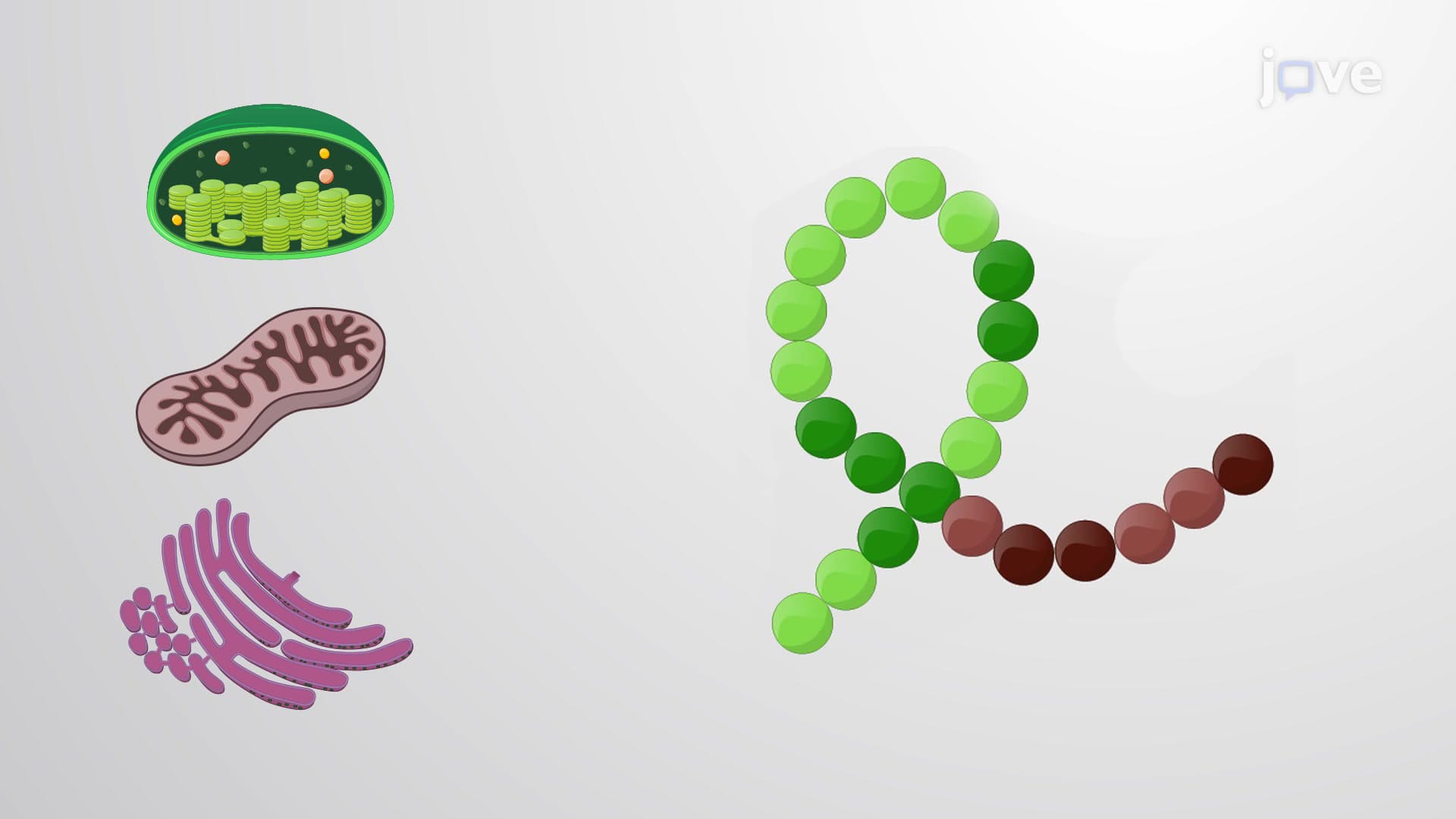

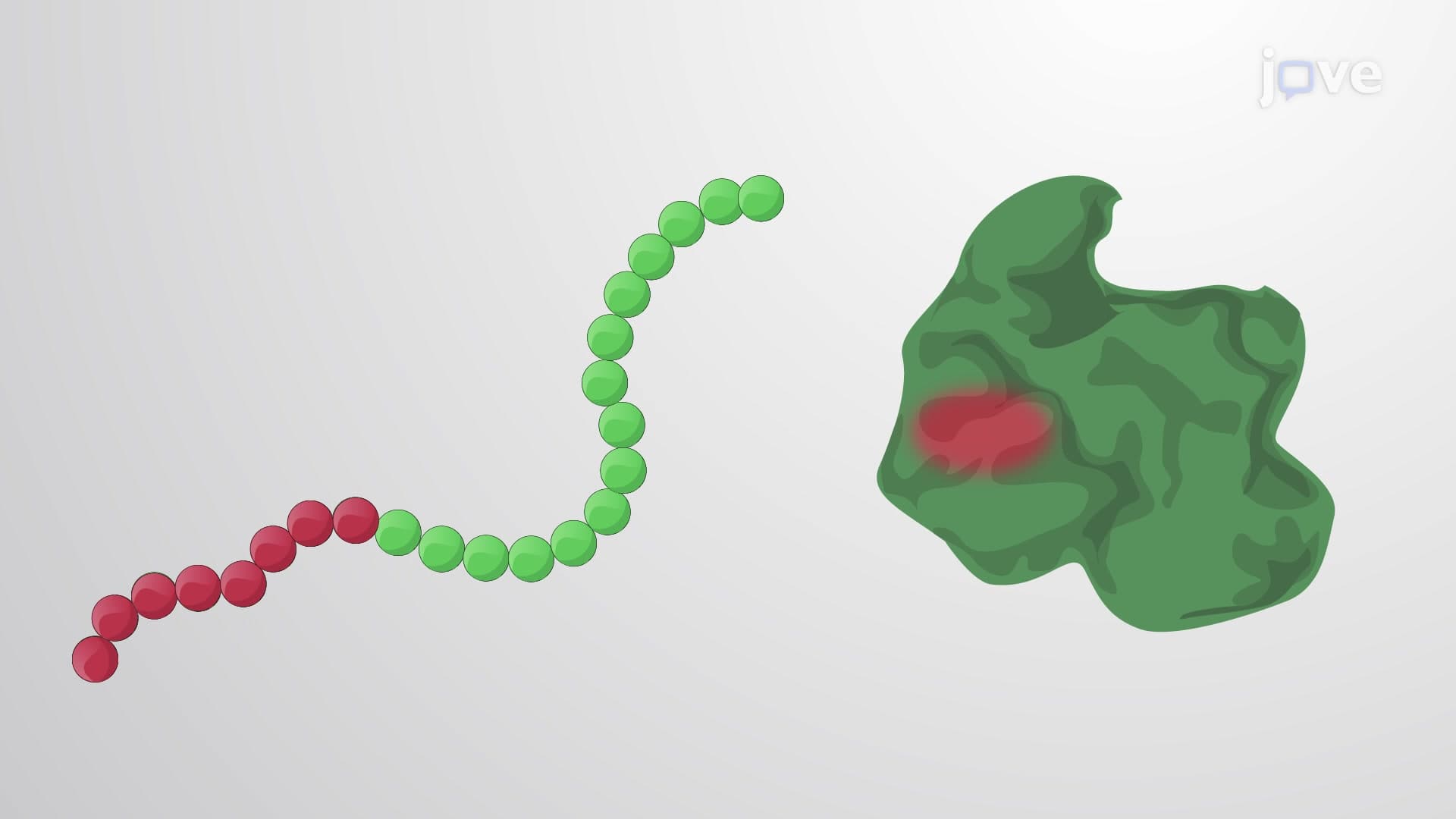
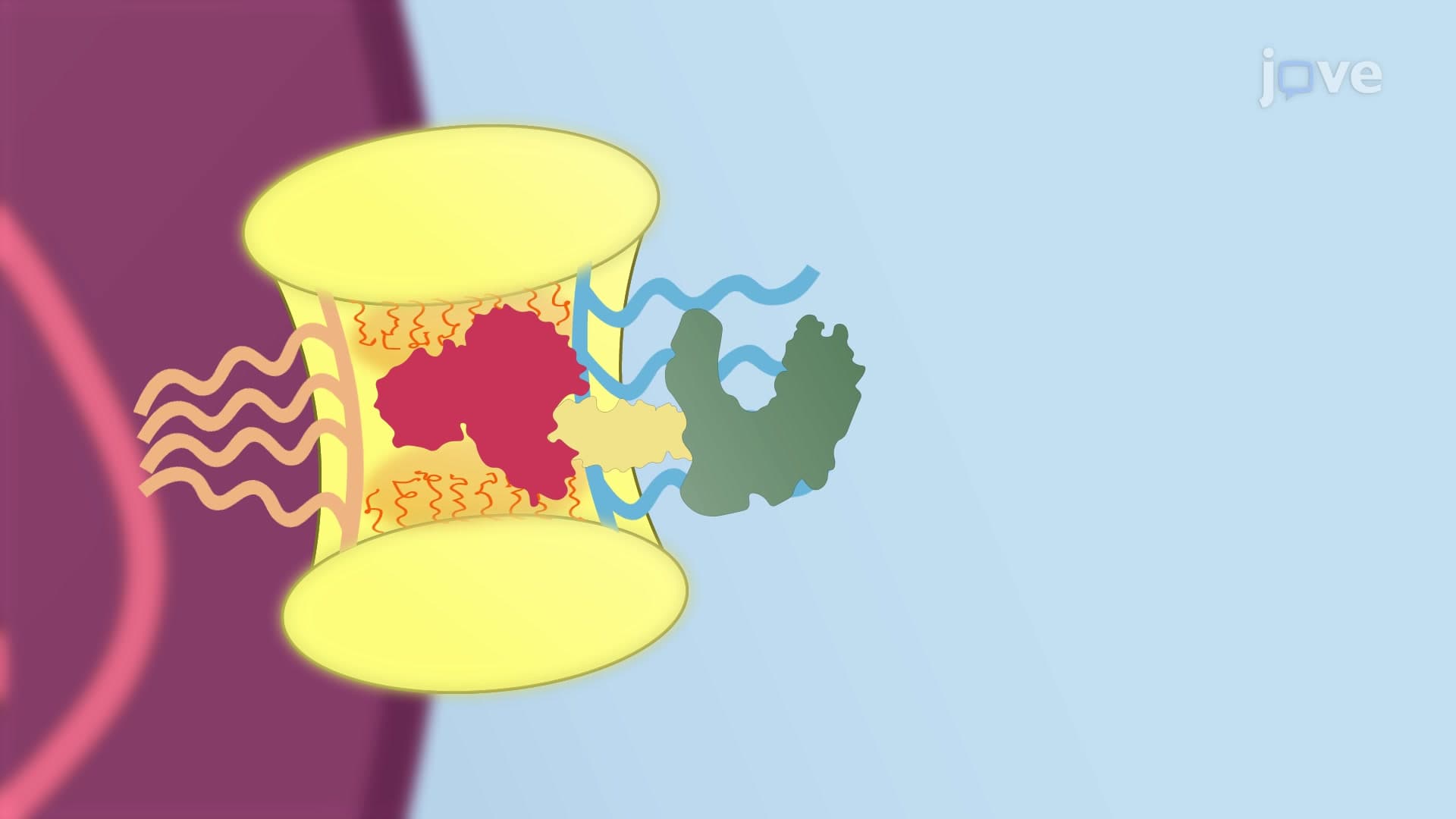
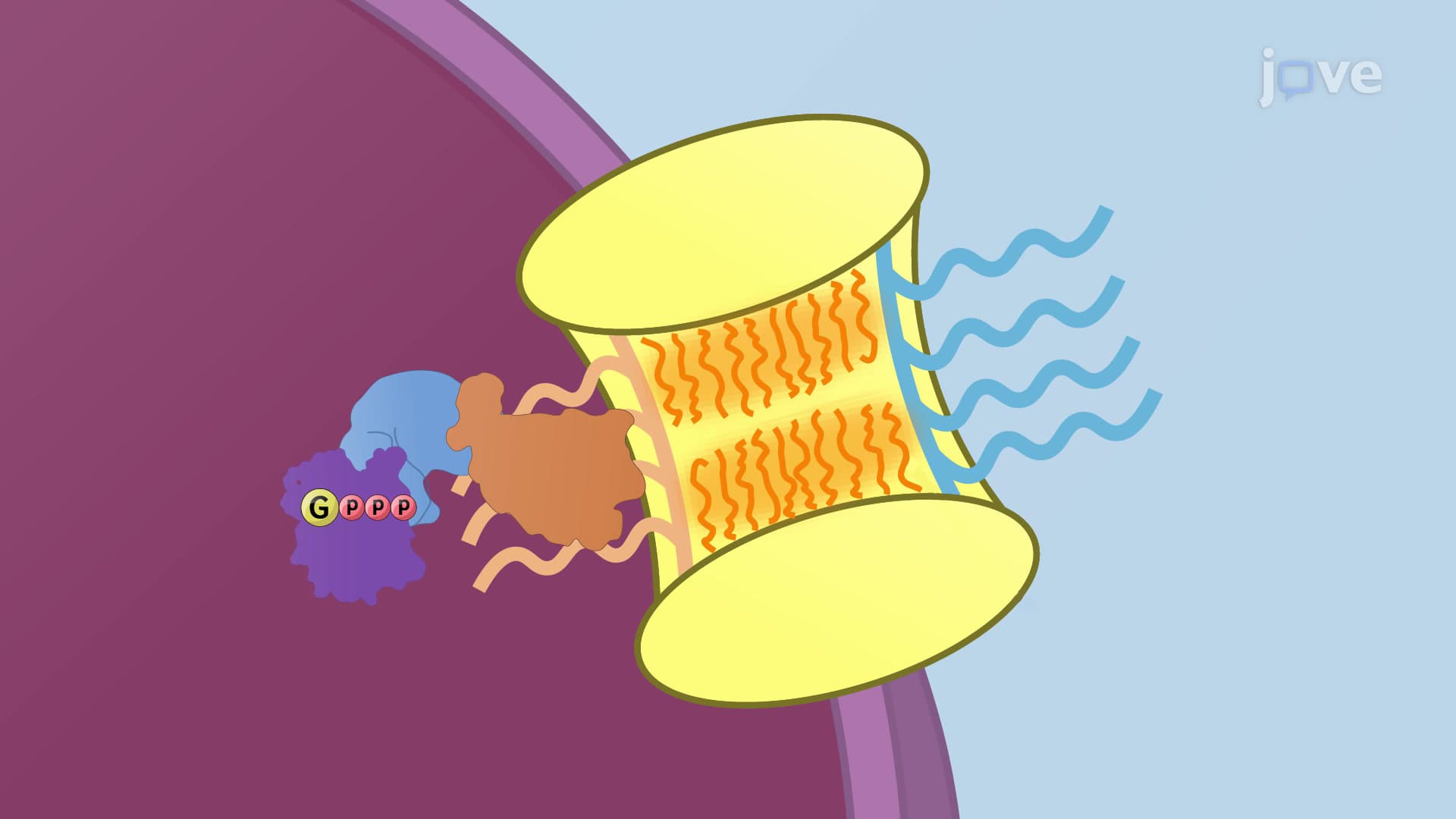
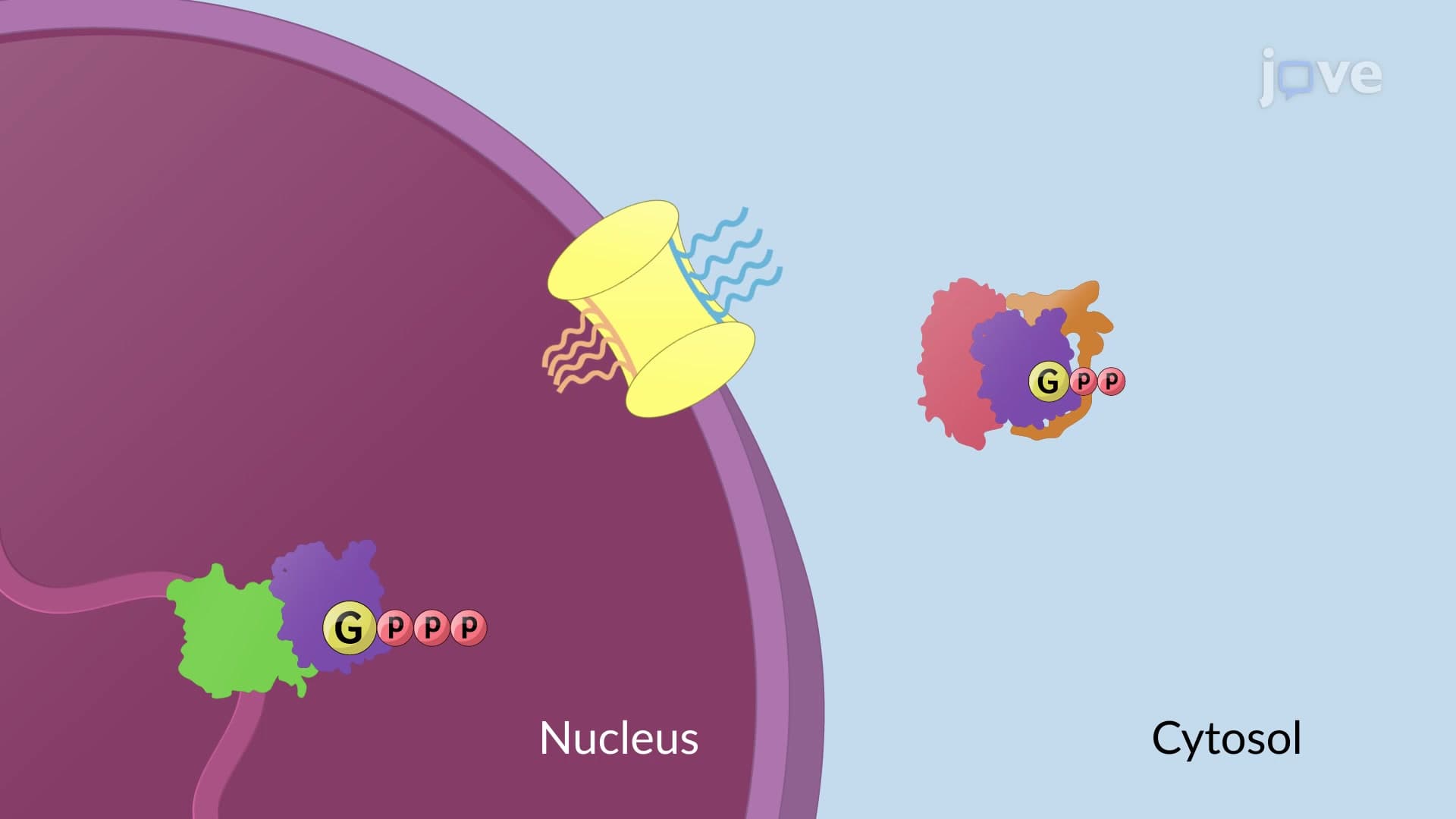

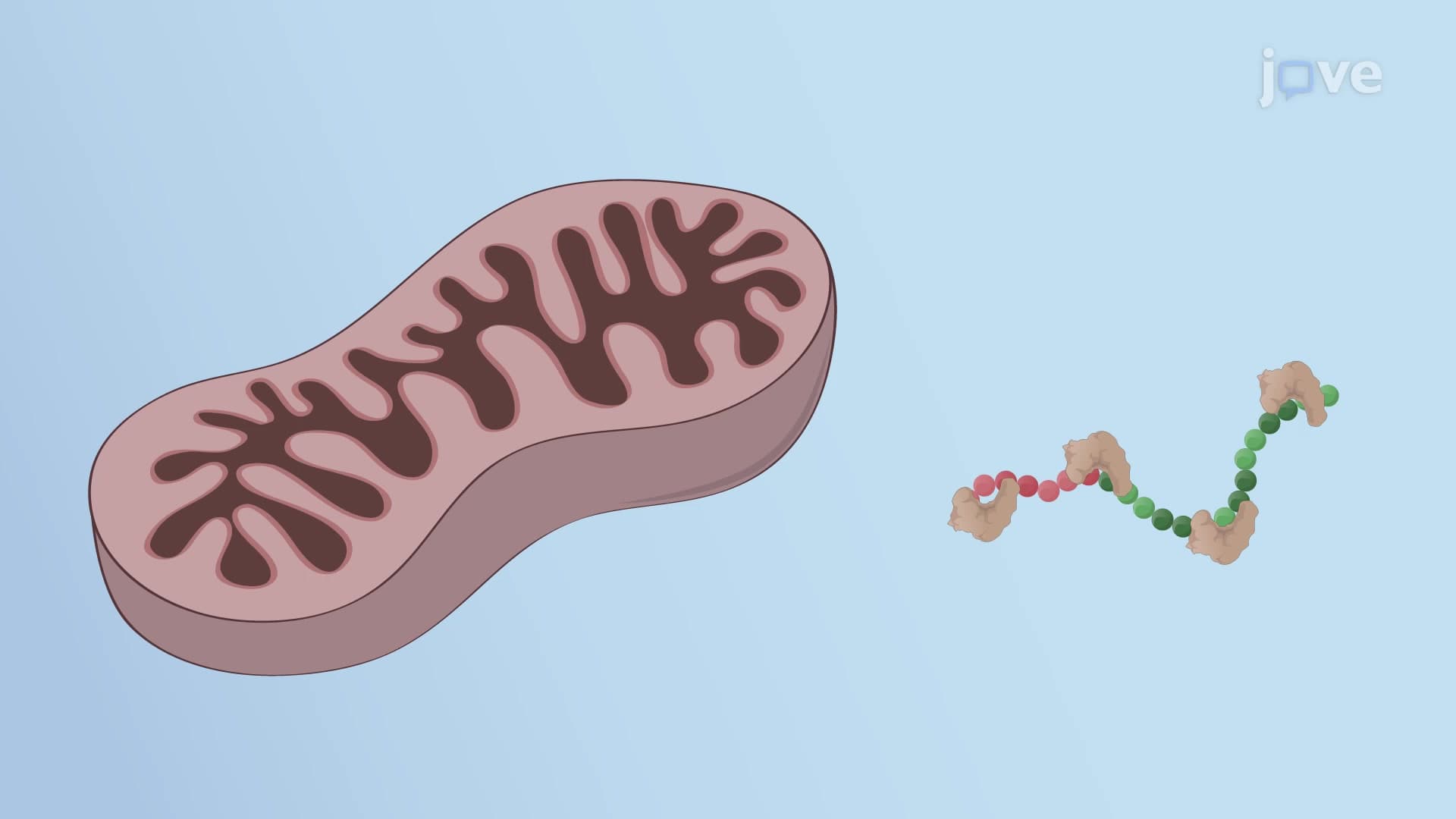
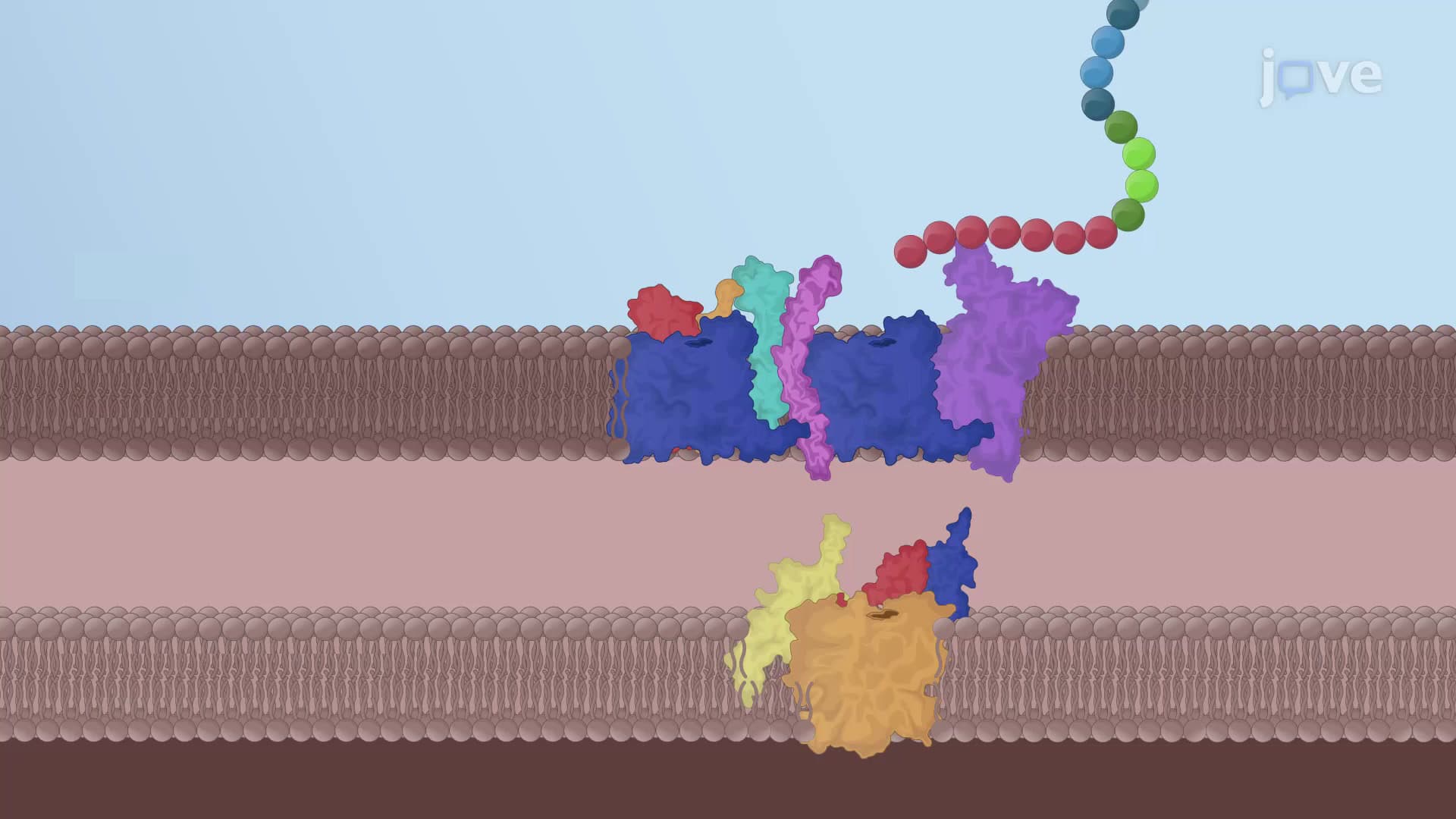
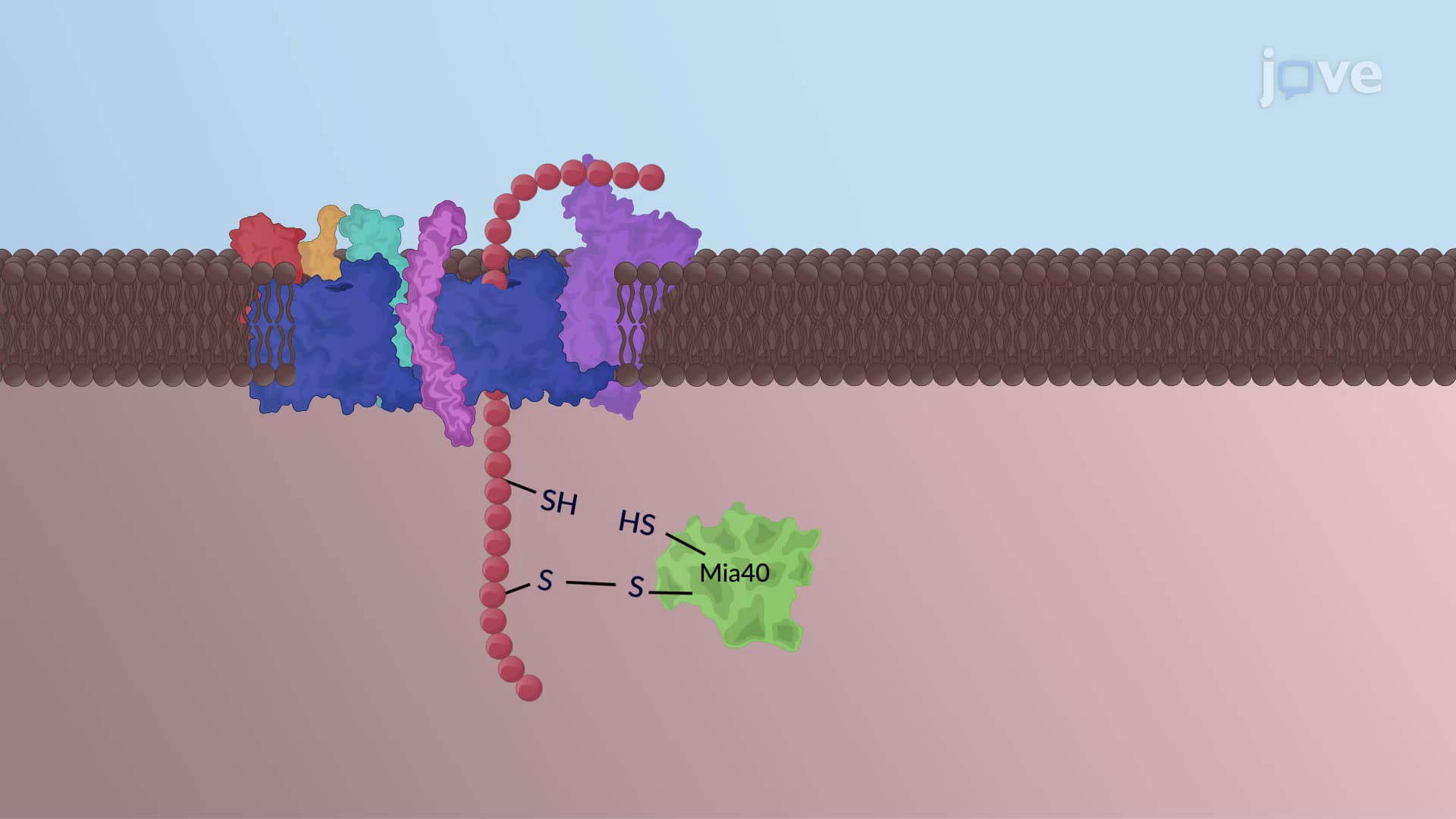

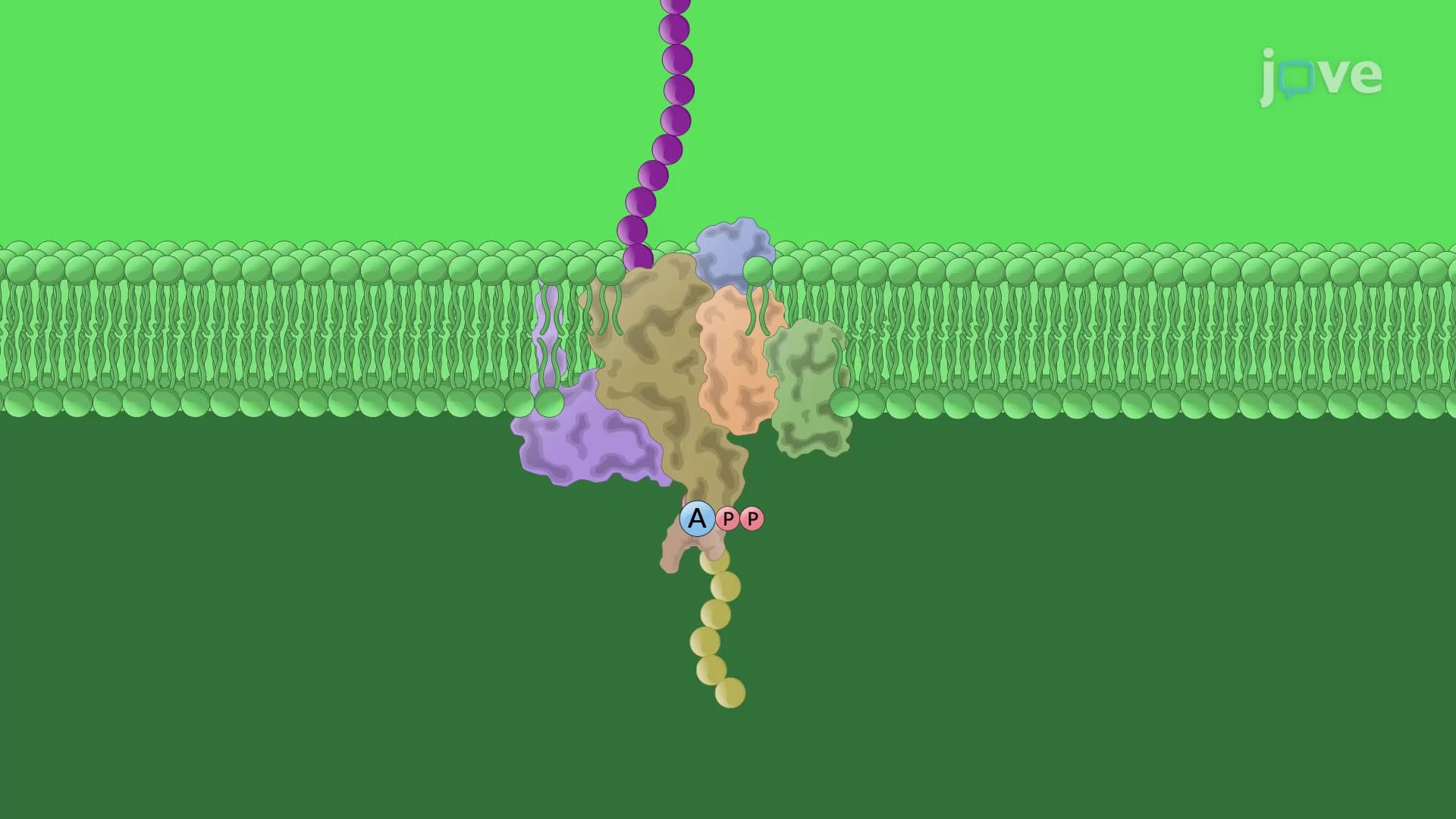
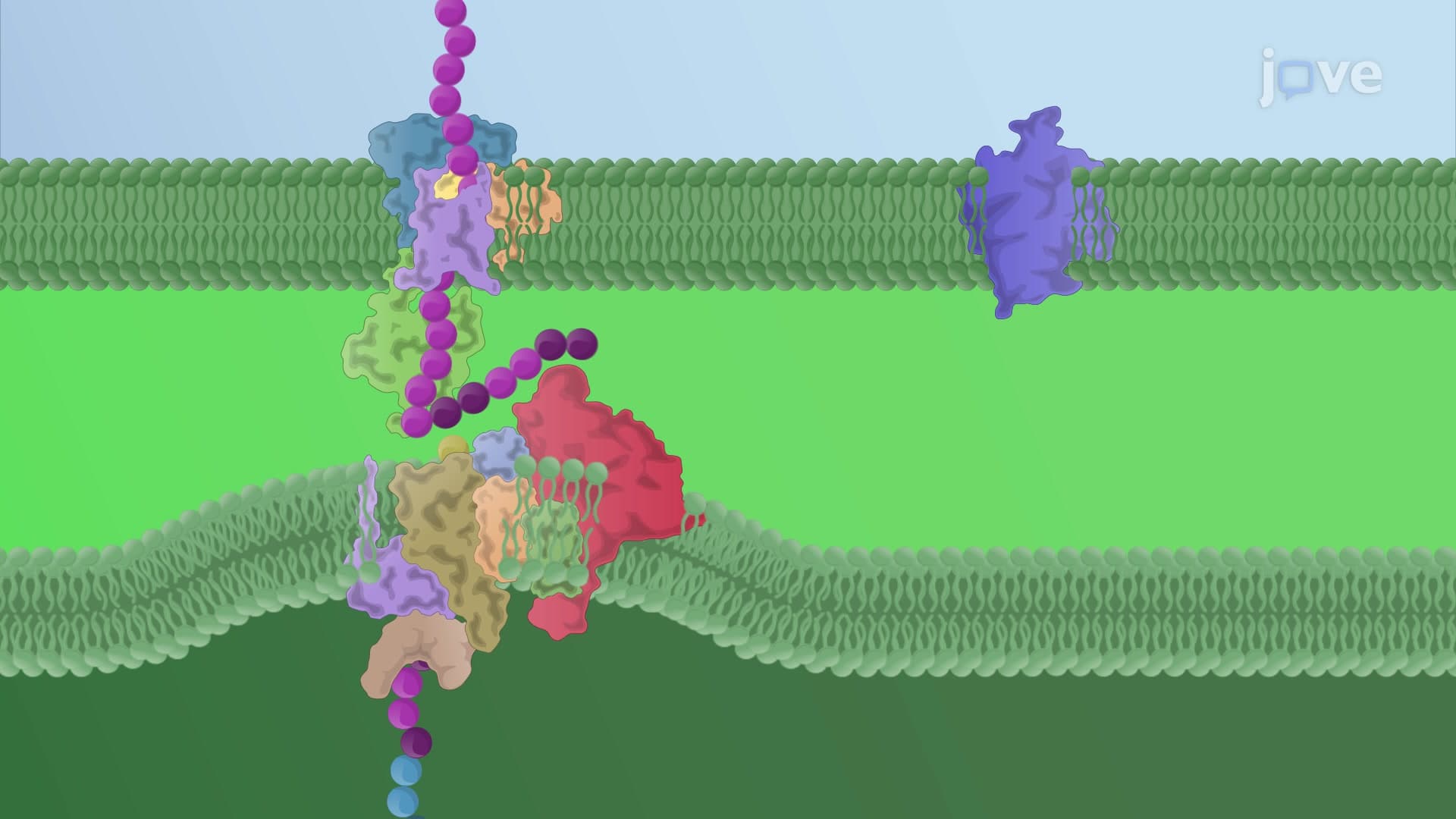
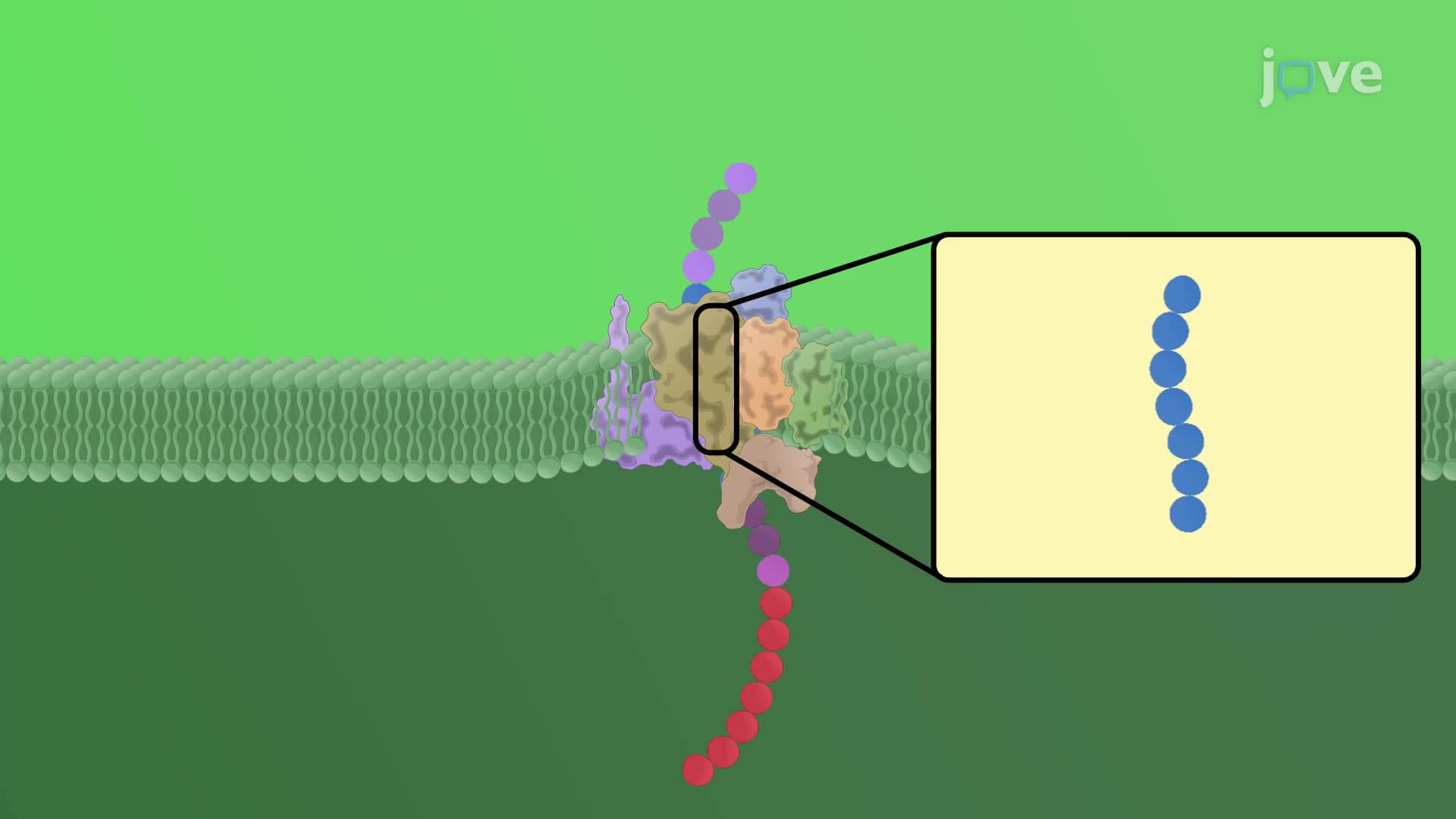
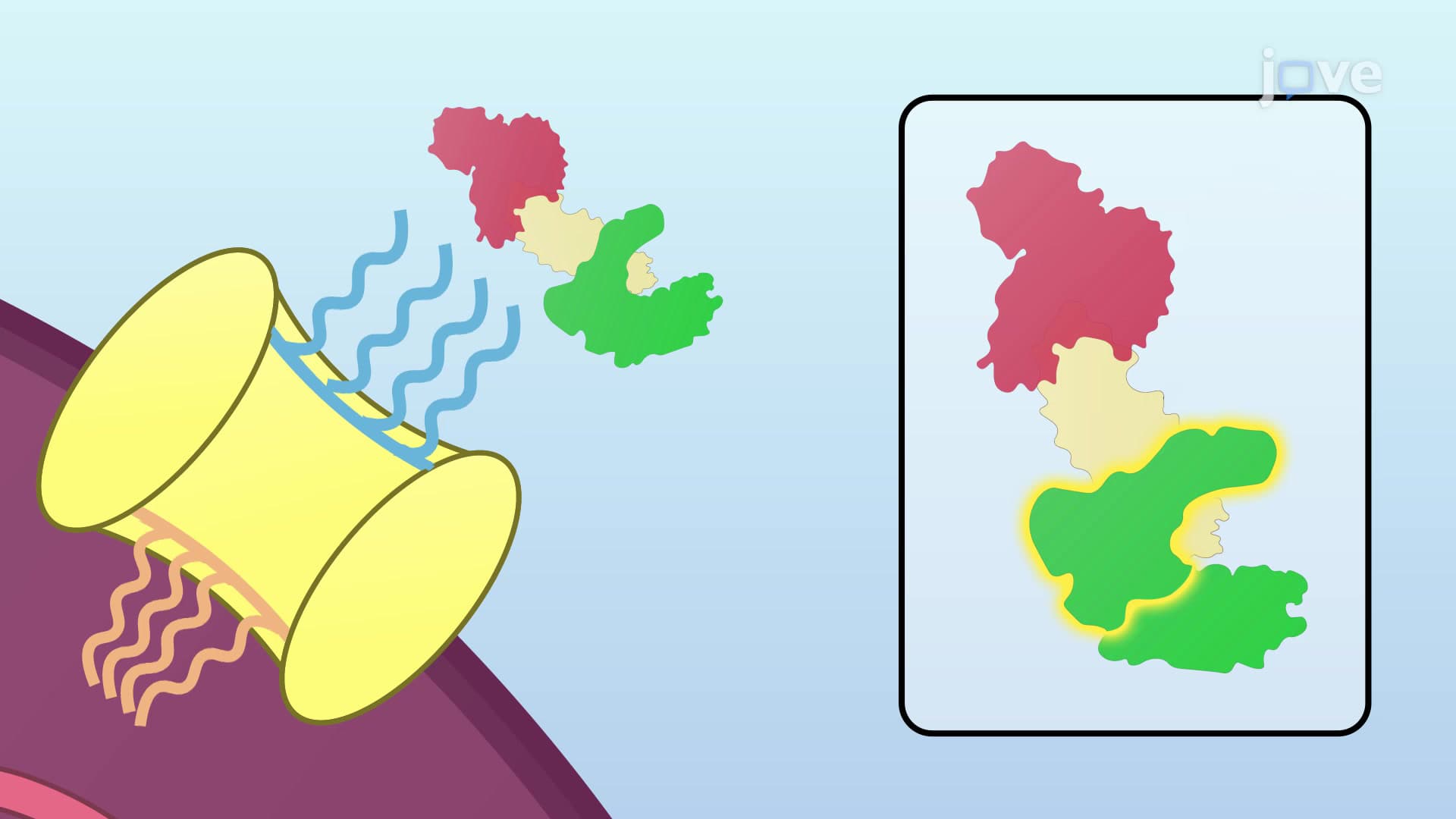
Nuclear Localization Signals and Import

00:00
01:46
Video Summary: Nuclear Localization Signals and Import Explained
Ever wonder how your cells know to keep DNA safely locked in the nucleus while allowing essential proteins inside? Nuclear localization signals and import mechanisms act like molecular ID badges and security systems, ensuring only authorized proteins enter the nucleus. This precise process is crucial for diseases like cancer, where faulty nuclear import can lead to uncontrolled cell division. Nuclear Localization Signals And Import Explained reveals how importin proteins recognize specific amino acid sequences and transport cargo through nuclear pore complexes. Watch the full video on JoVE Coach to master this concept with expert-led visuals and step-by-step explanations.
- Understand Nuclear Localization Signals And Import mechanisms and their role in cellular protein trafficking
- Identify the key components: nuclear localization signals (NLS), importin proteins, and nuclear pore complexes
- Analyze how importin alpha and beta subunits work together to transport cargo proteins
- Recognize the structure and function of FG-rich repeats in nuclear pore complex channels
- Evaluate the role of Ran-GTP in releasing cargo proteins and recycling importin receptors
- Apply knowledge of conformational changes that occur during nuclear import processes
- Explore how disrupted nuclear import contributes to human diseases and cellular dysfunction
- Compare the selectivity mechanisms that maintain nuclear-cytoplasmic compartmentalization
Understanding Nuclear Localization Signals And Import Fundamentals
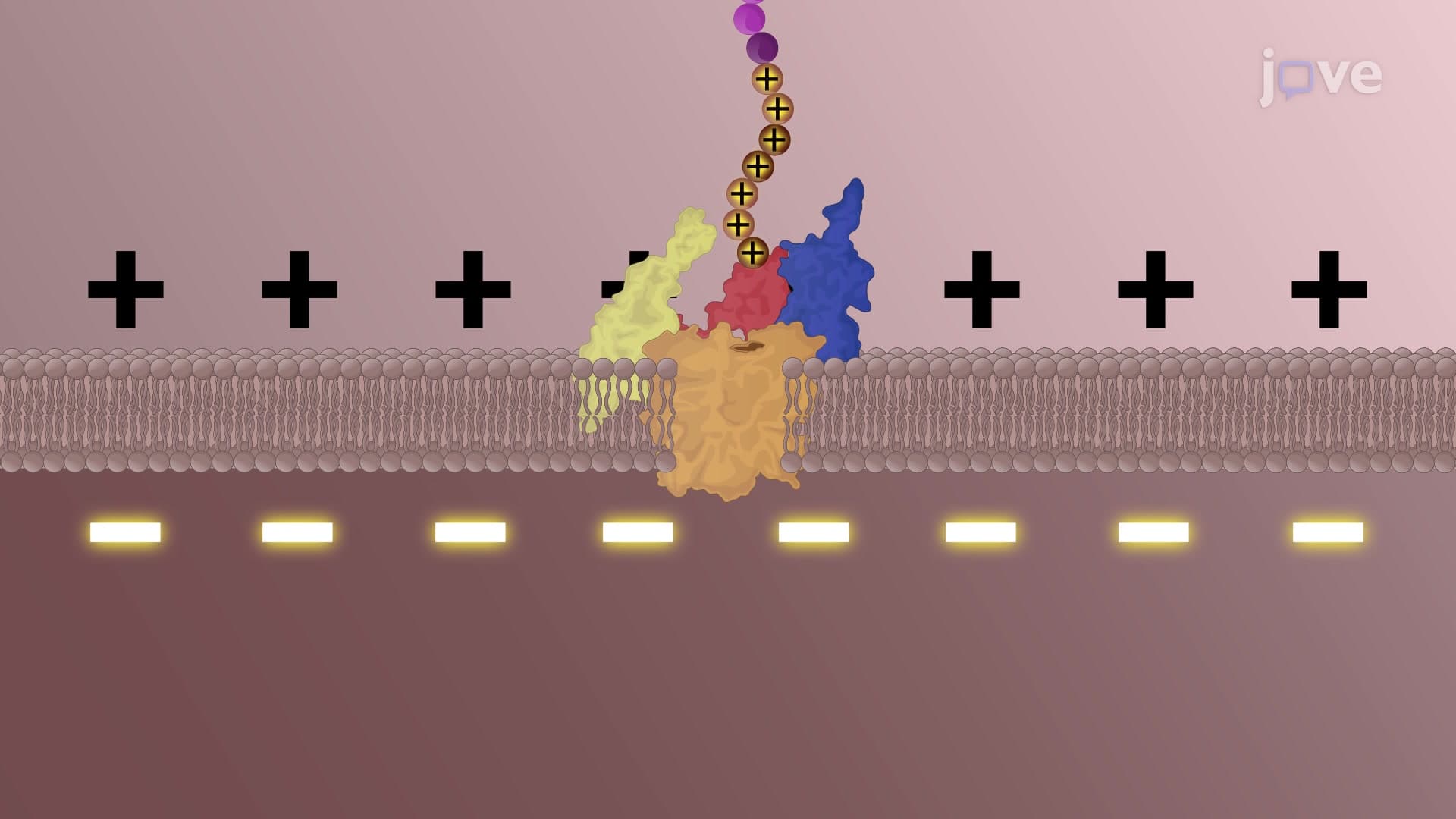
Nuclear localization signals and import represent one of biology's most sophisticated trafficking systems. Unlike simple diffusion, this process requires specific molecular recognition sequences called nuclear localization signals (NLS) - short amino acid stretches that act like postal codes directing proteins to the nucleus. These signals are typically rich in basic amino acids like lysine and arginine, creating positively charged regions that importin receptors can recognize.
The precision of this system becomes evident when considering that mammalian cells contain over 20,000 different proteins, yet only nuclear proteins possess valid NLS sequences. This selectivity prevents cytoplasmic enzymes from accidentally entering the nucleus and disrupting DNA replication or transcription.
The Importin Transport Machinery
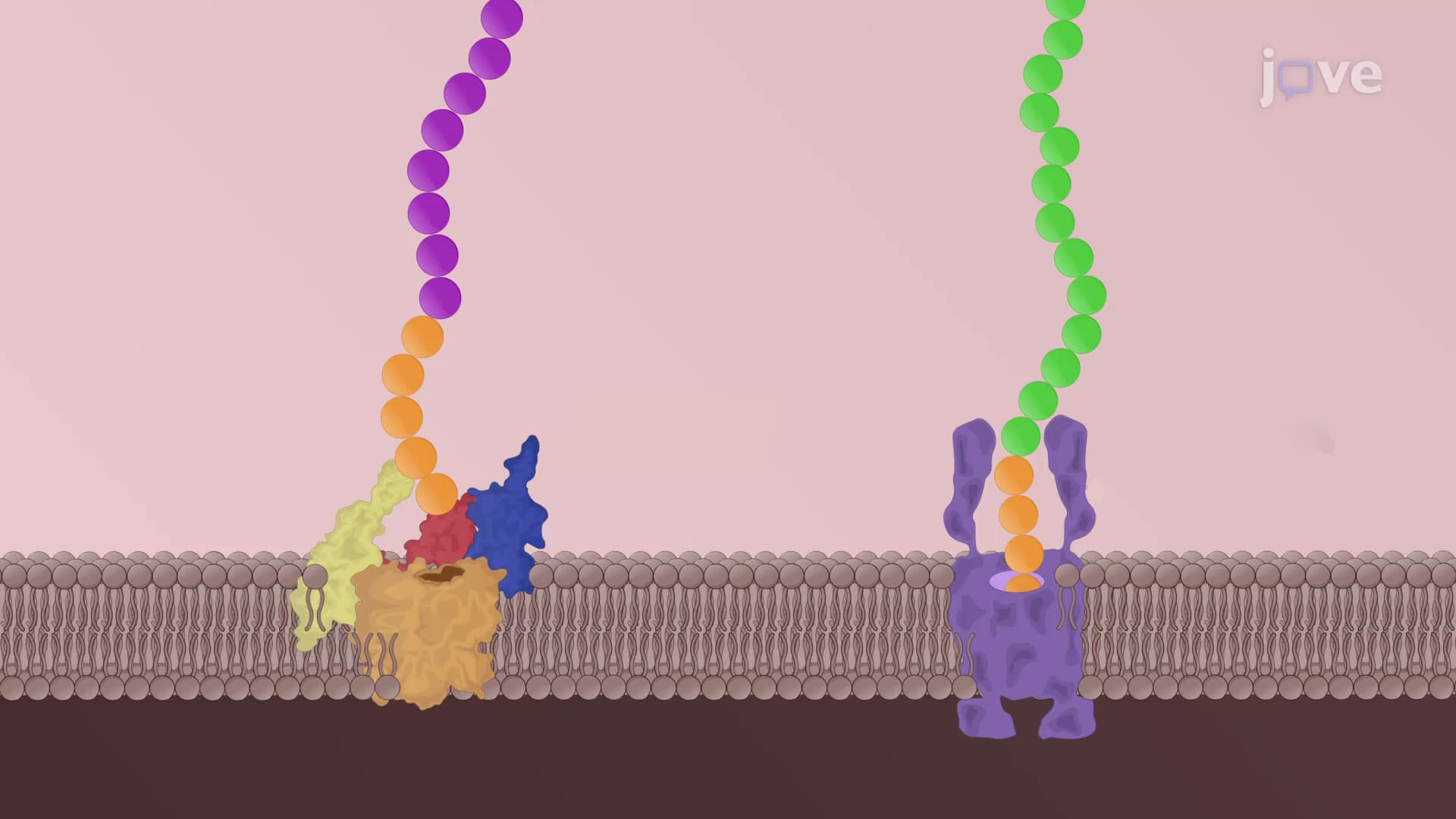
Importin proteins function as specialized molecular shuttles, existing as heterodimers containing alpha and beta subunits with distinct roles. Importin alpha serves as the cargo recognition component, directly binding NLS sequences through its armadillo repeat domains. Meanwhile, importin beta acts as the transport motor, interacting with nucleoporins - the proteins forming nuclear pore complexes.
This division of labor allows remarkable flexibility. Different importin alpha variants recognize distinct NLS patterns, enabling cells to regulate which proteins enter the nucleus under specific conditions. For example, during cell stress, certain importin alpha types become more active, prioritizing DNA repair proteins over routine nuclear functions.
Nuclear Pore Complex Architecture and Transport
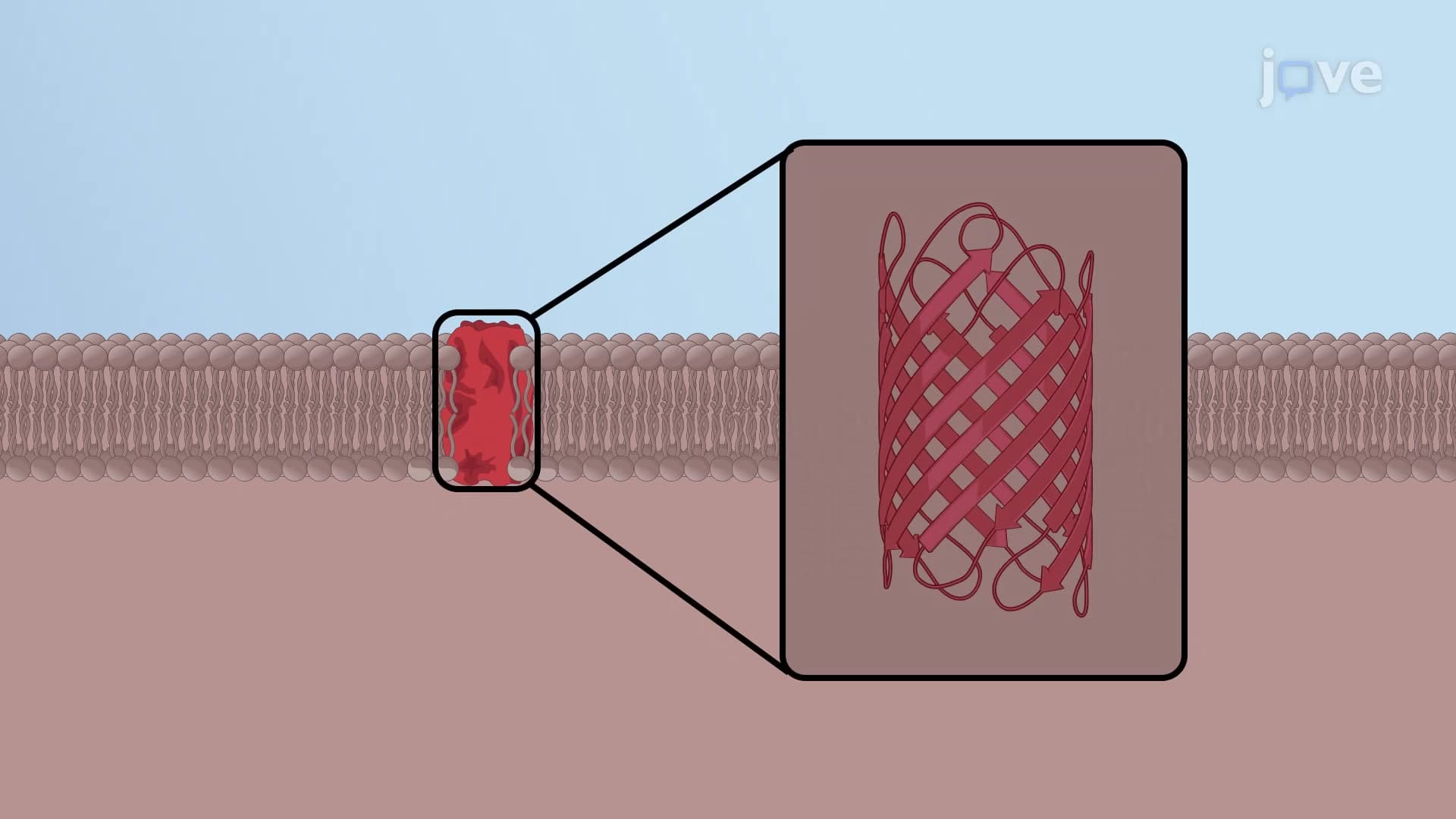
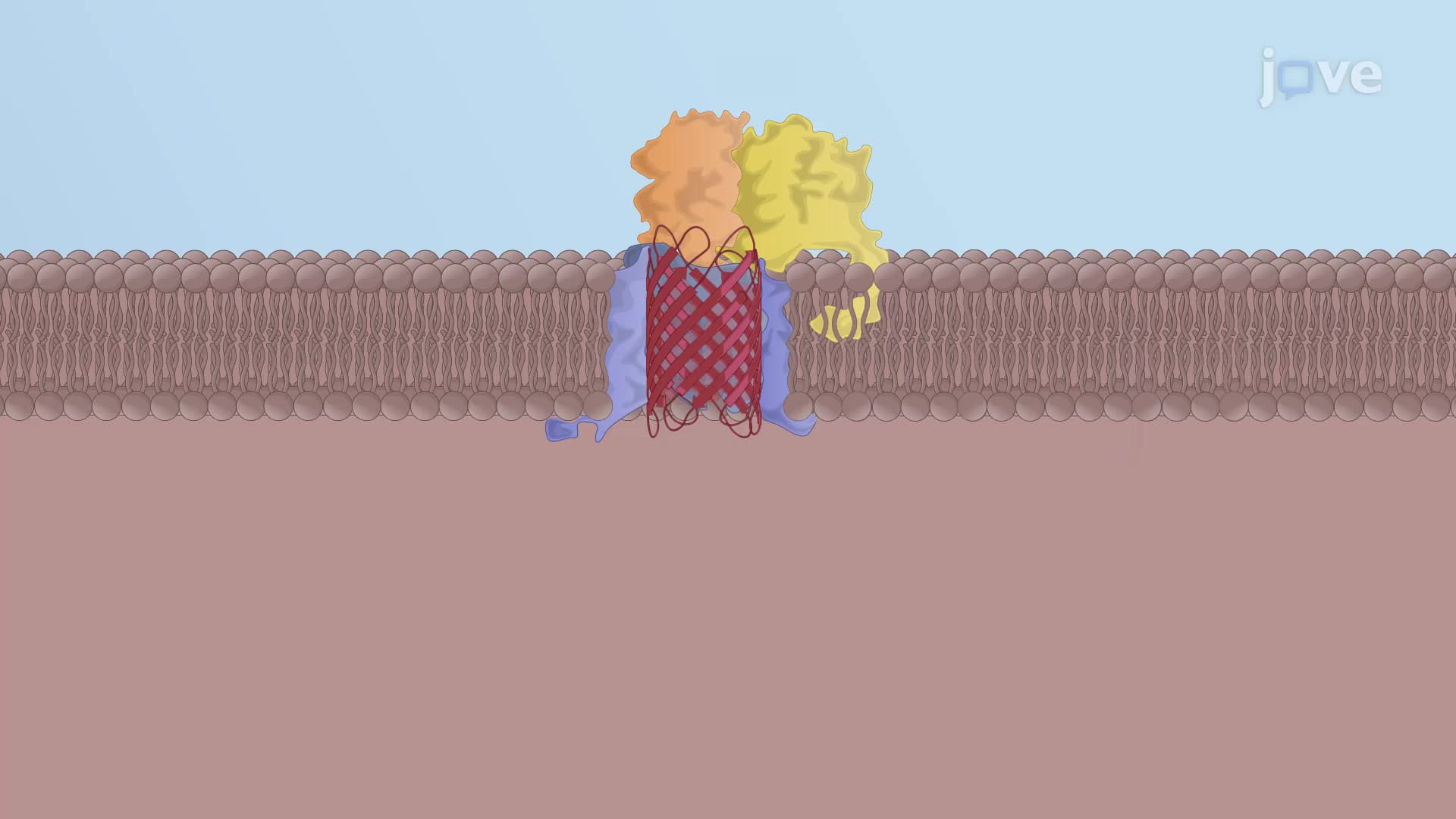
Nuclear pore complexes represent massive protein assemblies - among the largest in eukaryotic cells at approximately 125 megadaltons. Their central channels contain FG-nucleoporins featuring phenylalanine-glycine repeats that create gel-like barriers. This selective permeability allows small molecules to pass freely while requiring larger proteins to use importin-mediated transport.
The transport mechanism involves importin beta making transient contacts with FG repeats, temporarily dissolving local gel structure to create passage routes. This process requires no external energy source beyond the Ran-GTP gradient, making it remarkably efficient.
Clinical and Research Applications
Understanding nuclear import proves essential for multiple fields. In cancer research, scientists study how oncogenes like p53 require proper nuclear localization for tumor suppression. Many chemotherapy drugs work by disrupting nuclear import, preventing cancer cells from accessing DNA repair mechanisms.
Students preparing for the MCAT or AP Biology exams should recognize nuclear import as a prime example of cellular compartmentalization and protein trafficking. This concept frequently appears in questions about cell biology, signal transduction, and disease mechanisms.
Frequently Asked Questions
Nuclear localization signals and import is the cellular process by which proteins containing specific amino acid sequences (NLS) are transported from the cytoplasm into the nucleus. Importin proteins recognize these signals and ferry cargo through nuclear pore complexes, ensuring only appropriate proteins access the nucleus for DNA-related functions.
The MCAT frequently tests nuclear import in cell biology passages, particularly regarding protein trafficking, cellular compartmentalization, and disease mechanisms. Students should understand importin function, NLS recognition, and how nuclear import defects contribute to cancer and genetic disorders.
Nuclear import appears in AP Biology Unit 2 (Cell Structure and Function) and Unit 3 (Cellular Energetics). Students should know how nuclear compartmentalization supports eukaryotic complexity, protein targeting mechanisms, and how transport processes maintain cellular organization without requiring direct ATP hydrolysis.
Defective nuclear import contributes to numerous diseases including cancer, neurodegeneration, and viral infections. For example, Huntington's disease involves mutant huntingtin protein that disrupts normal nuclear import, while many viruses hijack importin machinery to transport viral proteins into host cell nuclei for replication.
Nuclear import builds logically on basic cell biology concepts like membrane structure and protein function. Students comfortable with enzyme specificity and cellular compartments typically master nuclear import quickly, especially when focusing on the lock-and-key relationship between NLS sequences and importin recognition.
Create concept maps linking NLS recognition, importin binding, nuclear pore transport, and Ran-GTP recycling. Practice drawing the transport cycle from memory, and connect nuclear import to broader themes like protein targeting, cellular compartmentalization, and disease mechanisms for comprehensive understanding.
Nuclear localization signals represent evolutionary adaptations for proteins that specifically function in the nucleus. Cytoplasmic proteins lack NLS sequences because they need to remain outside the nucleus to perform their roles in metabolism, cytoskeleton organization, and other non-nuclear processes.
Explore nuclear export mechanisms, other protein targeting pathways (mitochondrial, ER, peroxisomal), and how nuclear transport regulation affects gene expression. Advanced students might investigate importin structural biology, cargo competition during stress responses, and therapeutic strategies targeting nuclear transport.
Nuclear import shares principles with mitochondrial protein import, ER translocation, and peroxisomal targeting - all requiring specific signal sequences and receptor proteins. However, nuclear transport uniquely operates bidirectionally and uses the Ran-GTP gradient rather than ATP hydrolysis for directionality.
Related Micro-courses

21 Concepts
17 Concepts
12 Concepts