Loading subject page…


95,422 views

Video Summary: Overview of Protein Sorting and Transport Explained
Ever wonder how your cells know exactly where to send the thousands of different proteins they make every second? The overview of protein sorting and transport reveals a sophisticated cellular GPS system that ensures proteins reach their correct destinations-from insulin being packaged in pancreatic cells for diabetes patients to antibodies being transported in immune cells fighting infections. This intricate process involves signal-based sorting and vesicle-based trafficking mechanisms that work with remarkable precision. Watch the full video on JoVE Coach to master this concept with expert-led visuals and step-by-step explanations.
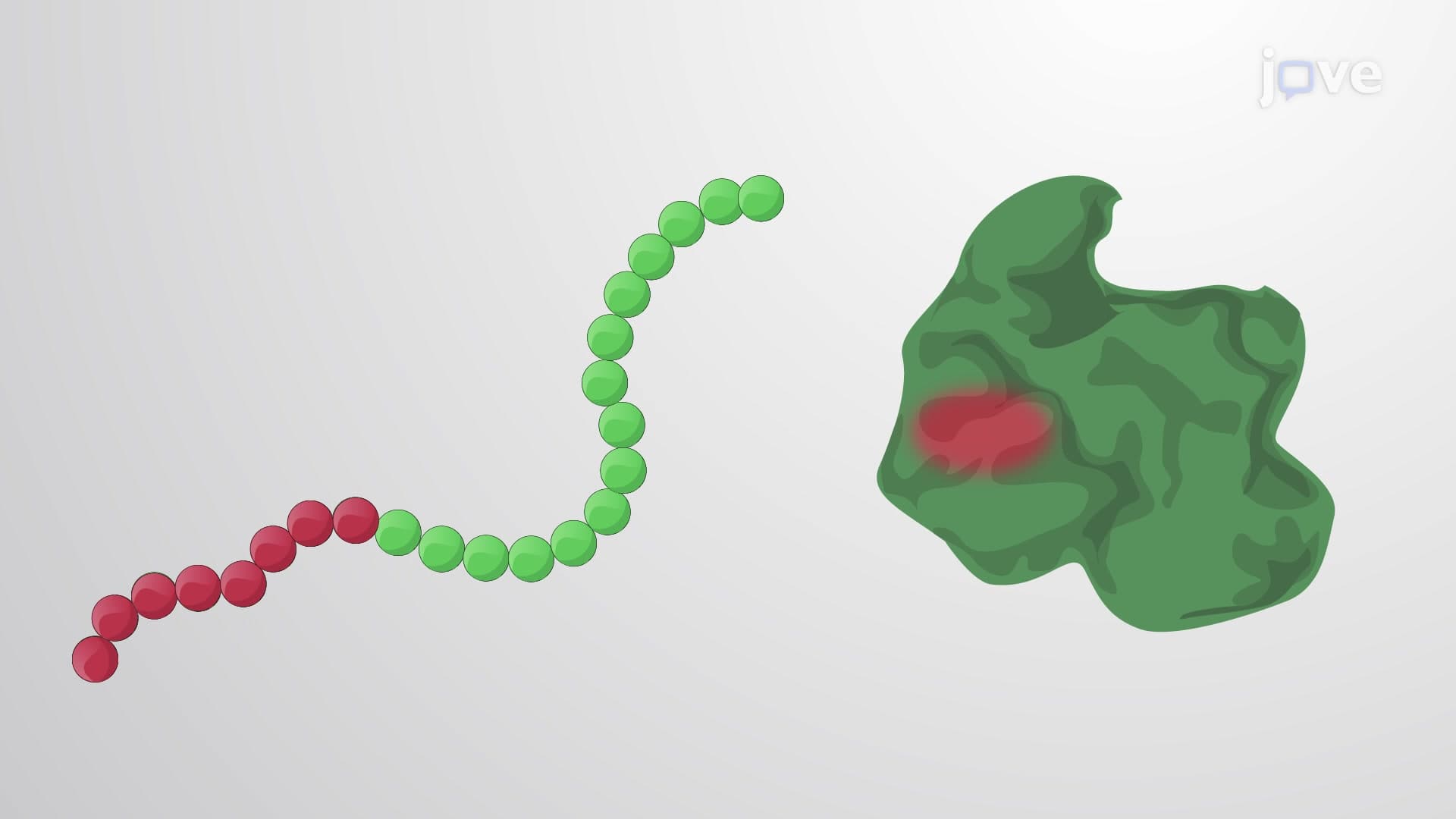
Protein sorting and transport represent one of cell biology's most elegant quality control systems. Just as the US Postal Service uses ZIP codes to ensure mail reaches the right destination, cells use molecular "address tags" called sorting signals to direct proteins to their proper locations. This process is critical for cellular function-misfolded or mislocated proteins can lead to diseases like cystic fibrosis, where defective protein trafficking affects chloride channels in lung cells.
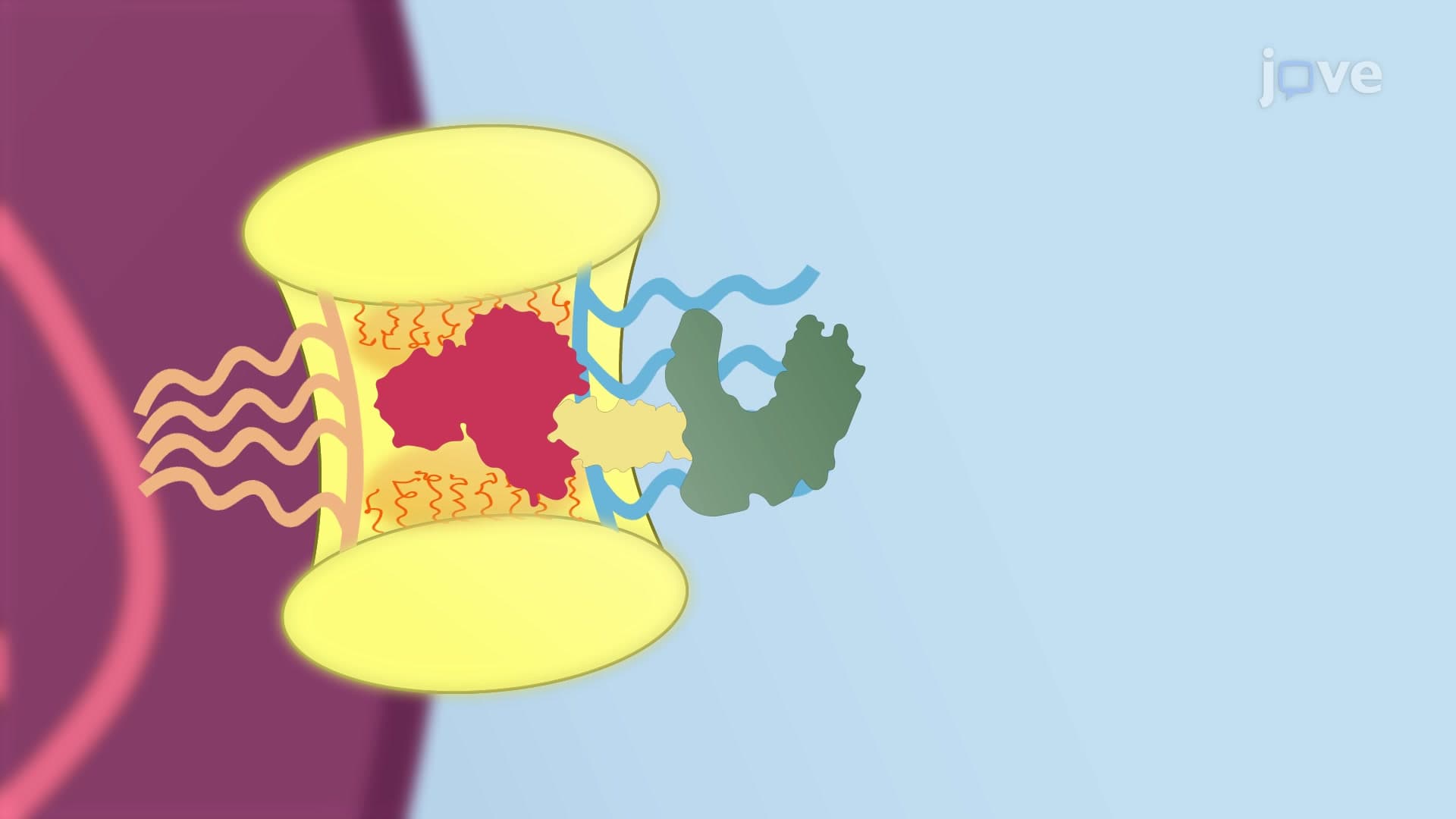
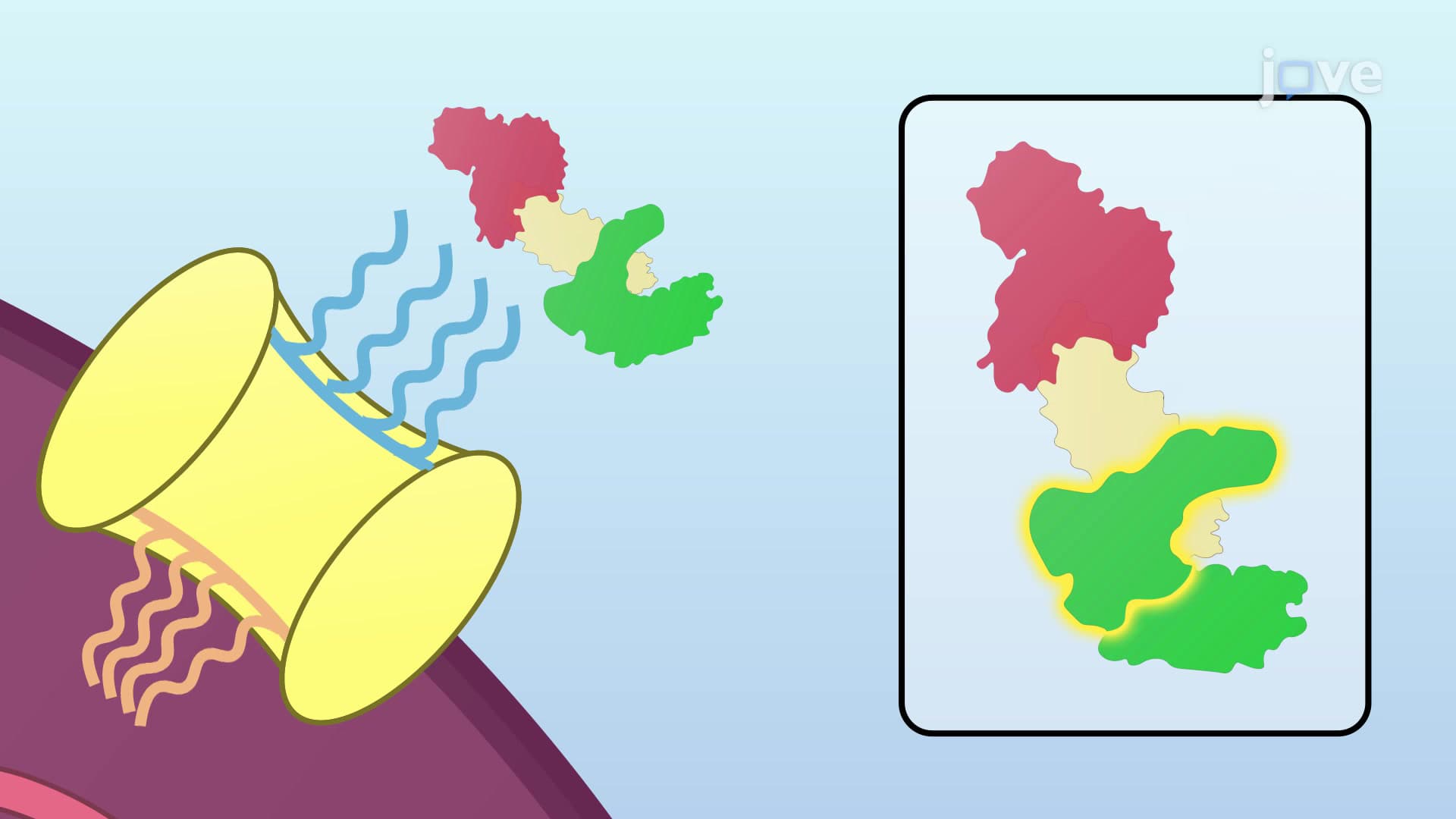
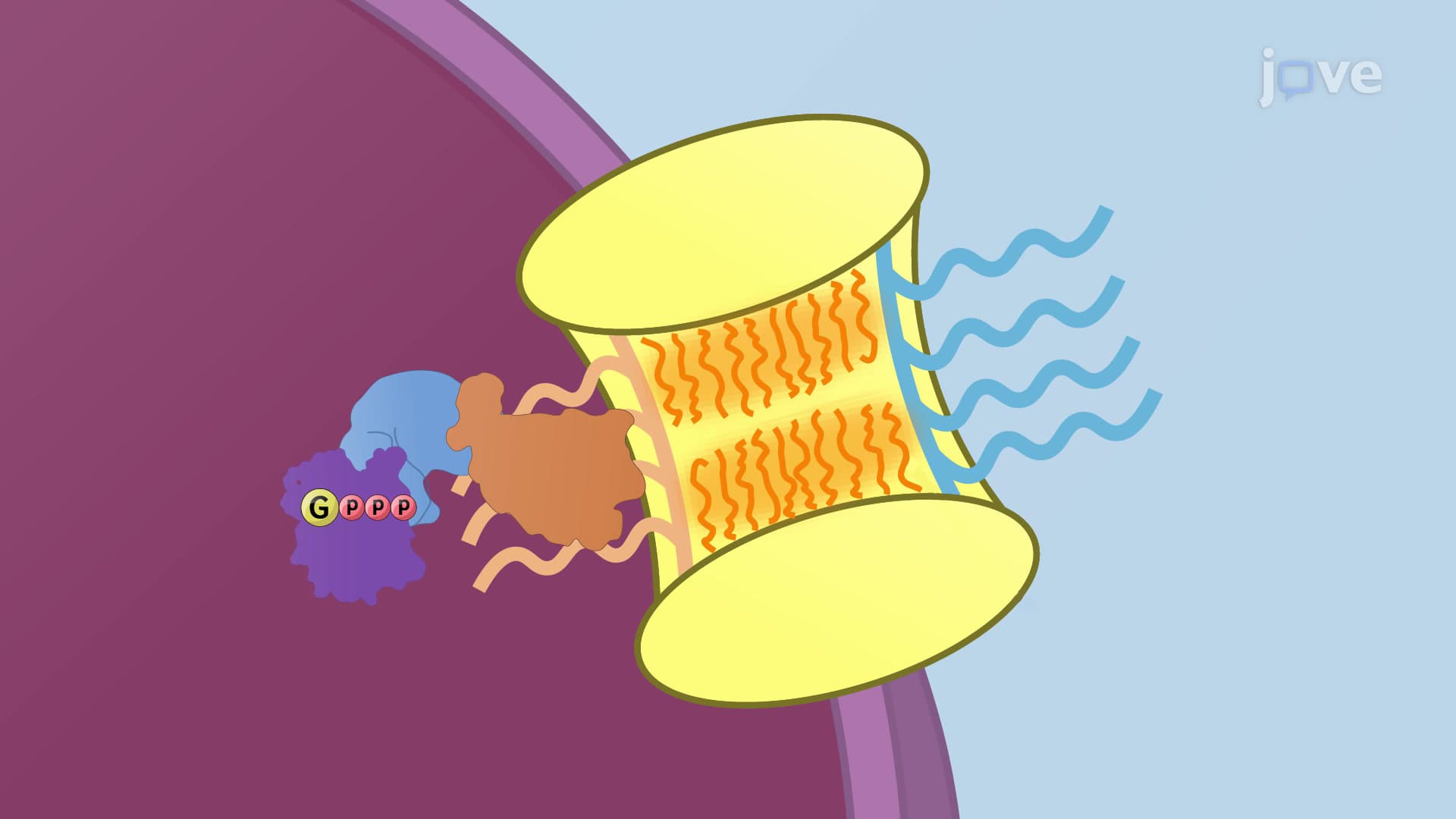
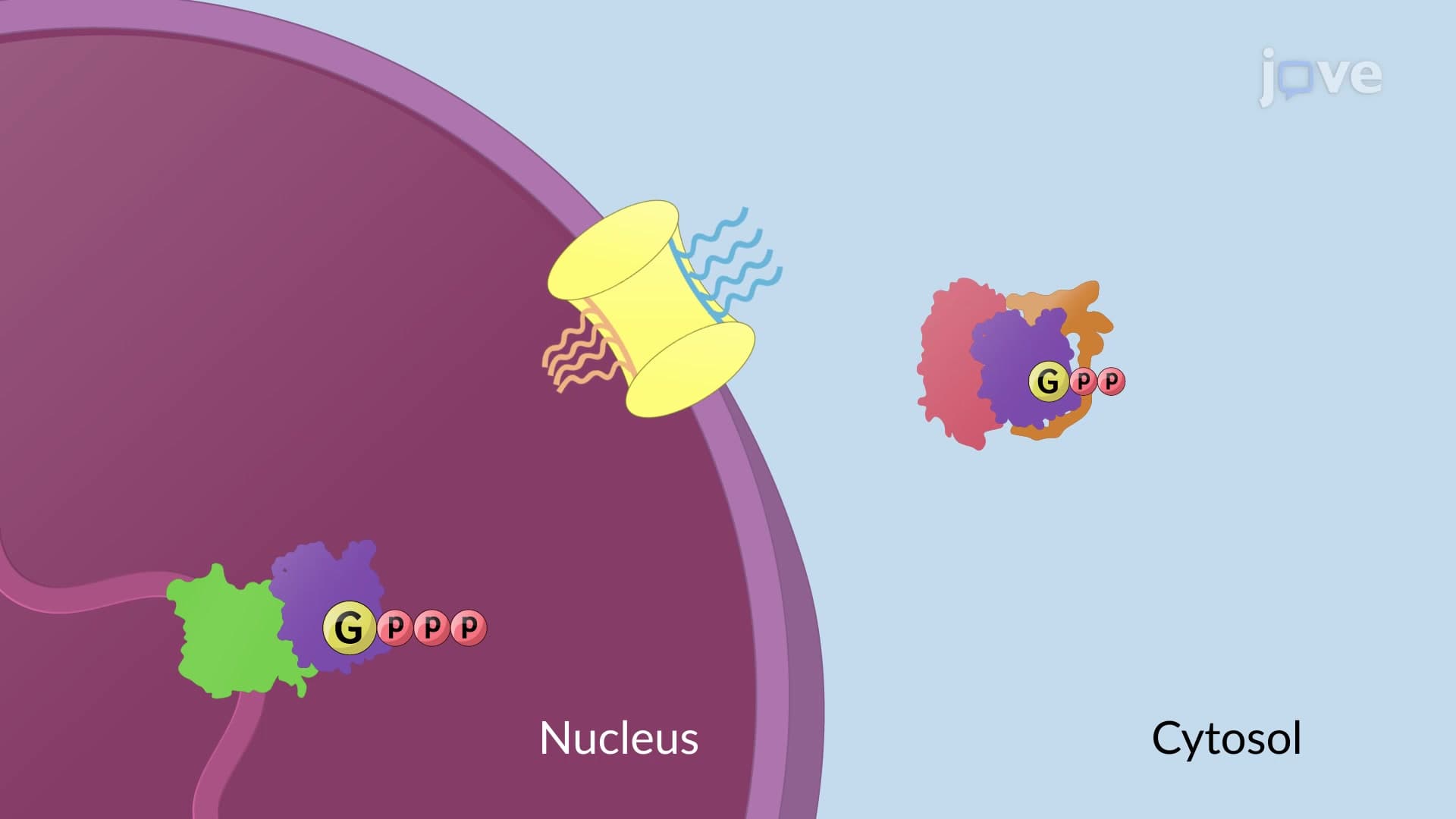
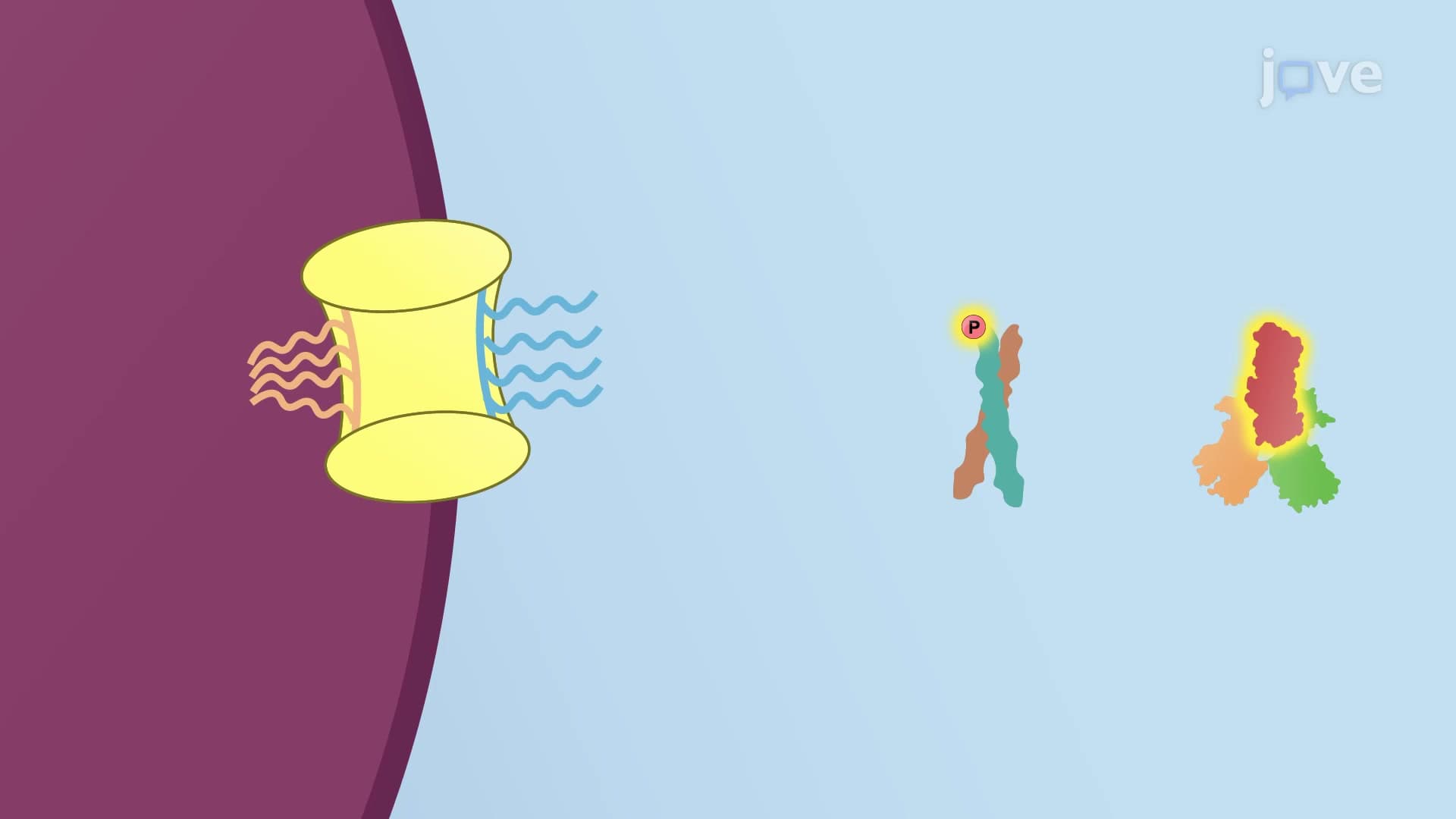
Signal-based sorting operates through two primary mechanisms. Gated transport specifically handles nuclear proteins, which must cross the nuclear envelope through nuclear pore complexes. These massive protein structures act like sophisticated checkpoints, selectively allowing passage based on nuclear localization signals. This process is particularly relevant for transcription factors and DNA repair proteins that students encounter in AP Biology courses.
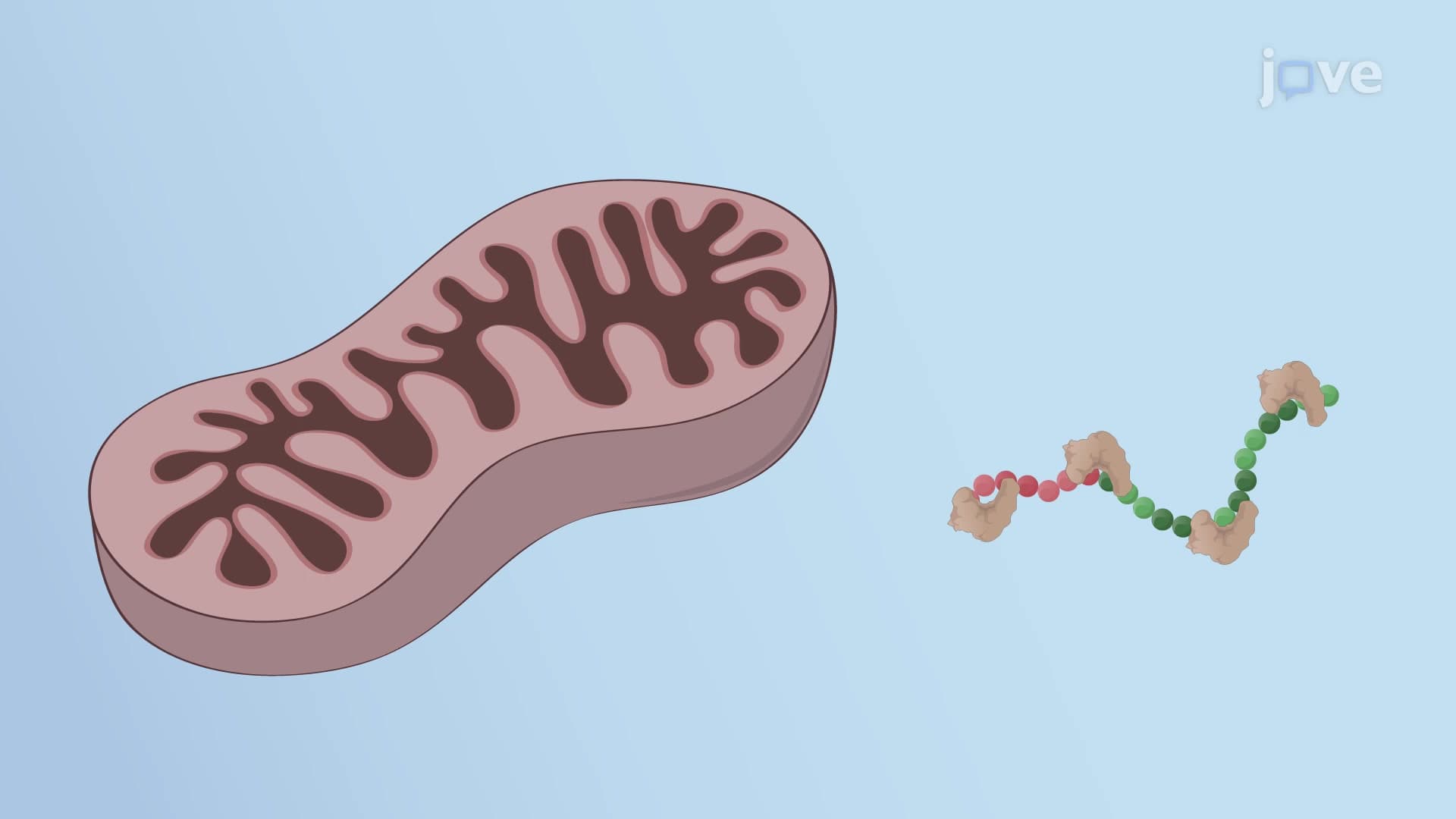
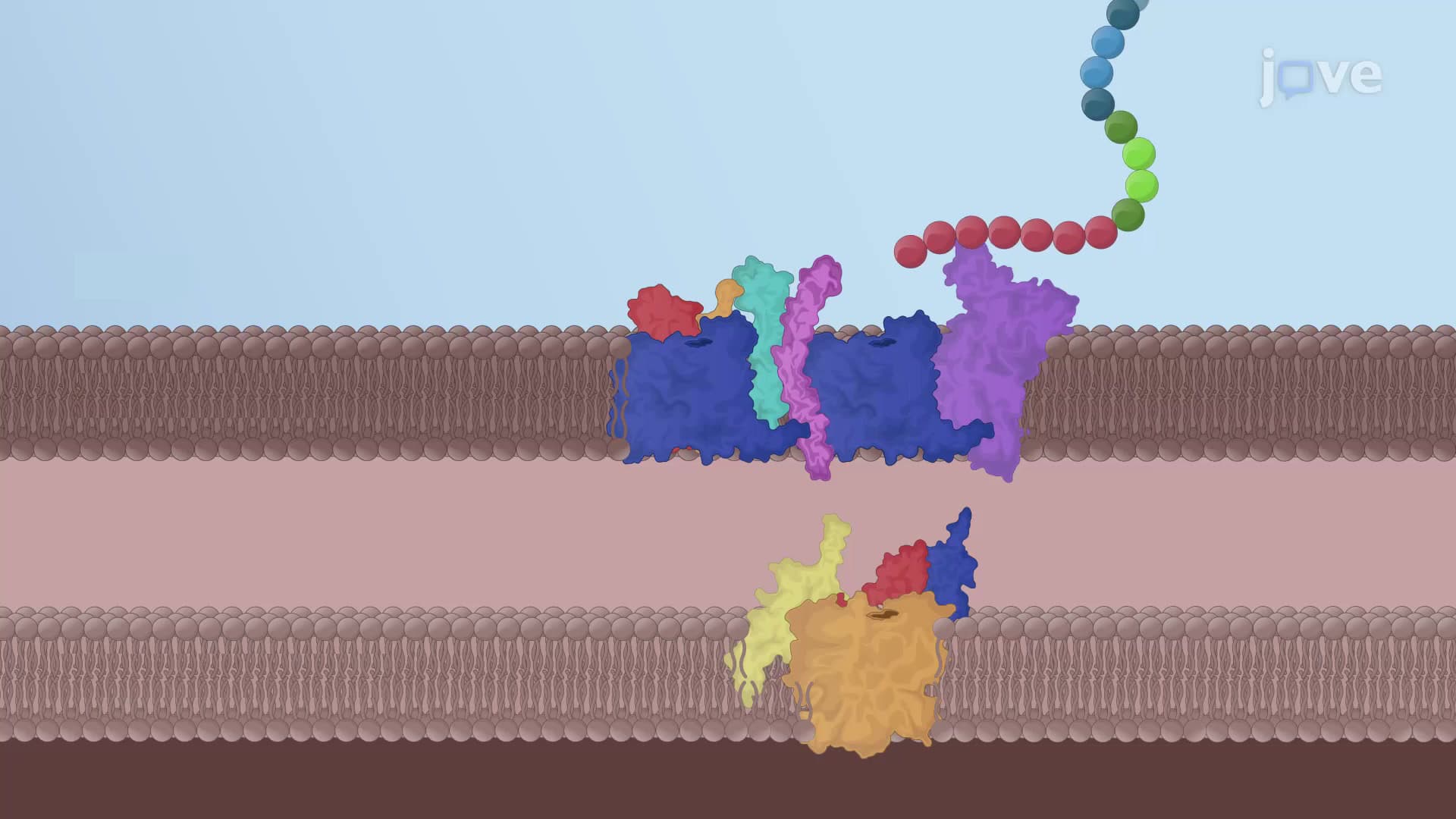
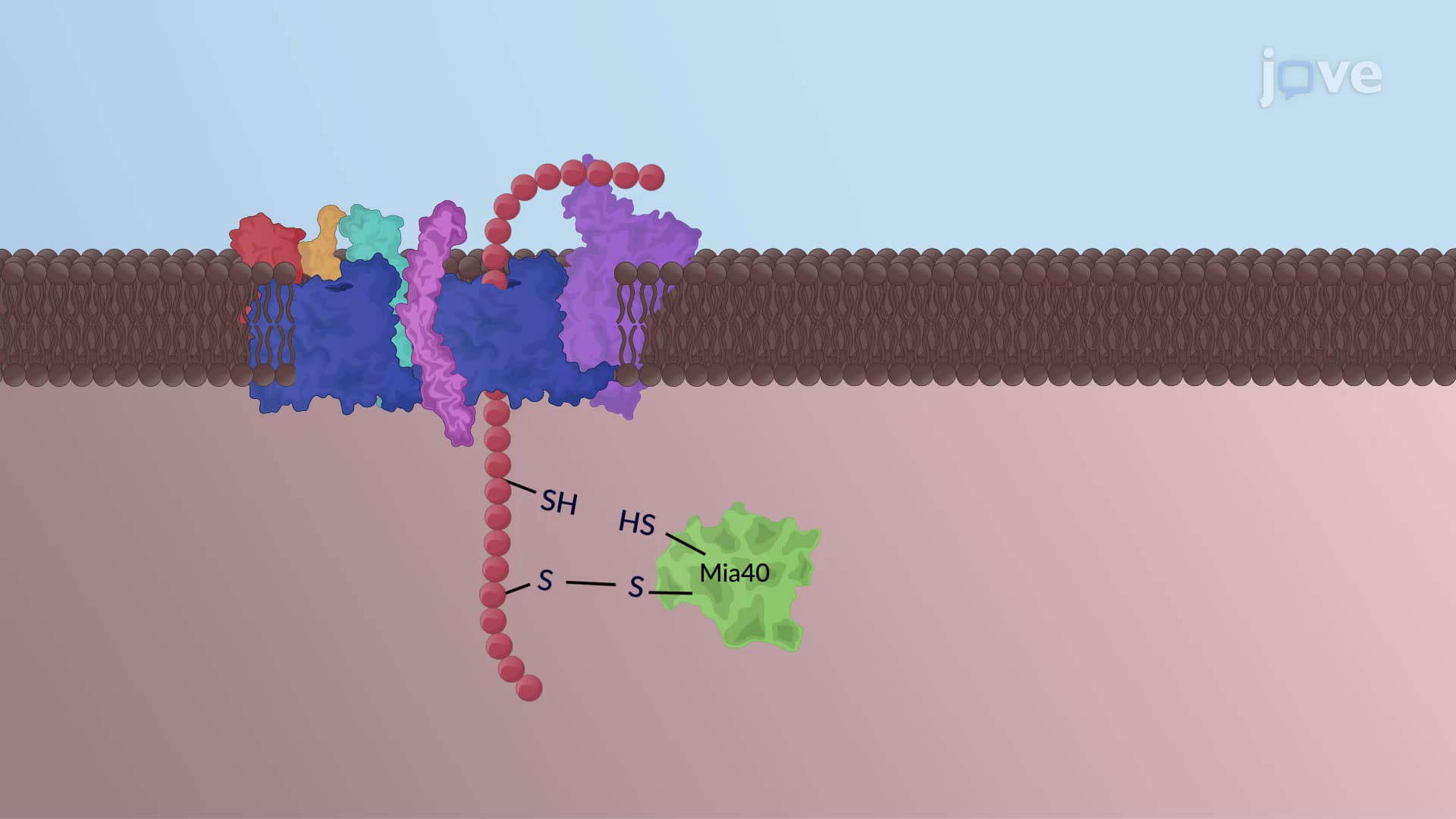
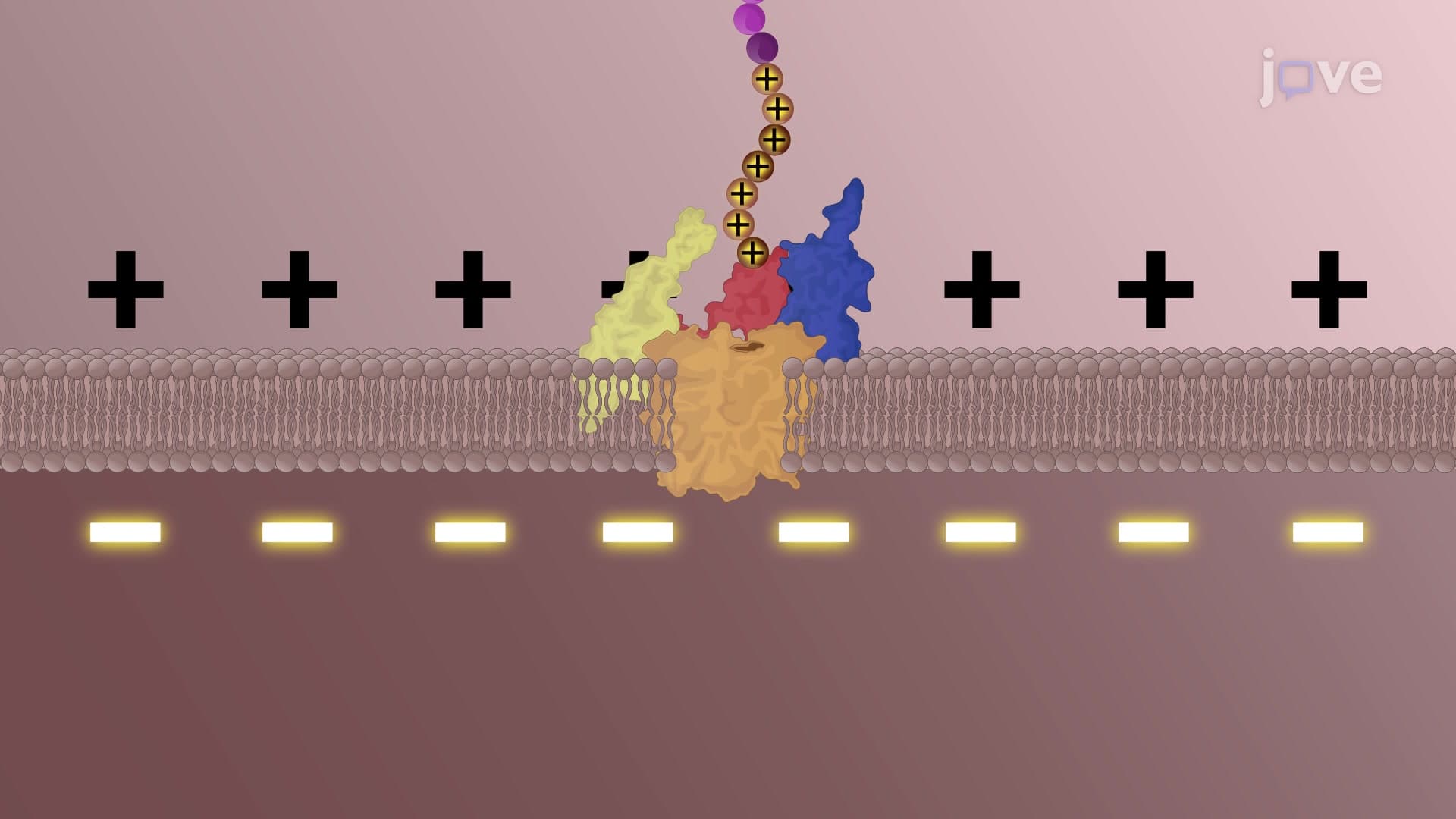
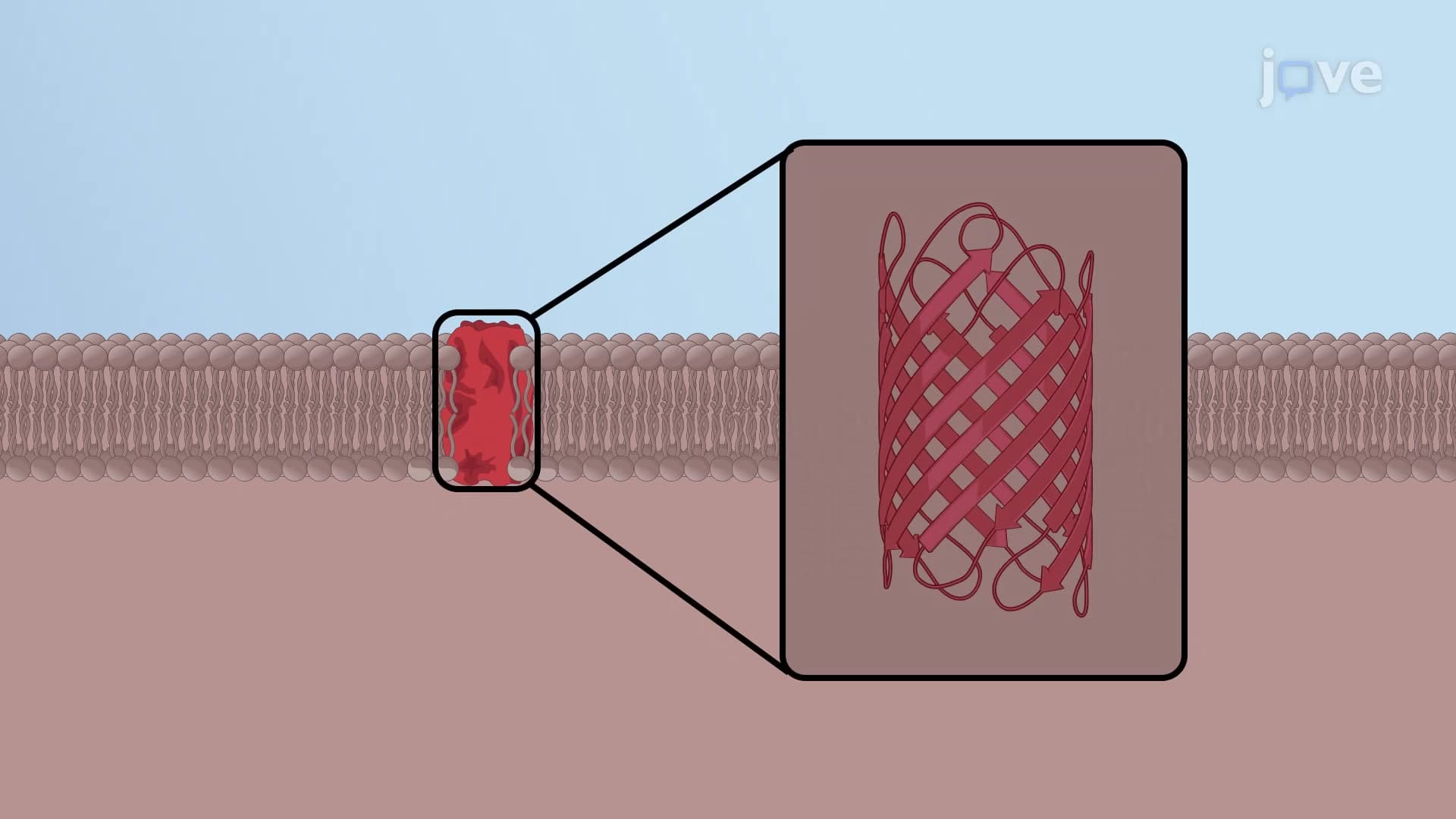
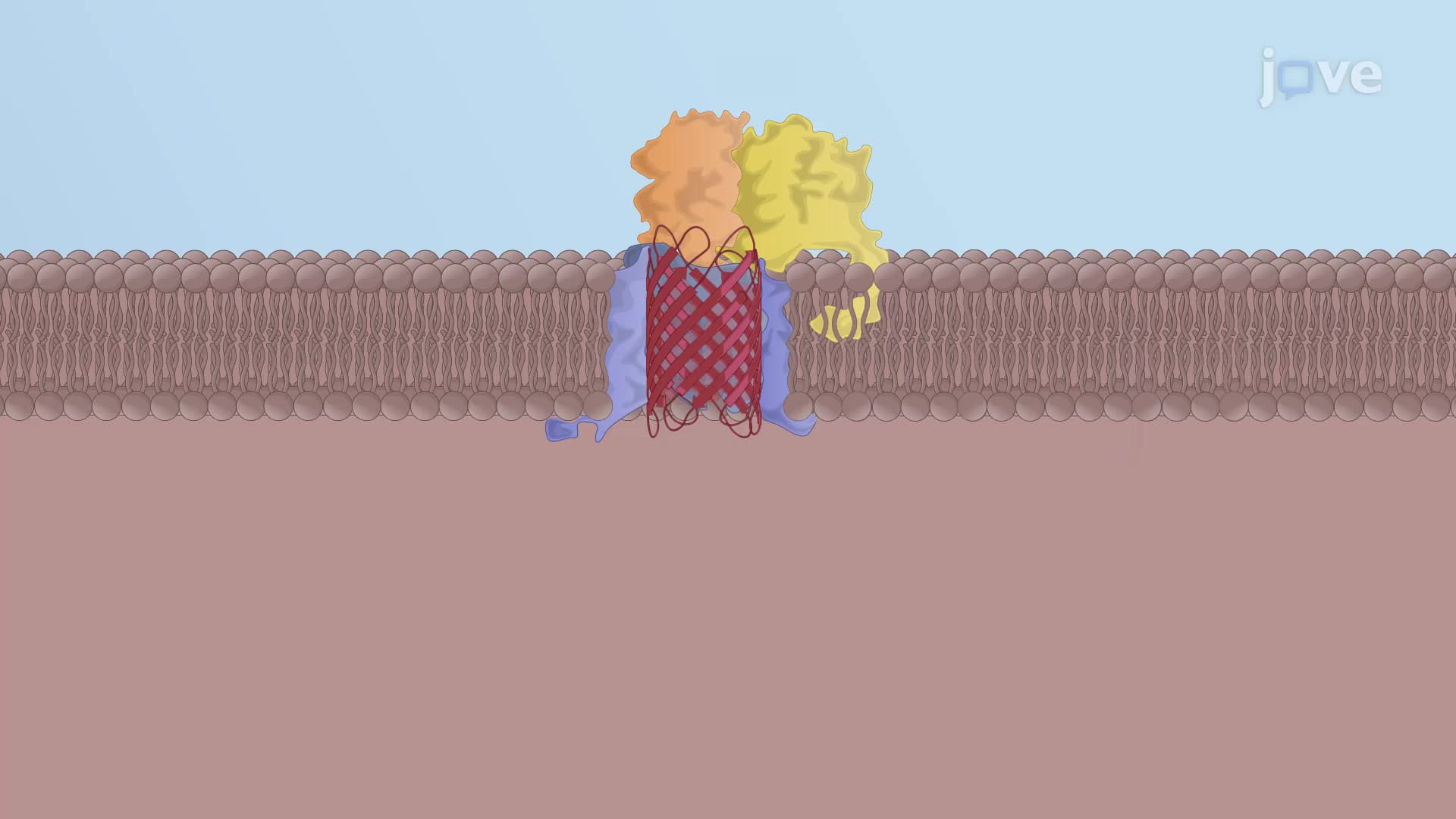
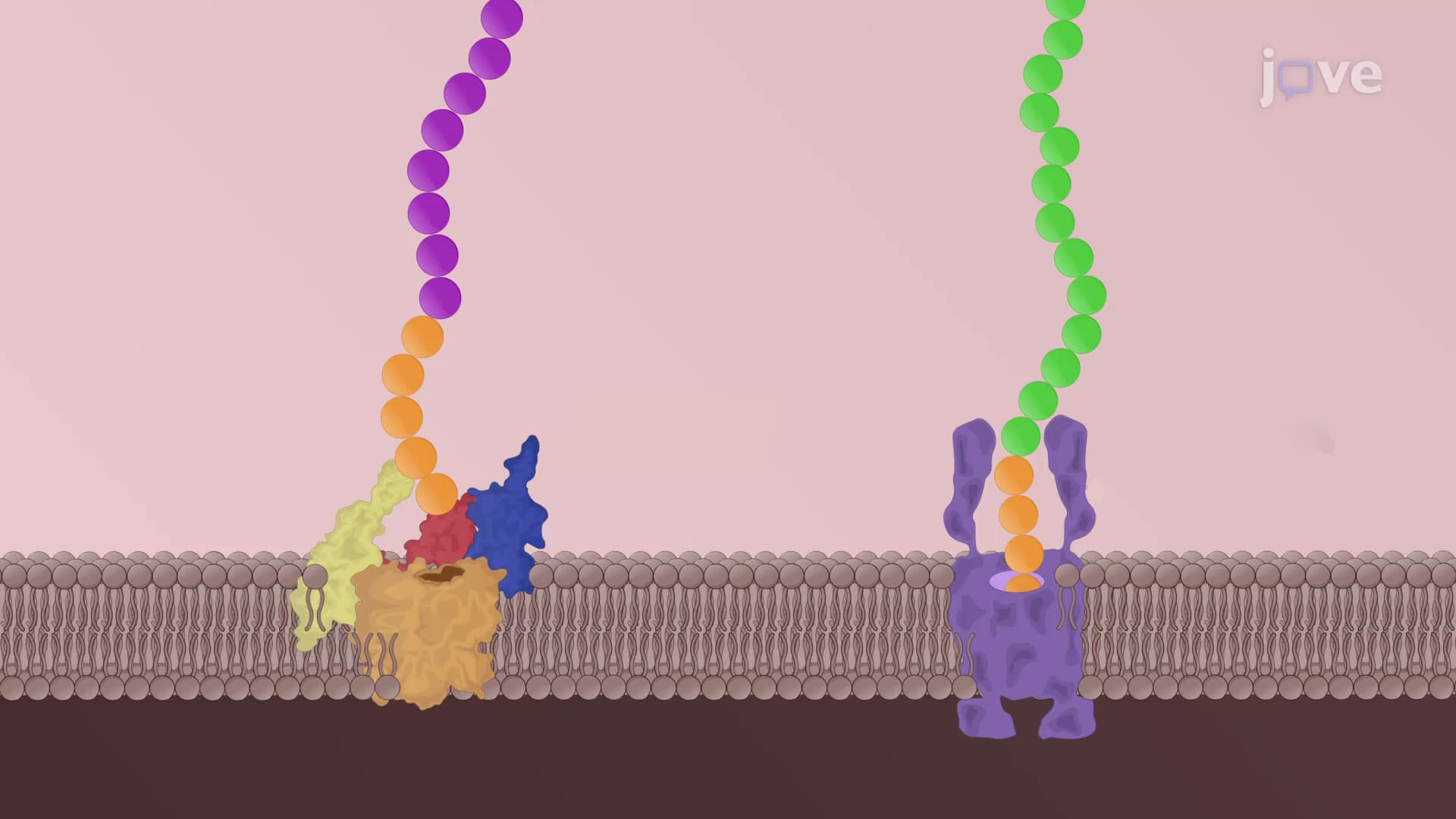
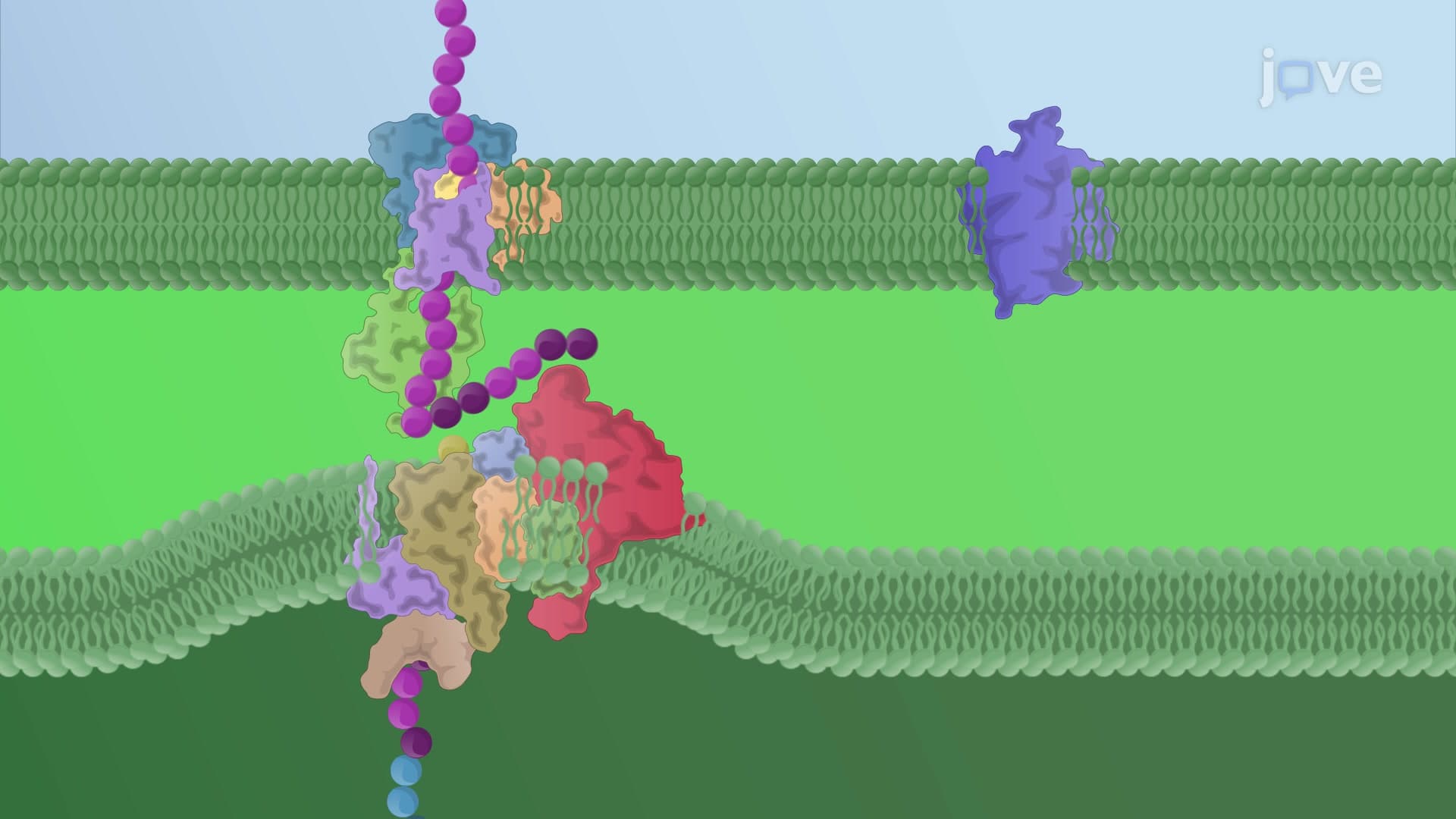
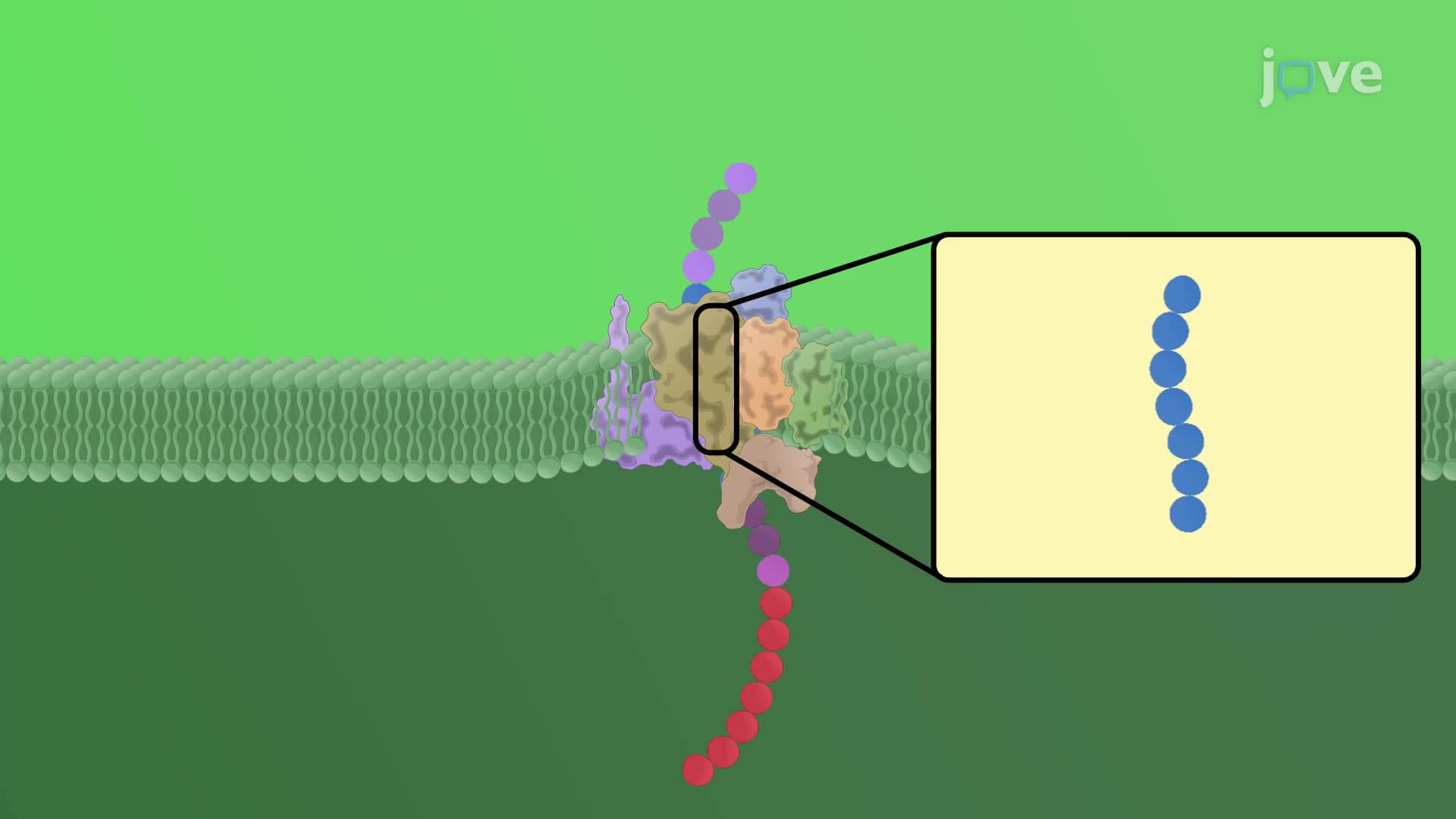
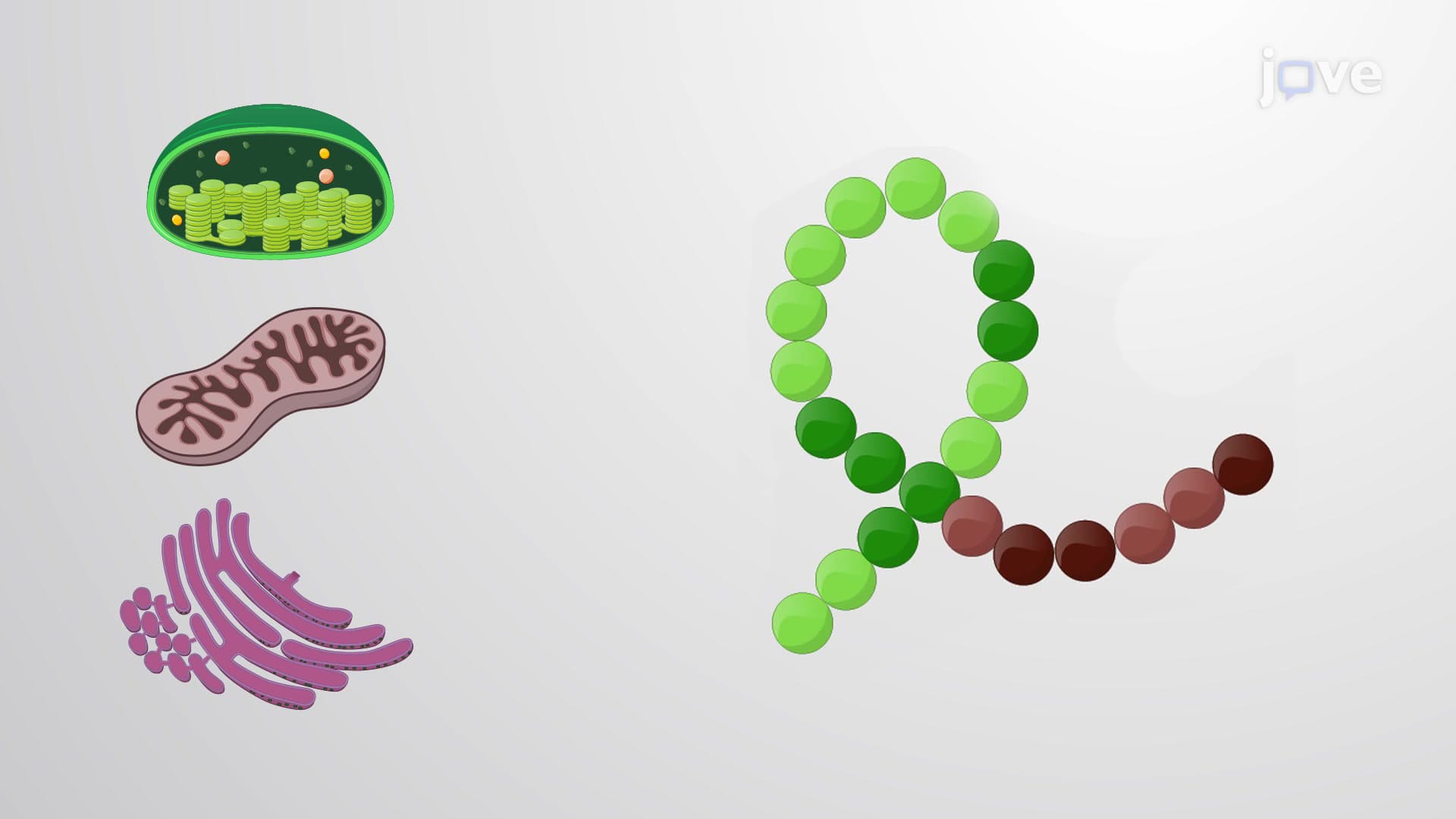
Protein translocation serves organelles like mitochondria, chloroplasts, and the endoplasmic reticulum. Unlike nuclear transport, this process requires proteins to unfold and thread through specialized channels called translocons. Chaperone proteins in the cytosol act like molecular escorts, preventing premature folding and ensuring safe delivery. ATP hydrolysis powers this energy-intensive process-a concept frequently tested on the MCAT and college biochemistry exams.
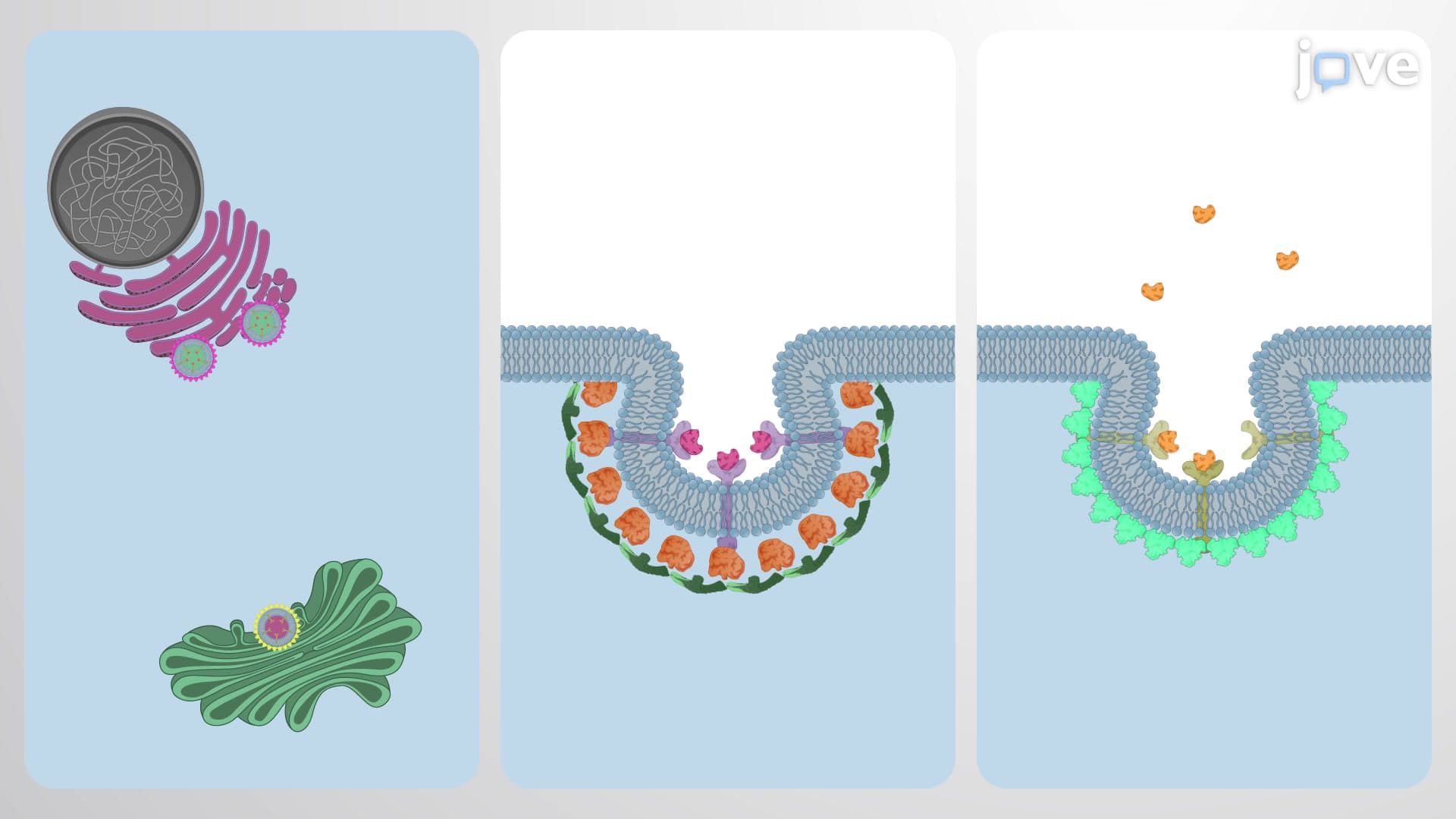
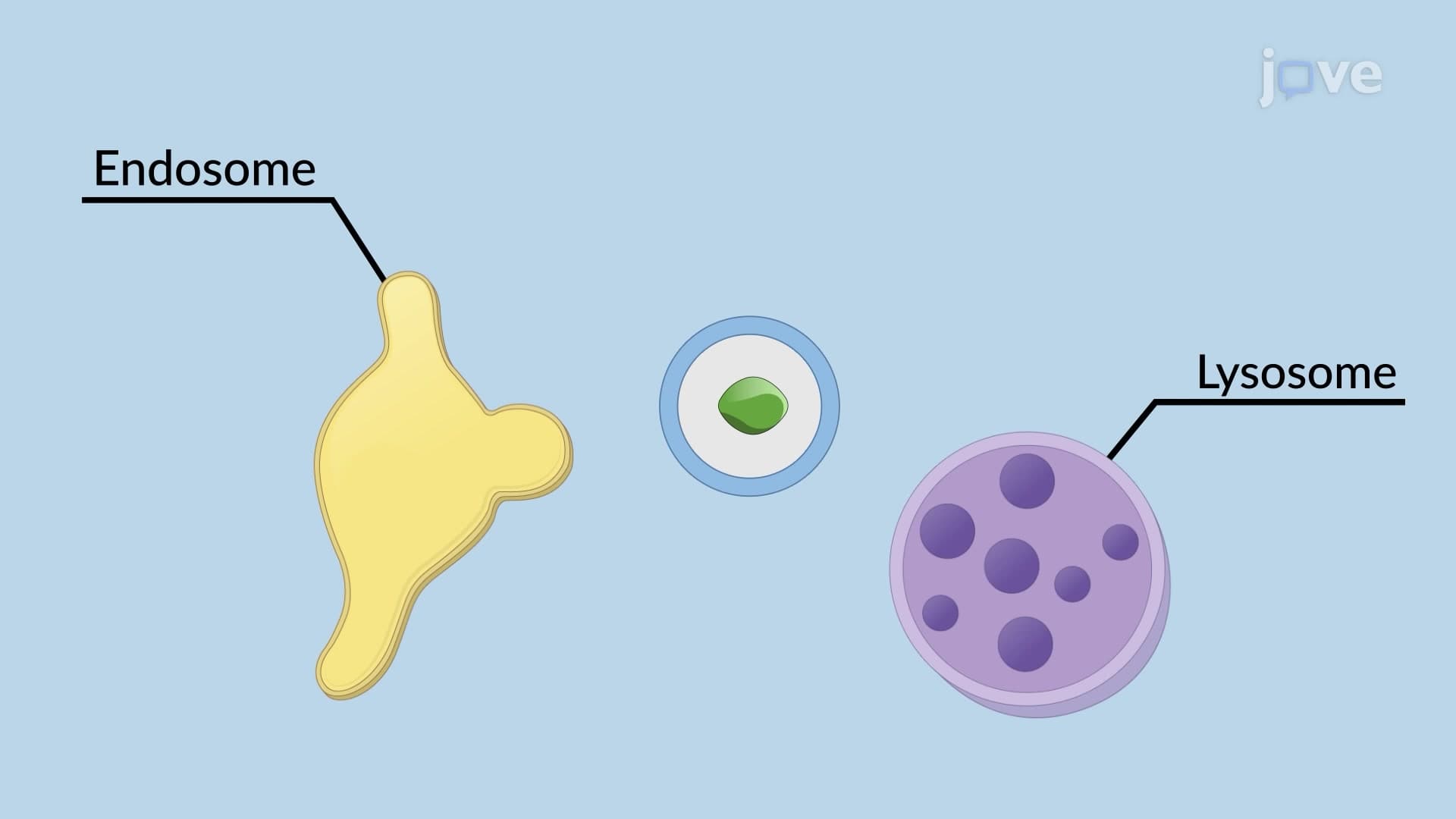
Vesicular trafficking represents a fundamentally different approach, moving proteins in membrane-bound packages without crossing lipid bilayers. This system primarily operates between the endoplasmic reticulum and Golgi apparatus, resembling a cellular conveyor belt system. Transport vesicles bud from the ER membrane, travel through the cytoplasm, and fuse with target membranes-a process students often visualize in cell biology lab courses using fluorescent protein markers.
Understanding protein sorting mechanisms has direct applications in medicine and biotechnology. Pharmaceutical companies designing insulin treatments must ensure proper protein folding and transport in bacterial or yeast production systems. Similarly, gene therapy approaches for genetic diseases often focus on correcting defective protein sorting pathways. These real-world applications make protein transport a high-yield topic for pre-med students preparing for the MCAT.
Related Micro-courses