Loading subject page…


95,422 views

Video Summary: Protein Transport to the Stroma Explained
Did you know that plant cells must shuttle thousands of proteins across multiple membranes every second to keep photosynthesis running? Protein transport to the stroma is the intricate cellular process that moves cytosol-synthesized proteins into the chloroplast's innermost compartment where photosynthesis occurs. This mechanism is essential for crops like Iowa corn and California almonds to convert sunlight into the food we eat. Watch the full video on JoVE Coach to master this concept with expert-led visuals and step-by-step explanations.
Protein transport to the stroma represents one of cell biology's most sophisticated targeting systems. Unlike animal cells, plant cells must coordinate protein delivery across multiple membrane barriers to reach the chloroplast's metabolically active interior. This process ensures that photosynthetic enzymes like RuBisCO-the most abundant protein on Earth-reach their functional destination in crop plants from Nebraska wheat fields to Florida citrus groves.
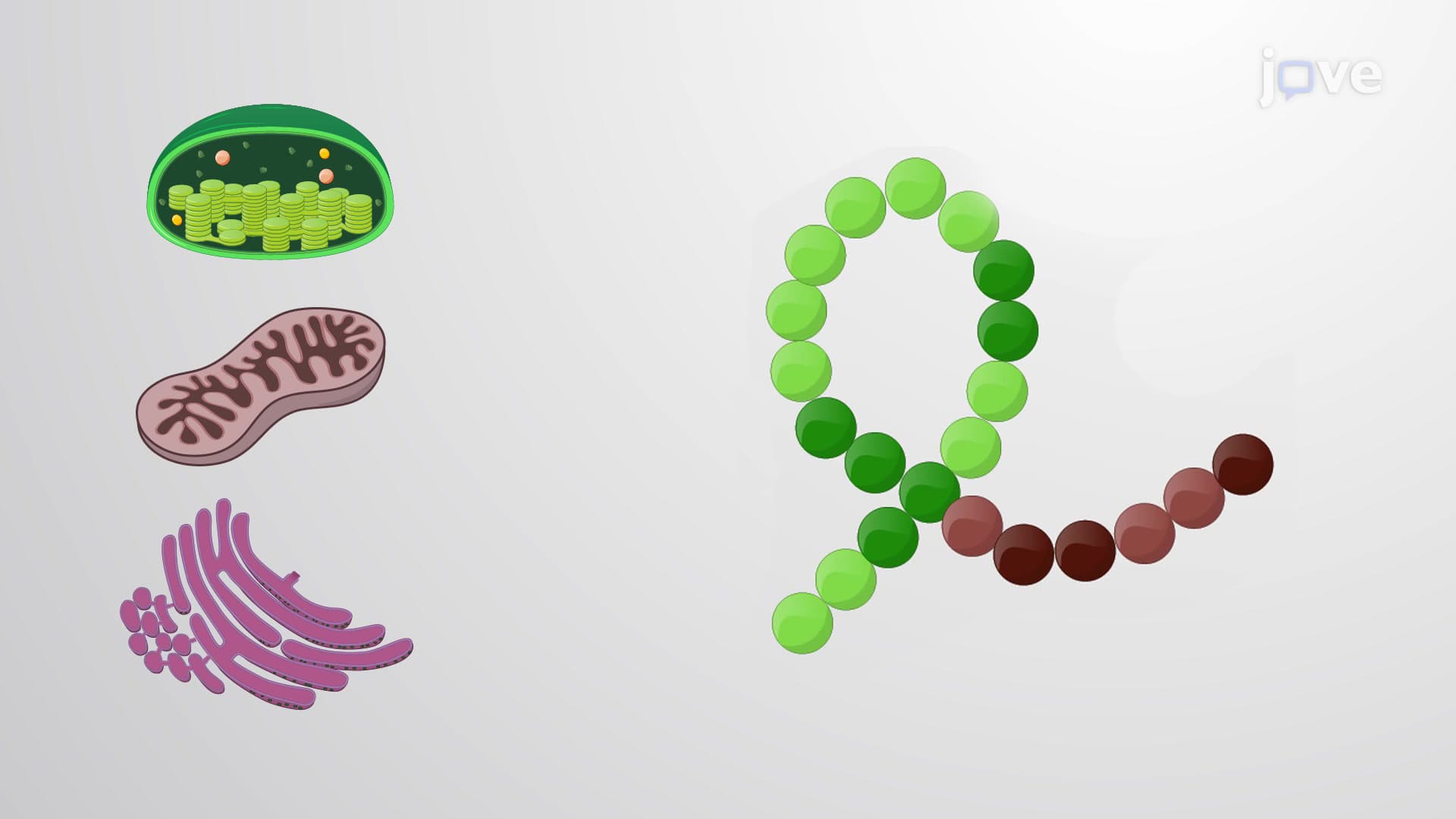
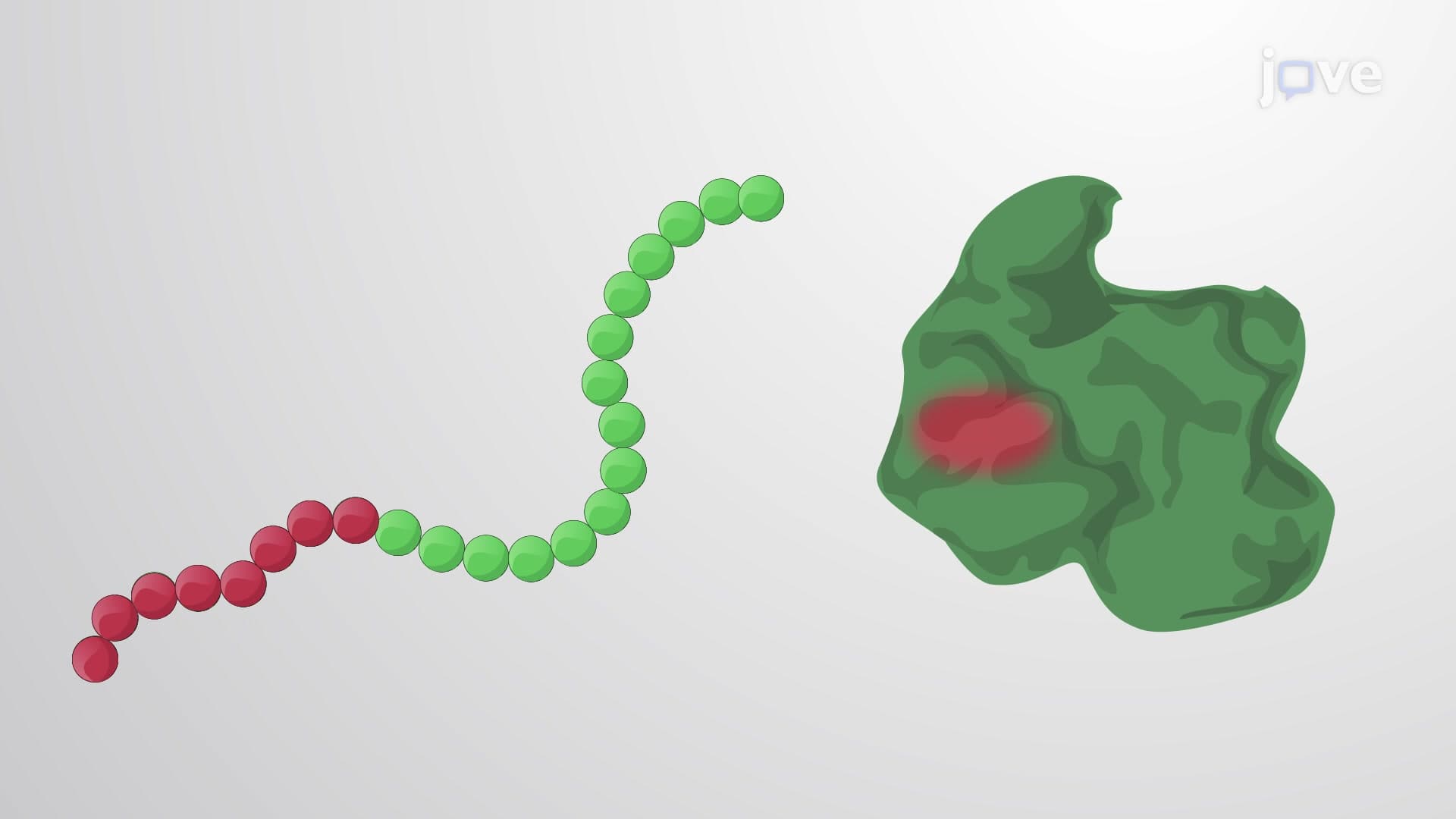
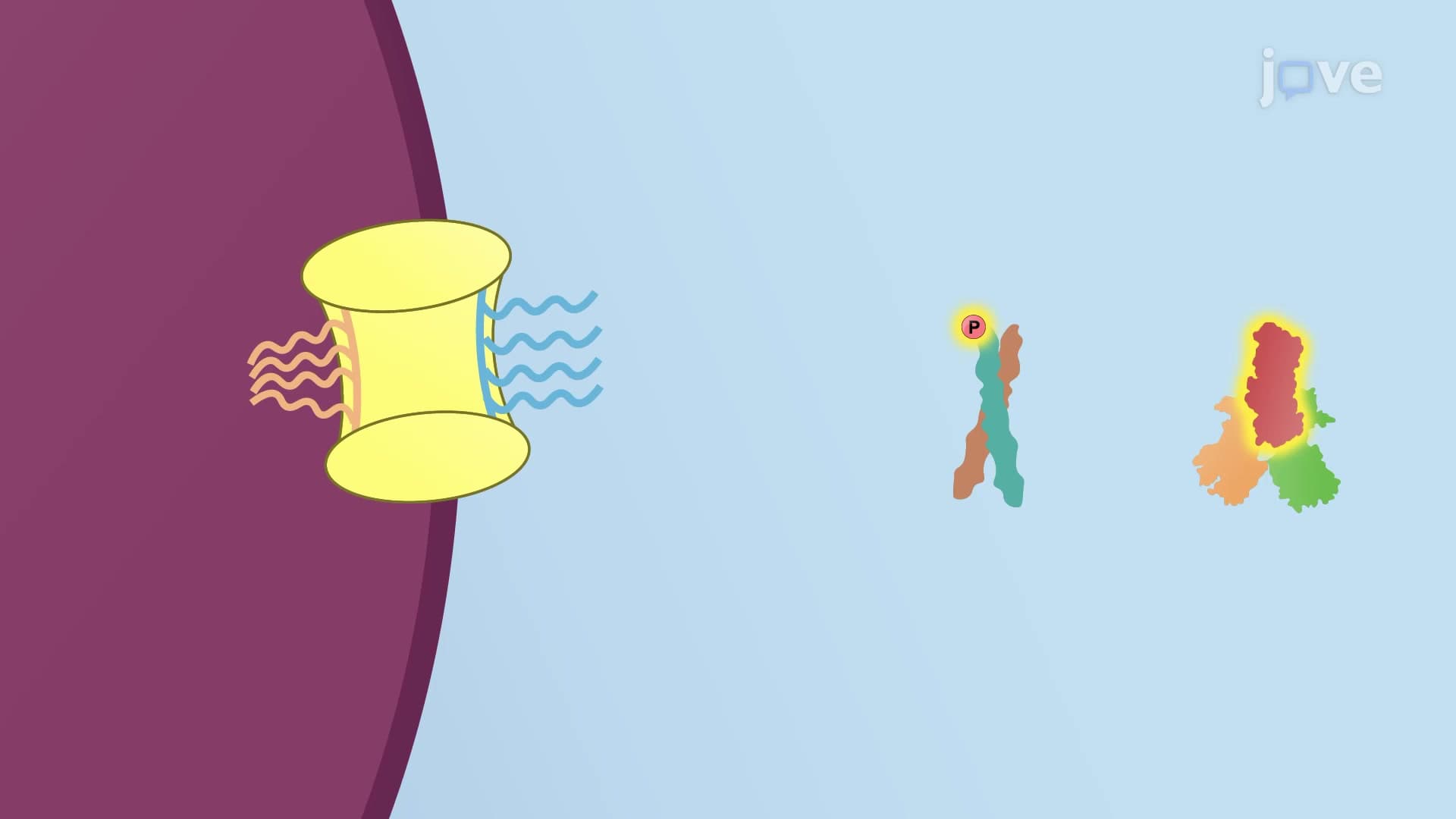
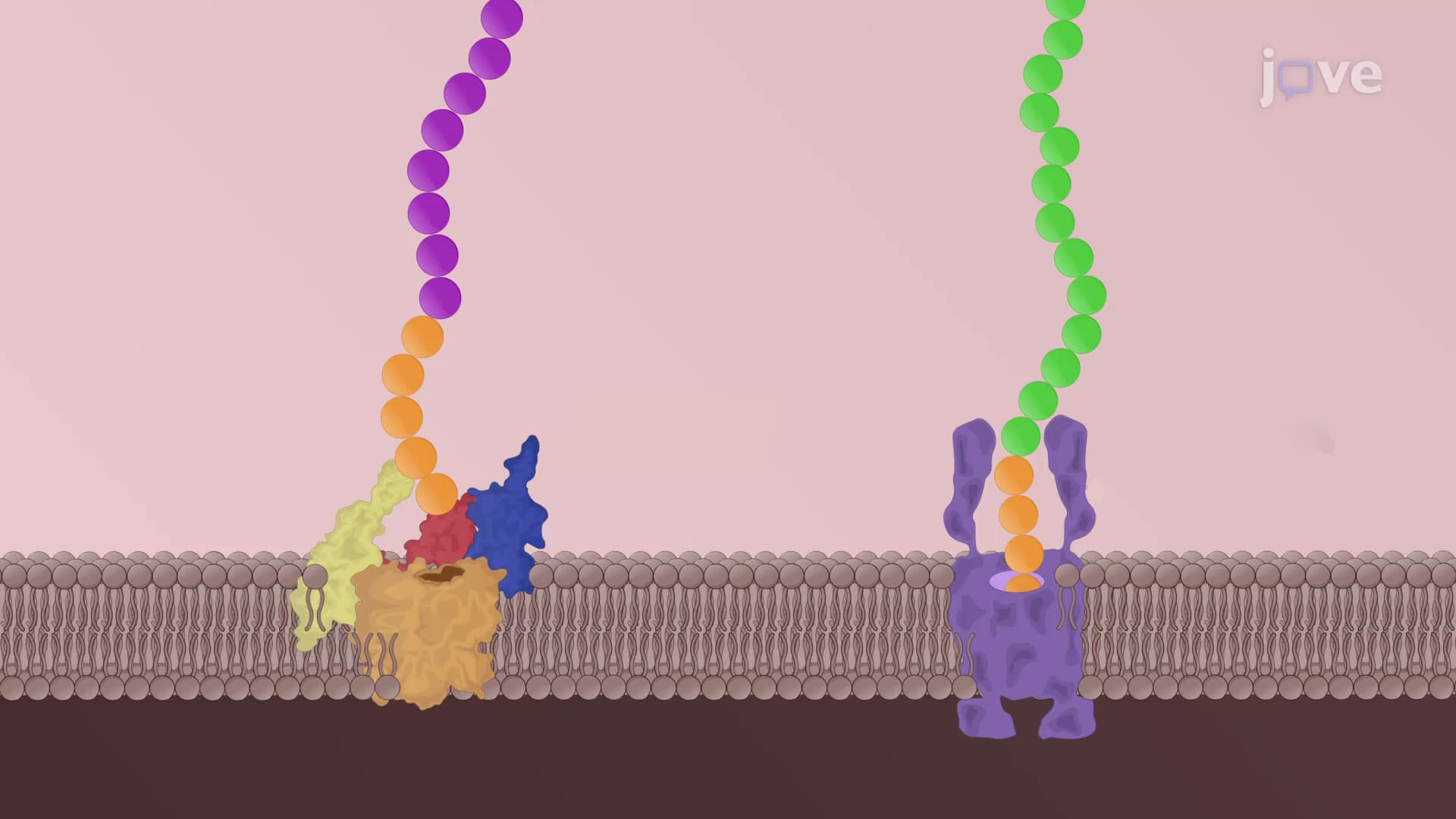
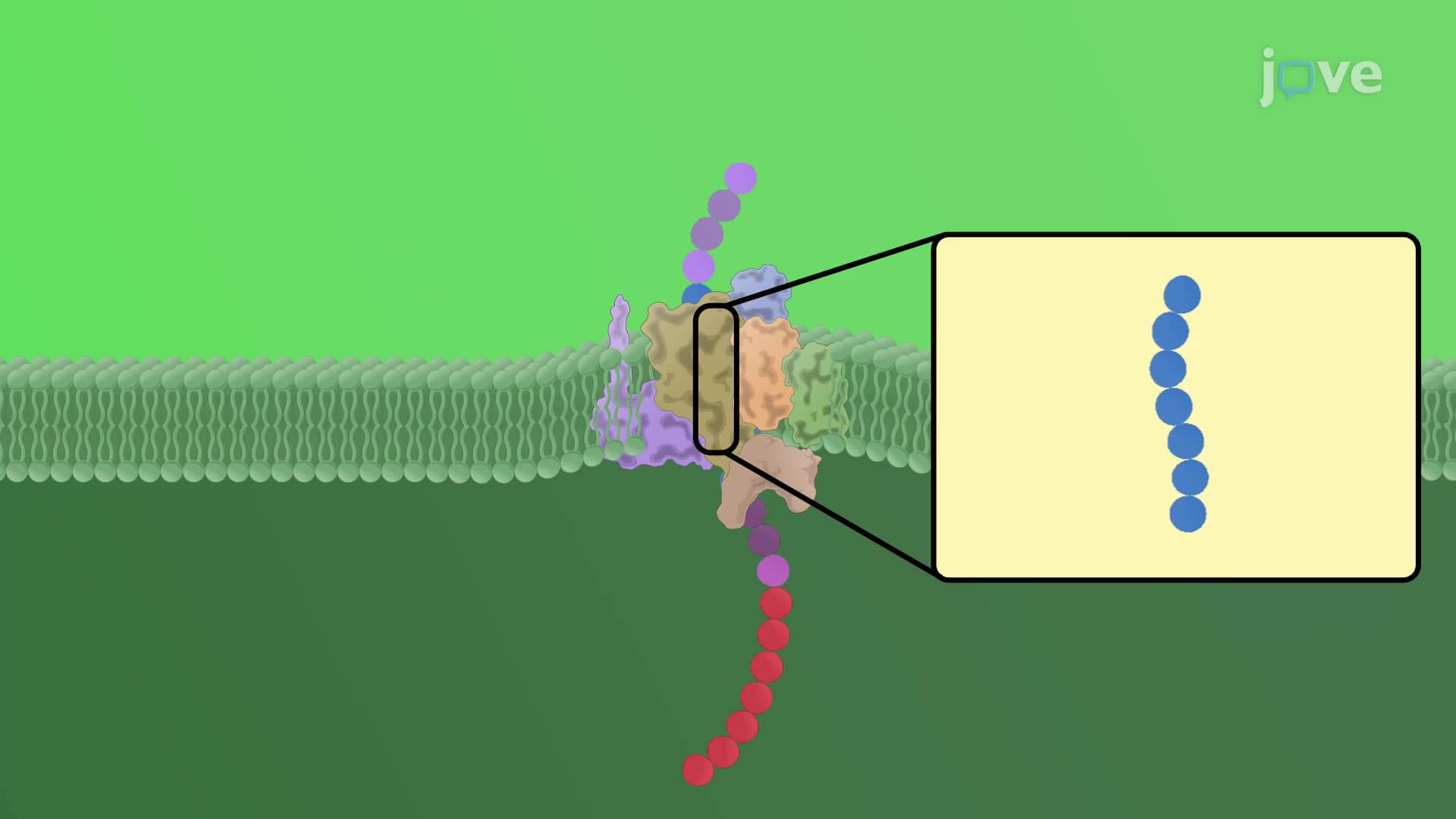
The journey begins in the cytosol where newly synthesized proteins carry N-terminal transit signals-molecular zip codes that specify chloroplast delivery. These signals interact with cytosolic chaperones that prevent premature folding and guide precursor proteins to the chloroplast surface. The specificity rivals a GPS system: proteins destined for different chloroplast compartments carry distinct internal signals that determine their final location within the organelle.
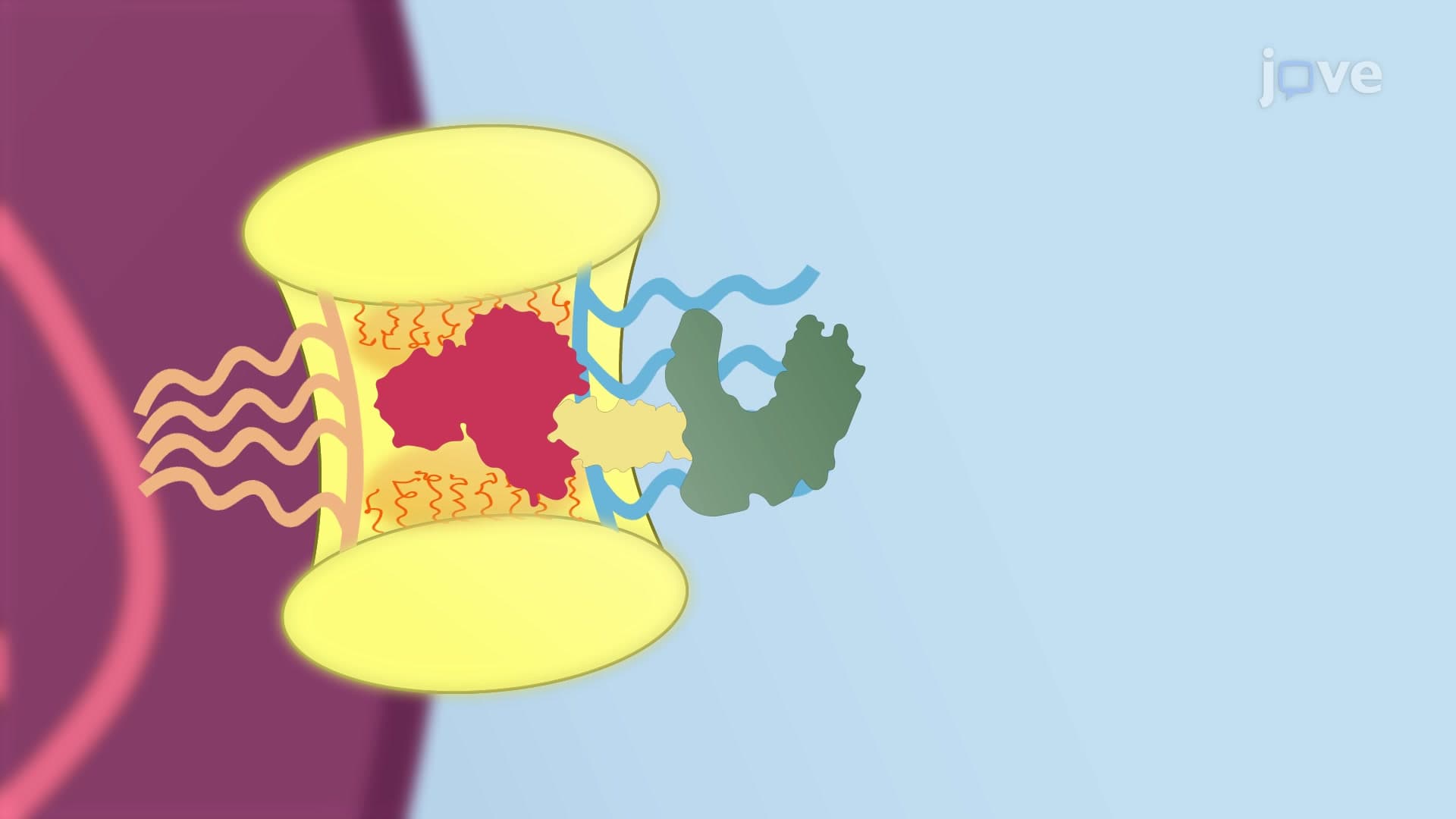
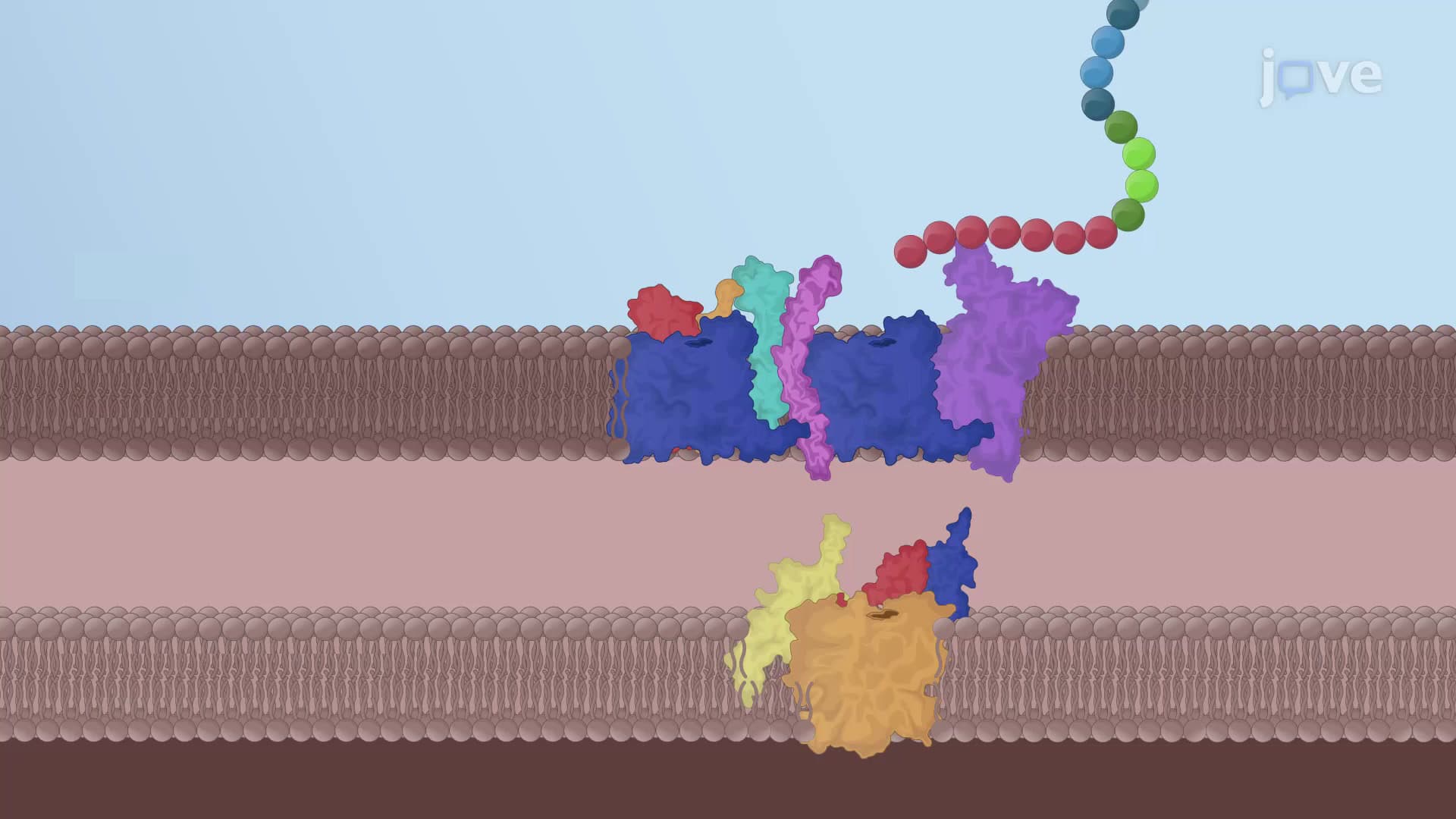
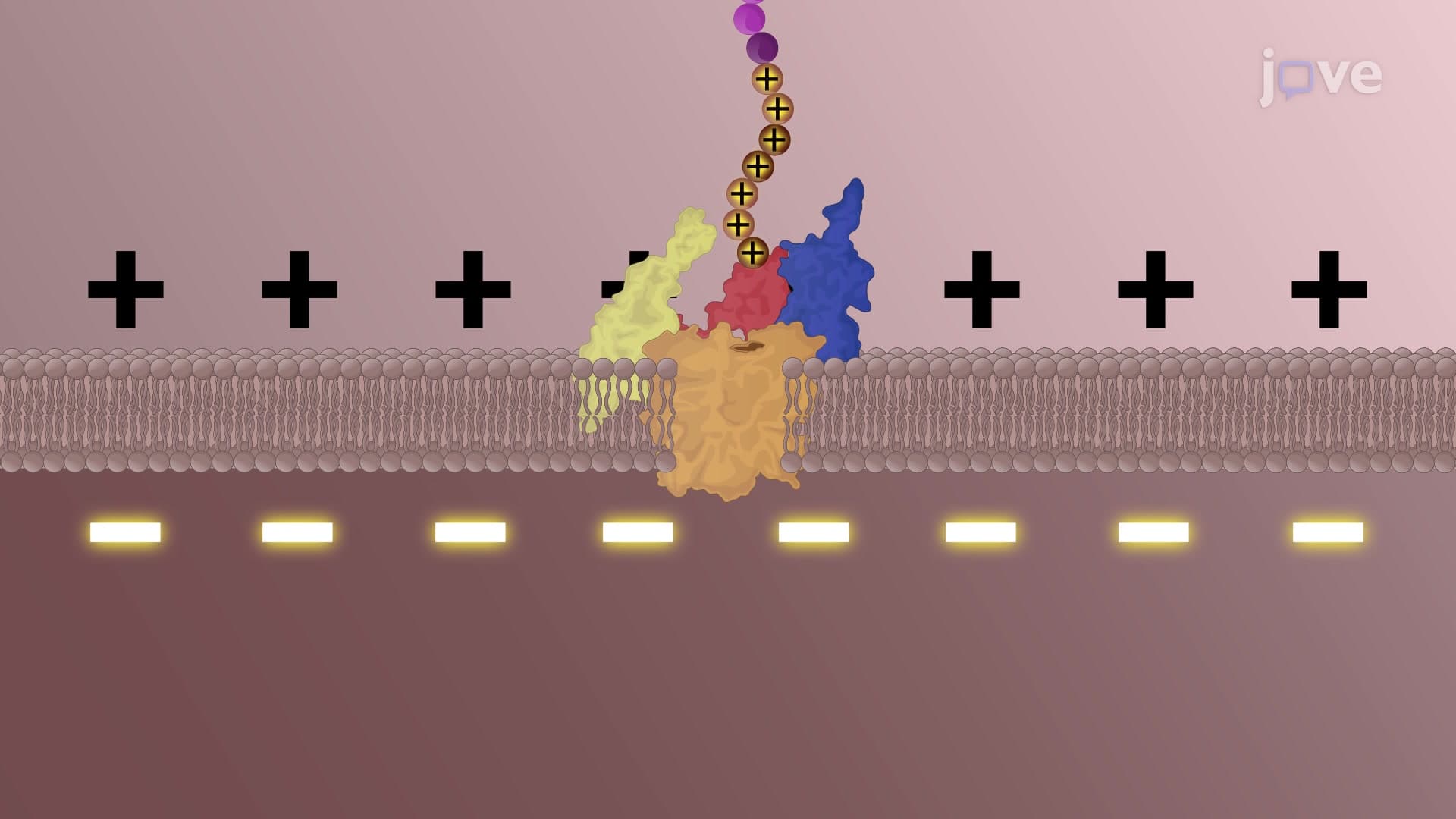
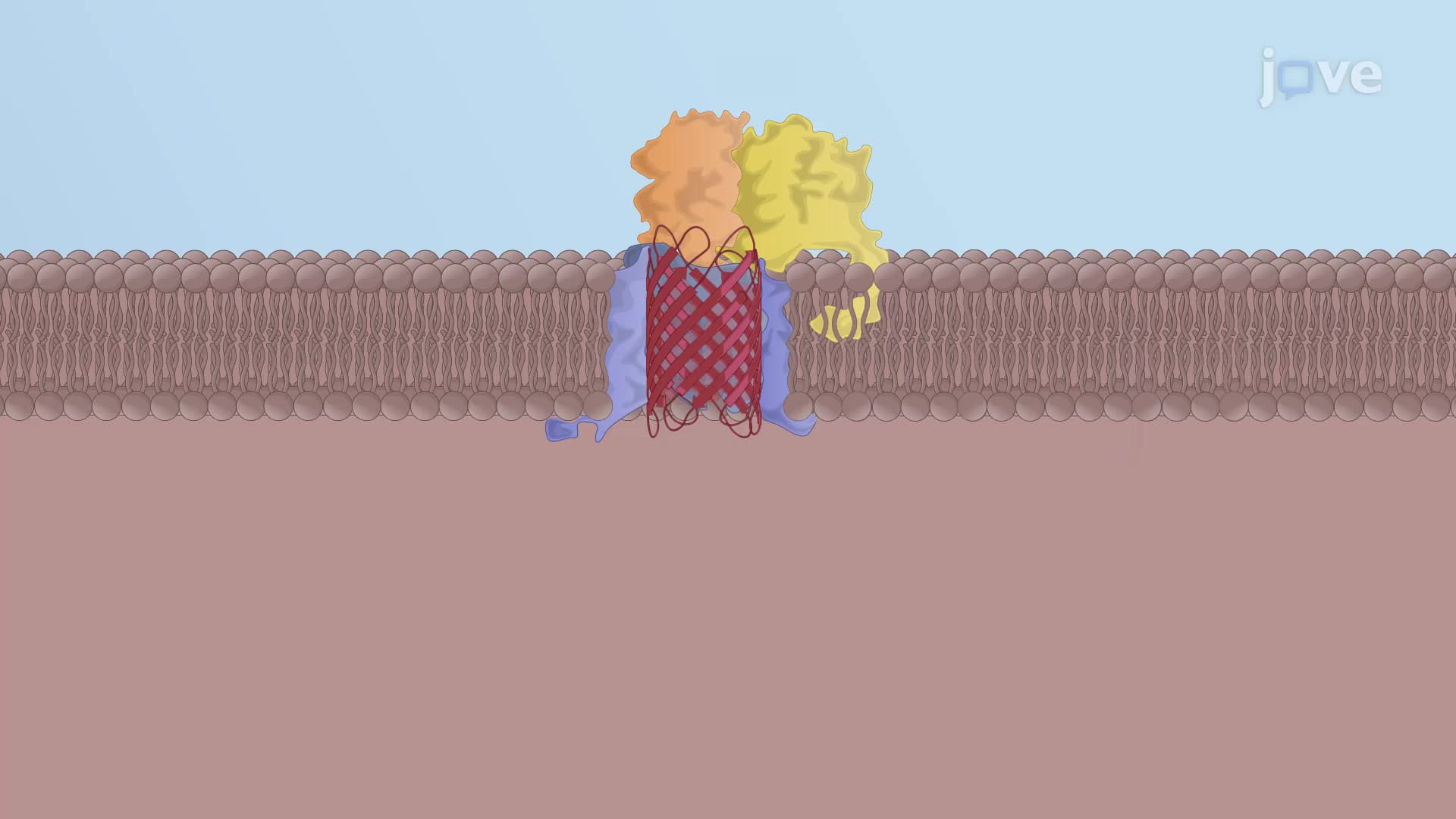
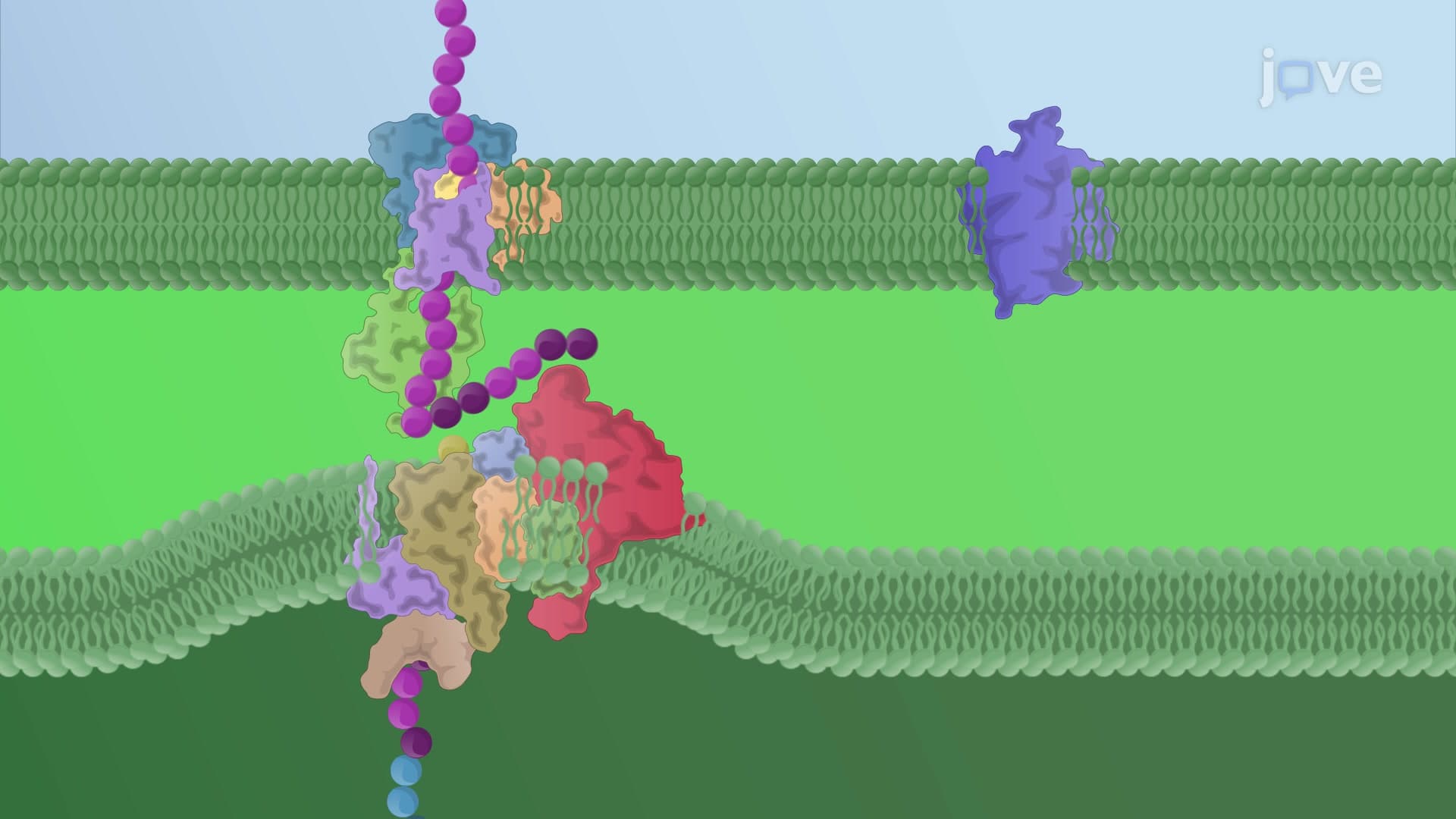
The translocase complexes work like synchronized security checkpoints. The TOC (Translocase of the Outer Chloroplast membrane) complex contains GTP-bound receptors that recognize transit signals with remarkable precision. Upon GTP hydrolysis, conformational changes open the TOC channel, allowing unfolded proteins to traverse the outer membrane. The TIC (Translocase of the Inner Chloroplast membrane) complex then coordinates the second membrane crossing, ensuring continuous protein translocation without losing the precursor in the intermembrane space.
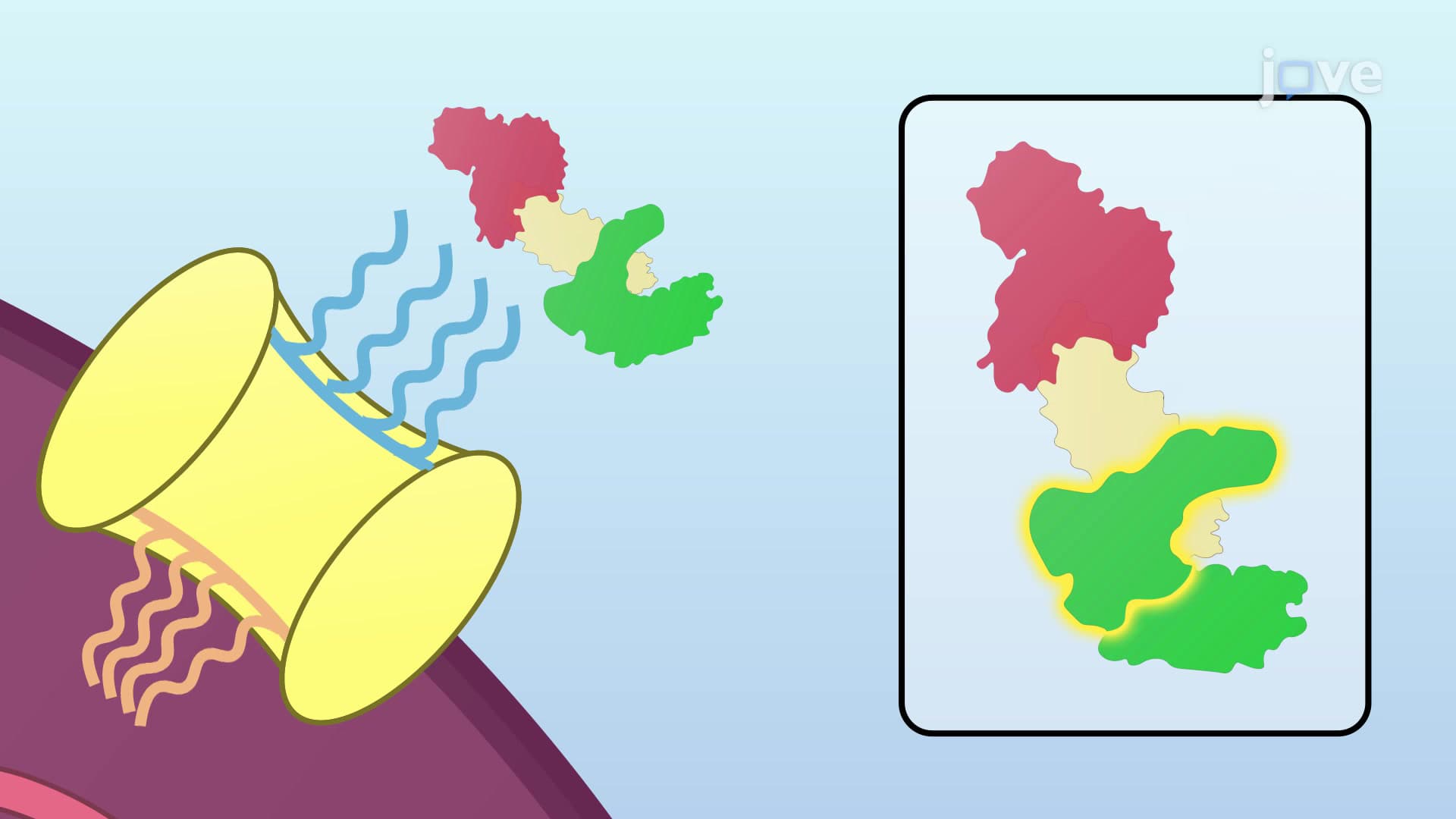
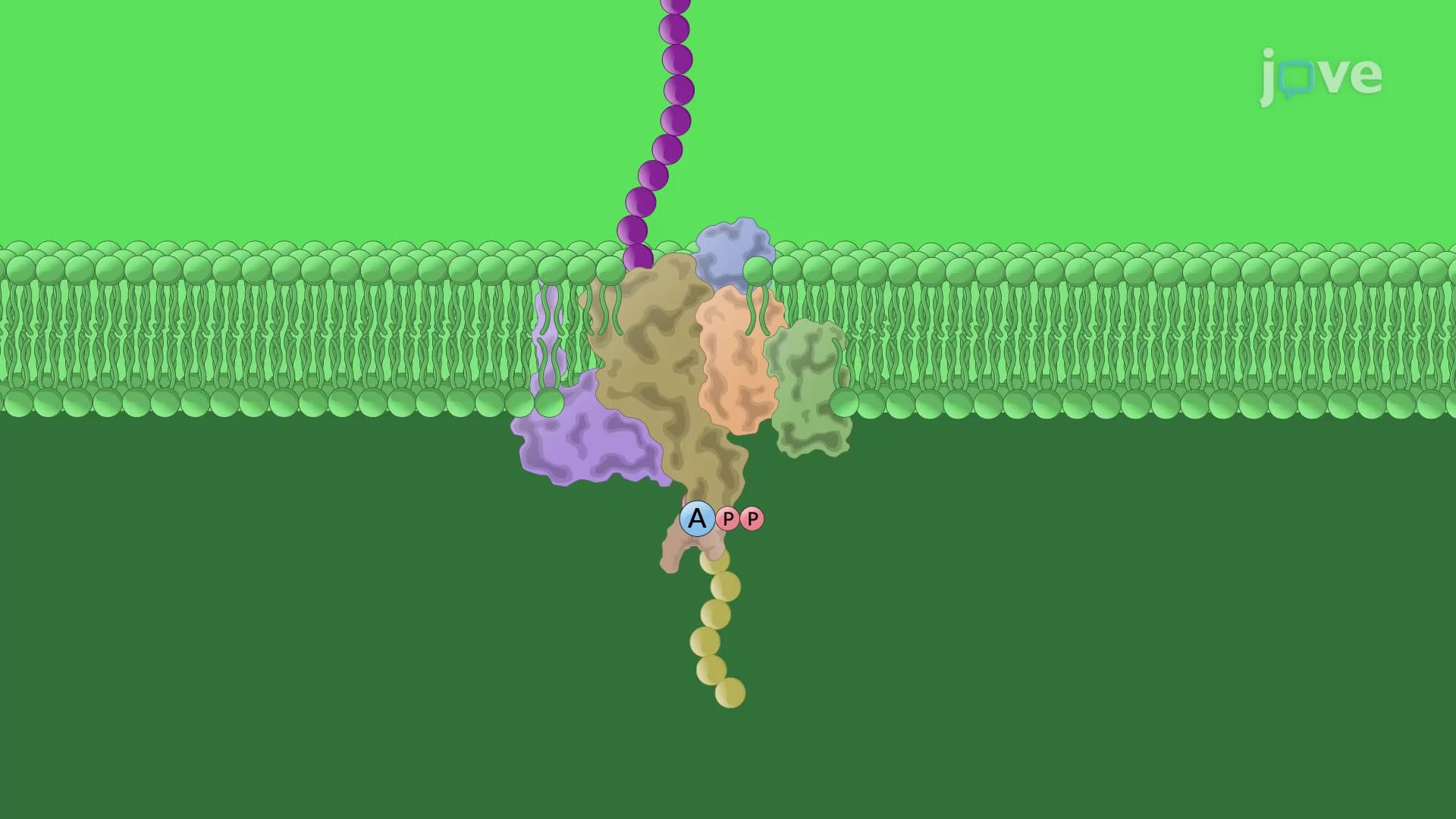
Once proteins emerge from the TIC complex, stromal Hsp70 chaperones use ATP hydrolysis energy to actively pull the growing peptide chain into the stroma. This energy investment prevents backwards slippage and ensures complete translocation. Finally, stromal processing peptidases remove the transit signal, releasing the mature, functional protein. This final step is irreversible, committing the protein to its stromal destiny.
For AP Biology students, understanding this process explains how chloroplasts maintain their protein complement and connects to broader themes of cellular compartmentalization. MCAT test-takers should recognize parallels with mitochondrial protein import and how energy coupling drives directional transport. College biochemistry courses often use this system to illustrate signal recognition principles and chaperone function in cellular protein trafficking.
Related Micro-courses