Loading subject page…


95,422 views


Video Summary: Protein Transport to the Thylakoids Explained
Ever wonder how a plant leaf converts sunlight into energy with such precision? Protein transport to the thylakoids is the cellular postal system that delivers essential proteins to chloroplast compartments, enabling photosynthesis in crops like Iowa corn and California almonds. This intricate process involves three specialized pathways-cpSec, cpTat, and cpSRP-each using different molecular machinery to ensure proteins reach their correct destinations within thylakoid membranes. Understanding Protein Transport To The Thylakoids Explained reveals how plants maintain the molecular organization crucial for life on Earth. Watch the full video on JoVE Coach to master this concept with expert-led visuals and step-by-step explanations.
Protein transport to the thylakoids represents one of biology's most sophisticated targeting systems, ensuring that photosynthetic machinery reaches its proper cellular address. Think of it like Amazon's logistics network-each protein carries specific "shipping labels" (targeting signals) that direct them through the correct delivery route to maintain chloroplast function.
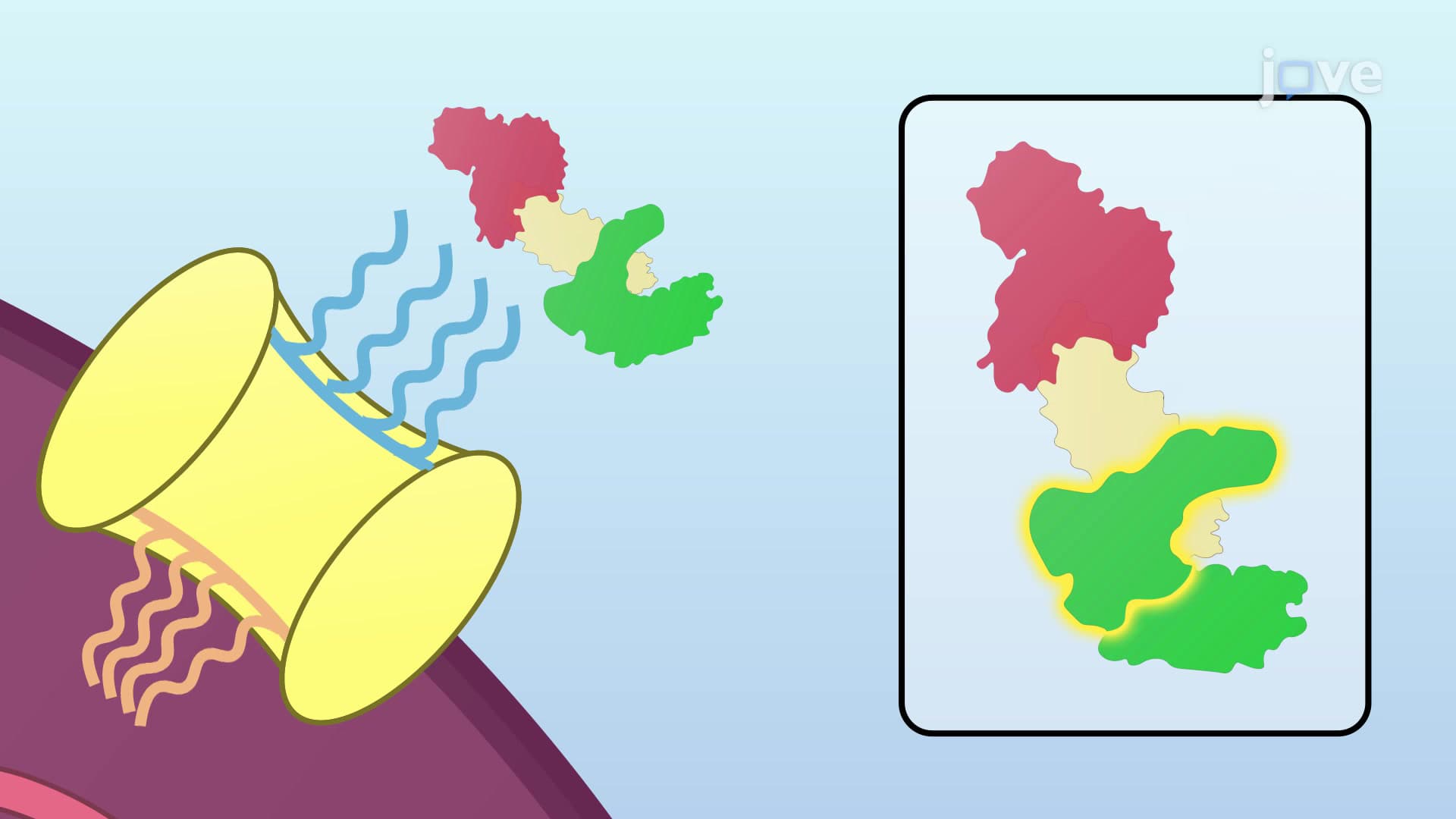
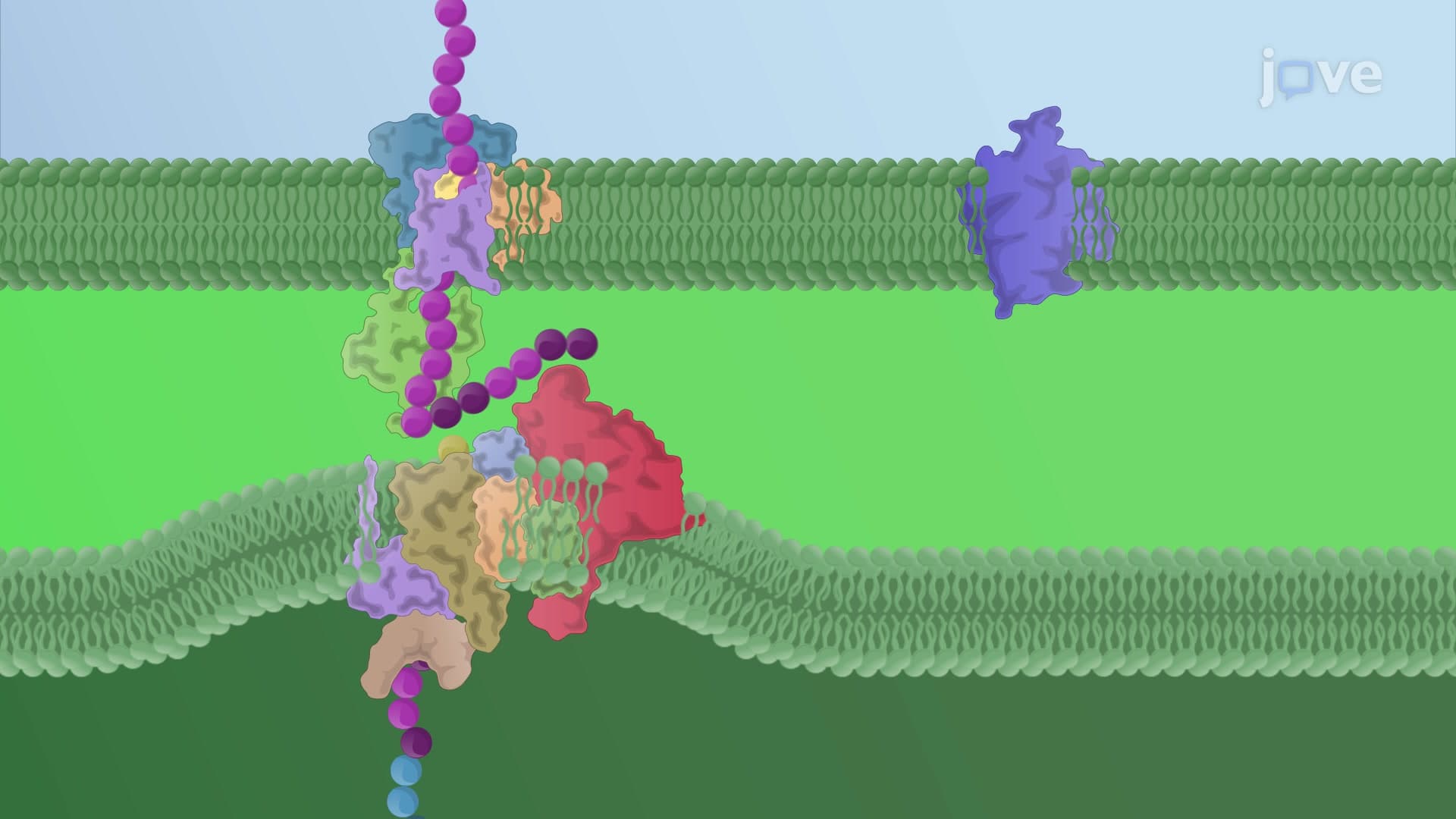
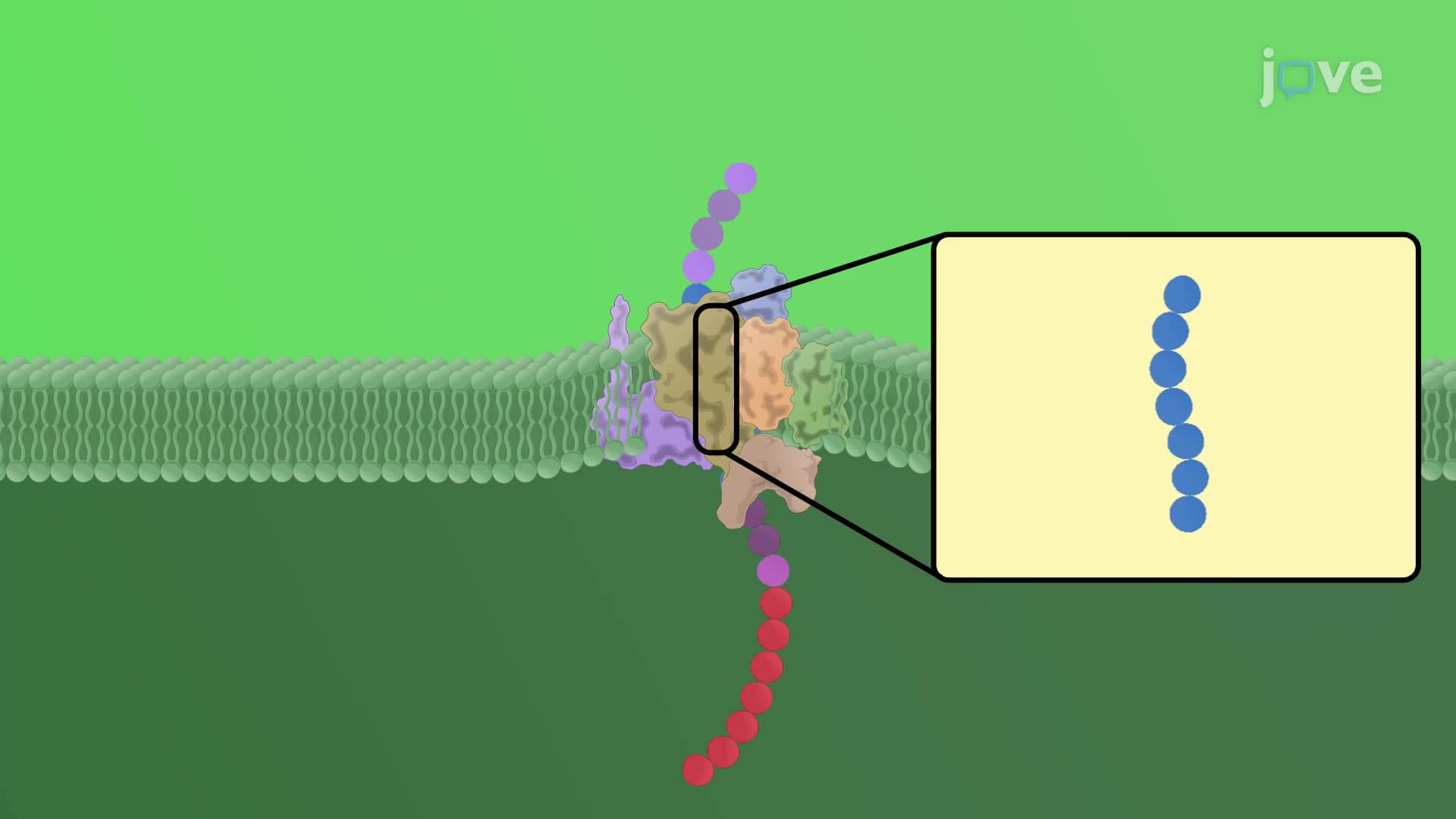
The cpSec pathway operates like a mechanical conveyor belt, using ATP-powered cpSecA motor proteins to physically pull unfolded proteins through cpSecY channels. This system resembles how medical equipment manufacturers transport delicate instruments-everything must be carefully unfolded, threaded through the machinery, and reassembled on the other side. Students preparing for the AP Biology exam should note that this pathway specifically handles unfolded substrates and requires significant energy investment.
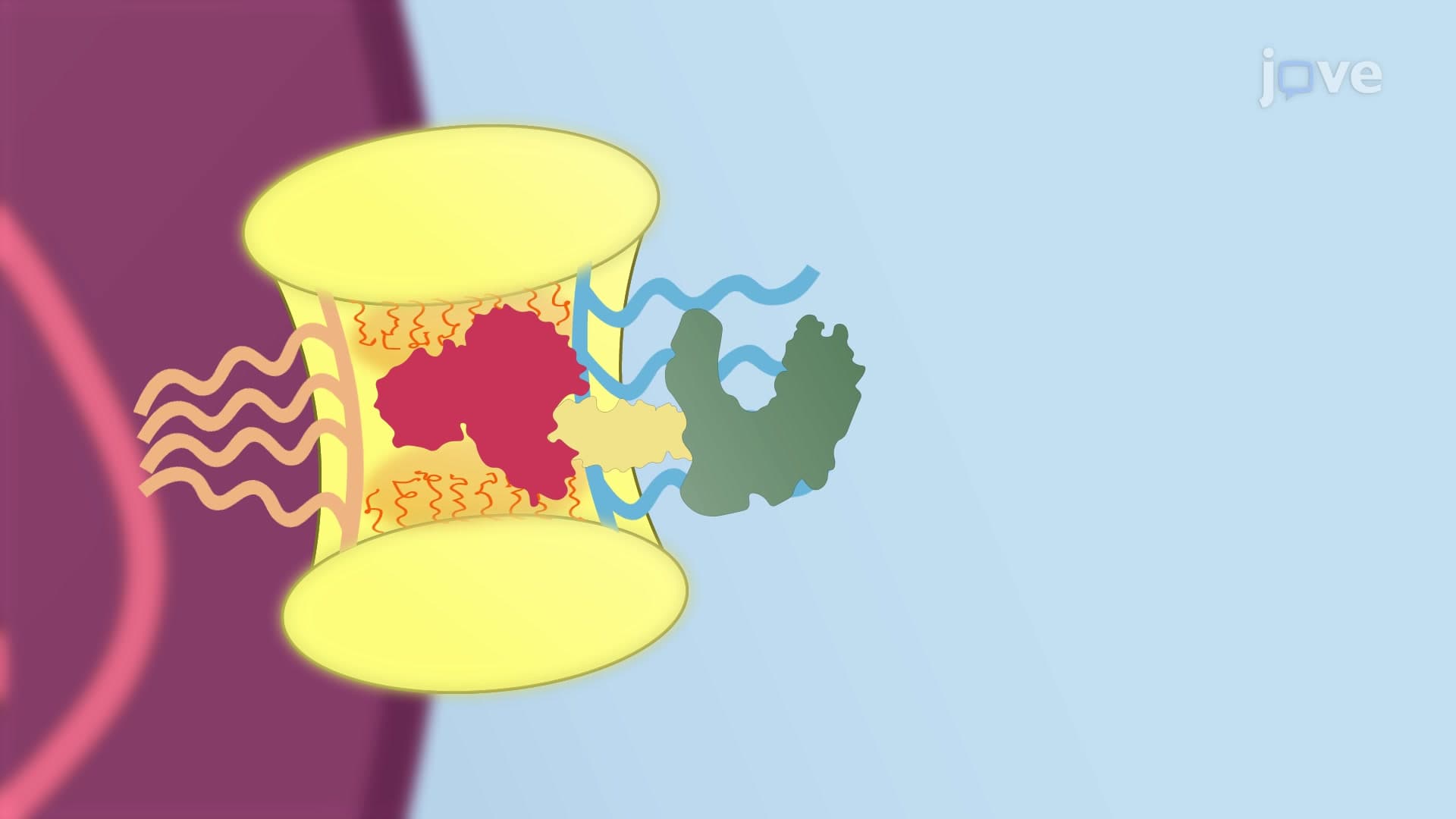
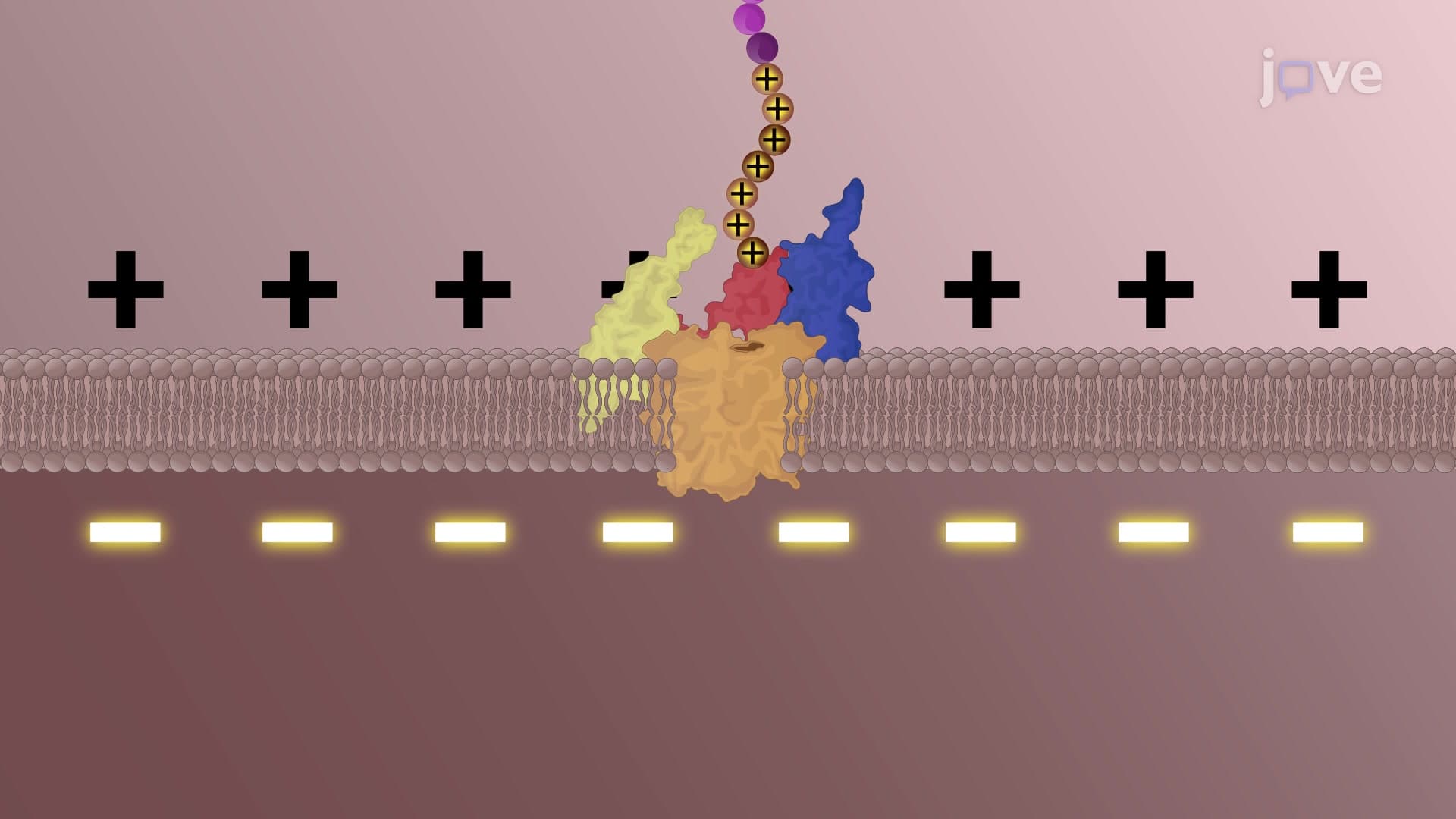
The cpTat pathway takes a dramatically different approach, functioning more like a smart gate that recognizes specific molecular keys. Twin-arginine residues in the targeting sequence act as these keys, triggering Tat proteins to assemble into temporary pores. What makes this pathway remarkable is its ability to transport already-folded proteins, similar to how NASA transports pre-assembled satellite components through specialized airlocks. The energy source here isn't ATP but the proton gradient across the thylakoid membrane-a concept frequently tested on MCAT biochemistry sections.
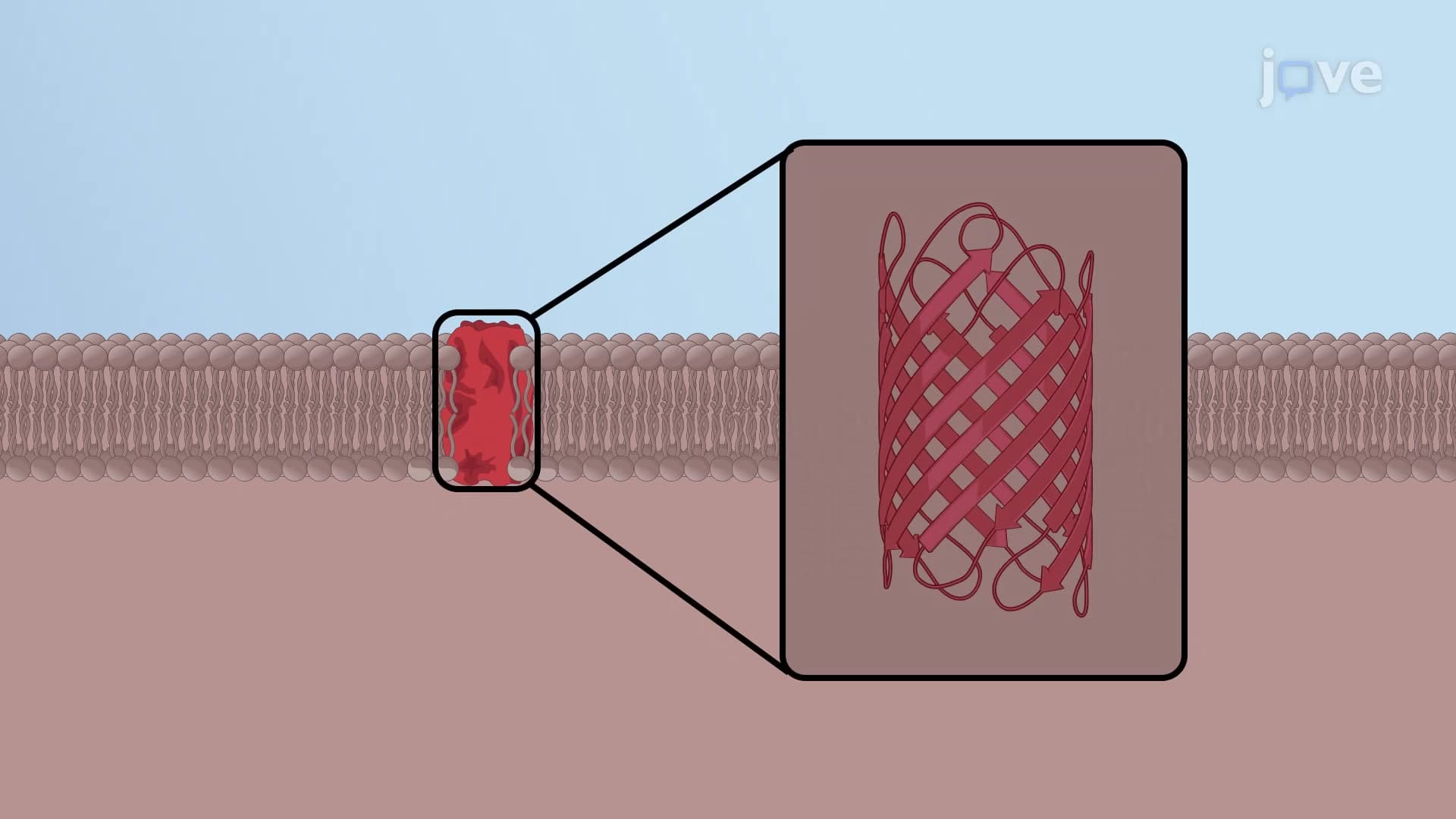
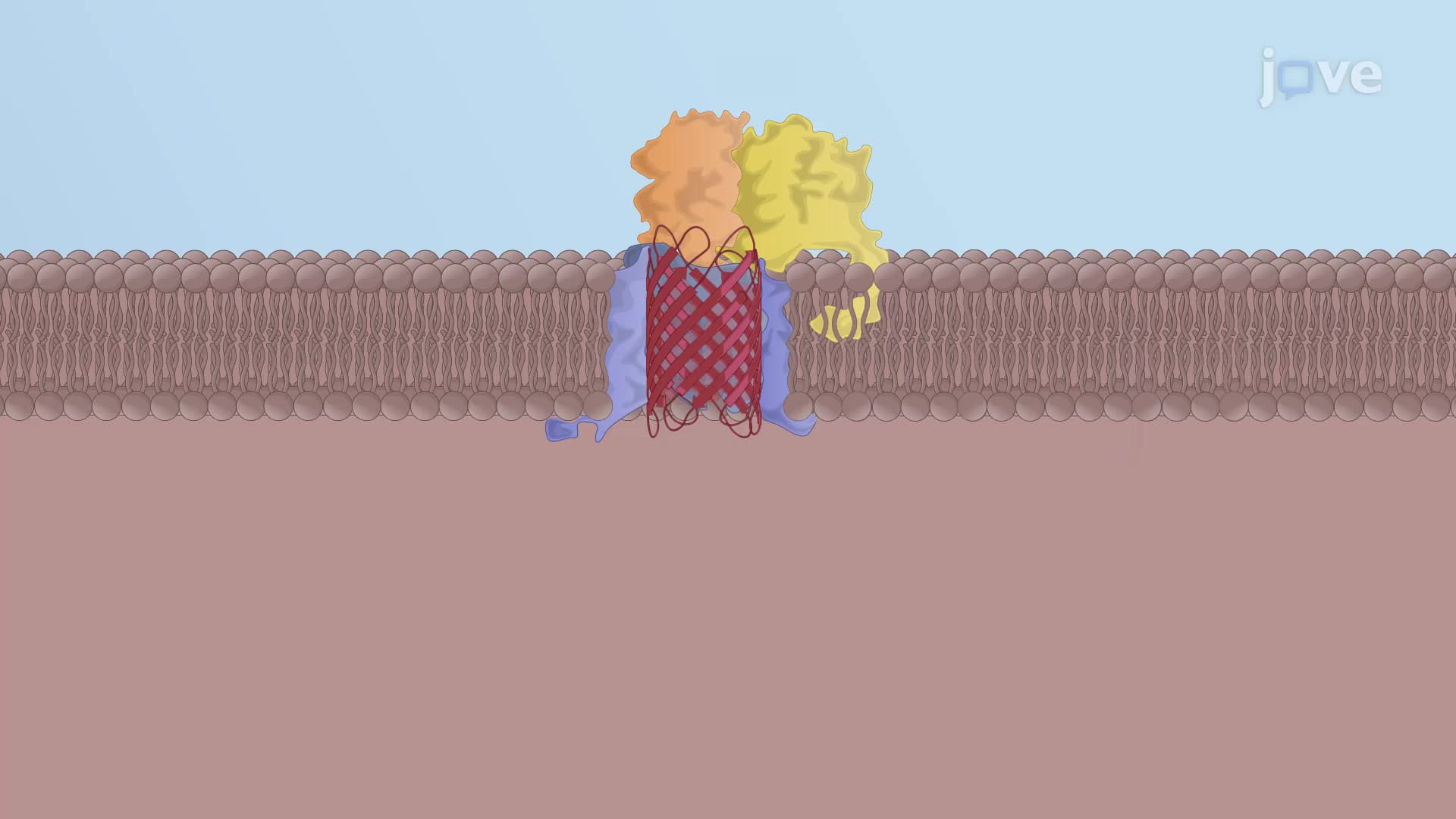
The cpSRP pathway demonstrates nature's efficiency by utilizing GTP hydrolysis through specialized translocase machinery. This system handles specific membrane proteins, much like how Tesla's factory uses dedicated assembly lines for different car components. For college biochemistry courses, understanding that pathway selection depends on both signal sequences and protein characteristics is crucial.
These transport mechanisms directly impact agricultural productivity across American farmland. When drought stress affects corn plants in Nebraska or heat waves hit California vineyards, the efficiency of thylakoid protein transport influences how well plants maintain photosynthetic capacity. MCAT students should recognize these pathways as examples of compartmentalization principles, while AP Biology students will encounter similar concepts when studying organelle biogenesis and cellular organization.
Related Micro-courses