Loading subject page…


95,422 views


Video Summary: Regulation of Nuclear Protein Sorting Explained
Did you know that cells use sophisticated "molecular bouncers" to control which proteins enter the nucleus? The regulation of nuclear protein sorting involves three key mechanisms that cells use to control when and which proteins access the nuclear interior. For instance, during inflammation, the protein NF-κB must be carefully regulated to prevent excessive immune responses that could damage healthy tissues. This precise control system determines cellular responses to everything from stress to disease. Watch the full video on JoVE Coach to master this concept with expert-led visuals and step-by-step explanations.
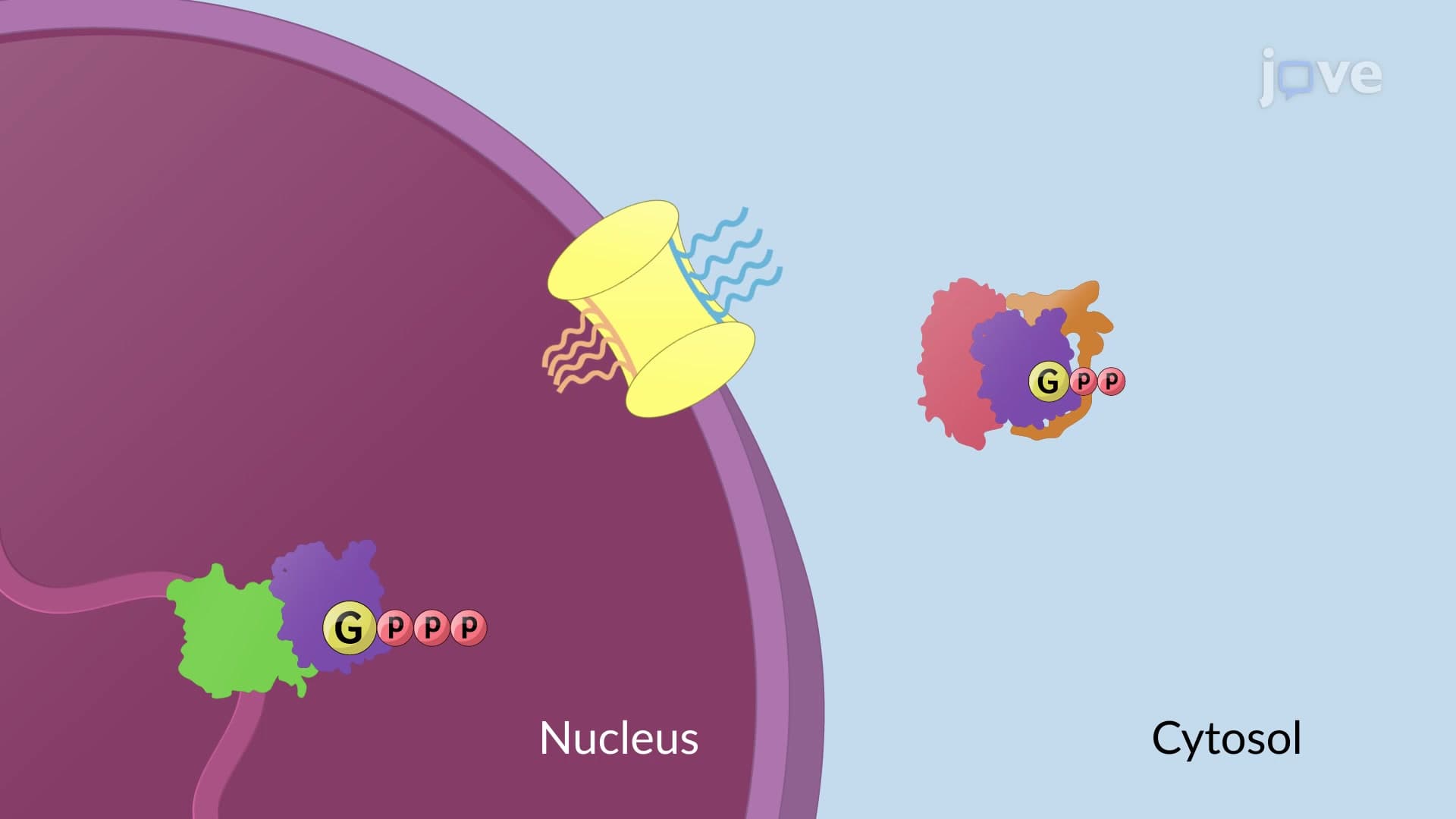
The regulation of nuclear protein sorting represents one of biology's most sophisticated quality control systems. Unlike simple diffusion, nuclear transport requires precise coordination between multiple cellular components to ensure proper gene expression and cellular function.
The first regulatory mechanism involves masking nuclear localization sequences (NLS) through two primary strategies. Phosphorylation-dependent masking occurs when kinases add phosphate groups to cargo proteins, effectively hiding their nuclear import signals. The viral protein v-Jun exemplifies this mechanism-when phosphorylated, it remains cytoplasmic, but dephosphorylation allows nuclear entry and transcriptional activation.
Alternatively, inhibitory proteins can physically block NLS recognition. The NF-κB pathway, crucial for immune responses in conditions like rheumatoid arthritis treatment, demonstrates this perfectly. Under normal conditions, IκB proteins bind to NF-κB, masking its nuclear localization sequence and keeping it cytoplasmic. When cells detect inflammatory signals, IκB degradation releases NF-κB for nuclear import and gene activation.
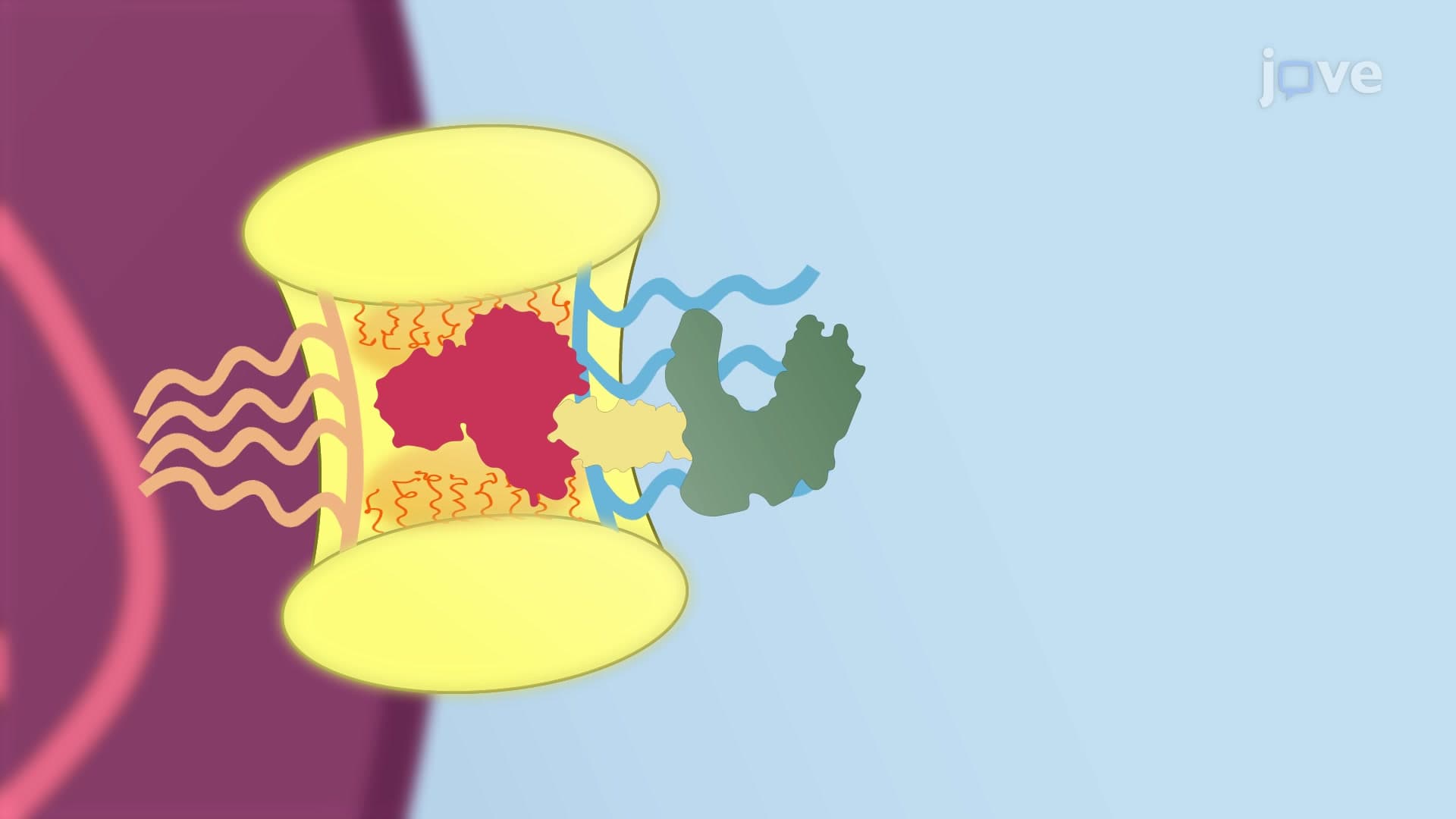
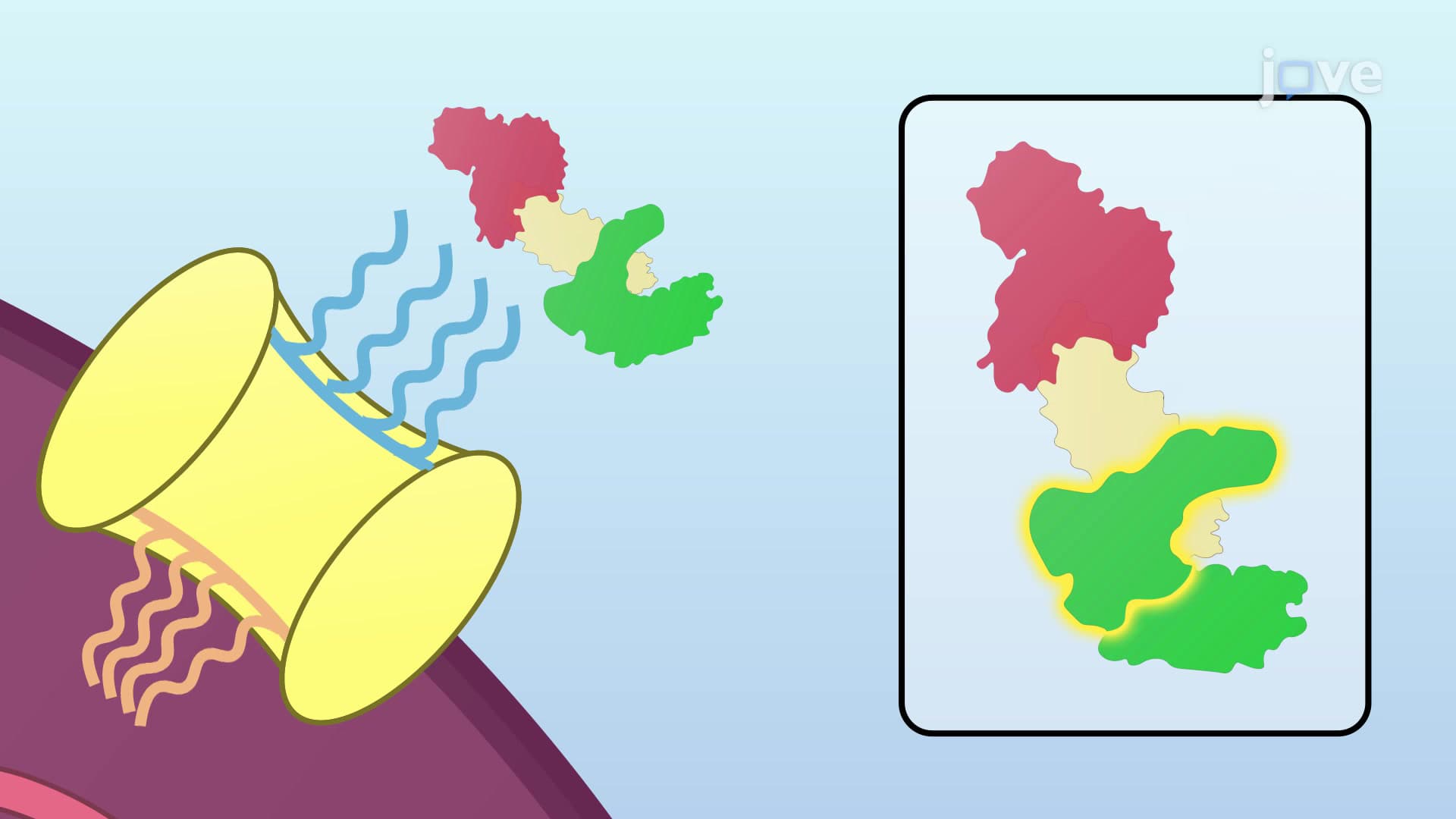
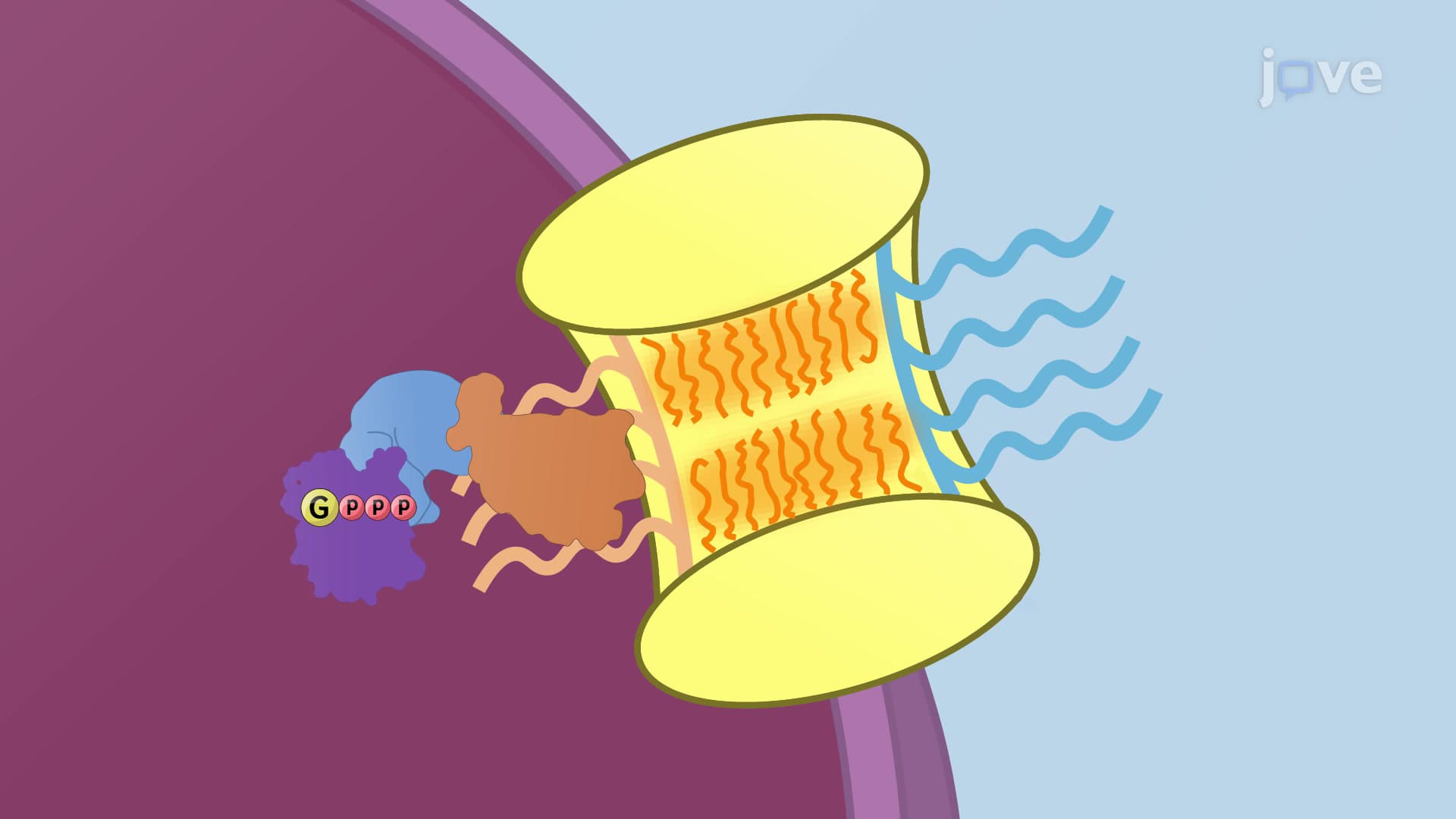
Nuclear pore complexes (NPCs) function as adjustable gateways rather than static channels. Cytoskeletal proteins modulate pore diameter, creating a size-exclusion mechanism that controls which macromolecules pass through. This regulation proves essential during cell division when nuclear envelope breakdown and reformation must be precisely timed.
The sterol regulatory element-binding protein (SREBP) pathway illustrates sophisticated precursor-based regulation relevant to cholesterol disorders affecting millions of Americans. SREBP exists as an inactive transmembrane protein in the endoplasmic reticulum, bound to SCAP (SREBP cleavage-activating protein). When cellular cholesterol drops, conformational changes trigger SREBP-SCAP transport to the Golgi apparatus, where proteases generate active transcription factors that enter the nucleus to upregulate cholesterol synthesis genes.
This mechanism proves clinically significant-statins used to treat high cholesterol work partly by influencing this pathway, demonstrating how understanding nuclear protein sorting regulation impacts medical practice and pharmaceutical development.
Related Micro-courses