Loading subject page…

- Cell Biology
- Intracellular Compartments and Protein Sorting
- Signal Sequences and Sorting Receptors
Micro-course: Intracellular Compartments and Protein Sorting
95,419 views
Learn key concepts and earn your certificate.

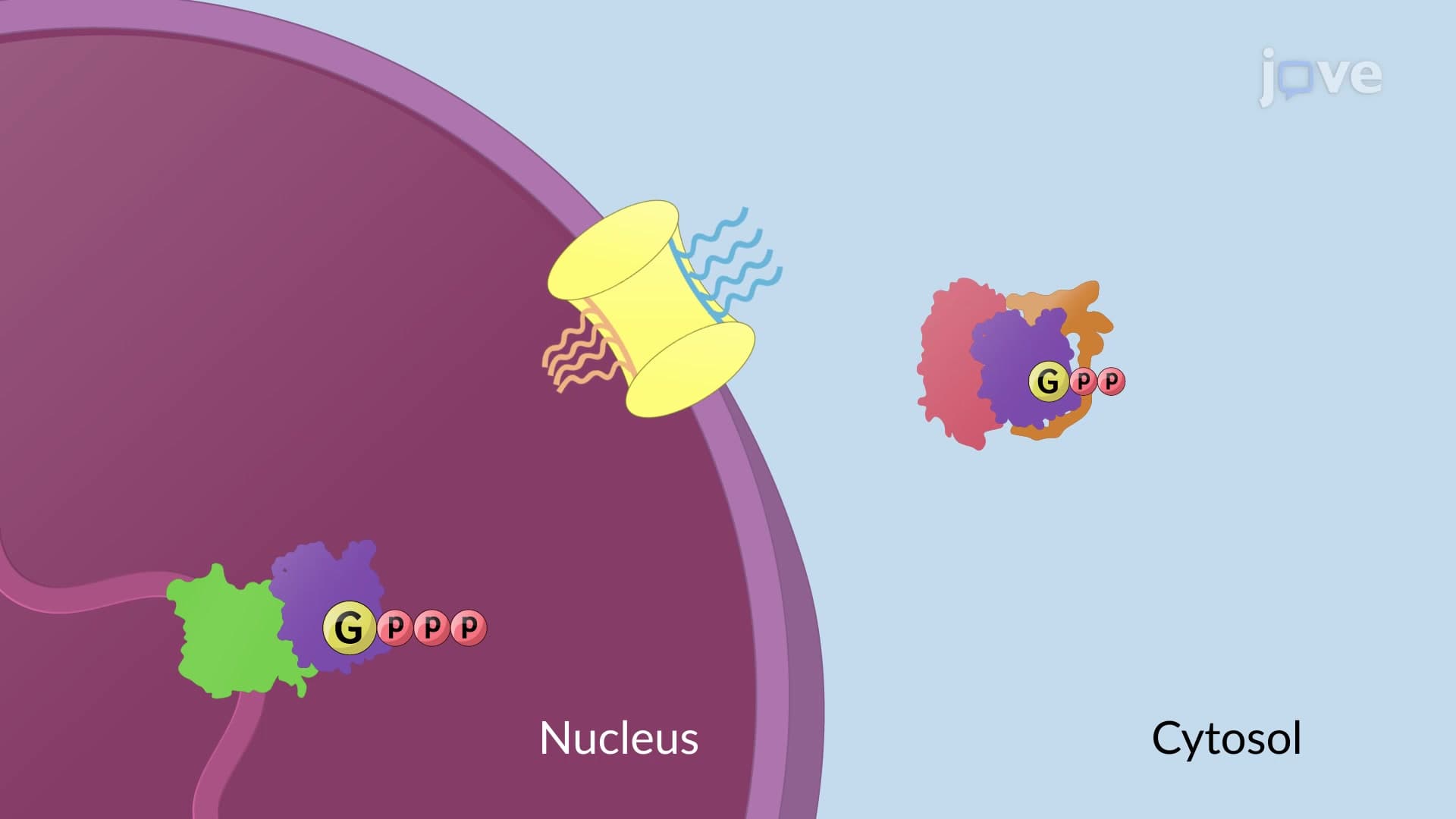

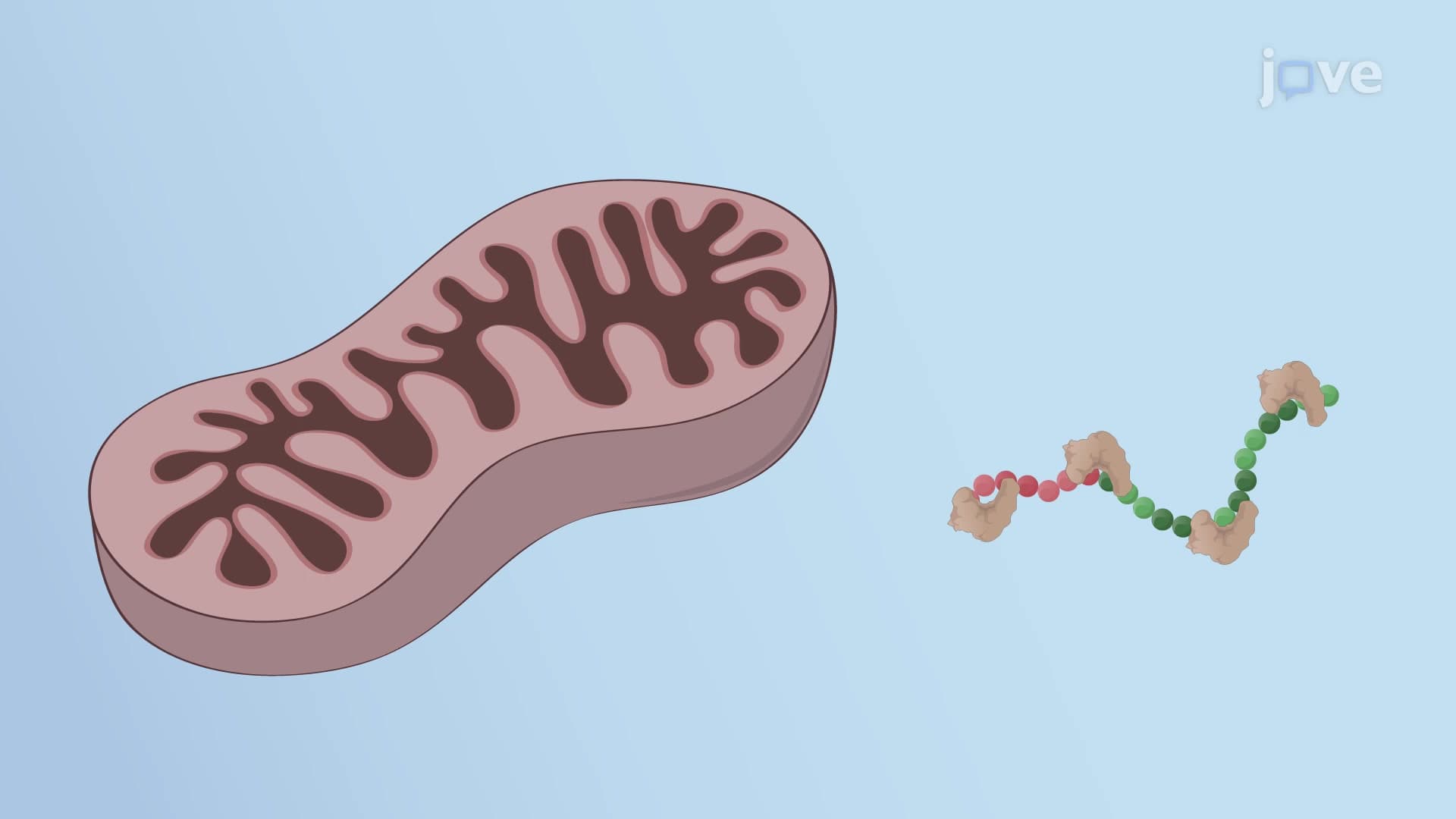
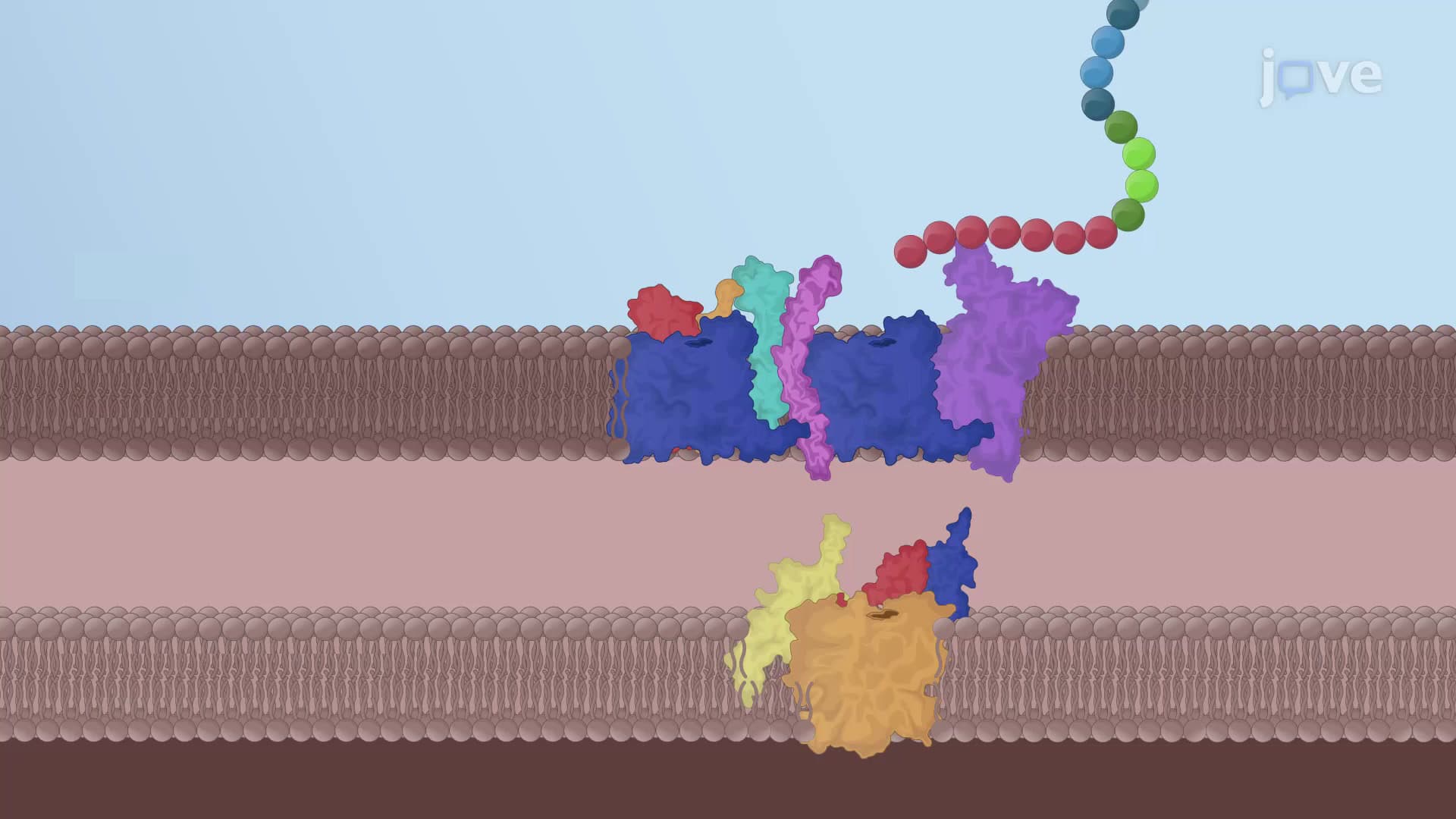
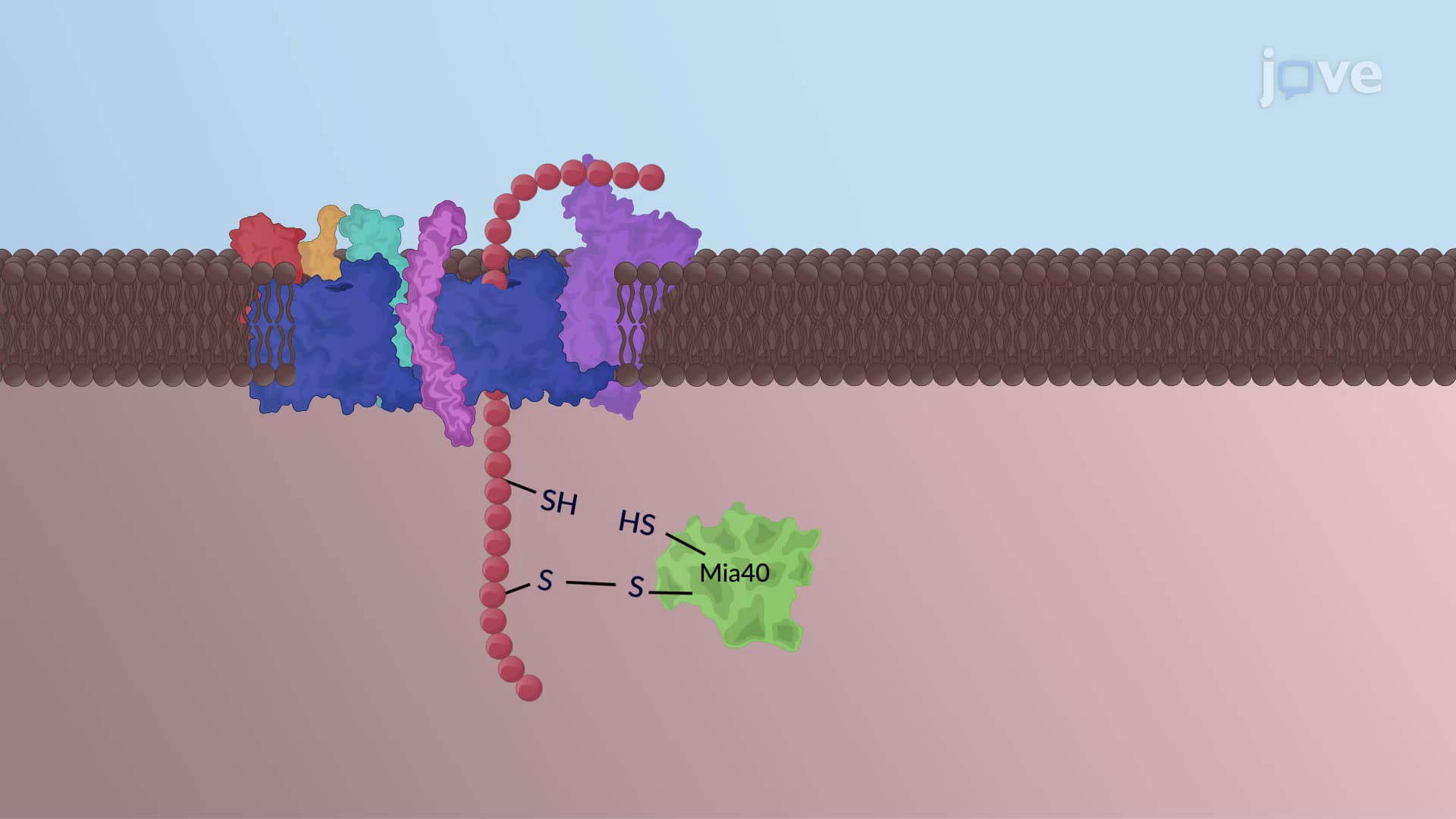


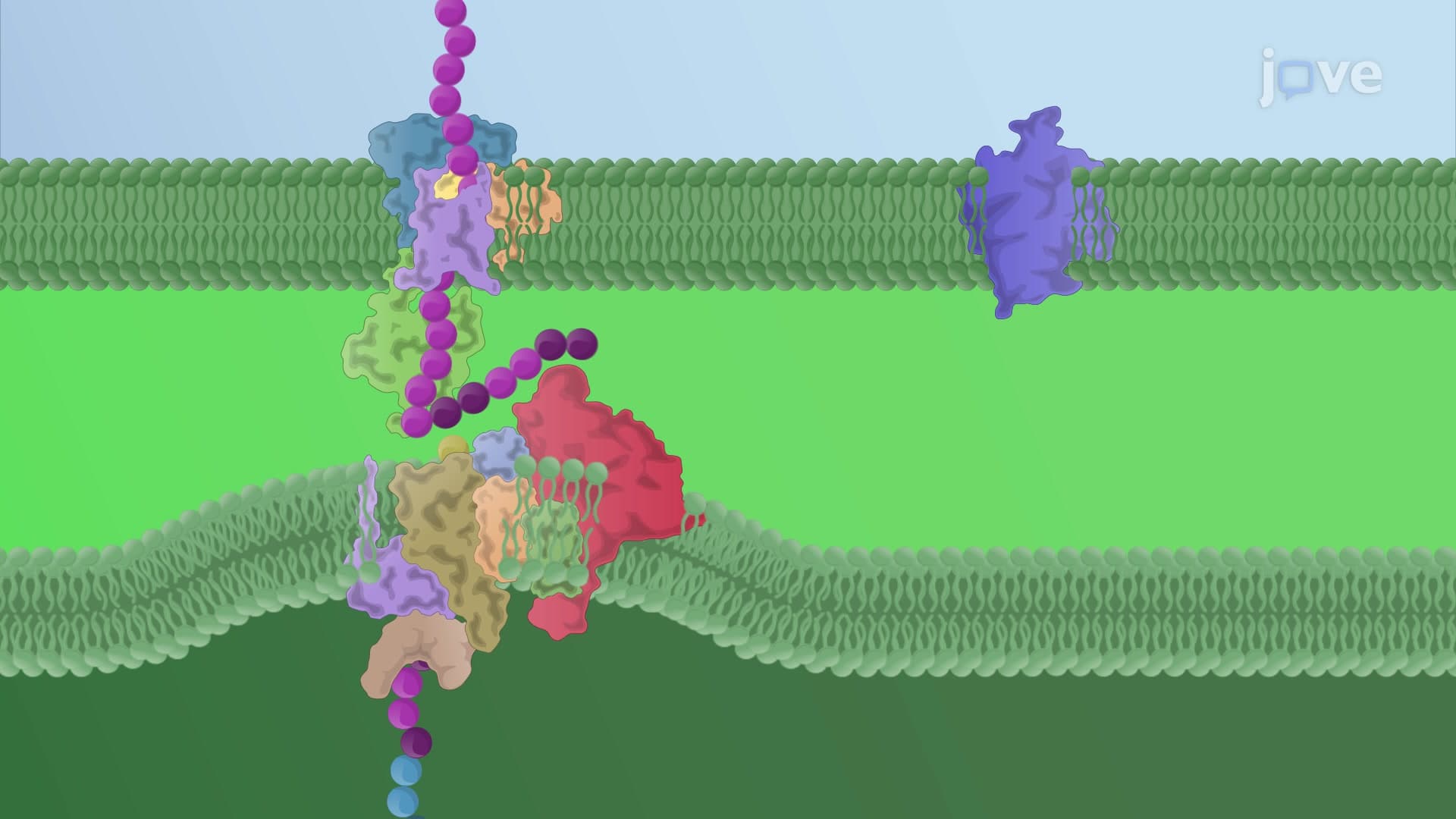
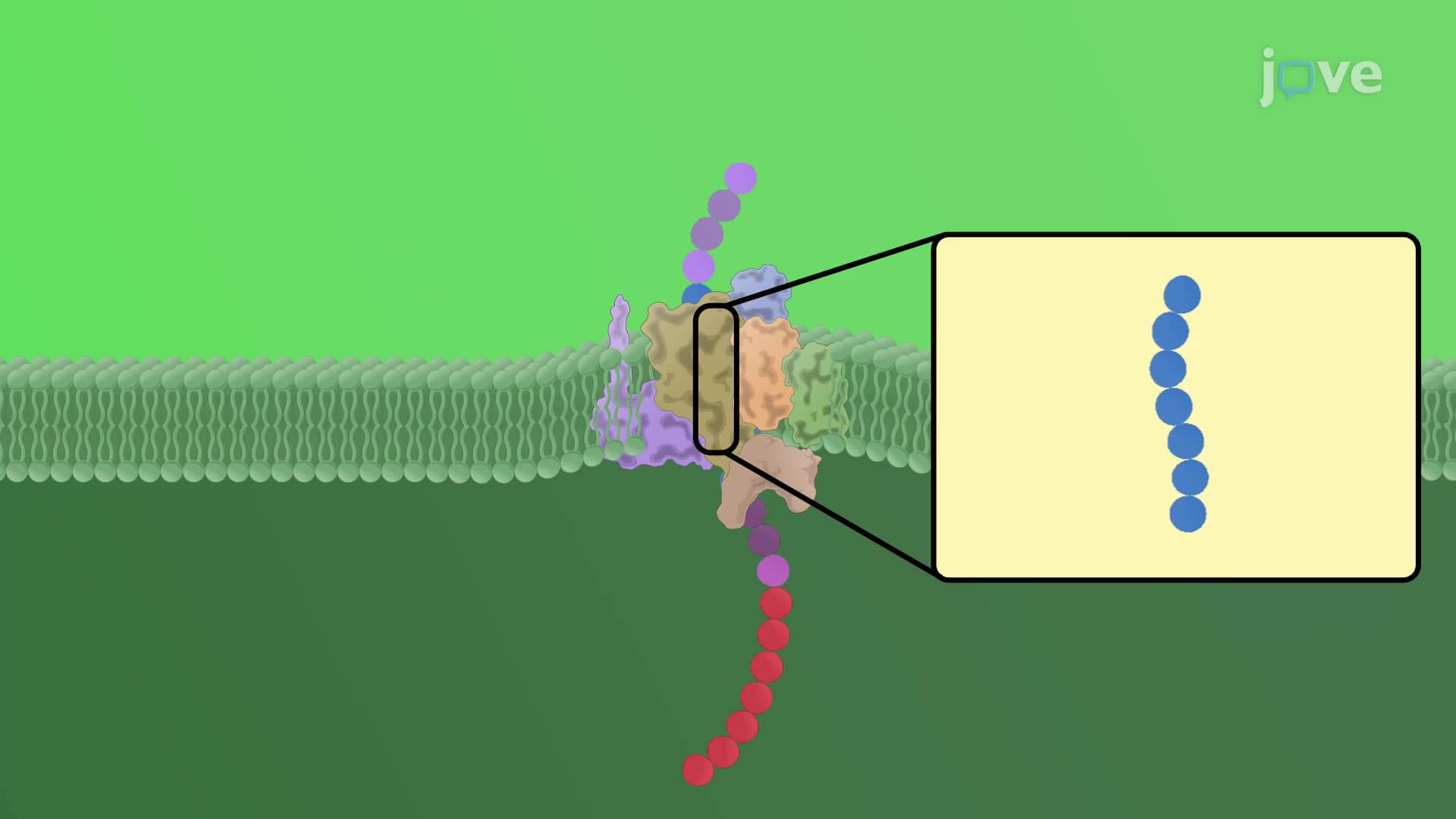
Signal Sequences and Sorting Receptors

00:00
01:41
Video Summary: Signal Sequences and Sorting Receptors Explained
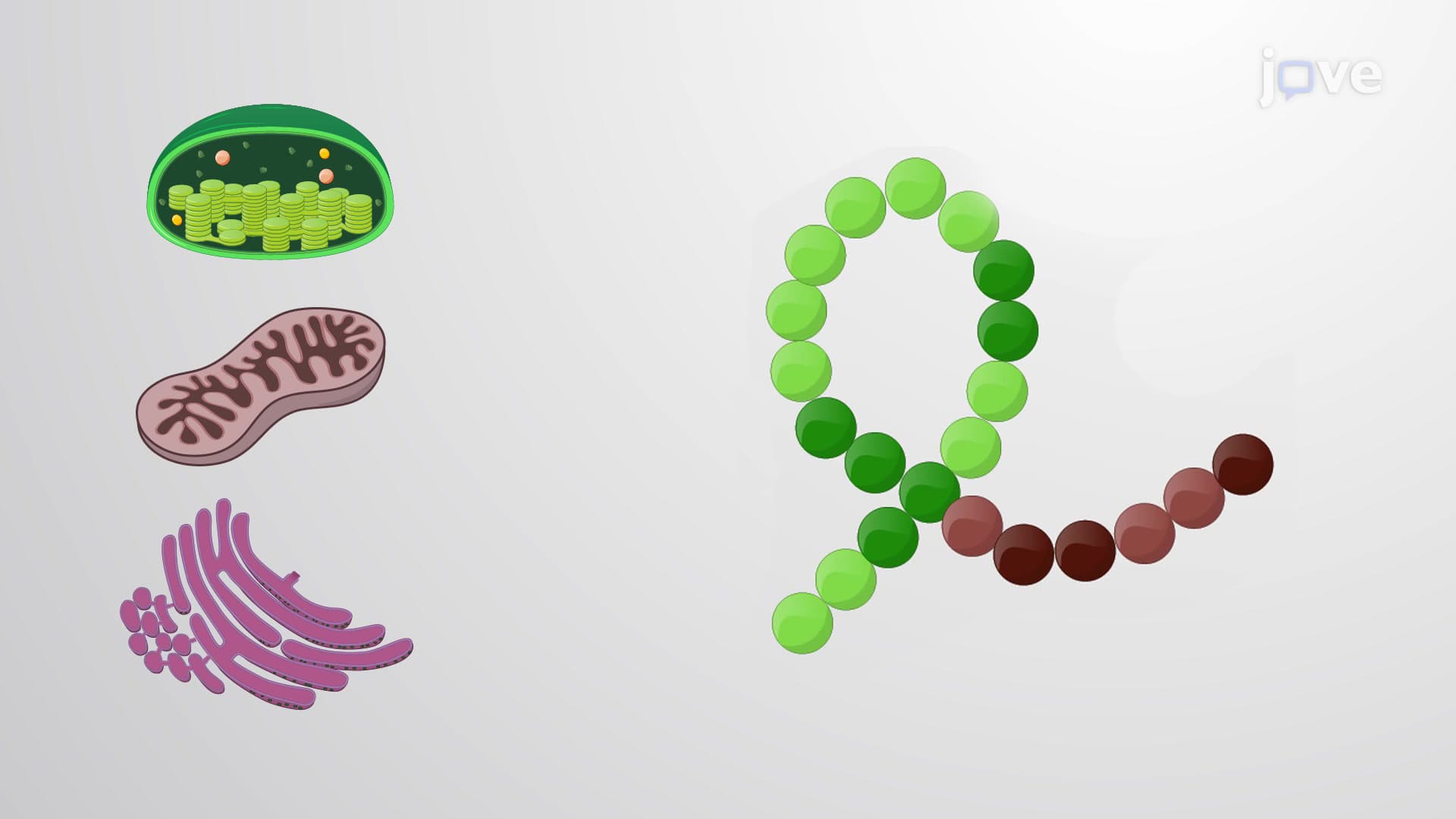
Ever wonder how insulin manufactured in pancreatic cells knows exactly where to go for secretion? Signal sequences and sorting receptors act like cellular postal codes, directing proteins to their correct destinations within cells. At pharmaceutical companies like Genentech in California, scientists manipulate these molecular addresses to engineer therapeutic proteins. Signal Sequences And Sorting Receptors Explained reveals how 15-20 amino acid sequences serve as navigation systems for cellular protein trafficking. Watch the full video on JoVE Coach to master this concept with expert-led visuals and step-by-step explanations.
- Understand how Signal Sequences And Sorting Receptors coordinate protein trafficking within eukaryotic cells through specific amino acid recognition patterns
- Identify the structural characteristics of signal sequences, including hydrophobic residues, charged amino acids, and hydroxyl-containing residues that determine protein destinations
- Analyze the difference between linear signal sequences and three-dimensional signal patches formed during protein folding
- Compare various organelle-specific signal sequences and their corresponding sorting receptors in cellular compartments
- Evaluate the role of signal peptidases in cleaving signal sequences after successful protein delivery
- Apply knowledge of signal sequence modification to predict protein localization changes in experimental scenarios
- Recognize how sorting receptor recycling maintains efficient cellular protein trafficking systems
- Explore real-world applications of signal sequence engineering in biotechnology and pharmaceutical development
Understanding Signal Sequences And Sorting Receptors in Cellular Biology
Signal sequences and sorting receptors form an intricate cellular delivery system that ensures proteins reach their intended destinations. This fundamental process underpins everything from hormone secretion in your endocrine system to enzyme production in pharmaceutical manufacturing facilities across the United States.
Structural Features of Signal Sequences
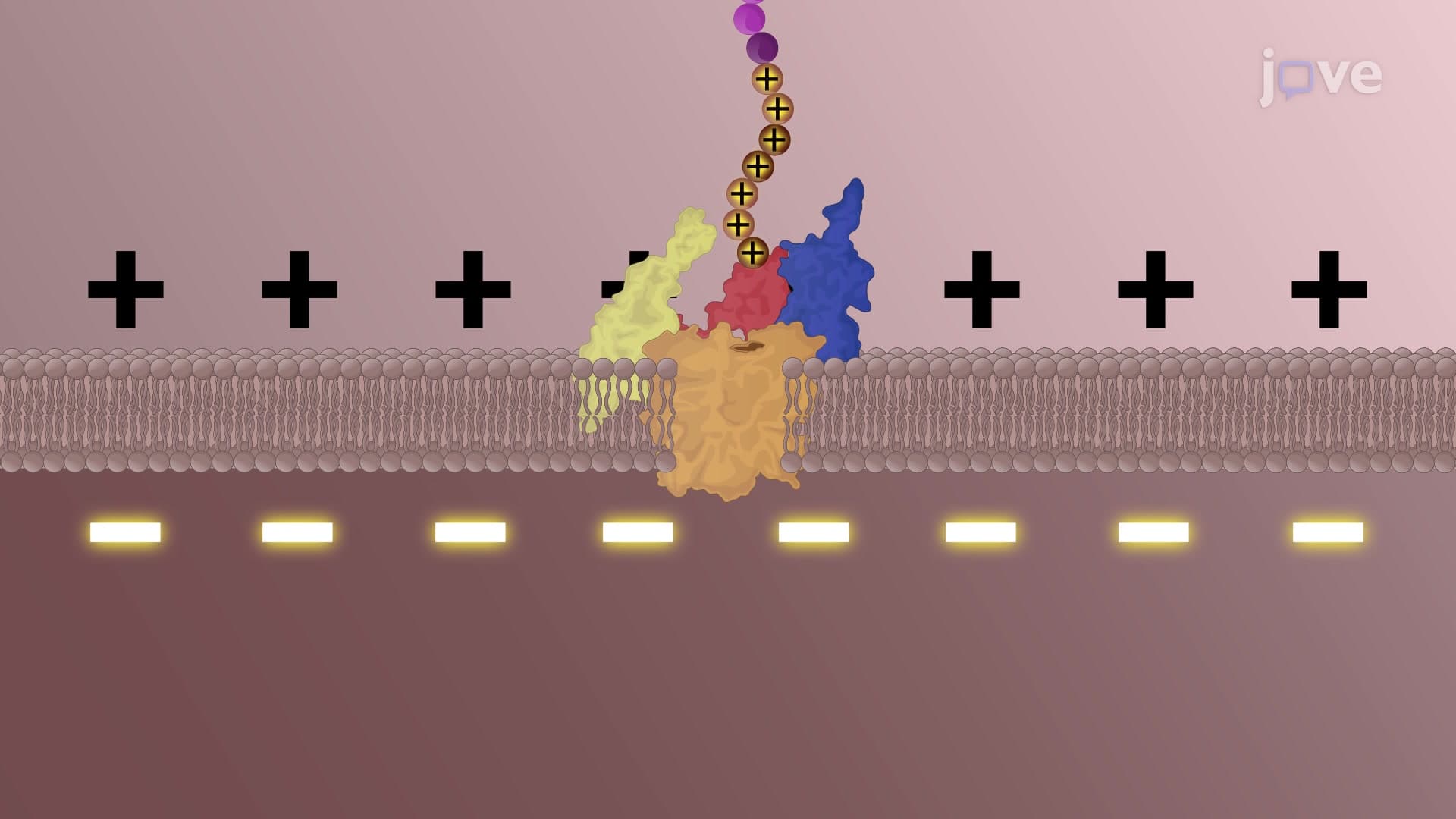
Signal sequences typically span 15-20 amino acids at the N-terminal region of newly synthesized proteins. These sequences aren't random-they contain specific patterns that cellular machinery can recognize. Hydrophobic amino acid stretches create water-repelling regions, while positively charged residues like lysine and arginine provide electrostatic guidance. Amino acids with hydroxyl groups, such as serine and threonine, add hydrogen-bonding capabilities that fine-tune recognition specificity.
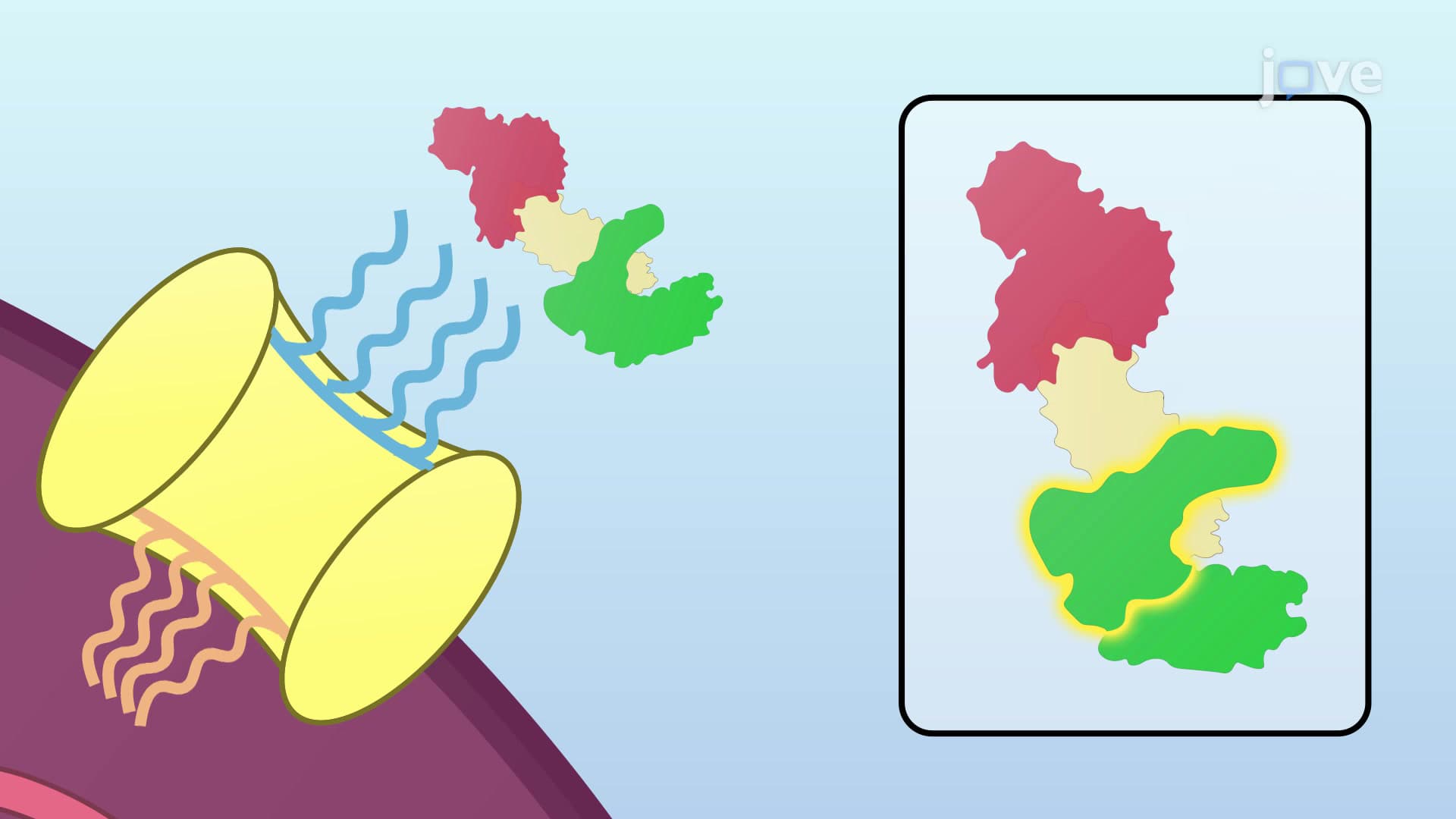
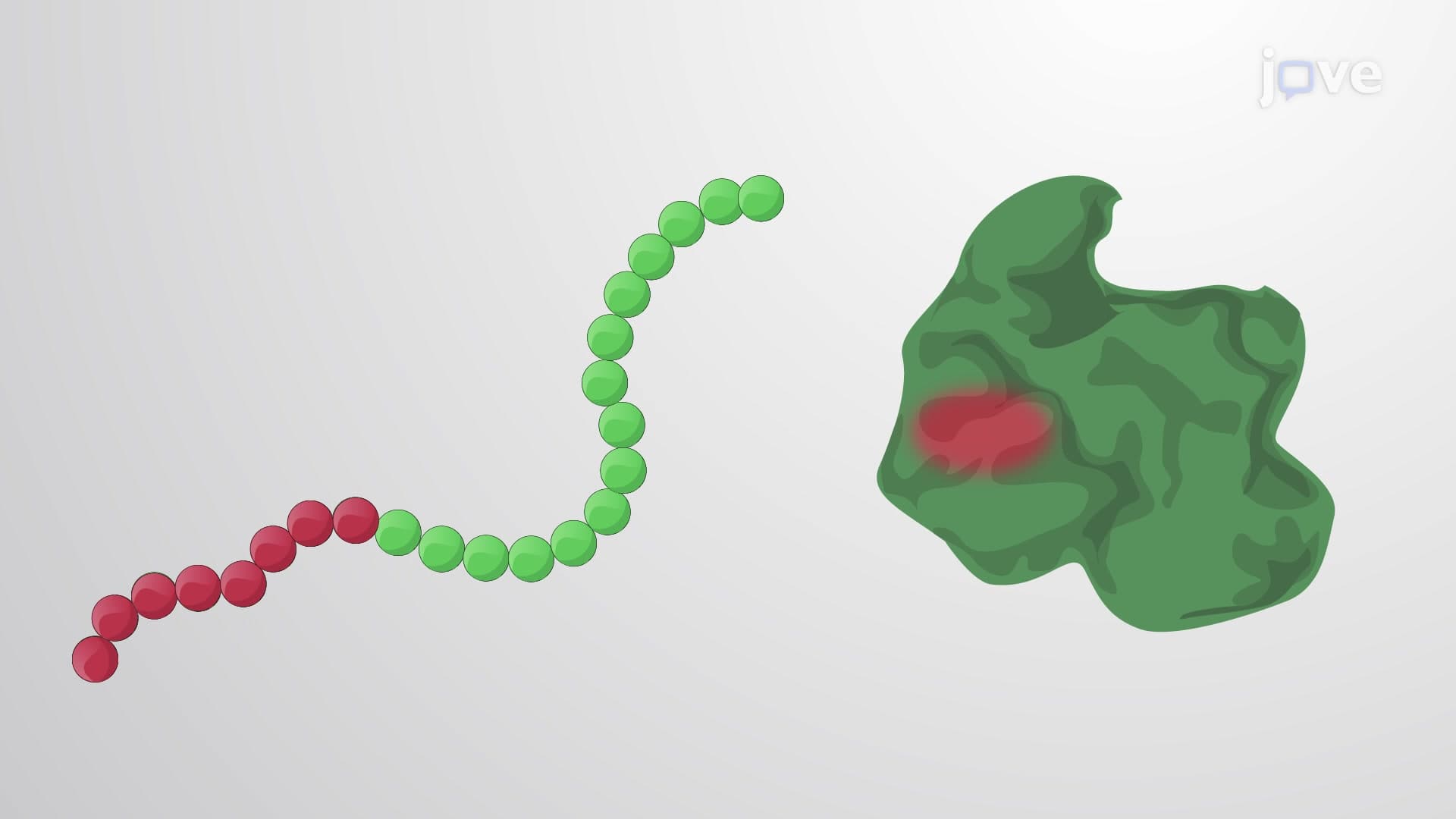
Some proteins employ signal patches-three-dimensional arrangements where distant amino acid residues cluster together during folding. Nuclear proteins frequently use this strategy, assembling their addressing information only after achieving proper tertiary structure. This delayed assembly prevents premature sorting during protein synthesis.
Sorting Receptor Recognition and Transport
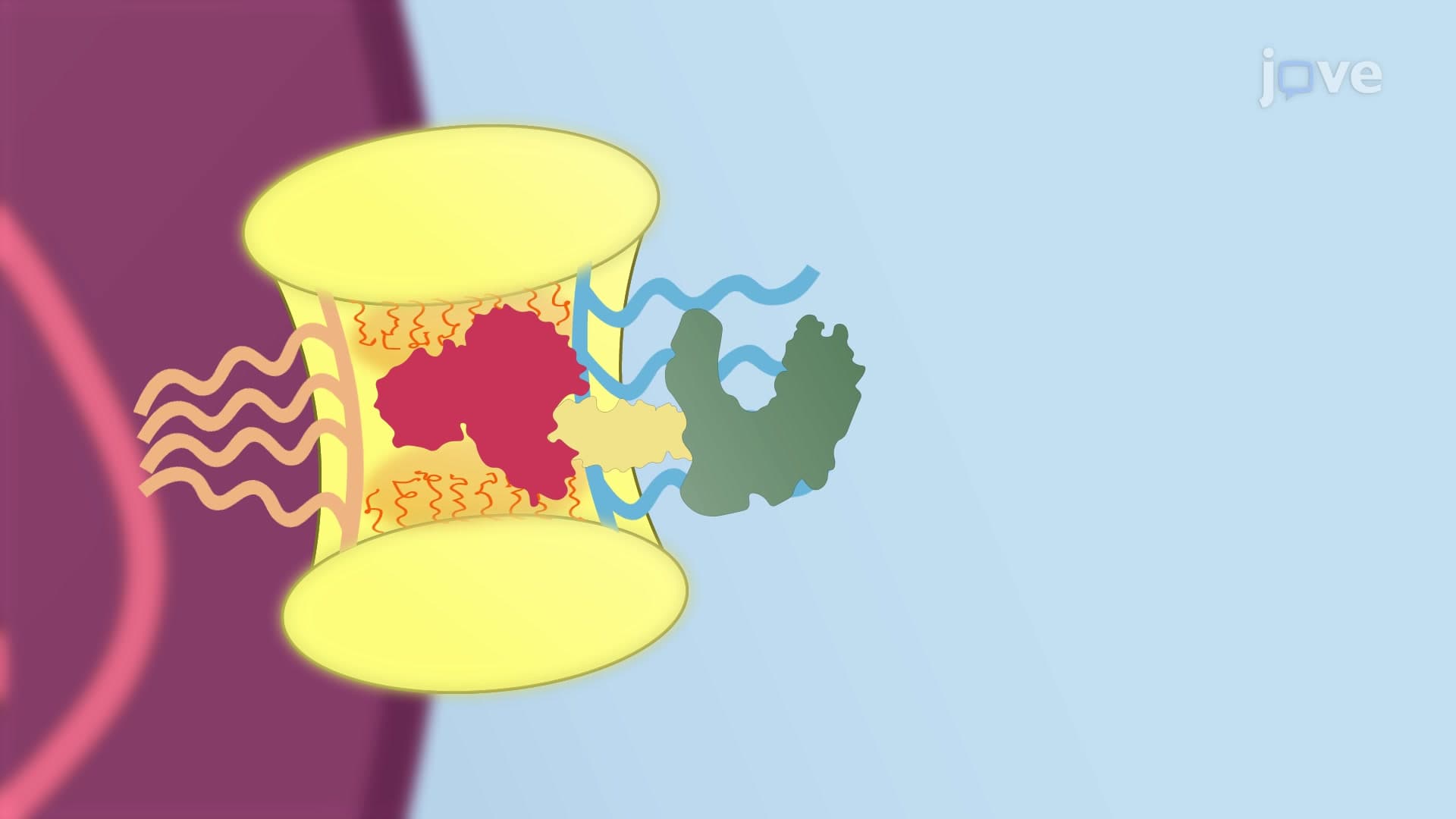
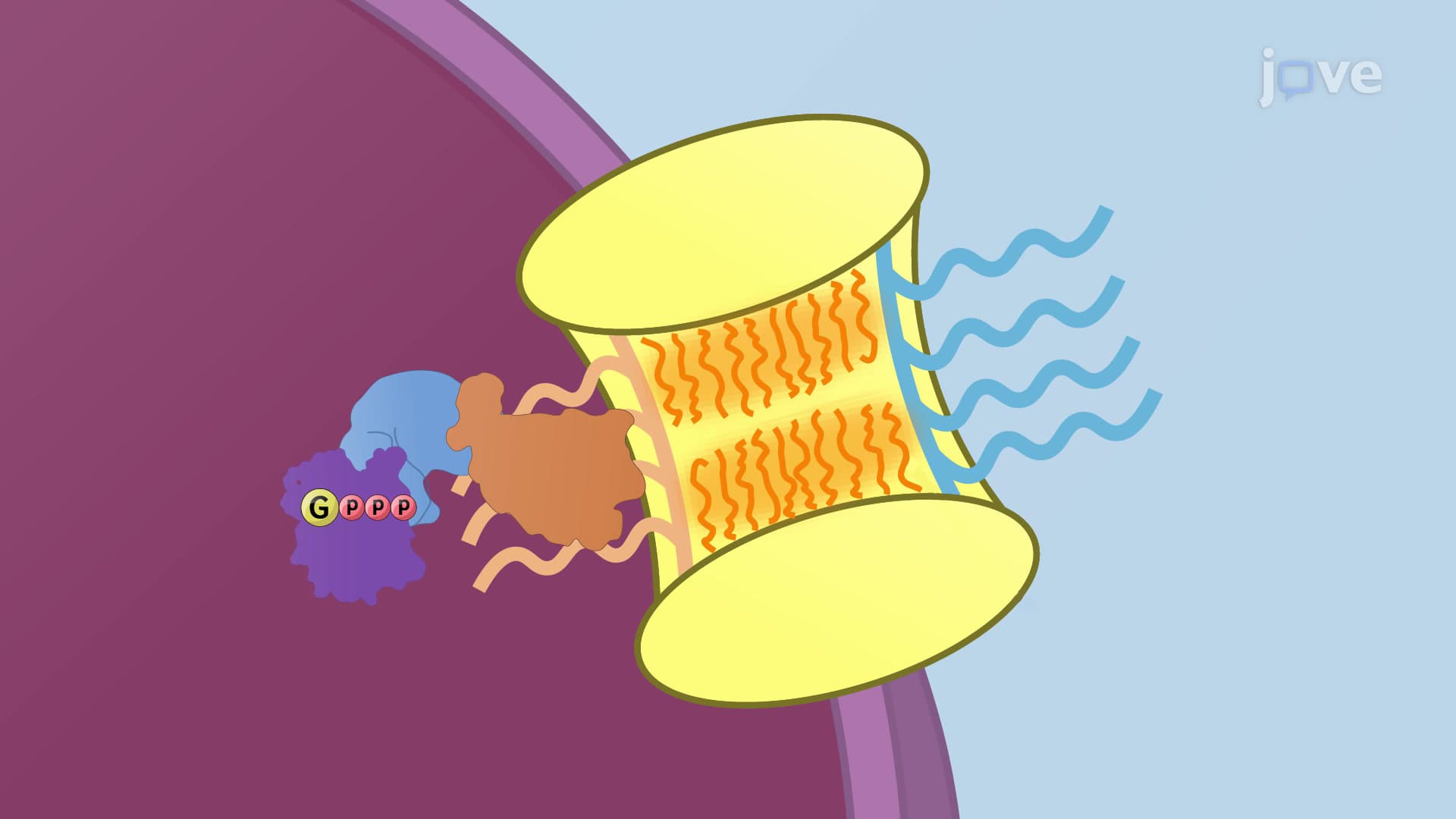
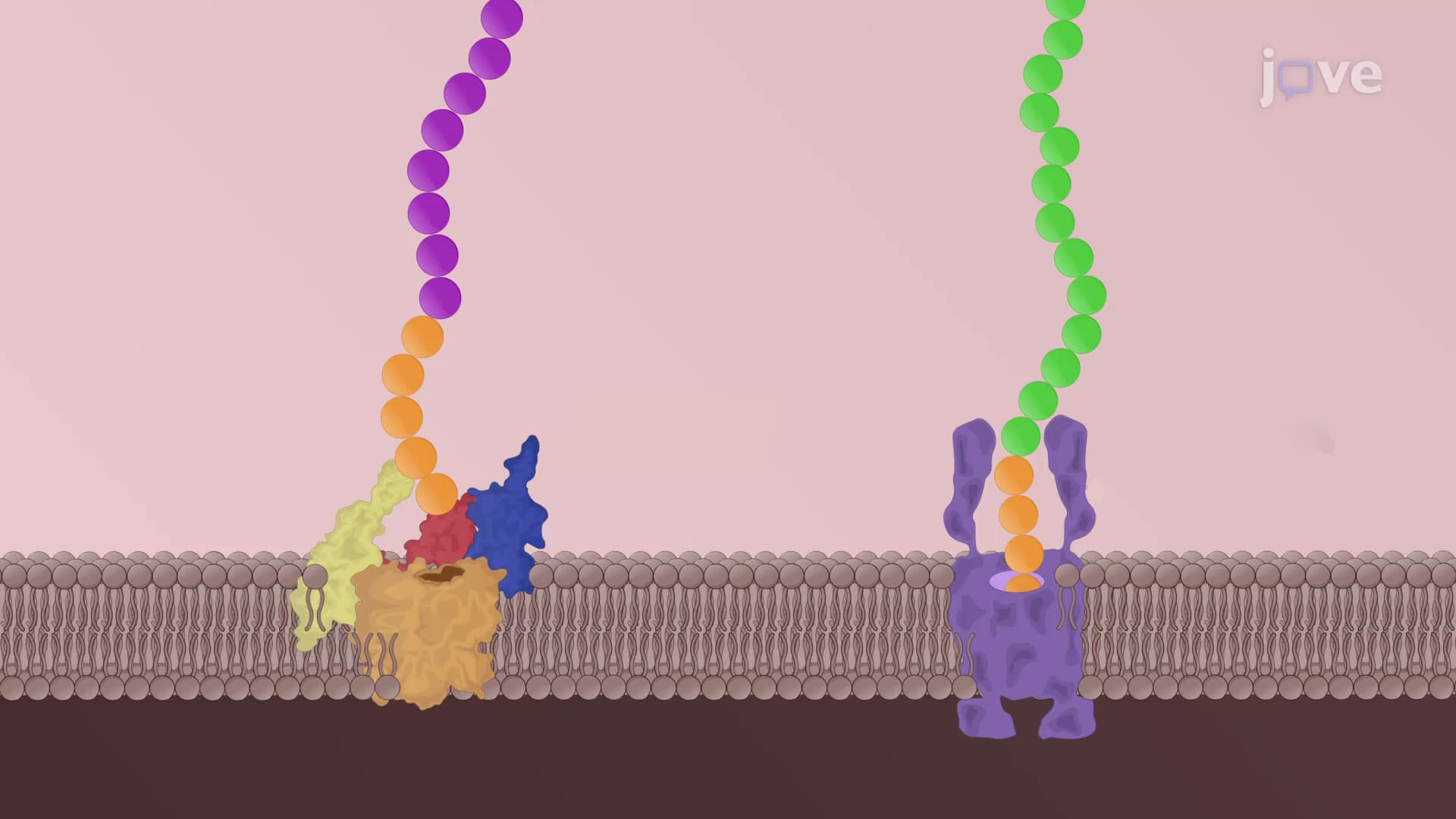
Sorting receptors function as cellular postal workers, scanning for their specific signal sequence "zip codes." These receptors don't require exact amino acid matches-instead, they recognize physicochemical properties like charge distribution and hydrophobicity patterns. This flexibility allows cells to sort protein families with similar functions while maintaining specificity.
At biotechnology companies like Amgen in California, researchers exploit this recognition system to direct therapeutic proteins to specific cellular compartments. By grafting endoplasmic reticulum signal sequences onto cytosolic proteins, scientists can redirect protein trafficking for enhanced drug production.
Clinical and Academic Relevance
Understanding signal sequences proves essential for MCAT preparation, particularly in biochemistry sections covering protein targeting. AP Biology students encounter these concepts when studying organelle function and protein synthesis. College biochemistry courses extensively cover sorting mechanisms, as defective protein trafficking underlies numerous genetic disorders.
Medical students studying for the USMLE frequently encounter questions about signal sequence mutations causing diseases like I-cell disease, where lysosomal enzymes lack proper targeting signals. This knowledge directly applies to understanding how pharmaceutical companies engineer insulin analogs and growth factors for therapeutic use.
Frequently Asked Questions
Signal sequences are short amino acid sequences (15-20 residues) that act like molecular addresses, directing proteins to specific cellular locations. Sorting receptors recognize these sequences and transport proteins to their correct destinations. Together, they form the cell's protein trafficking system, ensuring enzymes reach organelles like mitochondria while secreted proteins move to the endoplasmic reticulum.
MCAT questions often focus on predicting protein localization based on signal sequence characteristics or explaining diseases caused by trafficking defects. AP Biology exams typically ask students to trace protein pathways from synthesis to final destination. Both exams emphasize understanding the relationship between sequence structure and cellular function rather than memorizing specific sequences.
Changing signal sequences redirects proteins to new locations, a technique widely used in biotechnology research. For example, adding mitochondrial targeting signals to green fluorescent protein makes it accumulate in mitochondria, creating a useful research tool. Pharmaceutical companies use this approach to optimize therapeutic protein production and secretion.
Basic understanding of amino acids, protein structure, and organelle function provides sufficient foundation for learning protein trafficking. High school biology students can grasp these concepts by focusing on the analogy of postal addresses and delivery systems. The key is understanding principles rather than memorizing complex molecular details.
Create flow charts tracing proteins from synthesis through final localization, including decision points where sorting receptors recognize signal sequences. Practice predicting protein destinations based on signal sequence characteristics. For MCAT preparation, focus on connecting trafficking defects to human diseases and biotechnology applications.
Companies like Genentech and Biogen engineer signal sequences to optimize therapeutic protein production in bacterial, yeast, or mammalian cell cultures. They modify insulin precursors for better secretion, design antibodies for specific cellular targeting, and create enzyme replacement therapies for genetic disorders. This knowledge directly impacts drug development timelines and manufacturing costs.
Signal patches require protein folding to assemble their three-dimensional recognition surface, making them more sophisticated than linear sequences. However, both systems operate on the same principle of specific receptor recognition. Understanding protein folding basics helps explain why some proteins delay their sorting signals until achieving proper tertiary structure.
Investigate post-translational modifications affecting protein trafficking, such as glycosylation and phosphorylation. Study specific diseases caused by sorting defects, including Alzheimer's disease protein misfolding and lysosomal storage disorders. Advanced students can explore CRISPR applications for correcting signal sequence mutations in genetic therapy research.
Related Micro-courses

21 Concepts
17 Concepts

12 Concepts