Loading subject page…


95,436 views

Video Summary: Translocation of Proteins Into the Mitochondria Explained
Every second, thousands of proteins must navigate a complex molecular highway to reach their destinations inside mitochondria-the powerhouses of our cells. The translocation of proteins into the mitochondria involves sophisticated machinery that ensures cellular proteins reach the right compartments to maintain energy production. Consider how muscle cells in athletes like those training at the U.S. Olympic Training Center require efficient mitochondrial protein transport to sustain peak performance. This intricate process determines whether proteins end up in the matrix, intermembrane space, or inner membrane through specialized transport complexes and chaperone systems. Watch the full video on JoVE Coach to master this concept with expert-led visuals and step-by-step explanations.
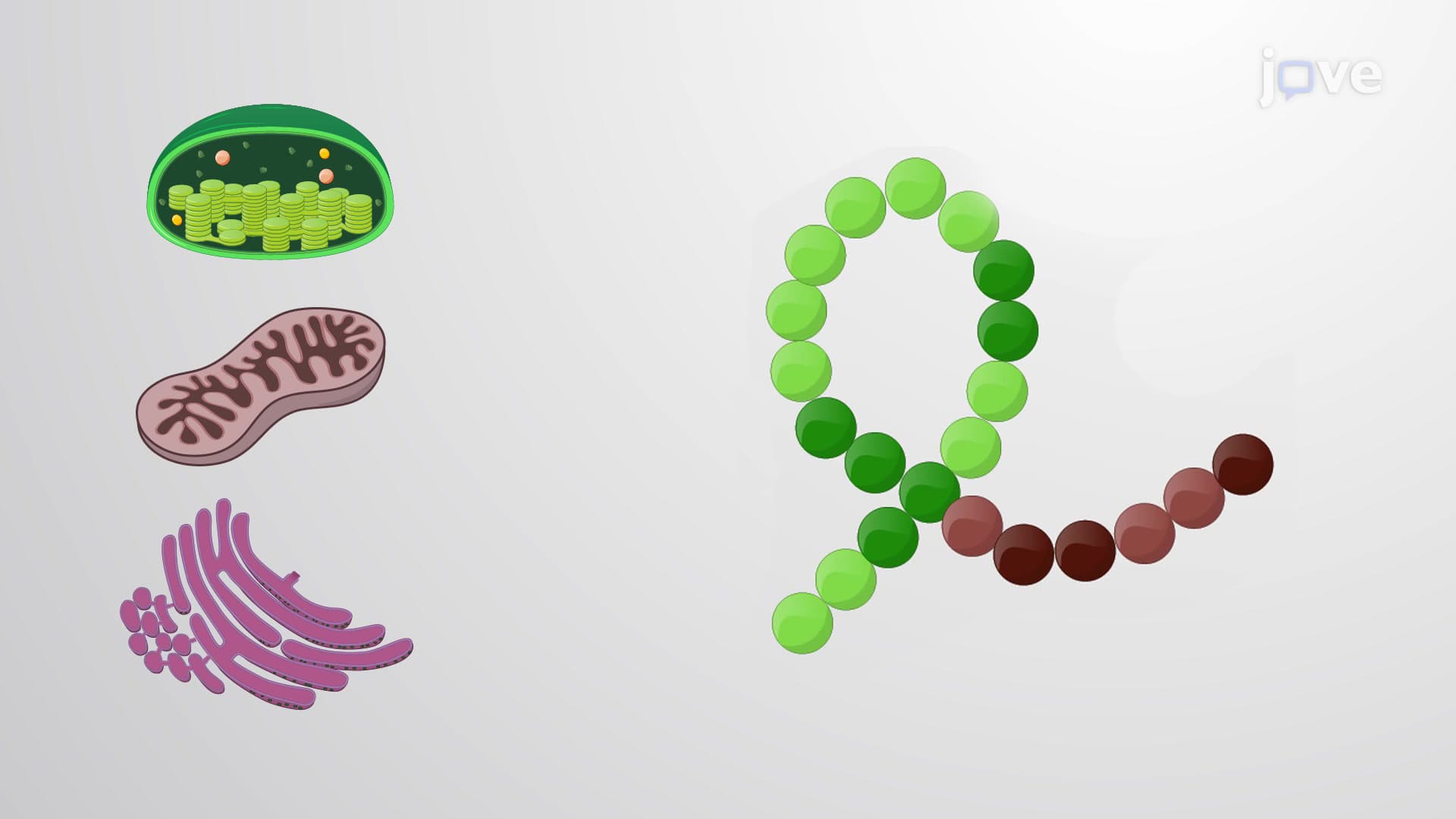
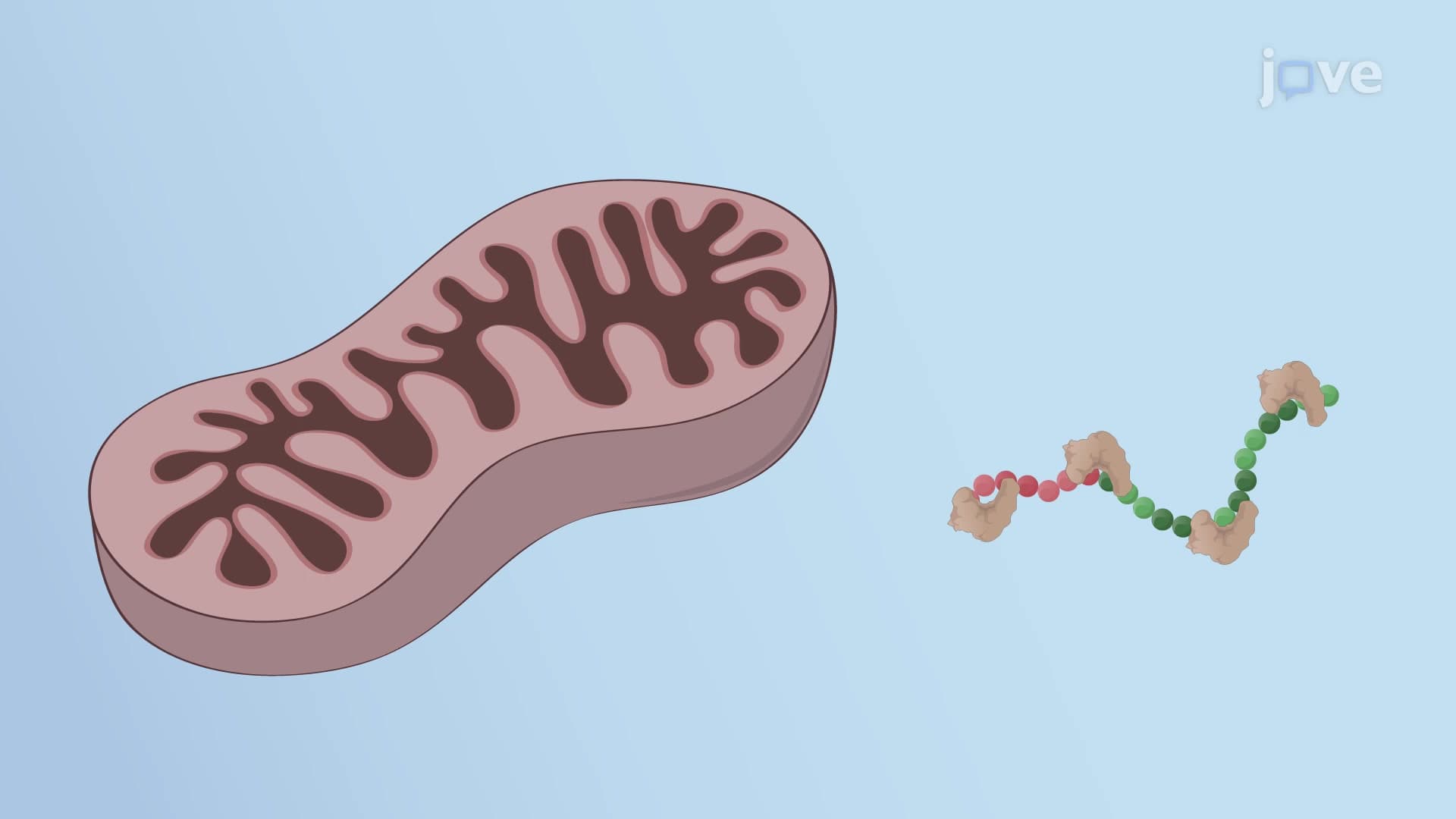
Mitochondrial protein translocation represents one of cell biology's most sophisticated transportation systems. Unlike simple diffusion, this process requires precise molecular machinery to sort hundreds of different proteins to their correct mitochondrial destinations. The process begins in the cytoplasm where ribosomes synthesize mitochondrial proteins, which must then navigate through multiple membrane barriers to reach their functional locations.
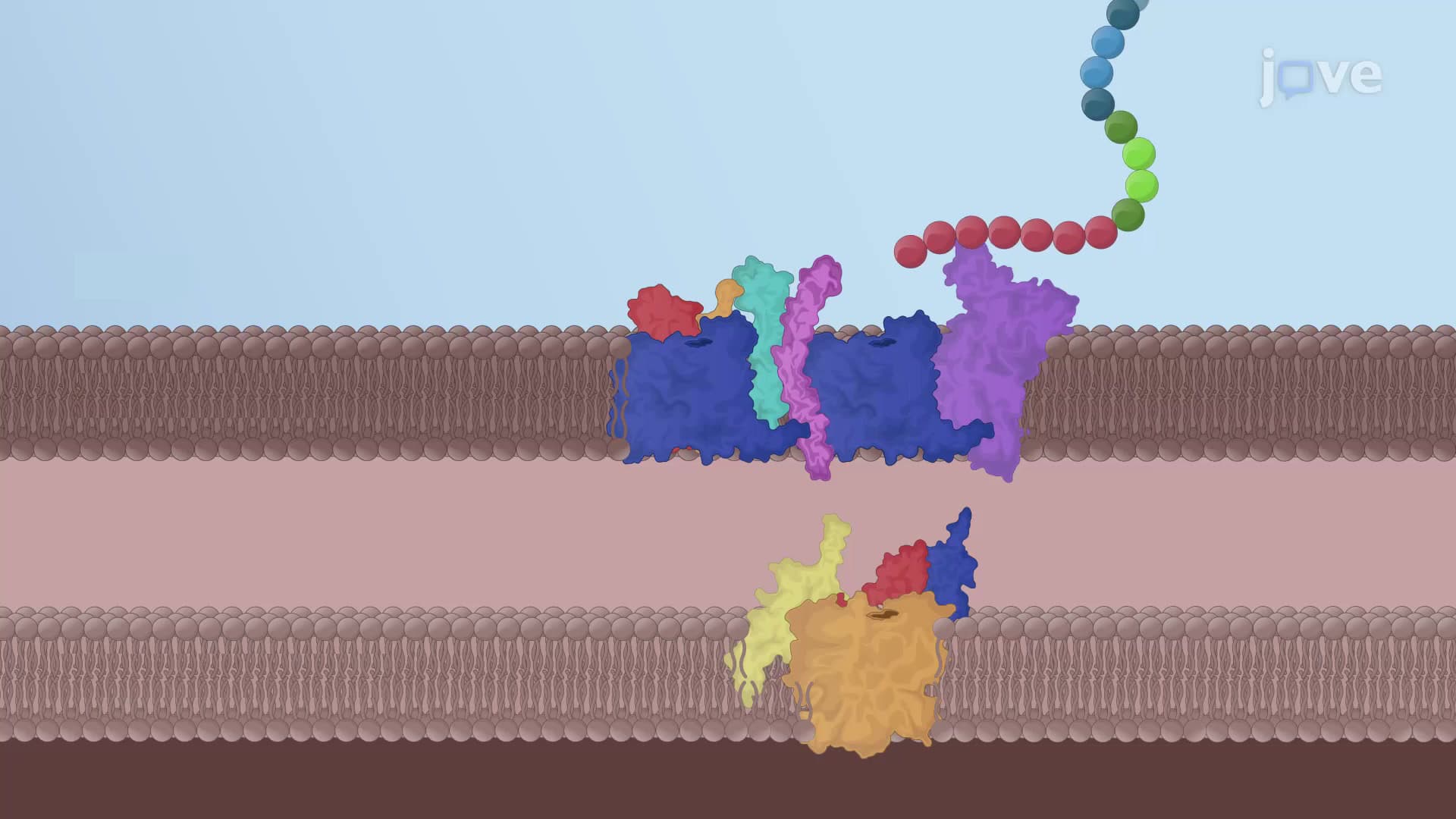
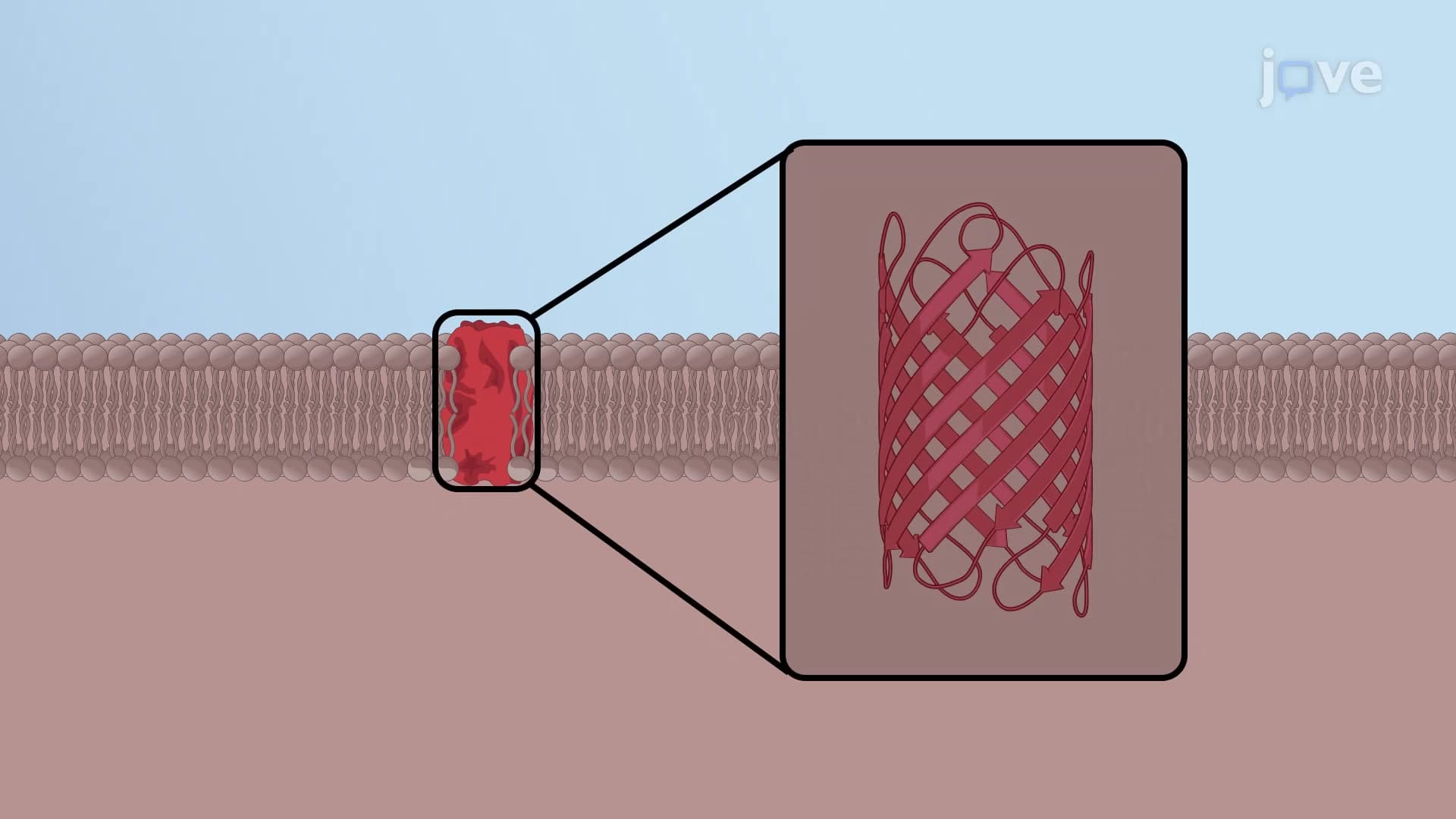
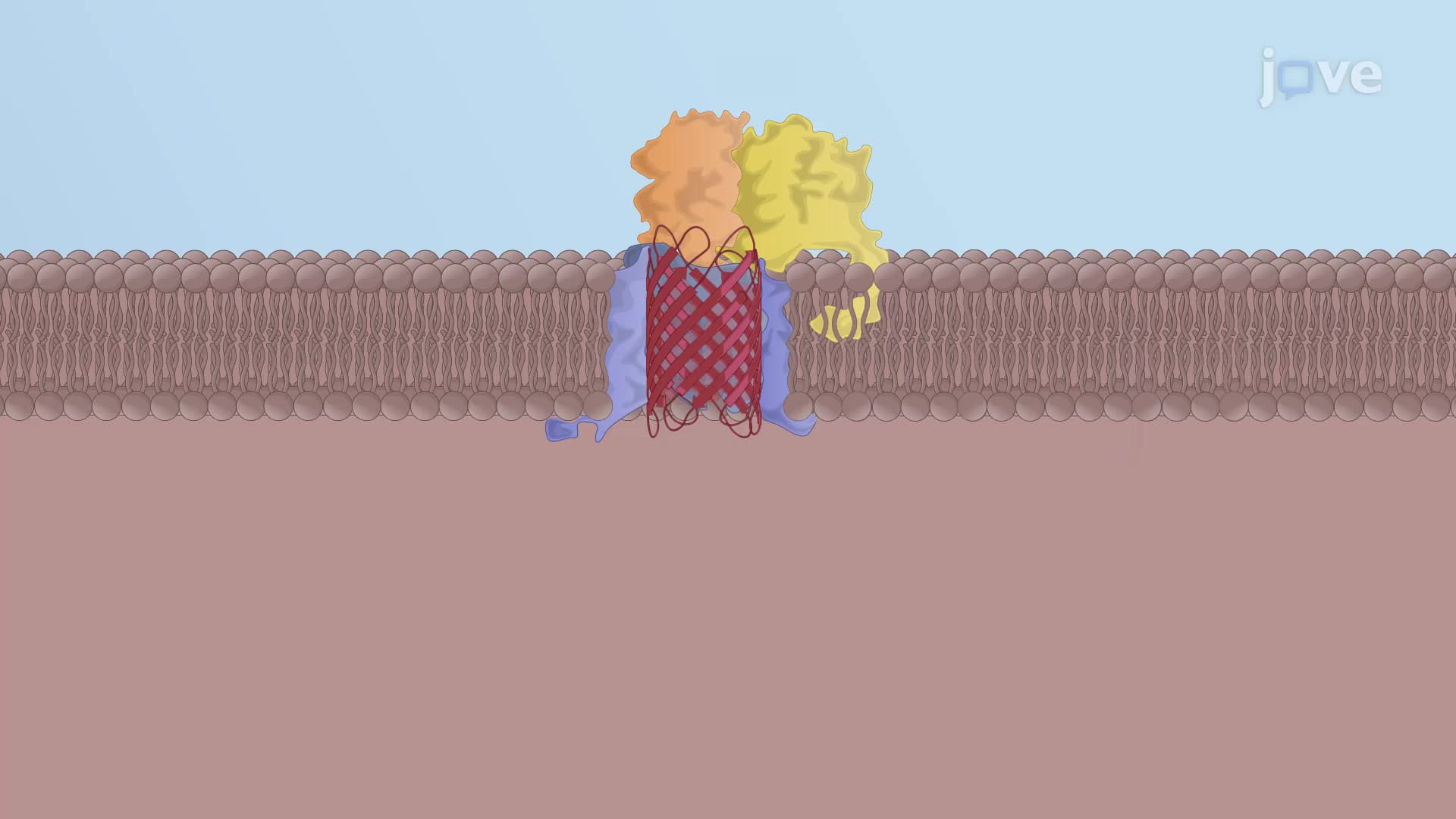
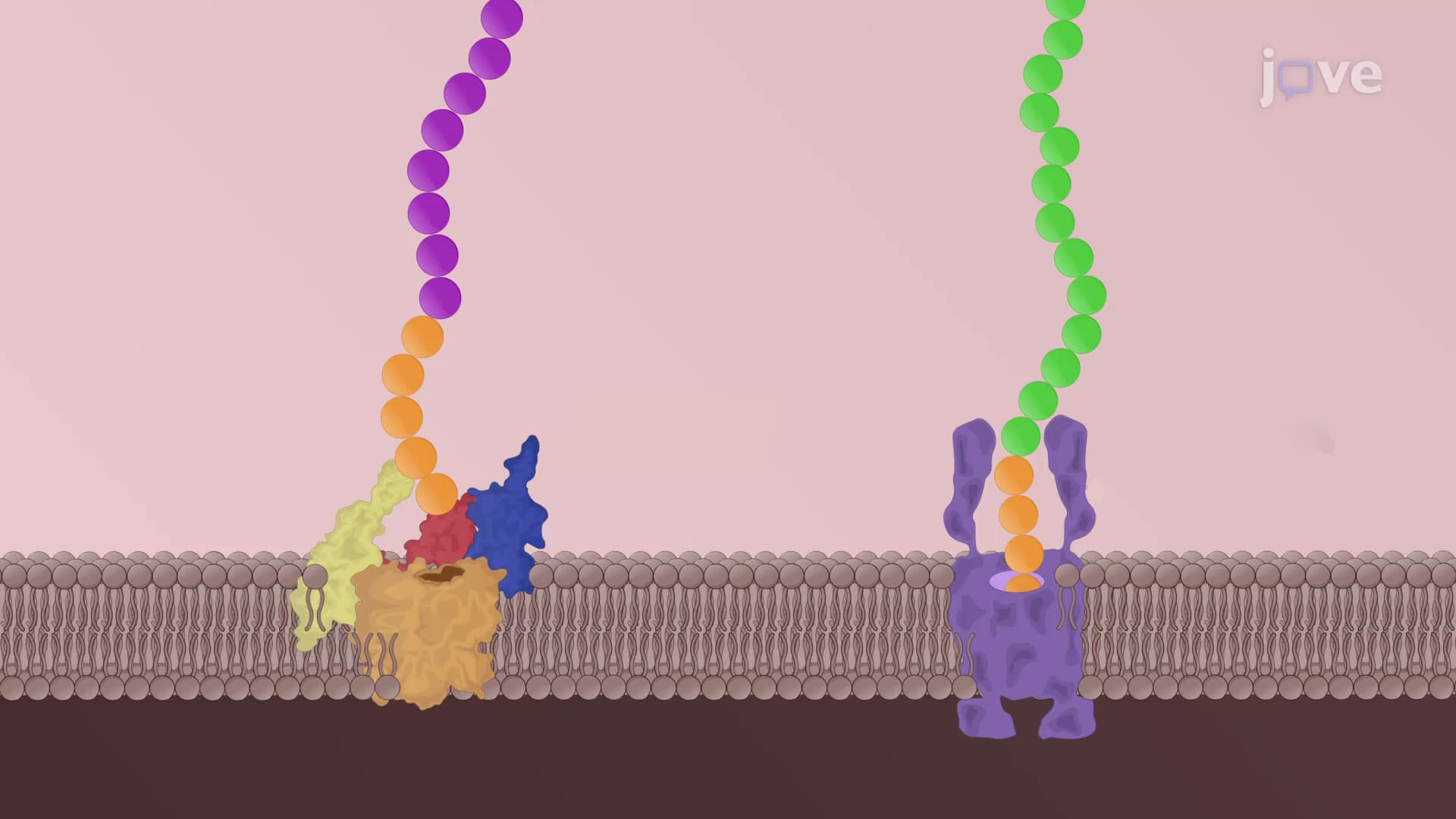
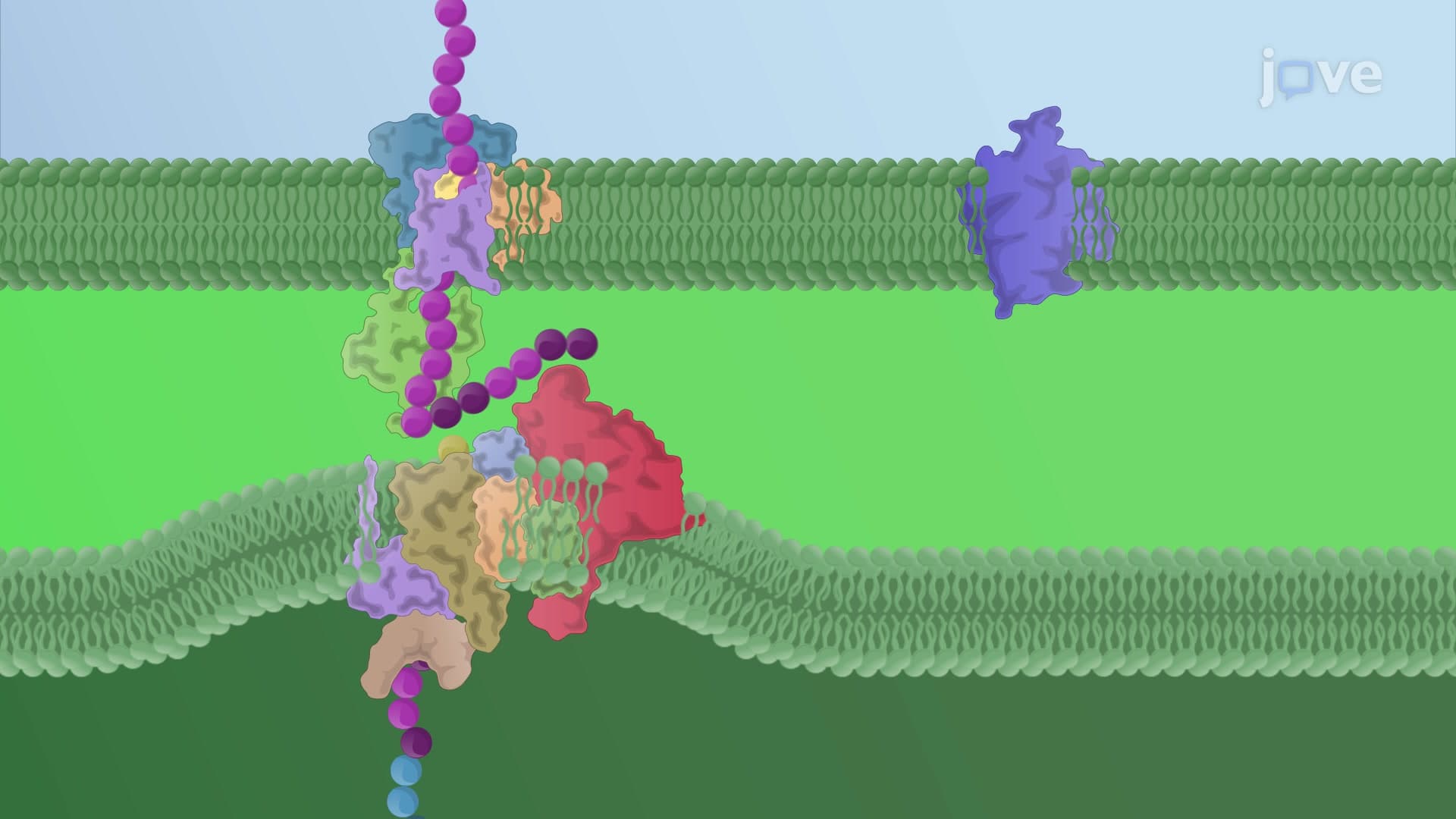
The translocase of the outer membrane (TOM) and translocase of the inner membrane (TIM) complexes function as molecular gates controlling protein entry. Think of these complexes like security checkpoints at major U.S. airports-each protein must present proper credentials (presequences) to pass through. The TOM complex recognizes incoming proteins and creates a channel through the outer membrane, while TIM complexes (TIM22 and TIM23) specialize in different types of cargo destined for various mitochondrial compartments.
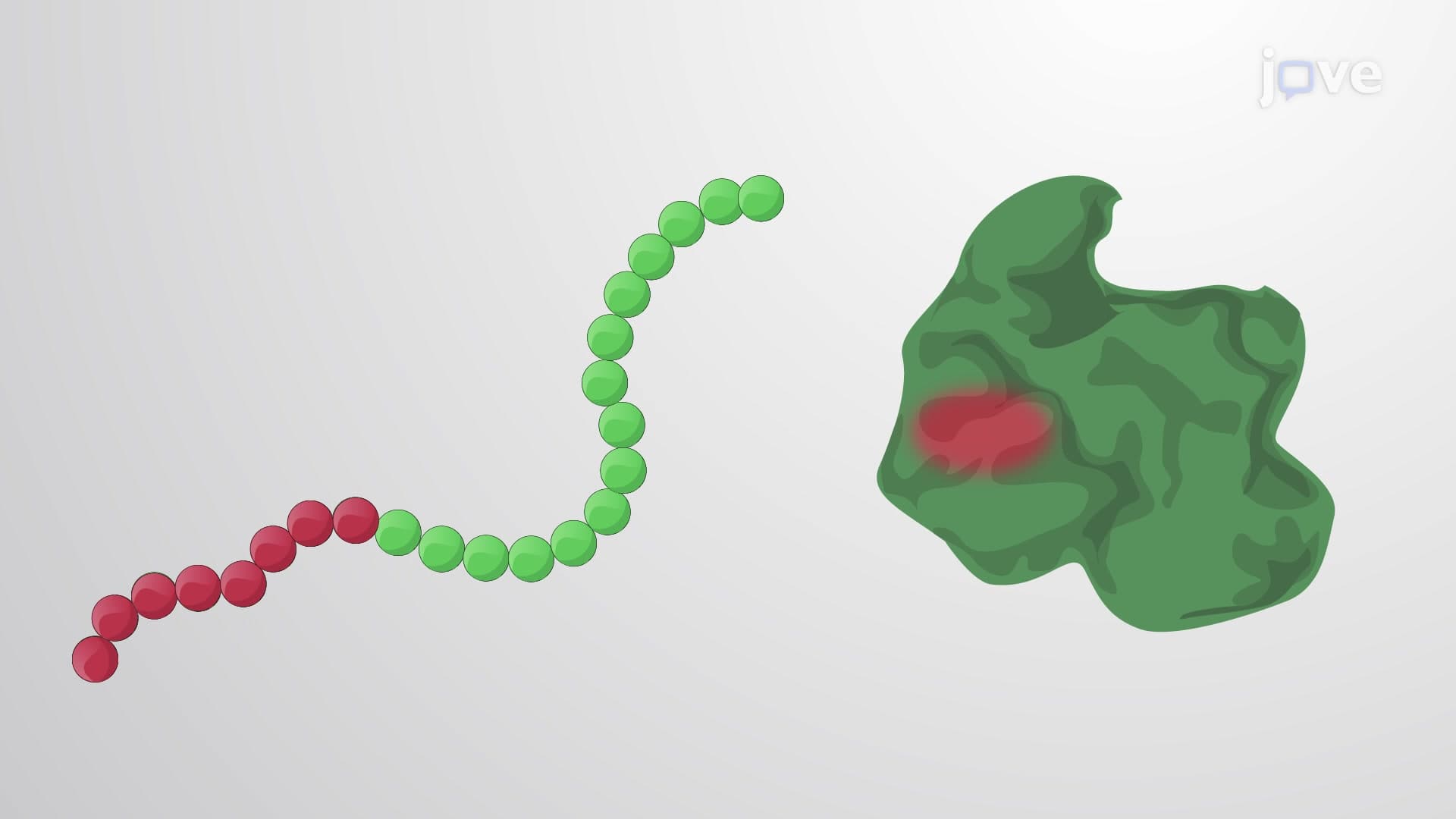
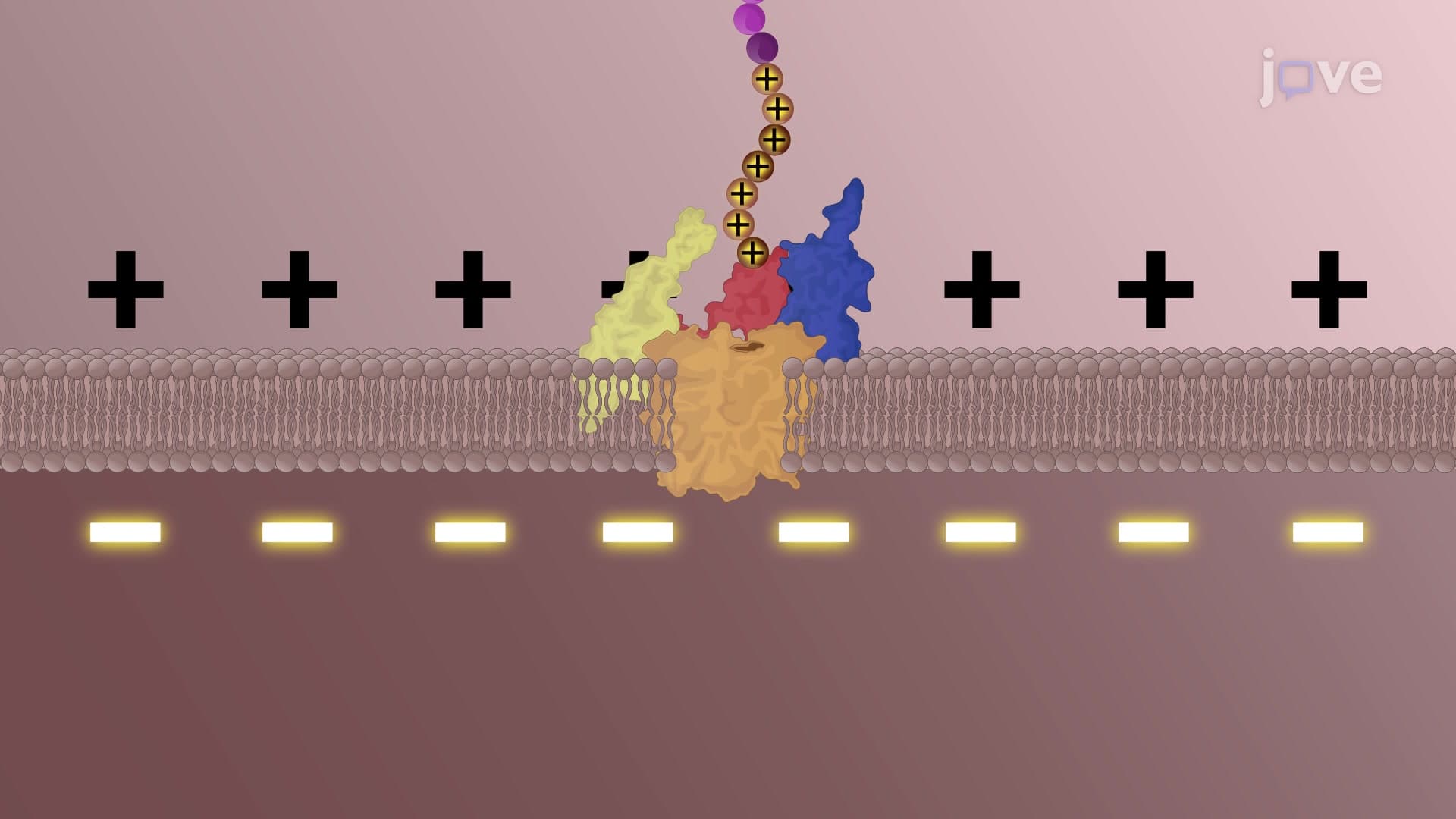
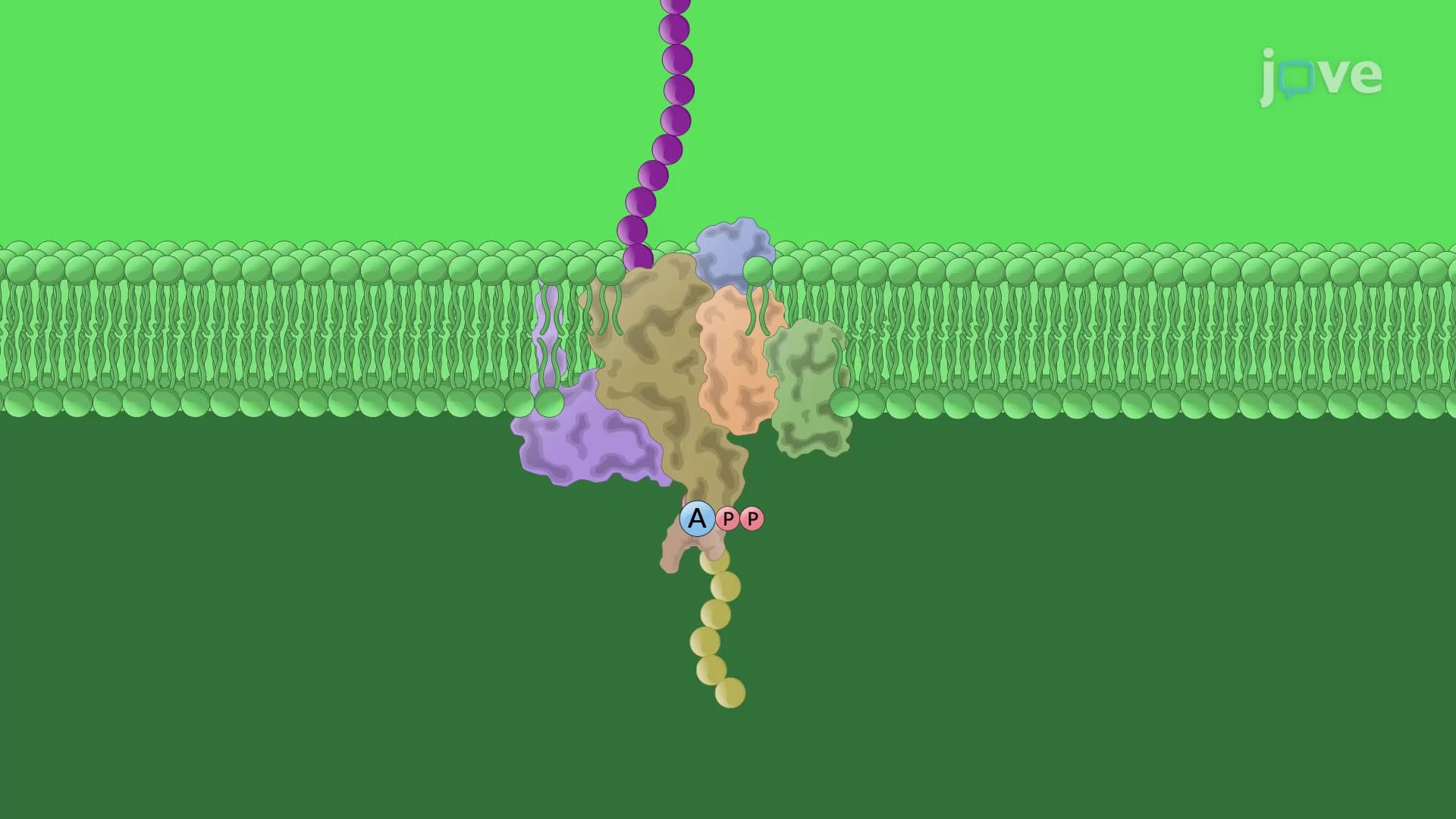
Proteins destined for the mitochondrial matrix carry N-terminal presequences that act like molecular zip codes. As these proteins thread through the TIM23 channel, mitochondrial Hsp70 chaperones grab them on the matrix side, preventing backsliding and facilitating proper folding. This process resembles how emergency responders might pull someone through a rescue tunnel-constant forward momentum ensures successful transport. Matrix proteases then clip off the presequence, activating the protein for its cellular function.
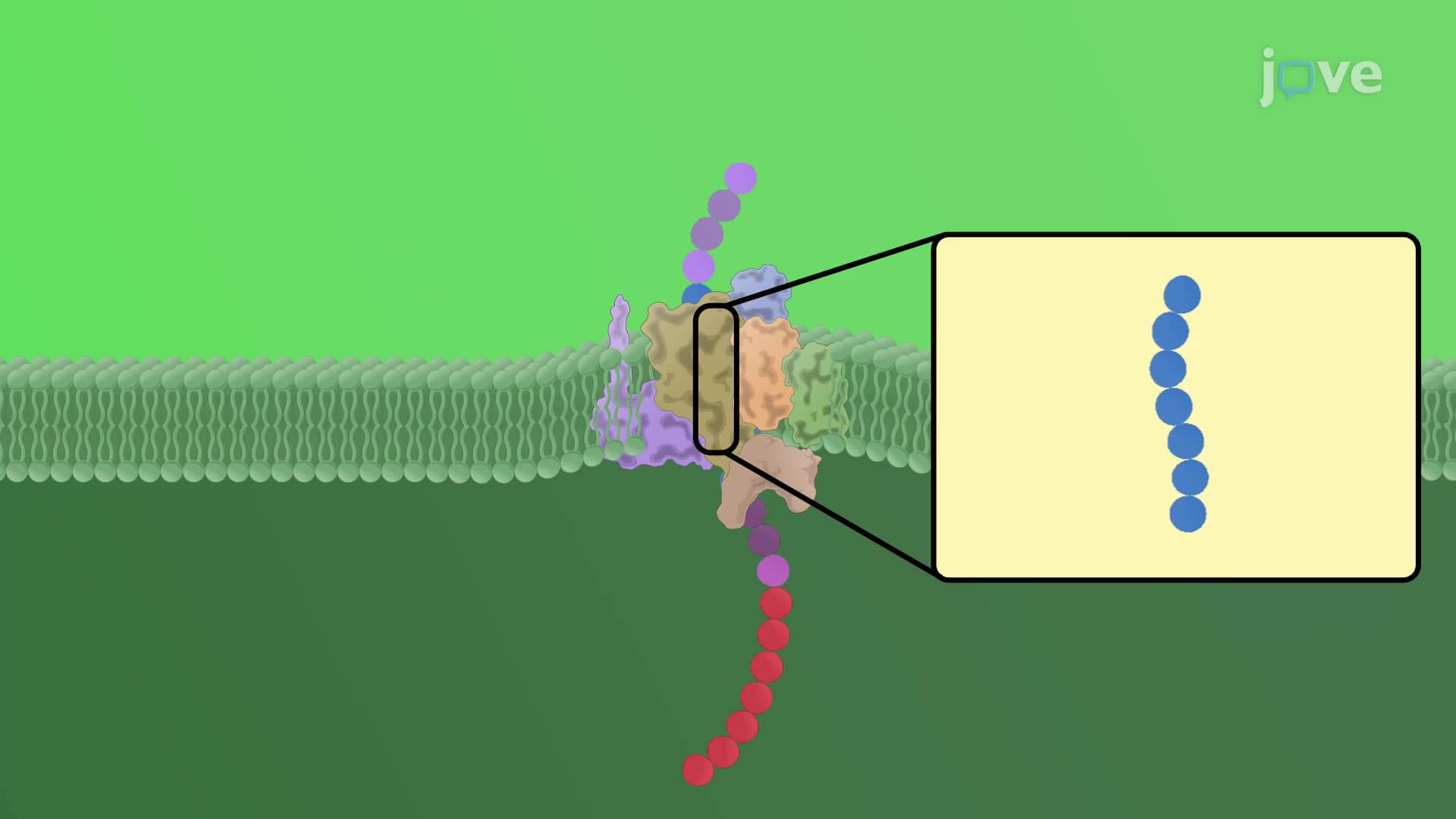
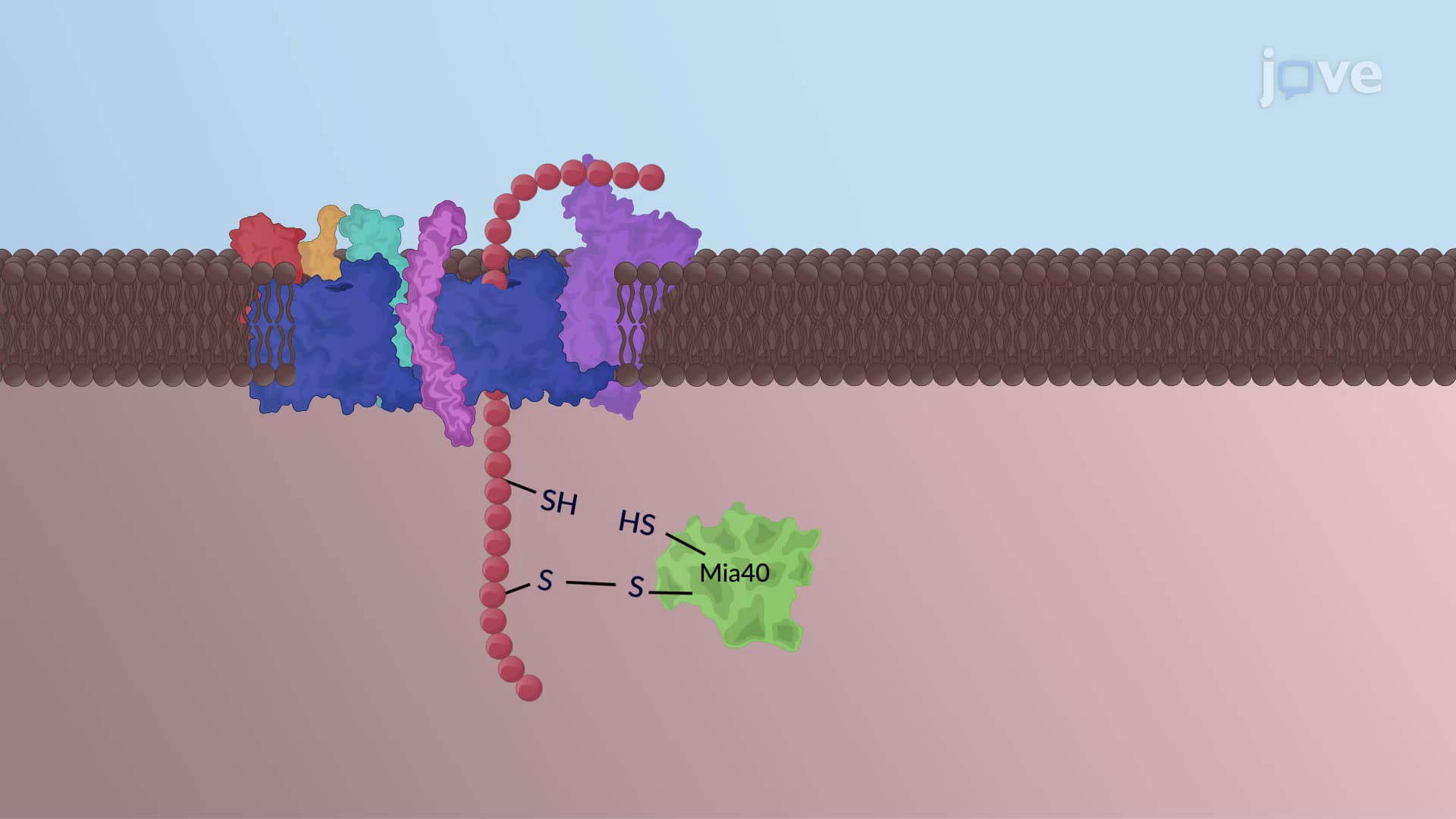
The intermembrane space presents unique challenges for protein import. Some proteins carry dual signals: a matrix-targeting presequence followed by a hydrophobic stop-transfer sequence that halts translocation partway through the TIM complex. Signal peptidases then process these proteins, releasing them into the intermembrane space. Alternatively, the Mia40 pathway imports proteins lacking presequences through disulfide bond formation, creating a molecular "handshake" that pulls proteins through the TOM channel.
Inner membrane proteins follow even more complex routes. Some use stop-transfer sequences for direct insertion during translocation, while others require processing by the OXA translocase system. This diversity reflects the inner membrane's critical role in energy production-housing respiratory complexes essential for ATP synthesis.
Understanding these mechanisms proves crucial for MCAT preparation and advanced cell biology courses at universities like Harvard Medical School and Johns Hopkins, where mitochondrial dysfunction links to diseases affecting energy metabolism.
Related Micro-courses