Loading subject page…


95,419 views

Video Summary: What are Mitochondrial Precursor Proteins
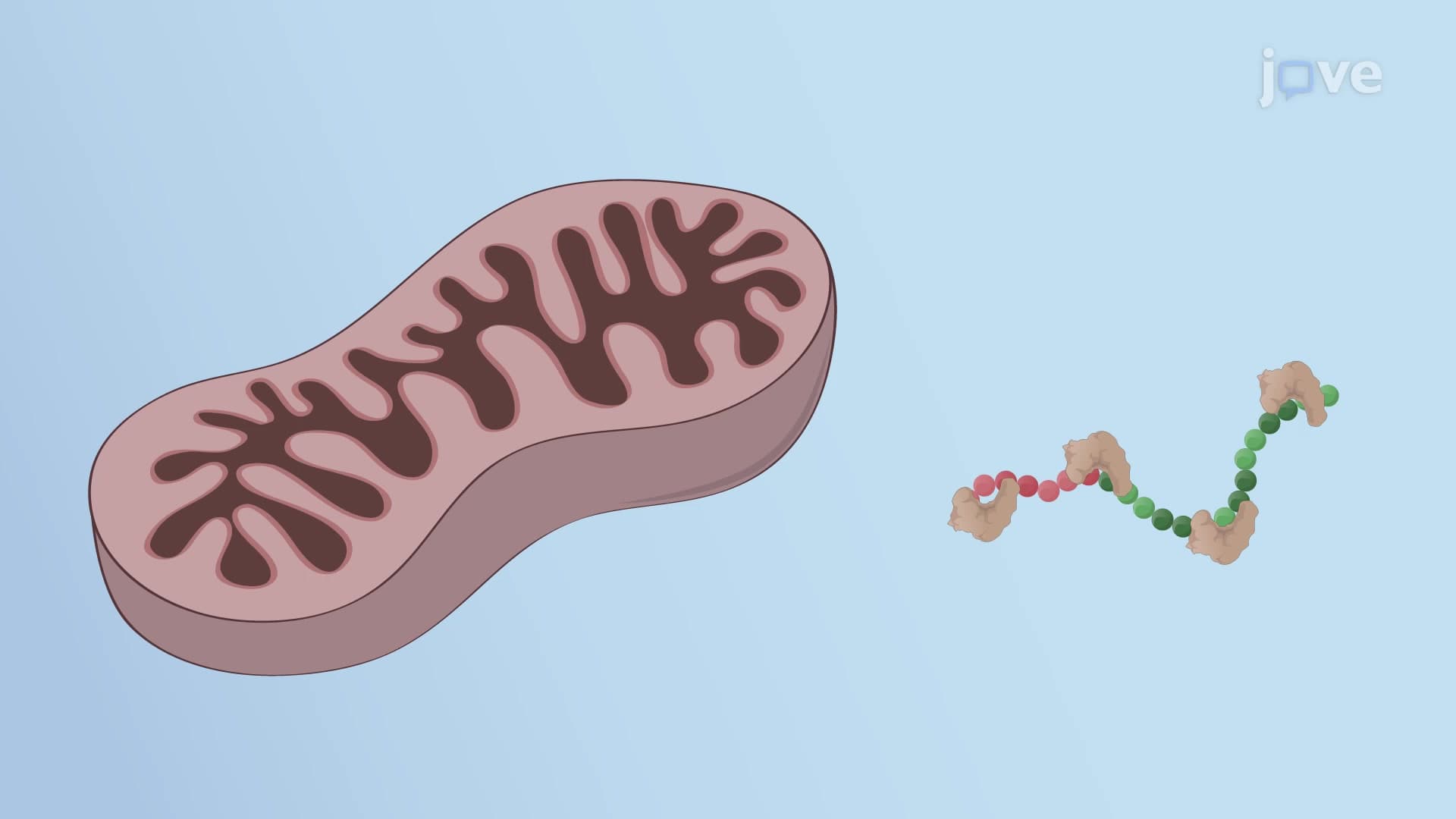
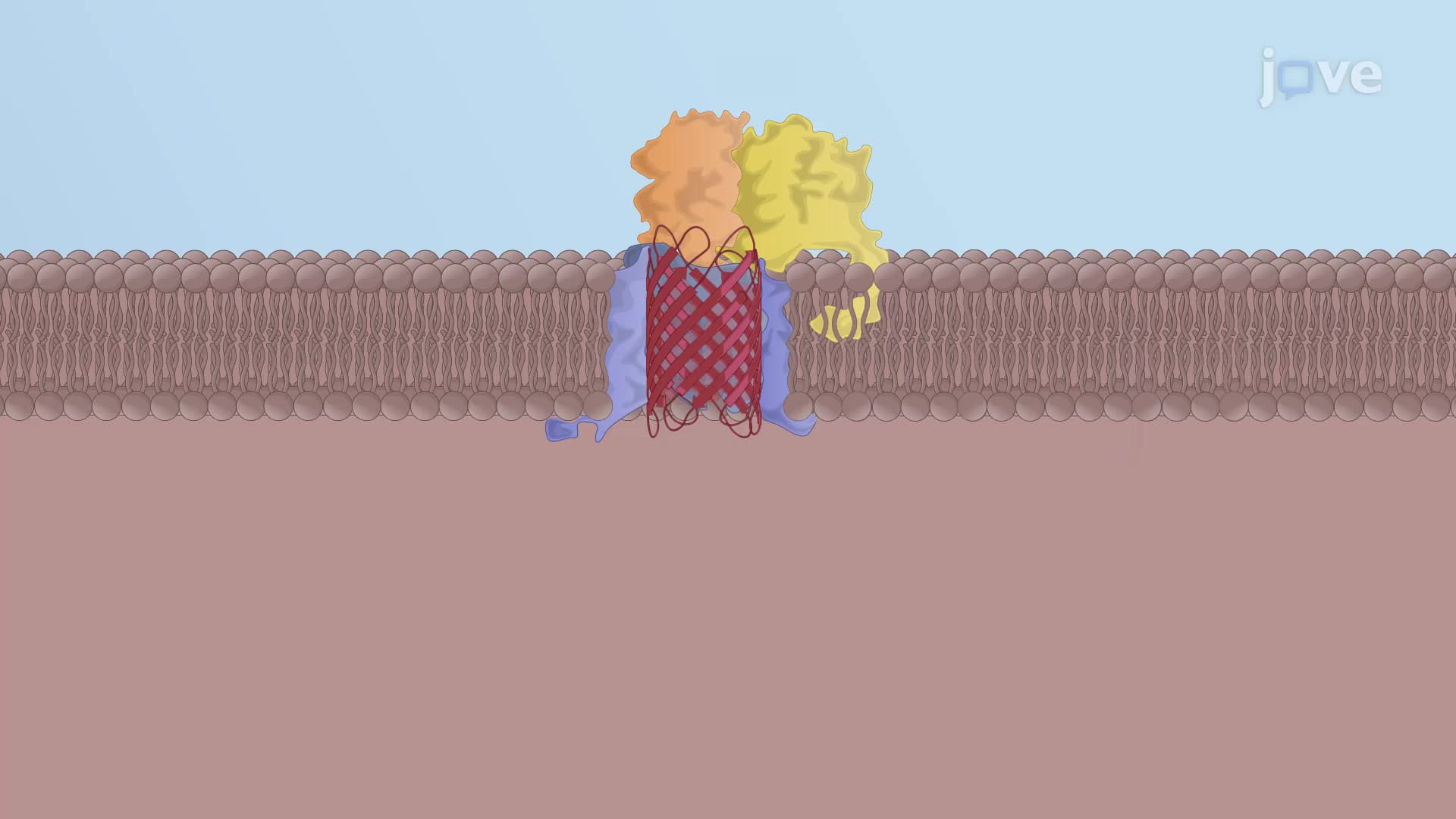
Every human cell contains hundreds of specialized proteins that must navigate a complex journey to reach their final destination within mitochondria-the powerhouses of our cells. Mitochondrial precursor proteins are the unfinished versions of these essential cellular components, carrying molecular "ZIP codes" that guide them to specific locations within mitochondria. Research at Harvard Medical School has shown that defects in this protein transport system contribute to neurodegenerative diseases like Parkinson's disease. Watch the full video on JoVE Coach to master this concept with expert-led visuals and step-by-step explanations.
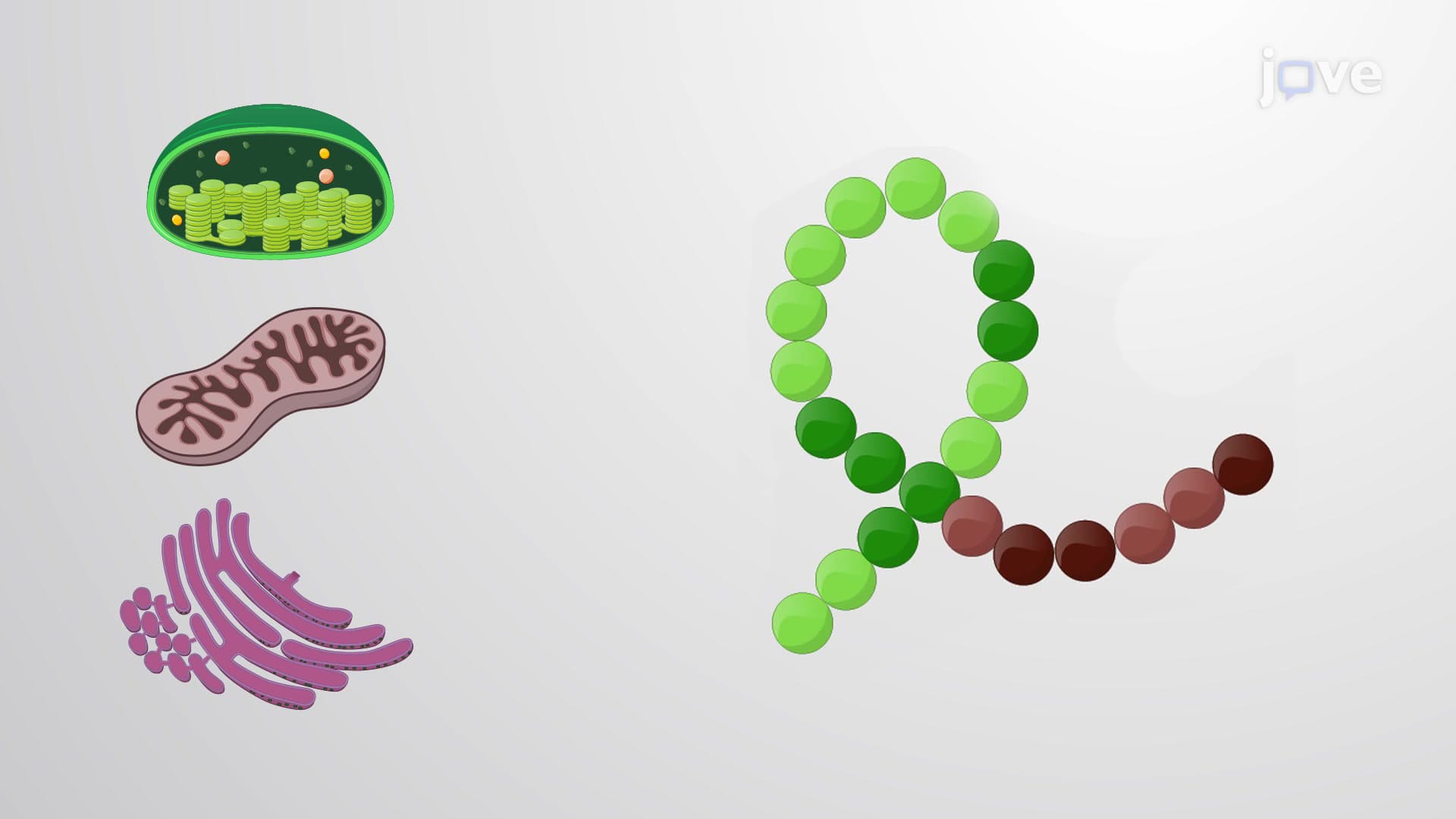
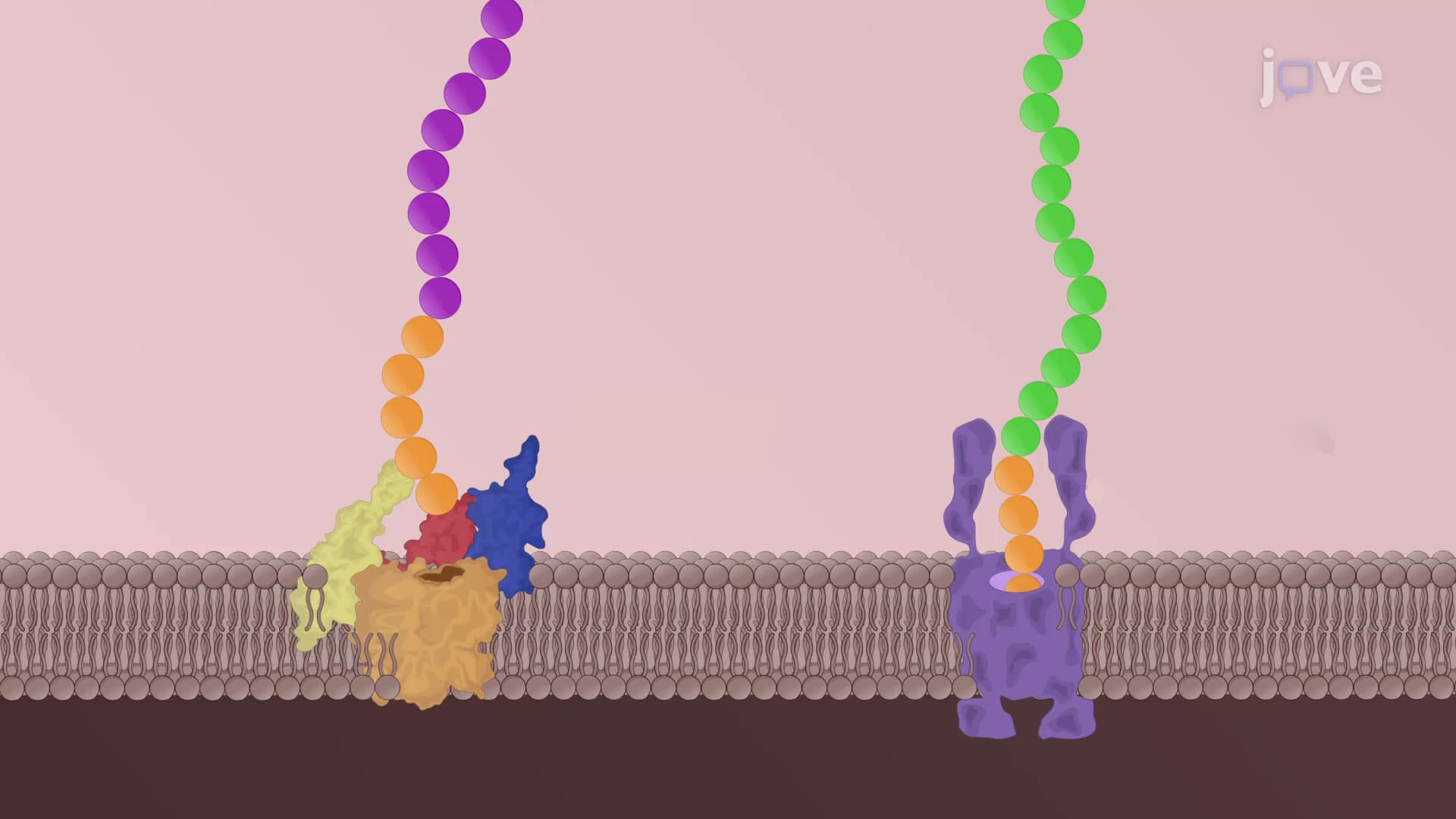
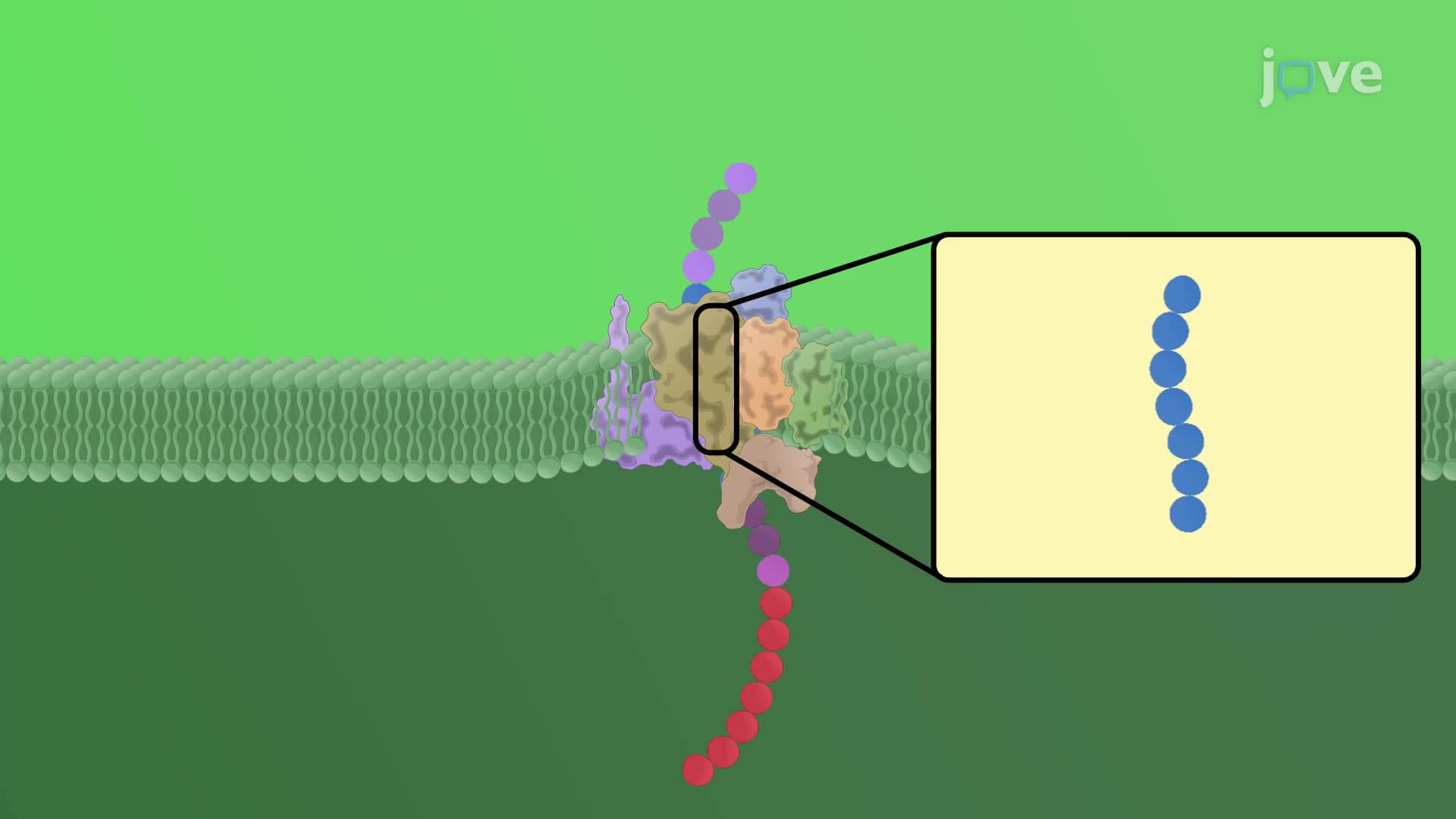
Mitochondrial precursor proteins represent one of cell biology's most elegant targeting systems. These proteins are synthesized in the cytoplasm but must travel to specific locations within mitochondria to function properly. Unlike finished proteins, precursors carry additional molecular information-essentially cellular "address labels"-that ensure accurate delivery to their final destinations.
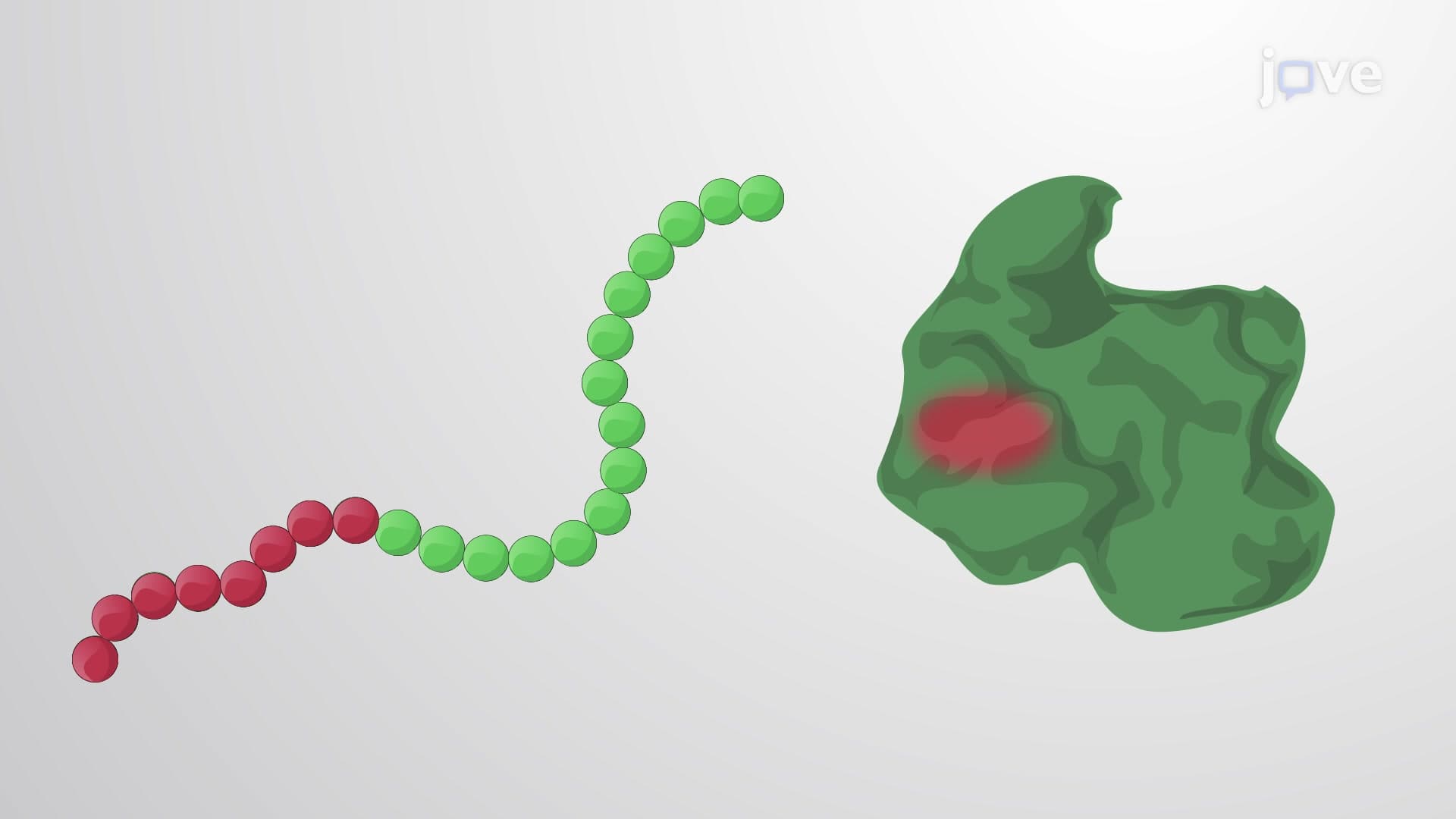
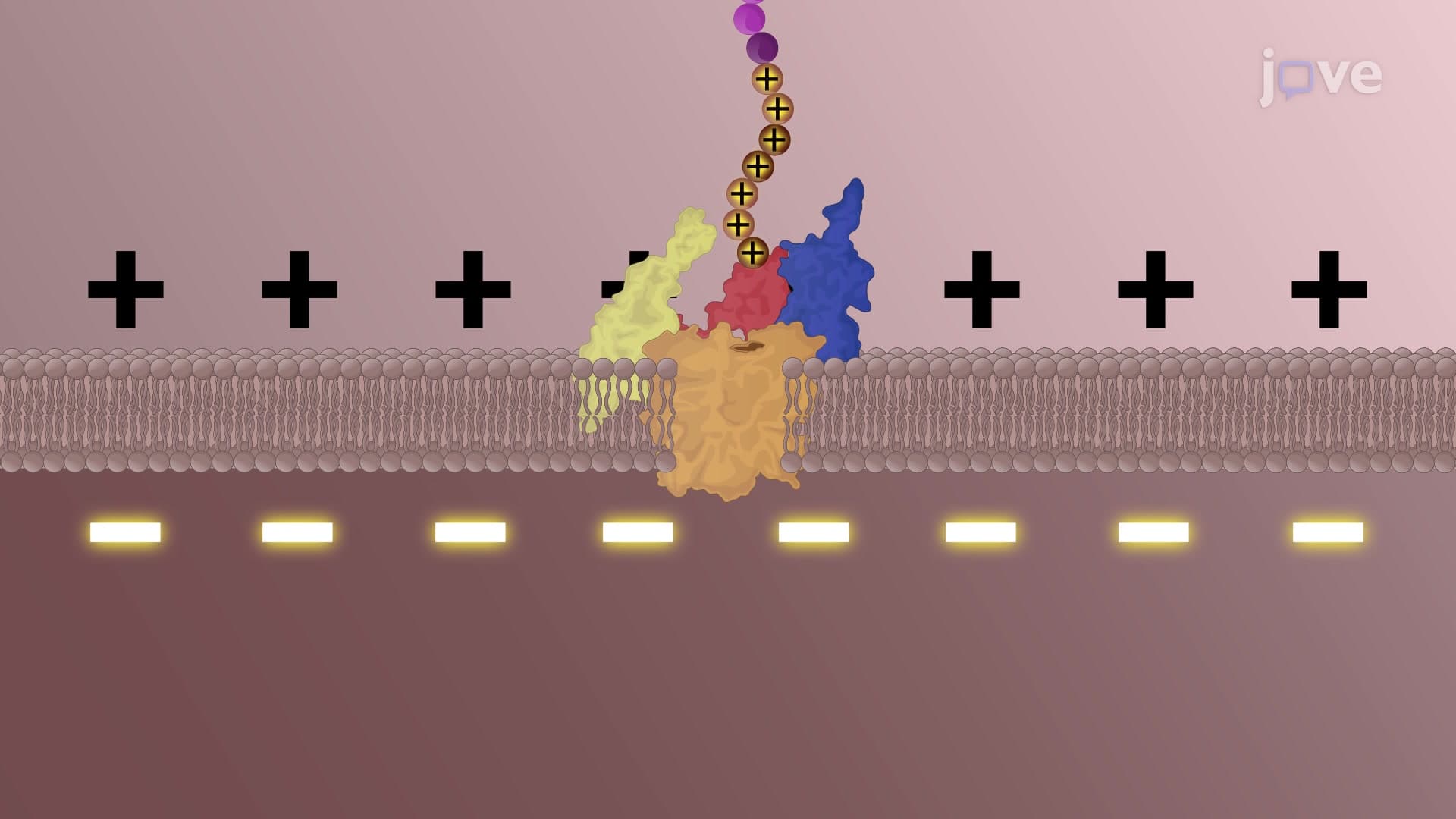
The most common targeting signal is the presequence, a specialized N-terminal extension found on most mitochondrial precursor proteins. This amphipathic structure contains both hydrophilic and hydrophobic regions, creating a unique molecular signature that mitochondrial import machinery recognizes. Once proteins reach their destination, mitochondrial processing peptidases cleave off this presequence, converting the precursor into its mature, functional form.
Students preparing for the AP Biology exam frequently encounter questions about signal sequences, and understanding presequences provides excellent preparation for topics covering protein targeting and cellular compartmentalization.
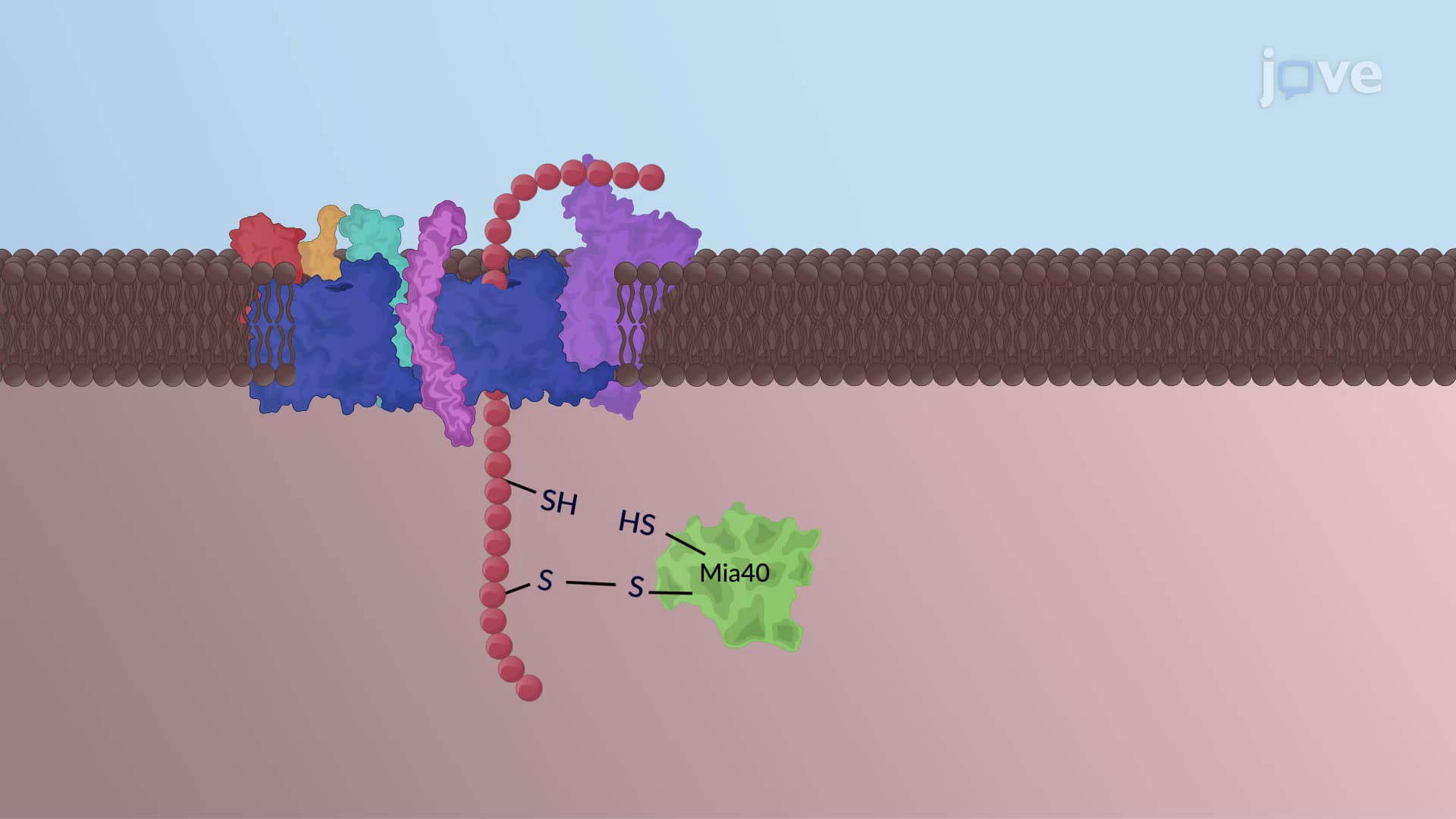
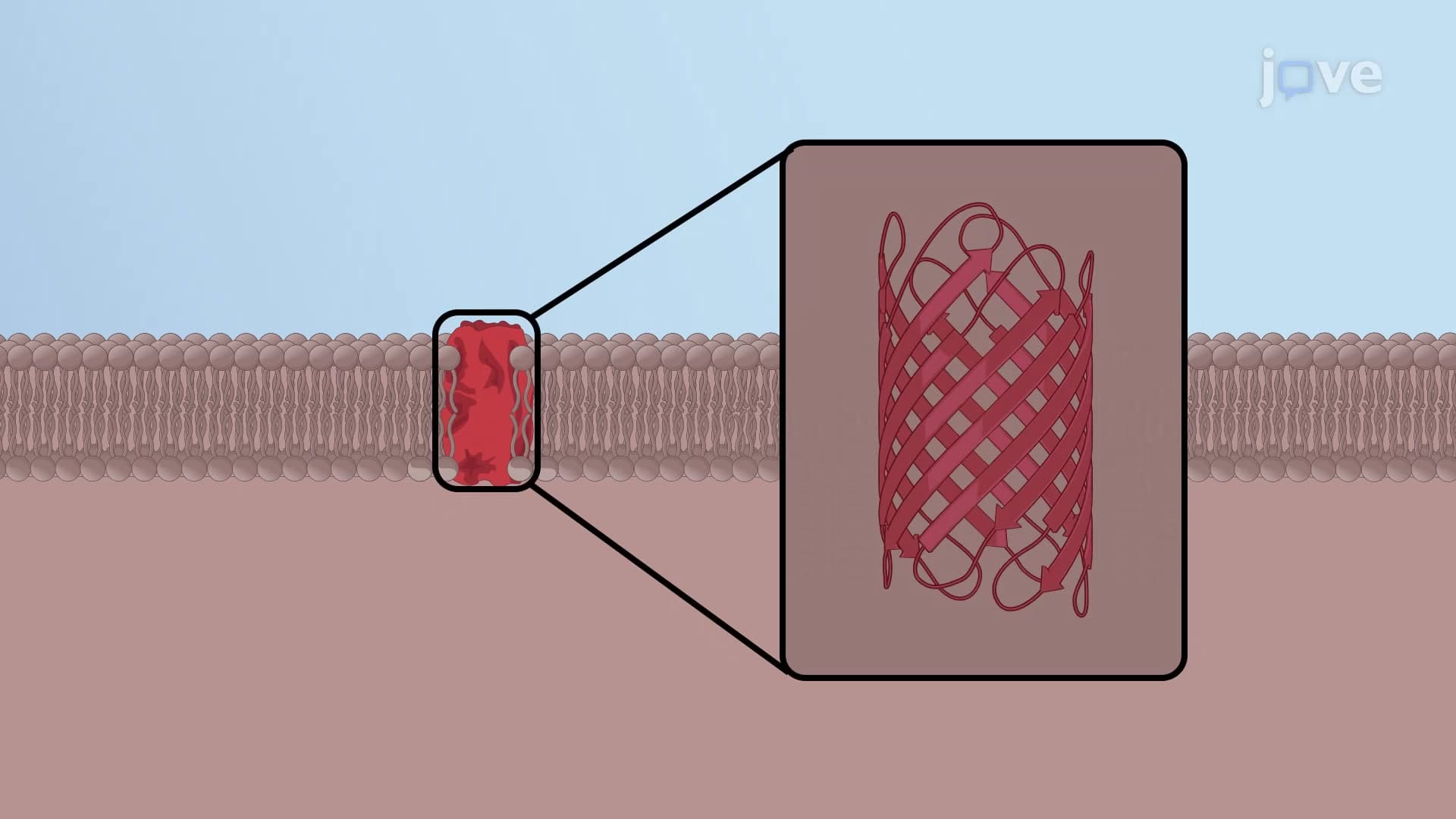
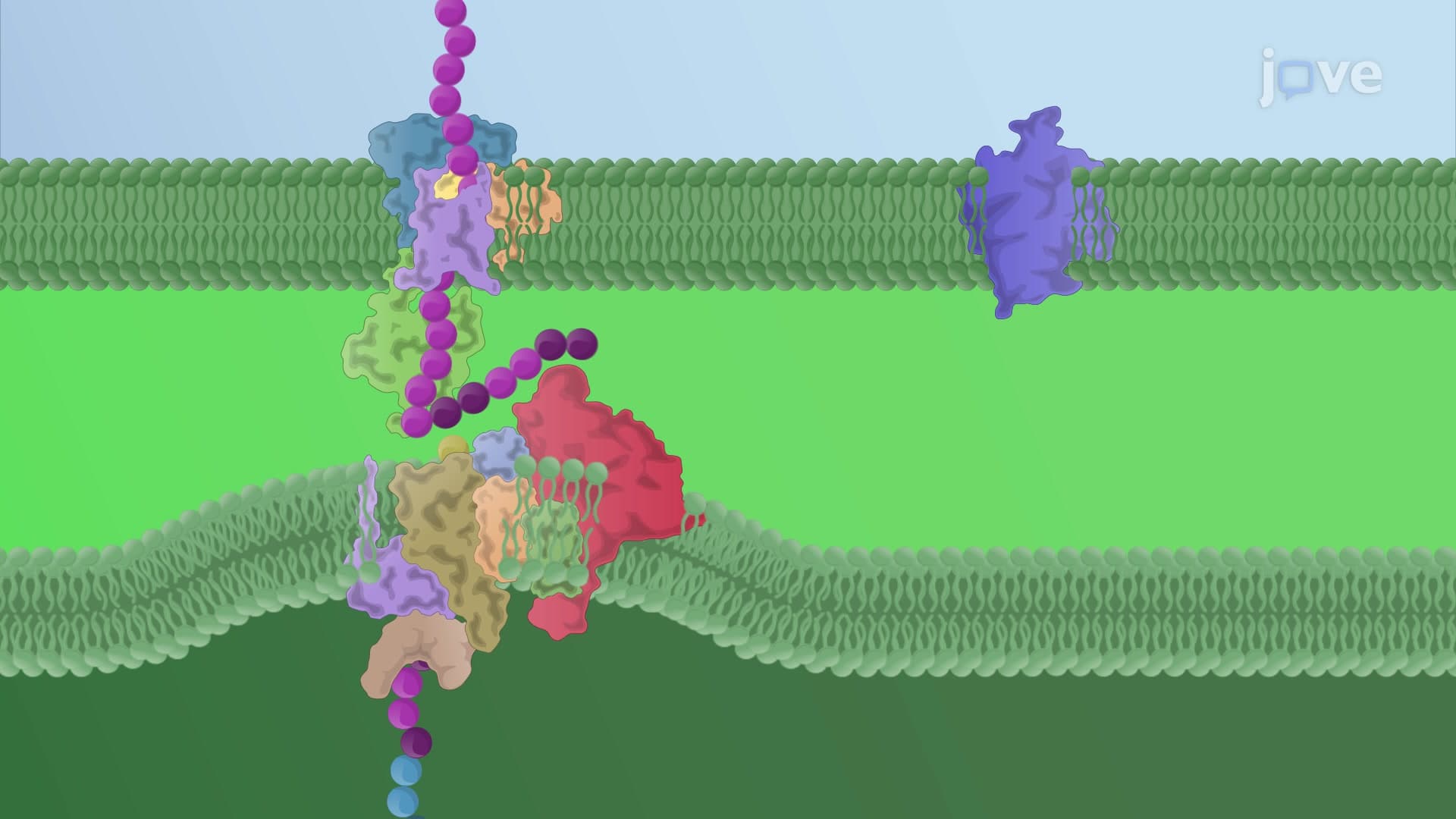
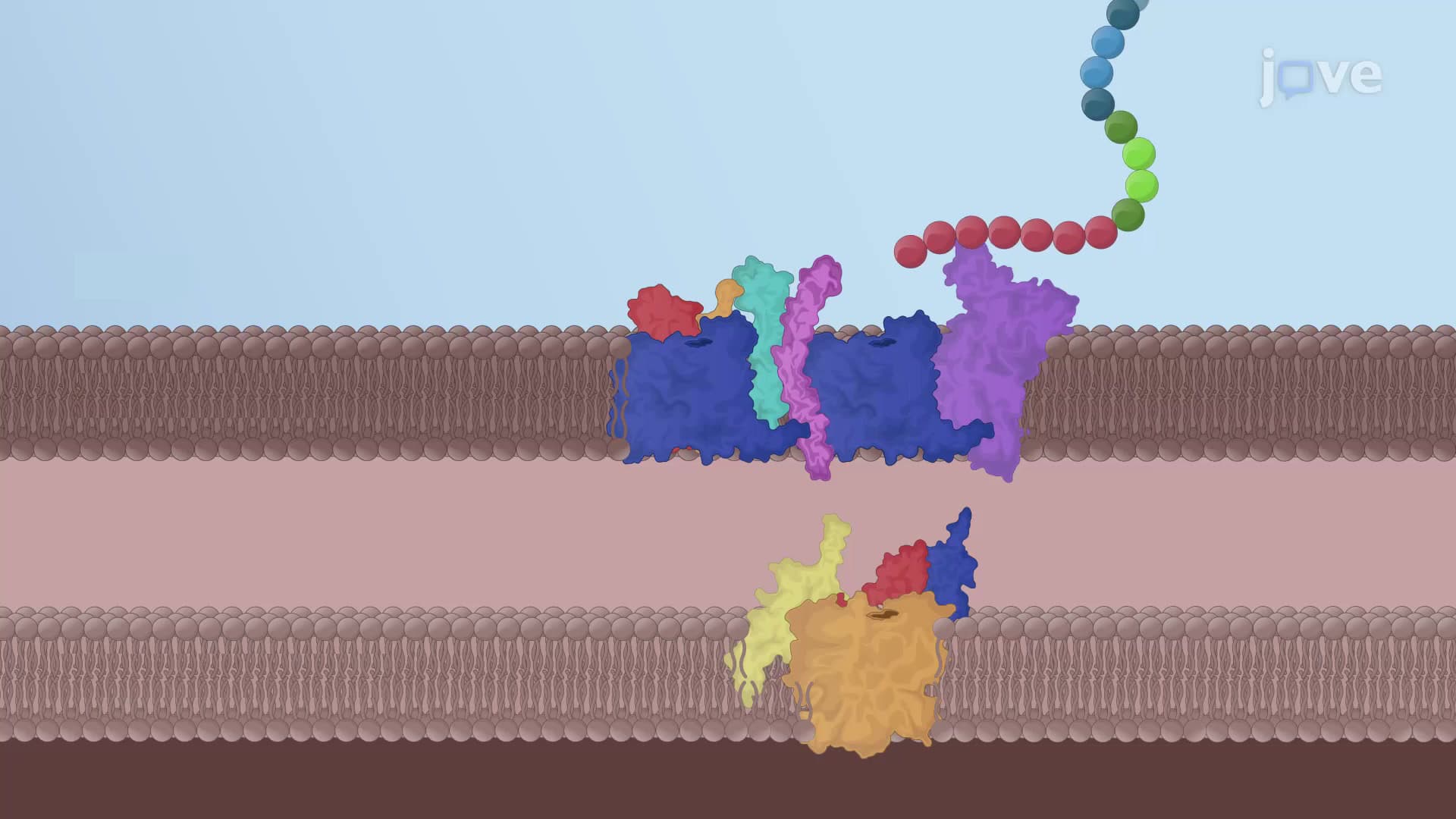
Not all mitochondrial precursor proteins follow identical pathways. Proteins destined for mitochondrial membranes or the intermembrane space carry additional internal import signals that work alongside presequences. These dual-signal systems ensure precise delivery-a critical requirement since mislocalized proteins can disrupt cellular metabolism.
Stop-transfer sequences represent another sophisticated targeting mechanism. These hydrophobic regions act as molecular brakes, halting protein translocation at specific points. This allows membrane proteins to anchor properly within lipid bilayers while positioning their functional domains correctly.
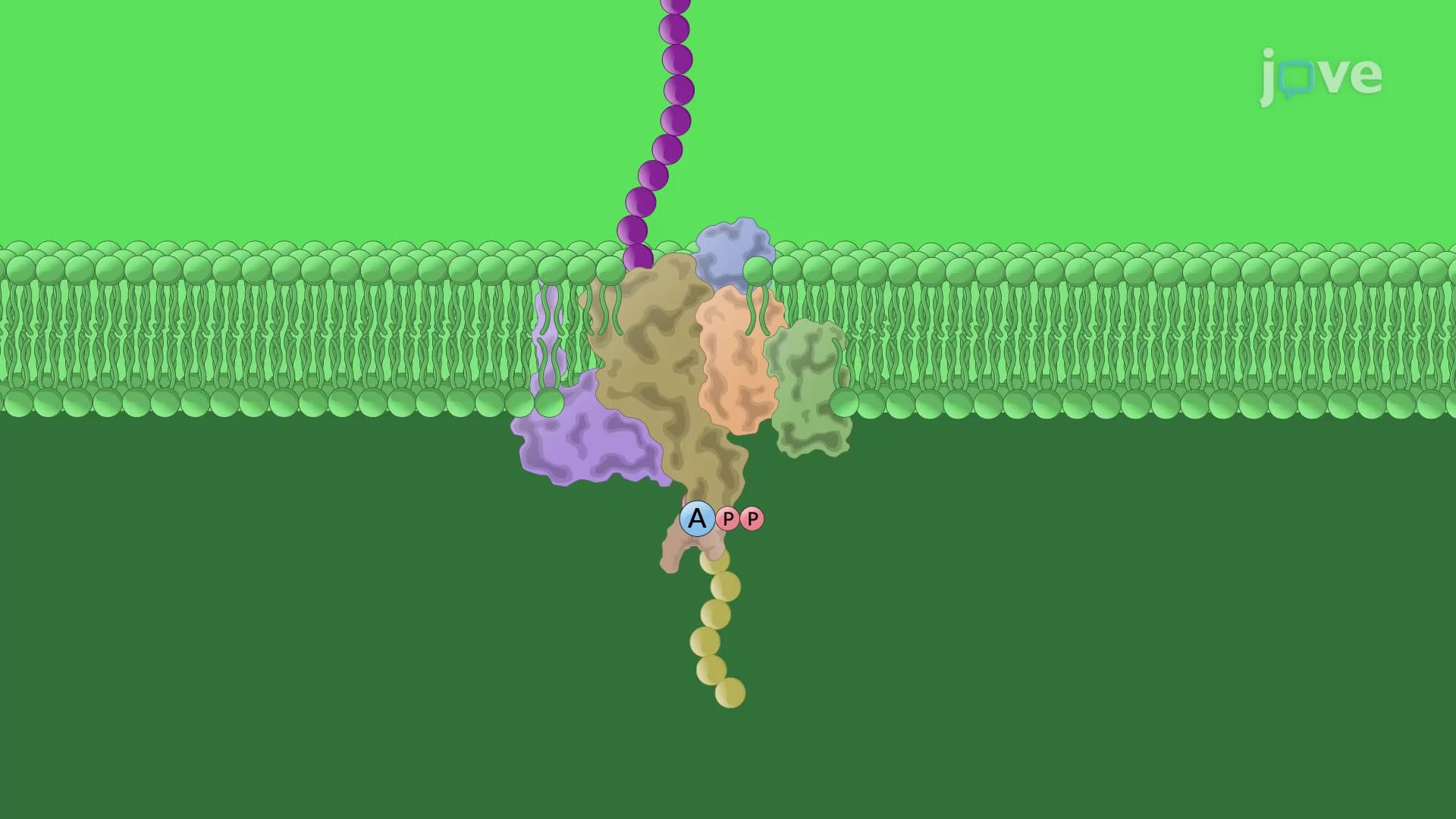
Cytosolic chaperone and co-chaperone complexes play crucial roles in precursor protein transport. These molecular assistants use ATP energy to maintain precursors in unfolded, transport-competent states. Without chaperone support, precursor proteins would aggregate in the cytoplasm, preventing successful mitochondrial import.
This chaperone-dependent system appears frequently in MCAT biochemistry sections, particularly in questions exploring protein folding and cellular energy requirements. Understanding how ATP powers this process connects mitochondrial biogenesis to broader metabolic themes.
Defects in mitochondrial precursor protein import contribute to numerous human diseases. Researchers at institutions like Johns Hopkins and the Mayo Clinic have identified mutations affecting import machinery in patients with mitochondrial myopathies and neurodegenerative disorders. These discoveries highlight the clinical importance of understanding basic mitochondrial protein targeting mechanisms.
Related Micro-courses