Loading subject page…


95,436 views

Video Summary: What Is Directionality of Nuclear Transport
Ever wonder how your cells know which proteins belong in the nucleus versus the cytoplasm? The directionality of nuclear transport ensures cellular proteins reach their correct destinations through a sophisticated Ran-GTP gradient system. At Johns Hopkins University, researchers study how this mechanism prevents cellular chaos by maintaining distinct nuclear and cytoplasmic environments. This precise directional control is what keeps your DNA safely compartmentalized while allowing essential proteins to shuttle back and forth as needed. Watch the full video on JoVE Coach to master this concept with expert-led visuals and step-by-step explanations.
The directionality of nuclear transport represents one of cell biology's most elegant regulatory mechanisms. Unlike simple diffusion, nuclear transport requires active, directional control to maintain cellular organization. This system prevents critical nuclear proteins from wandering into the cytoplasm while ensuring cytoplasmic proteins don't inappropriately enter the nucleus.
The master regulator is Ran, a small GTPase that exists in two states: Ran-GTP (active) and Ran-GDP (inactive). Think of Ran as a molecular switch that changes the behavior of transport receptors depending on cellular location.
What makes this system directional is the carefully maintained Ran-GTP gradient. Nuclear concentrations of Ran-GTP are approximately 200-fold higher than cytoplasmic levels. This dramatic difference creates a cellular "GPS system" that determines transport direction.
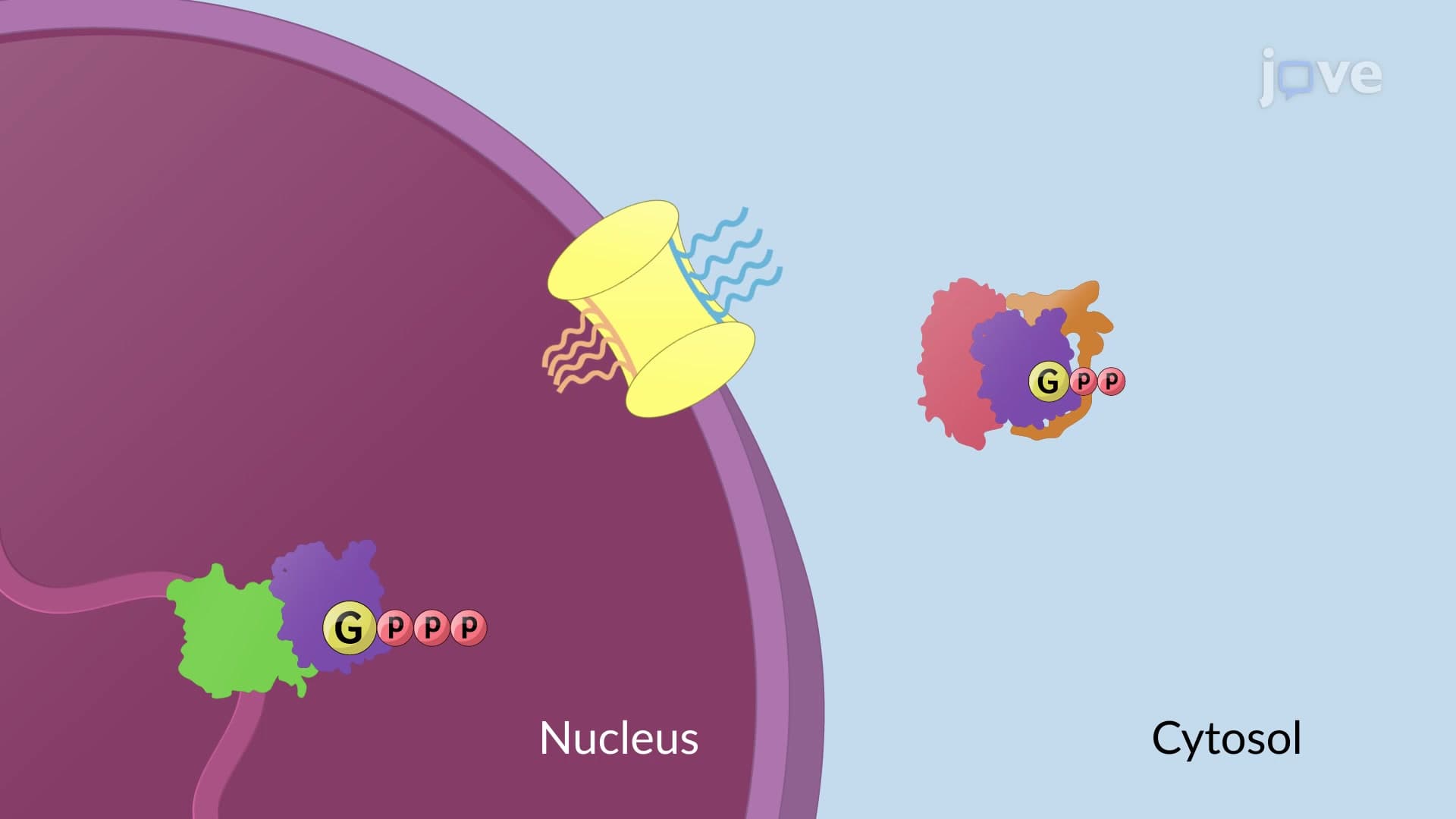
In the nucleus, chromatin-bound Ran-GEF (guanine nucleotide exchange factor) continuously converts Ran-GDP to Ran-GTP. Meanwhile, in the cytoplasm, Ran-GAP (GTPase activating protein) teams up with RanBP1 to rapidly hydrolyze Ran-GTP back to Ran-GDP. This spatial separation of opposing enzymes maintains the critical gradient.
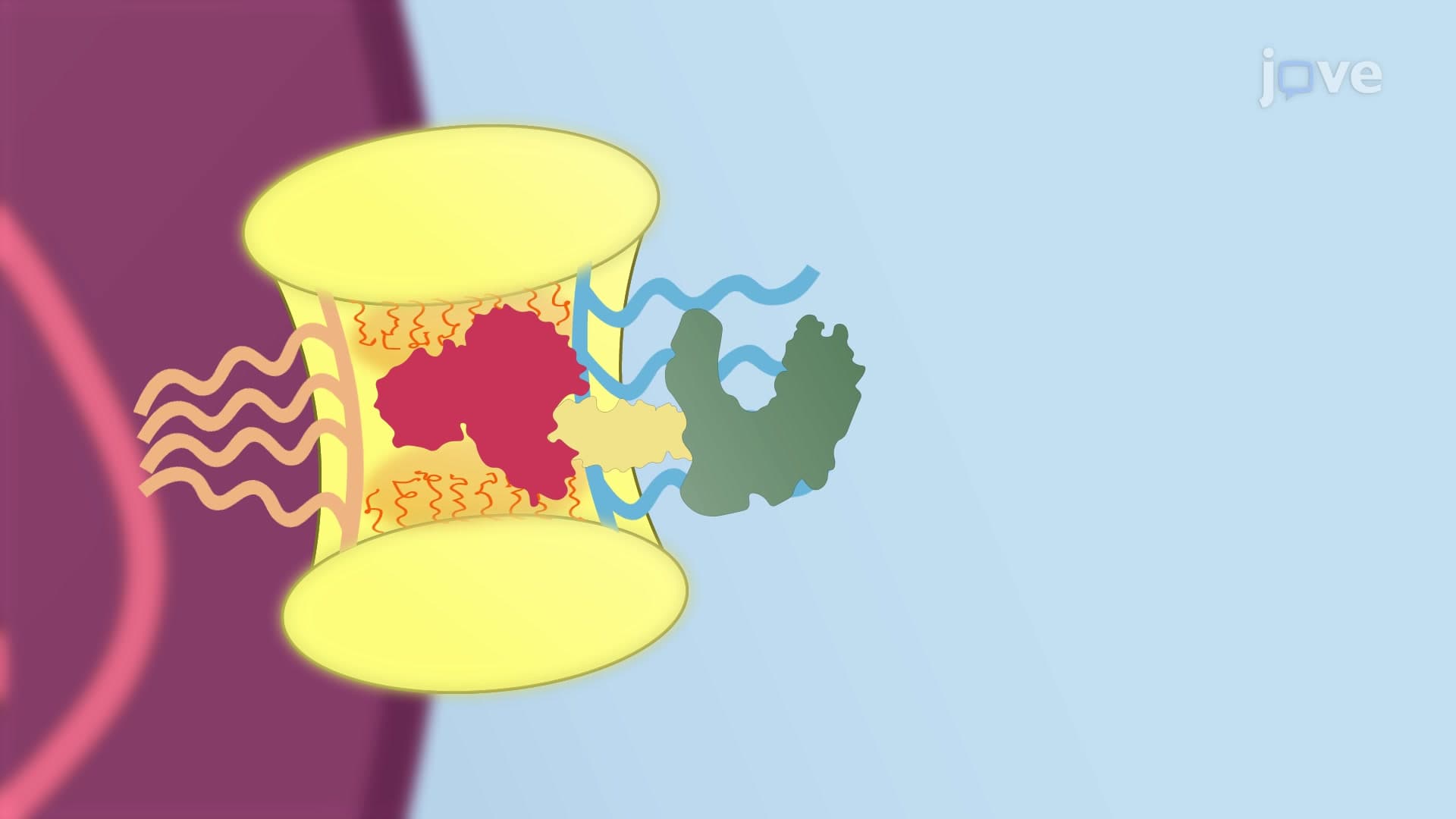
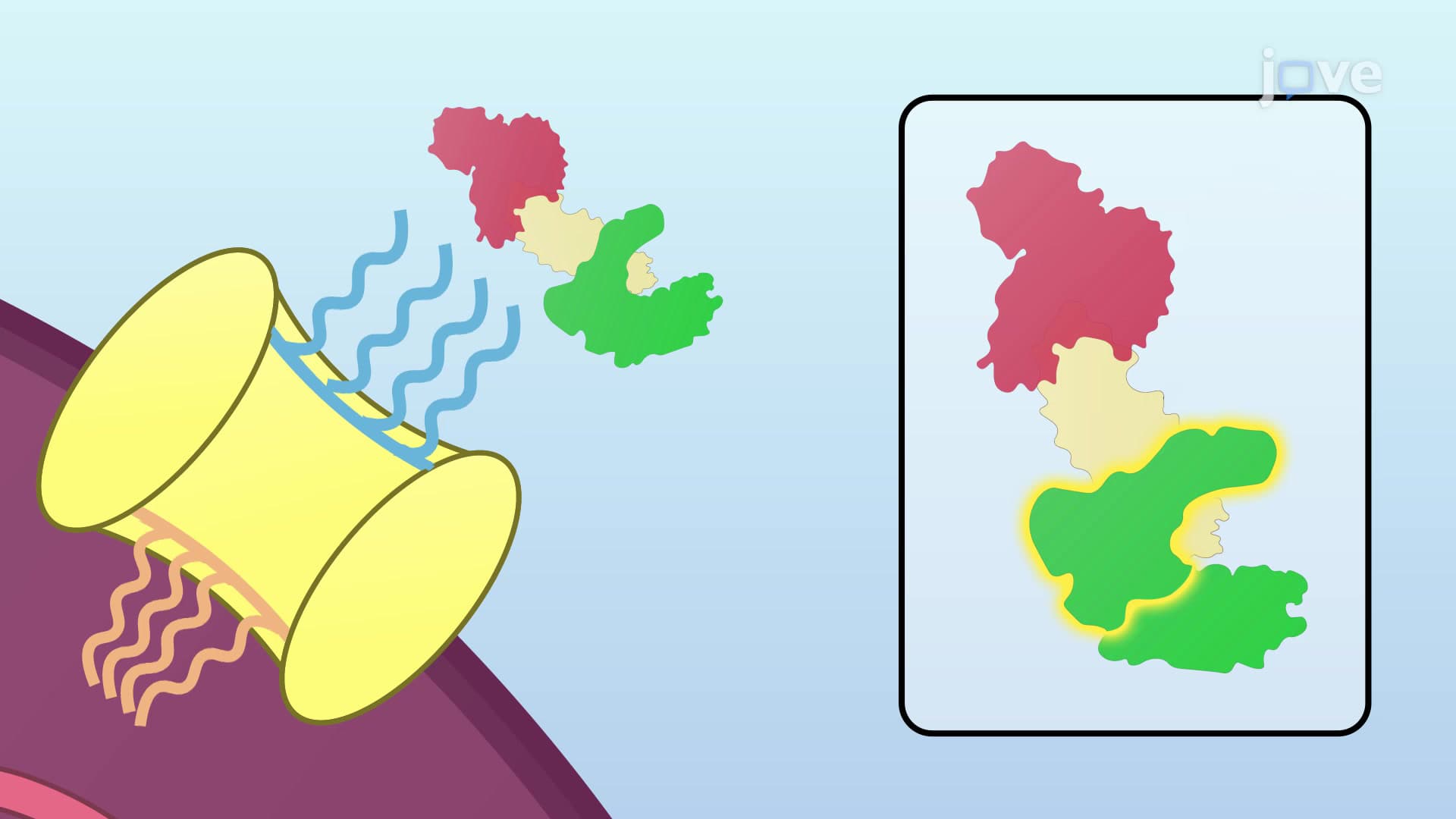
During nuclear import, cytoplasmic importins bind their protein cargo and traverse nuclear pores. Once inside the nucleus, high Ran-GTP concentrations cause importins to release their cargo and bind Ran-GTP instead. The importin-Ran-GTP complex then returns to the cytoplasm, where Ran-GAP triggers GTP hydrolysis, releasing the importin for another round.
This mechanism is crucial for AP Biology students to understand, as it explains how transcription factors reach DNA and how histones assemble on chromosomes.
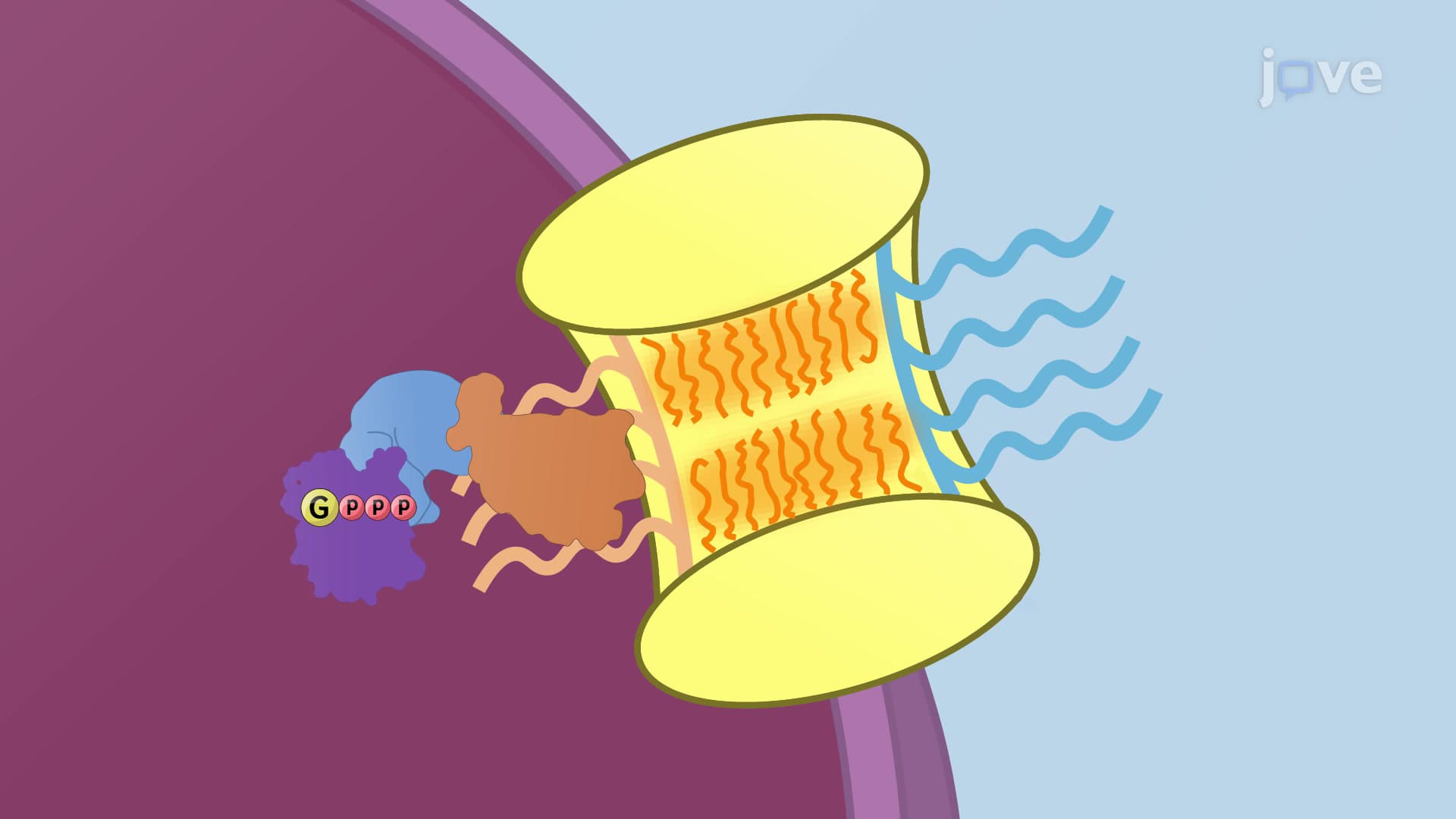
Nuclear export operates through the opposite mechanism. Exportins require Ran-GTP binding to pick up their cargo in the nucleus. The exportin-cargo-Ran-GTP complex travels to the cytoplasm, where Ran-GAP activity causes GTP hydrolysis and cargo release.
Understanding this bidirectional system helps students grasp how mRNA processing factors remain nuclear while mature mRNA transcripts are exported for translation-a concept frequently tested on the MCAT and college cell biology exams.
Related Micro-courses