Loading subject page…


95,436 views

Video Summary: What Is Energy to Drive Translocation
Every cell in your body contains thousands of proteins that must reach their correct destinations to keep you alive-but how do they get there? The energy to drive translocation powers this critical cellular process through two key mechanisms: ATP hydrolysis and electrochemical gradients. Consider how medications like insulin must cross cellular membranes in diabetic patients-similar energy-dependent transport systems ensure proteins reach mitochondria in every human cell. Watch the full video on JoVE Coach to master this concept with expert-led visuals and step-by-step explanations.
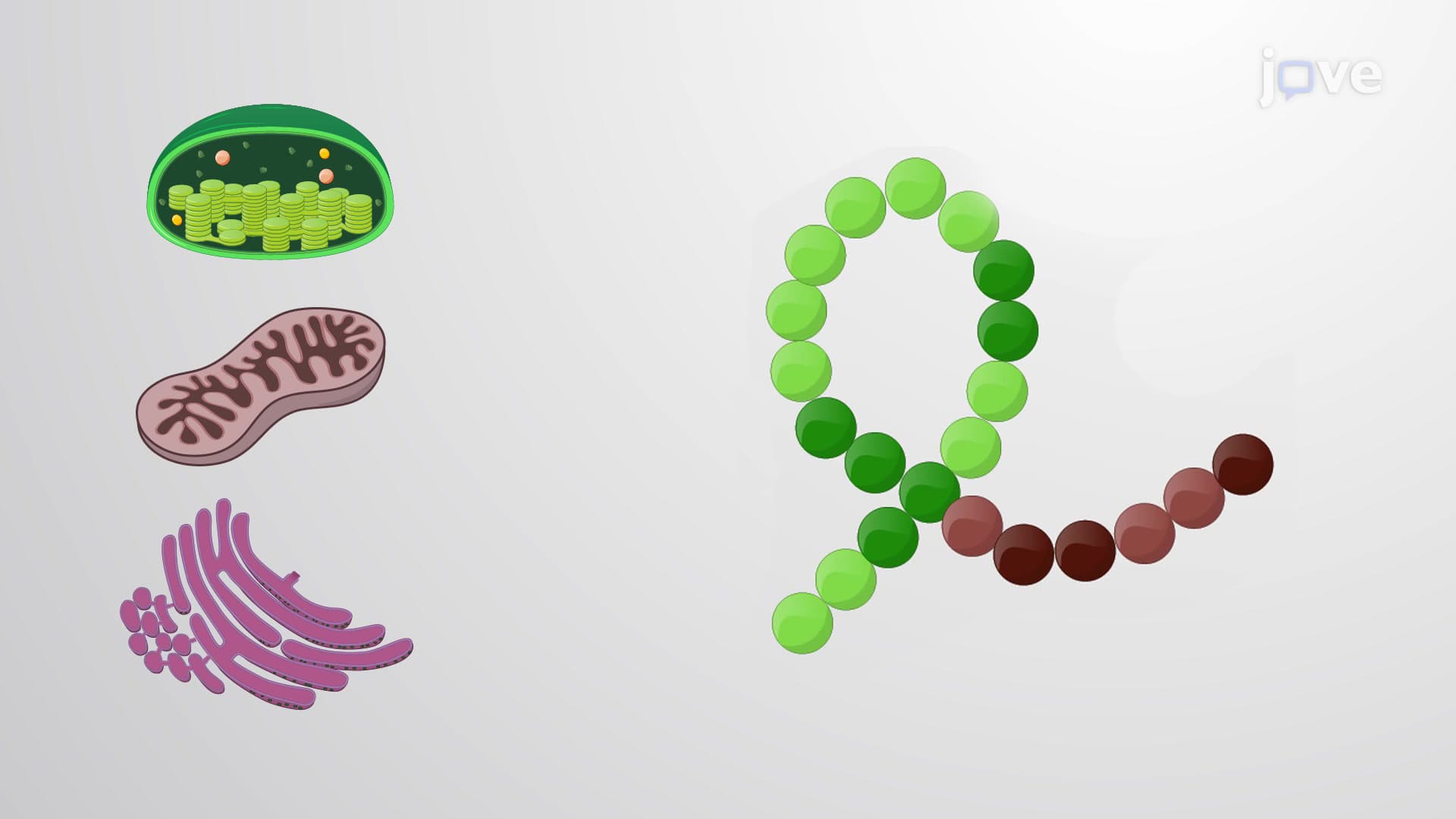
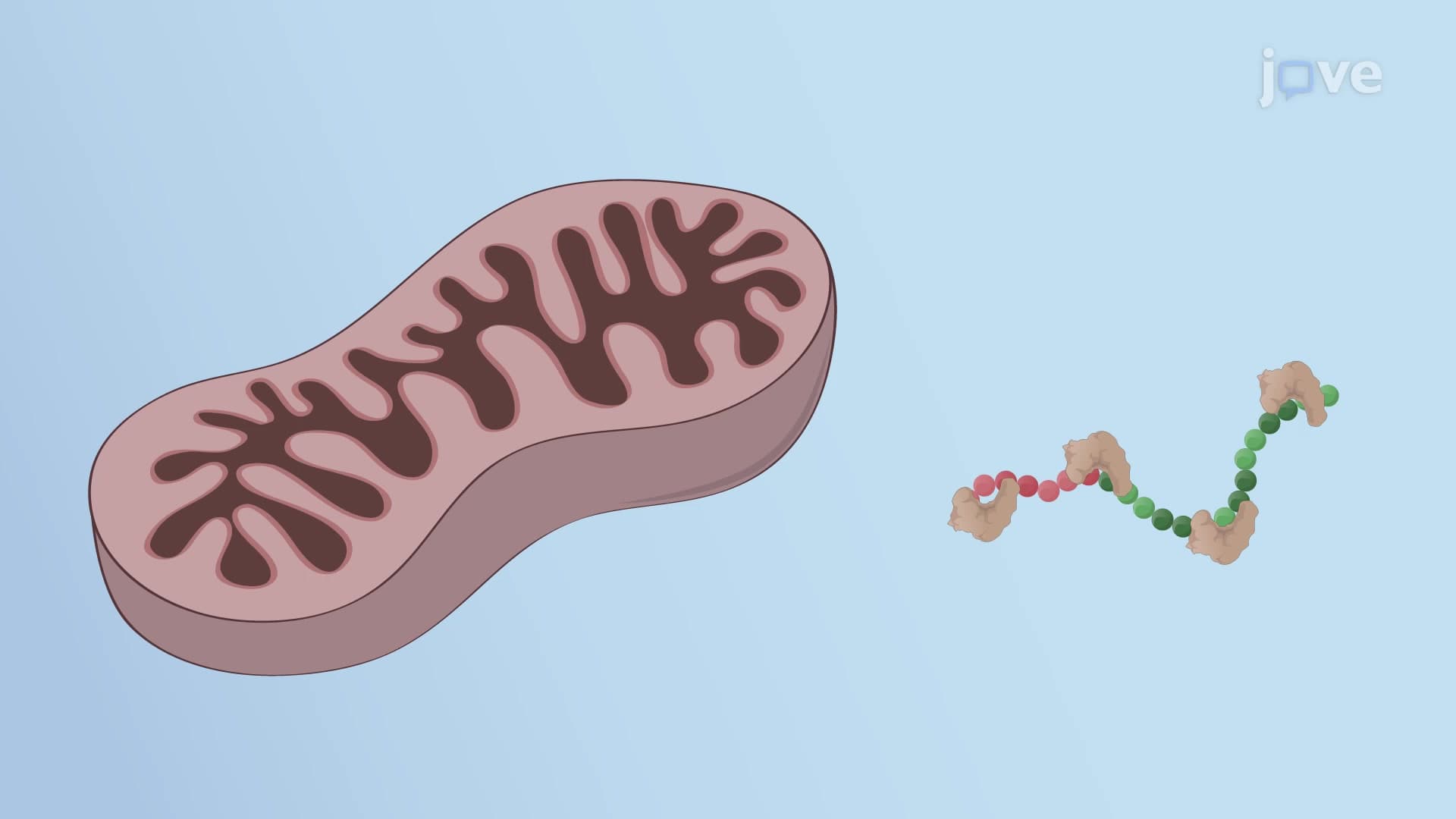
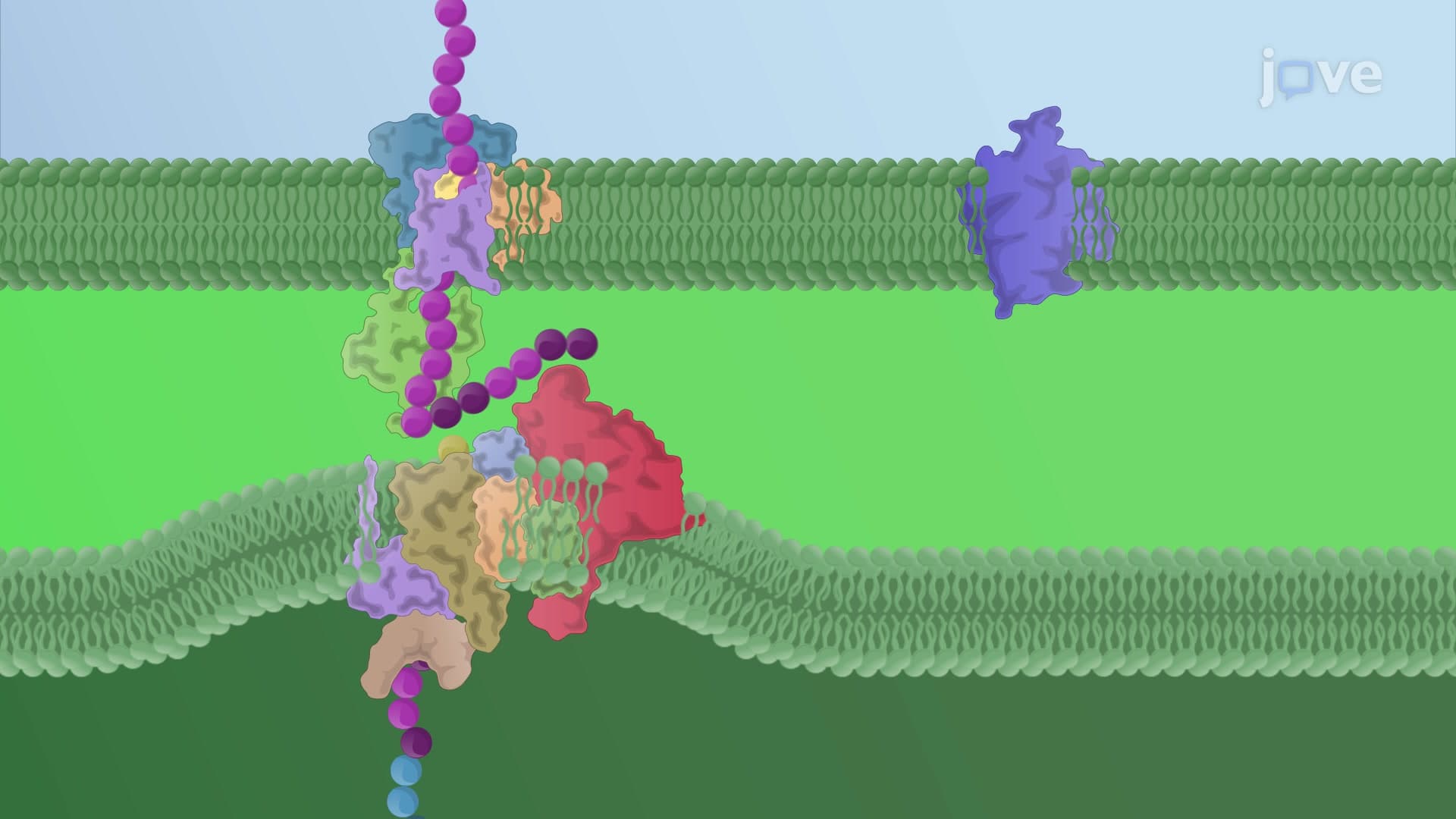
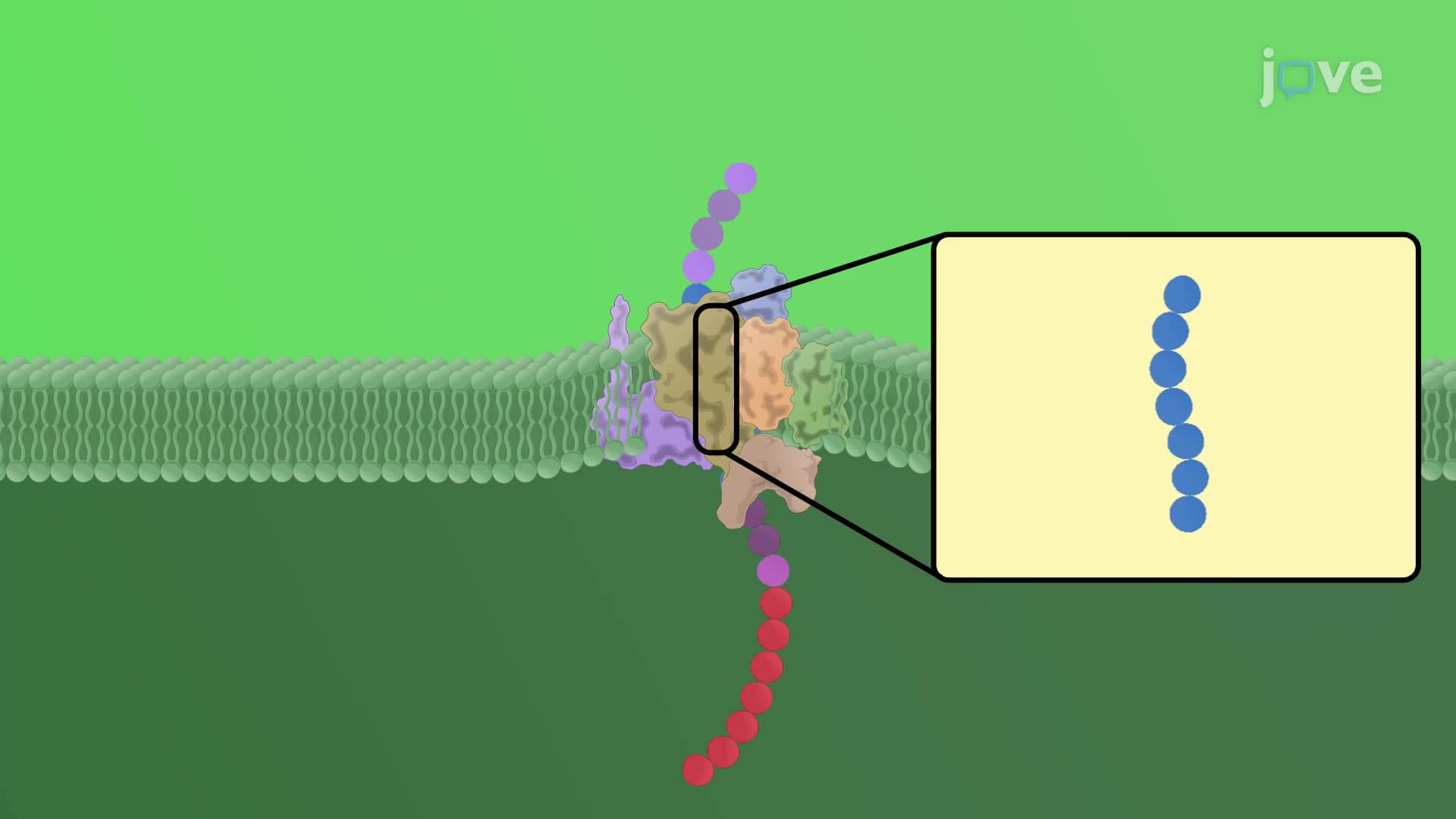
Energy to drive translocation represents the cellular power systems that move proteins across biological membranes, particularly into mitochondria. This process requires precise energy coordination to overcome thermodynamic barriers and ensure proteins reach their functional destinations. In human cells, this translocation system processes thousands of nuclear-encoded proteins daily, making it essential for cellular survival and metabolic function.
The energy requirements stem from the need to unfold proteins, transport them across hydrophobic membrane barriers, and refold them correctly in target compartments. Without adequate energy input, proteins would remain mislocalized, leading to cellular dysfunction and potentially contributing to diseases like Alzheimer's or Parkinson's, where protein misfolding plays crucial roles.
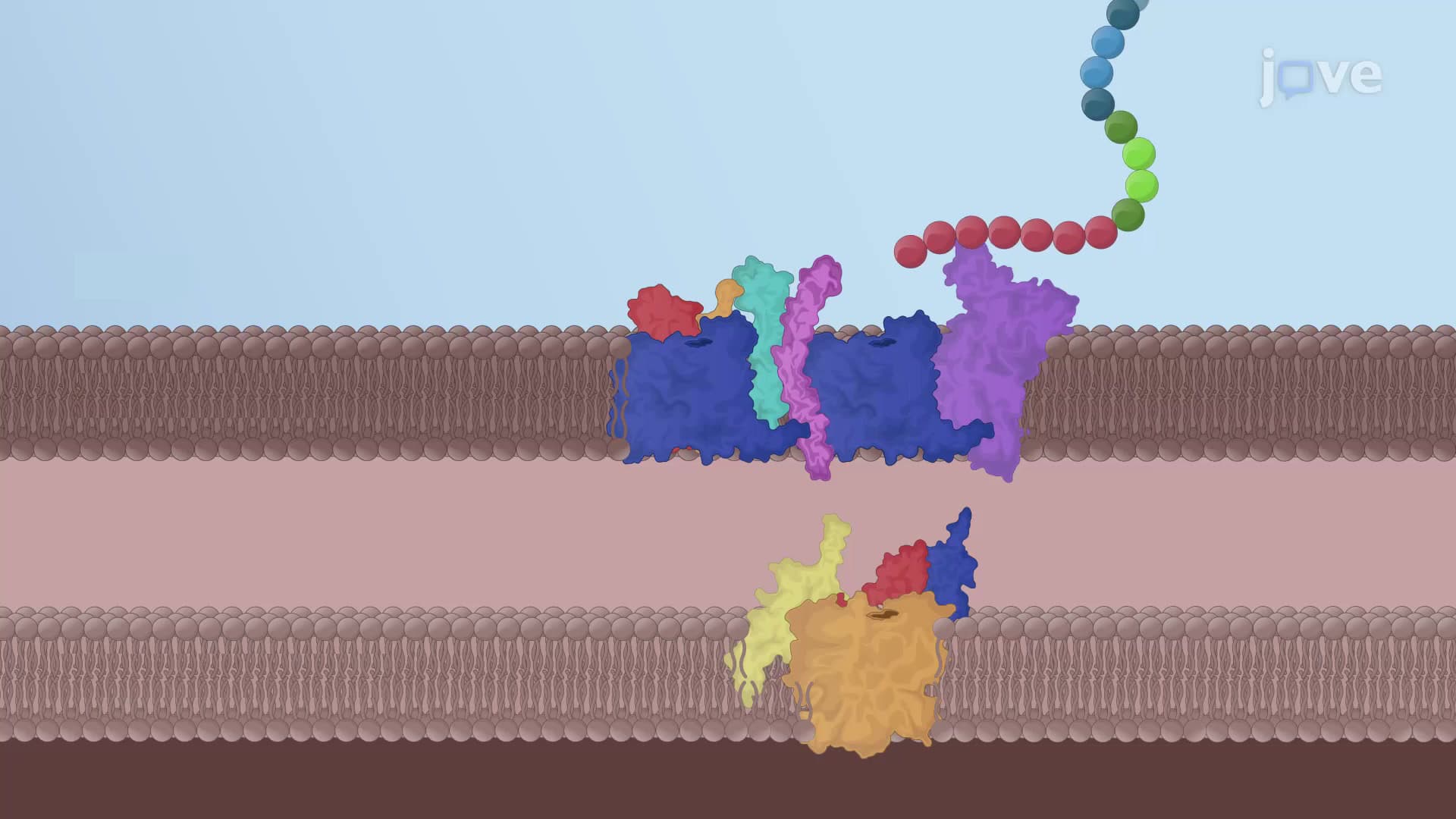
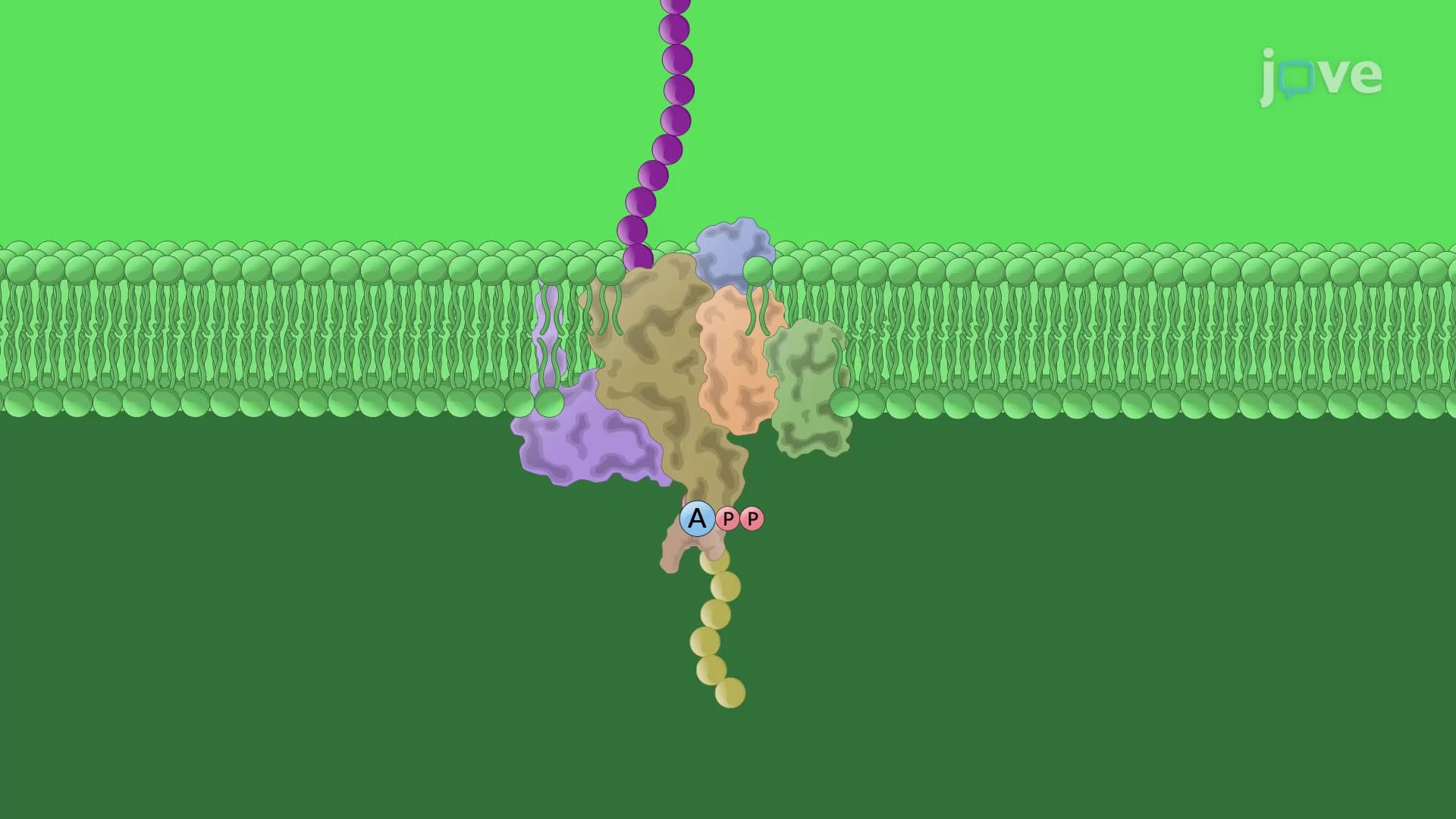
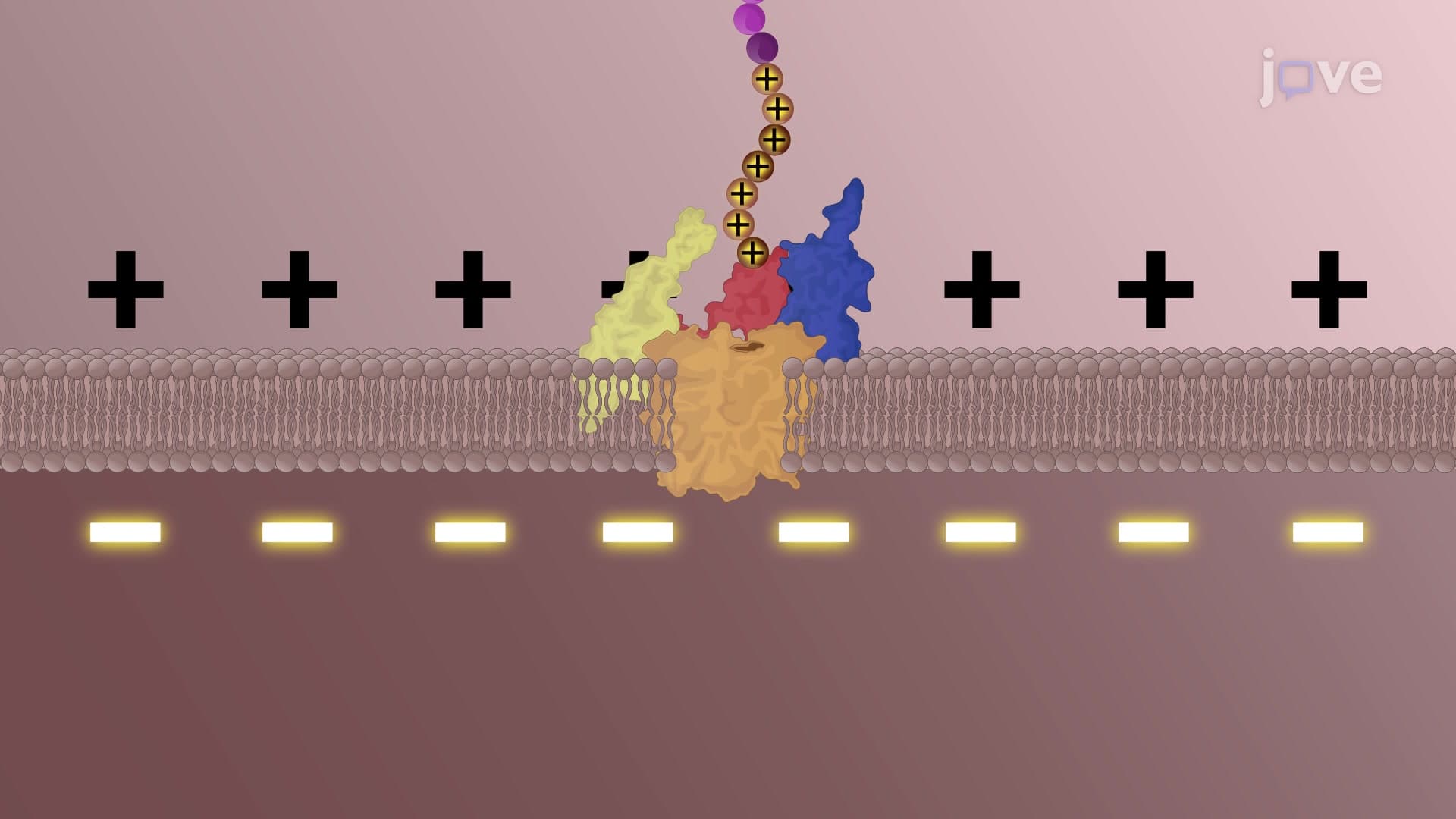
Mitochondrial protein import utilizes two distinct energy currencies working in concert. The electrochemical potential of approximately 200 millivolts across the inner membrane creates the initial driving force. This voltage gradient, maintained by the electron transport chain, specifically attracts positively charged presequences found on mitochondrial proteins. Think of this like a cellular magnet-the negative interior pulls positive protein signals inward.
The second energy source involves ATP hydrolysis coupled to Hsp70 chaperone function. These molecular machines consume ATP to undergo conformational changes that grip, pull, and release incoming proteins. This ATP-dependent mechanism ensures directional transport and prevents protein backsliding-critical for maintaining translocation efficiency.
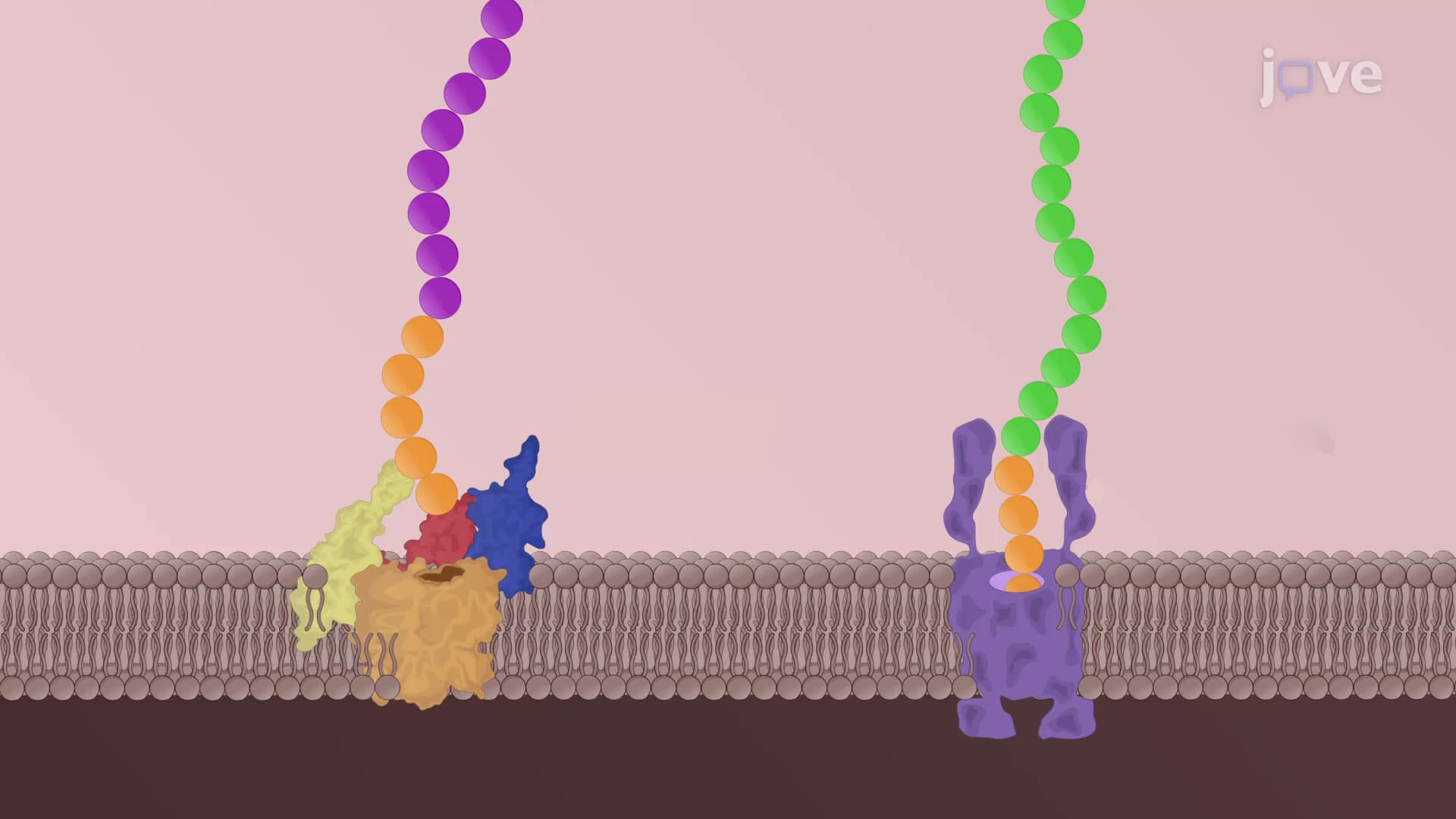
Two mechanistic models explain how ATP powers protein translocation through TIM channels. The thermal ratchet model describes a process where proteins naturally fluctuate back and forth across the membrane due to thermal motion. Hsp70 molecules strategically bind when ATP hydrolyzes, creating molecular "brakes" that prevent backward movement while allowing forward progress.
The cross-bridge ratchet model proposes a more active pulling mechanism. Here, Hsp70 directly associates with TIM channels and undergoes ATP-induced conformational changes to actively grasp and pull proteins through. ATP binding causes Hsp70 to latch onto emerging polypeptides, while ATP hydrolysis locks this interaction, creating a power stroke that drags the remaining protein through the channel.
Understanding translocation energetics proves essential for MCAT biochemistry sections, AP Biology cellular respiration units, and college-level cell biology courses. Students frequently encounter this topic when studying mitochondrial biogenesis, protein trafficking disorders, or metabolic diseases. Research institutions like Johns Hopkins and MIT actively investigate translocation mechanisms for developing therapies targeting protein misfolding diseases.
Related Micro-courses