Loading subject page…


95,419 views

Video Summary: What Is Mitochondrial Protein Sorting
Did you know that every cell in your body contains hundreds of proteins that must travel from their birthplace to tiny cellular powerhouses to keep you alive? Mitochondrial protein sorting is the sophisticated cellular process that ensures proteins reach their correct destinations within mitochondria. Consider how patients with mitochondrial diseases at Johns Hopkins Hospital often have defects in this very process, leading to energy production problems. What is mitochondrial protein sorting becomes crucial when understanding cellular energy metabolism and human disease. Watch the full video on JoVE Coach to master this concept with expert-led visuals and step-by-step explanations.
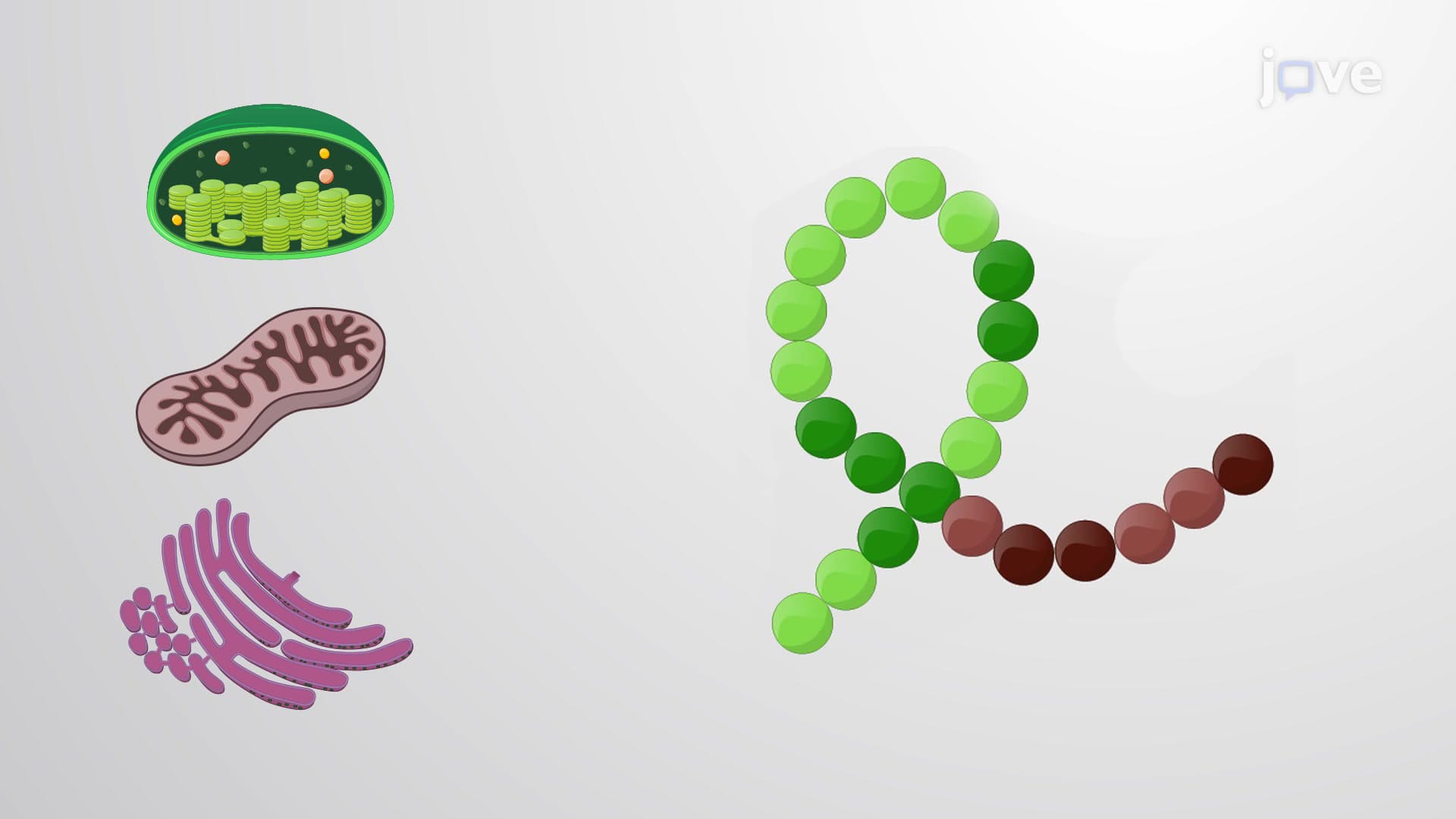
Mitochondrial protein sorting represents one of cellular biology's most elegant quality control systems. Unlike other organelles that can synthesize some of their own proteins, mitochondria depend almost entirely on nuclear genes for their protein supply. This creates a fascinating logistical challenge: how do approximately 1,000 different proteins find their way to the right mitochondrial compartment?
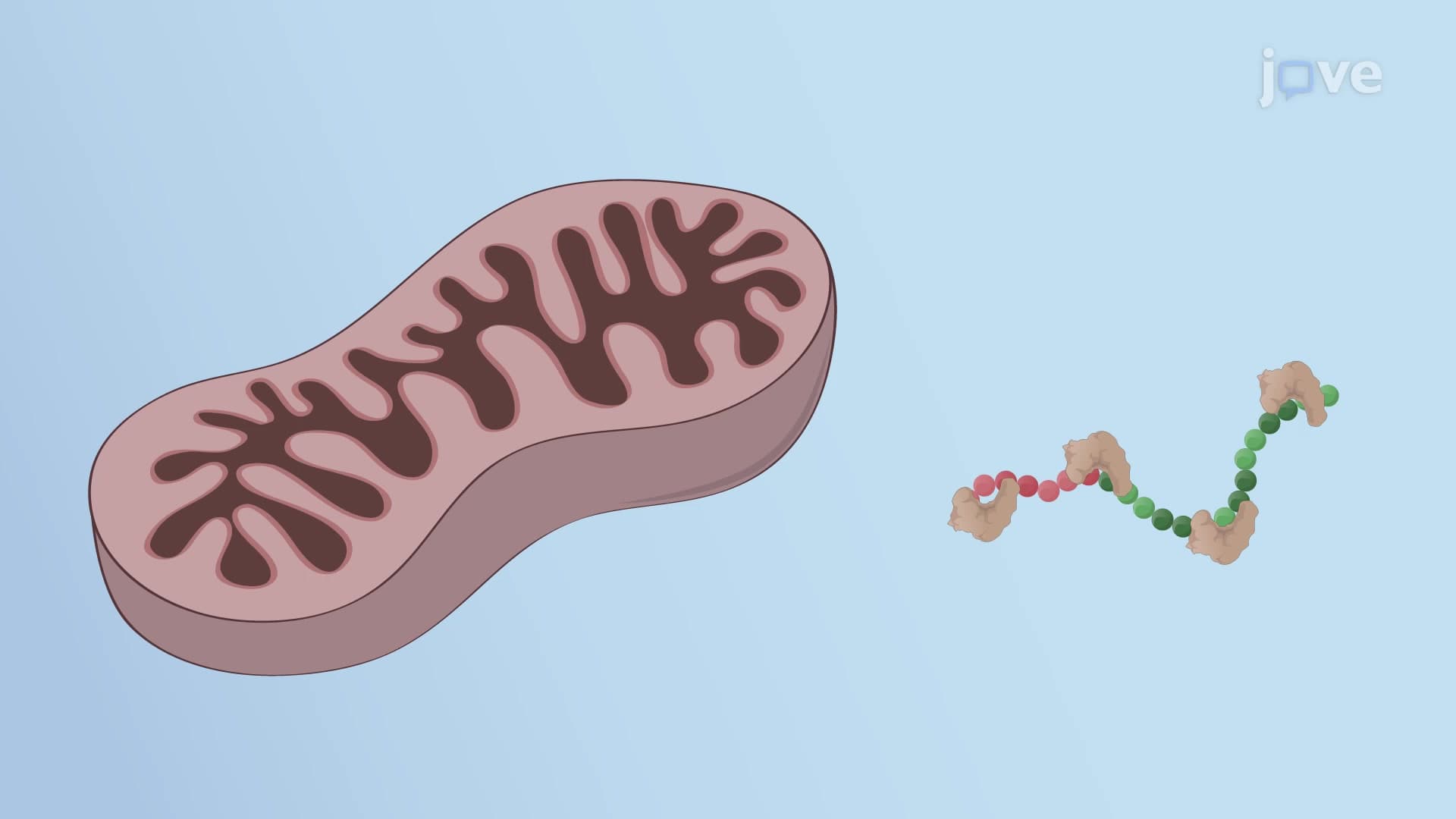
The process begins in the cytosol, where ribosomes synthesize mitochondrial proteins as precursor proteins. These precursors contain special "address labels" called signal sequences-typically 15-50 amino acids long-that function like ZIP codes directing proteins to specific mitochondrial destinations. Students preparing for the AP Biology exam should note that this represents a key example of protein targeting mechanisms.
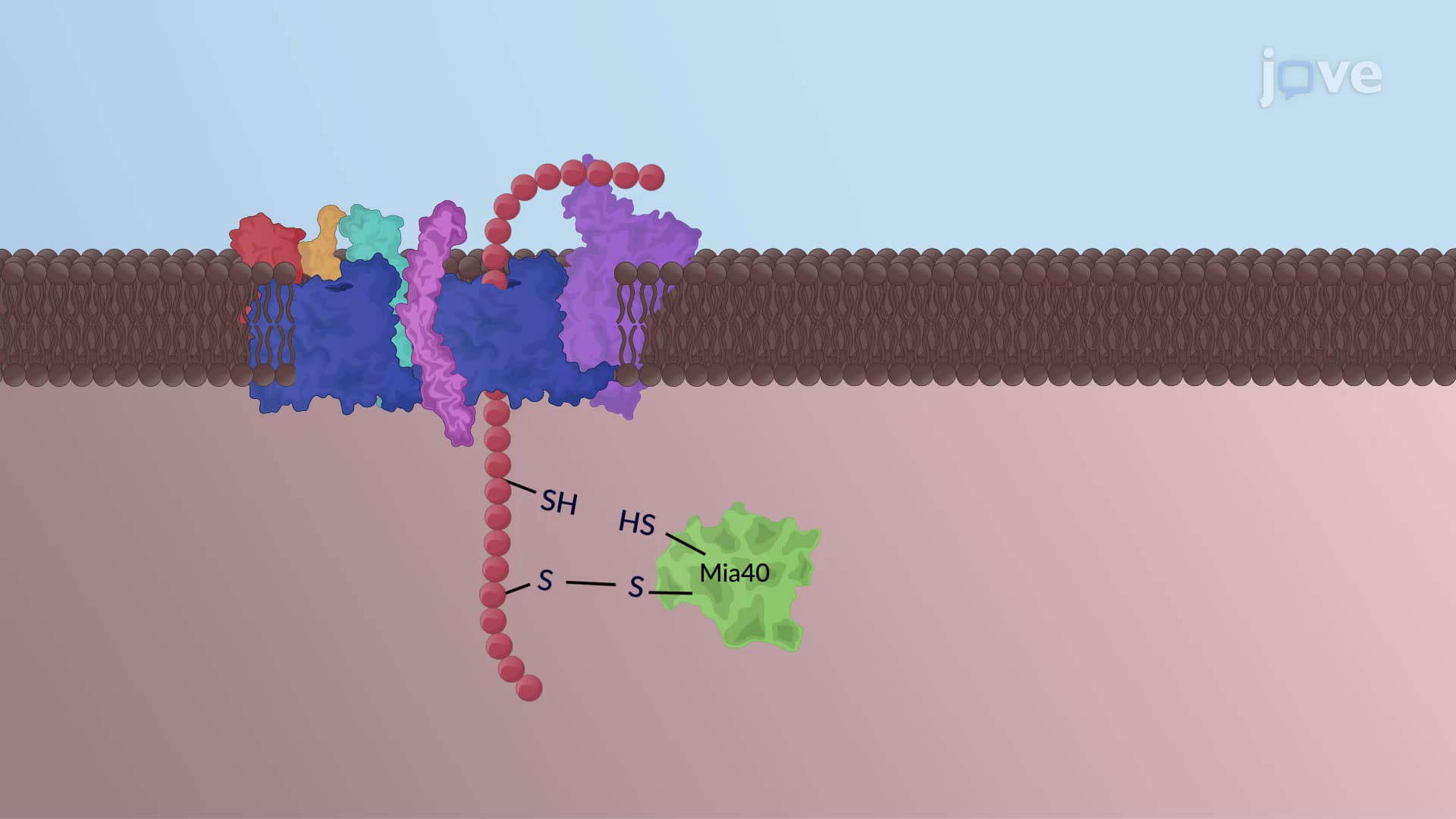
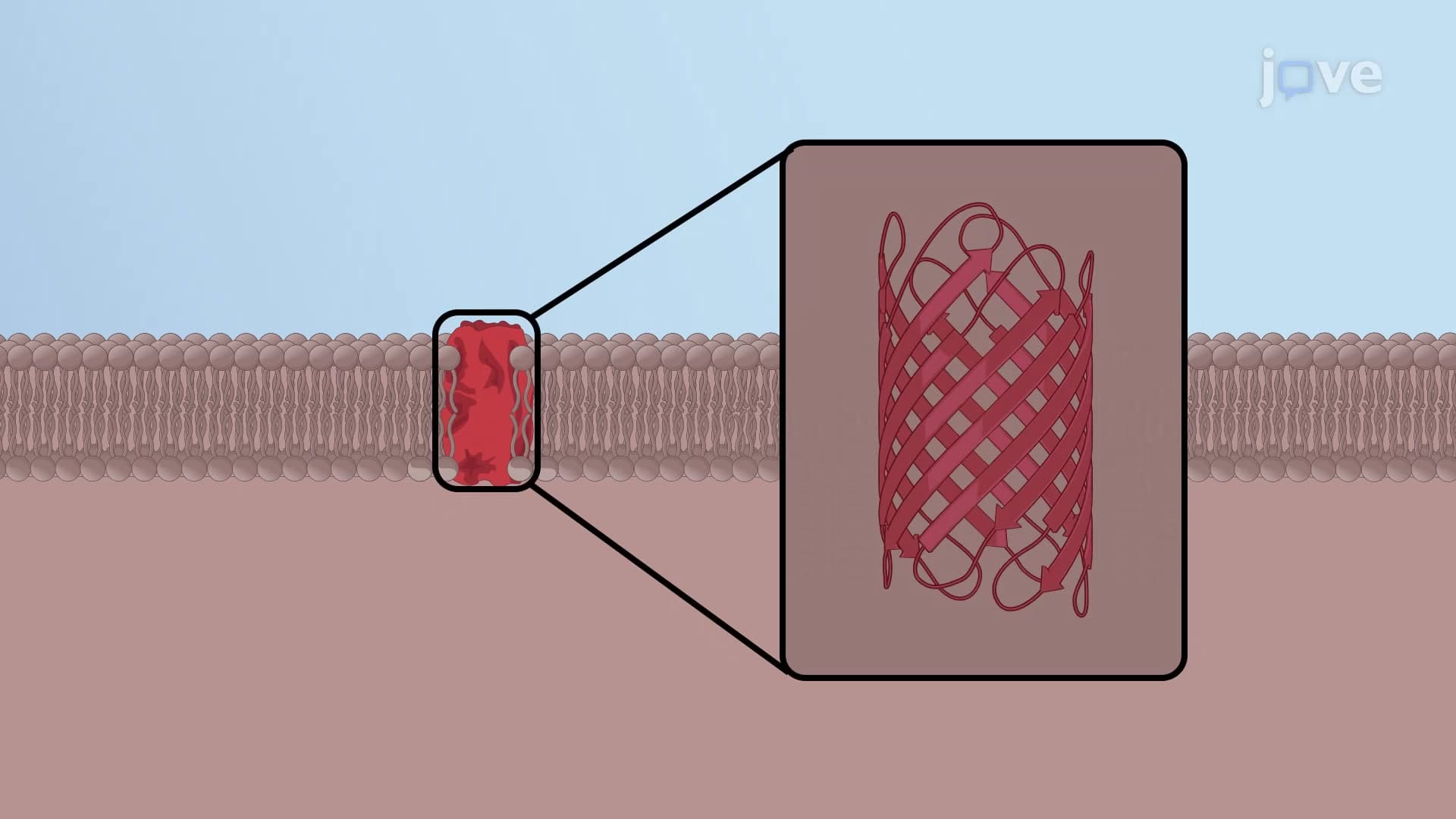
The mitochondrial protein sorting overview centers on two major protein complexes. The TOM (Translocase of Outer Membrane) complex serves as the primary entry point, functioning like a cellular security checkpoint. This barrel-shaped structure contains specialized import receptors that recognize different types of signal sequences. For MCAT preparation, remember that TOM complexes are found in all cell types, from muscle cells in athletes at Stanford University's sports medicine clinic to neurons studied at Harvard Medical School.
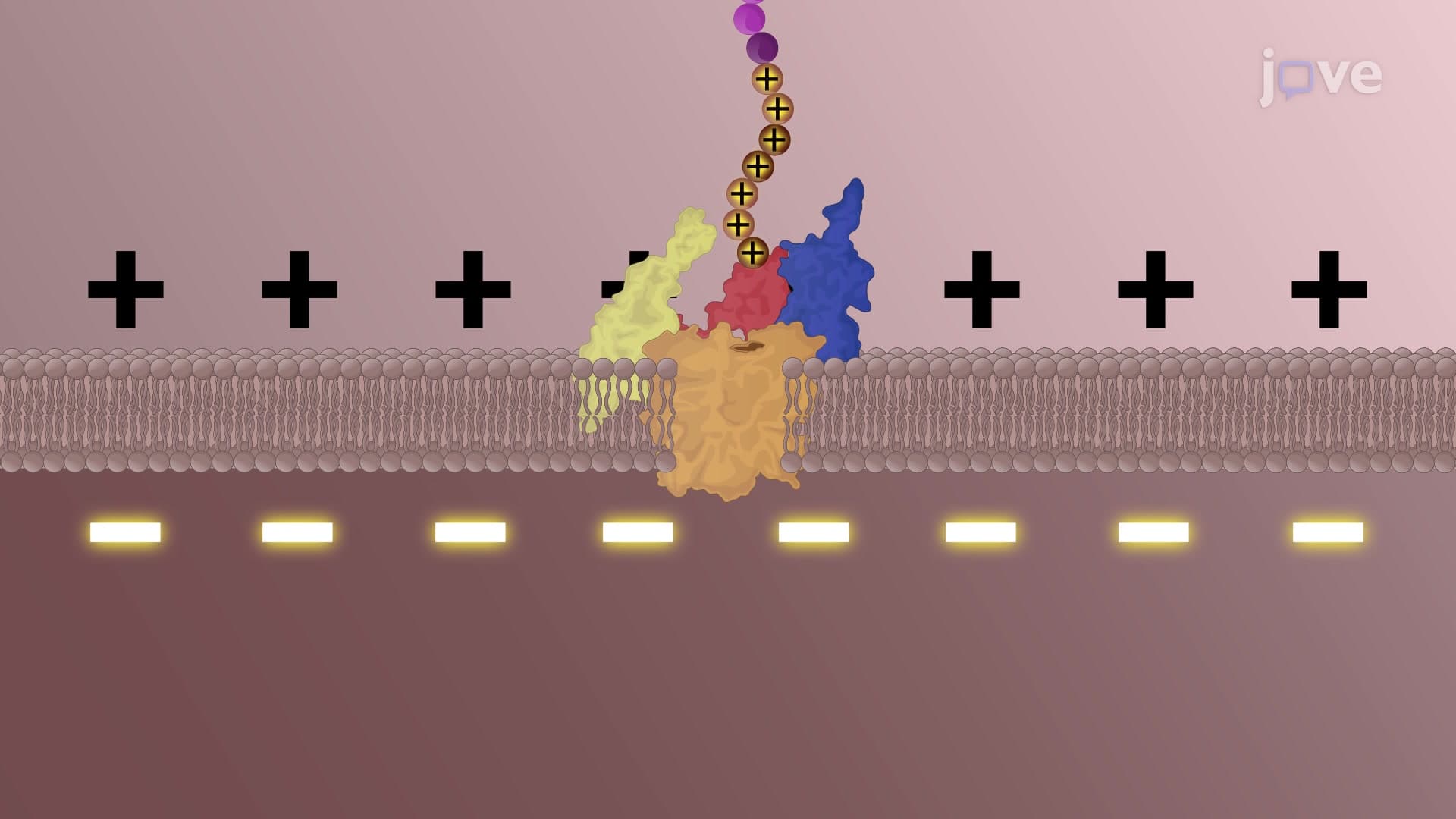
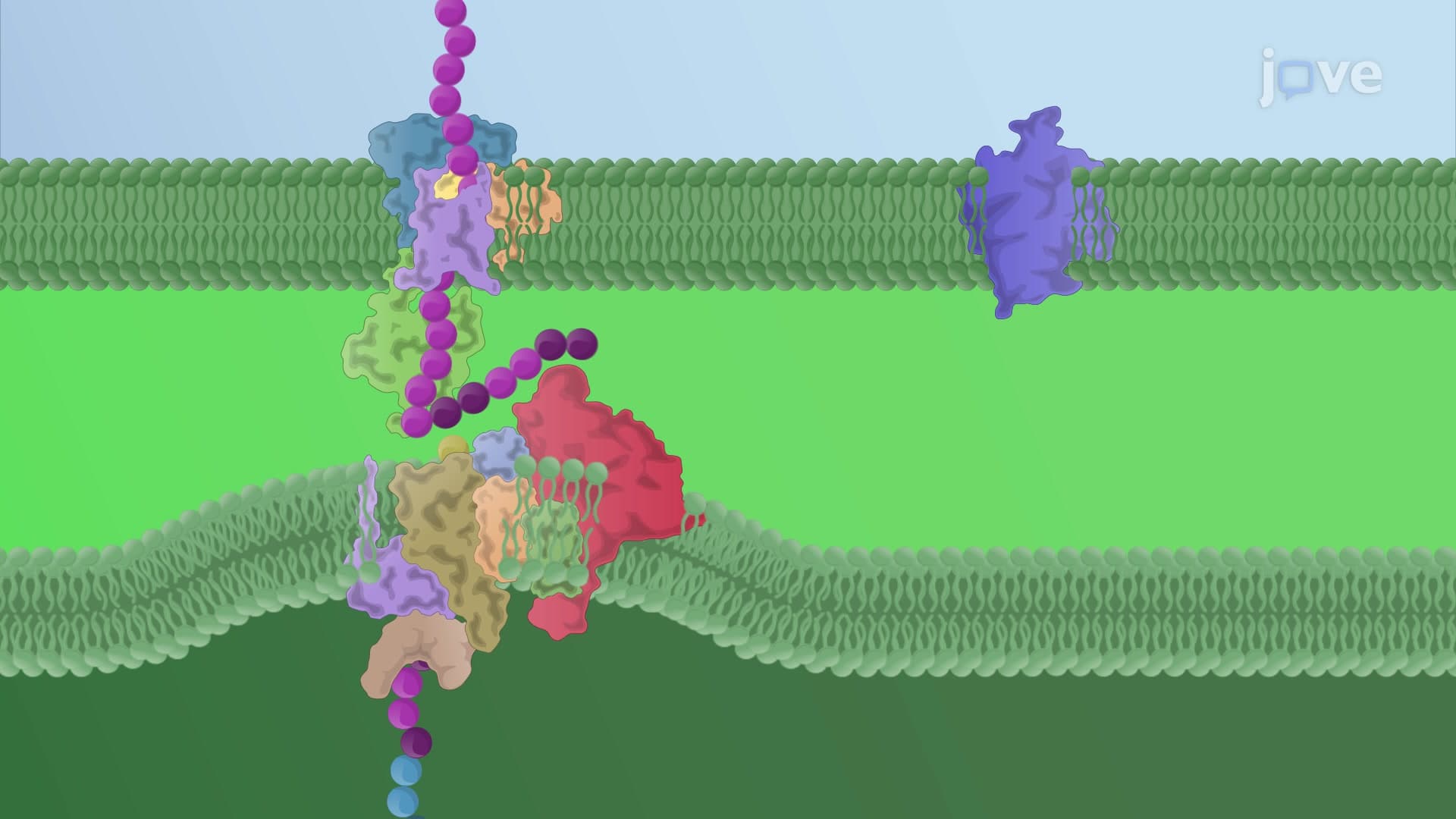
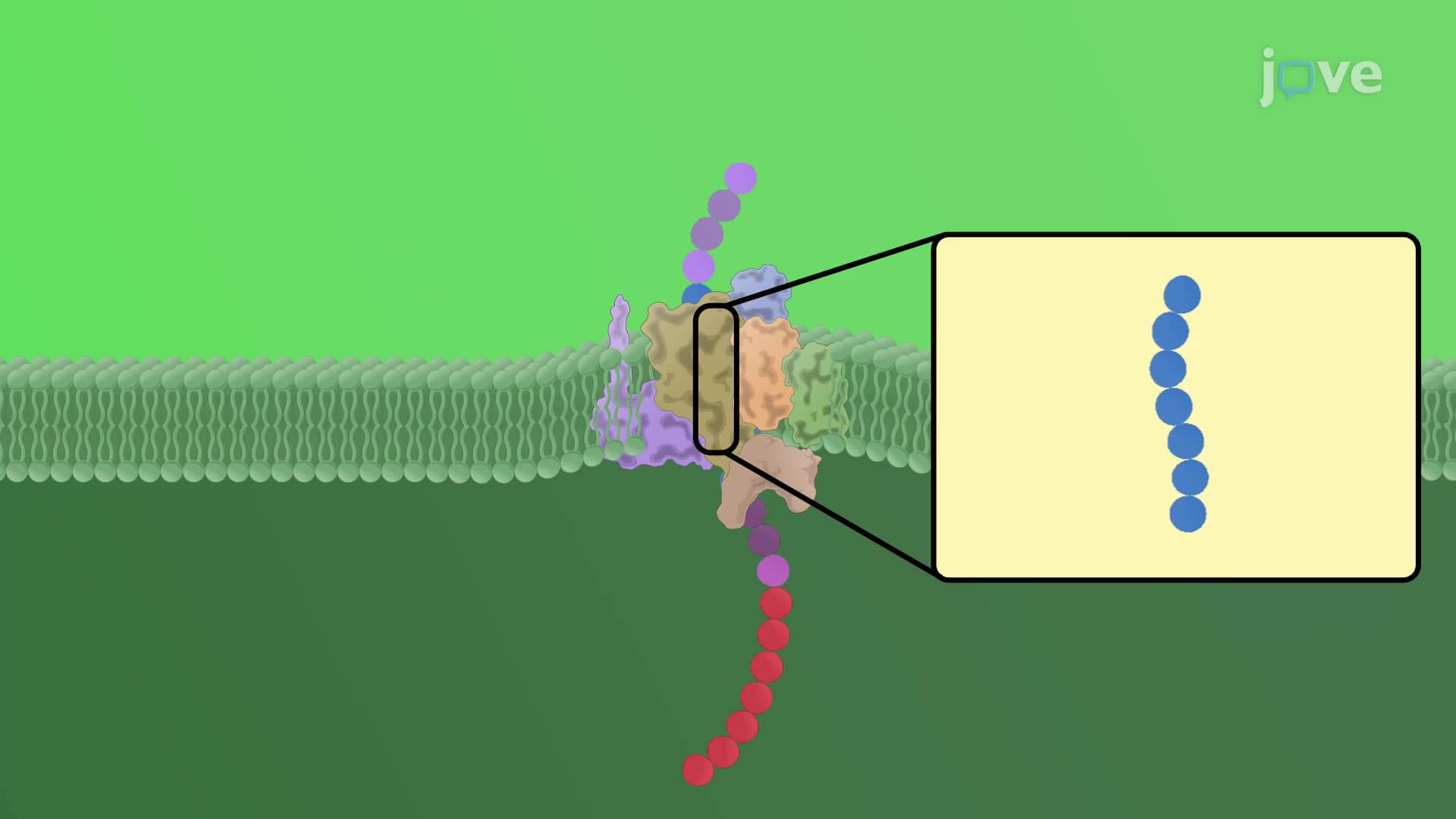
Once through the outer membrane, the mitochondrial protein sorting basics involve TIM (Translocase of Inner Membrane) complexes. TIM23 handles proteins destined for the mitochondrial matrix, while TIM22 specializes in inserting proteins into the inner membrane itself. This process requires significant energy investment-both ATP hydrolysis and the electrochemical gradient across the inner membrane drive protein translocation.
Understanding mitochondrial protein sorting concepts has direct medical implications. Researchers at the Mayo Clinic have identified numerous human diseases caused by defective protein import, including certain forms of cardiomyopathy and neurodegenerative disorders. For students taking college biochemistry courses, this connection between basic cellular mechanisms and human pathology exemplifies why molecular details matter in healthcare.
The mitochondrial protein sorting study guide applications extend beyond medicine. Biotechnology companies in California's Silicon Valley engineer modified signal sequences to improve protein expression in research applications, while pharmaceutical companies study these pathways to develop targeted therapies for mitochondrial diseases.
Related Micro-courses