Loading subject page…

Micro-course: Intracellular Compartments and Protein Sorting
95,414 views
Learn key concepts and earn your certificate.




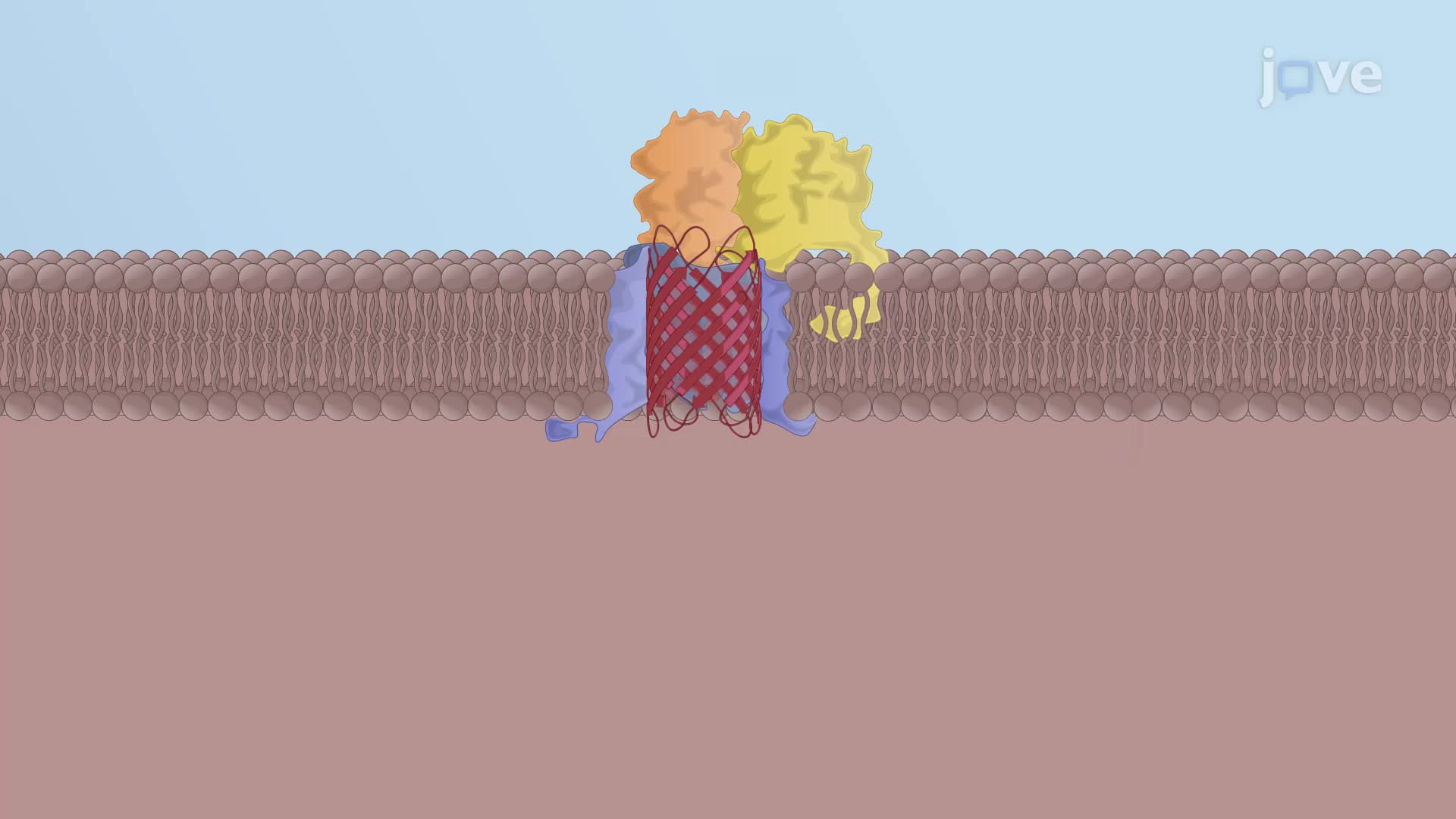
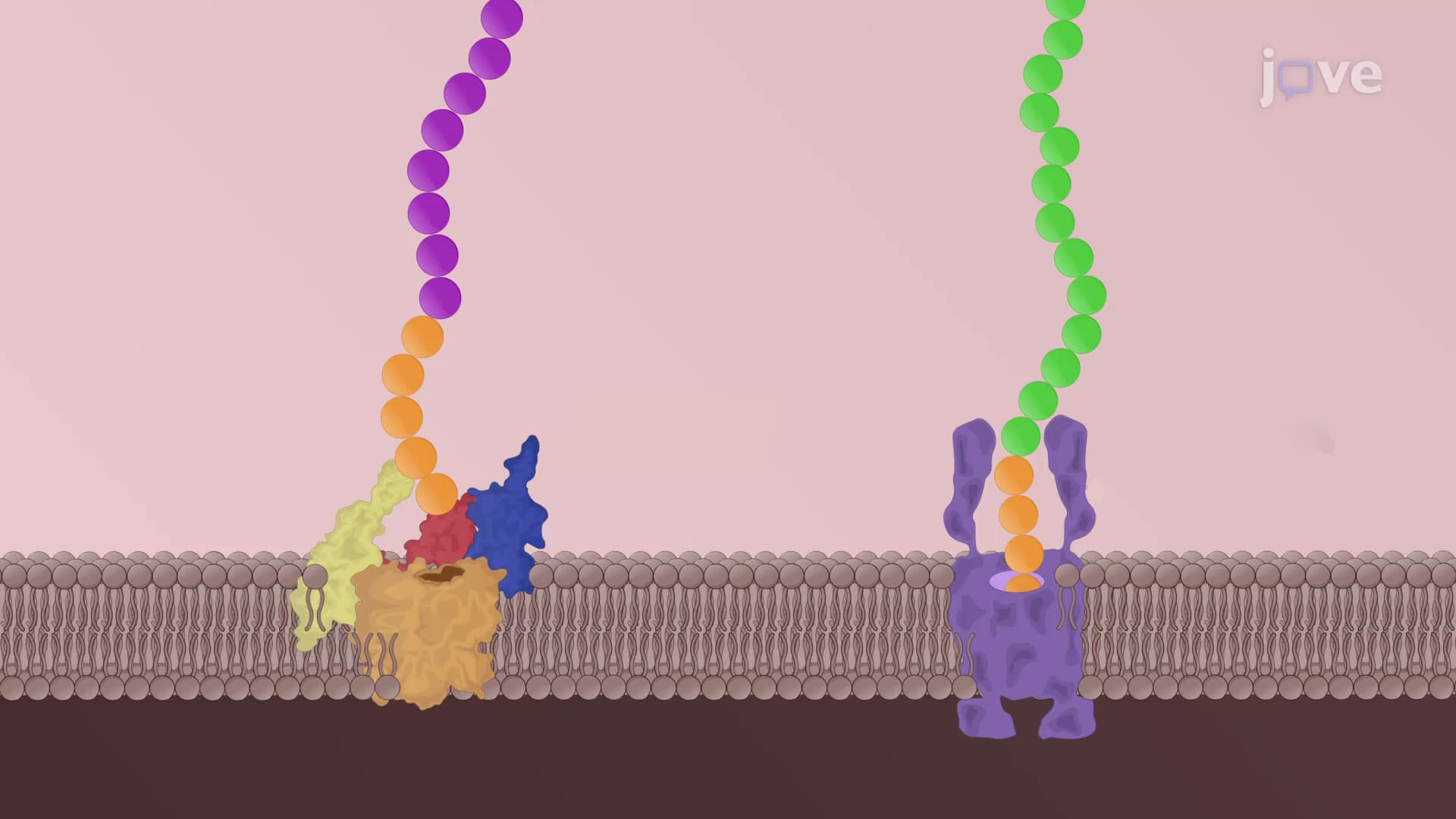

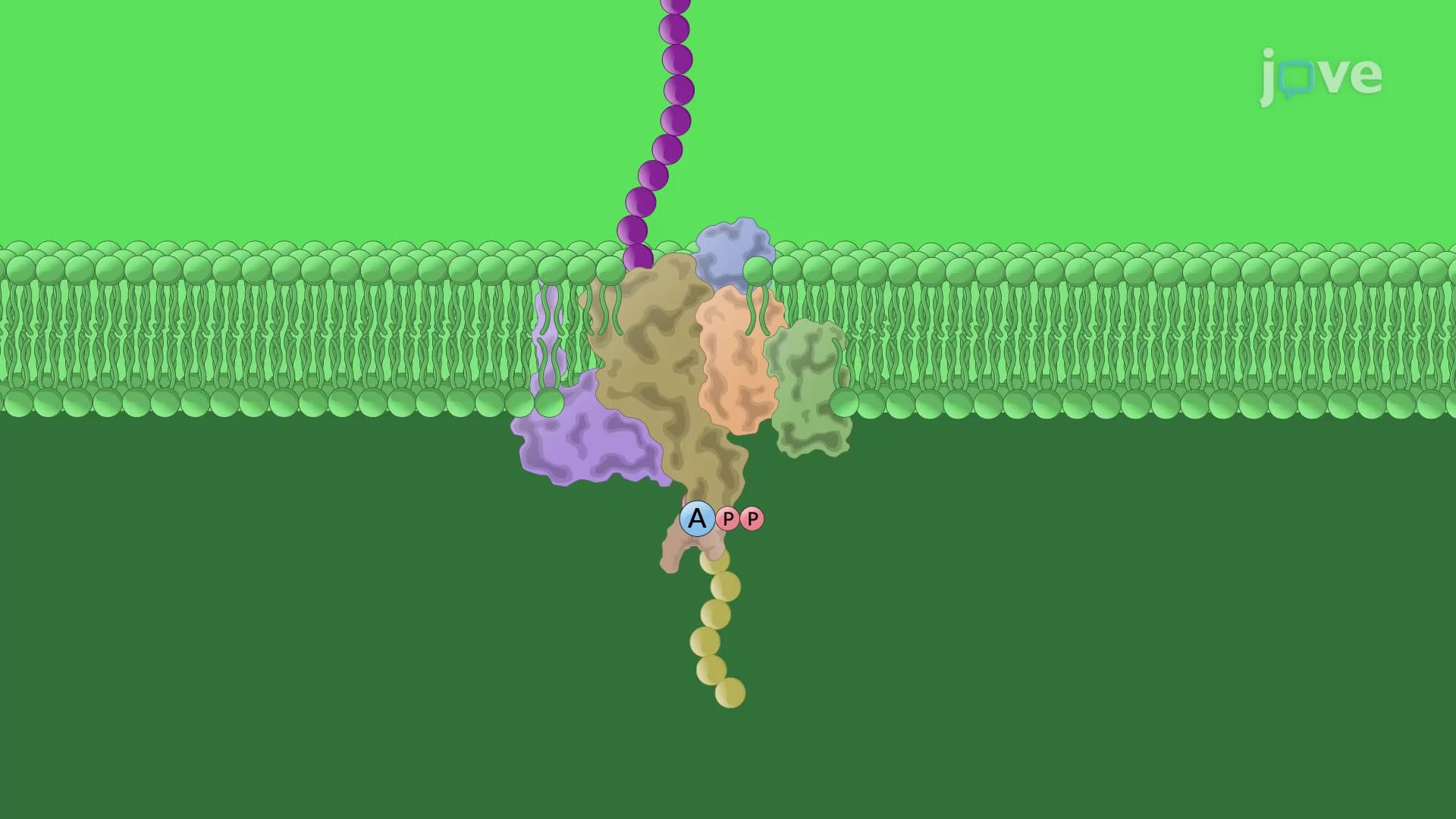
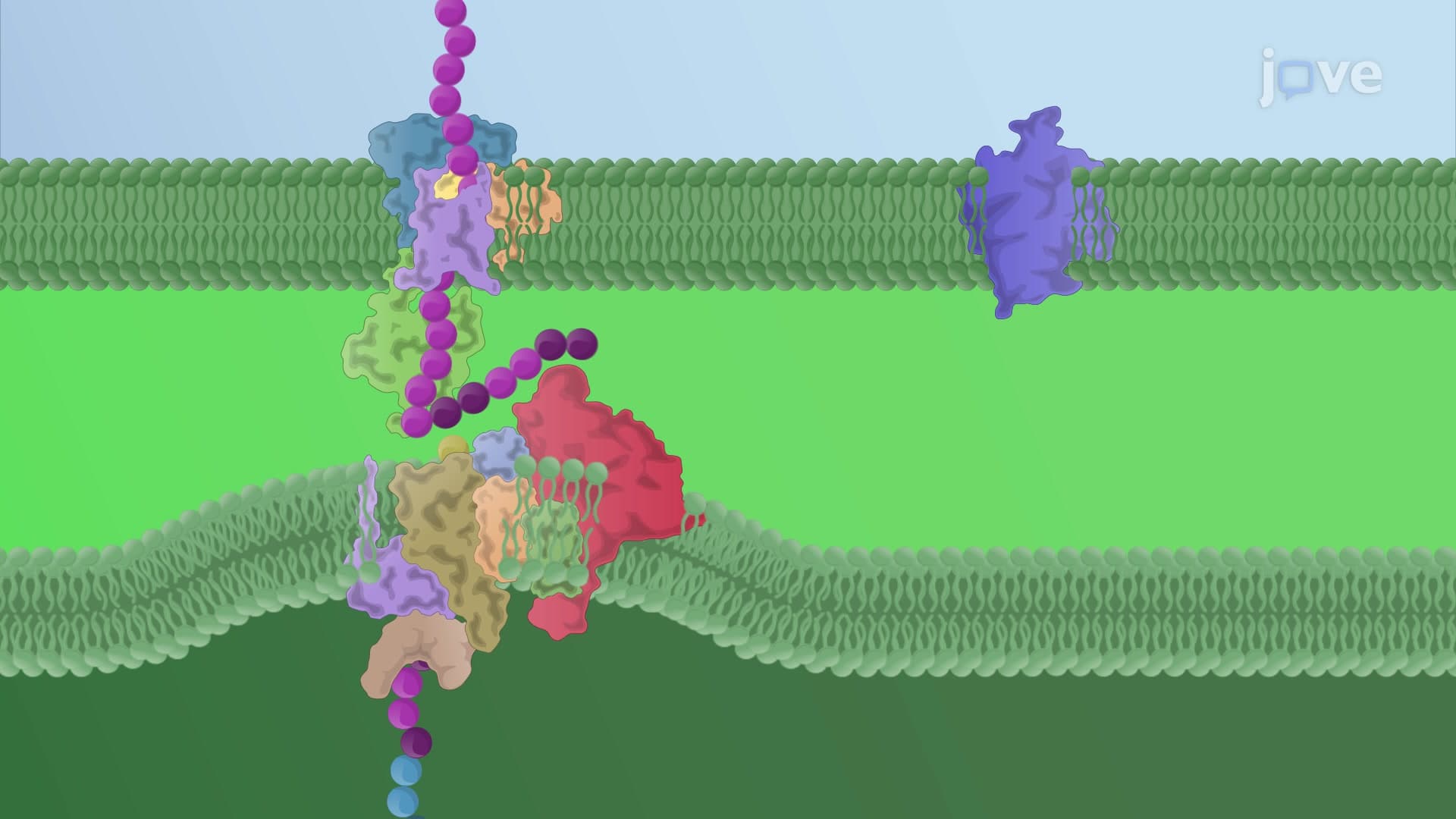
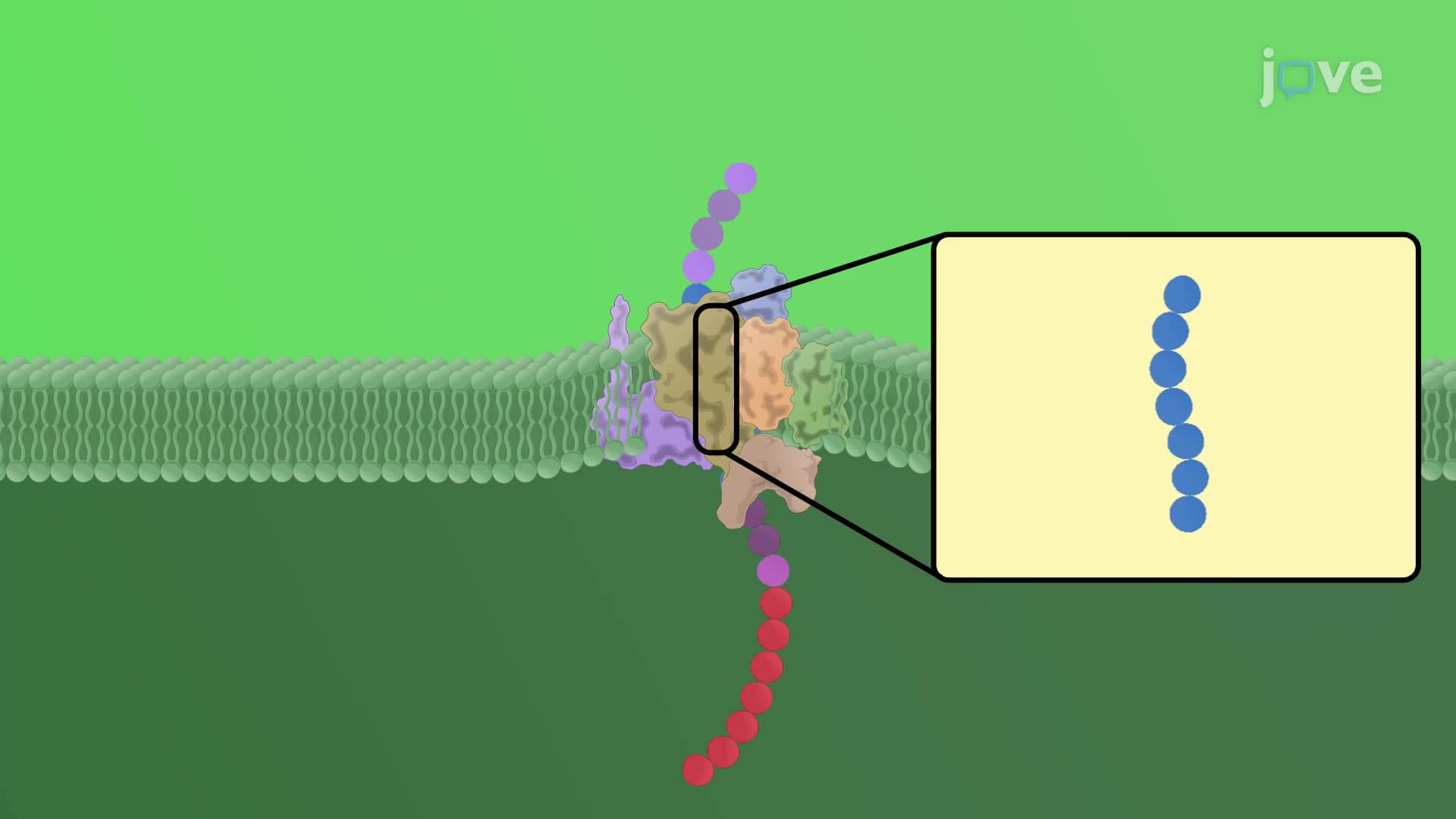
Nuclear Export

00:00
01:42
Video Summary: What Is Nuclear Export
Ever wondered how cells prevent toxic proteins from accumulating in their control center? Nuclear export is the cellular mechanism that selectively transports proteins from the nucleus to the cytoplasm, maintaining proper cellular function. This process is crucial in cancer research at institutions like Johns Hopkins University, where scientists study how disrupted nuclear export contributes to tumor formation. The system relies on specialized transport receptors and nuclear export signals to shuttle cargo through nuclear pore complexes. Watch the full video on JoVE Coach to master this concept with expert-led visuals and step-by-step explanations.
- Understand what is nuclear export and its fundamental role in cellular protein regulation
- Identify the three main types of nuclear export signals (NES): classical leucine-rich, M9, and KNS signals
- Analyze the step-by-step mechanism of exportin-1 mediated protein transport
- Recognize the critical role of Ran-GTP/Ran-GDP cycling in nuclear export regulation
- Compare the structural differences between nuclear import and export pathways
- Evaluate how nuclear pore complexes facilitate selective protein transport
- Apply knowledge of nuclear export to understand disease mechanisms and drug development
- Explore the relationship between nuclear export disruption and cancer progression
Understanding What is Nuclear Export
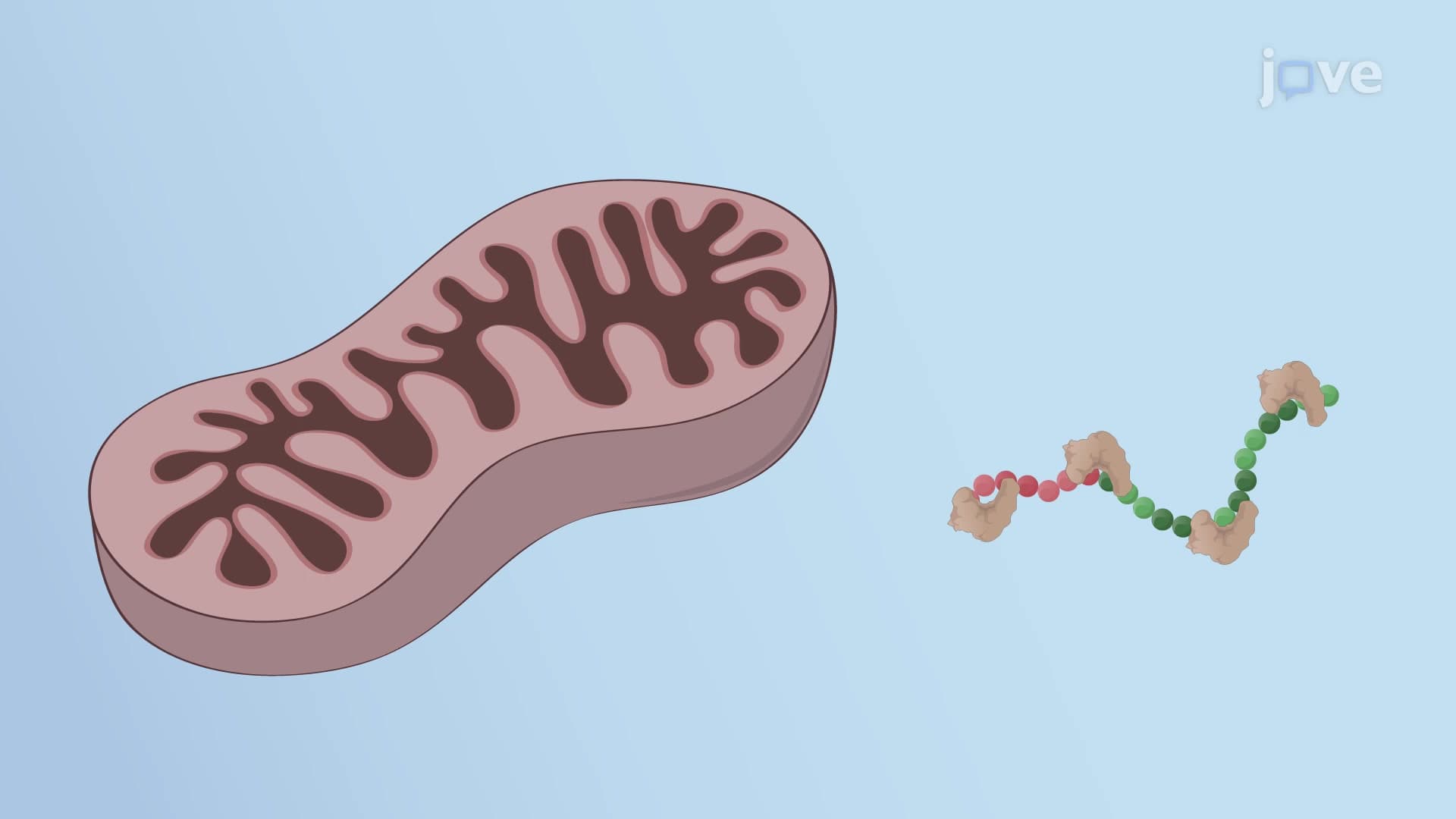
Nuclear export represents one of the most sophisticated quality control systems in eukaryotic cells. This process ensures that proteins synthesized in the nucleus-such as ribosomal subunits, mRNAs, and regulatory proteins-reach their proper cellular destinations. Unlike simple diffusion, nuclear export requires specific molecular machinery that can distinguish between proteins destined for cytoplasmic function and those meant to remain nuclear.
Nuclear Export Signal Recognition and Classification
The nuclear export process begins with signal recognition. Nuclear export signals (NES) act like molecular zip codes, directing proteins to their cytoplasmic destinations. The classical leucine-rich NES, discovered in HIV-1 Rev protein studies at major US research institutions, consists of approximately 10 amino acids with strategically placed leucine residues. The M9 signal, spanning 38 residues, and the KNS signal, containing 24 residues, represent alternative export pathways that evolved to handle different cargo types.
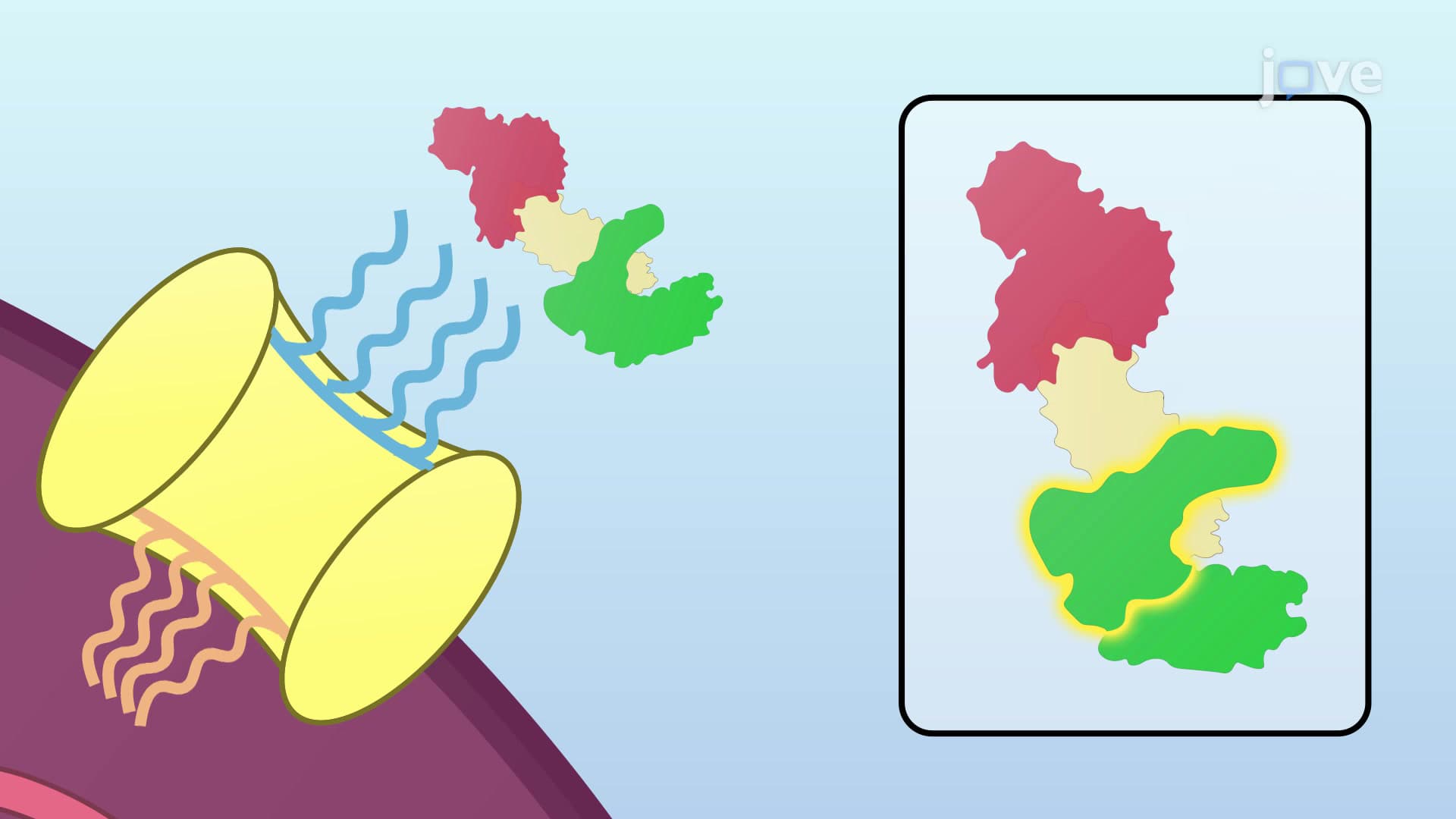
These signals are recognized by specialized nuclear transport receptors, primarily exportin-1 (also called CRM1). This recognition system is so precise that single amino acid mutations in NES sequences can completely abolish export function-a principle frequently tested in AP Biology and college biochemistry courses.
The Molecular Machinery of Nuclear Export
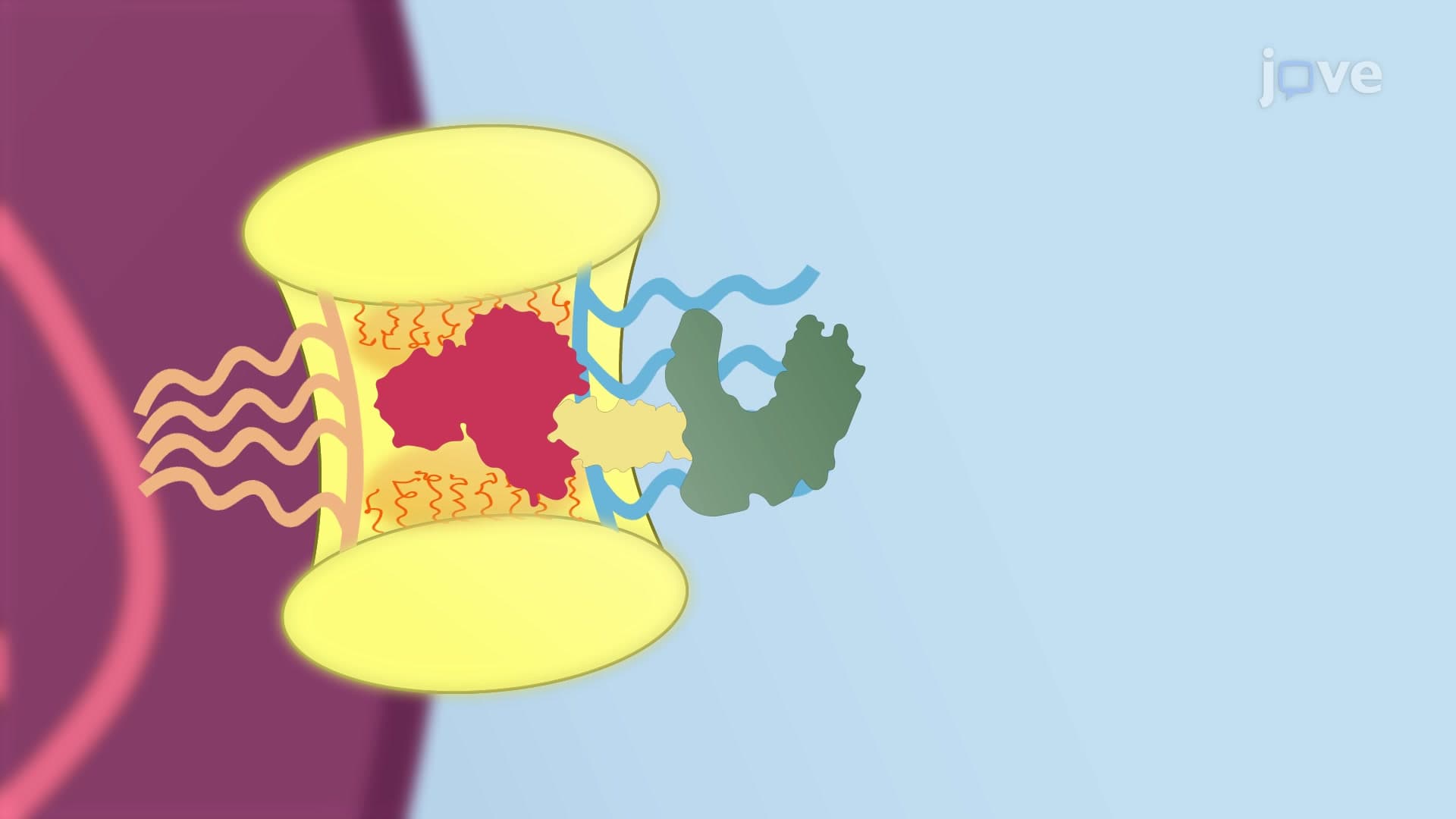
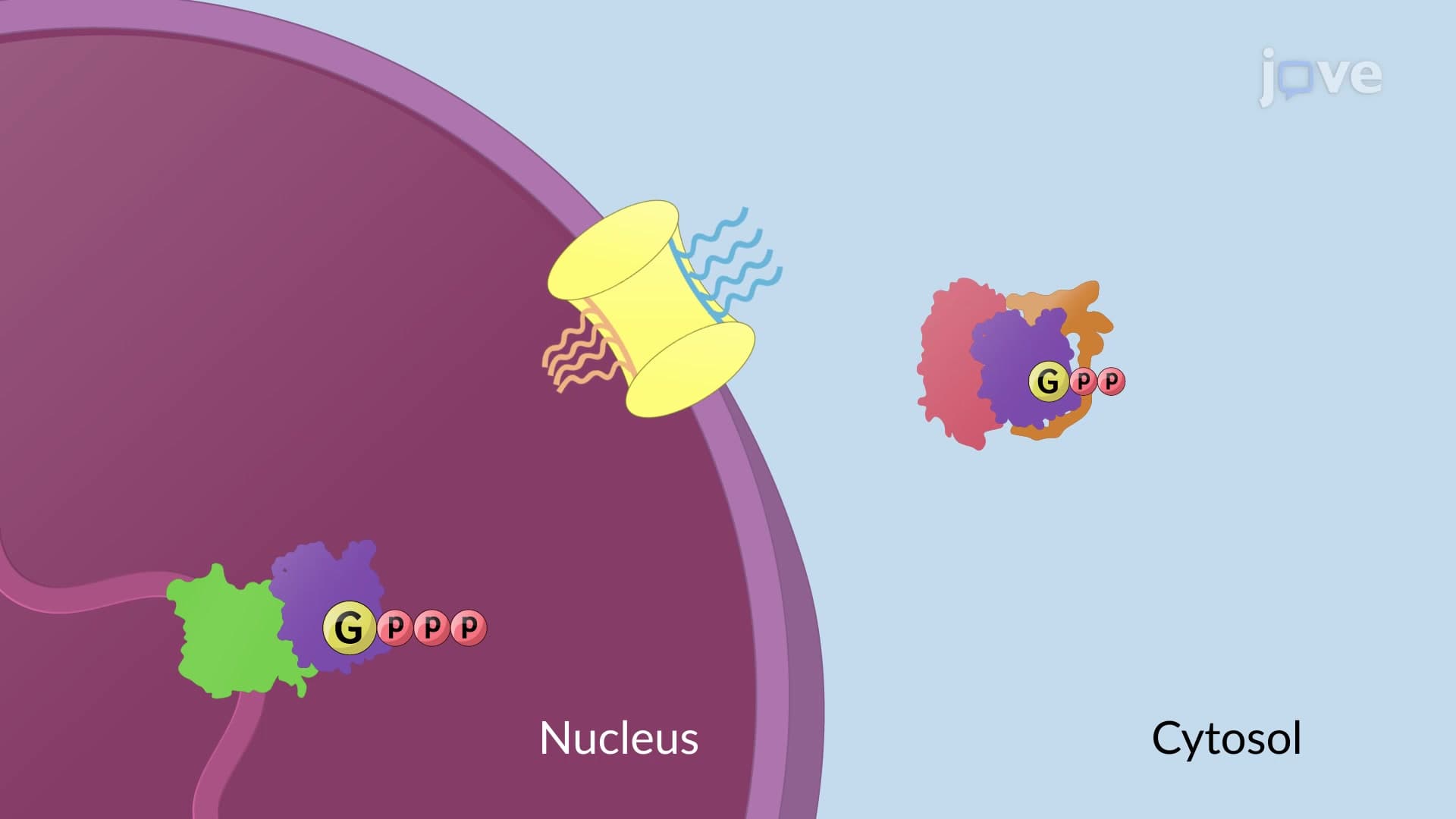
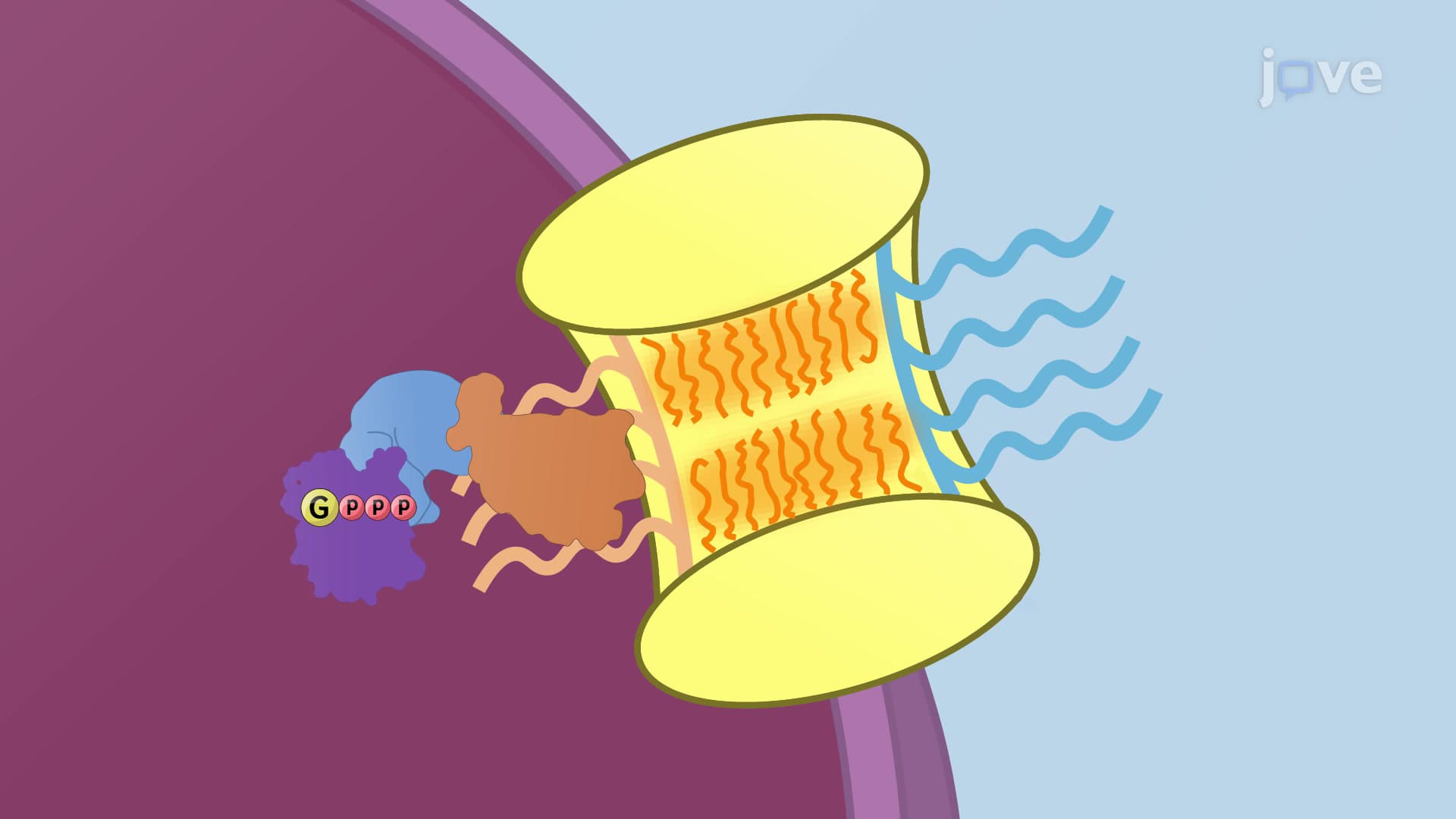
The export process relies on the Ran gradient system, where Ran-GTP concentrations are high in the nucleus and low in the cytoplasm. Exportin-1 undergoes dramatic conformational changes when it binds Ran-GTP, creating a cargo-binding pocket. This three-component complex (exportin-Ran-GTP-cargo) then navigates through nuclear pore complexes by interacting with FG-repeat nucleoporins.
The journey through the nuclear pore involves disrupting a gel-like selective barrier-imagine pushing through a crowded subway turnstile that only opens for passengers with the right ticket. Once in the cytoplasm, Ran-GAP proteins trigger GTP hydrolysis, causing the complex to disassemble and release its cargo.
Clinical and Research Applications
Nuclear export research has profound implications for drug development. Selective inhibitors of nuclear export (SINE compounds) are currently in clinical trials at major US cancer centers like MD Anderson and Memorial Sloan Kettering. These drugs work by blocking exportin-1, trapping tumor suppressor proteins in the nucleus where they can fight cancer more effectively. Understanding nuclear export mechanisms is increasingly important for MCAT preparation and medical school coursework, as it connects basic cell biology to therapeutic applications.
Frequently Asked Questions
Nuclear export is the cellular process that moves proteins from the nucleus to the cytoplasm using specialized transport machinery. It's like a security checkpoint system that ensures only properly tagged proteins leave the cell's control center. This process is essential for normal cell function and is often disrupted in diseases like cancer.
Nuclear export involves three key components: nuclear export signals (NES) on cargo proteins, exportin receptors, and the Ran-GTP gradient system. The process requires energy and specific molecular recognition, making it a prime example of active transport mechanisms. AP Biology exams frequently test students' understanding of how this process maintains cellular compartmentalization.
MCAT questions often focus on the energy requirements, directionality, and regulation of nuclear export. Students should understand the Ran gradient, exportin function, and how nuclear export relates to gene expression regulation. Practice problems typically involve experimental scenarios where nuclear export is disrupted and students must predict cellular consequences.
Many tumor suppressor proteins become trapped in the cytoplasm due to overactive nuclear export, preventing them from protecting against cancer in the nucleus. Researchers at institutions like Harvard Medical School and Stanford are developing drugs that block nuclear export to keep these protective proteins where they're needed most.
Basic understanding of protein structure and GTP hydrolysis is helpful, but nuclear export concepts are accessible to high school students. Focus on the big picture: proteins need addresses (NES), transporters (exportins), and energy (GTP) to move between cellular compartments. The molecular details become clearer with practice and visualization.
Create flowcharts showing the step-by-step process, from NES recognition to cargo release in the cytoplasm. Practice drawing the nuclear pore complex and labeling where each step occurs. Use active recall by explaining the process aloud without notes, focusing on the cause-and-effect relationships between each step.
Nuclear import mechanisms provide a perfect comparison, followed by nuclear pore complex structure and regulation. Advanced students can explore how nuclear transport is regulated during cell division and development. Understanding both import and export creates a complete picture of nuclear-cytoplasmic communication.
Nuclear export connects basic cell biology to clinical applications, particularly in oncology and genetic diseases. Medical schools expect students to understand how cellular processes relate to disease mechanisms. This knowledge becomes crucial for understanding drug mechanisms and therapeutic targets in pharmacology courses.
Related Micro-courses

21 Concepts
17 Concepts
12 Concepts