Loading subject page…


95,419 views

Video Summary: What Is Nuclear Protein Sorting
Ever wondered how cells ensure that insulin production proteins reach the nucleus while keeping DNA repair enzymes out of the cytoplasm? Nuclear protein sorting acts like a sophisticated cellular security system, using molecular "ID badges" to control which proteins enter and exit the nucleus through specialized gateways called nuclear pore complexes. This process is essential for maintaining cellular function - from regulating gene expression in pancreatic beta cells to coordinating cell division in rapidly growing tissues. Watch the full video on JoVE Coach to master this concept with expert-led visuals and step-by-step explanations.
Nuclear protein sorting represents one of the most sophisticated quality control systems in eukaryotic cells. Unlike prokaryotic cells where the cytoplasm and genetic material freely mix, eukaryotic cells maintain strict boundaries between the nucleus and cytoplasm. This compartmentalization requires a highly regulated transport system to ensure that nuclear proteins like transcription factors, DNA repair enzymes, and ribosomal proteins reach their destination while keeping cytoplasmic proteins appropriately excluded.
The process becomes particularly relevant when studying diseases affecting Americans. For instance, Huntington's disease - which affects approximately 30,000 Americans - involves disrupted nuclear protein sorting that prevents essential transcription factors from entering the nucleus, contributing to neuronal death.
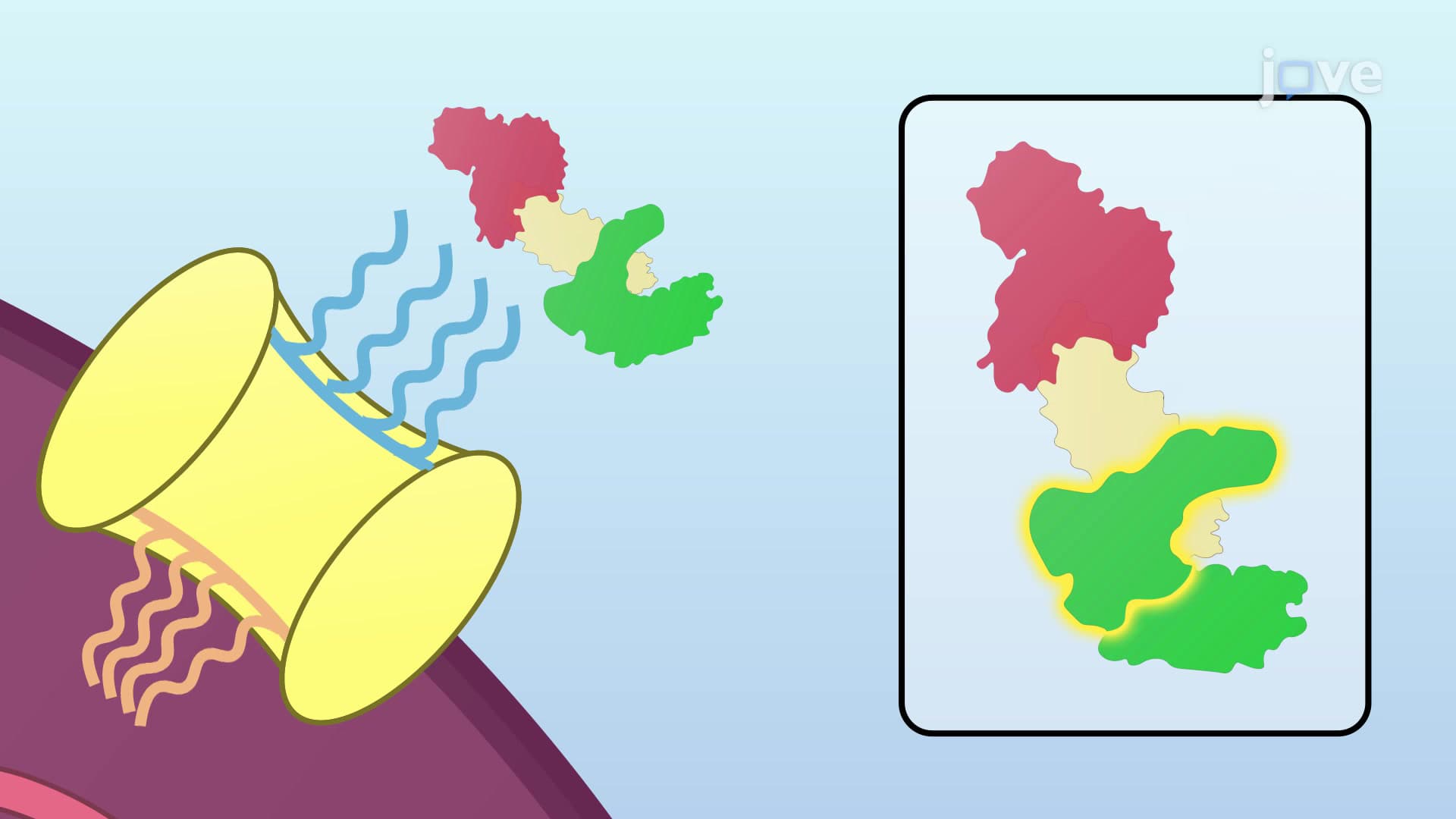
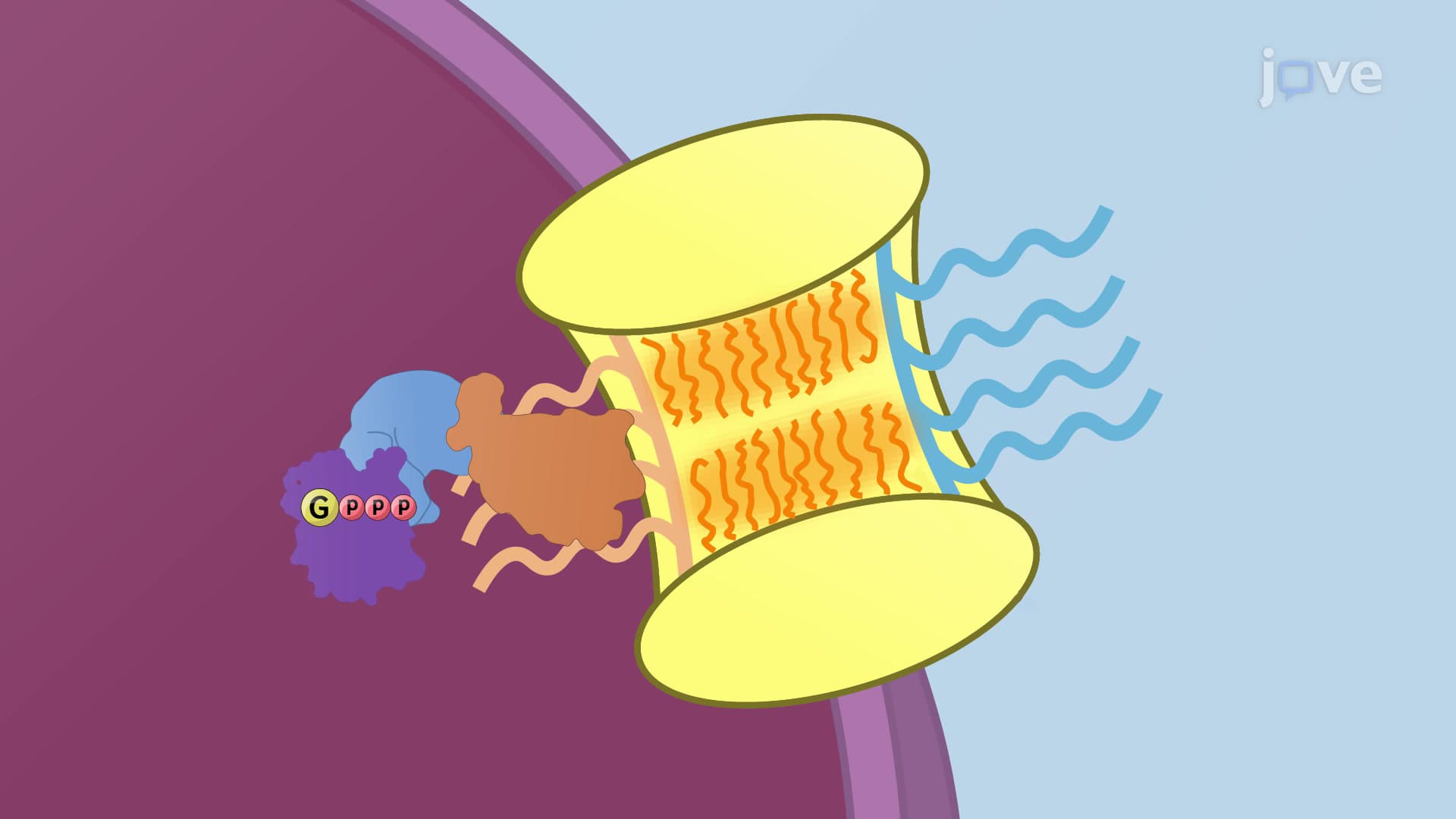
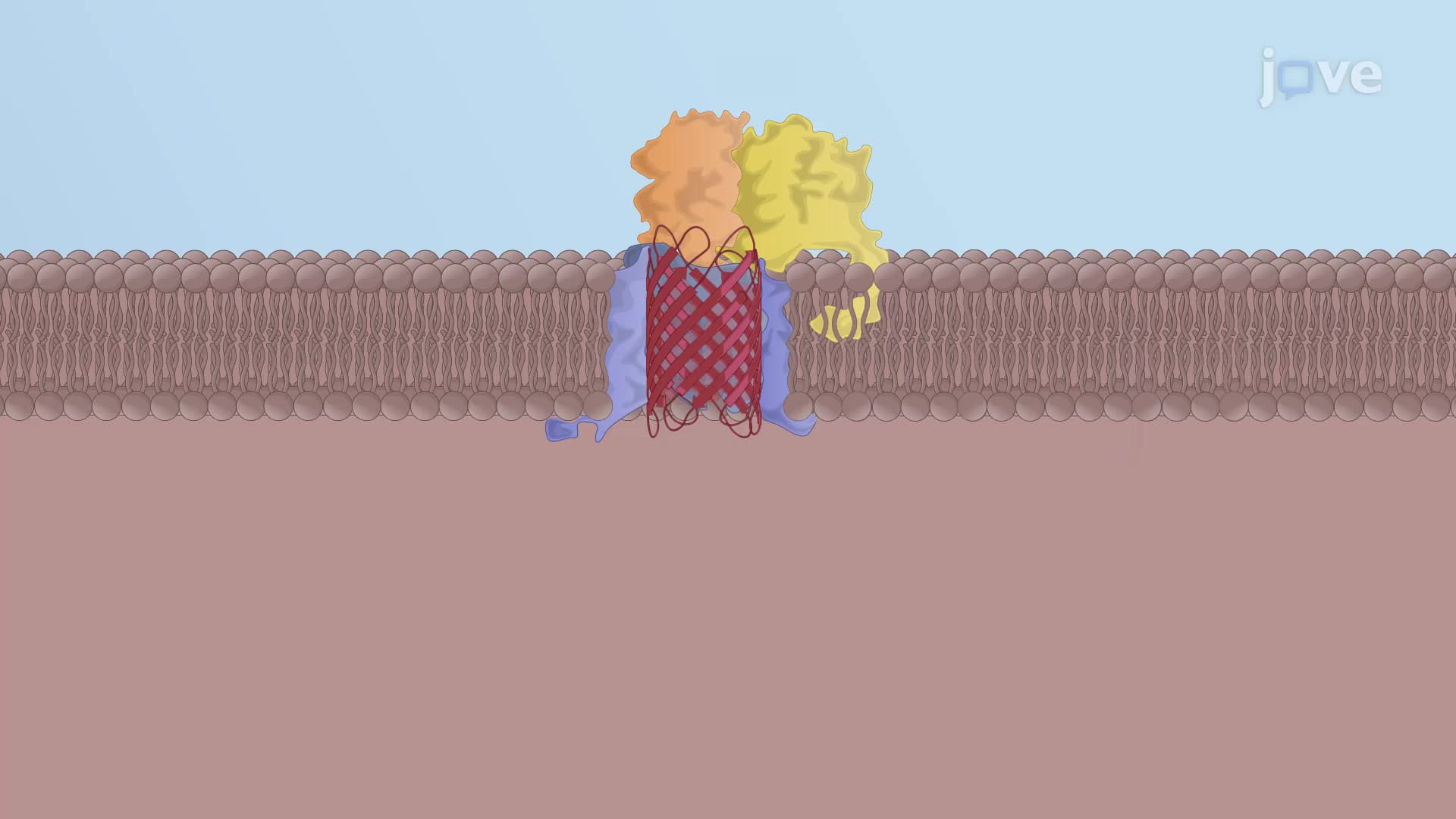
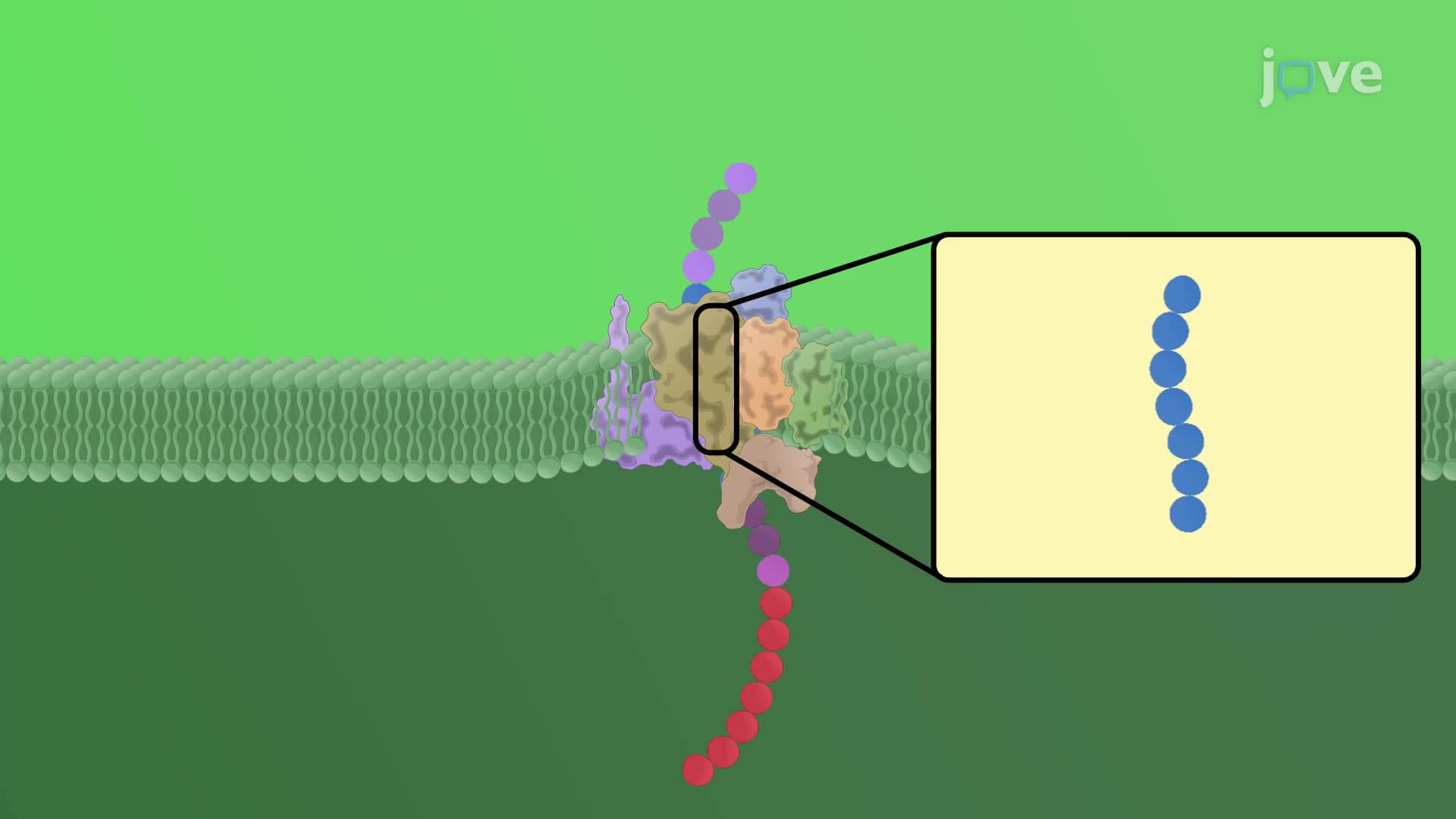
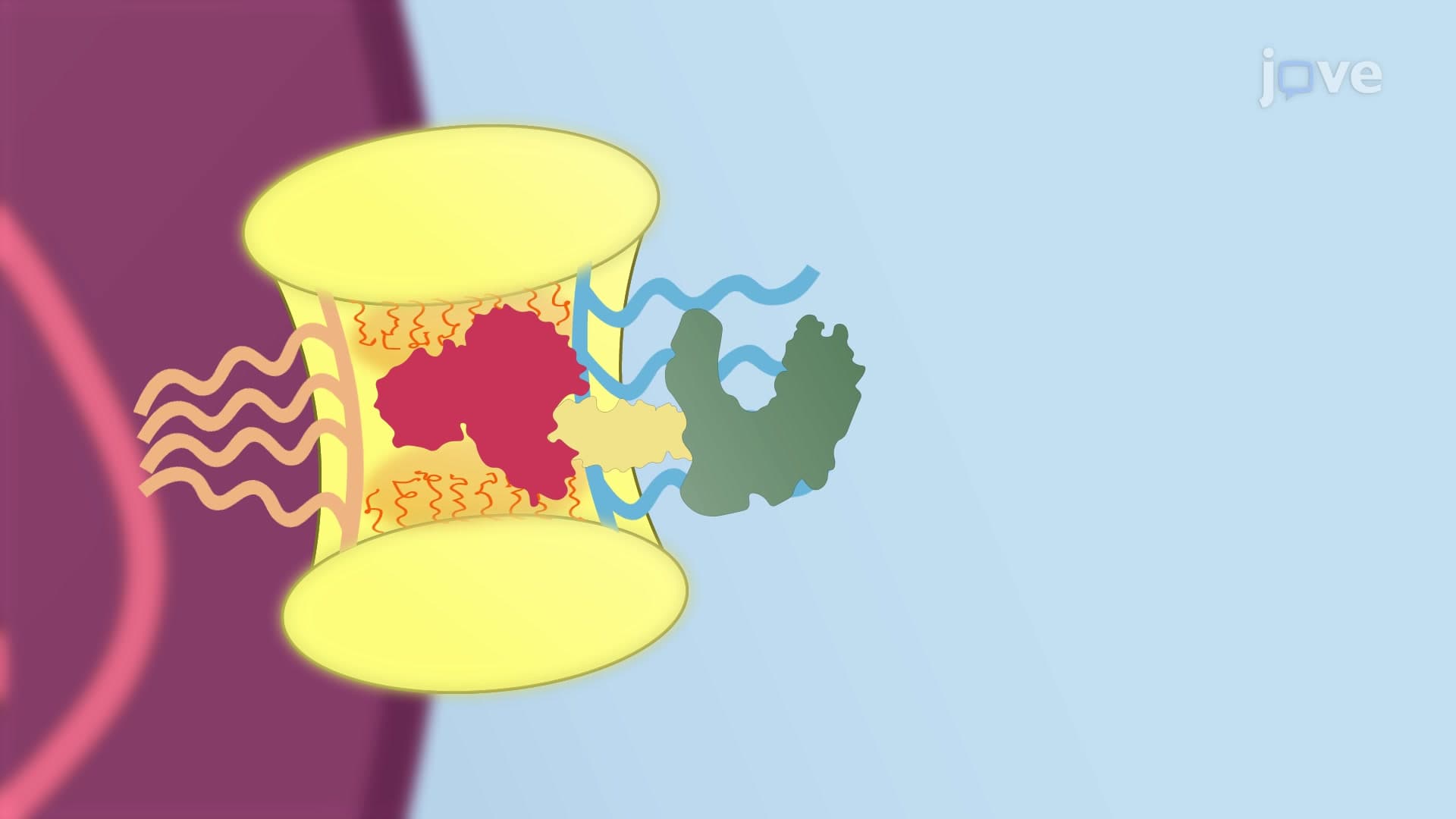
Nuclear pore complexes (NPCs) function as highly selective molecular gates embedded within the nuclear envelope. Each human cell contains approximately 3,000-4,000 NPCs, and each complex weighs roughly 60 million daltons - making it one of the largest protein assemblies in the cell. The architecture includes a central channel lined with phenylalanine-glycine (FG) repeats that create a selective barrier.
These FG repeats act like molecular velcro, temporarily binding transport receptors while excluding non-specific proteins. The selectivity is so precise that molecules larger than 40 kilodaltons cannot passively cross, requiring active transport machinery. This size exclusion is crucial for maintaining nuclear integrity and is frequently tested on the MCAT and AP Biology exams.
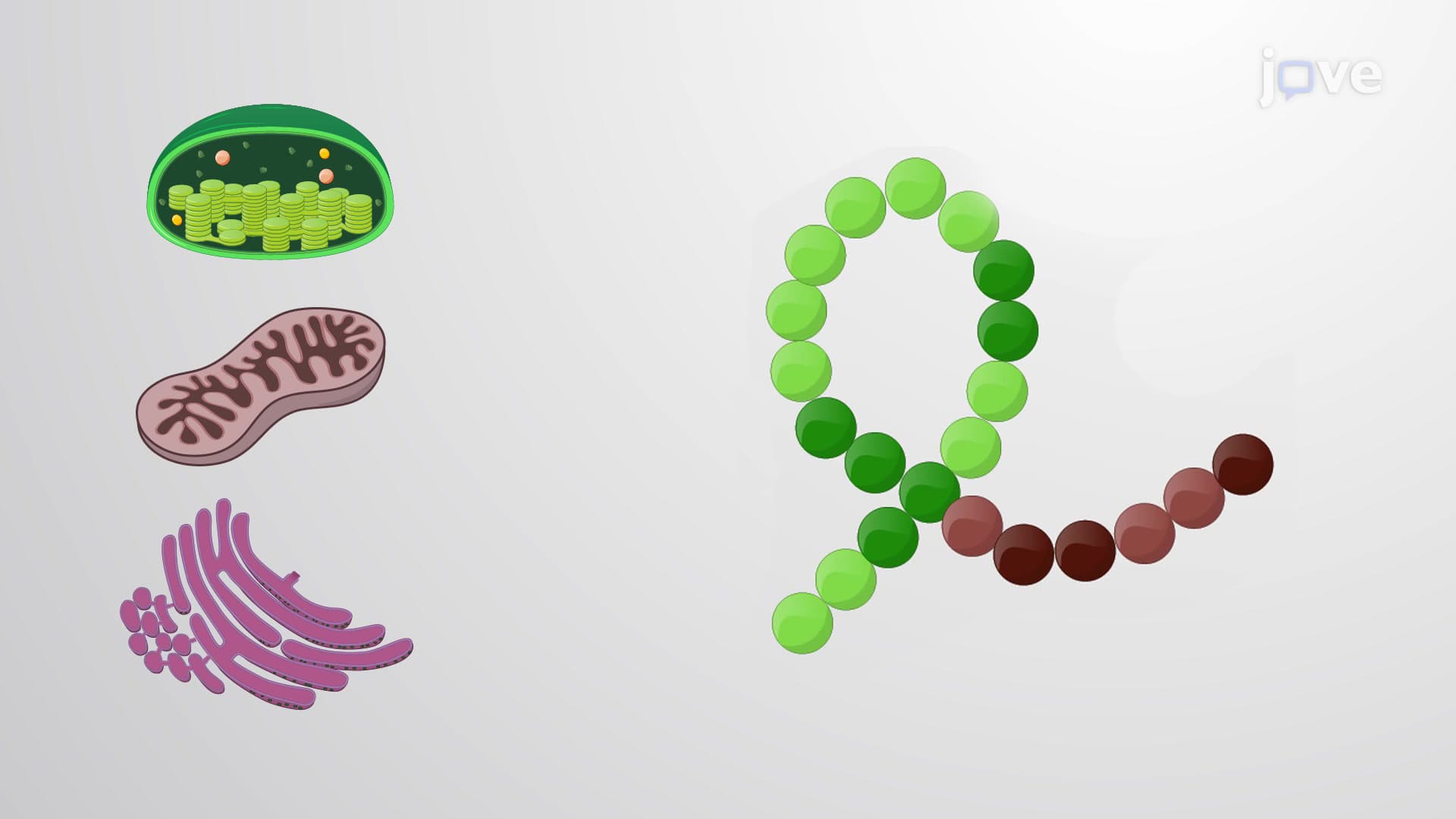
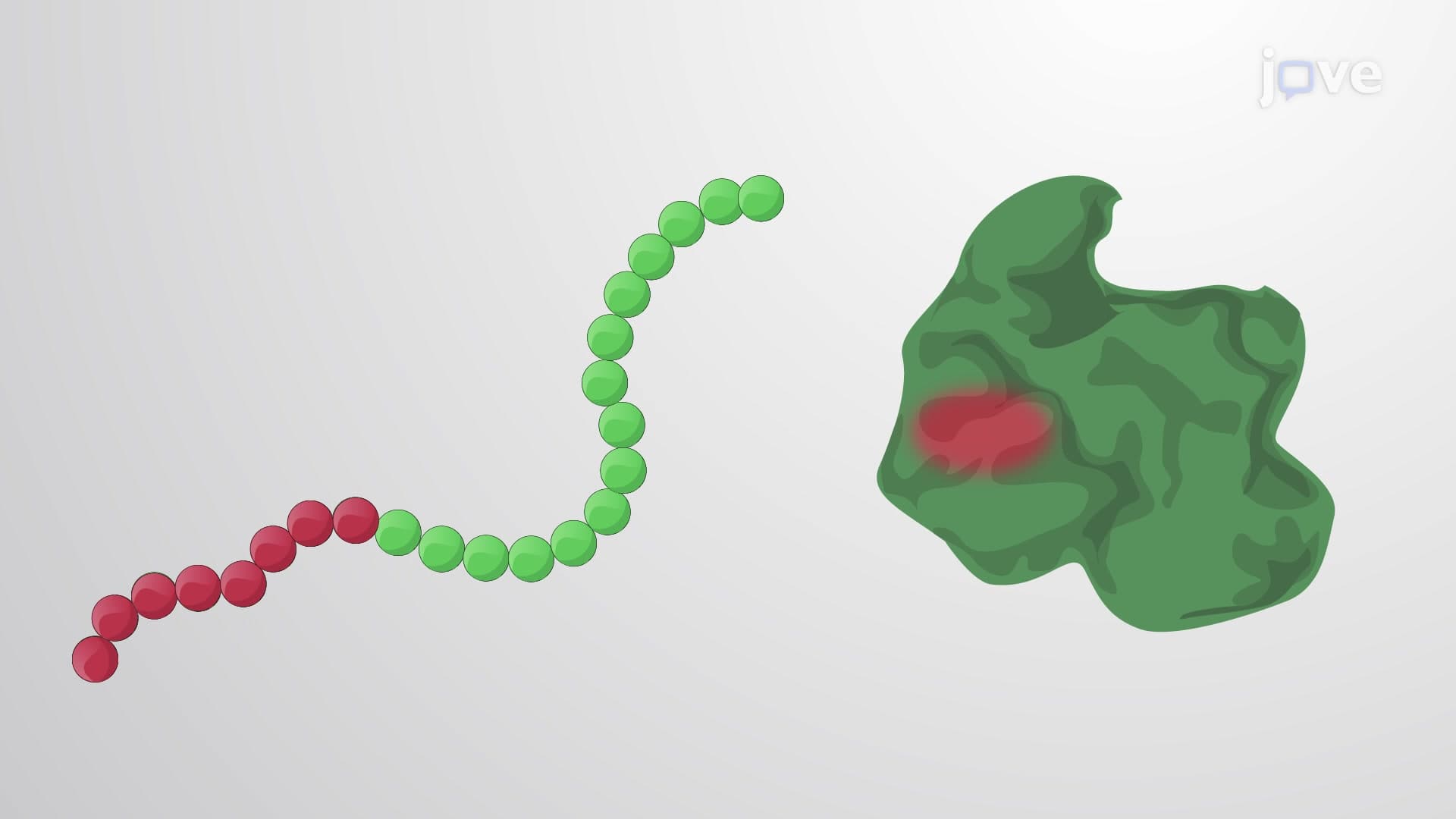
The nuclear import process begins with cargo recognition in the cytoplasm. Nuclear localization signals (NLS) - typically clusters of positively charged amino acids like lysine and arginine - serve as molecular zip codes directing proteins to the nucleus. The classic NLS discovered in the SV40 large T-antigen contains the sequence PKKKRKV, which has become a standard research tool.
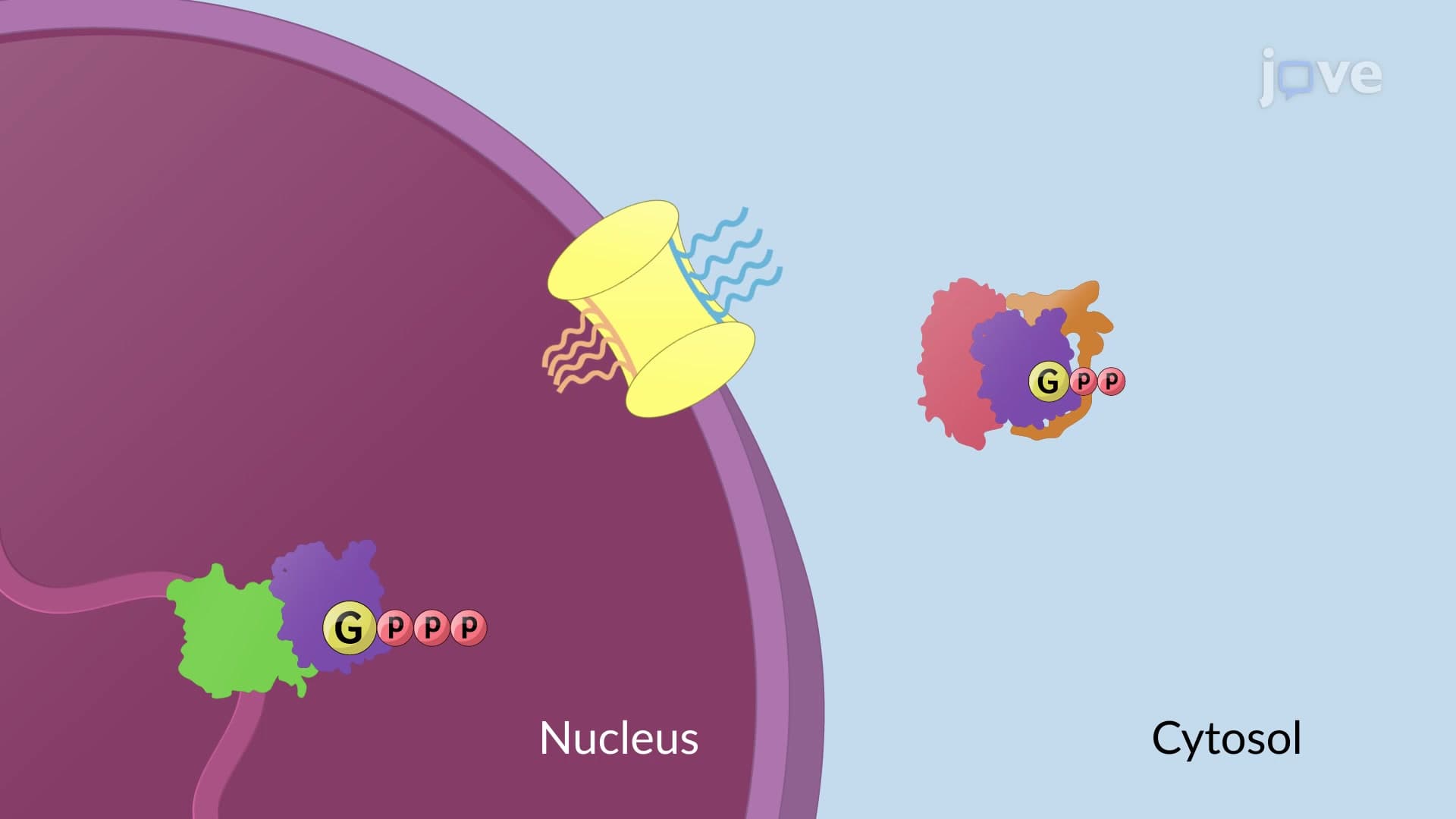
Import receptors called importins recognize these signals and escort cargo proteins through NPCs. The transport process resembles a molecular relay race, with the receptor-cargo complex repeatedly binding and releasing FG repeats as it navigates the nuclear pore. This "facilitated diffusion" mechanism allows large, folded proteins to squeeze through the relatively narrow 10-nanometer central channel.
The Ran-GTPase system provides the energy and directionality for nuclear transport. Nuclear Ran-GTP concentrations are approximately 200 times higher than cytoplasmic levels, creating a steep gradient maintained by compartmentalized regulatory proteins. This gradient ensures that import occurs in the cytoplasm-to-nucleus direction while export proceeds nucleus-to-cytoplasm.
Understanding this mechanism helps explain why certain cancer treatments targeting nuclear transport show promise. Drugs like selinexor, approved by the FDA for treating multiple myeloma, work by blocking nuclear export and trapping tumor suppressor proteins in the nucleus where they can function properly.
Related Micro-courses