Loading subject page…


95,420 views

Video Summary: What Is Porin Insertion
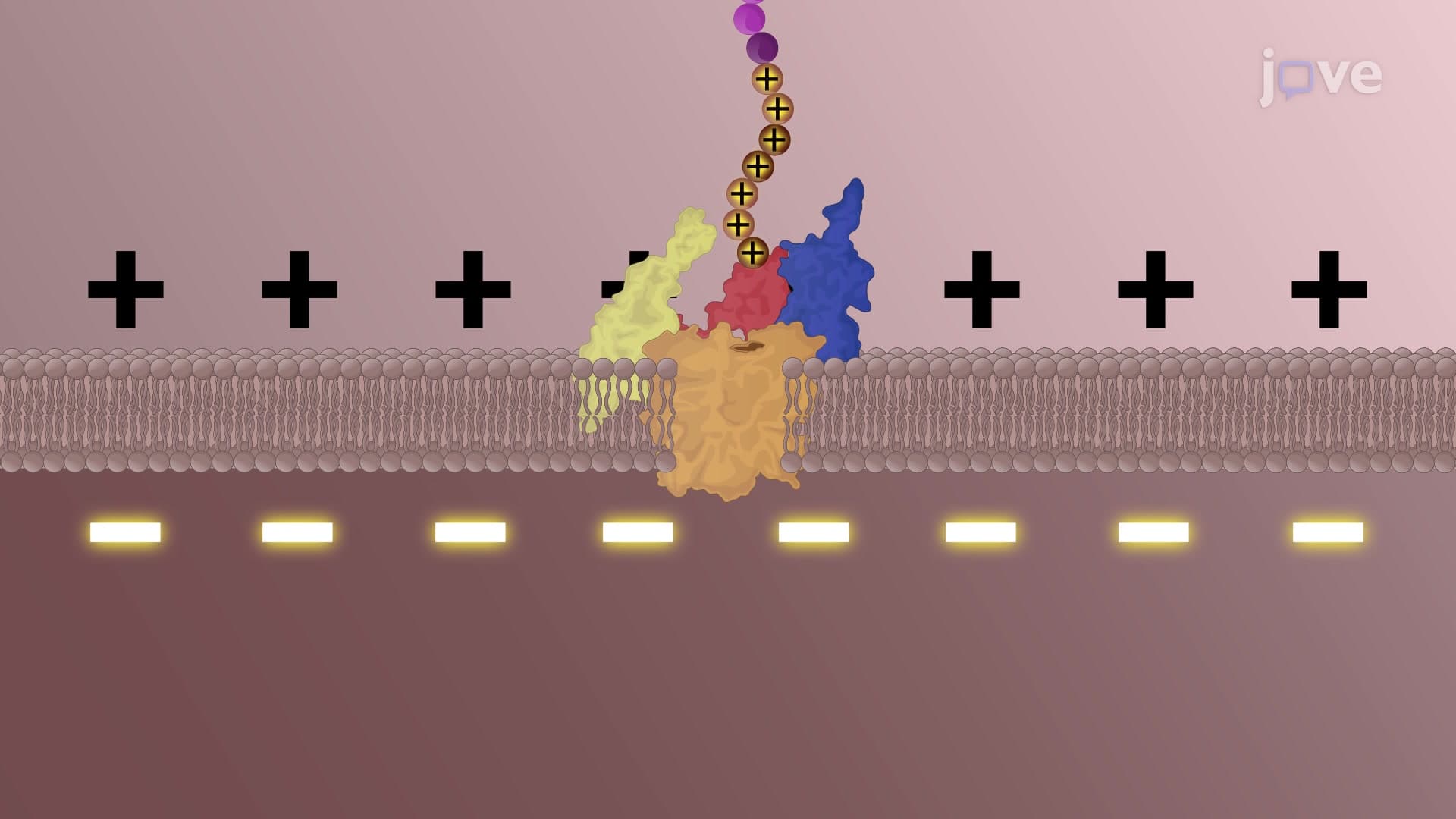
Did you know that every cell in your body contains tiny molecular machines that must precisely thread protein structures through membranes-much like threading a needle while blindfolded? Porin insertion is the sophisticated process by which beta-barrel proteins are incorporated into the outer mitochondrial membrane, ensuring proper cellular energy production. At Johns Hopkins University's biochemistry labs, researchers study this process to understand mitochondrial diseases that affect muscle function. What is Porin Insertion involves three distinct molecular models that explain how these essential membrane proteins find their proper positions. Watch the full video on JoVE Coach to master this concept with expert-led visuals and step-by-step explanations.
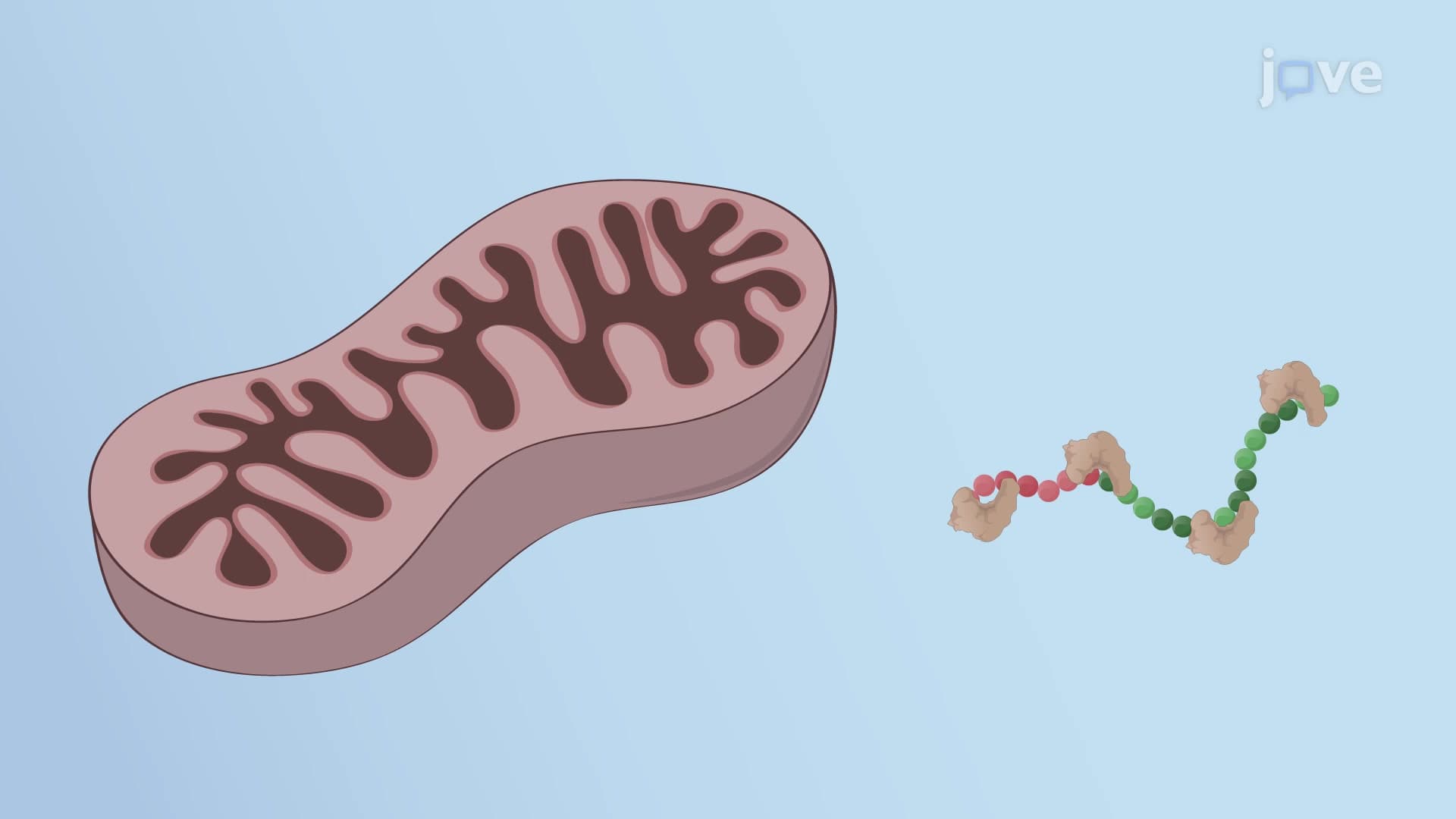
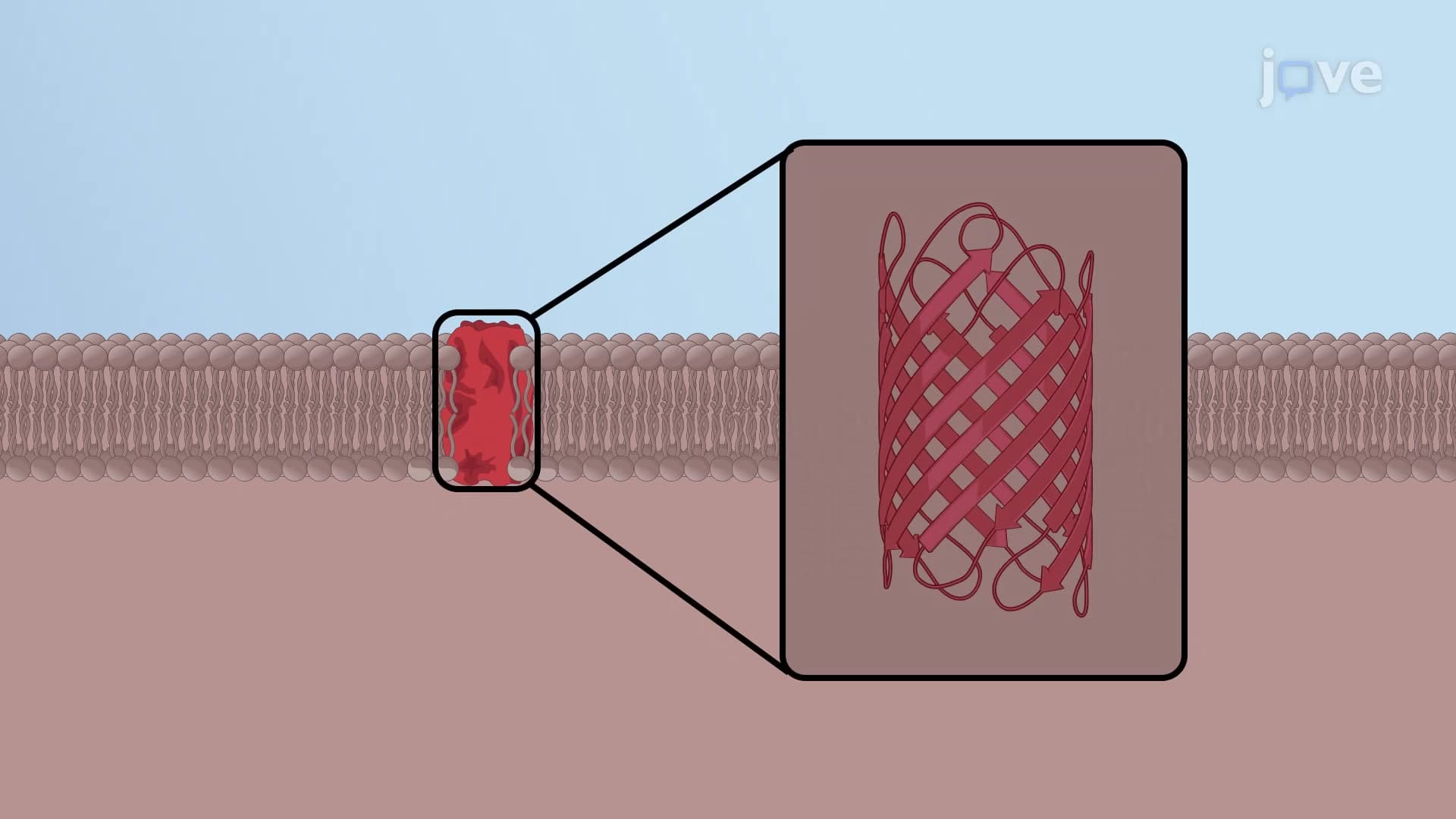
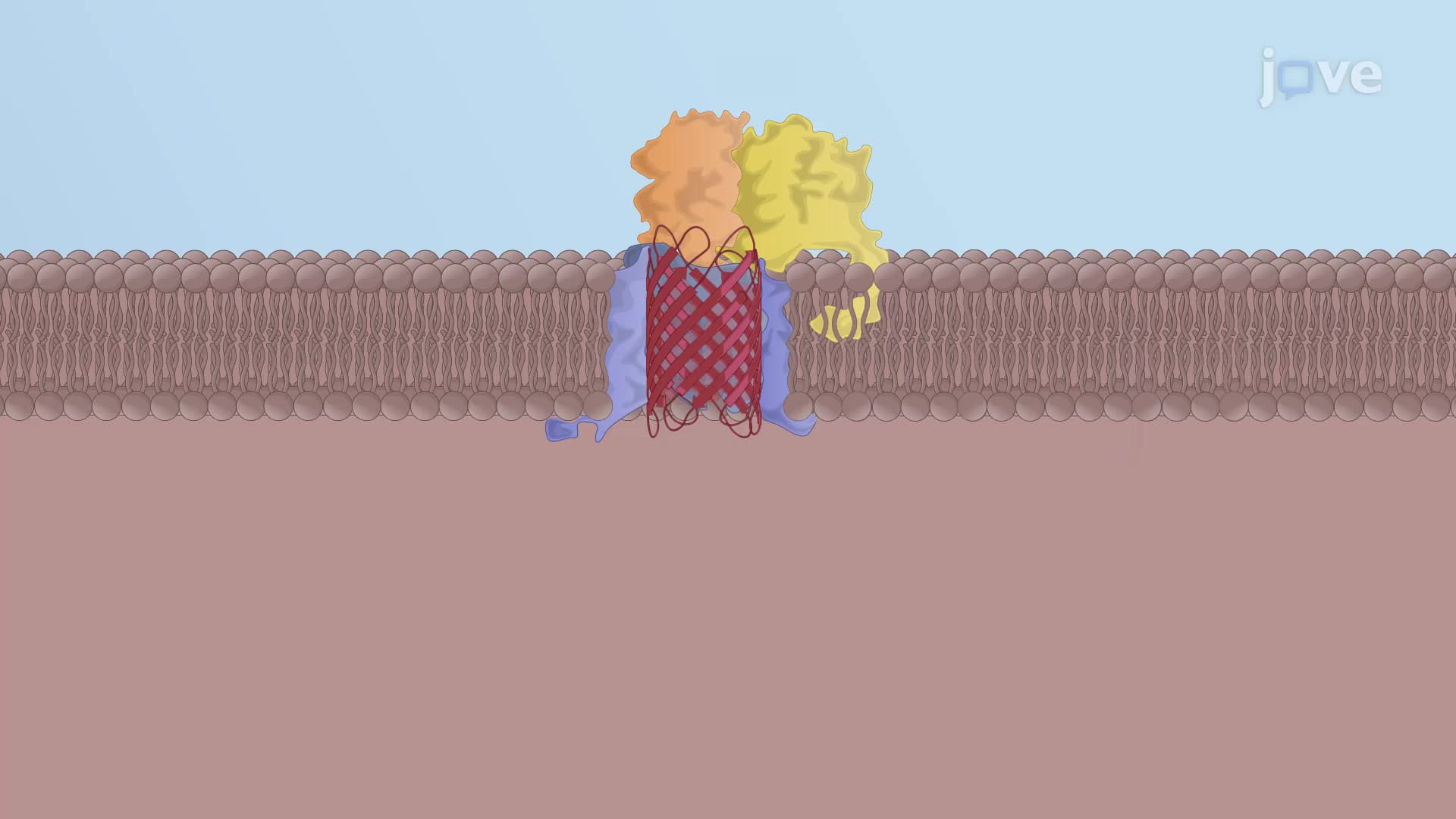
What is Porin Insertion represents one of cell biology's most elegant molecular processes. Porins are beta-barrel membrane proteins that form channels in the outer mitochondrial membrane, allowing selective passage of metabolites and ions essential for cellular respiration. The insertion process ensures these proteins achieve their proper three-dimensional structure within the lipid bilayer, maintaining mitochondrial function that powers everything from muscle contraction during a marathon to neural activity during SAT preparation.
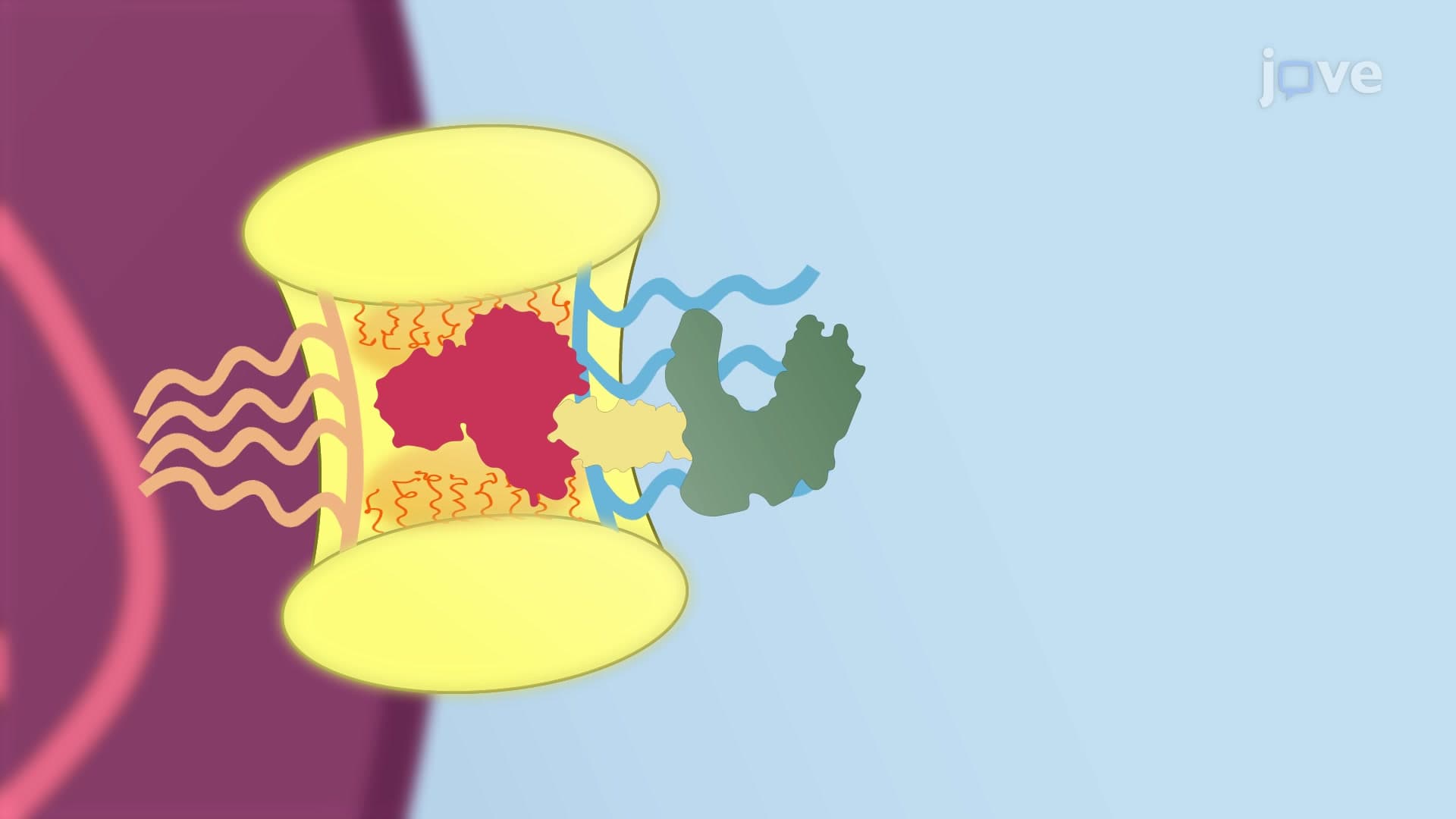
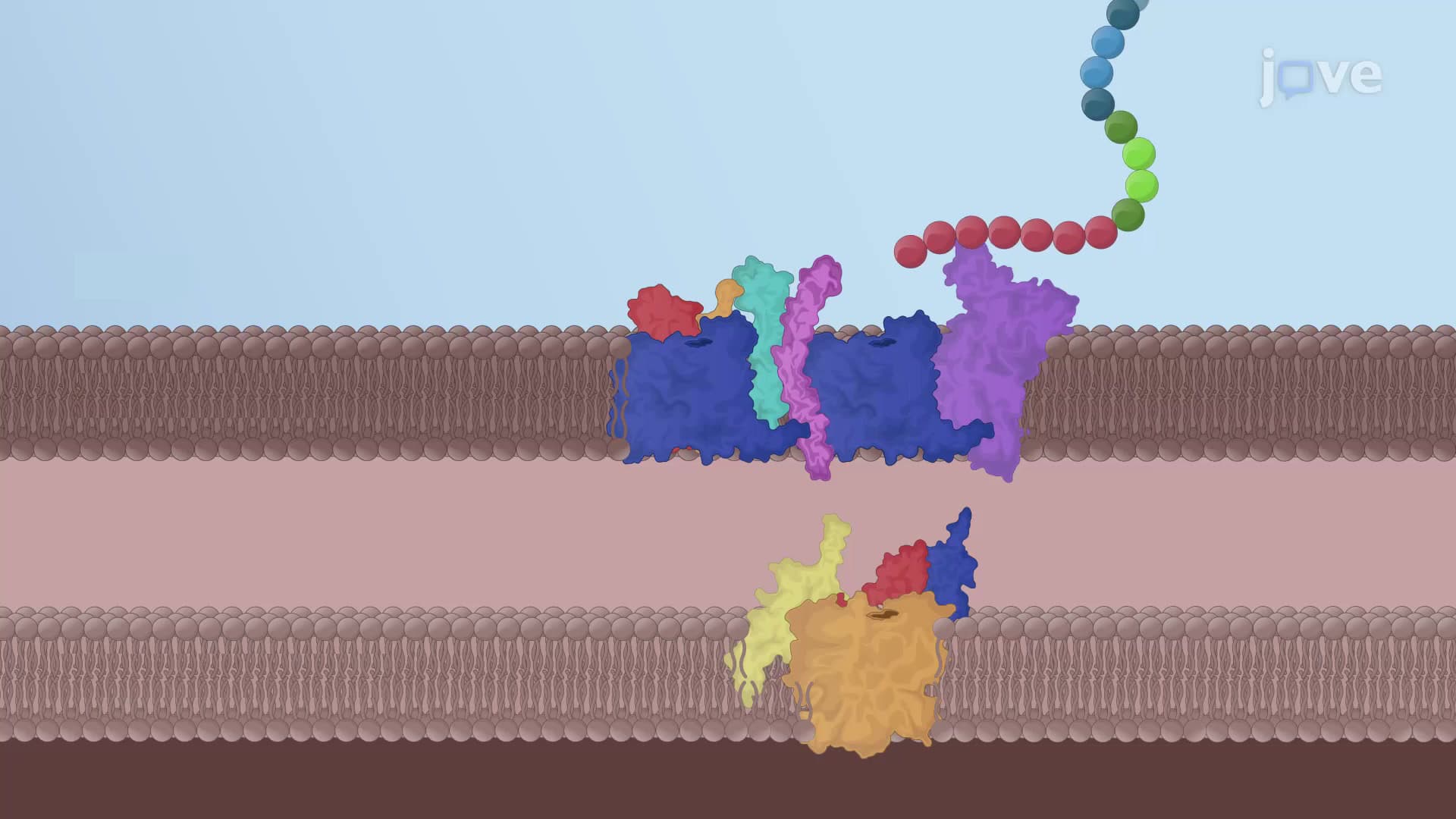
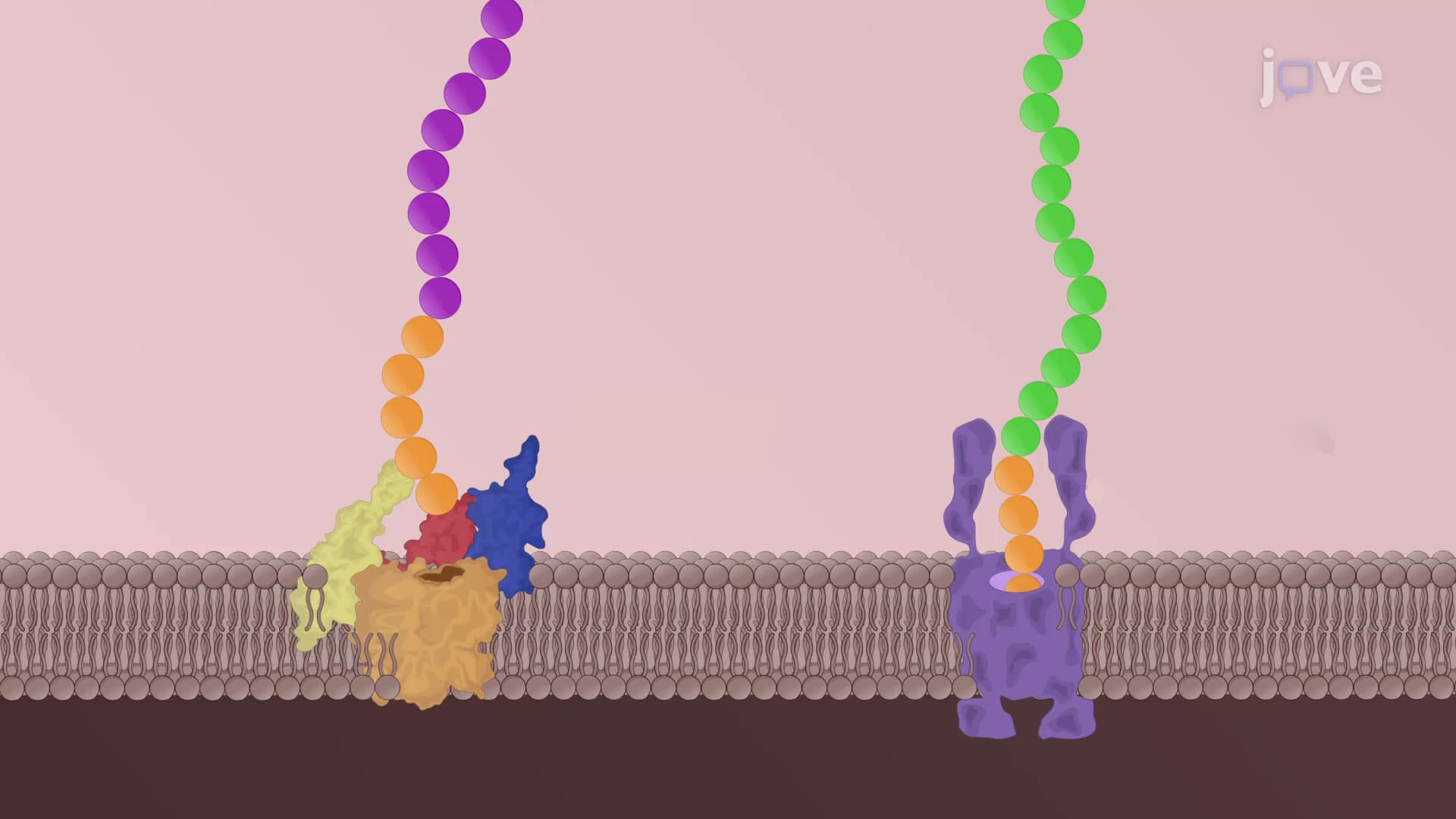
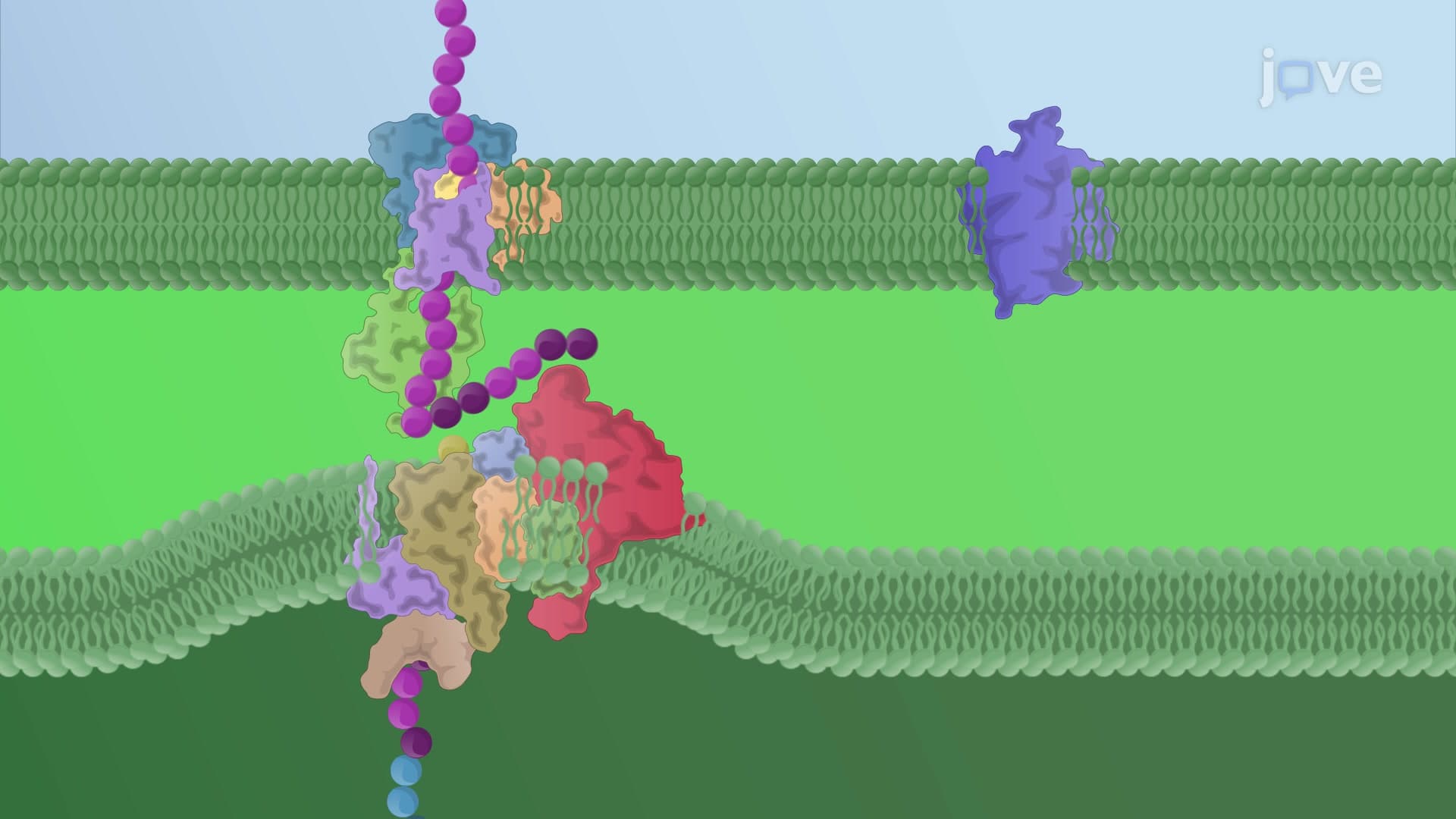
The first model, known as simultaneous insertion, proposes that beta-barrel precursors fold completely outside the Sorting and Assembly Machinery (SAM) channel before membrane integration. This model suggests a coordinated process where protein folding and membrane insertion occur together, similar to how NASA engineers must simultaneously design and test spacecraft components during assembly.
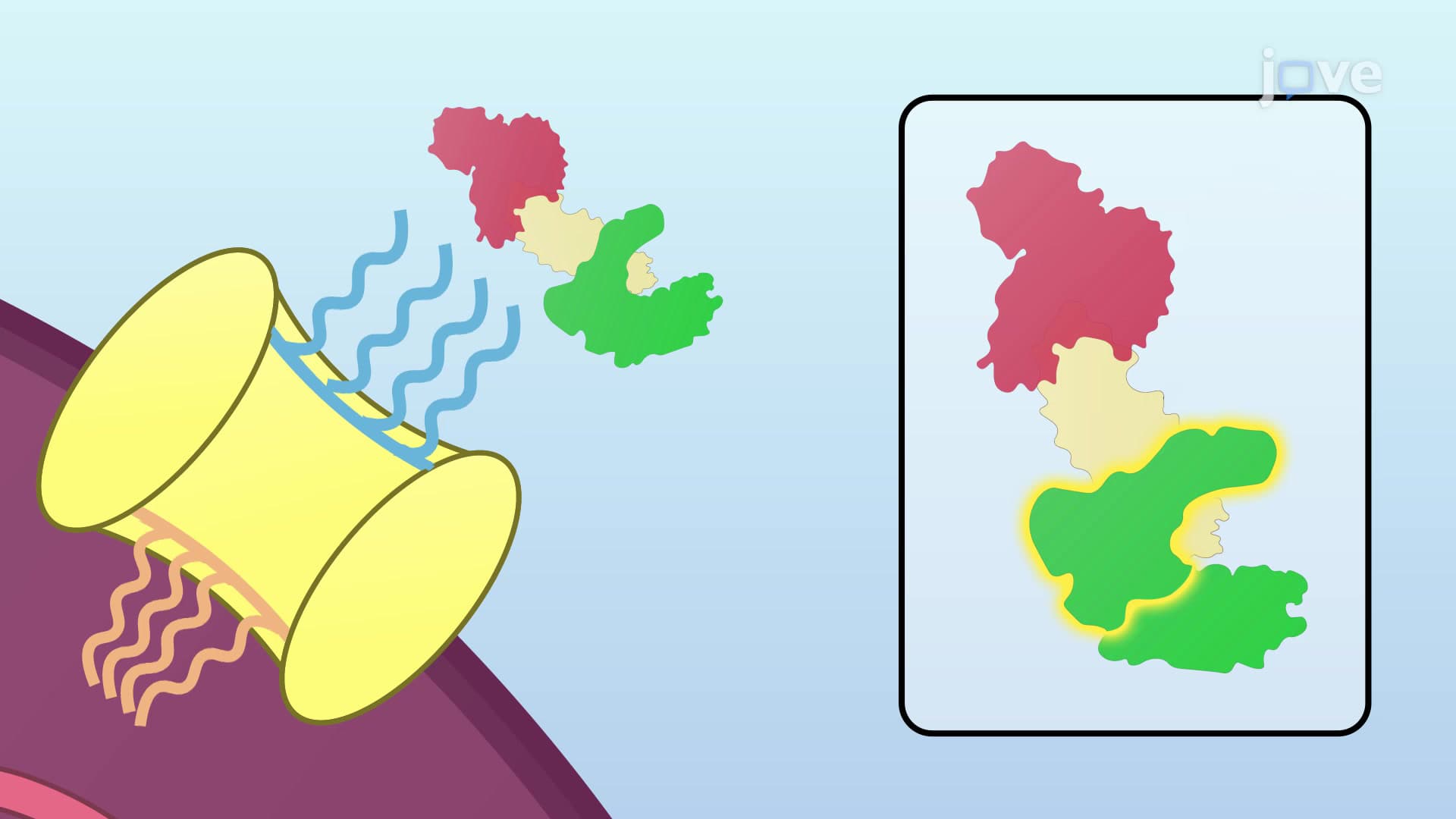
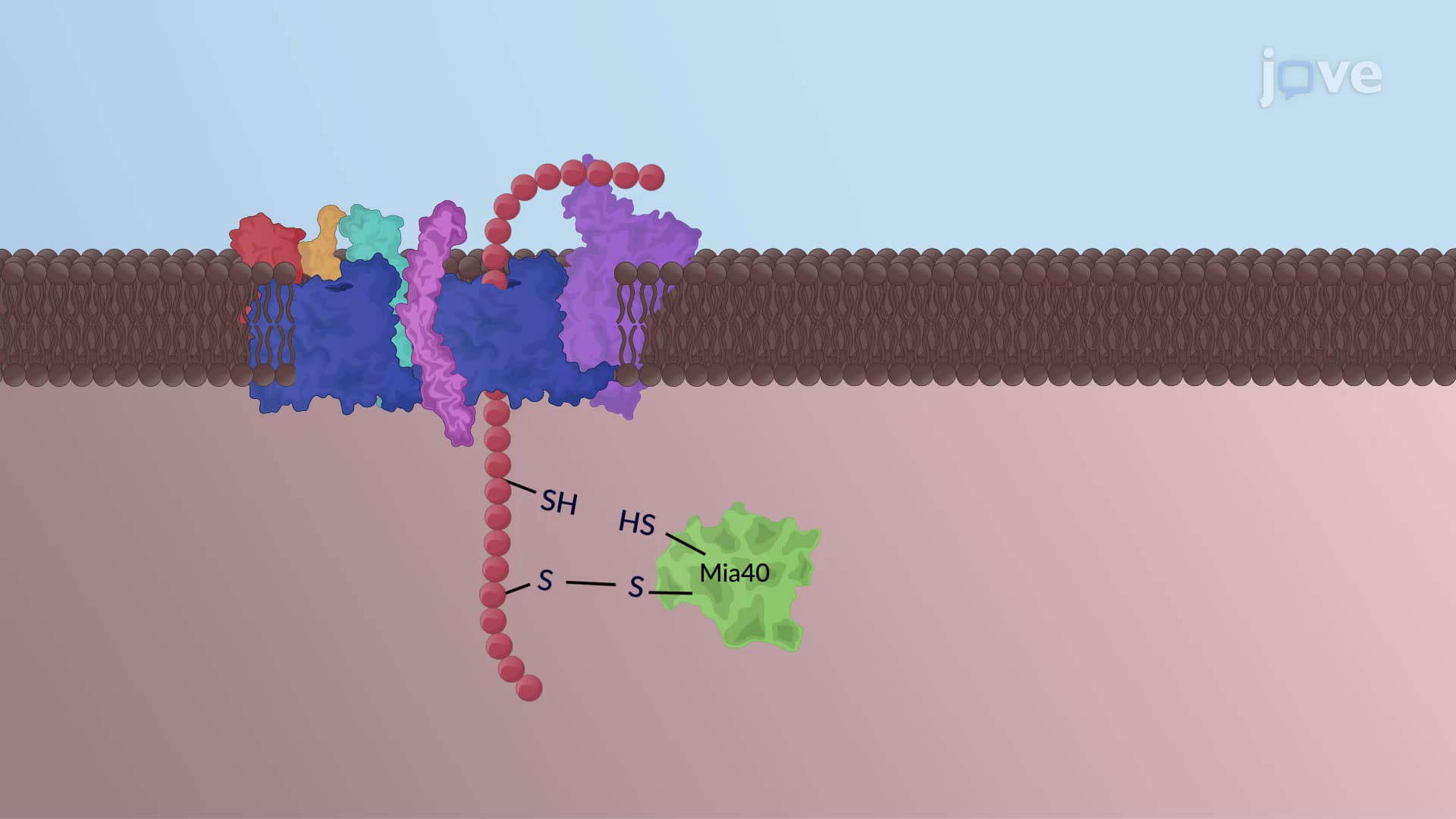
The second model involves sequential processing, where unfolded precursors first pass through the SAM channel, undergo assembly, and then transfer over the channel's rim into the membrane. This resembles an assembly line approach used in pharmaceutical manufacturing at companies like Pfizer, where drug components are processed in stages before final product formation.
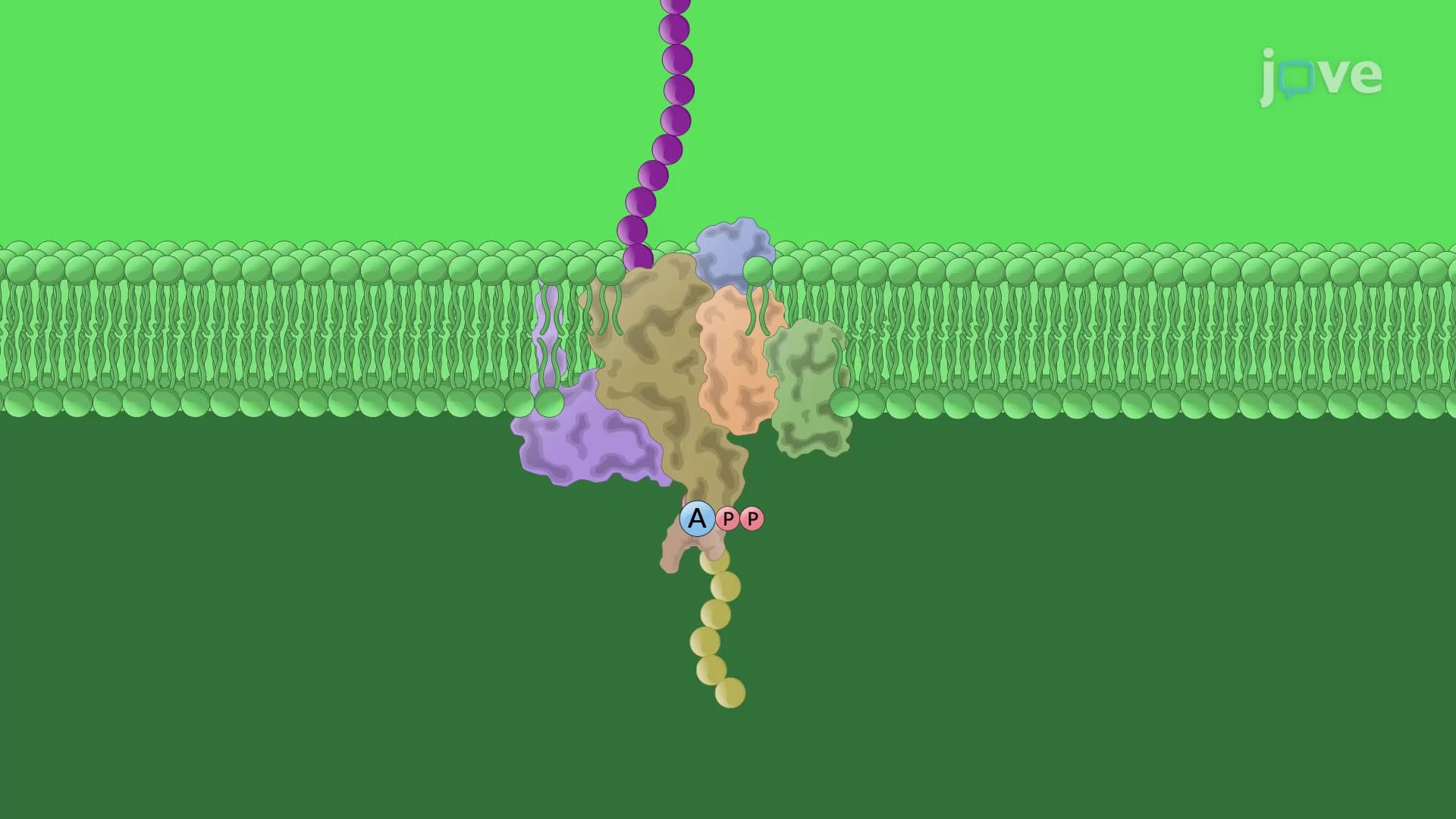
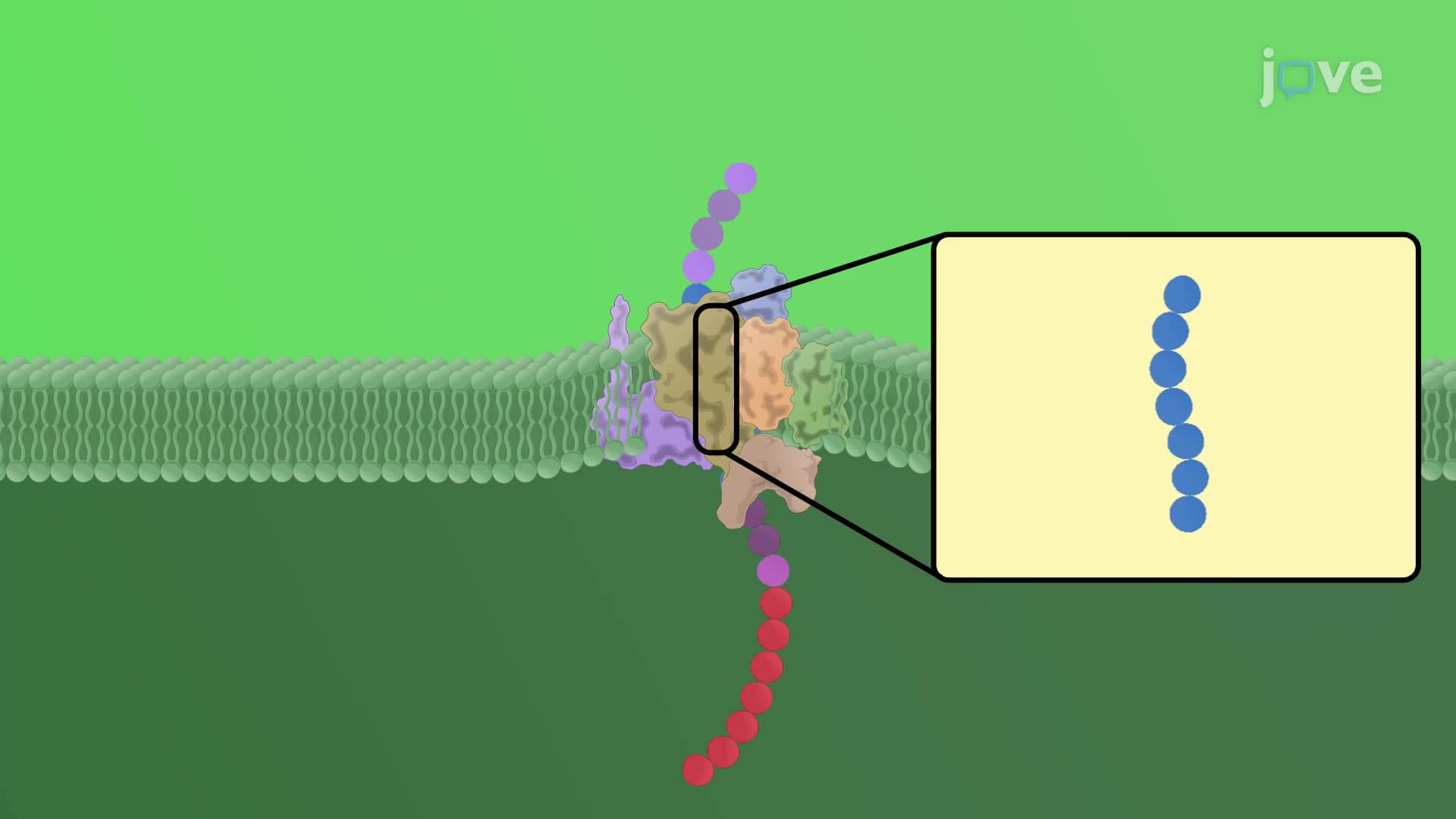
The third model focuses on the remarkable SAM50 subunit, which undergoes dramatic conformational changes during insertion. SAM50's beta-barrel structure unfolds to accommodate incoming precursor proteins, with beta-hairpins assembling between existing beta-strands through hydrogen bonding networks. This process mirrors protein folding studies conducted at Stanford University, where researchers examine how molecular chaperones assist in proper protein assembly.
The energy for complete assembly comes from hydrogen bond disruption-a process fundamental to many biochemical reactions you'll encounter in AP Biology and college biochemistry courses. Once assembly completes, SAM50 returns to its closed conformation, releasing the newly formed porin into the outer mitochondrial membrane.
Understanding porin insertion mechanisms has direct relevance to mitochondrial disease research at institutions like the NIH Clinical Center. Defects in this process can lead to energy metabolism disorders, making this concept crucial for pre-med students preparing for MCAT biochemistry sections and medical students studying cellular pathology.
Related Micro-courses