Loading subject page…


95,436 views

Video Summary: What Is Structure of Porins
Every cell in your body contains thousands of mitochondria that must carefully control what enters and exits-yet how do essential molecules pass through their protective barriers? The structure of porins reveals nature's elegant solution: barrel-shaped protein channels that act like molecular doorways in mitochondrial membranes. These sophisticated proteins are found in every human cell, from cardiac muscle cells powering your heartbeat to neurons firing in your brain. Watch the full video on JoVE Coach to master this concept with expert-led visuals and step-by-step explanations.
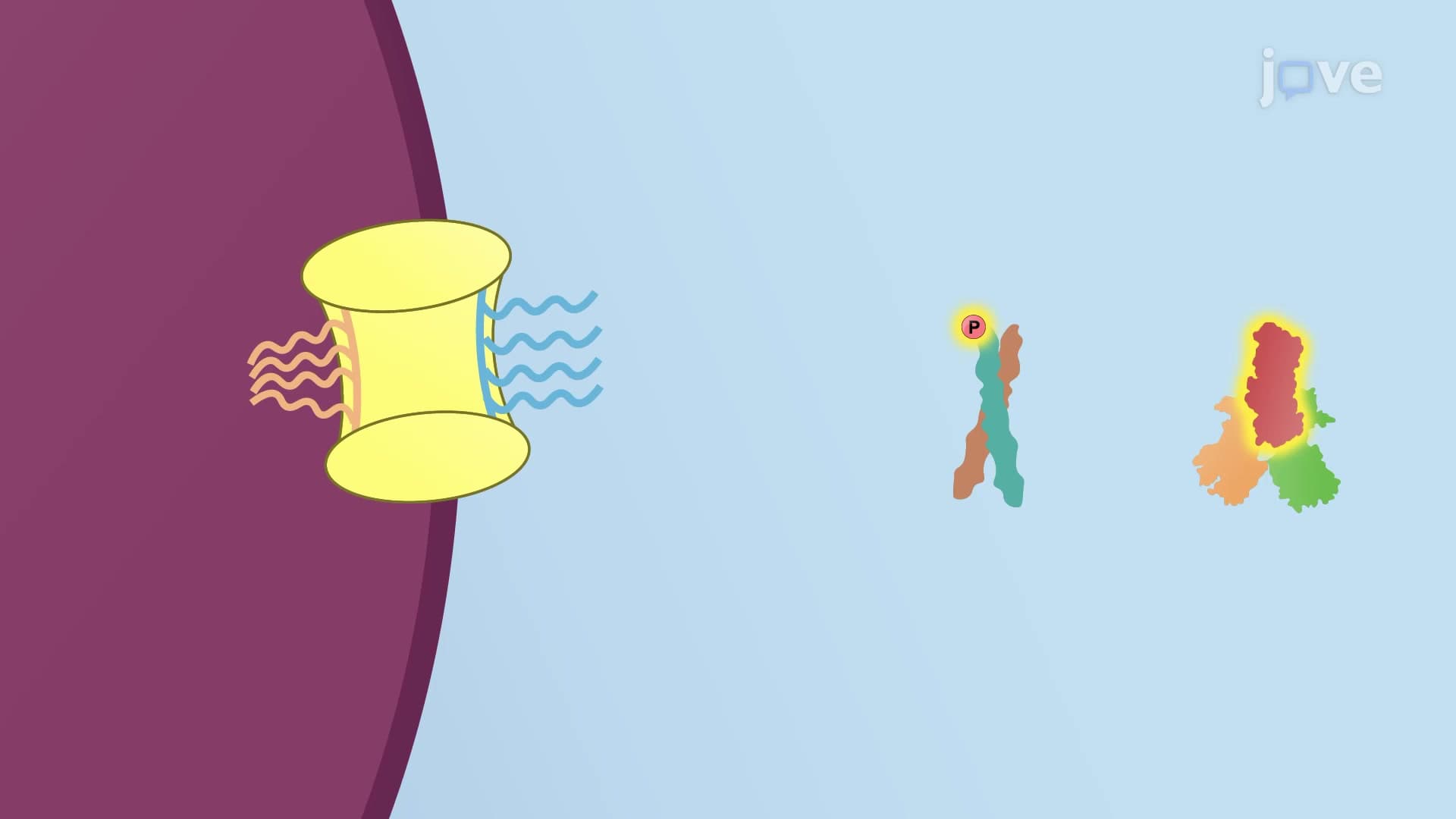
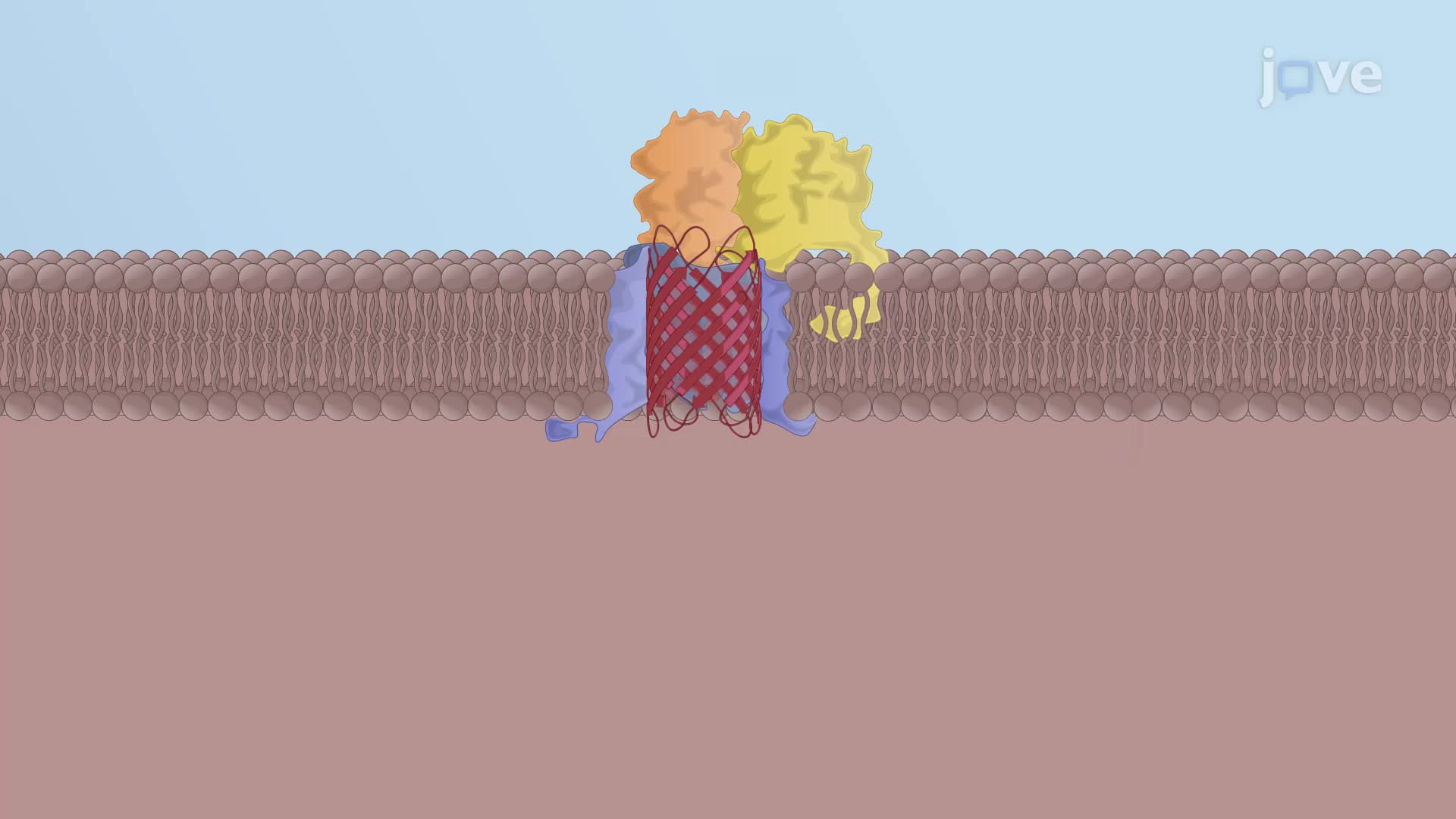
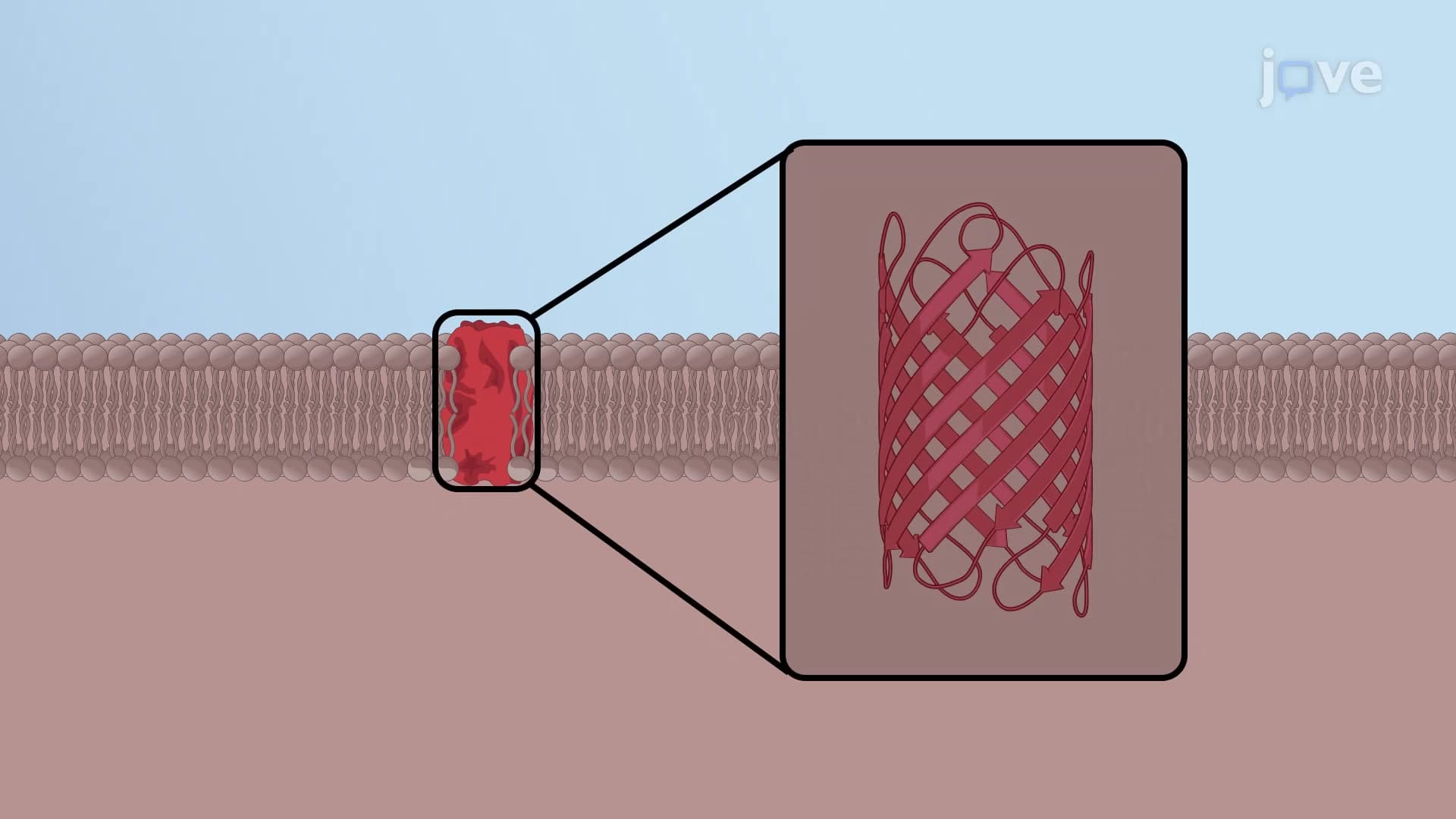
The structure of porins represents one of biology's most elegant transport solutions. These transmembrane proteins adopt a distinctive barrel-like configuration that spans the outer mitochondrial membrane, creating controlled pathways for molecular traffic. Unlike simple holes, porins are sophisticated protein machines with precisely engineered architecture.
Porins achieve their barrel shape through an intricate arrangement of beta-sheets that curve into a hollow cylinder. This beta-barrel structure positions hydrophobic amino acid residues on the exterior surface, allowing seamless integration with the lipid bilayer of the mitochondrial membrane. Meanwhile, hydrophilic residues line the interior channel, creating an aqueous environment that welcomes water-soluble molecules like ATP, ADP, and essential ions.
This structural arrangement is crucial for students preparing for the MCAT or AP Biology exams, where understanding protein-membrane interactions frequently appears. The concept also connects to broader themes in cell biology courses, particularly when studying membrane transport mechanisms and mitochondrial function.
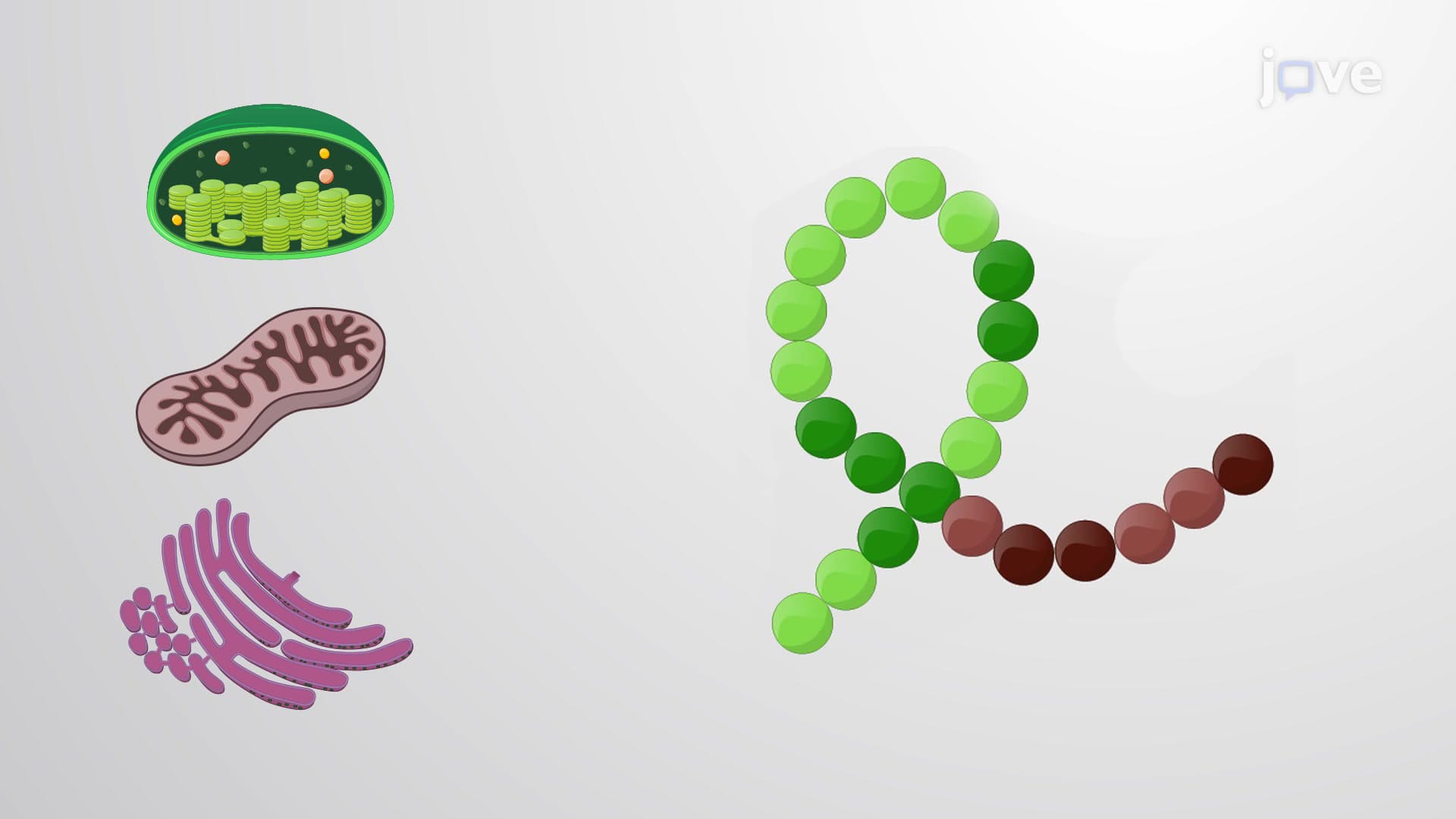
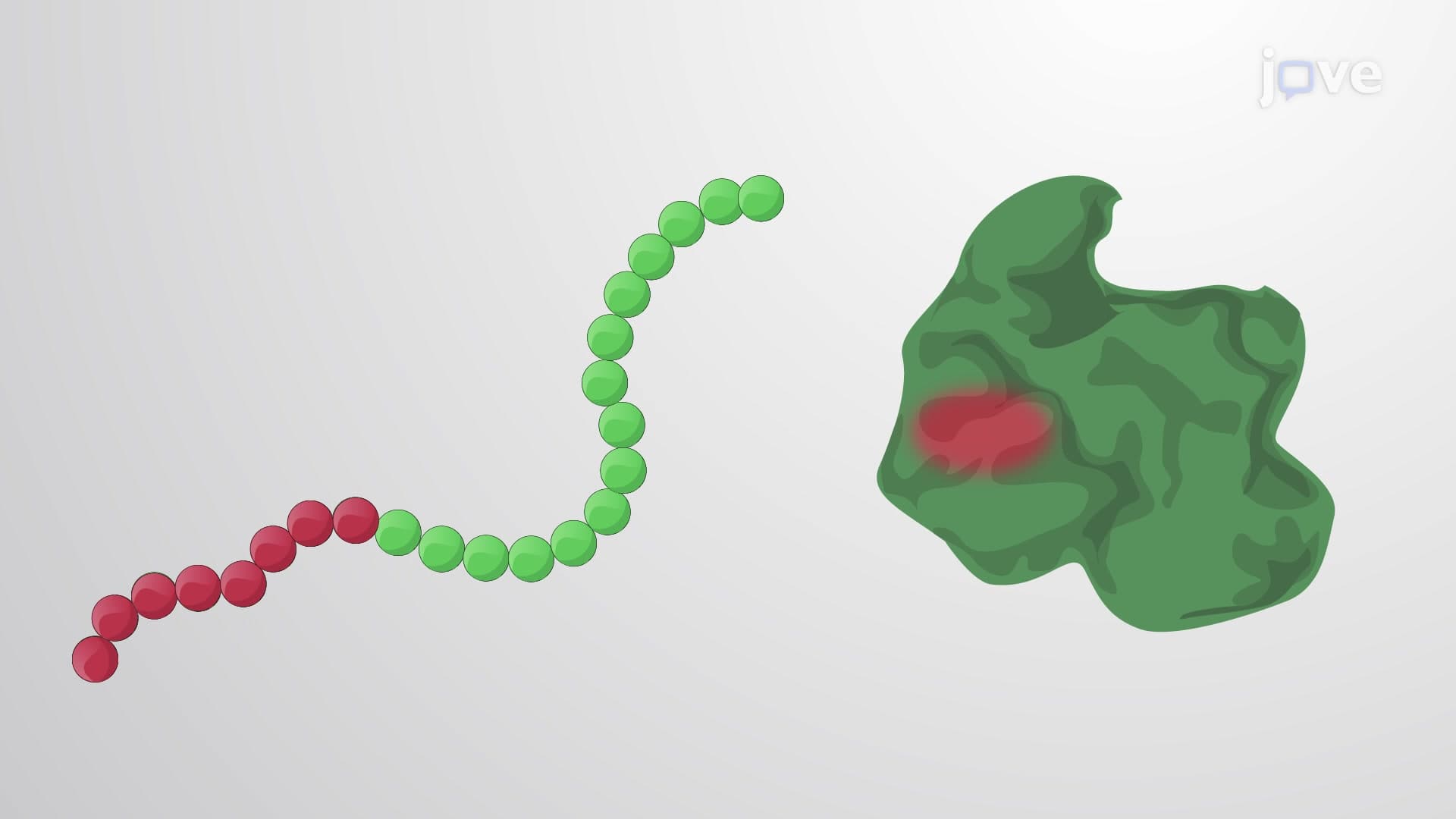
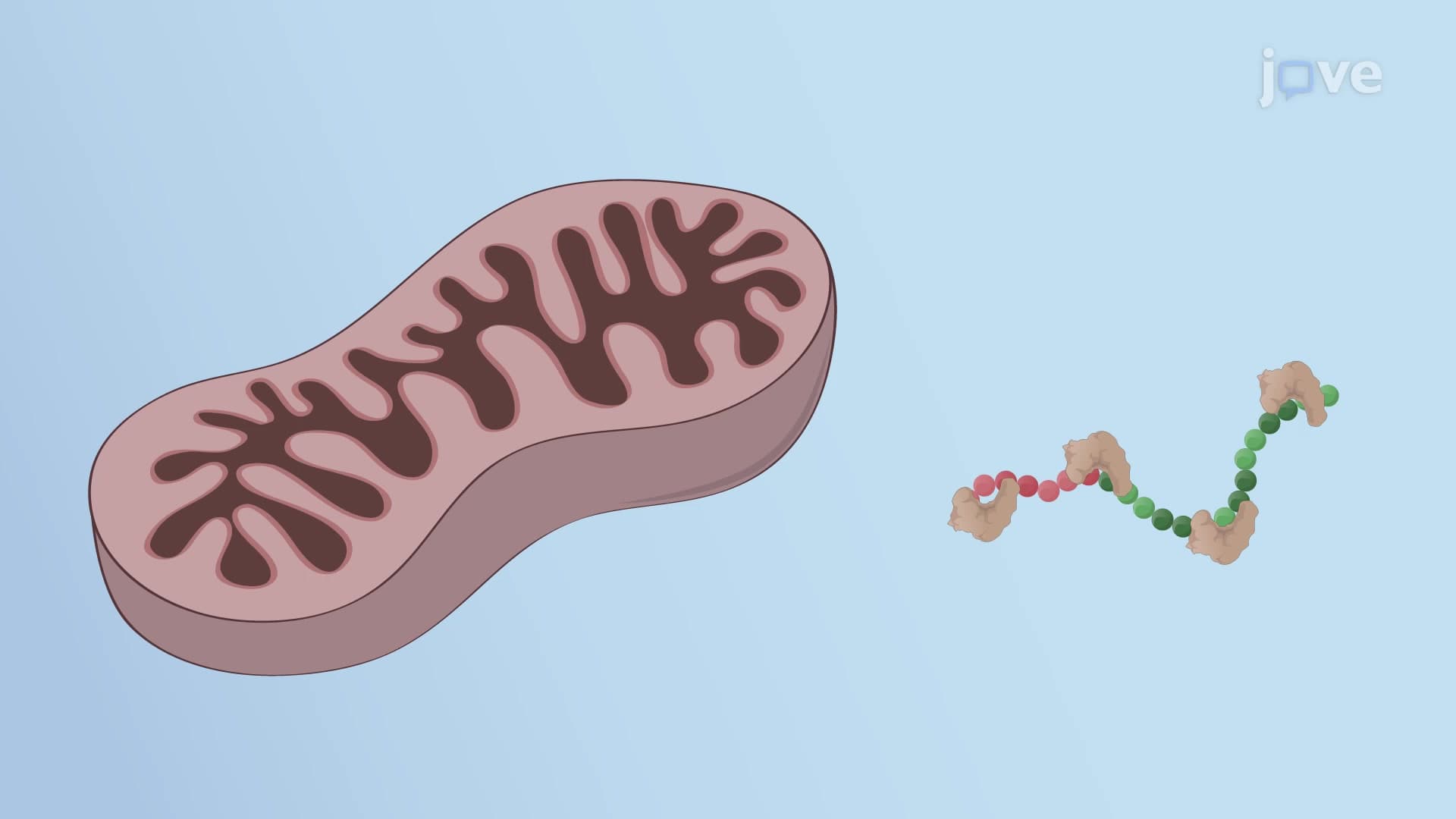
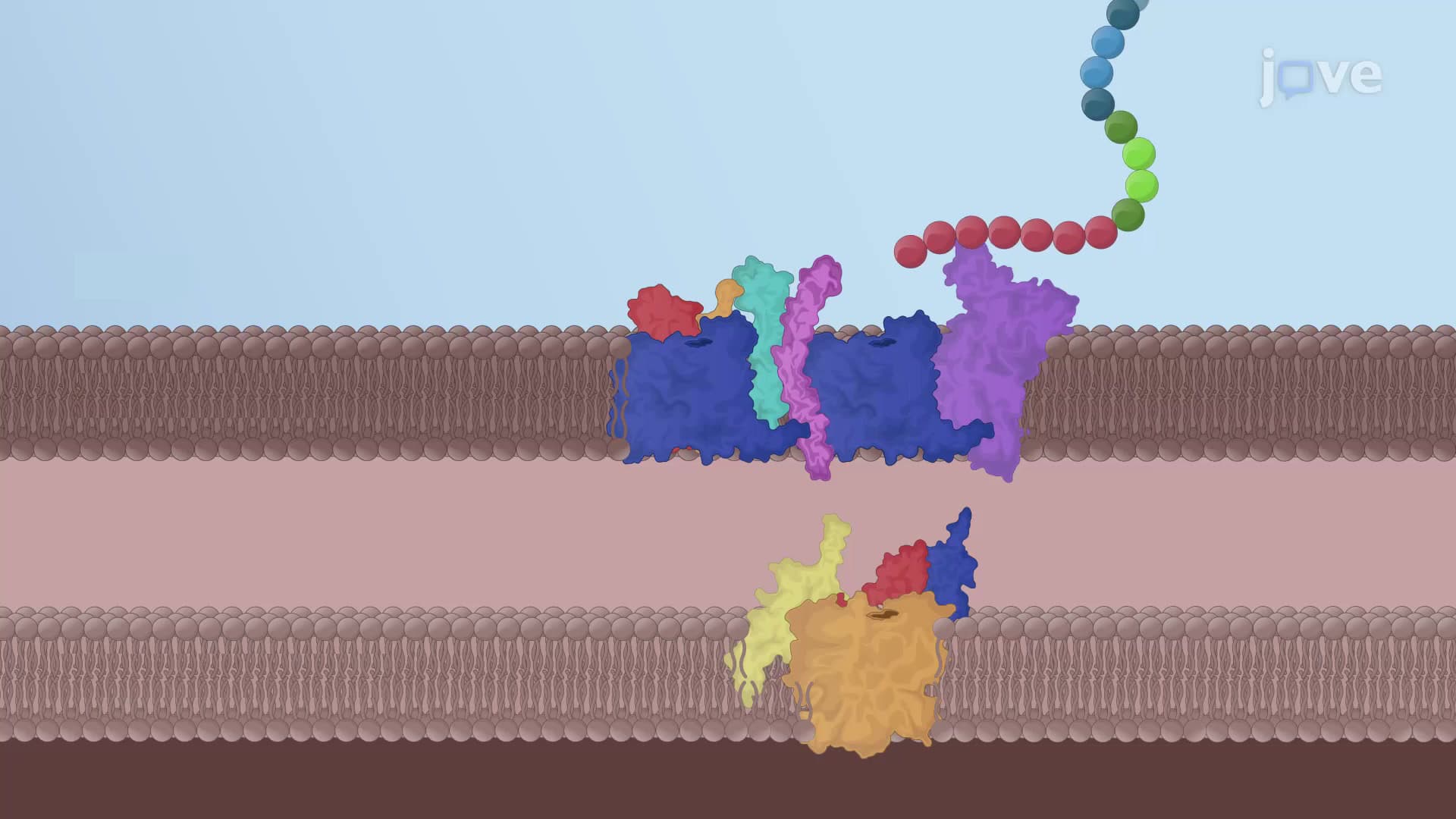
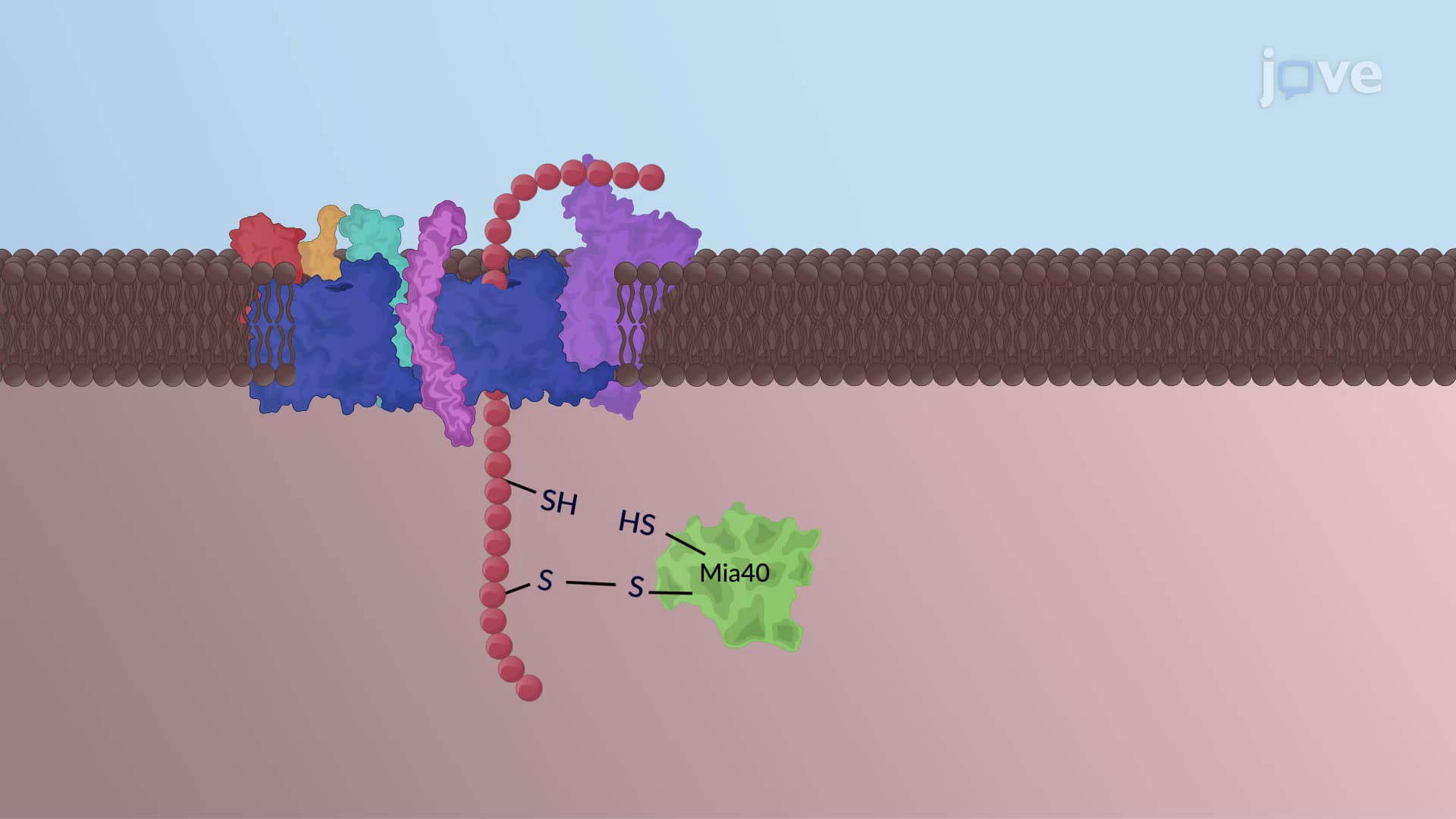
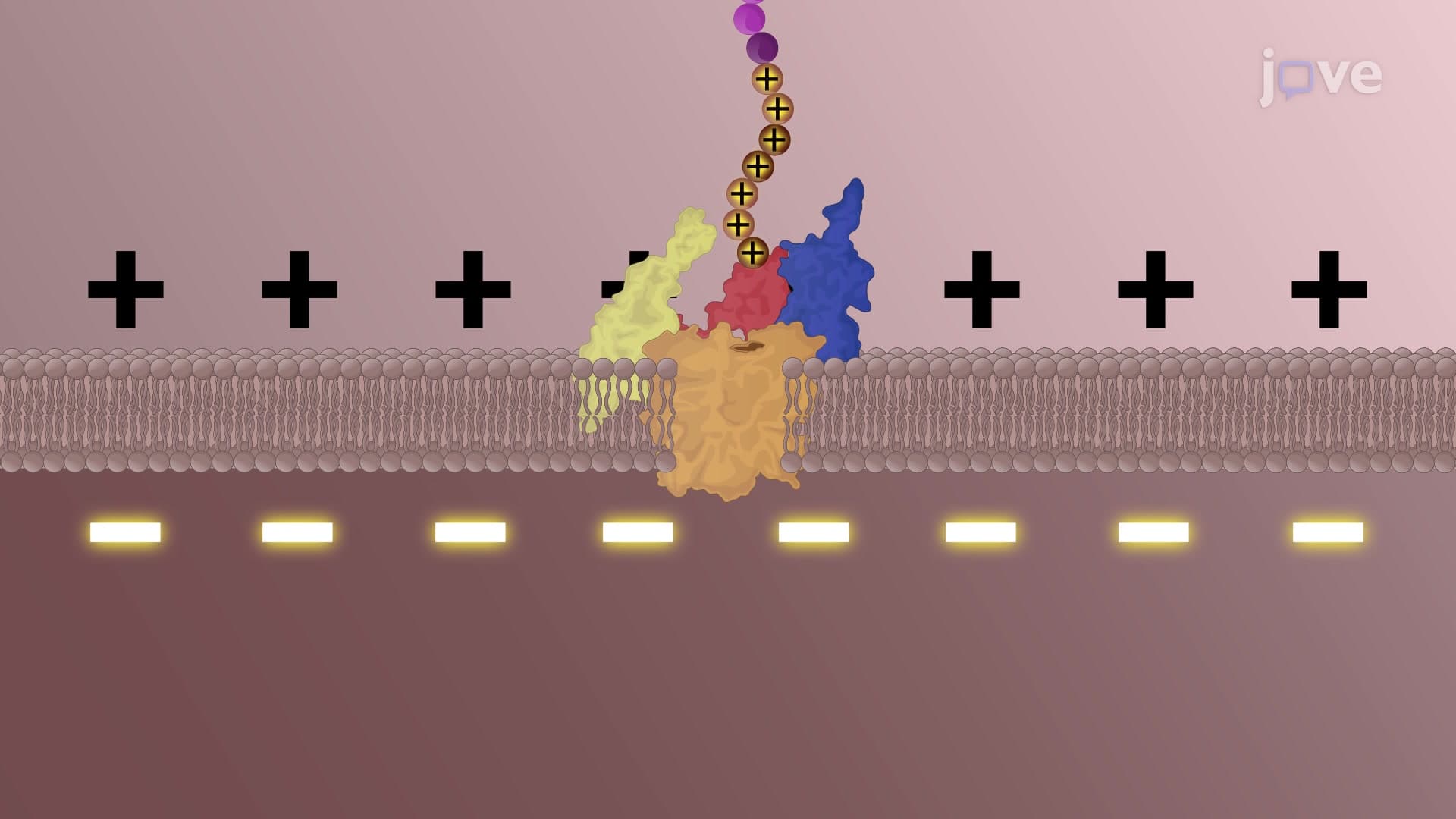
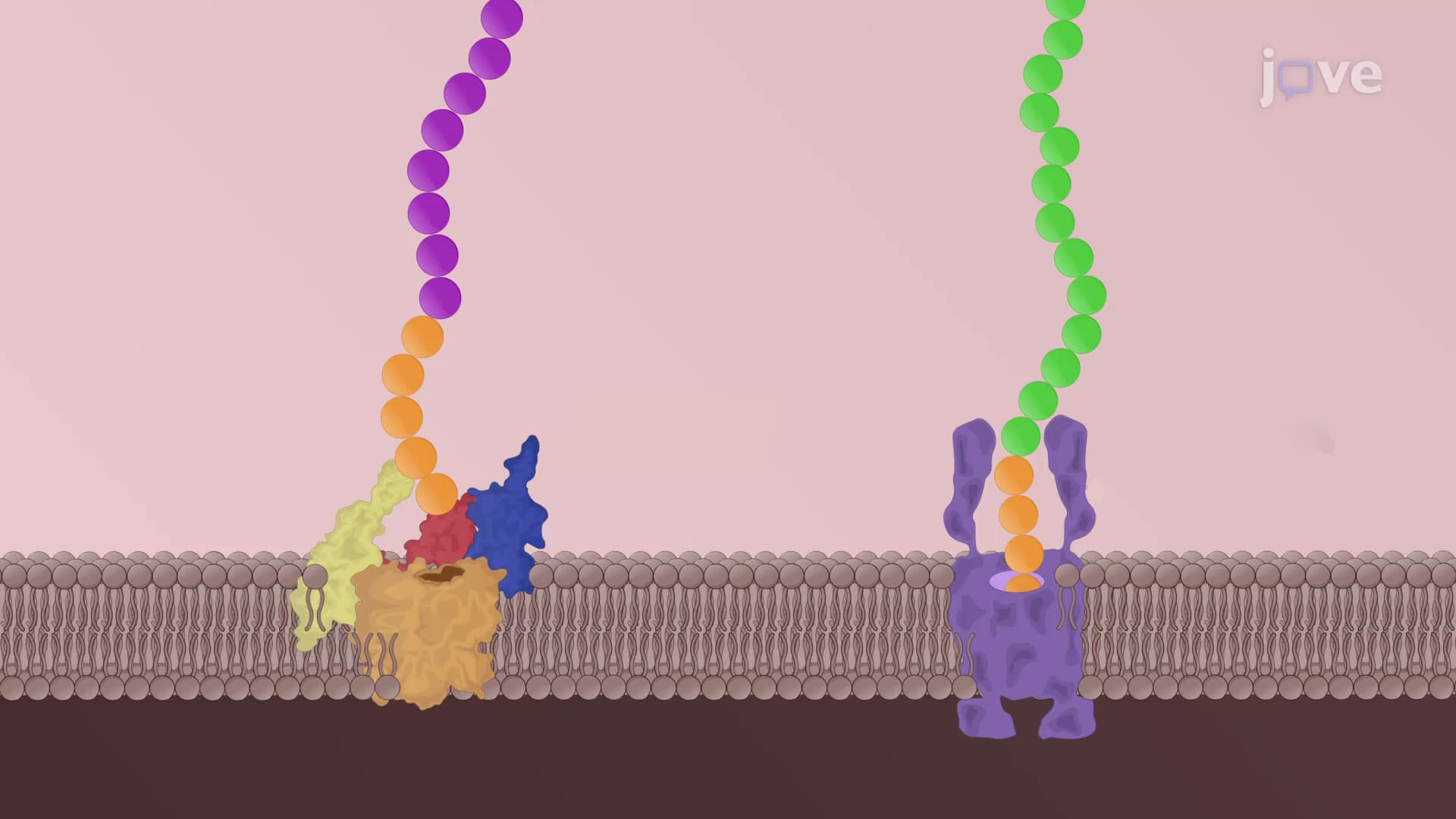
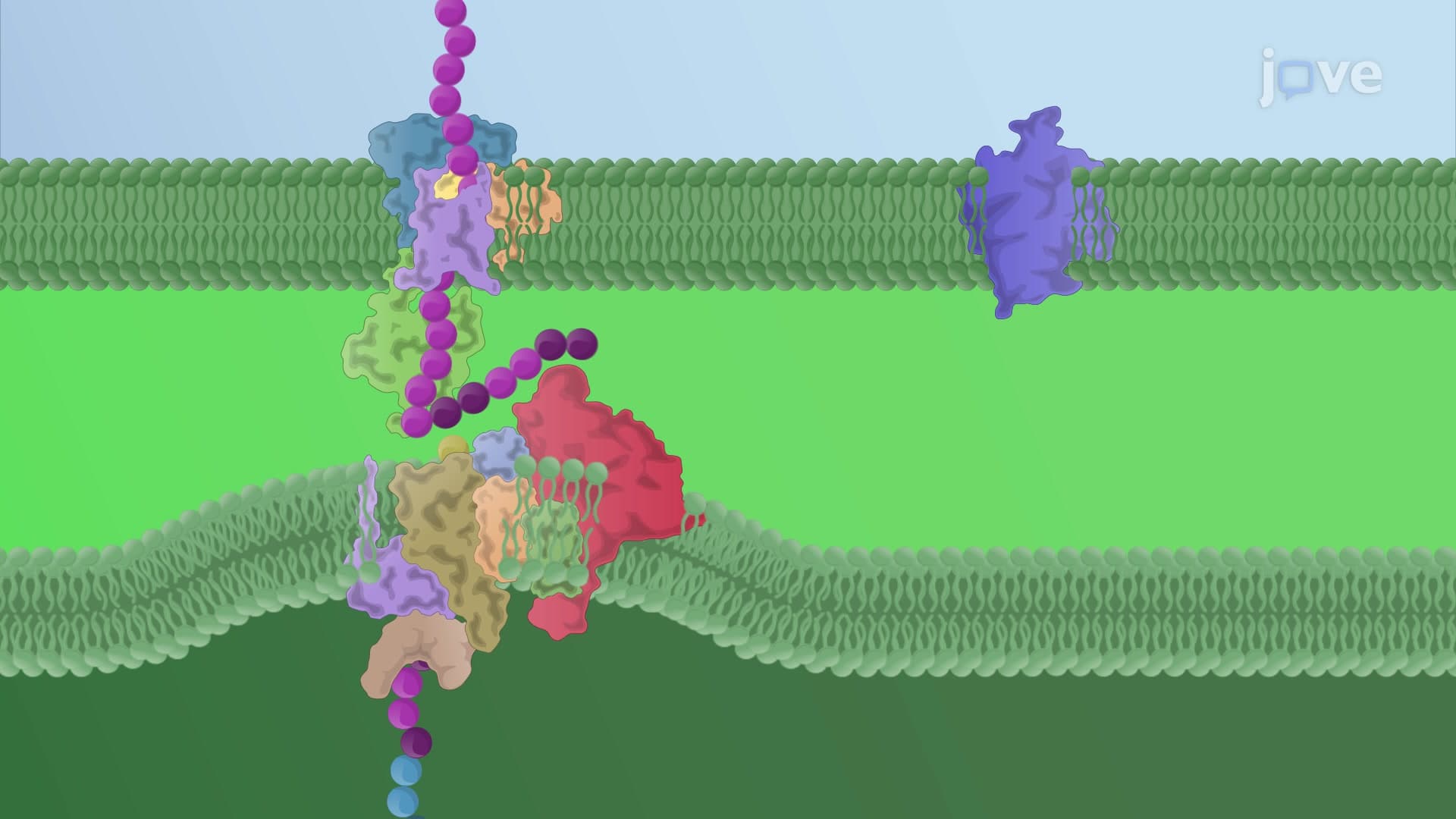
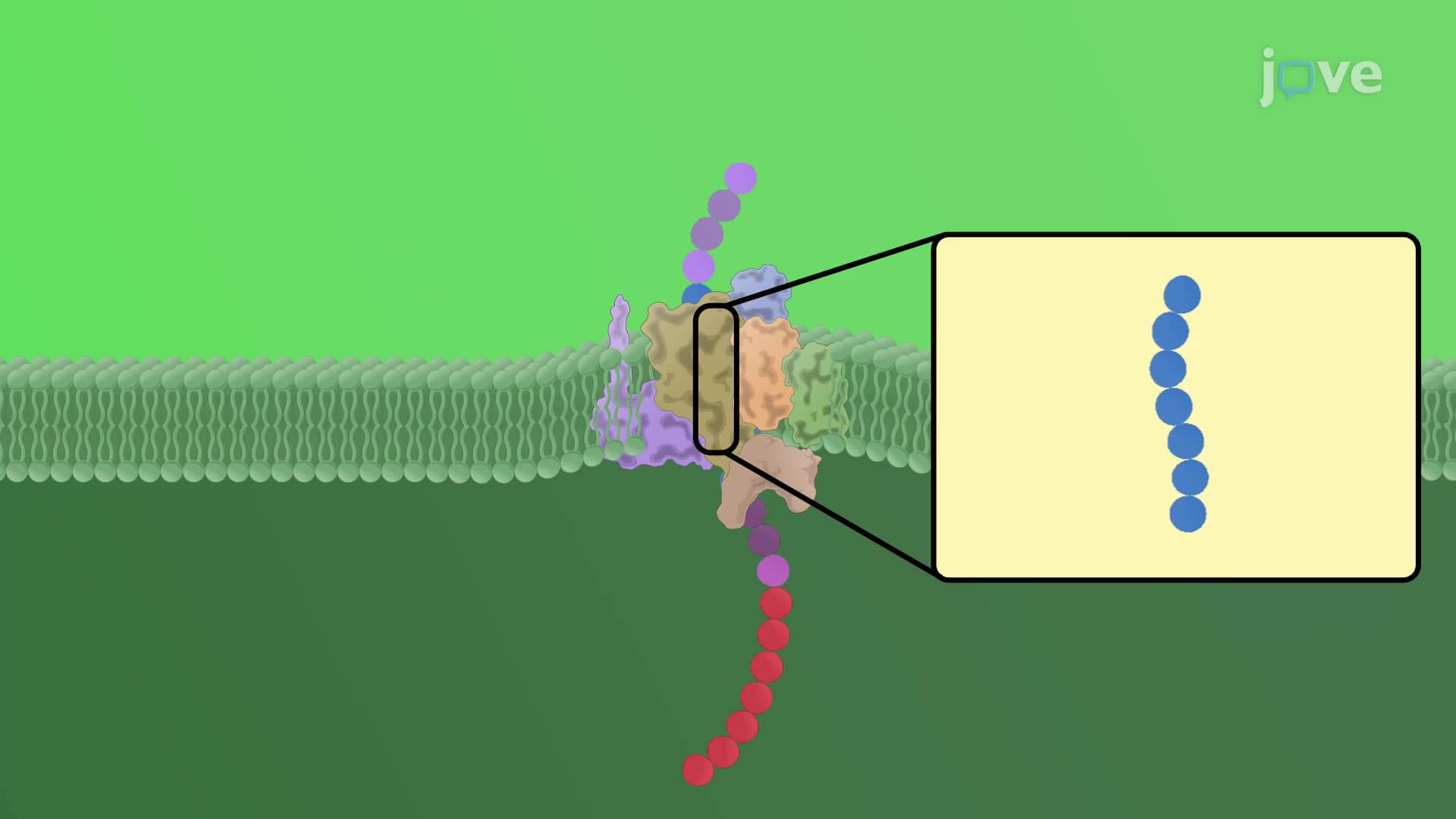
The formation of functional porins involves a sophisticated cellular assembly line. Porin precursors contain specialized sequence motifs called beta signals at their C-terminal ends-molecular "zip codes" that ensure proper delivery and assembly. These precursors first traverse the TOM (Translocase of the Outer Membrane) complex, entering the intermembrane space where TIM chaperones provide guidance.
The SAM (Sorting and Assembly Machinery) complex serves as the final assembly station, recognizing beta signals and orchestrating the folding process. This complex guides precursors through progressive beta-hairpin formation, ultimately achieving the complete beta-barrel structure. Understanding this process helps explain how cells maintain quality control in protein folding-a concept that appears in biochemistry courses and medical school curricula.
Porin structure research has significant implications for understanding mitochondrial diseases. Mutations affecting porin assembly or function can disrupt cellular energy production, leading to conditions like mitochondrial myopathy or neurodegeneration. Researchers at institutions like Harvard Medical School and Johns Hopkins continue investigating how porin structural defects contribute to metabolic disorders, making this knowledge relevant for pre-med students and those interested in biomedical research careers.
Related Micro-courses