Loading subject page…


157,134 views

Video Summary: Delivery Pathways to the Lysosome Explained
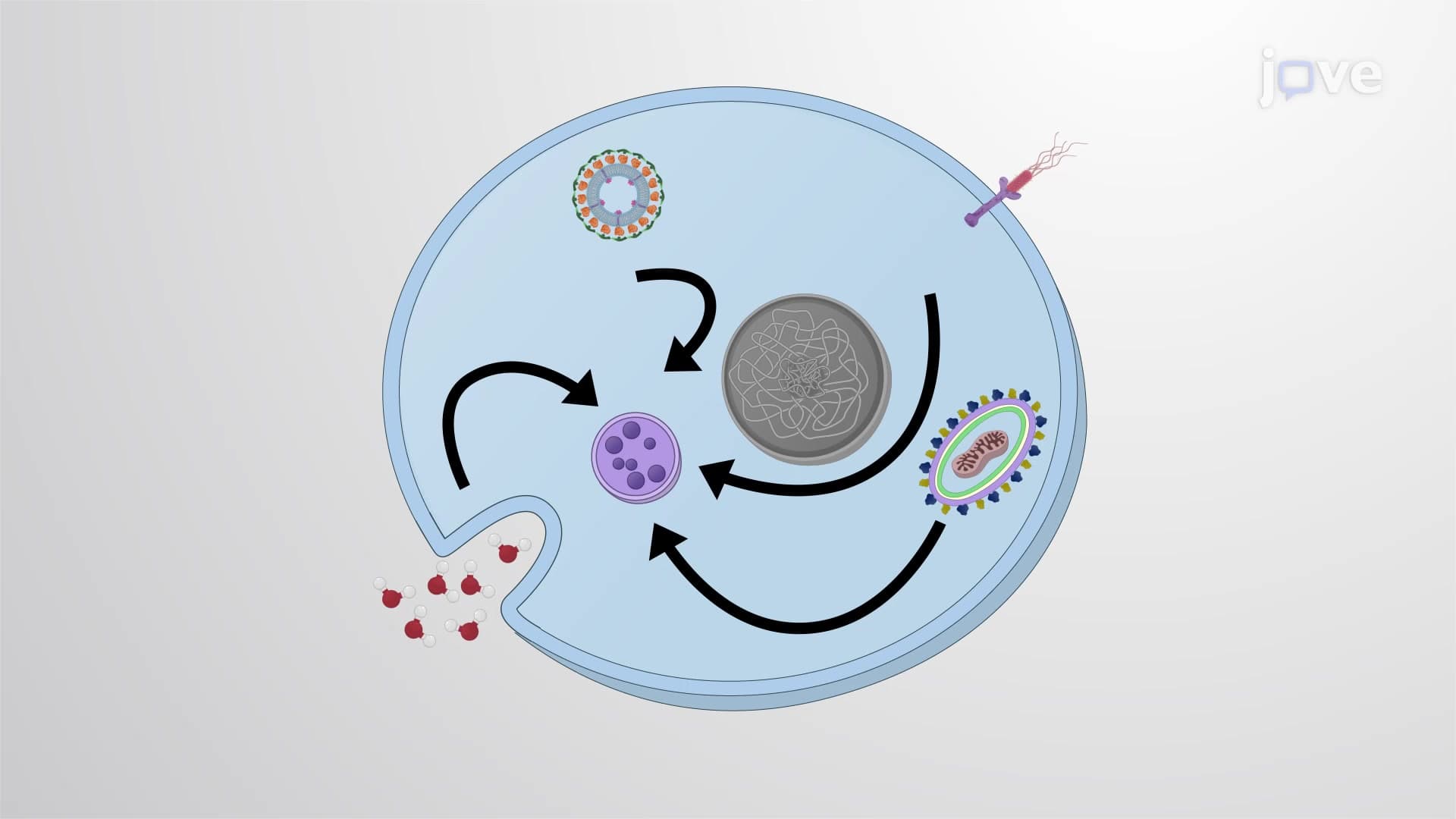
Did you know that your immune cells can literally eat bacteria whole? Delivery pathways to the lysosome enable cells to transport diverse materials-from nutrients to cellular waste-through four specialized routes: endocytosis, phagocytosis, macropinocytosis, and autophagy. Consider how white blood cells in your bloodstream engulf harmful pathogens to protect your body. These Delivery Pathways To The Lysosome Explained demonstrate how cells maintain homeostasis and defend against disease. Watch the full video on JoVE Coach to master this concept with expert-led visuals and step-by-step explanations.
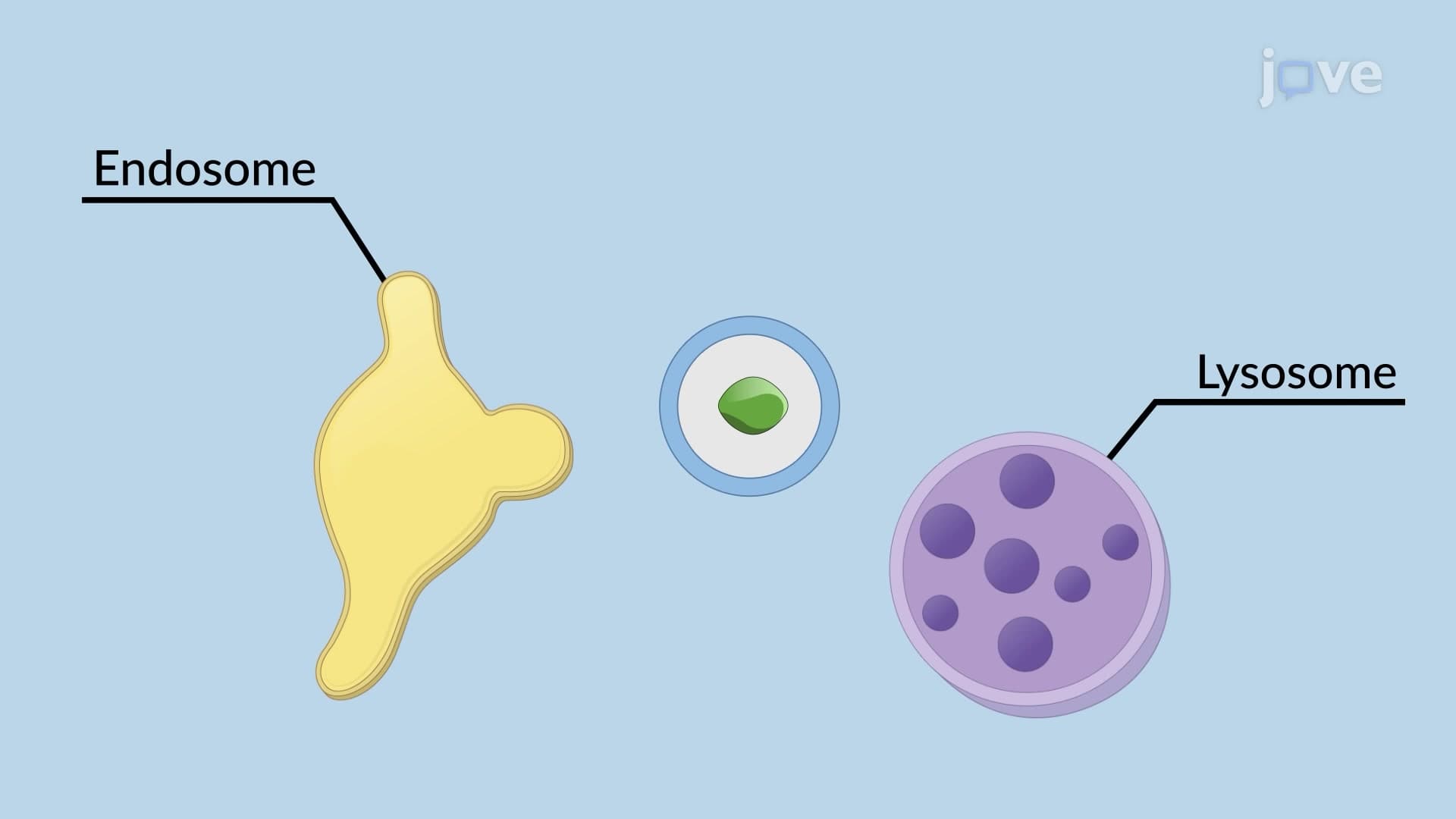
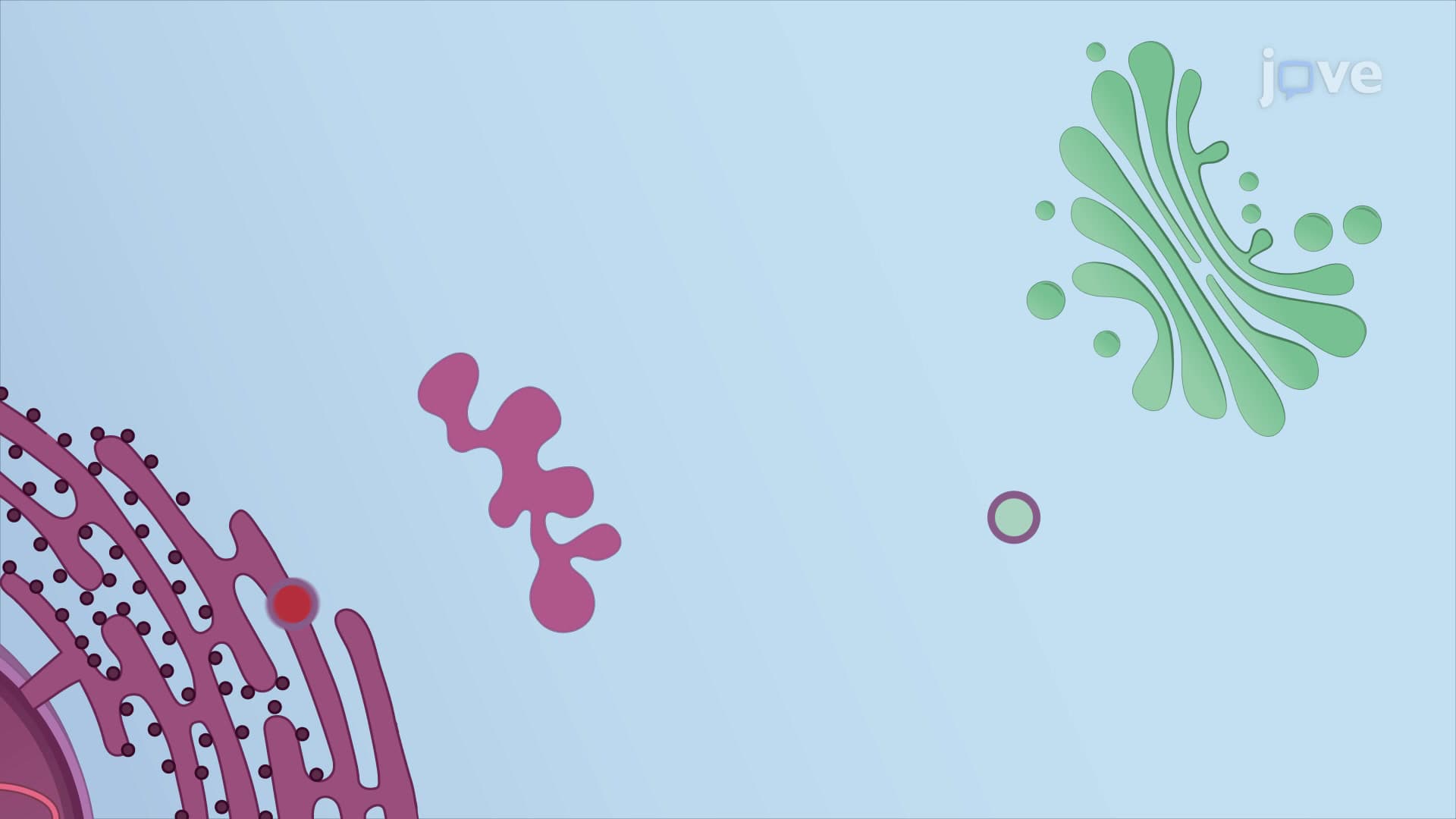
Cells constantly need to transport materials to lysosomes for degradation, recycling, and quality control. The delivery pathways to the lysosome represent sophisticated cellular trafficking systems that ensure proper waste management and nutrient processing. These pathways are essential for maintaining cellular health and responding to environmental challenges.
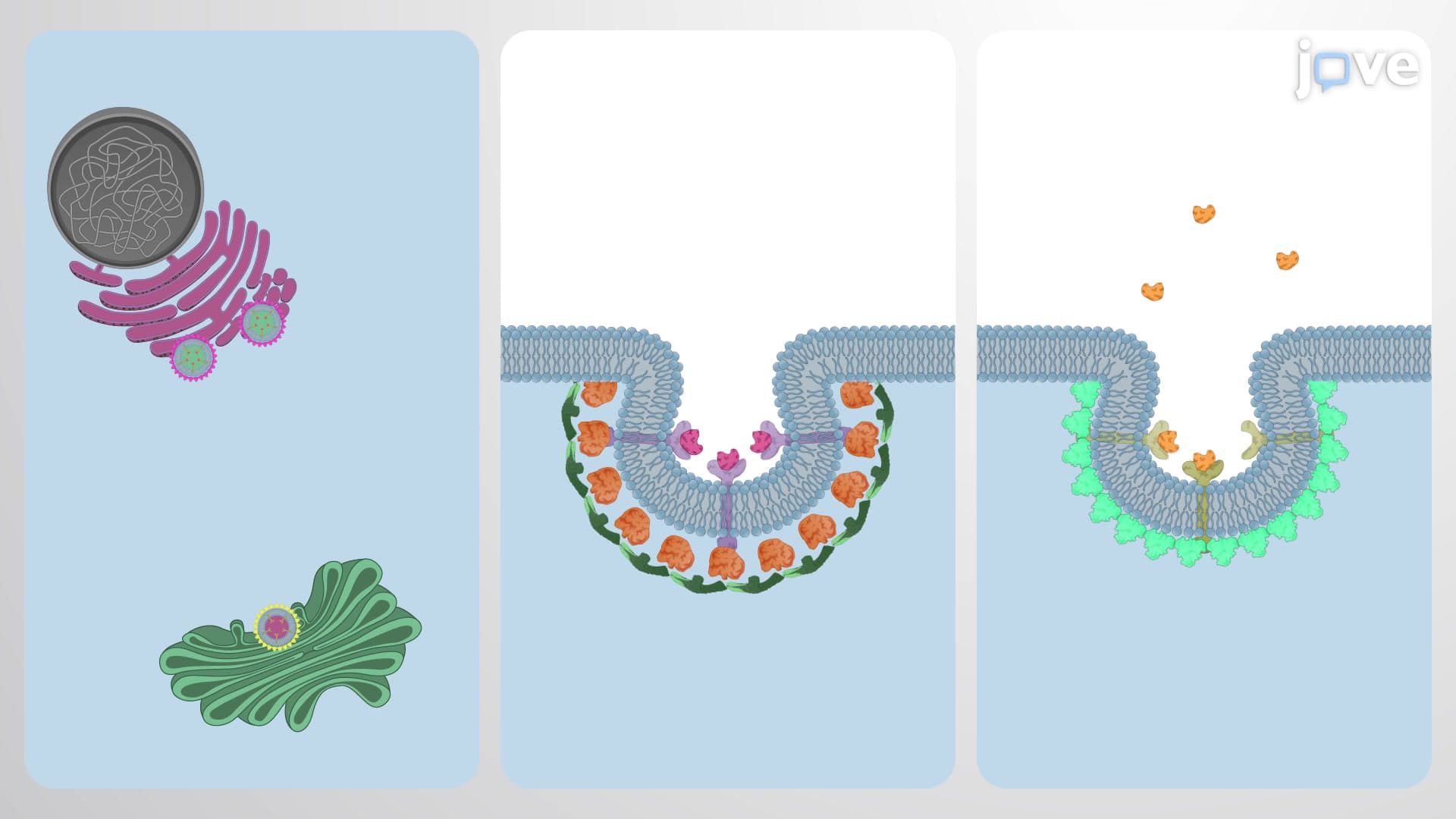
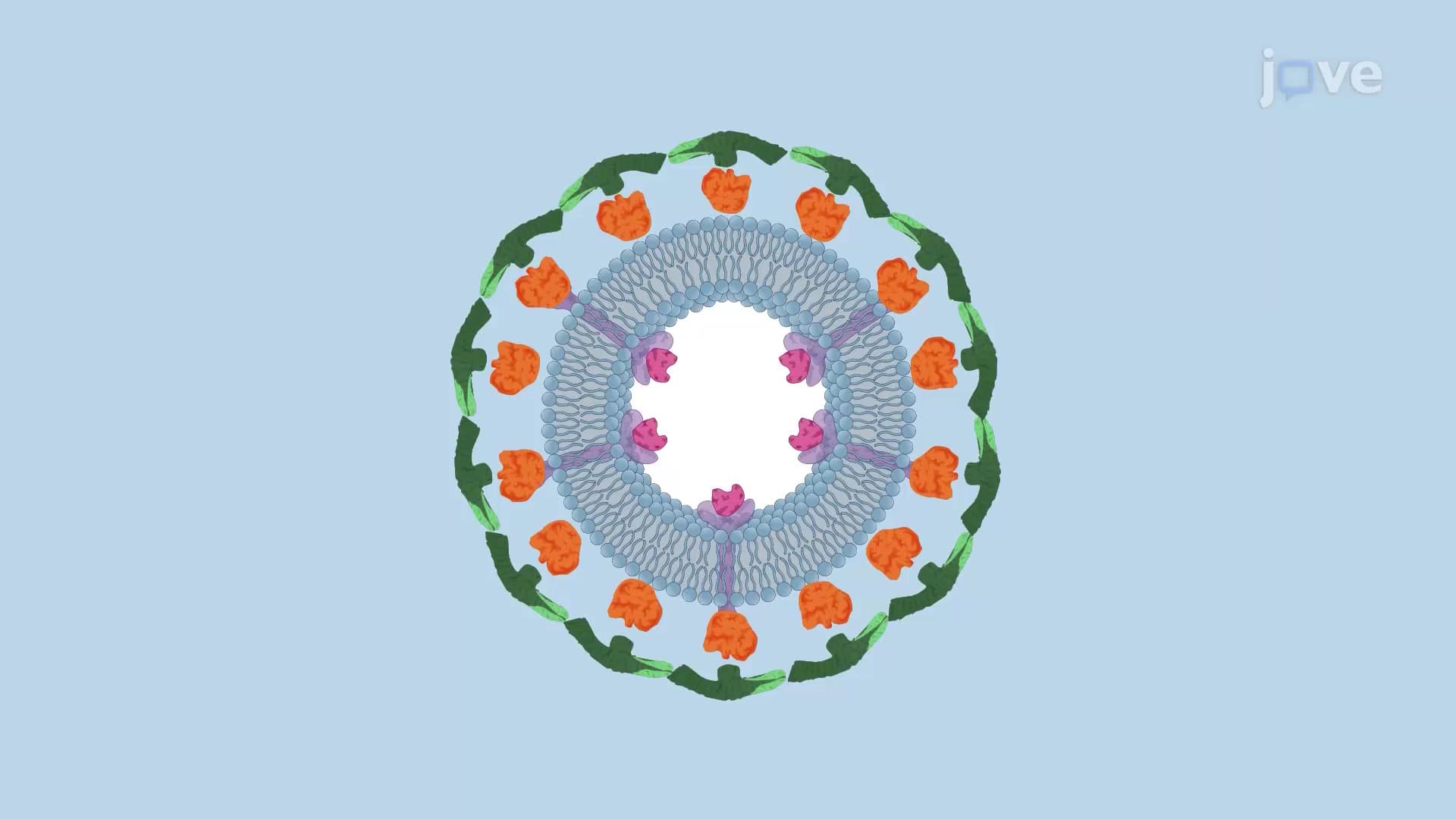
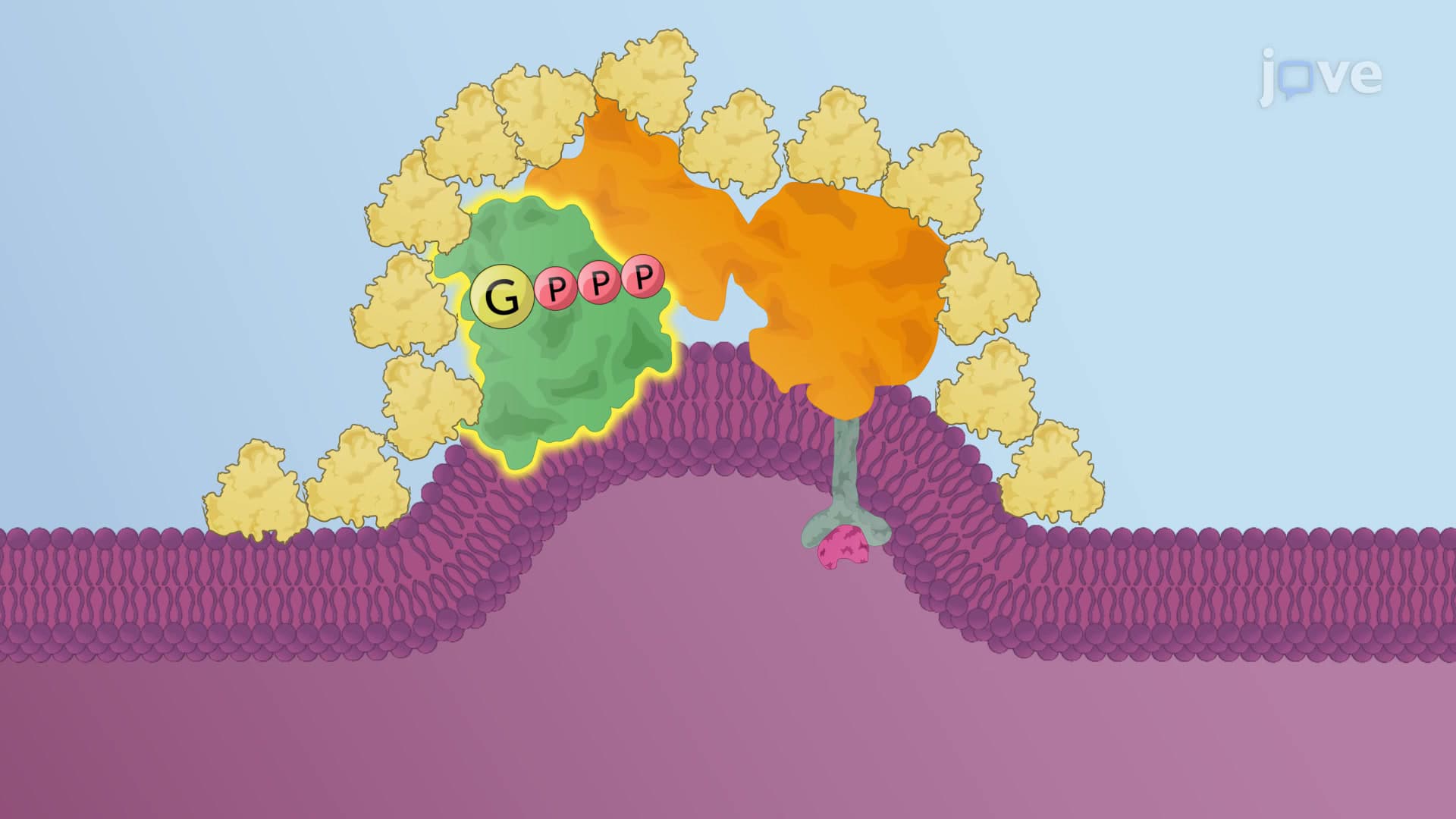
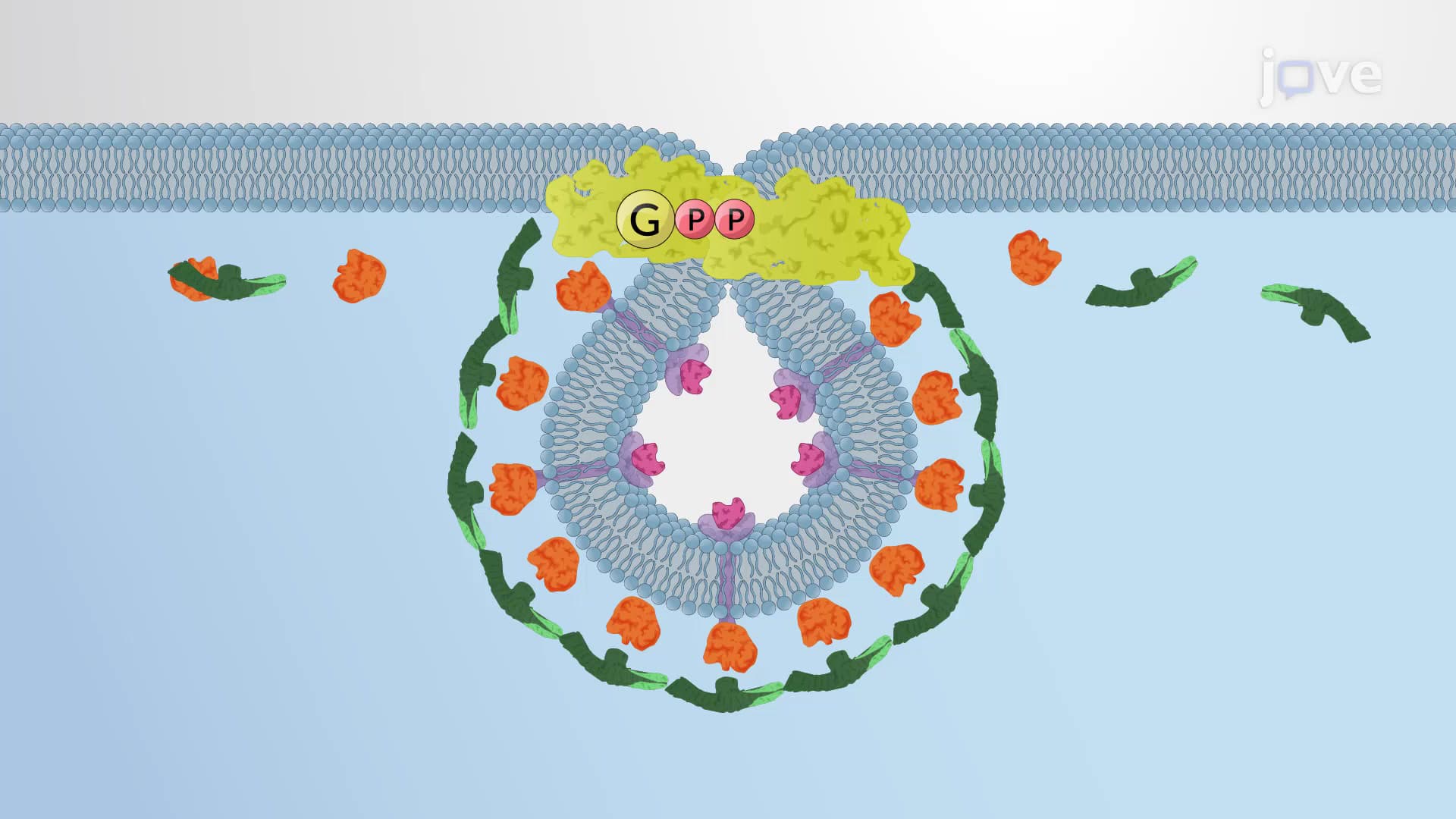
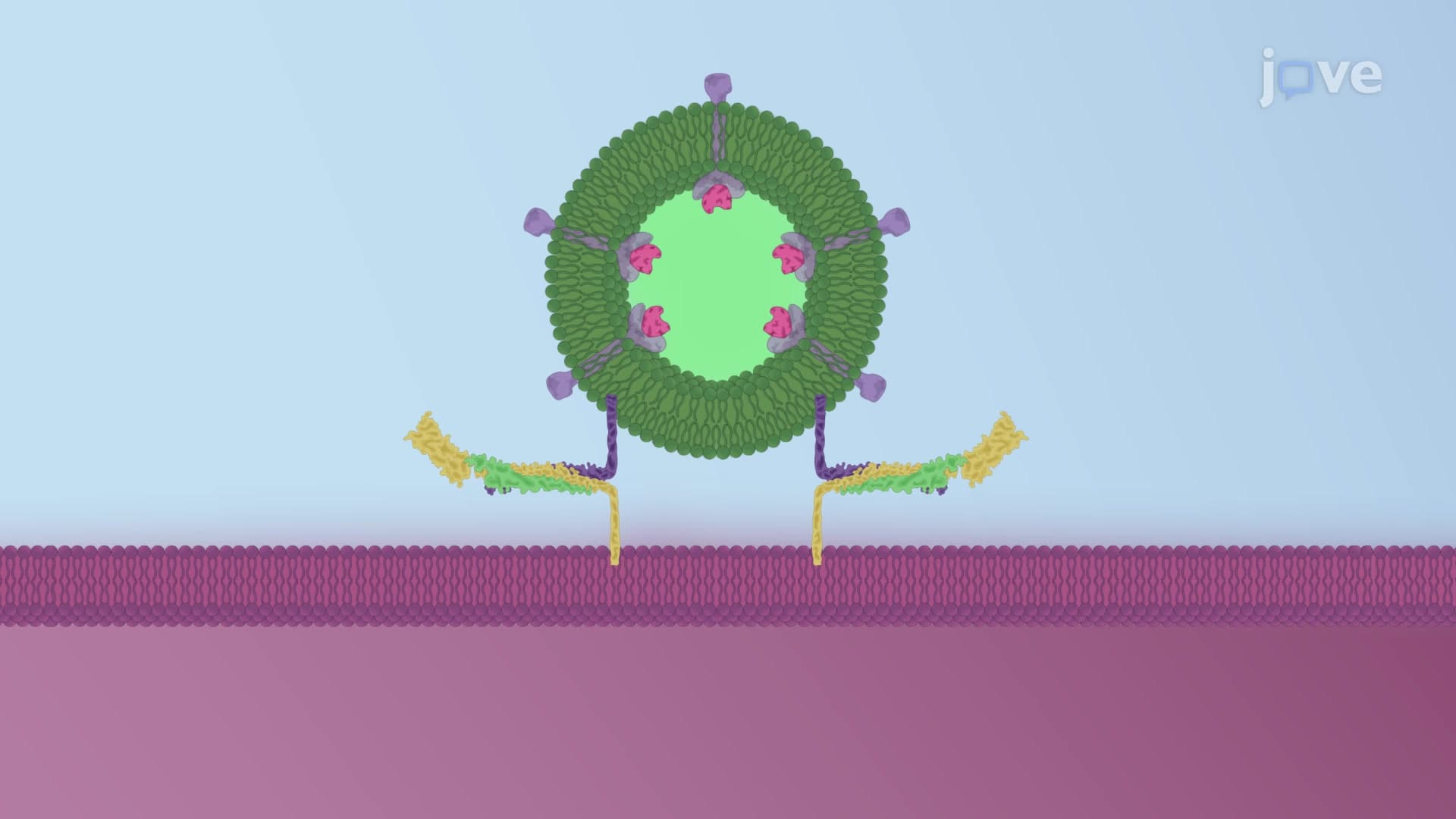
Endocytosis functions as the cell's selective import system, using specific receptors to capture target molecules. This pathway is crucial for nutrient uptake, such as when liver cells absorb cholesterol-containing LDL particles through LDL receptors. The process involves membrane invagination, vesicle formation, and eventual fusion with lysosomes. Students preparing for the AP Biology exam should understand how receptor specificity determines what materials enter cells through this pathway.
Phagocytosis serves as the cellular equivalent of eating, primarily used by immune cells like macrophages in your spleen and lymph nodes. These cells engulf bacteria, dead tissue, and foreign particles, forming phagosomes that merge with lysosomes for destruction. This process is vital for immune defense and tissue maintenance. Macropinocytosis, conversely, operates without specific receptors, allowing cells to sample their environment by engulfing large volumes of extracellular fluid. Cancer researchers at institutions like MD Anderson study how tumor cells exploit macropinocytosis for rapid growth.
Autophagy represents the cell's recycling program, removing damaged organelles and protein aggregates. This pathway becomes especially important during cellular stress, such as nutrient deprivation or infection. The 2016 Nobel Prize in Physiology recognized autophagy's significance in human health and disease. Medical students studying for the MCAT should understand how autophagy defects contribute to neurodegenerative diseases like Alzheimer's and Parkinson's disease.
Related Micro-courses