Loading subject page…


157,146 views


Video Summary: What are Clathrin Coated Vesicles
Ever wondered how your neurons transport critical neurotransmitters across synapses with pinpoint accuracy? Clathrin coated vesicles are the cellular "delivery trucks" that make this possible, moving proteins from the Golgi apparatus to the plasma membrane and facilitating endocytosis throughout your body. These sophisticated transport systems are essential for processes like insulin secretion in pancreatic cells and neurotransmitter release at synapses in your brain. Understanding what are clathrin coated vesicles reveals how cells maintain precise molecular transport. Watch the full video on JoVE Coach to master this concept with expert-led visuals and step-by-step explanations.
What are clathrin coated vesicles? These are specialized membrane-bound structures that serve as the cell's primary transport vehicles, moving proteins and other cargo between cellular compartments with remarkable precision. Think of them as molecular delivery trucks equipped with sophisticated addressing systems that ensure cargo reaches its correct destination.
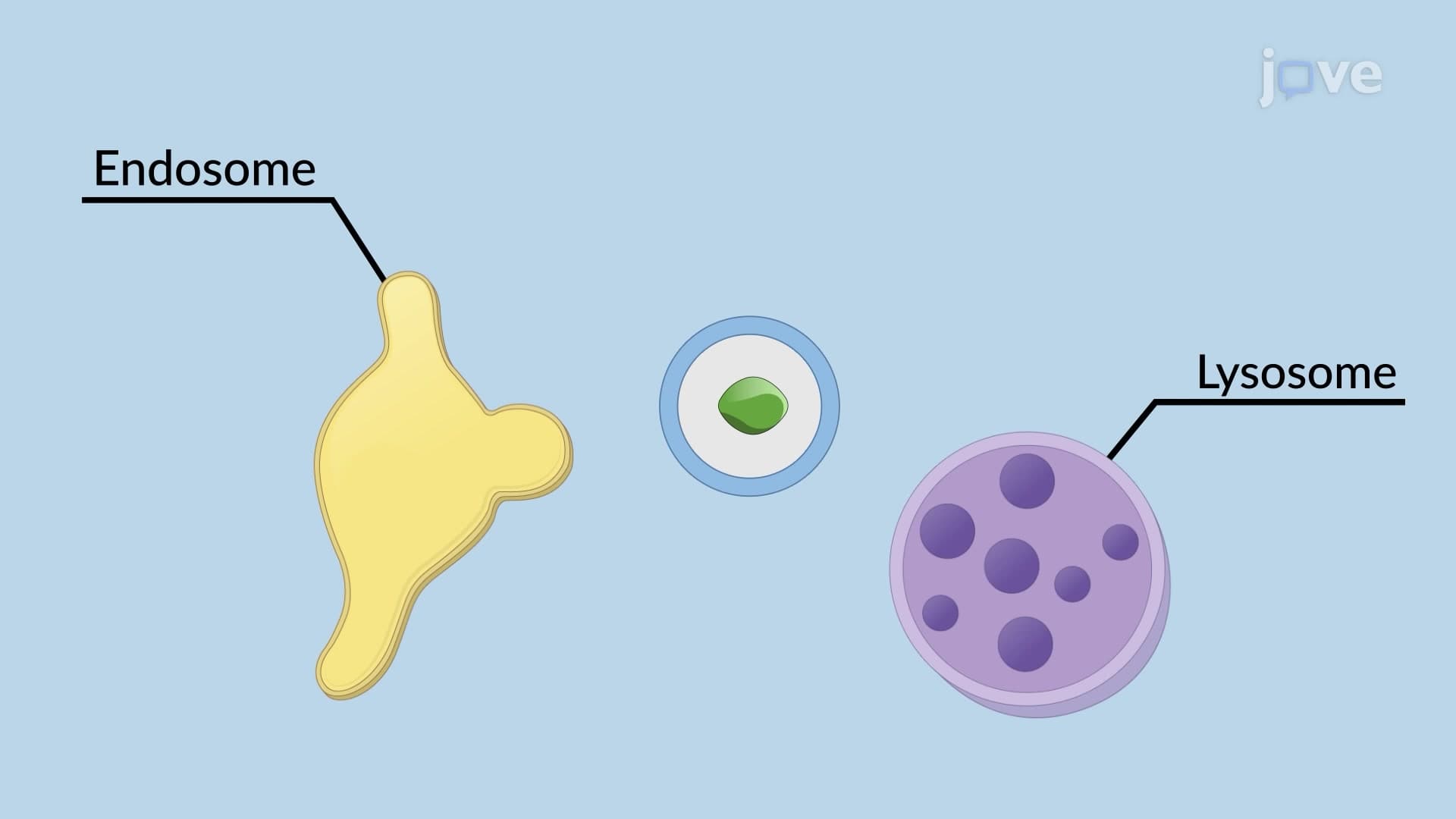
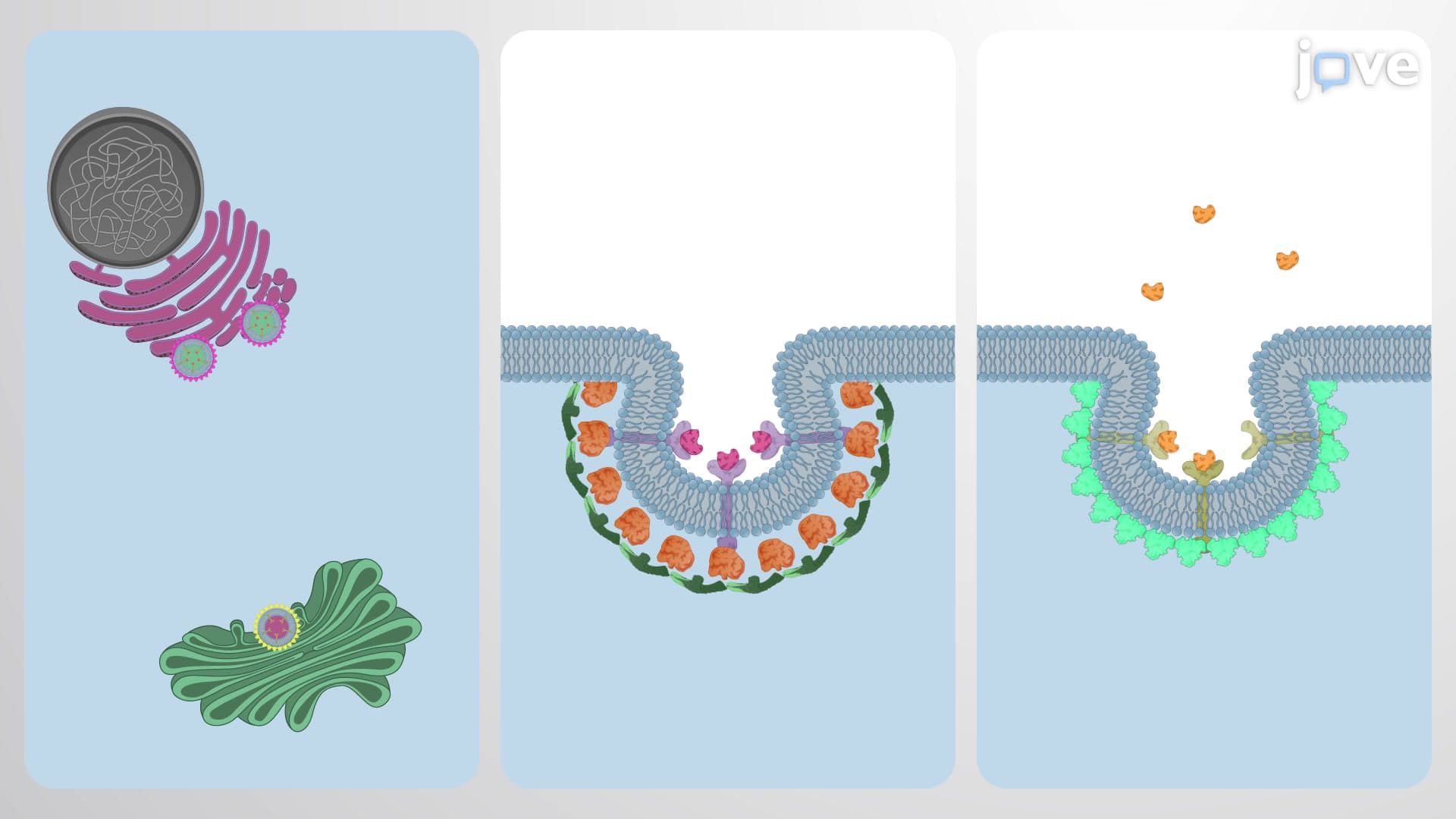
The types of clathrin coated vesicles vary based on their transport routes and cargo specificity. The most well-characterized pathway involves vesicles transporting proteins from the Golgi apparatus to the plasma membrane, essential for processes like hormone secretion in endocrine cells. Another critical type facilitates endocytosis, bringing materials from outside the cell inward-crucial for nutrient uptake and receptor recycling in tissues throughout the human body.
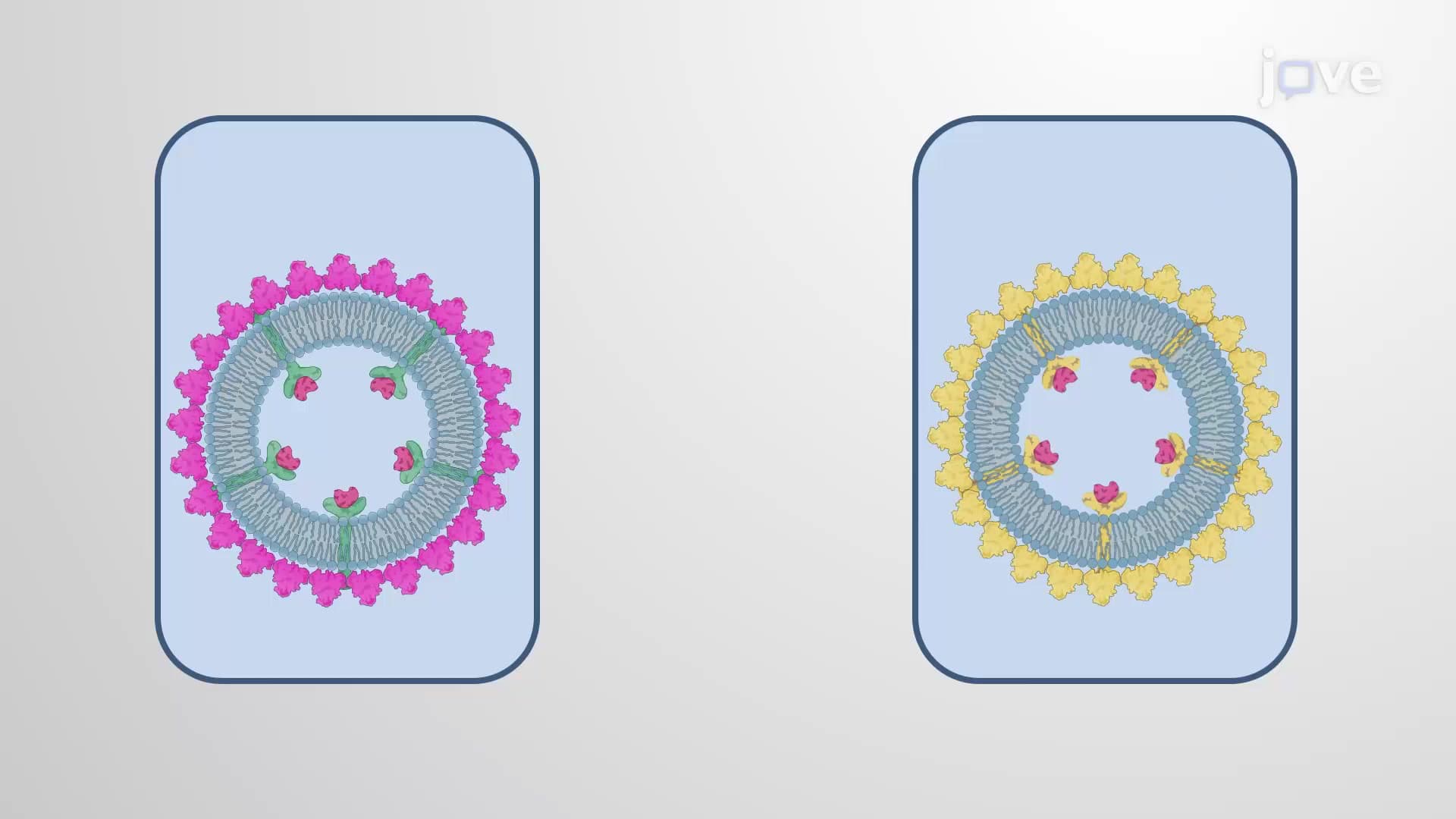
The clathrin protein forms distinctive three-legged structures called triskelions, composed of three heavy chains and three light chains. These triskelions assemble into a geodesic dome-like cage surrounding the vesicle, similar to the framework of a soccer ball. This basket-like architecture provides structural integrity while allowing flexibility during vesicle formation and transport.
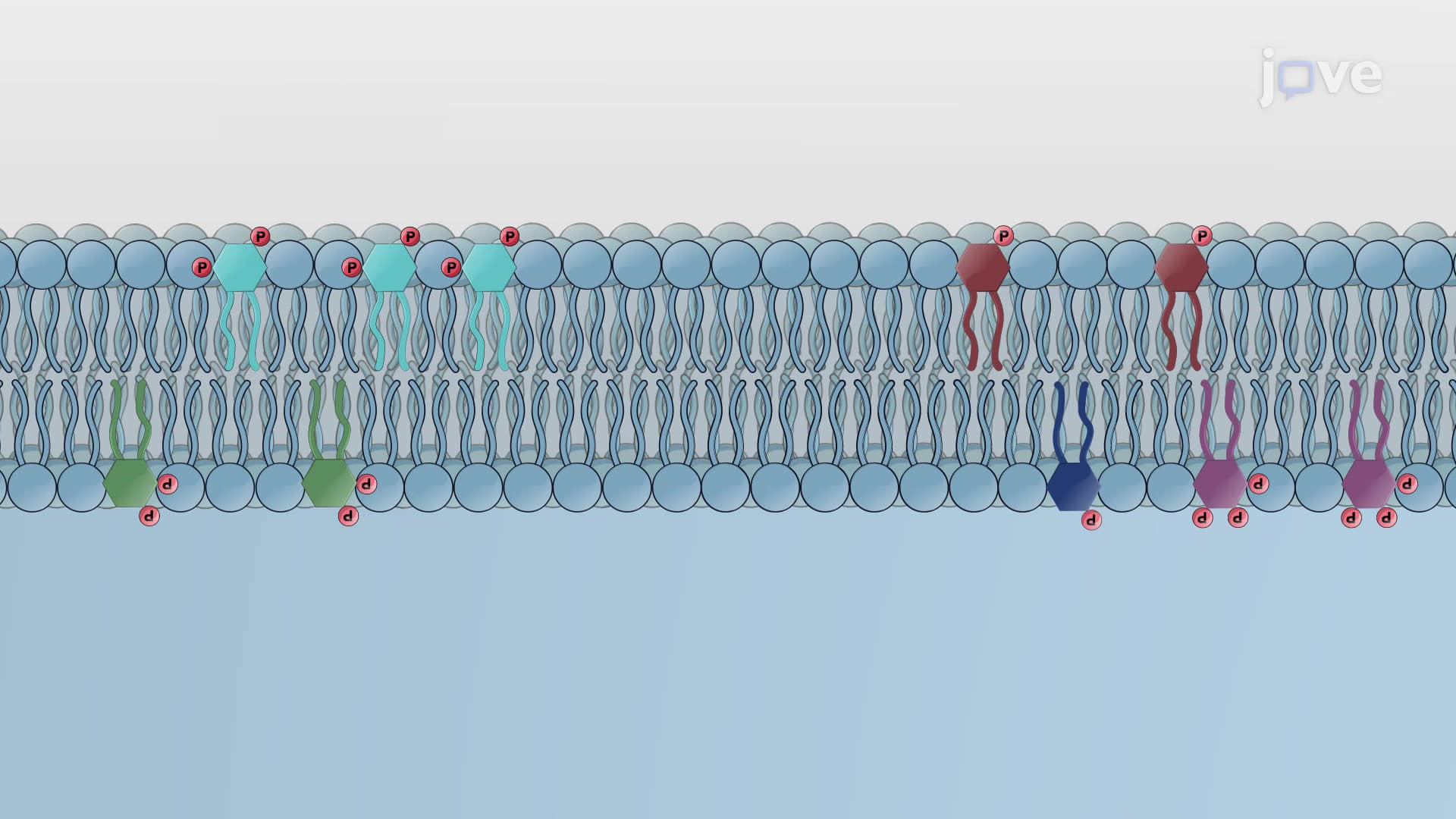
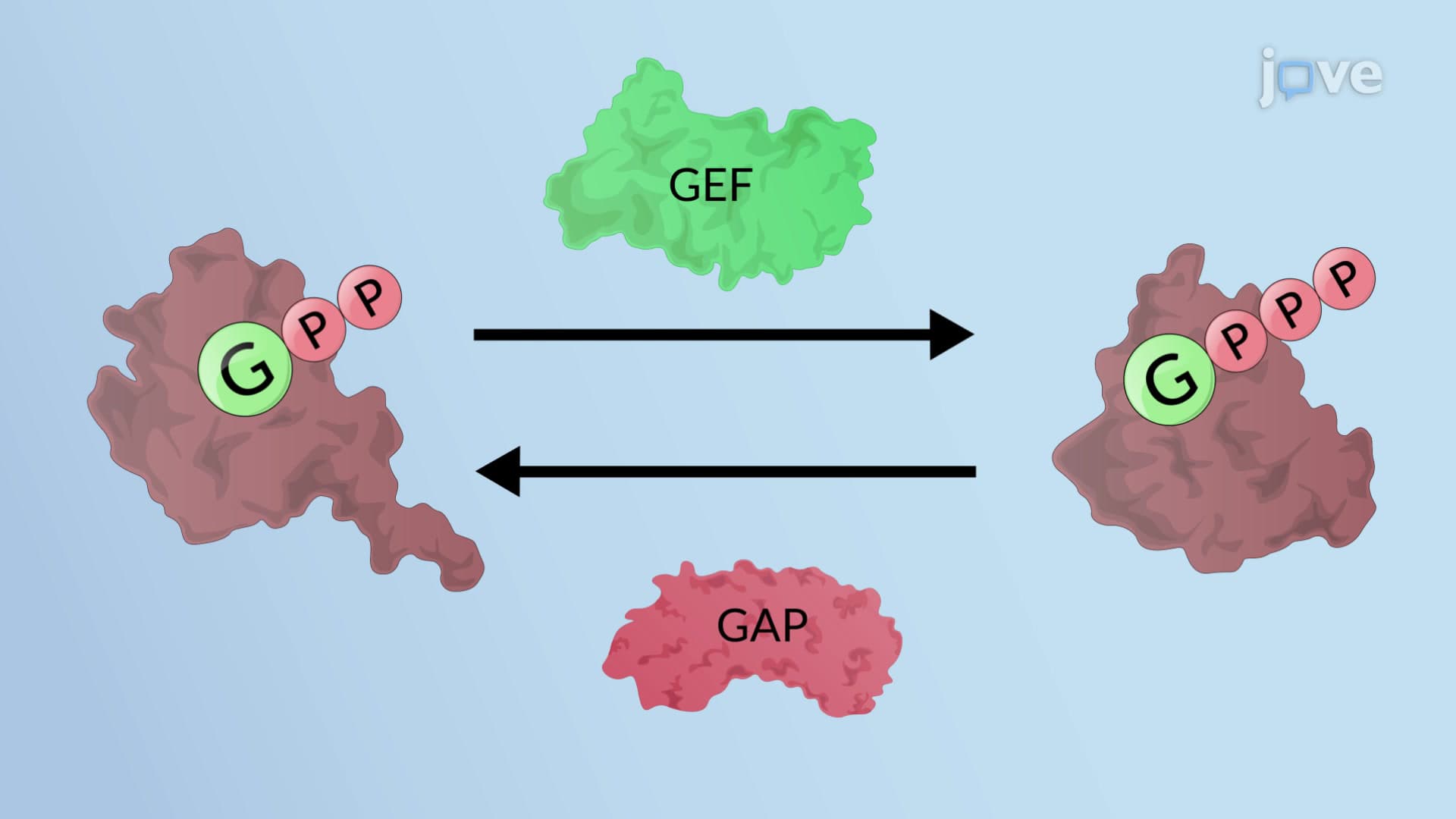
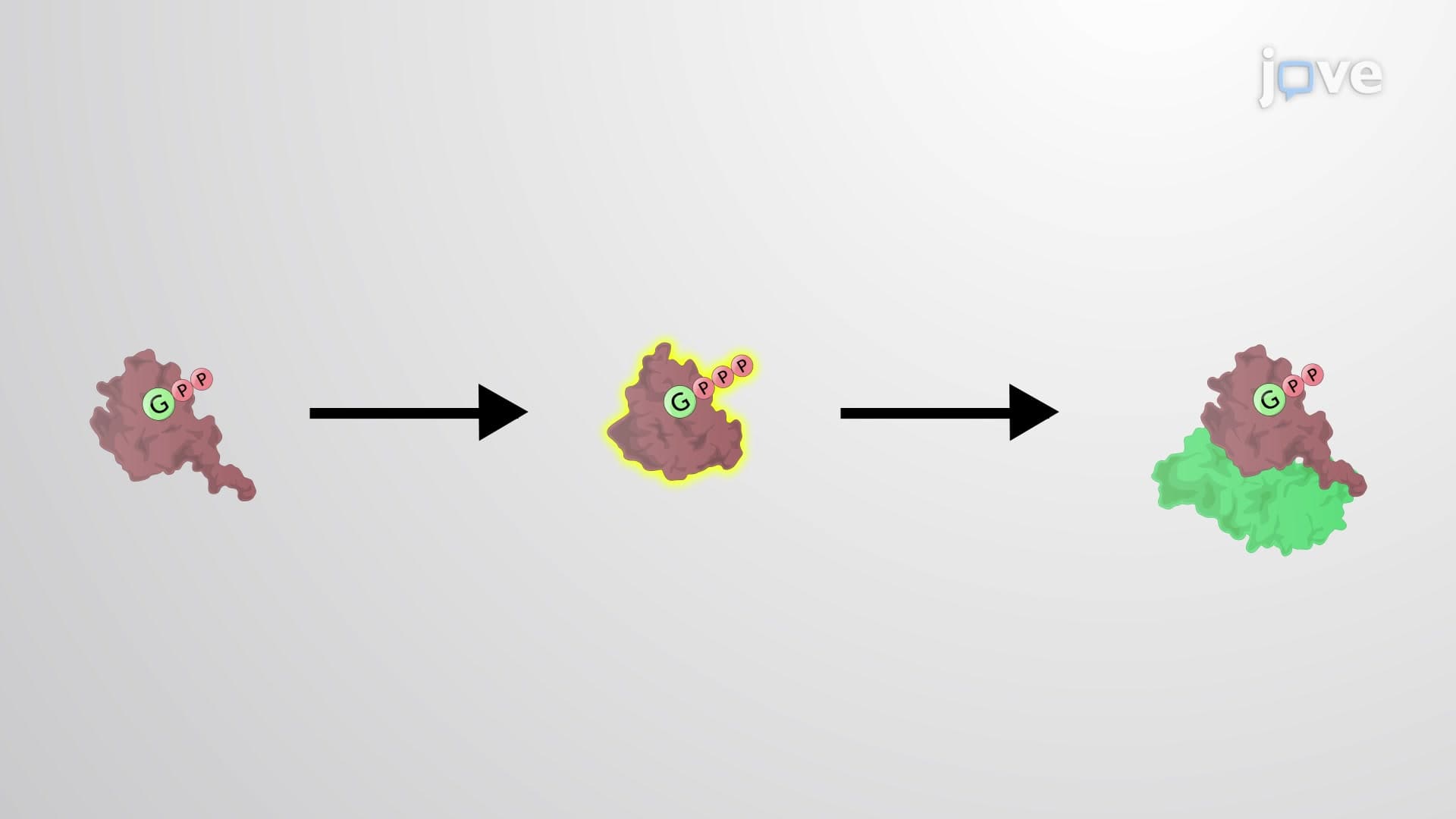
Adaptor proteins form the inner coating layer, acting as molecular selectors that recognize and bind specific transmembrane receptors. This selectivity ensures that only appropriate cargo gets packaged-like insulin receptors in muscle cells or neurotransmitter receptors in brain tissue. Dynamin, a GTPase enzyme, functions as molecular scissors, wrapping around the vesicle neck and using GTP energy to sever the connection from the parent membrane.
This concept appears frequently on AP Biology exams and college cell biology courses, particularly in questions about membrane transport and cellular organization. Medical students studying for the MCAT encounter clathrin-coated vesicles in biochemistry sections focusing on cellular processes and protein trafficking pathways.
Related Micro-courses